Diabetes Pakistan Metabolic Syndrome Date: 1st - 2nd November, 2024 Venue: Serena Hotel, Faisalabad
For Emergencies: +92 41-2694037

Mounjaro Side Effects for Non-Diabetics: What You Need to Know 

Dr. Ahmad Shahzad
Founder | Lyallpur Diabetes Foundation
Consultant Diabetologist | Educator | Advocate for Preventive Care

First developed to treat type 2 diabetes, Mounjaro (tirzepatide) was very popular among non-diabetics because of its strong weight-loss outcomes. Although taking the drug off-label might be tempting, it is essential to know that there are risks involved. In this article, I will explain Mounjaro side effects in non-diabetics and detail the complications and health issues that may present themselves during use of the medication without having a medical emergency.

What is Mounjaro and How Does It Work?

Tirzepatide, a drug that is prescribed for people who have type 2 diabetes, was given the name Mounjaro. The first certified it to control blood sugar along with diet and exercise. An intradermal injection of tirzepatide is given once a week.

Original Purpose: Type 2 Diabetes Treatment

·       Authorized to improve glycemic (blood sugar) controls among type 2 diabetics.

·       Decreases the levels of glucagon being produced by liver, increases the amount of insulin being produced, and reduces the rate at which food exits the stomach to reduce the levels of glucose in blood.

Mechanism: Dual GIP/GLP-1 Receptor Agonist

Tirzepatide targets only two hormones:

  • GIP (glucose-dependent insulinotropic polypeptide) receptor
  • GLP-1 (glucagon-like peptide-1) receptor

This dual action means it can:

  • With an elevated level of glucose, it promotes the production of insulin.
  • Prevent excessive output of glucose in the liver.
  • Remarkably reduces post-meal increases of blood sugar by decreasing the pace of stomach emptying.
  • Less desire and food intake through an increase in satiety, or satisfaction.
  • Have greater effects than the drugs targeting only GLP-1, namely in relation to the weight loss.

Why it’s being used by non-diabetics (especially for weight loss)

Tirzepatide (Mounjaro), despite being prescribed for type 2 diabetes, has caught attention for its impact on weight loss, even in those without the disease:

  • Significant weight loss is reported by many non-diabetics, sometimes going beyond what is observed with equivalent medications.
  • Clinical research has demonstrated that taking it as a weight reduction drug can help people without diabetes lose up to 13% of their initial body weight in six months.
  • Because it mimics hormones related to satiety and glucose regulation, the medication lowers appetite and calorie intake, making it intriguing to those who are obese.
  • By 2023-2024, it was certified under a different brand (Zepbound) for the treatment of obesity and chronic weight loss.

Off-label use disclaimer

  • Off-label use alludes to the prescription of a drug for a use that has not been formally authorized by regulatory bodies.
  • Not everyone approves of Mounjaro for weight loss alone. For non-diabetics looking to control their weight, doctors may prescribe it “off-label” in some circumstances or nation, specifically if previous treatments haven’t worked.
  • While there is growing evidence that it can help non-diabetics lose weight, research on its long-term effects and safety is still ongoing.
  • To be certain, medically appropriate use and to assess potential risks and benefits, anybody thinking about using Mounjaro for weight loss should speak with a healthcare provider.

What is Mounjaro and How Does It Work?

Common Side Effects in Non-Diabetic Users

Tirzepatide is a very famous drug with weight loss properties, however, its non-diabetic users largely tolerate it but has few side effects that are also apparently common. These are most commonly mild to moderate and may happen as the body is getting used to medication especially when the dosage is increased.

Gastrointestinal issues

The commonest side effect, observed in up to 20.4 percent of clinical trials.

  • Nausea: Incidence of nausea, diarrhea, and vomiting is common in diabetic and non-diabetic users.
  • Vomiting: Found in approximately 9 percent of trial patients.
  • Diarrhea: It was reported by the participants (16.2%) taking tirzepatide vs. 8.6% taking other therapies.
  • Constipation: Appears in 2.5 percent of the users appear and comparatively very high amongst comparators.
  • Other GI effects: Indigestion (dyspepsia), belching and abdominal pains as well are observed
  • Headache: Although headaches are not the most common, nonetheless it is found in a group of individuals, mostly attributable to the GI effects of dehydration or change in blood sugar levels.
  • Fatigue: A minority of users complained of unusual fatigue at the beginning of tirzepatide treatment, most frequently on the first few weeks of treatment.
  • Dizziness: Common, particularly with rapid weight loss, lower blood sugar level or dehydration caused by gastrointestinal effects.

Appetite Changes and Rapid Weight Loss

  • Appetite Suppression: Hallmark effect up to 9.6% report decreased appetite, much more common than the other medications of similar purpose. This loss of appetite enhances massive weight loss.
  • Weight Loss: Fast and considerable. Clinical research indicates that non-diabetic users should be able to lose approximately 13 per cent of their initial weight after six months.

Discussion by many users include wild appetite suppression that causes them to fast without intending to lose weight unintentionally afterwards.

Important Notes
  • Majority of side effects are of short duration and occur due to the body adapting to tirzepatide.
  • Major side effects are seldom witnessed, and people are advised to see a medical professional immediately when dire or proficient indications (like those of dehydration, continuous regurgitating or any severe headaches) are transpired.

These side effects and figures are based on studies on both diabetic and non-diabetic adults; non-diabetic users ought to understand that the figures in fact can vary on an individual level about occurrence and severity.

Differences in Side Effects Between Diabetics and Non-Diabetics

Side EffectNon-DiabeticsDiabetics
Nausea31% (high dose) 23% (high dose) 
Diarrhea23% 19% 
Vomiting12% 13% 
Weight LossUp to 21% of weight Up to 15% of weight 
Hypoglycemic EventsOccasional/possible Less frequent
KetoacidosisRare, reported Not typically reported
Key Takeaways:
  • The condition in non-diabetics may be accompanied by more GI side effects, further weight loss and unexpected decreases in blood sugar or scarcely any ketoacidosis.
  • Diabetics have controlled blood sugar that gives insulation to some of these dangers.
  • Non-diabetic users also lack long-term safety data indicating the need to obtain medical supervision and additional studies.

It is highly recommended to have consultations with medical workers in case of starting to take tirzepatide or to continue taking it, more so when one is taking it as an off-label medication to lose weight.

You may also like to read: Diabetes Medications

Precautions & Medical Supervision

To be entirely safe and informative before taking Mounjaro (tirzepatide), and particularly, as a non‑diabetic, it is important to discuss the treatment with an expert medical professional and make an informed decision based on your past medical history and risk group.

It is highly advisable to adopt a low dose increase scheme. The treatment usually starts at a dose of 2.5mg once weekly and the dose is increased by 2.5mg every 4 weeks up to a maximum dose of 15mg with the aim of limiting gastrointestinal symptoms as also to maximize tolerability.

Monitoring is essential, especially in the period of titrating the dose, and relevant during the entire treatment. After the initial assessment, follow up visits after 4 weeks should assess the side effects, (e.g. nausea, vomiting), renal function (in case there is dehydration due to GI side effects), mood or psychiatric abnormalities, and weight response.

Notably, it should not be used in patients having personal or family history of medicinal Thyroid carcinoma (MTC) or Multiple Endocrine neoplasia syndrome type 2 (MEN 2) because there is a boxed note about thyroid C-cell Tumors in animals of Mounjaro usage.

Conclusion

Although Mounjaro has proved to be effective in weight loss, administration and utilization of this effect among non-diabetic populations are also associated with a variety of unwanted side effects and possible severe health complications. Ranging between gastrointestinal problems and more serious ones such as lowering blood sugar, pancreatitis, and thyroid complications, the dangers cannot be ignored. It is necessary to keep in mind the idea that Mounjaro is not a prescription that can be taken as a weight loss approved medication among individuals without diabetes type 2, and the off use can only be undertaken strictly at the control of the medical specialist. It is never advisable to take or even proceed with any form of medicine without consulting a prescribed medical health professional, more so one that has powerful impacts. The priority should be your safety, as well as your long-term health.


A Comprehensive Guide to Diabetes Medications: Types, Benefits, and How They Work

Dr. Ahmad Shahzad
Founder | Lyallpur Diabetes Foundation
Consultant Diabetologist | Educator | Advocate for Preventive Care

Type 1 diabetes, in which the body generates little to no insulin, and type 2 diabetes in which the body grows resistant to insulin or produces inadequate amount, are both chronic conditions that affect the body’s capability to regulate blood sugar. To control blood glucose levels, avoid complications and maintain a higher quality of life, medications are essential. Diabetes therapy needs to be intended to patient’s specific needs, with the help of a healthcare professional who can suggest the safest and most effective medication.

Understanding Diabetes and the Role of Medication

Diabetes is a metabolic disease that affects how the body uses glucose, which is its primary energy source. In type 1 diabetes, the pancreatic cells that produce insulin are accidentally attacked by the immune system, resulting in little to no insulin production.

Type 2 diabetes is the most prevalent kind of diabetes, which occurs due to the body’s inability to produce enough insulin or its resistance to it. Medication is frequently needed in both situations to support the body in controlling blood sugar levels and preventing major side effects like kidney damage, heart disease, and nerve issues.

Lowering A1C values, balancing daily blood sugar, and reducing the long-term risk of diabetes-related health problems are the main objectives of diabetic medication therapy.  A key component of successful diabetes control is the combination of lifestyle and medications.

First-Line Therapy: Metformin Explained

What is Metformin?

The first line treatment for type 2 diabetes is generally metformin, an oral drug. Furthermore, it is used to treat gestational diabetes and occasionally helps high-risk patients avoid developing diabetes. Off-label usage of metformin is also possible for diseases such as polycystic ovarian syndrome (PCOS).

How it works

Metformin works through numerous mechanisms to lower blood sugar:

  • Inhibits hepatic gluconeogenesis, which lowers the glucose production of liver.
  • Reduces the gut’s absorption of glucose.
  • Helps tissues use glucose more effectively by enhancing the body’s sensitivity to insulin.
  • Activate the enzyme AMP-activated protein kinase (AMPK), which aids in controlling the metabolism of fat and glucose.

These mechanisms result in more stable blood sugar levels, specifically in people whose insulin does not work properly.

Benefits

BenefitExplanation
Weight neutralDoes not cause weight gain; some may lose weight.
Low costAvailable as a generic medication and is inexpensive.
Cardiovascular protectionEvidence shows a reduced risk of heart disease and stroke.
Fewer episodes of low blood sugarCompared to other diabetes medications.
Wide experienceOn the market for decades and well-studied

Common Side Effects

Although most people tolerate metformin well, some people have side effects, notably gastrointestinal distress, specifically when starting or increasing the dosage.

Very Common:

  • Stomach pain
  • Loss of appetite
  • Diarrhea
  • Nausea
  • Bloating or gas

Occasional:

  • Taste disturbances (metallic taste)
  • Headache

Rare but serious:

  • Lactic acidosis
  • Vitamin B12 deficiency

Due to its neutral effect on weight, low cost, safety, and effectiveness, it continues to be the first choice for many people with type 2 diabetes.

You may also like to read: Tandem diabetes

Oral Diabetes Medications for Type 2 Diabetes

ClassExamplesMain MechanismNoteworthy BenefitsKey Risks/Limitations
Sulfonylureasglipizide, glyburideStimulate insulin releaseLow cost, strong efficacyHypoglycemia, weight gain, CV risk
DPP-4 Inhibitorssitagliptin, saxagliptinProlong incretins, ↑ insulin, ↓ glucagonWeight neutral, low hypoglycemiaModest efficacy, cost
SGLT2 Inhibitorsempagliflozin, canagliflozinKidney glucose excretion, ↓ blood glucoseHeart/kidney protection, weight & BP reductionGenital infections, not for low GFR
Thiazolidinediones (TZDs)pioglitazoneImprove insulin sensitivity (PPARγ agonist)Effective for IR, some CV/lipid benefitsWeight gain, fluid retention, fractures
Meglitinides/Alpha-glucosidase Inhibitorsrepaglinide/acarboseTarget postprandial glucoseFlexible dosing, reduce after-metal spikesMild effect, GI side effects

Injectable Medications (Non-Insulin)

MedicationPrimary BenefitsKey Points
LiraglutideHbA1c drop, weight loss, CV risk reductionDaily injection, CV benefit proven
SemaglutideLargest weight/HbA1c reduction, CV benefitsWeekly injection, available oral form
DulaglutideHbA1c/weight loss, CV benefitsWeekly injection, robust CV data

Insulin Therapy for Diabetes

This is a thorough explanation that answers all your questions about insulin therapy for diabetes:

Insulin Therapy for Diabetes

When is insulin necessary?

Type 1 Diabetes: Because the pancreas produces little to no insulin, insulin is always required.

Type 2 Diabetes: Insulin is required in type 2 diabetes when:

  • Oral or injectable non-insulin treatments and lifestyle modifications are unable to regulate blood sugar levels.
  • Extremely high HbA1c (above 9-10%) or exceptionally high fasting plasma glucose (over 250 mg/Dl) are both present.
  • Endogenous insulin is not adequate when pancreatic beta-cell activity gradually declines.
  • During gestational diabetes if other treatments fail.

Types of insulin

Insulin TypeExamplesOnset & DurationUse/Role
Rapid-Acting InsulinInsulin lispro, aspart, glulisineOnset: ~10-20 mins; Duration: 3-5 hrsTaken before meals to control postprandial glucose spikes
Short-Acting InsulinRegular insulinOnset: ~30 mins; Duration: 6-8 hrsAlso, mealtime insulin but slower onset than rapid acting
Intermediate-Acting InsulinNPH insulinOnset: ~1-2 hrs; Duration: 12-18 hrsBasal control, usually 2x daily
Long-Acting InsulinInsulin glargine, insulin degludec, insulin detemirOnset: 1-2 hrs; Duration: up to 24-42 hrsProvides steady basal insulin throughout the day and night
  • With weekly dosing, Icodec, an upgraded form of once-weekly basal insulin, is intended to keep insulin levels constant.
  • It seeks to enhance adherence and convenience for those who need long-acting insulin.
  • According to preliminary clinical research, it may be possible to manage blood glucose that is as efficient as daily basal insulins while necessitating fewer injections.
  • Icodec, generally referred to as insulin icodec, undergoes regulatory assessment and is a significant advancement in insulin therapy, specifically for the treatment of type 2 diabetes, where injecting numerous daily injections can be strenuous.

New & Emerging Diabetes Medications

Medication/ToolTypeKey Features & BenefitsStatus & Outlook
OrforglipronOral GLP-1 receptor agonistOral delivery, improved glucose control, convenienceInvestigation; expected approval near-term
CagriSemaCombination therapy (Amylin analog + GLP-1 RA)Enhanced weight loss and glucose controlClinical trials; promising results
Smart Insulin PensDigital health technologyDose tracking, reminders, data synchronizationIncreasing usage; growing integration with diabetes care

Conclusion

To properly handle your diabetes and prevent major complications, you must be aware of your drug alternatives. Finding the best treatment plan for your unique needs requires close collaboration with your healthcare provider because there are many different injectable and oral medications available, each with unique advantages.

Frequent consultations help guarantee that your therapy stays secure, effective, and in line with your health objectives. For genuinely comprehensive diabetes care, keep in mind that although medicine is essential for blood sugar management, it should always be used in conjunction with healthy lifestyle practices such as a balanced diet, regular exercise, and routine monitoring.

Tandem Diabetes: Transforming Insulin Delivery with Smart Pump Technology

Dr. Ahmad Shahzad
Founder | Lyallpur Diabetes Foundation
Consultant Diabetologist | Educator | Advocate for Preventive Care

Management of diabetes, of the insulin dependent types, requires precision, stamina and constant supervision. Maintenance daily can be emotionally and physically demanding tasks, such as monitoring blood sugar levels, administering accurate doses of insulin etc. In recent times, technology has transformed this process to be more accurate and quicker. Tandem Diabetes pioneers this shift by offering smart and accessible insulin pump systems that optimize and simplify diabetes treatment.

Tandem diabetes, which aims at continuously developing and contributing values to the lives of individuals with diabetes, gives effective instruments in the management of glucose and day-in-day-out assurance by combining innovative technology with an attractive outlook.

What is Tandem Diabetes?

An American medical device firm called Tandem Diabetes Care specialize in developing and producing innovative insulin delivery devices, especially insulin infusion therapy, for the treatment of diabetes. Their products include proficient insulin pumps with features like automated insulin delivery, integration with continuous glucose monitoring (CGM), predictive algorithms, and automatic touchscreen interface that help people with diabetes, specifically type 1 diabetes, better control their blood glucose levels.

Evolution of the Product Line

With emphasis on user-centric, integrative product development, the firm was established in 2006 (originally as Phluid, Inc.) and changed its name to Tandem diabetic Care in 2008.

  1. The t:slim X2, their flagship insulin pump, has an incredible color touch screen, a waterproof housing, is slim, discrete, and rechargeable. Using a built-in bolus calculator, it calculates bolus doses while continuously delivering rapid-acting insulin through cannula and tubing.
  2. To minimize prevent highs and lows, the t:slim X2 pump is compatible with Control-IQ technology, contemporary hybrid closed-loop systems that give automated basal insulin changes as well as bolus delivery during mealtimes based on CGM data.
  3. Furthermore, they offer the Tandem Mobi System, a flexible insulin pump with Control-IQ + predictive algorithms that can be worn practically anywhere and controlled by an iPhone.
  4. To provide users with seamless systems, Tandem places a strong emphasis on integration and interoperability with other diabetes technologies, such as Abbott’s glucose sensors.

Patients with type 1 diabetes wit6 or more years of age are permitted to use their insulin pumps. Essentially, Tandem Diabetes Care is a well-known supplier of automated insulin administration systems and innovative insulin pumps that seek to reduce the burden of managing diabetes by integrating patient-centered care, advanced technology, and convenience of use.

How Tandem Diabetes Improves Daily Life for Users

Specifically, for those with Type 1 diabetes, Tandem Diabetes Care’s intelligent insulin pumps and technology provide practical advantages:

Automated & Personalized Insulin Delivery

  • Predictive algorithms help prevent highs and lows.
  • Control-IQ adjusts insulin automatically using CGM data.
  • Reduces decision fatigue, making diabetes management easier.

Better Glucose Control & Safety

  • High/low alerts increase safety both during the day and at night.
  • Lowers A1c and prolonged duration in range.
  • Boost self-confidence when working out or sleeping.

User-Friendly Design

  • For portability, the design is slim and rechargeable.
  • A color touchscreen makes navigating simple.
  • Tandem Mobi enables you to control your smartphone discreetly.

Flexibility & Integration

  • Connects to health tools and apps.
  • Personalized profiles for sleep, food, and activities.
  • Collaborate with top CGM brands (Libre, Dexcom).

Boosts Independence & Confidence

  • Lessen disturbances at social gatherings, the schools and workplaces.
  • Excellent for teaching self-management to children and teenagers.
  • Family members and carers benefit from remote monitoring.

Psychological & Lifestyle Benefits

  • Greater freedom to eat, exercise, and travel.
  • Automated safety featured reduce worry.
  • Enhances users’ and family’s general quality of life.
How Tandem Diabetes Improves Daily Life for Users

Recent Updates & Future Roadmap

Malfunction 16 Speaker Issue & Response

Following the discovery of a speaker wire flaw in certain t:slim X2 pumps, Tandem Diabetes Care issued an Urgent Medical Device Correction in July 2025. This incident, known as “Malfunction 16,” stopped insulin administration and disabled CGM and app warnings. No fatalities were reported, but there were about 700 adverse events and 59 injuries.

Response Plan:

  • A firmware update with improved early detection and continuous vibration alerts is being released.
  • For backup alerts, users are prompted to enable push notifications through the Dexcom and t:slim apps.
  • Notifications will be sent to affected customers to start updates, and they should keep an alternate insulin delivery system on hand.

Libre Integration & New Sensor Partnerships

CGM compatibility is being aggressively expanded by Tandem:

  • For the t:slim X2, Freestyle Libre 3 Plus integration has gone into early access; a wider release is anticipated in H2 2025.
  • To improve ketoacidosis monitoring, a future partnership will allow integration with Abbott’s planned glucose-ketone sensor.

This calculated move maximises Control-IQ performance by allowing customers to take advantage of a 1-minute glucose measurement over a period of 15 days.

Patch Pump (Sigi) & Full Closed‑Loop Ambitions

In the future, Tandem is expanding the range of insulin delivery products it offers:

  • To allow site separation while maintaining insulin supply, a tubeless patch pump that is compatible with Mobi is being developed.
  • Following the Mobi patch, Sigi, and ergonomic and rechargeable patch pump, is currently in the design verification stage.

To get a fully closed loop-system that automates all insulin delivery, Tandem also intends to pilot a next-generation algorithm with UVA Centre for Diabetes Technology.

What This Means for Users

AreaImpact on Users
SafetyFirmware updates and alerts increase pump reliability.
CGM PrecisionLibre 3 Plus and future sensors boost Control‑IQ responsiveness.
ChoiceUsers will soon access tubeless and patch-based pump options.
InnovationA fully closed‑loop system could reduce manual dosing to nearly zero.

You may also like to read: Type 3 Diabetes

Conclusion

Tandem diabetes is still at the vanguard of intelligent insulin delivery, offering innovative solutions that blend cutting-edge technology with intuitive design. Tandem enables people with diabetes to more successfully and comfortably control their condition with automated insulin adjustments, seamless CGM integration, and smartphone connectivity.

To find out if Tandem’s insulin pump systems are the best option for you or a loved one with diabetes, consult your healthcare professionals. Go over your options or schedule a product demo on Tandem Diabetes Care’s official website to find out more. With the correct resources, you can take charge of your health, and Tandem is here to help you along the way.

Understanding Type 3 Diabetes: What It Really Means

Dr. Ahmad Shahzad
Founder | Lyallpur Diabetes Foundation
Consultant Diabetologist | Educator | Advocate for Preventive Care

The term “Type 3 diabetes” arouses interest and perplexity in both medical discourse and public searches. Although not classified by major health organization as a separate form of diabetes, it is frequently used in two different contexts. First, it discusses a hypothesis that indicates reduced glucose metabolism that may be a contributing factor to cognitive loss and links Alzheimer’s disease to insulin resistance in the brain.

Second, it is usually misdiagnosed as Type 3c Diabetes, known illness brought on by pancreatic damage. Patients and even healthcare professionals misunderstand each other because of this language overlap. Raising awareness, promoting early diagnosis, and enhancing proactive health management all depend on an understanding of the variances and the research underlying each interpretation. This article examines the true definition of Type 3 Diabetes, it relates to pancreatogenic diabetes and Alzheimer’s disease, and the latest finding.

What is Type 3 Diabetes?

When pancreatic damage affects both its endocrine (hormone) and exocrine (digestive enzyme) functions, type 3c diabetes, also known as pancreatogenic diabetes, occurs.

Major health organizations like the ADA and WHO do not formally recognize type 3 diabetes, regardless of its common use. This term frequently brings confusion among people and even healthcare providers because it traverses two completely different medical contexts. This is a more vivid breakdown:

Informal Usage in Medical and Academic Circles

In casual scientific discussion, this type of diabetes is used to refer to either:

  • Alzheimer’s disease may be exacerbated by an insulin-resistant brain (a descriptive theory, not a formal diagnosis).
  • Type 3c diabetes, also known as pancreatogenic diabetes, is a real ailment that results from injury to the pancreas.

Overlap in Terminology

  • Although glucose dysregulation is present in both situations, the underlying causes, signs, and therapies are entirely different.
  • To prevent misdiagnosis, it is crucial to distinguish between pancreatic illness and the brain-related theory because they have the same informal term.

Causes

Common triggers include:

  • Cystic fibrosis
  • Pancreatic cancer
  • Chronic or acute pancreatitis (most common cause)
  • Pancreatic surgery or removal (partial or total pancreatectomy)
  • Hemochromatosis (iron overload)

Signs and Symptoms

Individuals who have type 3c diabetes frequently have a combination of:

Typical diabetes symptoms:

  • Increased thirst, frequent urination, unexplainable weight loss, fatigue, and blurred vision, etc.

Digestive/exocrine symptoms due to pancreatic insufficiency:

  • Bloating, abdominal pain, gas, diarrhea or oily (fatty) stools and unintended weight loss.

Diagnosis and Management

Diagnosis

Step 1: Use tests such as the HbA1c or fasting blood sugar to confirm diabetes.

Step 2: Use imaging (CT, MRI, or endoscopic ultrasonography) and signs of exocrine insufficiency (such as low faecal elastase) to confirm pancreatic injury.

Step 3: Use autoantibody testing to rule out Type 1 diabetes.

Management

  • Insulin therapy and/or oral drugs (like metformin) to manage blood sugar, depending on residual function.
  • Support for digestion with pancreatic enzyme replacement treatment, specifically in cases of exocrine insufficiency.
  • Handle underlying damage by treating conditions like cancer, cystic fibrosis, or pancreatitis.

You may also like to read: Is Diabetes a Disability?

Key Differences Between Alzheimer’s-Type and Type 3c Diabetes

Although both disorders are sometimes referred to as “Type 3 Diabetes”, their signs, causes, and therapies are completely different. Understanding the difference is essential for precious diagnosis and suitable treatment. Here is a thorough comparison:

AspectAlzheimer’s-Type DiabetesType 3c Diabetes (Pancreatogenic Diabetes)
Recognition StatusNot officially recognized as a medical conditionOfficially recognized type of diabetes
CauseInsulin resistance in the brain; possibly linked to Alzheimer’sDamage to the pancreas due to pancreatitis, cancer, or surgery
Primary Organ AffectedBrainPancreas
SymptomsMemory loss, cognitive decline, confusionHigh blood sugar, digestive issues (diarrhea, weight loss)
Diagnosis MethodNo formal diagnostic criteria; based on Alzheimer’s and diabetes linkBlood tests, pancreatic imaging, enzyme analysis
TreatmentAlzheimer’s-specific treatment; lifestyle changes for insulin sensitivityInsulin therapy, pancreatic enzyme replacement, diet adjustments
Medical Term UsedDescriptive term onlyAlso called Type 3c Diabetes or pancreatogenic diabetes
Common inOlder adults, especially those with type 2 diabetesPeople with a history of pancreatic disease or surgery

How to Manage and Reduce Risk

The following are proven strategies for managing and lowering the risk of Type 3 diabetes, which is linked to Alzheimer’s disease, and Type 3c (pancreatogenic) diabetes:

Lifestyle for Brain Health

Reducing insulin resistance in the brain and possibly delaying cognitive decline can be attained by leading a brain-focused lifestyle:

Healthy Diet:

  • Diets high in fruits, vegetables, whole grain, fish, olive oil, and nuts, sometimes known as the Mediterranean or MIND diet, relate to enhanced cognitive function and a decreased risk of dementia.
  • Intake of food high in choline (such as eggs, cruciferous vegetables, and dairy) and omega-3 sources (like walnuts and salmon) as these have been shown to enhance cognitive and memory performance.
How to Manage and Reduce Risk of Type 3 Diabetes

Regular Exercise

  • Both aerobic and strength training enhance insulin sensitivity (including in brain cells) and reduce dementia risk by rough 20%.

Quality sleep & stress control

  • Make getting 7 to 9 hours of good sleep, specifically REM sleep, an obligation for memory consolidation and toxin removal.
  • To maintain neurological function, reduce stress before bed by practicing mindfulness, meditation, or gentle stretching.

Final Thoughts

The terminology Type 3 Diabetes is applied in two different contexts: One explaining insulin resistance in the brain as associated with the development of Alzheimer, and the other one as a form of diabetes (type 3c) due to damage of the pancreatitis. Both raise very serious medical issues despite only Type 3c being an officially accepted illness. Knowledge can be utilized to determine appropriate intervention and care by identifying these differences.

Is Diabetes a Disability? Understanding Your Legal Rights and Protections

Dr. Ahmad Shahzad
Founder | Lyallpur Diabetes Foundation
Consultant Diabetologist | Educator | Advocate for Preventive Care

Diabetes is a disease with a long-term course that millions of people in the world live with -everyday exercises, change of lifestyle, and in most cases daily pills or insulin are needed. Although this is manageable, people tend to pose this question: is diabetes a disability? This greatly affects the daily activities, work duties and quality of life to many individuals. The question most have would be, is diabetes a disability in law? The response might amaze you. This article will address that issue in terms of the legal perspective of diabetes, entitlement and safeguard of people with diabetes in the workplace and their educational experience, as well as whether there is a disability status assigned to diabetes. Being aware of them can enable people with diabetes to make more effort in taking control of their health and legal rights.

Is Diabetes a Disability Under the Law?

Truly, in many nations, diabetes type 1 and type 2 are acknowledged by law as disability. Since diabetes greatly affects endocrine function, a vital bodily function, the Americans with Disabilities Act (ADA) in the US. Similar rights are also included in federally financed programs under the Rehabilitation Act. Although people may have to provide proof of how their disabilities limit their everyday activities to be entitled to.

Both Type 1 and Type 2 diabetes that are managed with insulin are frequently covered by the Equality Act 2010 in the UK. If diabetes has a crucial, long-term impact on everyday life, it can be considered a handicap based on a reasonable individual assessment.

Diabetes is usually recognized as a disability in Canada and other jurisdictions, which offer appropriate legal protections and accommodations.

Can You Get Disability Benefits for Diabetes?

Not every person with diabetes is eligible for Supplemental Security Income (SSI) or Socia Security Disability Insurance (SSDI). The disease must be serious enough to keep you from working full-time for at least a year, or it must be expected to cause death, in case for you to be considered payments.  

What the SSA Looks For

The Blue Book listings, specifically the parts on endocrine abnormalities and related problems, are used by the Social Security Administration. To be admissible, you had to:

  • Enduring and completely recorded medical evidence (lab results, notes from specialists, hospitalization records).
  • A history of disease that includes recurrent hospital admissions or medical treatments, as well as clinical evidence that your symptoms prevent you from working full-time.

When Diabetes Becomes Disabling

Diabetes can become incapacitating when its symptoms severely interfere with day-to-day functioning. Key circumstances are as follows:

Repeated Hypoglycemia or Hyperglycemia

Disorientation, convulsions, and even unconsciousness are brought on by frequent low or high blood sugar. According to studies, mild hypoglycemia can cause blurred vision and make driving dangerous, even in the absence of warning symptoms, presenting considerable risks in day-to-day activities.

Cognitive Fatigue or Depression

Many diabetics report feeling extremely exhausted:

“The exhaustion is simply unbearable… It is like having the flu.”

Clinical depression is reported by 20-30% of people, illustrating the prevalence of mood disorders. This emotional stress could worsen blood sugar regulation and further impede productivity and creative thinking.

Limitations on Physical Activity or Driving

Walking, exercising, and doing housework can be restricted by neuropathy, balance issues, and vision problems. Hypoglycemia-related cognitive and coordination problems might result in license suspension or auto accidents.

When Quality of Life Suffers

When diabetes is debilitating, symptoms generally affect mental health, physical health, mobility, and safety, making it impossible or difficult to retain full-time employment. It’s a abrupt shift from sporadic management to a continuous battle to carry out everyday tasks.

You may also like to read: Is diabetes reversible?

Managing Diabetes and Maintaining Independence

Many people with diabetes live full, independent lives- thanks to a combination of good practices, modern innovations, and strong community support.

Modern Diabetes Technology

Smart insulin pumps and Continuous Glucose Monitors (CGMs) are two examples of devices that have revolutionized healthcare. Research indicates that both Type 1 and Type CGM users have better blood sugar management (lower A1C), fewer hypoglycemia episodes, and an enhanced quality of life. By providing trend data and real-time notifications, these solutions enable users to stay within range and prevent emergency situations.

Lifestyle & Self-Management

Beyond technology, regular exercise, medication adherence, balanced diet, and frequent checkups with the doctor are all common components of good diabetes treatment. Maintaining independence is aided by tried-and-true self-care techniques including fingerstick monitoring, dental and foot maintenance, and sick day preparation.

Community & Peer Support

Support networks, such online forums like TuDiabetes, bring together individuals dealing with comparable issues and provide direction, emotional support, and motivation. Furthermore, peer-driven education initiatives and organizations contribute to stigma reductions and resilience building.

Disability as Strength, Not Stigma

It is not a sign of weakness to accept diabetes as a limitation; rather, it is an admission of the need for assistance. Requesting appropriate accommodation, such as breaks or flexible work schedules, is a proactive way to preserve your health and freedom.

Is Diabetes Reversible? How Diet, Lifestyle, and Medicine Play a Role

Dr. Ahmad Shahzad
Founder | Lyallpur Diabetes Foundation
Consultant Diabetologist | Educator | Advocate for Preventive Care

Diabetes is one of the major health issues that is increasing every day as millions of people are affected with disease at any age. It occurs when the level of blood sugar is characteristically high, and it may cause severe issues when it is not addressed. Is diabetes reversible? This is a significant question that comes to the minds of most people with increasing awareness and medical development. This article unravels that same question by discussing the differences between Type 1 and Type 2 and whether one or the other was reversible. It is more important to know what each type is to understand where treatment is likely to alleviate the pain or long-term management.

Understanding Diabetes

It is a long-term disorder manifested by the presence of increased blood sugar levels; it is a condition associated with the presence of problems with the insulin hormone, which is supposed to carry sugar to the cells of the body to generate energy. It occurs in two different forms:

  • Type 1: it is an autoimmune disorder caused by the destruction of the β-cells in the pancreas, which produces very little or no insulin at all.
  • Type 2: It is caused by the body resisting insulin and producing insufficient quantities of insulin over time.

Insulin and its opposite glucagon together maintain blood sugar levels. Insulin reduces the sugar levels; glucagon increases the sugar level. It is necessary to determine the type of person must speak about the possibility to arrange them or not.

Is Type 1 Diabetes Reversible?

Diabetes type 1 is an autoimmune disorder whereby the body immune system destroys the insulin synthesis beta cells in the pancreas and consequently results in the low or no production of insulin. What is unfortunate about it is that so far, no cure has been established for Type 1 diabetes; treatment using insulin injections in life remains as the best mode of treating this kind of diabetes.

Nevertheless, there are great research achievements which enhance the quality of life of the patients. Insulin administration has seen advancement through continuous glucose monitors (CGMs), insulin pumps and even new, so-called, smart insulins which respond to changes developing in real-time.

Studies of immunotherapies such as teplizumab, islet cell transplants (examples include Donislecel/Lantidra) and stem-cell based therapies are promising, but these remain niche.

Type 1 diabetes is not treatable, although with the help of current treatments the symptoms of diabetes can be controlled: it is not curative therapy.

Is Type 2 Diabetes Reversible?

Lifestyle associated with diet, weight and physical activity are closely related to type 2 diabetes. Though it is not completely treatable, people with Type 2 diabetes have a chance to eradicate the condition in some cases. The ample evidence addresses dietary advancements and weight loss as the key change drivers.

Understanding Diabetes Remission

Health experts refer to it instead of a cure like diabetes remission. Remission is when the level of blood sugar falls under the diabetic level and does not grow back with or without medication even after a few months. Nonetheless, regular check-ups are also of importance since relapse can occur in case of the lapse of the lifestyle factors.

Examples of Reversal Through Lifestyle Change

  • Almost all the participants in clinical studies were able to enter remission (about 50 percent) when they adhered to a very low-calorie diet, dropping 10 to 15 kg.
  • Most individuals who reduce the levels of their weight immediately after being diagnosed will be more likely to reverse type 2 diabetes: others taking no medicine at all even after years.
  • In the UK a study of over 85% of individuals who lost more than 15 kg illustrated that they were in remission one year later.

Proven Ways to Reverse Type 2 Diabetes

The reversal of type 2 diabetes is best done in a thorough manner that modifies lifestyle dramatically and fuels lifestyles. Some of the evidence-based strategies relate to research:

Weight Loss

  • Nothing can be as effective as substantial weight loss. Remission has been induced by low-calorie diets, specifically when such programs are medically supervised.
  • DiRECT trial reported that they found diabetes remission in almost 46% of the patients who lost 10-15 kg on their very low-calorie diet, with more than 85% remission in individuals who lost more than 15 kg.
  • Rapid rate of diabetes remission can be brought about by bariatric surgery specifically among the individuals with greater body mass index.

Diet

  • The whole foods, low-carbohydrate, Mediterranean or plant-based diets, result in better management of blood sugar and weight loss.
  • These diets can be used to sustain remission in the long run.

Exercise

Routine exercise enhances the sensitivity of insulin and the sustenance of effects of defenses to weight loss.

Medication Support

Short-term use of medications such as metformin or GLP-1 receptor agonists could be applied to bring blood sugar under control whilst in the process of making lifestyle adjustments.

Clinical evidence confirms that Type 2 diabetes can be reversed for many individuals who commit to these strategies, but sustained effort and monitoring are crucial.

Proven Ways to Reverse Type 2 Diabetes

Can Gestational Diabetes Be Reversed?

Gestational diabetes normally disappears after giving birth and the control of blood sugar levels is back to normal in most women. Nonetheless, it is something that creates more danger of getting Type 2 diabetes at a later point in life. Regular screening of blood sugar is important as well as periodic follow-ups with your healthcare provider. In addition, a healthy lifestyle, which means balanced diet and physical activity, is encouraged to reduce your long-term susceptibility, and contribute to long-term health.

Can Gestational Diabetes Be Reversed?

Means: Cure vs. Remission

Remission maintenance of normal blood sugar (e.g. HbA1c < 6.5%) without medications, over an extended period, usually at least 3 months, is used in diabetes care. Cure, on the contrary, means a permanent restoration of the normal course of metabolic processes without a risk of relapse, which is impossible to expect in case of diabetes.

Since the susceptibility to metabolism still exists, the blood sugar can increase once more in case good habits are neglected. Therefore, yes diabetes T2 is reversible, that is, it can be made inactive, but not disappeared, it is necessary to continue both lifestyle and monitoring.

You may also like to read: Glucophage (Metformin) Tablet Uses

Frequently Asked Questions

Is it possible to reverse diabetes forever?

Diabetes cannot be cured, and it is impossible to eliminate it fully. Nevertheless, diabetics can reverse the condition in most cases. Reversing diabetes implies close control of blood sugars to reach the stage beyond which medicine intake is not required, and to remain at this manageable stage with the help of a healthy habit referring to proper diet and physical activity.

Is diabetes curable completely?

The answer is simple, yes, it is possible to reverse the symptoms of type 2 diabetes. For your blood sugar levels to be in remission, they must be normal for at least three months of no glucose-lowering medication. Regarding type two diabetes, it’s a chronic condition therefore we don’t talk about curing it or reversing it.

Is it true once a diabetic, always a diabetic?

Type 2 diabetes is a condition and not a short-life disease. Even after remission, so that you’re not taking medication and your blood sugar levels remain in the normal range, you may still have symptoms of the disease that can come back.

Exploring Glucophage (Metformin) Tablet Uses: Benefits Beyond Blood Sugar Control

🩺 Dr. Ahmad Shahzad
Founder | Lyallpur Diabetes Foundation
Consultant Diabetologist | Educator | Advocate for Preventive Care

Metformin tablet has been synthesized to contain metformin hydrochloride which is a common orally taken anti-diabetes medicine and its biguanide. It is used as the first-line drug with diet and exercise as a supplement to help control the glucose level of patients with diabetes type 2 by the inhibited production of glucose by the liver, the increased sensitivity to insulin, and improved absorption of sugars in the bowel. Other Glucophage tablet uses among many include the reduction of both fasting and post-meal glucose, modest weight loss, as well as penetrating low risk of hypoglycemia as compared to other drugs. It has remained one of the most prescribed drugs, which are used in controlling blood sugar all over the world, due to its safety and efficacy.

What Is Glucophage?

Medicine metformin is sold in the brand name Glucophage, which is a commonly prescribed oral insulin-independent antidiabetic drug. It assists the management of the amount of sugar present in blood, that is, in overweight individuals. Metformin has also various forms to fit different forms of patients:

  • Extended-release tablets (Glucophage XR): Take once daily, normally with the evening meal.
  • Immediate-release tablets: Take meals 1 to 3 times daily.
  • Oral Suspension: Adequate for those who have difficulty swallowing tablets.

Glucophage works in the body through multiple mechanisms:

  • Make the body cells insulin sensitive and facilitate a more efficient use of insulin as well as a more systemic uptake of glucose by the body.
  • Reduced glycogen production by the liver thus reducing release of sugar into the blood.
  • Reduces intake of glucose in the small intestines further assisting in negative sugar control in the bloodstream.

By enhancing the body’s response to insulin and reducing excess glucose, it plays a critical role in diabetes management.

Primary Metformin Tablet Uses

The use these tablets is majorly based on the administration and prevention of lifestyle diseases that are caused by diabetes. The salient symptoms are:

Treatment of Type 2 Diabetes Mellitus

  • First-Line Therapy: The term metformin (Glucophage) is well known as the primary orally used drug in the treatment of type 2 diabetes mellitus. It may be employed independently (monotherapy) or together with other antidiabetic drugs or insulin in cases where physical activity and diet itself does not allow one to manage his/her blood sugar.
  • Blood Sugar Control: Its mechanisms of action incorporate lessening glucose production by the liver, enhancing insulin sensitivity and diminishing intestinal glucose ingestion. This is used in regulating the blood sugar level and preventing complications of diabetes, which normally occur through cardiovascular disease, neuropathy, and retinopathy.
  • Prevention of Complications: Clinical trials have reported reduction of blood glucose levels with metformin as well as a reduction in the risk of mortality due to diabetes and mortality in general in overweight diabetic patients with type 2 diabetes because of using metformin.

Uses in Prediabetes

  • Delaying Diabetes Onset: The tablets can be prescribed to people with prediabetes and at high-risk of diabetes type 2 (younger than 60, BMI>35, or has a history of gestation diabetes). The idea is to avert or defer the development of full-blown diabetes at least, when lifestyle changes alone have no effect.
  • Clinical Guidelines: Although not endorsed universally in the treatment of prediabetes, in specific high-risk individuals it has been considered in the guidelines regarding the reduction of type 2 diabetes incidence using metformin.

Management of Gestational Diabetes

  • Alternative to Insulin: These tablets are prescribed in some situations of gestational diabetes mellitus (GDM) as an insulin alternative with no risk at all. With their assistance, it is possible to manage glucose concentrations in the maternal blood, decrease the infant weight trafficking, as well as dangers of birth complications including hypoglycemia and macrosomia.
  • Safety Profile: Some regions allow its use during pregnancy; hence it provides a substituent oral alternative to insulin use by women who are unable to or opt to use injectable insulin.

All in all, there is no doubt about the uses of metformin tablets in the treatment of type 2 diabetes, the prevention of diabetes in persons at risk and as a choice of therapy in cases of gestational diabetes when it is clinically necessary.

Primary Metformin Tablet Uses

Off-Label and Additional Uses of Metformin Tablets

Although Glucophage (metformin) is mostly used to treat diabetes type 2, other off-label and emerging uses of tablets include the following:

Polycystic Ovary Syndrome (PCOS)

Restore Ovulation: It becomes an extremely popular treatment of restoring regular ovulation in the women with PCOS, which is the hormonal disorder that frequently causes the irregular menstruation and infertility.

Reduces Insulin Resistance: It reduces the level of androgens by enhancing the body to respond better to insulin and this can ease the symptoms that include too much hair and acne which are symptoms of PCOS.

Weight Management in Insulin Resistance

It may make it possible to decrease the amount of fat in the abdomen and enhance the cholesterol levels of some patients with the assistance of the medication.

Metabolic Syndrome & Antipsychotic-Induced Weight Gain

  • Metabolic Syndrome: Sometimes this drug can be used to treat metabolic syndrome conditions such as high blood pressure, high blood sugar level, excess body fat around the waist, and unusual cholesterol levels.
  • Counteracting Medication Side Effects: It is also use as an antimetabolic and anti-obesity effect antidote of some antipsychotic drugs, specifically in bipolar or schizophrenic patients.

Experimental and Emerging Research

  • Cancer Prevention: Recent studies evaluating its possible benefits of metformin in the prevention of some cancers, especially colorectal cancer and breast cancer because of its impact in cellular metabolism and insulin resistance.
  • Anti-Aging: This is preliminary research that holds promise of potent anti-aging effects such as better longevity and decreased age-associated illnesses. However, these applications are still theoretical and are yet to be used as a matter of standard practice.

Potential Side Effects and Precautions

Side effects – Nausea, Metal taste in the mouth and Diarrhea are the common side effects of Glucophage. They are mild symptoms, and they can be enhanced through dose or time correction. One of the rare, but rather serious, dissimilarities is lactic acidosis or accumulation of lactic acid in the blood because of which one develops pain in the muscles, weakness, abdominal pain, dizziness, shortness of breath. It is a life-threatening condition, which requires emergency treatment.

Kidney or liver disease increases the risk, and patients should use metformin with caution. Kidney function tests and monitoring of vitamin B12 levels should also de done when under treatment as long term administration may result to DEALING in vitamin b12. It is also important that a patient should not consume exorbitant alcohol as it encourages the development of lactic acidosis. It is better to consult the medical specialist to give the patient individual advice and support them through the method of treatment.

You may also like to read: Bronze Diabetes

Who Should or Shouldn’t Use Metformin?

Suitable for:

  • Overweight or obese individuals with elevated blood sugar
  • Patients with insulin resistance
  • Some women with PCOS (as advised by a doctor)
  • Individuals with Type 2 diabetes

Not Suitable for:

  • Those with liver transplants
  • People with severe kidney disease (eGFR < 30 mL/min)
  • Patients undergoing contrast imaging procedures.
  • Individuals with the history of alcohol abuse
  • People with heart failure or recent heart attacks

🔍 Always consult a healthcare provider before starting Metformin.

Frequently Asked Questions

Does Glucophage work as fertility?

An oral drug called metformin (marketed as Glucophage) is a rather recent form of healing in treating ovulatory issues and women with polycystic ovaries disease.

Do you lose or gain weight on Glucophage (metformin)?

In the event you are handling type 2 diabetes with metformin (or Glucophage as some call it), you may be dealing with a little weight loss as a side-effect. Whereas Metformin is not necessarily weight loss medication, it can induce weight loss effects by minimizing food cravings and enhancing insulin sensitivity.

Why do I use (metformin) by night?

Research on a small number of diabetic patients revealed that administration of metformin, Glucophage retard at night as opposed to supper hours possibly enhances diabetes control by curbing hyperglycemia in the morning.

Bronze Diabetes: Definition, Causes, Facial Signs, and the Role of Copper Overload

🩺 Dr. Ahmad Shahzad
Founder | Lyallpur Diabetes Foundation
Consultant Diabetologist | Educator | Advocate for Preventive Care

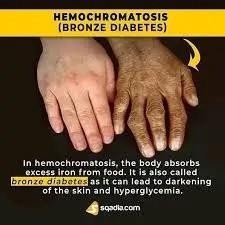
Bronze diabetes is a medical condition that reports the combination of abnormal skin pigmentation and diabetes mellitus, most noticeably a grayish or bronze tone. This condition commonly arises from excess iron accumulation in the body; a disorder known as hemochromatosis. In exceptional cases, copper overload may also play a role in its development. This condition only influences internal organs like pancreas and liver but also presents apparent changes on the skin- specifically on the face. Early awareness is important, as untreated cases can lead to serious health complications. In this article, we’ll check out the definition of bronze diabetes, its underlying causes, the visible signs on face, and how excess copper may contribute to this rare but crucial condition.

Definition and History

A certain kind of secondary diabetes mellitus known as “bronze diabetes” is brought on by extreme iron (and infrequently copper) overload, which primarily damages the pancreas and inhibits its ability to produce insulin. In the past, it was observed in people with untreated hereditary hemochromatosis, a condition in which organ deposition results from excessive iron absorption.

Increased melanin production and iron deposition in the skin, a result of underlying metabolic damage from iron accumulation in organs like liver and pancreas, give the skin its distinctive “bronze” look, which is characterized by a slate-grey or metallic-bronze pigmentation.

Despite being less frequently used in conventional medical terminology in favor of terms like “diabetes secondary to hemochromatosis,” the phrase “bronze diabetes” is nevertheless a useful diagnostic and historical notion that emphasizes the connection between metal overload disorders and endocrine dysfunction.

Cause: Iron Overload and Metabolic Damage

Systemic iron excess, most frequently caused by hereditary hemochromatosis (HH), is its primary cause. This genetic condition affects the control of dietary iron absorption and is often caused by mutations in the HFE gene, particularly C282Y homozygosity. As a result, too much iron builds up over the years in critical organs such as pancreas, liver, heart, skin and joints.

This iron overload causes metabolic damage through several mechanisms:

Pancreatic Damage

Insulin synthesis and secretion are hampered by iron deposition, which directly harms pancreatic beta-cells. Moreover, iron causes liver damage and insulin resistance, which further impair glucose metabolism and ultimately end in diabetes mellitus.

Skin Hyperpigmentation (Bronze Appearance)

Increased melanin synthesis is triggered by excess iron deposits in the skin (as hemosiderin). The unusual

metabolic-bronze or slate-grey skin discoloration is caused by the interaction of hemosiderin and melanin.

Organ Toxicity

In all afflicted organs (cirrhosis, fibrosis, arthropathy, and cardiomyopathy, iron catalyzes the production of reactive oxygen species (free radicals), which results in oxidative stress that damages cellular structures and interferes with normal function.

While HH is the classic cause, it can also arise from secondary iron overload, such as:

  • Chronic Liver Disease: Particularly chronic hepatitis C or alcoholic liver disease, which might interfere with iron metabolism.
  • Repeated Blood Transfusion: Prevalent in long-term anemias (such as thalassemia and sickle cell disease).

Bronze Diabetes Face: Why the Skin Turns Bronze

The emergence of bronze, brown, or gray pigmentation, specifically on sun-exposed parts like the cheeks and forehead, is one of the most visible symptoms. Iron, particularly hemosiderin, accumulates in the dermis and sweat glands in hereditary hemochromatosis, where it interacts with melanin to exacerbate discoloration. The end effect is a slate-gray or metallic tone that frequently intensifies into a brownish bronze color.

The facial skin may have mild texture changes, such as dryness, thinning, and even scaling, in addition to pigmentation. Because iron deposition damages follicular health, patients may experience hair loss in certain situations, most notably thinning of eyebrows and eyelashes. Facial hyperpigmentation is a potentially early clinical sign since these skin changes on the face might appear years before more over systemic warning symptoms of hemochromatosis, like liver malfunction, diabetes, or joint pain.

Bronze Diabetes Face

Why Does Copper Excess Cause Bronze Diabetes?

The dual nature of copper- it is essential for enzymes and metabolisms, but too much of it can induce oxidative stress and tissue damage- is the basis for the theory that copper overload causes bronze diabetes. Copper builds up in the liver and blood in conditions like Wilson’s disease due to defective copper transport (ATP7B gene mutations), where it takes part in Fenton-Haber-Weiss reactions that produce reactive oxygen species (ROS) that damage cells and organs.

This oxidative stress influences metabolic tissues like the pancreas in addition to the liver and brain. ROS can harm beta cells that produce insulin and disrupt metabolic enzymes, which may lead to glucose intolerance or diabetes. Copper can also alter glucose-handling pathways; according to some research, it impairs mitochondrial and glycolytic enzyme performance, exacerbating metabolic imbalance.

Although iron excess has historically been linked to it, there is rising attention in how combined metal overload (copper + iron) may hasten both diabetes and pigmentation. Another copper-dependent enzyme involved in iron

metabolism is ceruloplasmin; if it malfunctions, iron homeostasis may also be upset, which could have an increased impact on the system.

The connection between bronze diabetes and copper excess is still hypothetical, though. Wilson’s disease illustrates the negative impact of copper accumulation, however there is little hard proof that copper causes the typical trifecta of liver, diabetes, disease, and bronze skin. To ascertain whether copper directly contributes to the development of what is known as bronze diabetes, further focused studies are required.

Why Does Copper Excess Cause Bronze Diabetes?

You may also like to read: Community Diabetes Care Programs

Diagnosis and Treatment Options

Blood tests for serum ferritin and transferring saturation are used as diagnosis; enhanced ferritin and transferring saturation above 45% are strongly suggestive of iron excess. Family screening is guided by genetic testing for HFE gene variants, such as C282Y, which confirms hereditary hemochromatosis. Liver and pancreatic MRI scans provide a non-invasive method of measuring iron buildup and tracking the effectiveness of treatment.

The goal of treatment is to lower iron reserves; phlebotomy, which involves drawing 450-500 ml of blood every week or every two weeks, efficiently eliminating iron until ferritin levels are approx. 50 µg/L, after which there is periodic maintenance. Deferasirox and other iron chelators provide an alternative for people who are unable to have transfusions. Before laboratory testing reveals excess iron, its spontaneous case frequently starts with facial discoloration and exhaustion. Skin pigmentation gradually lightens with regular treatment, albeit it can take months for this to happen.

Frequently Asked Questions

Is diabetic bronze curable?
The development of diabetes can be reversed with treats in some cases. Otherwise, there are cases where pancreas may be damaged permanently thus necessitating the use of diabetes medication to regulate the levels of glucose present in the blood.

What are 3 triads of diabetes?
The three P diabetes is polydipsia, polyuria and polyphagia. These terms are related to thirst increase, increase in the urination, and the rise of the appetite. The three Ps usually go hand in hand; this is not always true.

Community Diabetes Care Programs: Empowering Pakistan Through Local Action

🩺 Dr. Ahmad Shahzad
Founder | Lyallpur Diabetes Foundation
Consultant Diabetologist | Educator | Advocate for Preventive Care

Diabetes continues to escalate as the world’s most pervasive health dilemma which spreads across millions of people including all regions of Pakistan. The latest statistics show over 33 million Pakistani citizens deal with diabetes hence the critical need for sustainable community-based diabetes care is essential now more than ever. Community Diabetes Care Programs provide localized people-first programs to deliver care services according to each person’s specific needs. The Lyallpur Diabetes Foundation (LDF) based in Faisalabad leads healthcare transformation through its community-driven diabetes care programs.

Extensive prevalence of Prediabetes exists as a preliminary state of diabetes, but people frequently underestimate its prevalence. Different community-based health programs recognized the absence of information and steps into action for diagnosis and guidance and awareness promotion. The evaluation of numerous studies in Pakistan indicates that 37 million citizens suffer from prediabetes.

A welfare foundation with hospital presence organizes initiatives that reach education facilities from primary schools to college institutions to eliminate knowledge gaps about healthy lifestyles.

Understanding Community Diabetes Care Programs

This program represents grassroots initiatives offering diabetes awareness together with education and prevention along with management services at a community level. They work as local-based initiatives that provide diabetes awareness services in addition to education and prevention and management services for the community. The primary goal of these community-based models diverges from traditional hospital systems through education and follow-up services distributed within schools and community centers including mosques and medical clinics as well as door-to-door visits.

The preventive nature of this model has made it so appealing due to its accessibility to communities. Community care serves as an essential service for people who lack access both to medical facilities with specialists and healthcare professionals. These programs create an environment whereby education and support merge together to build responsibility while benefiting healthcare services and ultimately raising entire communities up.

The Rising Threat: Diabetes and Prediabetes in Pakistan

The nation holds a high position among countries that exhibit the most extensive diabetes population levels. The health reports confirm that diabetes affects more than 33 million adult Pakistanis. Numerous people remain unknowing about possessing diabetes. Adults in Pakistan have the highest diabetes prevalence because they live inactive lives and eat improperly and delay seeking health care.

A person with prediabetes has elevated blood glucose levels that do not fulfill the criteria for type 2 diabetes diagnosis. If medical help does not arrive soon then most patients will develop the complete medical condition. The good news? The condition becomes treatable by increased awareness alongside life changes.

Early diagnosis alongside basic health guidance would substantially impact the lives of patients. Community programs serve an essential purpose through their ability to discover conditions early and provide organized information while delivering continuous backing.

Understanding Prediabetes: A Crucial Window for Prevention

People with prediabetes do not experience any noticeable symptoms which make the condition difficult to identify. Healthcare tests diagnose most prediabetes cases.

  • Fasting Blood Sugar (FBS)
  • HbA1c
  • Oral Glucose Tolerance Test (OGTT)

Before developing type 2 diabetes patients who have prediabetes experience elevated risks of heart disease and stroke. The welfare organization devotes substantial effort to instruct people about detecting diseases at an early stage, especially amongst people with these risk factors:

  • Family history of diabetes
  • Obesity or high BMI
  • Sedentary lifestyle
  • Poor dietary habits
  • Women with a history of gestational diabetes

Lyallpur Diabetes Foundation: A Beacon of Hope

The Lyallpur Diabetes Foundation (LDF) spent its time raising diabetes awareness and extending healthcare services to Faisalabad under a community-oriented approach. The nonprofit began with healthcare education professionals and runs initiatives for both disease prevention and community-based outreach.

The core welfare effort in this movement continuously operates throughout various platforms with the goal of finding people in their preferred environments:

  • Hospitals: Providing screenings and counseling in outpatient clinics
  • Schools & Colleges: Educating teenagers and young adults on healthy habits
  • Universities: Hosting seminars and workshops in collaboration with healthcare professionals
  • Rural outreach: Organizing mobile clinics and free awareness camps

Such activities demonstrate an emerging insight that health outcomes improve through well-informed and supported individuals within their familiar surroundings.

Building Local Awareness

Education plays an essential role in maintaining community diabetes care. The public widely misunderstands diabetes by confusing various aspects of its symptoms along with therapy methods and daily modifications. LDF regularly organizes sessions which create space for open communication to battle discrimination against diabetes.

The strategies target both diabetes sufferers and their caregivers along with parents and younger people while working toward preventing future cases and starting interventions at an early stage.

Community-Based Interventions: The Real Game Changer

The strength of this welfare program lies in its first community approach. By taking health information to the streets, classrooms, and marketplaces, it effectively:

  • Breaks cultural and social barriers around diabetes
  • Fosters trust among people who are hesitant about formal healthcare
  • Delivers information in local languages with culturally relevant messaging
  • Empowers individuals to take control of their own health journey

This personalized model of care ensures that education and intervention are accessible, relatable, and actionable.

Help Us Help More: Support LDF’s Mission

At Lyallpur Diabetes Foundation (LDF), we aspire to establish a dedicated welfare hospital focused on diabetes care and management. This facility will adopt a holistic approach, addressing not only blood sugar control but also the many complications linked to diabetes. The goal is to create a comprehensive center where prevention, early detection, treatment, and education come together under one roof.

The expansion and effective execution of Life Defenders Foundation programs result from donors together with healthcare professionals and volunteers who support their community through financial gifts. The current success of LDF programs stems from donor generosity yet many more initiatives remain to be accomplished. Your donation—no matter how small—can:

  • The support of a screening camp in a rural village forms part of their charity work.
  • The organization will distribute testing kits along with health materials for educational school sessions.
  • Fund mobile health unit outreach
  • The program should support training programs for additional community health workers.
  • The organization should implement expansive telemedicine services across remote districts.

By donating today, you are not just giving—you’re changing lives, securing futures, and strengthening communities. Together, we can build a healthier tomorrow.

👉 Visit LDF’s website to donate or learn more

Changing the Future of Diabetes in Pakistan

The fight against diabetes can’t be won by hospitals alone—it requires empowered, educated communities. This welfare initiative sets a clear example of how grassroots engagement can change public health outcomes.

By targeting both diabetic and prediabetic patients, and offering tools for lifestyle transformation, the organization is creating ripple effects that will benefit generations to come. Its presence in educational institutions ensures that the next generation understands diabetes—not just as a disease, but as a preventable challenge.