
Dr. Ahmad Shahzad
Founder | Lyallpur Diabetes Foundation
Consultant Diabetologist | Educator | Advocate for Preventive Care
Diabetes is one of the major health issues that is increasing every day as millions of people are affected with disease at any age. It occurs when the level of blood sugar is characteristically high, and it may cause severe issues when it is not addressed. Is diabetes reversible? This is a significant question that comes to the minds of most people with increasing awareness and medical development. This article unravels that same question by discussing the differences between Type 1 and Type 2 and whether one or the other was reversible. It is more important to know what each type is to understand where treatment is likely to alleviate the pain or long-term management.
Understanding Diabetes
It is a long-term disorder manifested by the presence of increased blood sugar levels; it is a condition associated with the presence of problems with the insulin hormone, which is supposed to carry sugar to the cells of the body to generate energy. It occurs in two different forms:
- Type 1: it is an autoimmune disorder caused by the destruction of the β-cells in the pancreas, which produces very little or no insulin at all.
- Type 2: It is caused by the body resisting insulin and producing insufficient quantities of insulin over time.
Insulin and its opposite glucagon together maintain blood sugar levels. Insulin reduces the sugar levels; glucagon increases the sugar level. It is necessary to determine the type of person must speak about the possibility to arrange them or not.
Is Type 1 Diabetes Reversible?
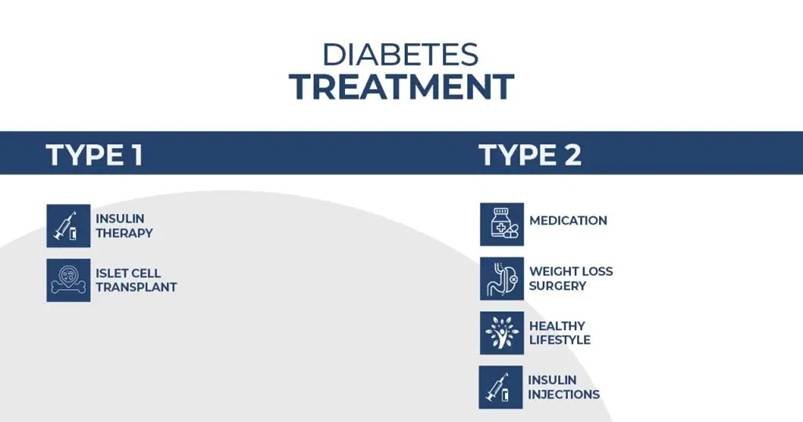
Diabetes type 1 is an autoimmune disorder whereby the body immune system destroys the insulin synthesis beta cells in the pancreas and consequently results in the low or no production of insulin. What is unfortunate about it is that so far, no cure has been established for Type 1 diabetes; treatment using insulin injections in life remains as the best mode of treating this kind of diabetes.
Nevertheless, there are great research achievements which enhance the quality of life of the patients. Insulin administration has seen advancement through continuous glucose monitors (CGMs), insulin pumps and even new, so-called, smart insulins which respond to changes developing in real-time.
Studies of immunotherapies such as teplizumab, islet cell transplants (examples include Donislecel/Lantidra) and stem-cell based therapies are promising, but these remain niche.
Type 1 diabetes is not treatable, although with the help of current treatments the symptoms of diabetes can be controlled: it is not curative therapy.
Is Type 2 Diabetes Reversible?
Lifestyle associated with diet, weight and physical activity are closely related to type 2 diabetes. Though it is not completely treatable, people with Type 2 diabetes have a chance to eradicate the condition in some cases. The ample evidence addresses dietary advancements and weight loss as the key change drivers.
Understanding Diabetes Remission
Health experts refer to it instead of a cure like diabetes remission. Remission is when the level of blood sugar falls under the diabetic level and does not grow back with or without medication even after a few months. Nonetheless, regular check-ups are also of importance since relapse can occur in case of the lapse of the lifestyle factors.
Examples of Reversal Through Lifestyle Change
- Almost all the participants in clinical studies were able to enter remission (about 50 percent) when they adhered to a very low-calorie diet, dropping 10 to 15 kg.
- Most individuals who reduce the levels of their weight immediately after being diagnosed will be more likely to reverse type 2 diabetes: others taking no medicine at all even after years.
- In the UK a study of over 85% of individuals who lost more than 15 kg illustrated that they were in remission one year later.
Proven Ways to Reverse Type 2 Diabetes
The reversal of type 2 diabetes is best done in a thorough manner that modifies lifestyle dramatically and fuels lifestyles. Some of the evidence-based strategies relate to research:
Weight Loss
- Nothing can be as effective as substantial weight loss. Remission has been induced by low-calorie diets, specifically when such programs are medically supervised.
- DiRECT trial reported that they found diabetes remission in almost 46% of the patients who lost 10-15 kg on their very low-calorie diet, with more than 85% remission in individuals who lost more than 15 kg.
- Rapid rate of diabetes remission can be brought about by bariatric surgery specifically among the individuals with greater body mass index.
Diet
- The whole foods, low-carbohydrate, Mediterranean or plant-based diets, result in better management of blood sugar and weight loss.
- These diets can be used to sustain remission in the long run.
Exercise
Routine exercise enhances the sensitivity of insulin and the sustenance of effects of defenses to weight loss.
Medication Support
Short-term use of medications such as metformin or GLP-1 receptor agonists could be applied to bring blood sugar under control whilst in the process of making lifestyle adjustments.
Clinical evidence confirms that Type 2 diabetes can be reversed for many individuals who commit to these strategies, but sustained effort and monitoring are crucial.
Can Gestational Diabetes Be Reversed?
Gestational diabetes normally disappears after giving birth and the control of blood sugar levels is back to normal in most women. Nonetheless, it is something that creates more danger of getting Type 2 diabetes at a later point in life. Regular screening of blood sugar is important as well as periodic follow-ups with your healthcare provider. In addition, a healthy lifestyle, which means balanced diet and physical activity, is encouraged to reduce your long-term susceptibility, and contribute to long-term health.

Means: Cure vs. Remission
Remission maintenance of normal blood sugar (e.g. HbA1c < 6.5%) without medications, over an extended period, usually at least 3 months, is used in diabetes care. Cure, on the contrary, means a permanent restoration of the normal course of metabolic processes without a risk of relapse, which is impossible to expect in case of diabetes.
Since the susceptibility to metabolism still exists, the blood sugar can increase once more in case good habits are neglected. Therefore, yes diabetes T2 is reversible, that is, it can be made inactive, but not disappeared, it is necessary to continue both lifestyle and monitoring.
You may also like to read: Glucophage (Metformin) Tablet Uses
Frequently Asked Questions
Is it possible to reverse diabetes forever?
Diabetes cannot be cured, and it is impossible to eliminate it fully. Nevertheless, diabetics can reverse the condition in most cases. Reversing diabetes implies close control of blood sugars to reach the stage beyond which medicine intake is not required, and to remain at this manageable stage with the help of a healthy habit referring to proper diet and physical activity.
Is diabetes curable completely?
The answer is simple, yes, it is possible to reverse the symptoms of type 2 diabetes. For your blood sugar levels to be in remission, they must be normal for at least three months of no glucose-lowering medication. Regarding type two diabetes, it’s a chronic condition therefore we don’t talk about curing it or reversing it.
Is it true once a diabetic, always a diabetic?
Type 2 diabetes is a condition and not a short-life disease. Even after remission, so that you’re not taking medication and your blood sugar levels remain in the normal range, you may still have symptoms of the disease that can come back.
