

Dr Muizza Shahzad
BDS, Registered Dental Surgeon
Executive Member, LDF
Your mouth is more than just a place for chewing and speaking—it’s a gateway to your overall health. Research has shown a strong oral hygiene and overall health connection. Lack of proper oral hygiene will enable the growth of harmful bacteria. The bcteria causes inflammation, which may spread outside the mouth and affect crucial organs. Noting this strong connection is a step in the right direction to preserving not only your smile but your health prospects as well.
Oral–Systemic Link
The oral systemic association explains that periodontal disease and its bacteria can harm other parts of the body. As a result, periodontal bacteria impact overall health, including oral diseases.
- Oral Bacteria and Inflammation:
The mouth contains a complicated microbiome that consists of hundreds of bacterial species. Most bacteria are harmless, but some in gingivitis and periodontitis are toxic. They enter gum tissues and cause local inflammation. This mouth disease may turn chronic resulting in the release of bacteria diseases and inflammatory molecules into the blood.
- Role of the Bloodstream:
The oral bacteria act throughout the body when it enters the bloodstream through inflamed or infected gums. The bacteria and their toxins could get to other organs located far away. They may contribute to systemic inflammation and even the aggravation of some diseases. As an example, atherosclerotic plaques developed in arteries were found to contain oral bacteria. These bacteria contribute to the development of the disease in cardiovascular conditions.
- Connection to Immune System and Inflammatory Response:
Increases in oral bacteria and inflammation that it produces induce the immune system to release immune factors and inflammatory markers. Chronic infections of the mouth have a capability to disrupt immune responses. It result in an abnormal or hyperactive immune state that perpetuates systemic illness. This activation of immunity and systemic inflammation is associated with marriages and other diseases of the areas like diabetes, rheumatoid arthritis, Alzheimer disease, liver disease and poor pregnancy outcomes associated with oral health.
- Systemic Health Associations:
Studies show that periodontal disease links to heart disease, diabetes, respiratory disease, arthritis, and some cancers. The oral–systemic relationship is two-way. Poor systemic health can harm oral health. This creates a complex interaction between the mouth and the rest of the body.
Health Conditions Linked to Poor Oral Hygiene
Oral diseases are also associated with a diverse extent of systemic conditions as a result of the transmission of dangerous esophageal germs and ongoing infection to the whole body. Some of the major health diseases related to poor oral health comprise:
- Cardiovascular Disease: Oral pathogens may also enter into the blood stream. They cause inflammation of arteries making them more prone to develop atherosclerosis, attack, and stroke. Low oral health is also associated with high blood pressure, unhealthy cholesterol levels.
- Alzheimer: Patients with Alzheimer have been identified to have oral pathogens in brains. Research indicates that it causes brain inflammation and cell death that can lead to the development of Alzheimer and dementia.
- Diabetes: The relationship is two-way; the health of the mouth can impair glycemic control and diabetes is a risk factor to periodontal disease.
- Airways: Oral bacteria are capable of entering the lungs due to the process of aspiration and aggravate respiratory disorders.
- Rheumatoid Arthritis: The similarity between periodontal disease and arthritis is similar inflammatory pathways. As well as bacterial visits that activate this process.
- Osteoporosis: Periodontal inflammation may cause loss of bone systemically.
- Kidney Disease: Oral infections can promote kidney issues by means of systemic inflammation.
- Pregnancy Complications: There is an increase in the risks of preterm birth and low birth weight in poor oral health.
- Cancer: There is a suggestion that oral pathogens /inflammation-cancer links exist in some studies.
- Poor oral health: It has also been associated with other conditions that are related to obesity, metabolic syndrome, liver disease, erectile dysfunction, COVID-19 complication, and infertility.
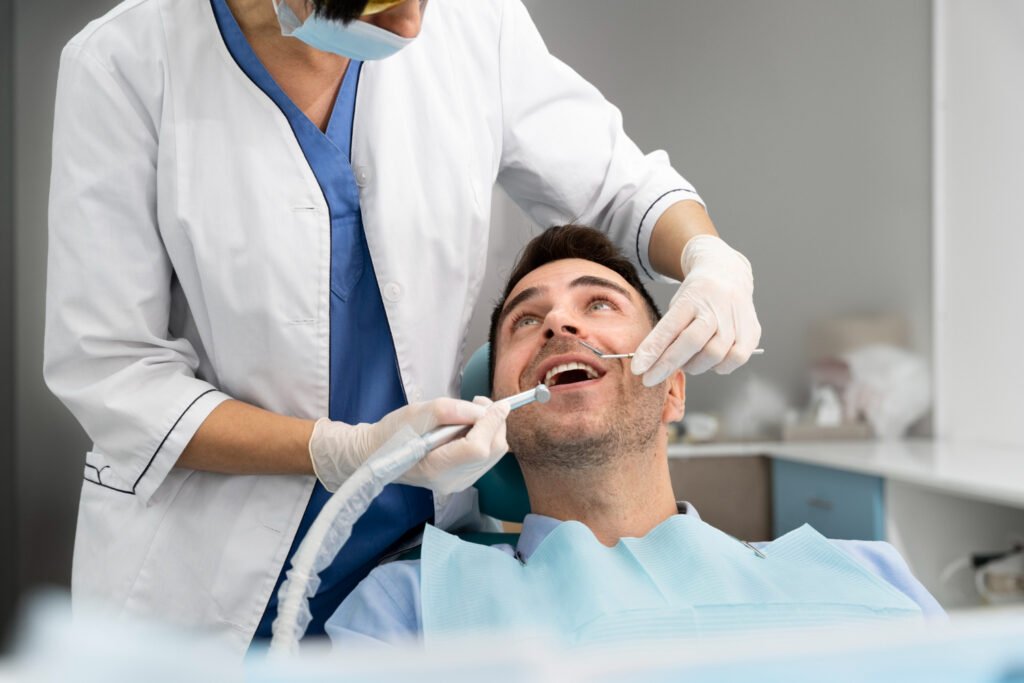
Daily Habits for Better Oral and Overall Health
The daily routines that reinforce the relationship between oral hygiene and health include oral infection prevention, decreasing inflammation, in addition to oral and fecal microbiome balance. Such practices do not only ensure teeth and gums remain safe and sound, but they also improve overall body health by preventing infectious bacteria and chronic inflammation. Important habits are:
- Brushing and Flossing: Brush your teeth two times a day with fluoride toothpaste which removes dental plaque and dental bacteria that cause gum disease and tooth decay and floss your teeth once every day. This restricts the number of oral bacteria, as well as inflammation, limiting the chances of transmitting bacteria to the bloodstream.
- Regular Dental Check-ups and Cleaning: Pet dogs are more likely to undergo dental cleaning and check-ups where professionals are able to address gum disease early and remove built up plaque called calculus.
- Balanced Diet: Consuming a diet consisting of a high quantity of fruit, vegetables, whole grains, and lean proteins contributes to oral and general health. Restricting sweet and tart foods curbs decay and oral bacteria overgrowth whereas high-fiber foods stimulate the production of saliva that serves to moderate the oral bacteria.
- Staying Hydrated: Water intake is important to keep the saliva moving which is essential to counter the acids and cleaning all the food particles and germs out of the mouth.
- Quitting Smoking and Minimizing Alcohol: Smoking and excessive alcohol consumption are a cause of oral inflammation and gum disease and an oral microbiome imbalance, which create additional risks to overall systems.
- Stress Management: Constantly being exposed to stress may affect immune response and inflammation condition leading to vulnerability to oral and body-wide disease.
- Best Gut Health Practices: Gut health practices demonstrated to positively impact the oral gut axis by enabling balanced, diverse microbiome which has been associated with immune regulation and lower systemic inflammation through diverse diets, probiotics, prebiotics.
- Good Sleep Hygiene: When one has sufficient and quality sleep that maintains the immune system and systemic inflammation-they can positively influence the mouth and oral wellness indirectly.
- Oral hygiene tools: This includes brushing and flossing but in addition using antimicrobial mouth rinses at prescribed periods, interdental brushes and rinsing the tongue can help to further control bacteria.
You may also like to read: Improving Metabolic Health through Lifestyle Changes
Final Thoughts
The evidence is clear—the oral hygiene and overall health connection is too important to ignore. Having healthy teeth and gums won’t only allow you to avoid having cavities and bad breath, but it will decrease the risk of severe diseases occurring such as heart disease, diabetes, respiratory infections among others. Ordinary things like brushing your teeth, flossing and checking your dentist could play a big role in the health of your body as a whole. As they say, your mouth says it all about your health and looking after it is probably one of the wisest investments you can make towards living a healthier or longer life.
