
Diabetes Pakistan Metabolic Syndrome Date: 1st - 2nd November, 2024 Venue: Serena Hotel, Faisalabad
For Emergencies: +92 41-2694037

The Importance of Vitamin D for Metabolic Health: Benefits, Sources, and Tips

Dr. Ahmad Shahzad
Founder | Lyallpur Diabetes Foundation
Consultant Diabetologist | Educator | Advocate for Preventive Care

Vitamin D can also be referred to as sunshine vitamins since it elegantly has been on the rise when it comes to our health as compared to what most people perceive it to be. Besides its known relationship in ensuring bones to be of good quality it also contributes significantly to some of the main metabolic functions which play a significant role in determining how our bodies process energy, how we control sugar levels in the blood and how we store fat that we do not need. Based on recent studies conducted over the past few years, it has been reported that adequate levels of vitamin D would help to prevent or reduce the occurrence of specific disorders such as insulin resistance, diabetes and metabolic syndrome. Understanding the importance of vitamin D for metabolic health is essential for making informed choices about diet, lifestyle, and supplementation to support long-term well-being.

Understanding Vitamin D

Vitamin D has two primary forms: D2 (ergocalciferol) and D3 (cholecalciferol).
Vitamin D2 is the plant-derived and fungal one. It occurs in fortified foods; specific mushrooms treated with UV light and case supplements.
Vitamin D3 is the form the human body naturally produces after the skin is inflicted with sunlight (UVB). It also is present in animal products like oily fish, liver, egg yolks and butter, and in lots of supplements.

How Vitamin B is Synthesized in the Body

In the process of synthesis of vitamin D3 in the body, synthesis begins in the skin. When skin exposed to sunlight (UVB) that contains a form of cholesterol called 7-dehydrocholesterol, a process begins that transforms the previtamin D3 into vitamin D3 (cholecalciferol). Vitamin D3 is then transported by the liver into which a transformation takes place to 25-hydroxyvitamin D (calcidiol) that is the main circulating form found in blood. It is then further worked up in the kidneys to its biologically active form known as 1, 25-dihydroxyvitamin D (or calcitriol) and regulates the calcium and phosphate levels that are vital to both the bones and the entire body functioning.
Besides sunlight, it is possible to get vitamin D with food products such as fatty fish (salmon, trout, sardines), egg yolk, liver, or dairy foods enriched with vitamin D and its plant-derived substitute mostly enriched with D2. The supplements can take the form of D2 or D3.

The recommended daily intake of vitamin D varies by age and life stage:
Infants (0-12 months): 400 IU (10 mcg)
Children and adults (1-70 years): 600 IU (15 mcg)
Adults over 70 years: 800 IU (20 mcg)
Pregnant and breastfeeding women: 600 IU (15 mcg)
Others e.g. older individuals, individuals with darker skin, individuals who do not get a lot of sunlight exposure might need more as compared to the amounts. Although the Institute of Medicine has an upper-level limit of 4,000 IU (100 mcg) per day of adults, there are those who suggest a balance of between 1500 to 2000 units per day that will ensure the maintenance of adequate blood safely.

The Connection Between Vitamin D and Metabolic Health


Vitamin D also implicates intimate associations with metabolic health beyond the orthodox perception of vitamins as far as bone metabolism is concerned. It has been demonstrated that the health risks and outcomes of metabolism such as obesity, insulin resistance, metabolic syndrome, type 2 diabetes, and heart diseases are inversely proportional to vitamin D status.

Key points on the connection between vitamin D and metabolic health include:

The lack or insufficiency of vitamin D is usually associated with the presence of elements of the metabolic syndrome (MetS), namely hypertension, hyperlipidemia, hyperglycemia, and abdominal obesity.
Mechanisms by which vitamin D may influence metabolic health involve its role in:
Regulating the secretion and responsiveness of insulin, perhaps through effect on the pancreatic beta cells and the insulin receptor activity.
By regulating the inflammatory processes through a reduction of pro-inflammatory cytokines such as TNF-alpha and C-RP associated with insulin resistance and in the atherosclerosis.
Influencing the digestion of lipids and mitochondria which may improve the lipid and energy metabolic levels.
Thermogenesis is modulated, and fat can be oxidized to help reduce the fat load as it is in some animal and human experiments.
Vitamin D supplementation in deficient individuals has shown some positive effects on the metabolic outcomes such as fasting blood glucose, HbA1c, indices of insulin resistance, and lipid profiles overall or particularly in people with type 2 diabetes or metabolic syndrome.
Direct metabolic functions are proposed by the expression of the vitamin D receptor (VDR) in many body tissues (adipose tissue, pancreas, and muscle), which play roles in metabolism.

The Connection Between Vitamin D and Metabolic Health

Vitamin D’s Role in Preventing Chronic Conditions

In addition to the widely known essence of this vitamin on bone health, Vitamin D has a major role to play in preventing and containing other types of chronic illnesses. Research over the past few decades has come up with evidence that vitamin D can prevent chronic diseases in numerous ways:

  • Inflammation lowering and immune regulation: Vitamin D mediates the immune response and includes reducing the expression of pro-inflammatory cytokines, which are useful in reducing chronic inflammation in the pathogenesis of numerous diseases such as rheumatoid arthritis, inflammatory bowel diseases, and metabolic syndrome.
  • Cardiovascular and metabolic health: Heart and blood vessels have vitamin D receptors. Individuals with Vitamin D have been known to regulate blood pressure, decrease oxidative stress, enhance endothelial functioning as well as regulate lipid metabolism and thereby reduce the risks of contracting some cardiovascular diseases including hypertension, atherosclerosis and heart failure.
  • Metabolic syndrome, obesity, and type 2 diabetes: Vitamin D enhances insulin sensitivity, affects glucose metabolism, and decreases inflammatory markers, thereby controlling metabolic health protection in this case as well [previous conversation].
  • Respiratory diseases: Vitamin D improves lung tissue remodeling and immune defense to decrease the vigor and recurrence of COPD exacerbation and, maybe, other respiratory infections.
  • Cancer prevention Laboratory research has shown vitamin D has the capacity to inhibit the growth of cancer cells, as well as promote differentiation, indicating possible functions in the prevention of cancer risk and progression.
  • Lower risk of death: Vitamin D supplementation, especially at low doses of 400-800 IU / day have been associated with reduced all-cause mortality, largely due to decreased ability to die due to malignancy, cardiovascular and respiratory diseases.

You may also like to read: Connection Between Metabolic Health and Mental Health

Signs and Risks of Vitamin D Deficiency

Lack of vitamin D may show numerous signs and symptoms, but most individuals who have low amounts of vitamin D in the body do not show signs and symptoms at first. Symptoms will arise when they do, and they revolve around issues of muscle and bone health and overall wellbeing. Risks and warning signs can be typically:

  • Muscle and bone pain: Achiness, tenderness or weakness in muscles, particularly around the trunk (hips, thighs, upper arms) and bone pain or lower back pain are common.
  • Weakness and cramps: Weakness, twitches, spasms, and cramps in the muscles can result because of the deficiency; this may also cause a waddling gait as the muscles of the hip are weak.
  • Raised fractures and bone diseases: Extreme maladies precipitate fractures and bone diseases in grown-ups by causing osteomalacia (shape of bones), which makes them highly vulnerable to bone breaks. It may lead to rickets in children which is bowed legs.
  • Fatigue and tiredness: Fatigue, low energy levels, may also be associated with vitamin D deficiency.
  • Mood Swings: Lack of it could be a cause of depression, anxiety, and sadness.
  • The ability of the immune system: A decrease in vitamin D may enhance susceptibility to infection and regular sickness, such as respiratory illness.
  • Other indications: Hair loss, sluggish wound healing, loss of their appetite and highly affected by pain have also been noted.

Those with darker skin, without much exposure to sun, older individuals and those who wear extra clothing stand a better risk. Vitamin D deficiency may be diagnosed through blood tests based on serum 25-hydroxyvitamin D levels because vague or non-existent symptoms support the diagnosis.

How to Maintain Healthy Vitamin D Levels

To maintain healthy vitamin D levels, the following strategies are generally recommended:

  • Sunlight: Try to get short but frequent exposures of unprotected skin (the forearms, hands or lower legs) to sunlight (roughly 10-15 minutes) several times per week during spring to early autumn months to allow the skin to absorb and synthesize vitamin D naturally.
  • Diet: Ensure that you include foods that have high amounts of vitamin D in your diet i.e. oily fish (salmon, mackerel, sardines), egg yolk, liver, milk (fortified) or milk alternatives (fortified), and fortified foods such as margarine.
  • Supplements: Many adults are routinely recommended standard supplementation of vitamin D in the range of 800 to 2,000 IU (20-50 mcg) per day to achieve adequate levels in the blood, particularly during low-sunlight months or in cases where neither the diet nor the sun is providing ample vitamin D. Maintenance doses may typically be 800-2,000 IU per day following initial treatment to make up for deficiency, although largely depending on age, skin pigmentation, body weight and underlying diseases (tending to decrease absorption).
  • Monitoring and titration of Vitamin D serum 25-hydroxyvitamin D levels can be checked periodically (every 3 months) through blood testing to improve the dosage. Patients with deficiency can start off on larger doses (e.g. 50,000 IU mg weekly 6-8 weeks), then be converted to maintenance doses.
  • Special considerations: Obesity, malabsorption syndromes or increased risk of deficiency should have higher maintenance doses (up to 3,000-6, 000 IU daily when under medical supervision).
  • Calcium: Vitamin D supplementation is well-established to benefit bone health when combined with sufficient intakes of calcium in the diet but may normally not need supplemental calcium when dietary calcium is sufficient.

Final Thoughts

In summary, one can state that one of the most convenient and, at the same time, effective approaches to supporting the overall metabolism is an adequate level of vitamin D. Vitamin D plays a vital role in the maintenance of body system as it balances insulin sensitivity and moderates the amount of sugar in blood, cleans up inflammation, and lessens possibilities of enduring serious diseases. By combining sensible sun exposure, a nutrient-rich diet, and supplementation, when necessary, you can harness the importance of vitamin D for metabolic health and promote long-term vitality.

The Connection Between Metabolic Health and Mental Health

Dr. Ahmad Shahzad
Founder | Lyallpur Diabetes Foundation
Consultant Diabetologist | Educator | Advocate for Preventive Care

Mental and metabolic health are more interlinked than was previously assumed. Although metabolic health is associated with blood sugar, cholesterol, blood pressure, and weight, studies reveal that it is relevant in mental health. The ill health of metabolism has been associated with depression and anxiety. It makes an important reason to have a more integrative approach to health. In this article we will discuss the connection between metabolic and mental health.

What Is Metabolic Health?

Metabolic health describes the quality with which your body processes and controls important aspects of health such as blood sugar, blood fats (cholesterol and triglycerides), blood pressure and waist circumference. It shows the effectiveness of how well your body changes food into energy. It regulates insulin and maintains the stability of these markers. These factors overall combine to influence the likelihood of having chronic diseases like type 2 diabetes, cardiovascular disease, stroke, and cancer.

Important notes of metabolic health:

  • The way your body reacts to insulin, a compound that transports sugar in the body into cells. Deficient response (insulin resistance) results in elevated sugar level in the blood.
  • Having blood pressure, glucose, cholesterol, and triglycerides levels, as well as waist measurement, at healthy levels.
  • Fewer or zero of these risk factors at unhealthy levels lowers your chances of having metabolic syndrome. A combination of ailments that puts you at risk of severe disorders.

What Is Mental Health?

What Is Mental Health?

Mental health is a definition of emotional, psychological and social well-being. It can influence the thoughts, emotions, and actions of people. Their methods of coping with stress, their relations with others and preferences in daily life decisions. Good mental health allows individuals to handle the usual pressure of life, strive to meet potential, and perform proficiently at work. It is the valuable and even inseparable component of general health and well-being.

Typical mental health problems are:

Depression: This involves constant sadness, lack of any kind of interest or enjoyment, alterations in eating or sleep, a lack of energy, feelings of worthlessness as well as possible suicidal behaviors.

Anxiety disorders: These are generalized anxiety disorder, panic attacks, social anxiety. Others, which make a person feel more than the expected sense of fear, worry and show some physical symptoms of anxiety such as restlessness or disturbed sleep.

Stress related diseases: These may occur due to the inability to cope with normal stresses in life and may be an escalation of other anxiety issues or depression.

The Bidirectional Relationship Between Metabolic and Mental Health

The connection between metabolic and mental health involves multiple psychological, behavioral, and biochemical pathways.

From Mental Health to Metabolic Health

  • Among the mental disorders, the most significant association with the risk of developing metabolic dysfunctions is depression and anxiety.
  • Metabolic risk factors can manifest in depression because poor lifestyle behavior (unhealthy diet, physical inactivity, and sleeping disorder) can increase them.
  • Hypothalamic-pituitary-adrenocortical (HPA) dysregulation and activation of the sympathetic nervous system is a feature of depression that can encourage abdominal fat storage, insulin insensitivity, hypertension, and inflammation, all of which are elements of metabolic dysregulation.

From Metabolic Health to Mental Health

  • The tendency of metabolic dysregulation such as obesity, insulin resistance, inflammation and dyslipidemia may raise the possibility of depression and other mental disorders.
  • The metabolic syndrome-related cerebritis change in hemodynamics associated with chronic inflammation can cause changes in the working of the brain, which predisposes to mood disorders.
  • Self-esteem may also be harmed (and the risk of becoming depressed) by the stigma and lifestyle restrictions of metabolic diseases (e.g., obesity).

Shared Mechanisms

  • Underlying pathways of the two conditions include inflammation, oxidative stress, neuroendocrine anomalousness, and mitochondrial abnormality.
  • It plays partly mediated through the movements (diet, exercise, sleeping), genetics, and drug influence (antidepressants may influence the metabolic parameters).

You may also like to read: Benefits of Intermittent Fasting for Metabolic Health

Shared Underlying Mechanisms

The two-way relationship between metabolic conditions (such as type 2 diabetes, obesity, and metabolic syndrome), and mood disorders (particularly those of depression and anxiety) is partially assisted by the interrelated biological processes.

Chronic low-grade inflammation: This is common to both metabolic dysfunction and depression as inflammatory markers are increased by cytokines (TNF-alpha, IL-1 alpha, and IL-6). Such cytokines are known to reach the brain side of the blood-brain barrier and induce neuroinflammation and neuronal alterations associated with mood disorders.

Hypothalamic-pituitary-adrenal (HPA) axis imbalance: Hyperactivity of the HPA axis is a characteristic feature of both metabolic and mental disorders resulting in a high cortisol level. This increases insulin resistance, adiposity, and mood symptoms.

Oxidative and nitrosative stress: Excessive cellular oxidative stress damages metabolic tissues and brain, thus conferring effects on psychiatric and metabolic disorders.

Immune-metabolic pathways: Imbalances of the immune system, microglia activation in the brain and abnormalities in systemic immune responses are contributing to both metabolic and mental health pathology. As an illustration, leptin and insulin resistance influence the neuroplasticity of the brain and mood modulation.

Disturbances of the microbiota of the gastrointestinal tract: The normal microbiome of the gut has an impact on immune responses, metabolism and brain function via the gut-brain axis. This has the potential to influence inflammation and neurotransmitter metabolism, which connect symptoms of mental health and abnormalities of metabolism.

Metabolic endotoxemia: Metabolic endotoxemia can also occur secondary to the dysregulated intestinal permeability of lipopolysaccharides (LPS) which induces the Toll-like receptor 4 (TLR4) reaction and neuroinflammation- further connecting metabolic and depressive ailments.

Genetic and epigenetic causes: Overlapping risk and pathogenesis of metabolic and mental health disorders are due to shared susceptibility DNA, RNA regulatory molecules (e.g. microRNAs of insulin signaling and neurotrophic factors).

These processes create multilateral interaction in both ways with a complex of dyads that continues both metabolic and mental health disorders. Therapeutically, it indicates the promise of treatment that involves the combination of intervention to address inflammation, lifestyle, and metabolism with interventions to address both areas.

Lifestyle Factors That Influence Both

Lifestyle Factors That Influence Both Mental Health and Metabolic Health

The lifestyle, which has an impact on metabolic and mental health, is essential since it may impact on the evolution and development of conditions in both fields. Those lifestyle-modifiable characteristics that both have the potential to affect metabolic health (including metabolic syndrome, obesity, diabetes) and influence mental health, including depression, anxiety and other psychiatric disorders, include:

Diet: It consists of poor dietary habits such as low-quality diets or eating disorders, which may exist in individuals with mental illness and lead to metabolic dysfunctions. Dieting affects hypersensitivity, insulin sensitivity, and weight, which are part of metabolic health, as well as the functioning of the brain and mood control.

Physical Activity: Lack of exercise and generally being a physically inactive person is positively linked to adverse metabolic health (increased risk of metabolic syndrome, obesity), as well as a worsening in mental health symptoms. Some of the reasons why exercises are beneficial are that they enhance cardiovascular and metabolic parameters and decrease the levels of depression and anxiety.

Substance Use: Smoking, alcohol abuse and other forms of substance abuse tend to co-exist with mental illness and it leads to poor metabolic health.

Medication Effects: Psychiatric drugs, in particular, antipsychotics, may cause or augment metabolic adverse effects such as weight gain, glucose intolerance, and lipid disorders and such effects may play into the relationship between mental and metabolic wellness.

Sleep Patterns: perturbed sleep patterns, which occur in a wide range of mental illnesses, affect metabolic regulation and create risks of insulin resistance and obesity.

Stress and Psychosocial Factors: Stress over a long-term affects’ neuroendocrine channels, raising cortisol too high, causing it to contribute to metabolic problems and psychological imbalances.

Prevention and Holistic Health Strategies

Here are the Prevention and Holistic Health Strategies in short points:

  • Improve diet quality: whole grains, fruits, vegetables, lean proteins; limit processed foods and sugars
  • Increase physical activity: at least 150 minutes of moderate exercise per week
  • Maintain healthy weight
  • Use psychosocial interventions: education, goal setting, social support, stress management, mindfulness
  • Manage stress and improve sleep hygiene
  • Regularly monitor metabolic markers (waist, blood pressure, glucose, lipids) alongside mental health
  • Address metabolic side effects of psychiatric medications proactively
  • Personalize care with psychoeducation, practical tools, and support tailored to individual needs
  • Integrate mental and metabolic health care for better outcomes
  • Focus on holistic, multifaceted programs beyond just diet and exercise for sustained improvements

Final Thoughts

The relationship between metabolic health and mental health is not ambiguous, and each of these factors affect the other considerably. Mental health disorders and other emotional problems can arise due to poor metabolic performance, and, conversely, metabolic processes in charged situations can be adversely influenced by chronic stress and emotional distress. Combining balanced lifestyle in terms of diet, exercise, sleep, and stress management enables us to aid physically and mentally. This is important to note that this connection should be regarded as achieving better overall health and avoiding long-term complications.

The Benefits of Intermittent Fasting for Metabolic Health

Dr. Ahmad Shahzad
Founder | Lyallpur Diabetes Foundation
Consultant Diabetologist | Educator | Advocate for Preventive Care

In the recent past, several individuals have started looking at how their lifestyles can support long term health, and this does not have to be medication or dieting. Intermittent fasting is one of the strategies that are receiving much attention as it is not only about the time of food intake but also how it influences internal organs of the body. New studies have found that intermittent fasting can have a potent effect to metabolic health, including increasing insulin sensitivity, decreasing inflammation and helping with weight loss. Today, we will go deep to delve into the main advantages of intermittent fasting to metabolic health and why this easy- Sounds hard, but the simple doing strategy of eating can be the missing ingredient in enhanced energy, stable blood sugar and overall wellness.

What Is Intermittent Fasting?

Intermittent fasting (IF) is a feeding practice in which the feeding-fasting periods repeat, as opposed to food or calorie restrictions. The most popular are the 16:8 (16 hours of fasting, 8 hours of meals), the 5: 2 (dinner normally 5 days a week, restricting calories on 2 non-consecutive days) and the alternating day fasting (24-hour fast or low-calorie nutriment every other day). Compared to the usual diets, which usually focus on the limitation of calories and food choice, IF focuses on time and not food. An emerging body of clinical evidence indicates that intermittent fasting may aid weight loss and enhance measures of metabolic health, including blood sugar and cholesterol and is becoming an increasingly common topic in nutrition research.

Weight Loss and Body Composition Benefits

Intermittent fasting (IF) has repeatedly been demonstrated to favorably promote substantial weight loss generally 2.5-9.9 percent of initial bodyweight and commonly leads to highly desirable fat mass to lean mass tradeoff (usually estimated to be 4:1 in the case of time-restricted eating). A meta-analysis last reported that IF interventions had the effect of reducing body weight (≈0.94 kg) and fat mass (≈1.08⁍\ stab ratio heast& reasons pills kg), significantly more than continuous calorie restriction (CCR), but the changes were not considered clinically relevant. When the data is taken in total, the two strategies yield comparable results in terms of lean mass, waist circumference, lipid level, and glucose levels-meaning that IF is an equally promising tool to focus in when it comes to body composition changes.

Blood Sugar and Insulin Sensitivity

It may have a large impact in stabilizing blood sugar level as it reduces fasting insulin levels and improves insulin sensitivity particularly in individuals with prediabetes or type 2 diabetes. Overweight adults with type 2 diabetes who were put to trial in a controlled study and were subjected to a 10 h time restricted feeding time window (e.g. 8 am 6 pm) after 12 weeks experienced significant reductions in fasting glucose and enhanced improvement in insulin sensitivity and dose reduction of medication. Reductions in HbA1c, fasting glucose and insulin resistance were likewise reported in a meta-analysis of patients with prediabetes or T2DM compared with control diets. The new evidence even indicates that IF can provide diabetes remission to patients who are not performing independently.

Cardiovascular and Inflammatory Benefits

There is a modestly significant improvement in cardiovascular health with intermittent fasting also known as low increases in LDL cholesterol, triglycerides, and systolic and diastolic blood pressure, particularly in overweight people or those in time restricted eating or alternate-fasting. Experiments indicate that improvements in blood pressure are commonly noticed along with increase in insulin sensitivity, and a decrease in inflammation. Chronic inflammation seems to fall too: meta-analyses indicate significant reductions in C reactive protein (CRP) (e.g. approximately 0.03 mg/dL or more in overweight/obese subjects following at least 8 weeks). Because CRP and lipids are already known risk factors of heart disease, the powers of IF to curtail them could manifest into reduced prospective cardiovascular disease risk profile.

Cellular Health and Brain Function

One of the most beneficial processes in our cells, intermittent fasting activates autophagy, which is a cellular cleaning mechanism that recycles damaged organelles and misfolded proteins–a prime pathway to cell health and survival. This mechanism has been shown, in research studies, to maintain neuroprotection and facilitate the clearance of toxic protein aggregates in Alzheimer and Parkinson disease models and thereby prevent neuronal and synaptic loss. In addition, IF induces neuroplasticity and adult neurogenesis that leads to the proliferation of brain-derived neurotrophic factors (BDNF) which maintains learning, memory, and cognitive flexibility. Although most of the evidence still stems off animal and early human studies, the upsurge in studies pointing to intermittent fasting as a potentially significant factor in brain health and cognitive performance is truly something to reckon.

What Is Intermittent Fasting?

Key Benefits of Intermittent Fasting for Metabolic Health

Health AreaBenefit
Weight ManagementReduces body weight and fat mass while preserving lean mass
Insulin SensitivityImproves insulin response, lowers fasting insulin and glucose
Blood Sugar ControlStabilizes blood glucose levels; helps manage prediabetes and type 2 diabetes
Cardiovascular HealthLowers LDL cholesterol, blood pressure, and triglycerides
Inflammation ReductionDecreases markers like C-reactive protein (CRP)
Cellular Repair (Autophagy)Activates autophagy to remove damaged cells and improve cellular health
Brain FunctionEnhances neuroplasticity and supports cognitive function
Circadian Rhythm SupportAligns eating patterns with biological clock, improving metabolism
Fat MetabolismPromotes metabolic switching and increases fat-burning efficiency

You may also like to read: Impact of Sleep Deprivation on Metabolic Health

Best Practices and Cautions

Certainly! Here are the best practices and cautions for intermittent fasting (IF) in point form:

Best Practices for Intermittent Fasting:

  • Begin by gradually increasing your fasting period (e.g., 12 hours fasting) then you can move on to longer fasts such as 16:8.
  • Pick an eating window that complements your lifestyle and daily routine, so it is easier to stick to.
  • Fast using water, herb tea, or black tea.
  • Consume nutrient-rich food that is high on protein, fibers, healthy fat while eating windows.
  • Slowly increasing the amount of time, you go fasting to compatibilized your body.
  • Schedule distractions as a way of handling hunger pangs during fasting.
  • Watch the signals of your body and adjust fasting accordingly on how you feel.

Cautions and Who Should Consult a Doctor:

  • The IF must be avoided in case of pregnant or lactating women, and in some cases should be sought out through a medical professional.
  • Individuals with diabetes (and medication should be discussed in particular) also require medical attention.
  • Those who do restrict food should not stay on IF or consult a specialist because of previous eating disorders.
  • Individuals who experience some chronic illnesses need to consult with a doctor prior to initiating.

Common Pitfalls to Avoid:

  • Dehydration because of fasting- keep on drinking when fasting.
  • Bingeing or overeating during the windows period which would nullify the help.
  • Trying intense work out on the days of fasting without any previous modification.
  • Extreme fasting or neglecting what your body is telling you.

The following points can assist you to safely and effectively use intermittent fasting.

Conclusion

Intermittent fasting also has a broad set of science-based metabolic health benefits, such as increased insulin sensitivity, balanced glucose levels, decreased inflammation, improved cardiovascular biomarkers, and cellular and brain support. It allows eating according to the natural cycle of the body and brings about not only temporary health but also long-term health results. Nevertheless, the response may fluctuate in individuals, so one would need to consult a medical expert before applying any kind of fasting regimen, more so individuals who are already known to have a medical condition. With evidence still mounting, intermittent fasting is one of the effective lifestyle choices that can be tailored to the individual to achieve metabolic health which can be implemented as a sustainable lifestyle approach and can serve as a broad support.

The Impact of Sleep Deprivation on Metabolic Health

Dr. Ahmad Shahzad
Founder | Lyallpur Diabetes Foundation
Consultant Diabetologist | Educator | Advocate for Preventive Care

People commonly experience sleep deprivation—regularly sleeping less than the optimal amount—due to stressful lifestyles, excessive screen use, and irregular sleep patterns. This sleep deprivation does not just affect levels of cognitive performancebut it is also very dangerous on a metabolic level. Several research have drawn attention to the impact of sleep deprivation on body mechanisms. Especially how sleep deprivation leads to obesity, diabetes type 2 and cardiovascular disease. Hormonal changes, insulin resistance, and inflammation cause these risks by disrupting the body’s energy processing. It leads to unhealthy weight gain and chronic metabolic problems.

How Sleep Regulates Metabolism

Under resting sleep, the metabolism rate of the body decreases by about 15 percent and is lowest in the morning. This less drastic decline is unlike what would be expected due to physical inactivity. Since activities are maintained equivalently by the basal metabolic rate; this is to preserve necessary functions of the cells. Glucose expenditure is reduced in non-REM (particularly slow-wave sleep, SWS) giving a natural diurnal fluctuation to the use of energy substrates: during deep sleep minimal glucose is used and when awake maximally. Several other biopsies present circadian variability in protein, fat, and glucose turnover, and in adipose tissue, lipid synthesis is normally more accentuated at night than during the day.

Role of Key Hormones in Metabolic Balance and Sleep

Sleep is a critical period for hormonal regulation, with significant fluctuations in various hormones:

  • Insulin: In the initial night sleep process especially SWS, a relative insulin resistance is experienced with raised production of the growth hormone. Nevertheless, the overall insulin sensitivity is maintained optimally when there is optimum sleep duration and quality. Sleep deprivation causes insulin resistance, and inability to tolerate glucose, which puts one at risk of developing type 2 diabetes.
  • Leptin & Ghrelin: Leptin (appetite-suppressing) builds up in sleep, and ghrelin (appetite-stimulating) drops, a factor which leads to decreased hunger. Such a balance is disrupted when one gets less sleep the leptin decreases and ghrelin increases and makes people feel hungrier predisposing them to overkilling and gaining weight.
  • Cortisol: Cortisol, also known as the stress hormone, generally has a circadian pattern with low concentrations at night and high levels right before awakening to stimulate the body to be active. The effect of sleep deprivation is that it leads to high cortisol in the evening, which facilitates glucose disruption as well as metabolic pressure.
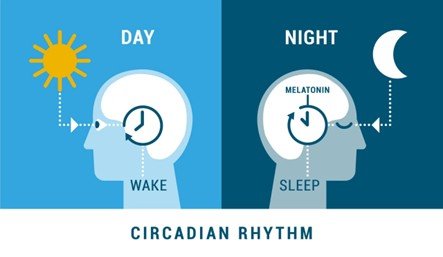
  • Melatonin: Melatonin is a substance secreted at night by the pineal gland that induces sleep and facilitates the adjustment of other natural rhythms; it is also an antioxidant that favors metabolic well-being. Impaired sleep and metabolism Dysregulation in the melatonin signaling interrupts sleep as well as metabolism (in shift work or exposure to artificial light).
  • Growth Hormone: The growth hormone is mostly secreted during the deep (SWS) sleep and is the molecule needed to repair the tissue, build muscle, and control the process of metabolizing the lipid molecules. Insufficient sleep restricts this pulsatile surge of the hormone impairing regeneration and fat metabolism.

Impact on Appetite, Cravings, and Calorie Intake

When sleep is insufficient:

Food cravings in high-calorie food and more importantly high-carb food heighten. The increased concentration of ghrelin and the decrease in leptin contributes to this since it becomes more difficult to fight unhealthy snacks and servings.

·       Sleep-deprived individuals tend to consume more calories and sometimes above the amount of their daily energy need that can contribute to weight gain with time.

·       The length of sleep is not the only factor involving lowered feelings of fullness (satiety), and the further disruption of these hormones, when possible, sleep fragmentation lowered the likelihood of eating snacks, particularly evening.

You may also like to read: Role of Gut Microbiome in Metabolic Health

Importance of Circadian Rhythm in Metabolic Regulation

Importance of Circadian Rhythm in Metabolic Regulation

Sleep-wake rhythms, coordinated to the circadian timing system (suprachiasmatic nucleus/ SCN of the brain), entrain the peripheral clocks (metabolic tissues liver, adipose, muscle). This circadian control makes the metabolism, release of hormones and cell performances optimum as per the time of the day.

  • Circadian disruption that can be caused by working shifts or engaging in late-night screen usage or jet lag afflicts the hormone cycles, decreases insulin sensitivity, alters hunger hormones, and raises the chances of becoming obese and developing diabetes and other metabolic disorders.
  • It is also important to have meals on schedule; they should not be on time (late night) because then the metabolic processes can be separated in relation to the circadian, exacerbating metabolic outcomes despite maintaining the same number of calories.

Tips to Improve Sleep for Better Metabolic Health

A better and longer sleep is an effective tool to assist in maintaining a healthy metabolism, well-balanced hormones, and the reduction in weight as well as the metabolic diseases risks. The following are science-based strategies:

1. Set a Regular Sleep Schedule

  • You must also go to bed and wake up at the same time every day and even during weekends. This will match your inner clock, to maximize the release of hormones and metabolism.
  • Regular timing fortifies your sleep-wake patterns and enhances both the quality of sleep and makes the appetite hormones, such as leptin and ghrelin, better regulated.

2. Reduce Screen Time and Caffeine Intake

  • Reduce the amount of time spent on the screen (phones, tablets, TV) at least 1 hour prior to bedtime. Exposure to blue light may counteract melatonin levels and delay sleep as well as disturb the circadian rhythms that are essential to the regulation of metabolism.
  • Make late afternoon or late in the evening avoidance of caffeine. Caffeine is a stimulant that may take hours before it is out of your system, thus making it more difficult to fall asleep and sleep.

3. Create a Sleep-Friendly Environment

  • Make your bedroom cool and dark with little noise. Employ blackout curtains, earplugs and get your thermostat at a comfortable level.
  • Turn your bedroom/bed into a place of rest and no work or electronics. A relaxing atmosphere will signal to your brain and body that it is time to get restful sleep, which helps with hormones and metabolic health.

4. Seek Medical Help for Sleep Disorders

  • Similar issues that indicate the presence of sleep disorders are snoring, constant arousal and manifestations of extreme tiredness. When left without medical treatment, these conditions worsen metabolism, higher risk of developing insulin resistance, and aggravate hormonal imbalances.
  • Discuss the issue with a medical professional if you have long-term sleep issues: he or she may prescribe some form of therapy or medical procedure to help regain healthy sleep and ensure metabolic health.

Making sleep a priority by following these tips helps align hormonal balance and metabolism for long-term health and weight control.

Final Thoughts

Sleep is an important cornerstone of metabolic wellbeing, the loss of which may result in a cascade of ill consequences. Failure to provide adequate rest to a body can negatively impact important hormonal systems by increasing ghrelin and decreasing the levels of leptin and cortisol, leading to rising appetite, weight gain, insulin resistance, and an inflammatory state. In the long term, such disturbances increase the risk of obesity, type 2 diabetes, and cardiovascular disease greatly. With an emphasis on consistency, high-quality sleep is habitually crucial not only in the clear thinking and the emotional state but also to keep the metabolism balanced. Making proactive decisions to reduce the long-time health risk connected with sleep deprivation, including creating the regular sleep schedules, restful environment, and sleeping disorder managing, can contribute a lot to the overall metabolic health.

The Role of Gut Microbiome in Metabolic Health

Dr. Ahmad Shahzad
Founder | Lyallpur Diabetes Foundation
Consultant Diabetologist | Educator | Advocate for Preventive Care

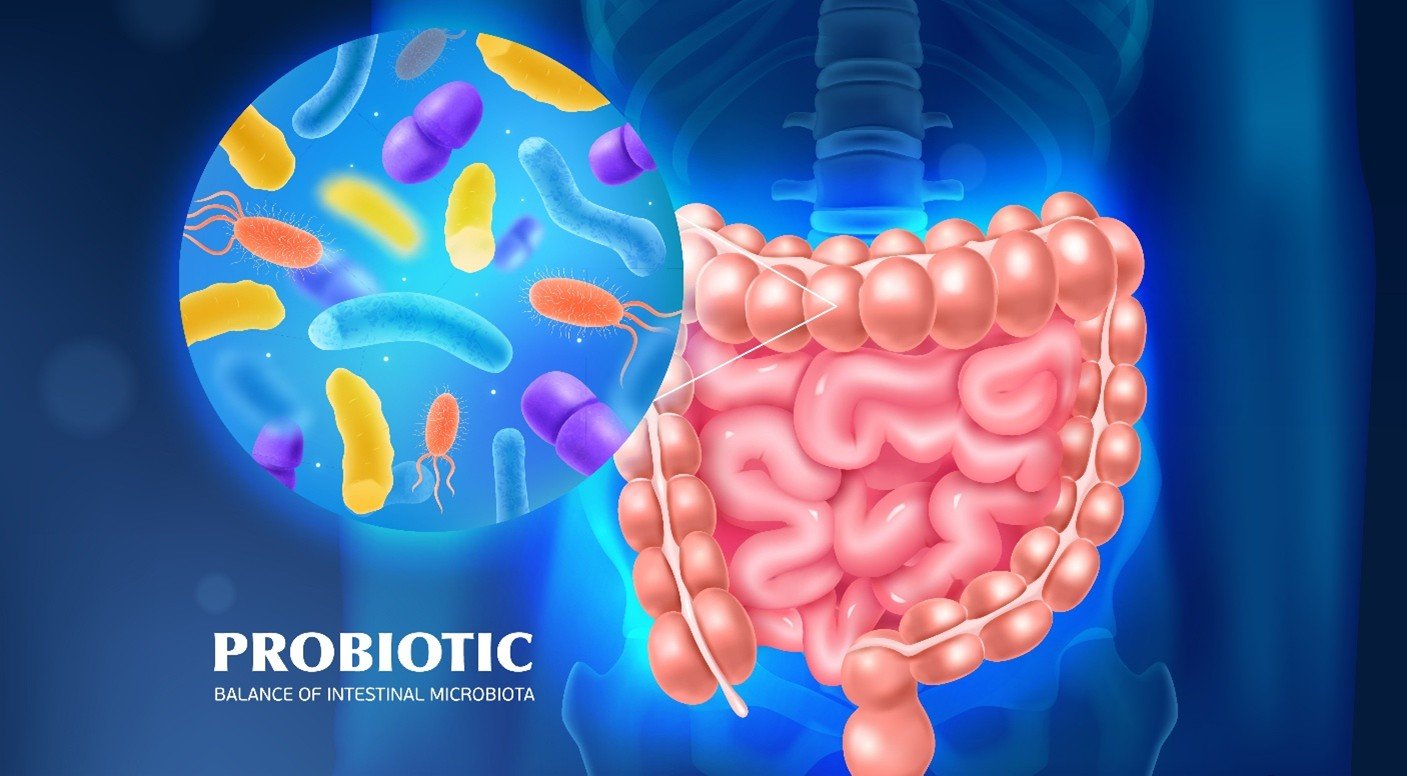
The body microbiome is a complex ecosystem of trillions of microorganisms that organize our intestines and perform essential functions that keep the rest of the body healthy. Other than contributing to digestion, these microbes play a critical role in regulating metabolism, which encompasses blood sugar levels, fat storage, cholesterol count, and management of inflammation. With the rising cases of metabolic diseases like obesity, type 2 diabetes and heart diseases, it becomes imperative to understand the relationship between the gut and metabolism. It has been revealed that a healthy microbiome in the gut can have a significant influence on maintaining weight, the sensitivity of insulin and activities of the immune system, therefore, it is the major factor that can propel metabolic wellness in the long-term.

What Is the Gut Microbiome?                    

Gut microbiome is the complex community comprising bacteria, yeast and fungi etc inhabiting mainly in the big intestine that is part of the human gastrointestinal tract, specifically the large intestine. This community of diverse microbes is always considered as ‘hidden organ’ since it works differently to interact with various internal systems of the body and performs vital tasks in reference to health and disease. The combined genetic makeup of all these microbes is the gut microbiome (metagenome), which contains many genes as the human genome itself, overall.

Key Microbial Phyla

Most bacteria in the intestines are of a few major phyla:

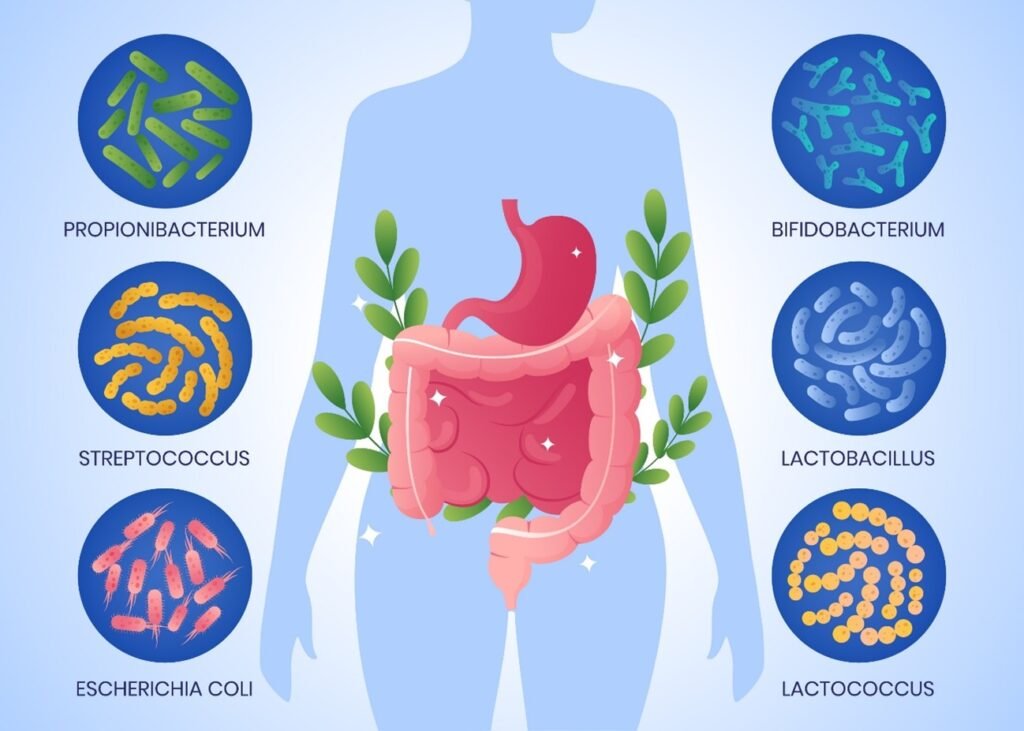
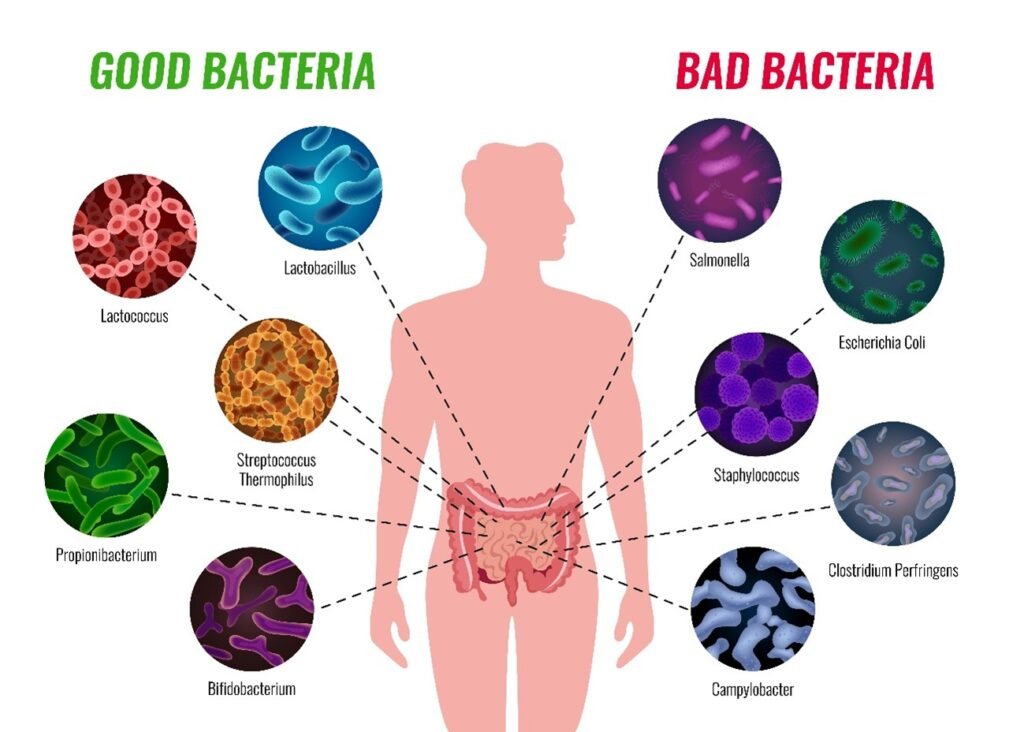
  • Firmicutes: It is one of the prevalent phyla, and it contains such significant genera as Clostridium, Lactobacillus, Faecalibacterium, and Ruminococcus. Firmicutes have members that ferment dietary fiber and thus produce short-chain fatty acids (SCFAs)
  • Bacteroidetes: The other major phylum, encompassing both Bacteroides and Prevotella genera, has a particular aptitude to degrade complex carbohydrates and proteins.
  • Actinobacteria: Though they are present in lower quantities, they contain good bacteria such as Bifidobacterium which is essential in keeping the gut healthy.
  • Proteobacteria and Fusobacteria: The phyla find their way at lower levels and still are pronounced members of the gut microbiome.
  • Verrucomicrobia: The other less prevalent yet pertinent set is Akkermansia muciniphila whose ability to degrade mucins is discussed as well as its role in performing gut barrier functions.

Collectively, Firmicutes and Bacteroidetes comprise an approximate average of 90 percent of the restriction of bacteria in the gut, although again, the specific makeup is highly variable in different people depending on diet, age, wellness, and much to the different germs in close vicinity.

Role in Digestion and Nutrient Extraction

Role in Digestion and Nutrient Extraction in Metabolic Health

The microbiome of the gut is important in digestion and the extraction of nutrients that man alone could not do:

  • Breakdown of Dietary Fiber and Polysaccharides: Human enzymes are unable to digest many of the plant fibers and complex carbohydrates. These substances are fermented by gut bacteria, producing SCFAs, like acetate, propionate and butyrate, which are consumed as the energy source by the gut lining, and have positive metabolic and anti-inflammatory outcomes.
  • Metabolizing Bile Acids and Sterols: Microbes break down Bile Acids and break down all sterols to help the body digest fat and absorb fat cells and to recycle these cells for effective usage.
  • Synthesis of Vitamins and Amino Acids: Some bacteria in the gut microbiome can produce important micronutrients, such as different B vitamins (B1, B9, B12) and vitamin K, which are vomited on the host and serve to benefit your health in general
  • Energy Harvest: Microbial digestion of undigested carbohydrates enhances the capacity of the host to obtain energy and store it in the diet. Research studies have demonstrated that food preferences in humans were also associated with variance in the composition of gut microbes and could result in obesity.
  • Immune System and Barrier Function: The gut microbiota contributes towards the structural integrity of the gut lining, imparts education to the immune system and resistance to colonization of disease-causing pathogens by outcompeting or secreting antimicrobial substances.

How the Gut Microbiome Affects Metabolic Health

1.      Production of Short‑Chain Fatty Acids (SCFAs)

The bacteria in the gut eat up dietary fibers and process them to produce some of the key metabolites, which are acetate, propionate, and butyrate, which are signals of this metabolism. Increased levels of systemic SCFA have been correlated with insulin sensitivity improvement and reduce fasting insulin and HOMA- IR indices in human meta-analyses. These SCFAs agonize Ffar2 and Ffar3 on enteroendocrine cells and enhance release of GLP-1 and PYY, which increase insulin level, feelings of fullness, and prolong gastric emptying. They also inhibit lipolysis, regulate fat storage, and decrease low ‑grade inflammation, all of which is important to the balance of metabolism

2.      Regulation of Inflammation

Intact gut barrier contributes to a healthy microbiome by facilitating tight junctions, maintenance of mucus layer and the maintenance of immune homeostasis. Dysbiosis interferes with this and parts of bacteria, such as lipopolysaccharides (LPS), end up escaping into the circulation in something called a state of metabolic endotoxemia. These endotoxins stimulate the TLR and NF-kB pathways leading to the development of chronic low-grade inflammation leading to insulin resistance and fat increase.

3.      Influence on Insulin Resistance and Blood Sugar

Another effect of the intestinal beneficial microbiome role in glucose homeostasis is the intestinal gluconeogenesis (IGN). Butyrate exerts its effect via cAMP-dependent signaling systems, but propionate has the effect of stimulating a neural circuit between the gut and the brain, which increases glucose homeostasis in animal models. Higher fasting circulating SCFA concentrations in humans correlates with high GLP-1 and enhanced insulin sensitivity in clamp-based measurement in such a way that circulating rather than fecal SCFA serves better markers of metabolic health

4.      Gut–Liver Axis and Bile Acid Modulation

Primary bile acids are converted to secondary bile acids by using microbial enzymes (such as bile salt hydrolases and 7alpha-dehydroxylases) which include deoxycholic acid (DCA) or lithocholic acid which can activate FXR and TGR5 receptors. Ileal FXR activation and TGR5 stimulation stimulate the production of FGF19 and thermogenesis respectively and reduce hepatic lipid processing and de novo lipogenesis in brown fat and GLP-1-mediated insulin secretion, respectively.

The microbiome of the gut is an epicenter in metabolic control via the coordination of nutrient-derived metabolite, barrier protection, and hormone production as well as downstream bile acid signaling. The adjustments of those pathways caused by fiber-poor diets, antibiotics exposure, or imbalance of major taxa may shift the system towards insulin resistance, fat over storage and inflammation.

Signs of an Unhealthy Gut and Its Link to Metabolic Disorders

Signs of an Unhealthy Gut and Its Link to Metabolic Disorders 

Symptoms of Dysbiosis

Gut dysbiosis is an imbalance of the composition of the gut microbiome, which is sometimes characterized by a reduction in beneficial microorganisms, an overgrowth of harmful ones or a loss in diversity. The typical symptoms are:

  • Digestive Problems Include Bloating; excess gas, diarrhea, constipation, heart burn and pains in the abdomen are also strong indications of a dysbalanced intestinal flora.
  • Fatigue: Chronic fatigue or tiredness is a frequent complaint of people with gut problems, and a study has linked energy levels with the microbial balance in the digestive tract.
  • Sugar Cravings: There may be imbalances that can influence the desire to eat sugar and processed foods which could be due to bacteria affecting food preferences.
  • Accidental Changes in Weight: Weight changes can occur undesirably due to spontaneous weight gain or loss because of the other factors of how the body absorbs and stocks fat.
  • Skin Problems: Acne, eczema, rashes, psoriasis, and skin issues of other sorts may be the products of gut inflammation and its effect on the immune system.
  • Mental and Cognitive: Anxiety, depression, brain fog, and difficulty concentration have all been clinically shown to relate to poor gut health because of the connection between the brain and the gut.

Other: Bad breath, joint pain, food intolerances and they become more vulnerable to inflammatory conditions or infections.

You may also like to read: Role of Insulin Resistance in Metabolic Health

Conditions Associated with Poor Gut Health

Dysbiosis is closely linked to several metabolic disorders:

Obesity: Due to alterations in gut microbiota, alterations can affect energy harvesting, fat storage, and hunger/satiety signals and therefore act as a factor in the development and maintenance of obesity.

Type 2 Diabetes: Unhealthy Gut microbiome may lead to insulin resistance, alterations to the pathways involved in carbohydrate metabolism, and, lastly, propagating unrelenting inflammation, each of which is in central to type 2 diabetes.

Metabolic Syndrome: Such a combination of conditions (insulin resistance, high blood pressure, abnormal blood fats, and large waist circumference) makes up this syndrome that well correlates with gut dysbiosis leading to low-grade inflammation and affecting metabolism in various ways.

Mechanism Underlying the Link

  • Increased Gut Permeability (“Leaky Gut”): Dysbiosis can also damage the lining of the gut, allowing pro-inflammatory molecules and toxins to enter the bloodstream and set up systemic inflammatory reactions and failure to regulate metabolism.
  • Low-grade chronic inflammation Insulin resistance, obesity and metabolic syndrome caused by low grade chronic inflammation of gut imbalance.
  • Perturbed hormonal and immune signaling: Microbial metabolites influence such hormones as insulin, leptin, and GLP-1 as well as the activity of immune cells that are important to metabolic health.

Taking care of a healthy gut-through diet and lifestyle and sometimes probiotics or prebiotics is becoming one of the approaches to prevention or management of metabolic disorders and its complications.

How to Support a Healthy Gut for Metabolic Wellness

Here is how to support a healthy gut for metabolic wellness:

Eat More Fiber and Prebiotics

Why: The reason is dietary fiber serves as food to good bacteria in the gut and helps them to grow and diversify which is central to metabolic and gut health.

Examples of Fiber- and Prebiotic-Rich Foods:

  • Whole grains: oats, quinoa, barley
  • Legumes: chickpeas, lentils, beans
  • Fruits: bananas, apples, peaches (also rich in polyphenols)
  • Vegetables: garlic, onions, leeks, asparagus, broccoli
  • Nuts: almonds, pistachios, cashews

Prebiotics represent a particular type of fiber which is like fertilizers to our good bacteria, and can be found in onions, garlic, leeks, and chicory as well as bananas.

Include Fermented Foods and Probiotics

Fermented foods have developed beneficial microorganisms (probiotics), which have the capability of increasing microbial diversity and improving gut function.

  • Examples:
    • Yogurt with live cultures
    • Kefir
    • Sauerkraut
    • Kimchi
    • Kombucha
    • Miso and tempeh

A consistent intake of foods can be beneficial in the establishment of healthier gut and general health.

Limit Processed Foods and Refined Sugars

  • Sugar and processed foods impair microbial flora because they support the proliferation of detrimental bacteria.
  • The ultra-processed foods are where they include a lot of unhealthy fats, additives, and sugars which decrease the gut biodiversity and inflammation.

Consider Supplementation

There are specific probiotic strains that show potential regarding metabolic and gut health which however needs to be individualized and taken with medical guidance.

  • Remarkable strains are since,
  • Akkermansia muciniphila – associated with metabolic and enhanced gut barrier.
  • Anaerobutyricum soehngenii – butyrate-producing bacterium advantageous in terms of gut health.
  • Supplementation is also a new field of study and must supplement a healthy eating lifestyle.

By maintaining a fiber-rich, diverse plant-based diet, probiotic fermented foods, and reduced intake of destructive processed foods, the gut microbiome can be maintained very well and requires metabolic wellness. Proper advice can be obtained from doctors which can help to customize probiotic supplementation where necessary.

Conclusion

The gut microbiome plays a crucial role in regulating key aspects of metabolic health, including blood sugar control, fat storage, inflammation, and energy balance. Disruptions in microbial diversity and function can contribute to serious conditions like obesity, type 2 diabetes, and metabolic syndrome. Fortunately, you can support a healthier gut—and a healthier metabolism—through simple yet powerful changes in your diet and lifestyle. Start today by incorporating more fiber-rich, gut-friendly foods like fruits, vegetables, legumes, and fermented products into your meals to nourish your microbiome and boost your overall well-being.

Mouth Bacteria Metabolism Impact: How Oral Microbes Affect Your Health

Dr Muizza Shahzad
BDS, Registered Dental Surgeon
Executive Member, LDF

The mouth bacteria metabolism impact reaches far beyond oral health, influencing everything from cavity formation to systemic diseases. An ocean of microbes living in our mouths starts crunching sugars, proteins, and other food substances at all times. Such metabolic processes create acids, toxins, and other products. These products harm teeth and gums and may cause inflammation. It also enter the bloodstream, spreading across the gut and heart and altering the metabolism. It is essential to understand the mechanism of nutrient consumption by oral bacteria so as to preserve your smile and general health.

What Is Mouth Bacteria Metabolism?

Mouth bacteria metabolism is the set of biochemical processes involved in which bacteria living in the mouth degrade generic substances like carbohydrates, protein, glycoproteins, and amino acids. Organic acids, short-chain hydrocarbons, ammonia, and other metabolites are released during these metabolic activities and thus interfere with oral health.

Key points about mouth bacteria metabolism include:

  • In oral bacteria glycolysis, or in more detail, the Embden-Meyerhof-Parnas pathway is used to break down dietary sugars and carbohydrates. It forms acids such as lactic acid, acetic acid, formic acid, and ethanol. Bacterial species capable of producing acid that contributes to tooth demineralization to cause dental caries are acid-producing bacteria (lactobacillus, streptococcus, and actinomyces).
  • Certain bacteria make ammonia or other alkaline metabolites by the breakdown of arginine or urea or by nitrate reduction to ammonia. This aids in neutralizing acids in the mouth, keeping enough balance of PH and oral health.
  • These proteolytic bacteria, such as Prevotella and Porphyromonas species, degrade proteins and peptides to amino acids. It metabolize further to form short-chain fatty acids, sulfur, ammonia, and other substances that may contribute to periodontal disease and oral malodor.
  • Oral bacteria can catabolize them to produce metabolite. Some of which take part in disease mechanisms, such as periodontal disease, including acetate, butyrate, propionate, and phenylacetate.
  • Various metabolic processes of oral bacteria can have effects on the oral environment and also on the health in the system. As an example, nitric oxide produced by nitrate-reducing bacteria has applications outside of oral health.

Local Effects in the Mouth

Local impacts by mouth bacteria mainly pertain to the impact of oral bacteria, usually on dentistry and gum health. Major local consequences of oral bacteria in the mouth are:

  • Tooth Decay (Dental Caries): Some particular bacteria, especially Streptococcus mutans, break down sugars and starches in food into acid by-products. Such acids can corrode the tooth enamel, causing cavities. This production of acid without proper oral hygiene makes teeth weak and ultimately decay.
  • Gum Disease: Gums are prone to holding bad bacteria that can lead to inflammation of the gums. It also referred to as gingivitis, due to their sore, swollen, and bleeding gums. Unmanaged, this may develop into periodontitis, destroying the tissues and bones underlying such teeth, possibly leading to toothlessness.
  • Formation of Plaque and Tartar: The bacteria develop a sticky film called plaque on the teeth, gums, and interdentally. Unless it is burned off during brushing and cleaning by a dentist. The plaque will harden into tartar and be a source of decay and gum disease.
  • Bad Breath (Halitosis): Colonies of bacteria on the tongue and other parts of the mouth excrete sulfur and other compounds, which produce a foul smell. Frequent oral and tongue cleaning will counter this.
  • Oral Infections: Oral bacterial imbalance may cause gum or soft tissue infections in the mouth, creating pain, swelling, and discomfort. The serious infections may give rise to secondary conditions that are more harmful to health.
  • Connection to Systemic Health: Oral infections may leak bacteria and toxins into the bloodstream. It lead to systemic health-related issues, such as heart disease, respiratory diseases, etc.

The Mouth–Metabolism–Inflammation Cycle

Mouth-Metabolism-Inflammation Cycle is described as an active and interactive process in which the metabolism of bacteria in the mouth can affect both local inflammatory processes and the metabolism of microorganisms, forming a vicious cycle:

  1. Oral Dysbiosis and Metabolism: Pathogenic bacteria like Porphyromonas gingivalis grow when there is an imbalance in the bacteria of the mouth (oral dysbiosis). Such bacteria ferment substrates and generate harmful products such as lipopolysaccharides (LPS), ammonia, and short-chain fatty acids.
  2. Local Inflammation: These bacterial metabolites and components stimulate the local host defence, resulting in local inflammation of oral tissues (gingivitis, periodontitis). Inflammatory cytokines and immune cells are recruited through the immune response, which causes tissue damage.
  3. Tissue Damage and metabolic byproduct: Inflammation causes tissue damage, which leads to nutrients and breakdown products, the fuel source to pathogenic bacteria, leading to further changes in bacterial metabolism to exacerbate dysbiosis.
  4. Bacteremia and Systemic Spread: Tissue attacks mediated by inflammation cause mouth bacteria and metabolites to gain access to the bloodstream (bacteremia), where the infectious agent and the signal of inflammation become widespread.
  5. Systemic Inflammation through Oral-Gut Axis: Oral bacteria translocation to the gut can change gut microbiome and gut barrier dysfunction, leading to worsening systemic inflammation. Oral immune cells that are primed can travel and act locally to cause inflammatory complications at other locations, such as the gut.
  6. Chronic Systemic Inflammation: NF-kB and immune dysregulation. This long-term systemic inflammation is a causative factor in metabolic syndrome, cardiovascular diseases, and autoimmune diseases, as well as other chronic diseases.

You may also like to read: Is Gum Disease Hereditary?

Factors Influencing Mouth Bacteria Metabolism

Factors Influencing Mouth Bacteria Metabolism

Various biological, environmental, and lifestyle factors are contributors to mouth bacteria metabolism: these factors influence oral microbiome growth, constitution, and metabolic activity:

  1. Nutritional Factors:
  • Saliva is useful in that it contains fundamentals like amino acids, peptides, proteins, glycoproteins, vitamins, and minerals necessary by oral bacteria in order to grow and burn.
  • Gingival crevicular fluid (GCF) is also a source of nutrients that harbor albumin, heme-containing compounds that enhance the growth of bacteria in subgingival regions.
  • Habit involves the effect of diet on the bacteria, especially the supply of sugars and carbohydrates on which some bacteria thrive to generate acids that cause tooth decay. But salivary and tissue endogenous nutrients are also the main factor.
  1. Saliva Composition and Flow:
  • Salivary buffering capacity underlies bicarbonate and phosphate levels and counteracts mouth pH changes, influencing bacterial tolerance to acids and their activity.
  • Saliva clearance of food material and bacteria is altered by salivary flow, which influences biofilm development and metabolism of bacteria.
  • Altered bacterial metabolism and risk of oral diseases can occur through changes in saliva caused by dehydration or diseases.
  1. Oral Environment:
  • Physical conditions, nutrients, pH, temperature, redox potential, humidity, and mechanical forces in the mouth form niches that sustain different bacterial communities.
  • Bacterial proliferation is affected by diet (acidic intake) and bacterial metabolism with the pH becoming acidic in favor of acidogenic and aciduric bacteria.
  • Biofilms have non-uniform availabilities of oxygen, meaning bacteria exhibit either anaerobic or aerobic metabolism.
  1. Host Factors:
  • Sex steroids, cholesterol, catecholamines, which are delivered by saliva, are absorbed by the hostand  can balance the amount and the atmosphere.
  • Salivary factors such as IgA and antimicrobial peptides affect bacterial growth and activity.
  • Oral microbiome dynamics and saliva composition are genetically and physiologically variable in different people.
  1. Microbial Interactions:
  • The combination of bacterial Engway species (such as Streptococcus and Lactobacillus) and bacterial and fungal species (such as Candida albicans) may boost or restrict metabolic activity.
  • Other bacteria degrade the products of others (e.g., Veillonella degrades lactic acid produced by Streptococcus), and affect the metabolism of the community as a whole.
  1. External Factors:
  • Oral hygiene, exposure to chemicals (mouthwashes, toothpaste), and drugs influence the viability and metabolism of bacteria.
  • Smoking, drinking, and the environment also influence the bacterial communities.

How to Support a Healthy Oral Microbiome

To support a healthy oral microbiome, follow these brief key steps:

  • Good oral hygiene: To keep the plaque and food that carries bad bacteria, brush your teeth twice a day and use a floss once per day. Take a look at tongue cleaning as well.
  • Eating well: Add more whole foods, fruits, and vegetable fiber into your diet and less sugar and processed foods that encourage the bratty bugs.
  • Hydrate yourself: This prevents dry mouth, which can alter the balance of microbes.
  • Apply probiotic oral health care: Probiotic toothpastes or mouthwash may help to restore oral microflora by introducing healthy bacteria.
  • Stop using tobacco and too much alcohol: These distort the oral microbiome and predispose to disease.
  • Proper dental visits: Professional cleanings and individual recommendations are of assistance to long-term oral microbial well-being.

The combination of practices will aid in creating a balance, diverse oral microbiome that is essential in oral and overall health.

Final Thoughts 

The mouth bacteria metabolism impact is a powerful reminder that oral health and overall health are deeply connected. The metabolism of these small microbes may either benefit or destroy the body through the level of maintenance of the oral environment. You can manage bad bacterial activity and promote a healthy microbiome by having consistent oral health and making conscious food decisions, including routine dentist visits. No healthy mouth equals no beautiful smile; instead, it equals part of your body’s defense and long-term health.