Diabetes Pakistan Metabolic Syndrome Date: 1st - 2nd November, 2024 Venue: Serena Hotel, Faisalabad
For Emergencies: +92 41-2694037

Type 2 Diabetes: Risk Factors, Symptoms, and Treatment

Dr. Ahmad Shahzad
Founder | Lyallpur Diabetes Foundation
Consultant Diabetologist | Educator | Advocate for Preventive Care

Type 2 diabetes is a chronic metabolic syndrome that may influence the way the body uses blood sugar (glucose), (usually resulting in high blood sugar that harms other organs after prolonged use). It is a prevalent chronic ailment in the world caused both genetically and environmentally by a mix of lifestyle and environmental factors. Recognizing the risk factors, symptoms, and treatment options for type 2 diabetes is essential for prevention, early detection, and effective management. With timely lifestyle changes and appropriate medical care, many people can reduce complications and maintain a better quality of life.

What Is Type 2 Diabetes?

Type 2 diabetes occurs when your blood sugar (glucose) level is too high due to your body inability to produce enough insulin or use insulin properly (a condition known as insulin resistance). Insulin is a pancreatic hormone which facilitates the absorption of glucose in your cells to be utilized as a source of energy. Failure to use insulin makes glucose accumulate in the blood and this makes blood sugar high.

Type 2 diabetes is the most prevalent type of diabetes and mostly affects adults, although it can be prevalent among children due to increased cases of obesity.

Risk Factors                          

The key predisposing variables of getting diabetes Type 2 consist of an interaction of non-modifiable and modifiable risks:

Non-modifiable risk factors:

  • Age: The risk significantly grows above the age of 35 or 40.
  • Family history: When there is a family member with diabetes this increases the risk significantly.
  • Race and ethnicity: Greater risk of the African American, Hispanic/Latino, Asian American, Native American, and Pacific Islander population.
  • Past gestational diabetes: Pregnancy development of diabetes or birth of a big baby puts one at risk in future.
  • Polycyclic ovary syndrome (PCOS): The syndrome has a risk as it is associated with insulin resistance and other hormonal problems.

Modifiable risk factors:

  • Obesity and overweight: accumulated fat in the abdomen are also closely associated with insulin resistance.
  • Exercise: Lack of physical activity increases the risk in relation to obesity and poor glucose metabolism.
  • Unhealthy eating: Eating processed food, sugary drinks and refined carbs, saturated fats contribute to it.
  • Smoking: It relates to insulin resistance and increased risk.
  • Other medical illnesses and medicine: Hypertension, heavy blood lipids (low HDL, high triglycerides), and drugs such as cortisone or antipsychotics may contribute to risk of death.

Symptoms of Type 2 Diabetes

The symptoms of Type 2 diabetes typically develop slowly and may be mild or go unnoticed for years. Common symptoms include:

  • Increased thirst
  • Frequent urination
  • Increased hunger
  • Unintended weight loss
  • Fatigue or feeling very tired
  • Blurred vision
  • Slow-healing sores or wounds
  • Frequent infections
  • Numbness or tingling in the hands or feet
  • Areas of darkened skin, especially in the armpits and neck

Individuals in Type 2 diabetes may have some or all the following symptoms, and some have no noticeable symptoms at all initially. Since the symptoms come about slowly, it is worth noting the signs and when you are at risk of diabetes.

You may also like to read: Type 1 Diabetes

Diagnosis & Screening
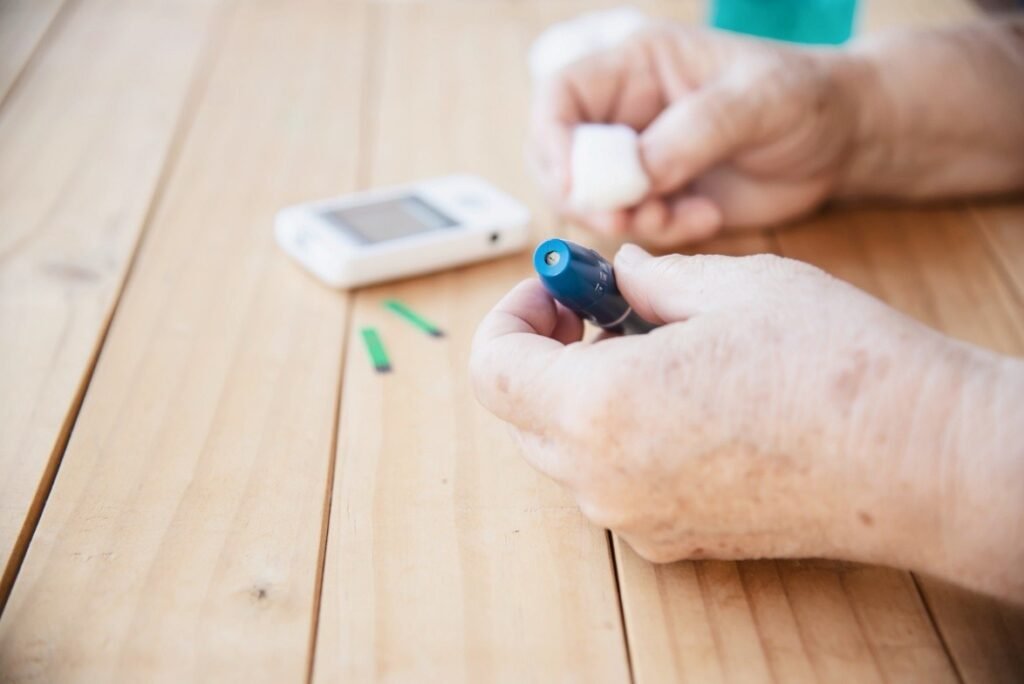
Diagnosis & Screening od Type 2 Diabetes

Type 2 diabetes is almost always diagnosed by blood tests that check blood sugar levels. Common and reliable tests that are usually performed include:

  • Hemoglobin A1C test (A1C test): This test measures the level of sugar in the blood of the last 2 or 3 months. Diabetes is confirmed when the amount of A1C in two tests comes to 6.5 percent or more. Less than 5.7 is normal, 5.7-6.4 prediabetes.
  • Fasting Plasma Glucose (FPG) test- Blood sugar level is determined when the person has not consumed anything in at least 8 hours. An increased level of fasting sugar in the blood of 126 mg/dL (7 mmol/L) or more on two occasions is diabetic. Prediabetes is measured between 100-125 mg/dL and anything below 100 mg/dL is normal.
  • Oral Glucose Tolerance Test (OGTT): Test of measuring sugar in the blood during and two hours after taking a sugary drink. When a test’s blood sugar level is 200 mg/dL or greater after 2 hours, it shows diabetes. Any levels measuring 140-199 mg/dL are prediabetes.
  • Random Blood Sugar Test: The amount of blood sugar is measured without regarding the last mealtime. A result of 200 mg/dL or above, and diabetic symptoms, is very likely to be diabetes.

Confirmation is normally through a second test a day later unless acute symptoms are present with extremely elevated sugar in the blood stream. These tests are readily performed on a periodic medical examination should any risk factor or symptoms be present.

Treatment & Management

Management and Type 2 diabetes therapy focuses on lifestyle adjustments coupled with medication, and occasionally surgery and/or insulin treatment that will help in controlling the amount of sugar in the blood to get rid of the complications of diabetes.

Key treatment components include:

Changes to lifestyle: Healthy diet, frequent physical exercise, and normal weight are keys to blood sugar management and insulin sensitivity.

Oral: Metformin is the most used first-line medication, which decreases the amount of glucose the liver produces and makes cells more sensitive to insulin. Other oral medications are sulfonyl-urease (stimulate insulin release), DPP-4 inhibits, SGLT2 inhibits (kidneys allow glucose to be excreted through urine), and thiazolidinediones (TZDs) that increase sensitivity of insulin.

Injectable drugs: GLP-1 receptor agonist, injected on a daily or weekly basis, promotes insulin activity and facilitate weight loss. Insulin is an injection which may be required when blood sugar level cannot be regulated in other ways. The various forms of insulin vary with the speed and duration of action depending on the need of the individual.

Weight-loss surgery (bariatric surgery): In persons with a BMI of 35 or more, surgery such as gastric bypass can markedly improve sugar levels and can even put diabetes into remission, however, surgery is not a cure; it is one aspect of overall lifelong management.

Monitoring: Constant checking of blood sugar levels dictates changes in treatment to reach the desired glucose range without developing hypoglycemia (low blood sugar). The choice of treatment depends on factors such as blood sugar levels at diagnosis, presence of complications, other existing health conditions (like heart or kidney disease), patient preferences, and cost considerations. Doctors typically start with lifestyle changes and metformin, adding other treatments as needed.

Final Thoughts

Type 2 diabetes is a more severe condition that can be easily tamed by early detection and proper combination of both lifestyle modification and medical intervention. The knowledge of its risk factors and the ability to identify symptoms early and address them according to a customized plan of care can have a dramatic effect on long-term health outcomes. Being aware, proactive, and well-informed, people will be able to take some significant steps in preventing complications and in making their life a healthier and more balanced one.
Type 1 Diabetes: Causes, Symptoms, and Management

Dr. Ahmad Shahzad
Founder | Lyallpur Diabetes Foundation
Consultant Diabetologist | Educator | Advocate for Preventive Care

Type 1 Diabetes is a long-term autoimmune disorder whereby the immune system of the body wrongly destroys the insulin-producing cells called the beta cells found in the pancreas. In the absence of insulin, the body would not be able to effectively maintain blood sugar levels, and such can cause quite serious health repercussions. In comparison to Type 2 Diabetes, Type 1 usually occurs suddenly and, in most cases, in children, teenagers, and young adults but it may happen at any age. To ensure good health condition and avoid the occurrence of severe complications, it is crucial to understand its causes, identify its first symptoms, and find good management approaches. The proposed article will dwell upon the essentials of the Type 1 Diabetes, its causes, symptoms, and evidence-based strategies of treatment and management.

Understanding Type 1 Diabetes

Type 1 diabetes is an autoimmune disease that is chronic in nature and in this case the immune system of the body confuses or finds the insulin producing beta cells in the pancreas destructive, as it attacks and destroys it. This causes minimal or no production of insulin which is a hormone that enables access of glucose (blood sugar) in the cells to be used as energy. In cases where there is no insulin, glucose becomes concentrated in the bloodstream thus resulting in the elevated blood sugar level and even severe consequences.

Key points about Type 1 diabetes include:

  • It typically happens in children, teenagers, or young adults though it may occur at any age.
  • The cause is not exact, but it is thought to be because of genetics, environment and immune system dysfunction.
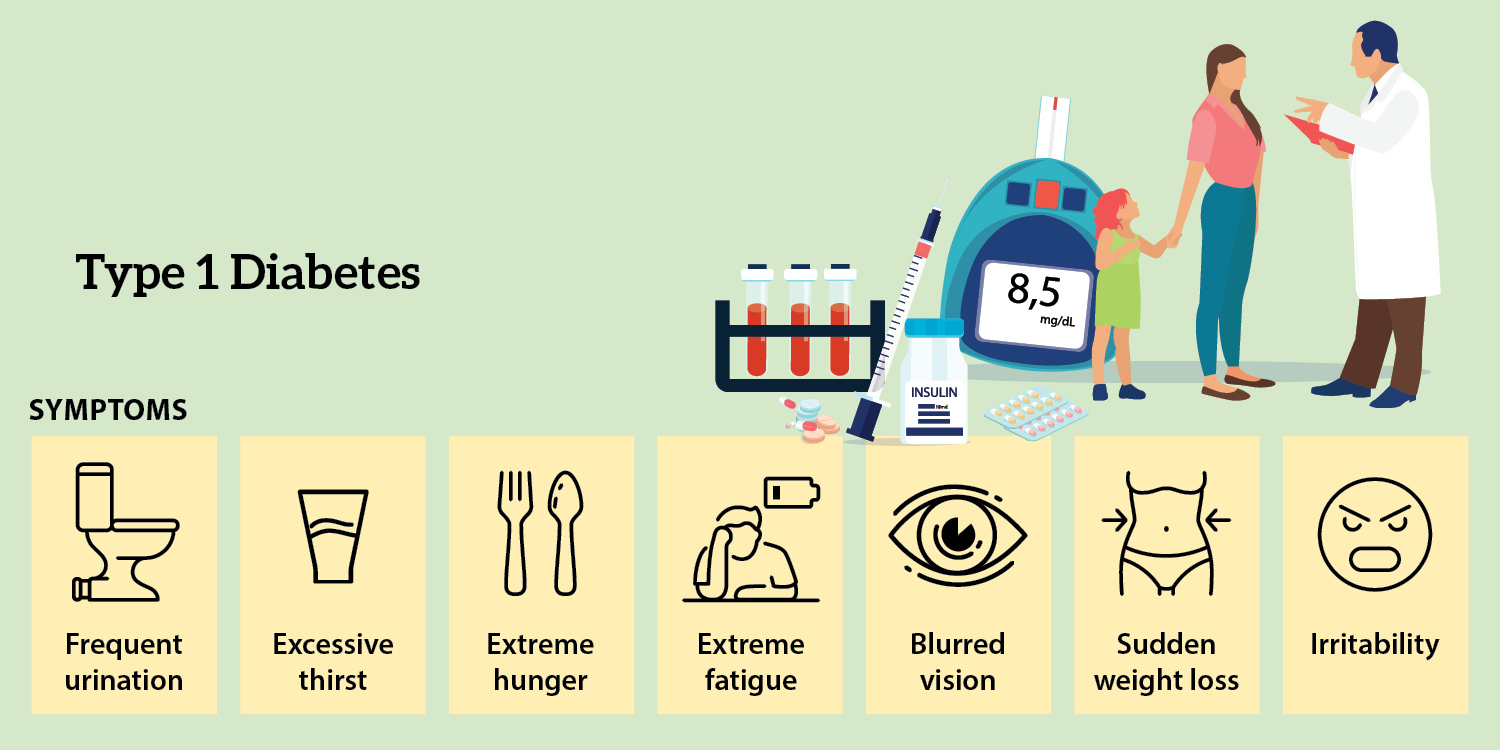
  • The symptoms could be frequent urination, excessive thirst, felt hunger, fatigue, blurred vision, slow healing wounds and unintentional weight loss.
  • It is neither preventable nor curable now.
  • Treatment consists of daily intake of insulin, measurement of glucose in the blood, physical activities, and a personal eating schedule to regulate blood sugar.

It is distinguishable to diabetes type 2, where the disease is characterized by persistence of insulin production even though the cells that receive its effect are resistant, in diabetes type 1, insulin production is nonexistent or minimal because the autoimmune system destroys the cell that produces insulin (beta cells).

Causes and Risk Factors

The type 1 diabetes is mainly caused by autoimmune reaction where the immune system in the body falsely identifies and destroys the insulin producing beta cells in the pancreas. This self-destruction becomes insufficient or no insulin production. It is assumed that the condition is neither genetic nor environmental but a combination of both the effects.

Key causes and risk factors include:

  • Genetics: Type 1 diabetes has been shown to run in families and is associated with certain genes known as genetic predisposing factors particularly the alleles of HLA (human leukocyte antigen) such as DRB1 and DQB1. The risk increases greatly when family history is present, children whose parents are ill with the disease have greater probability of getting the disease other than the children without the family history. Most of those at genetic risk do not, however, become affected by type 1 diabetes.
  • Autoimmune reaction: The body’s immune system is provoked to put an attack on the body’s pancreatic beta cells. This process can take years or months before symptoms occur, and in the meantime, autoantibodies can be detected in blood.
  • Environmental triggers: They are not clearly understood but they could have viral infections (especially enteroviruses), early childhood diet, and other environmental toxins. The presence of seasonal patterns indicates the possibility of infections and cold weather as influencing factors on the development of autoimmune processes.
  • Age: Type 1 diabetes may be seen in any age but often develops between childhood, adolescence, or early adult life with two peaks at ages 4-7 years old and between 10-14 years old.
  • Ethnicity and geography: The incidence rates are elevated among the white populations in the U.S compared to African Americans or Hispanics. The incidence is also normally more distant the more one becomes remote of the equator, and it may be environmental-related, or climatology related.
  • Other risk factors: War lifestyle factors such as eating and physical activity are very potent in causing type 2 diabetes but not in type 1. Risk may be associated with diet and early infant feeding practices which are not yet established causes.

Common Symptoms of Type 1 Diabetes

Common Symptoms of Type 1 Diabetes

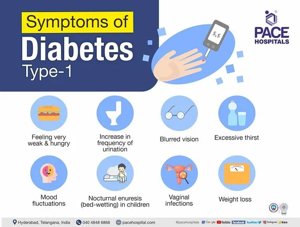
Common symptoms of Type 1 diabetes typically develop quickly, over a few days or weeks, and include:

  • Frequent urination (peeing more than usual)
  • Excessive thirst
  • Extreme fatigue or feeling very tired
  • Unintended weight loss without trying
  • Blurred vision
  • Increased hunger
  • Cuts and wounds that heal slowly
  • Frequent infections, such as thrush

Other symptoms may be sweet or fruity smell of the breath indicating diabetic ketoacidosis (DKA), a life-threatening condition that must be treated at once. These are the symptoms of DKA; the stomach hurts, feeling nausea and risk of throwing up, breathing rapidly, confusion, and very sleepy also.

You may also like to read: Role of Insulin Resistance in Metabolic Health

Diagnosis and Screening

The diagnosis of type 1 diabetes mainly is made by blood tests that determine the level of blood glucose and reveal the presence of autoimmune markers. There are the following typical diagnostic techniques:

  • Fasting blood glucose test: Checks the sugar level in the blood after fasting 12 hours. On two separate occasions a fasting glucose level of 126 mg/dL (7 mmol/L) or greater displayed the diagnosis of diabetes.
  • Random blood glucose test: It measures the level of blood sugar at any given time, without having to refer to the last time you had a meal. A reading of 200 mg/dL (11.1 mmol/L) or above is an indication of diabetes.
  • Oral glucose tolerance test (OGTT): A patient will fast and can receive a dose of glucose after which he or she drinks a sweetened solution and then test the glucose levels in the blood after two hours. After two hours, values of more than 200 mg/dL (11.1 mmol/L) are a sign of diabetes.
  • Glycated hemoglobin (HbA1c) test: Measures the average level of blood sugar in the last 2-3 months. Diabetes is confirmed by HbA1c of 6.5 or above two tests.
  • Autoantibody testing: Autoimmune antibodies are detected including Islet Cell Cytoplasmic Autoantibodies (ICA) and Glutamic Acid Decarboxylase Autoantibodies (GADA), to differentiate between type 1 and type 2 of diabetes when the diagnosis is not clear.
  • C-peptide test: Insulin production can be measured which tends to be low in type 1 diabetes, however, is not widely used as a routine test in clinical practice.

Management Strategies

Treatment of type 1 is based mainly on lifelong insulin therapy, lifelong testing of sugar content in the blood, also healthy diet, exercise, and self-care education. Key management strategies include:

  • Insulin therapy: This is necessary for all diabetic people who have Type 1. It is commonly performed through multiple daily injections or constant subcutaneous insulin infusion by means of insulin pump. There are several kinds of insulin to mimic natural patterns of insulin: rapid acting before meals, long acting to cover basal requirements. The insulin doses are dictated by blood sugar, food consumed (carbohydrate counting), exercises, and other conditions.
  • Reducing blood sugar levels with monitoring: Blood sugar requires checkups regularly, typically before a meal, snack, exercise program, or bedtime to ensure levels are in control. CGM is in use nowadays increasingly because it offers real-time glucose levels and avoids hypoglycemia and hyperglycemia.
  • Healthy food and carbohydrate counting: Diets do not exist specifically as the diet of diabetes; however, it is advised that nutritious foods should include low-fat and high fiber and carb counting should focus on low-fat foods which include fruits, vegetables, whole grains. Counting carbohydrates so that they can adjust the level of insulin.
  • Frequent physical exercise: to enhance insulin sensitivity and general health hypothetically, aerobic exercise is prescribed. When introducing new activities, patients are advised to check the level of blood sugar more frequently and change insulin or food consumption.
  • Education and self-management: The core of diabetes self-management education. Patients are educated to identify and manage hypoglycemia and hyperglycemia, sick day management, taking insulin, and how to maintain well-being. Routine health care: Regular check-ups include monitoring HbA1c (average blood sugar over months), eye exams, foot care, and vaccinations to prevent complications.
  • Psychosocial support: Emotional well-being is important, as diabetes can affect mental health. Support and coping strategies improve outcomes.

Final Thoughts

To close, Type 1 Diabetes is a chronic condition which will have to be regularly taken care of, however, with proper care, one can learn to live an active and healthy life. Learning the causes and becoming aware of its symptoms early enough helps play a crucial role in avoiding the eventualities that complications of disease such as diabetic ketoacidosis may have. A balanced lifestyle, consistent use of insulin therapy, frequent checks on blood sugar level, and intensive support by health professionals can result in a stable level of blood glucose and an overall lifestyle in people with Type 1 Diabetes. Although it does not have a cure as of now, the research that is being conducted is a source of hope that one day it might be treated or a cure would have been achieved, and thus awareness and active management are worth more than anything currently.