
Diabetes Pakistan Metabolic Syndrome Date: 1st - 2nd November, 2024 Venue: Serena Hotel, Faisalabad
For Emergencies: +92 41-2694037

The Importance of Carbohydrate Counting in Diabetes

Dr. Ahmad Shahzad
Founder | Lyallpur Diabetes Foundation
Consultant Diabetologist | Educator | Advocate for Preventive Care

Treating diabetes should be more than taking pills- it needs to be smart everyday decisions on diet and lifestyle. Carbohydrate counting is one of the most efficient methods of ensuring blood sugar level remains stable. Carbs influence blood sugar and learning how to monitor them can make all the difference in the treatment of diabetes. By understanding the importance of carbohydrate counting in diabetes, individuals can better match their meals with insulin, reduce sugar spikes, and enjoy more flexibility in their diets while maintaining long-term health.

What Is Carbohydrate Counting?

Carbohydrate counting is the process of planning meals with a focus on the quantity of carbohydrates to maintain blood sugar levels. It entails the quantification of grams of carbohydrate in food and beverages to balance this load with an equivalent injection of insulin or other diabetes meds. This also assists individuals, particularly diabetics, to manage their blood glucose levels.

There are various ways to count carbs:

  • The number of grams of carbohydrates in a meal. This is commonly common amongst individuals under intensive insulin therapy like patients with type 1 diabetes. They rely on insulin to- carbohydrate ratio that matches the grams of carbs consumed per dose of insulin.
  • Measuring using Carbohydrate portions or options, each Portion is normally approximately 10-15 grams of carbs.
  • Carb counting also involves reading nutrition labels, serving size and total carbohydrate content. Label-free foods such as fruits and vegetables may be estimated with databases or apps.

Carbohydrate counting focuses on adjusting blood sugars and offering food choices and flexibility in timings. It is advisable to people to use insulin at mealtime, but many others use it when trying to plan their meals to have balanced blood glucose.

Why Carbohydrate Counting Is Important in Diabetes

Why Carbohydrate Counting Is Important in Diabetes

Carbohydrate counting is important in diabetes management for several key reasons:

·       Since it helps diabetic patients monitor the level of sugar (glucose) in their body by monitoring and adjusting the intake of carbohydrates taken in each meal. Carbohydrates directly affect the blood sugar, so knowing their amount, it is possible to control the blood sugar levels after the meal.

·       Carbohydrate counting is used to dose insulin correctly particularly in people with type 1 diabetes. The grams eaten can be used to make changes to the amount of insulin taken at mealtimes along with the person insulin-to-carb ratio that will help to keep the blood glucose in the target ranges.

·       Evidence indicates that carbohydrate counting improves metabolic control and reduces glycated hemoglobin (HbA1c), which is a principal indicator of blood glucose control over time. Improved HbA1c prevents diabetes.

·       It offers flexibility and freedom of food choices and meal timing, so individuals can have diverse diets and not affect their blood sugar.

·       In type 2 diabetes, carbohydrate counting in low glycemic index diets can enhance fasting blood glucose and HbA1c more than when other dietary controls are chosen.

In general, carbohydrate counting provides quality of life to individuals having diabetes by giving them knowledge and ability to control their condition.

How to Start Carbohydrate Counting

To start carbohydrate counting, here are the practical steps you can follow:

Take supplies: Obtain a calculator, measuring cups, and a food scale to measure food properly.

Check which foods have carbohydrates: It is bread, pasta, rice, cereals, fruits, starchy food, milk, yogurt, and sugary foods, not just obvious carbohydrates.

Begin a food diary: Keep a record of all you eat and drink over a period of about 3 days, carbohydrate ratios and estimated grams compulsory. This enables you to know how you eat and how to be precise.

Use nutritional labels and materials: Look at nutrition labels to get the grams of carbohydrate per serving. Use carb lists, apps and sites when the food is unlabeled.

Weigh and measure carbs: Weigh your food after using measuring cups to figure out their carb content with food labels or a carb counting guide. The number of carbs is to be calculated with the following formula:

Carbs in a serving = (Carbs in reference food ÷ Weight of reference food) x Weight of your portion.

Establish carbohydrate objectives: Help a dietitian to establish appropriate carb limits to aim to consume at mealtimes snacks that suit your health.

Match insulin or medication doses: Learn your insulin to carb ratio to adjust depending on how many carbs you eat. When taking medications that raise insulin, coordinate with dose.

Be consistent: Eat a consistent amount of carbs at about the same time every day to keep your blood sugar levels constant.

Digital: Use gadgets: Good apps are CalorieKing, MyFitnessPal, etc., which provide information on carbs and facilitate tracking.

Consult a healthcare team: Take your food diary and progress to an expert in diabetes or a nutritionist to have specific feedback and guidance.

Counting carbohydrates is a skill that takes practice and time to become confident but once you are you can manage your diabetes in a powerful way.

Tips for Successful Carbohydrate Counting

Here are some tips for successful carbohydrate counting, especially for managing diabetes effectively:

Have background insulin properly set: Some individuals using insulin find it helpful to have good background (basal) insulin levels that make carb counting more predictive.

Learn to recognize all carbs: Learn what foods and beverages contain carbs, including starch, sugar, milk and yogurt, fruits and starchy vegetables.

Learn how to estimate: Estimate the carbohydrates content of your food-on-food labels, weighing food, measuring cups, and other accurate websites or apps.

Calculate total carbohydrates, not just sugars: Calculate total carbohydrates, not just of which sugars.

Get the glycemic load right: Use food labels and portion sizes to calculate grams of carbs in your actual serving size. As an example, 100g of cereal contains 82g carbs, so 61g contains approximately 50g carbs.

Maintain a carb diary: Written records of ongoing carbohydrate intake, insulin doses, and glucose readings will help to identify trends and alter dosing.

Strive to be regular: Consume comparable carb foods at consistent intervals to stabilize the production of blood sugar.

Understand insulin to carb ratio: In the case of insulin, get to know your insulin to carb ratio so you know how many insulin units you need to take per gram or portion of carbs.

Use resources and courses: Take diabetes education courses and consider mobile apps or guides that make carb counting and adjustment easier.

Check with your healthcare crew: Check-in routinely on your accuracy and insulin with your diabetes councilors or nutritionists.

These tips can be followed to have better blood sugar dynamics, more meal flexibility and overall better diabetes management.

You may also like to read: Benefits and Risks of Continuous Glucose Monitoring

Common Mistakes to Avoid

Common mistakes to avoid when carbohydrate counting for diabetes management include:

  • Under reporting carbs: Most common mistakes include under reporting, forgetting carbs in drinks, sauces and processed foods. This may cause inadequate insulin doses and blood sugar spiking.
  • Overestimating carbohydrates: If they overestimate, they risk taking excess insulin and long-term symptoms will include dizziness and sweating due to hypoglycemia (low sugar level).
  • Misunderstanding calorie versus carbohydrate content: Some mistakenly confuse high-calorie food (e.g. fried food or meat) as high carbohydrate food, thus overestimating carbs.
  • Miscalculation of carbohydrates in staple foods: It is hard to precisely estimate carbohydrate intake in foods like rice and curry or a combined dish and even an experienced counter.
  • Variable serving sizes and unsteady meal times: Failing to measure or estimate the carb content regularly or varying mealtimes may lead to an unstable condition of the blood sugar level.
  • Overlooking carbohydrates in liquids and condiments: Condiments and beverages can contain clever amounts of carbohydrates that can slowdown blood sugar regulation when not included.
  • Using experience only and having no tools: Measuring cups, food scales, nutrition facts, or carb-counting apps are not helpful in practicing this.
  • Failing to dial back insulin doses based on correct carb counts: The error of misjudging the insulin to carbs ratio or not modifying insulin doses depending on carb consumption affects the control in blood sugar.
  • Inexperience and education: The low education levels and experience can cause wrong calculations.

Final Thoughts

In conclusion, understanding the importance of carbohydrate counting in diabetes is essential for maintaining stable blood sugar, improving insulin management, and supporting a healthier lifestyle. Type 1 or Type 2 diabetes, counting carbs creates flexibility, gives one the ability to avoid complications and take control of their nutrition daily. Nevertheless, this is a very effective, but simple strategy, through which the administration of diabetes can be made more convenient and long-term.
The Benefits and Risks of Continuous Glucose Monitoring

Dr. Ahmad Shahzad
Founder | Lyallpur Diabetes Foundation
Consultant Diabetologist | Educator | Advocate for Preventive Care

CGM has revolutionized the diabetes management process by giving real-time information about the level of sugar in the blood. CGM devices measure the glucose pattern during the day and the night, unlike finger-prick tests, where a person should make decisions about the lifestyle and their treatment. Although the advantages of CGM are the benefits in glycemic control, a decrease in emergencies, and benefits in convenience, it also has valuable risks and limitations to observe. This article explores the key benefits and risks of continuous glucose monitoring, offering a balanced view for anyone considering this technology.

What is Continuous Glucose Monitoring?

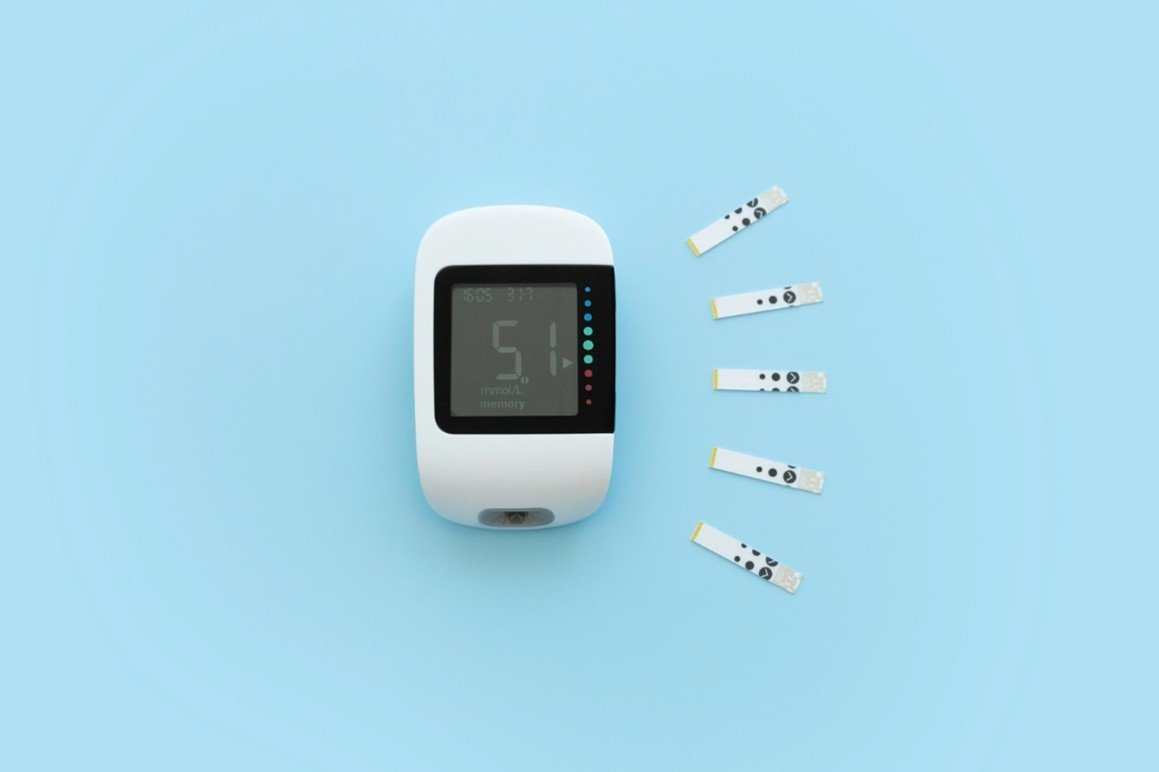
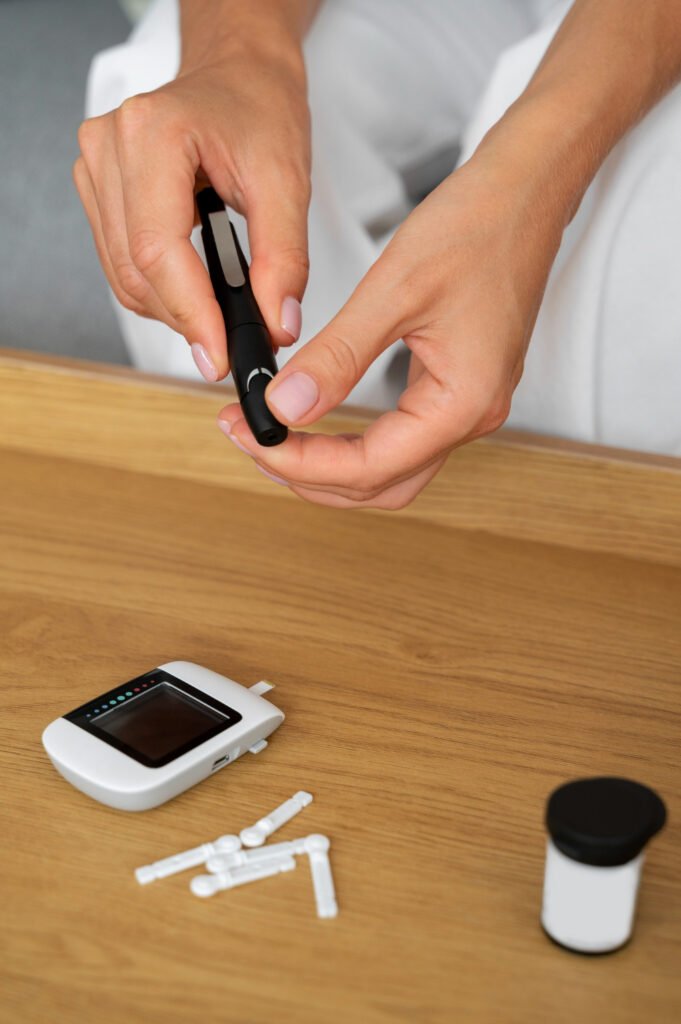
A CGM is a technology employed mostly by individuals with diabetes that continuously measures glucose (blood sugar) over the day and night. This is unlike conventional blood glucose meters that often demand frequent fingerstick blood samples instead of real-time, continuous data where glucose in the interstitial fluid located under the skin is measured by the CGMs.

A CGM system typically consists of three parts:

  • The tiny sensor is put into skin (usually in arm or belly) and senses the amount of glucose levels in fluid around a cell.
  • A transmitter which transports glucose readings via wireless to the sensor.
  • A receiver or suitable smartphone/insulin pump with glucose levels and trends.

CGMs give regular glucose values every 1 to 15 minutes, thereby creating a clear picture of how glucose levels rise or fall. Users may identify patterns, spot trends in glucose, and get an alert on high or low glucose in this real-time data, which is vital in preventing hypoglycemia and hyperglycemia. Other functions incorporated by many CGMs include caregiver or healthcare provider data sharing and alarms.

The Key Benefits of Continuous Glucose Monitoring

The key benefits of Continuous Glucose Monitoring (CGM) include:

  • Real-Time, Continuous Data: CGMs output continuous, real-time blood glucose readings, 24 hours a day, 7 days a week, providing a detailed view of glucose trends and trends over time that simple finger-prick measurements cannot detect.
  • Insights into Glucose Trends: They can show users where blood sugar has been, where it is trending, and how it is shifting over time, which can help users see how food, exercise, stress and medications and other factors affect blood sugar.
  • Better Decision-Making: The alerts of elevated and lowered glucose rates enable people to act in time to avoid hazardous hypoglycemia or hyperglycemia rates and adjust insulin doses to a more accurate degree.
  • Finger-Prick Tests Reduction: CGMs displace the repetitive use of finger-prick-based blood testing, which drives a reduction in the invasiveness of glucose testing.
  • Improved Safety and Peace of Mind: Alarms and data sharing with caregivers or healthcare teams will prevent emergencies and bring peace of mind, mostly to those at risk of serious lows or living alone.
  • Improved long-term health: Improved day-to-day glucose management with CGM use may result in reduced diabetes complications and improved overall glycemic control, such as improved HbA1c levels.
  • Remote Monitoring and Support of Healthcare Providers: CGM data can be transferred to healthcare providers and support timely management of therapy as well as diabetes management.
  • Applicable to multiple diabetes types: CGM can serve type 1 and type 2 diabetics using insulin and other diabetes drugs and personalized treatment strategies.

Risks and Limitations

The risks and limitations of Continuous Glucose Monitoring (CGM) include:

  • Lag Time during Glucose Measurement: CGMs also measure glucose in the interstitial fluid instead of the blood directly leading to a lag of approximately 15-20 minutes between real time blood glucose and sensor readings. This delay may interfere with timely treatment in changing glucose levels, particularly low and high glucose levels.
  • Sensor Life and Calibration: Sensors are designed to work over a range of 7-14 days and usually require calibration 2-3 times each day by fingerstick to provide accurate reading results; this is inconvenient.
  • Accuracy Problems and Signal Loss: Early in sensor life, readings can be less accurate, sensors may lose signal or fail when not used as directed or miss glucose information.
  • Narrow Glucose Sensitivity: Certain CGM devices indicate a narrower range of glucose level detection (e.g. 40- 400 mg/dL), incapable of monitoring critically high or low glucose levels of ill patients.
  • False Readings and Interferences: Temporary False Readings, especially by CGM models can be caused by medications such as acetaminophen that give false high glucose readings several hours later.
  • Physical, Psychological: Users could be affected by discomfort or body image issues with respect to sensor size, insertion locations, or visibility. It may even be physically intrusive that the visibility of a sensor needs to be always worn.
  • Cost and Insurance Coverage: Due to insurance coverage, CGMs are not always fully covered, which may interfere with the ability of a patient group to afford it.
  • User Challenges: The inaccuracy of data may cause users to over-correct with either food or insulin that may cause a person to become unstable in their glucose levels. The barrier to optimal use may also be driven by the lack of familiarity of healthcare providers with CGM technology.
  • Special Populations Limitations: Special conditions in popAs factors such as severe edema, hypoalbuminemia, or hepatic failure can influence the associations between blood and interstitial levels of glucose, eliminating CGM validity.

Who Should Consider Using a CGM?

Who Should Consider Using a CGM

People who should consider using a Continuous Glucose Monitor (CGM) generally include:

Adults with type 1 diabetes who:

  • Have more than one event of severe hypoglycemia annually with no apparent cause.
  • Lose hypoglycemia awareness.
  • A higher frequency of asymptomatic hypoglycemia (more than 2 episodes/week) impacting daily life.
  • Are afraid of hypoglycemia.
  • High HbA1C with high testing of glucose levels (e.g. > 10 times per day).
  • Be in their pregnancy (especially advisable to type 1 diabetic pregnant women).
  • Express willingness to use the CGM device on a regular basis (e.g. more than 70 percent).
  • Require specialist assistance in the use of CGMs.

Children with diabetes who:

  • Experience regular, severe hypoglycemia.
  • Experience hypo unawareness and have serious consequences.
  • Unable to describe symptoms of hypoglycemia because of developmental or neurological impairments.
  • Are under school age, competitive athletes, or have comorbid conditions that complicate treatment.

People with type 2 diabetes who:

  • Receive multiple insulin injections or insulin pumps every day,
  • Are prone to episodes of frequent hypoglycemia or hypoglycemia unawareness,
  • Excessive glycemic swings or inability to attain glucose goals,
  • Experience unstable blood sugar or serious hypoglycemia (such as pregnant women with diabetes type 2 or diabetes in pregnancy).

You may also like to read: Role of Insulin Pumps in Diabetes Management

Additional criteria for CGM eligibility may include:

·       Capacity to be trained to use the system effectively.

·       The presence of healthcare to use it appropriately and control it.

·       Satisfying requirements of 3 insurers or healthcare programs.

Insurance and healthcare program criteria are diverse, although most will suggest CGM in those at risk of adverse hypoglycemia in insulin-treated diabetics.

Practical Tips for Using CGM Effectively

Here are practical tips for using Continuous Glucose Monitoring (CGM) effectively:

  • Establish Very Specific Targets: In collaboration with the healthcare providers, develop personalized goals that can be useful or related to the levels of glucose, including time in range (TIR), time below range (TBR), and time above range (TAR). This aids in planning insulin, meals and physical activity.
  • Record Contextual Data: Note what influences the glucose levels, e.g. carbohydrate intake, insulin or medication dosage, exercise, stress, sleep, and illnesses. Several CGM apps automate or manually track these data to provide their insights.
  • Review Data Consistently: Instead of looking at individual glucose value, look at trends over days or weeks values. Determining the patterns across the day such as pre-meal, post-meal, overnight, or exercise-related can guide specific changes.
  • Ensure Accurate Sensor Use:
    • Place sensors on clean dry skin and consider adhesive reinforcements to fix these sensors into place.
    • It is best not to calibrate CGM when glucose is changing rapidly or when there is a low glucose level.
    • Day-one accuracy is lower; result: some users delay sensors start to enhance day-one accuracy.
    • Wash hands prior to fingerstick tests that are used to calibrate or check CGM results.
  • Trend Arrows to make Insulin Decisions: Trend arrows are a display in CGM devices specifying the direction and pace of glucose change. They enable prediction of highs or lows and corrective proactive adjustments in insulin or carbs.
  • Don t Overrespond to Alarms: Do not react harshly to high or low alerts without regard to active insulin on board and glucose trends to avoid overcorrection (rage bolus).
  • Check with Fingersticks as Necessary: If symptoms do not correlate with CGM, or device indicates problems, a fingerstick can confirm glucose values to make treatment decisions.
  • Sensor Adhesion: Secure Sensors by using tapes or adhesives such as Skin-Tac or Simpatch to keep them on and avoid peeling off, particularly during physical activity or showering.
  • Know When to Call Healthcare Providers: Call or text in case of repetitive unexplained elevations or lows, sensor malfunctions, glucose trends shifts or unusual CGM values.

Conclusion

CGMs have their potent benefits, including the real-time monitoring process and a reduced number of finger-pricking sessions to diabetes management and awareness of lifestyles. Simultaneously, the difficulty of cost, the accuracy of the devices, skin irritation, and information overload make it not without flaws. CGM is life-changing for ordinary individuals with diabetes and primarily for those undergoing insulin treatment. Nevertheless, it is necessary to evaluate the advantages and dangers of continuous glucose monitoring to decide whether this device is the one you need to improve your health.

The Role of Insulin Pumps in Diabetes Management

Dr. Ahmad Shahzad
Founder | Lyallpur Diabetes Foundation
Consultant Diabetologist | Educator | Advocate for Preventive Care

Diabetes requires the maintenance of the right levels of blood sugar to avoid chronic problems and lead a better life. Although the injections of traditional insulin have remained the most common remedy over the decades, technology has added better alternatives. One of these is the insulin pump, which not only brings constant supply of insulin but also brings in more freedom of daily activities. Insulin Pump Role in Diabetes Management is getting increasingly significant lately, because on top of improving glucose control, these gadgets save on convenience, stress alleviation, and providing a new method of living with diabetes in the modern world.

Understanding Insulin Pumps

An insulin pump is a small, portable, computerized health care device that assists in the administration of insulin into the body of people with diabetes with the aim of maintaining insulin levels. It is an alternative to several daily shots of insulin and acts in the same way as the pancreas releases insulin.

There are two main insulin delivery methods by the pump:

  • Basal insulin: a constant, continuous amount of fast-acting insulin in the day and night, to ensure stable sugar levels between meals.
  • Bolus insulin: increases at mealtime or use to settle high-blood sugar spikes.

Two main types of insulin pumps exist:

  1. Tubed pumps – attached to the body with a thin tube (catheter) which delivers insulin with a cannula inserted under the skin. The pump is applied on the body and the infusion set replaced it in 2-3 days.
  2. Tubeless (patch) pumps – an insulin reservoir and cannula are attached directly to the skin and controlled through wireless transmission by a handheld device which is changed every 2-3 days.

With insulin pumps, when combined with a continuous glucose monitor (CGM), adjustment of insulin outputs can be automated and performed by the insulin pump according to the relevant blood sugar levels. They provide flexibility in eating, sleeping and exercising patterns by providing more precise delivery of insulin than an injection.

In general, insulin pumps are an easy, accurate, and customizable method to control insulin levels in individuals with type 1 diabetes and a subset of people with type 2 diabetes who need insulin, and they enhance blood sugar management and quality of life.

Technology is quickly improving, and more sensors and automated insulin dosing systems are being added to make managing diabetes easier.

Advantages of Insulin Pumps in Diabetes Care

Insulin pumps offer several advantages in diabetes care, including:

  • Better diabetes management: Insulin pumps have been found to lower HbA1c of type 1 and type 2 patients, resulting in better overall glycemic control.
  • Reduced long-term complications: Better control of blood sugar levels lowers the chances of occurrence of long-term complications such as neuropathy, nephropathy and retinopathy.

More lifestyle adaptability: Via Pumps, consumers can become more spontaneous in terms of meals and activity, thriving in a more adaptable lifestyle without adherence to food timings.

  • Improved blood glucose control: Pumps offer constant basal insulin with bolus doses at mealtimes resulting in less high, and low, blood sugars. Insulin delivery may be suspended automatically in some pumps at dangerously low glucose levels to minimize the risk of hypoglycemia.
  • Lower hypoglycemic events: Decreased and non-severe incidences of hypoglycemia compared to multiple daily injections (MDI) are observed.
  • Fewer injections: As opposed to traditional insulin injections, insulin is administered using a cannula that is changed every 2-3 days there are fewer needle pricks involved.
  • Better insulin dosing: The pumps enable small custom doses to perfect insulin dosing.
  • Better living standards: Users frequently describe increased self-esteem, reduced stress, positive mood and increased freedom in social and recreational activities.
  • Time savings on sick days and travel: With the pump, insulin adjustment during illness or travel can be done without the complicated injection schedules required.
  • Continuous glucose monitoring (CGMs) connectivity: Possibility that some pumps are compatible with CGMs to automate insulin usage and cut down organ finger-pricking.

All in all, insulin pumps offer a convenient, accurate and effective method of insulin delivery which improves clinical outcome and quality of life in individuals with diabetes.

Challenges and Limitations

Challenges and limitations of insulin pumps in diabetes care include:

  • Price: Insulin pumps are not always covered by insurance or the public health system and as such, accessibility is becoming a problem.
  • Dedication to Following: Pump therapy requires users to regularly check their blood sugar levels (4-6 times a day) or wear continuous glucose monitors (CGMs) regularly to succeed.
  • Carbohydrate Counting: Carbohydrate counting requires education and measurement effort to give proper bolus insulin dose.
  • Wearing of the Device: Wearing a device full time may be annoying, restricting and inconvenient to some individuals. Pumps may be obvious, and tubing may get caught up in activities.
  • Skin Problems: Skin infection of cannula points as well as allergic reactions to adhesives are risks.
  • Technical Complications: The pumps may break down, tubing may be blocked or cannula dislodged, resulting in lost insulin supply. This may lead to hyperglycemia or diabetic ketoacidosis (DKA) which is life-threatening unless corrected in time.
  • Training and Complexity: Programming the pump, changing the infusion sets and dealing with alarms have a steep learning curve. Individuals with vision, listening or cognitive problems could have difficulty with its use.
  • Maintenance: Rotation of infusion sites is more complicated and lengthier than that of simple injections.
  • Hypoglycemia and DKA potent: Hypoglycemia is mitigated overall, but there is still a risk, and an interruption in insulin delivery increases the risk of DKA.
  • Device Alarms: Some users get irritated by alarms or it causes stress.

Weight Issues: Some research state potential weight gain, but this is different according to the individuals.

  • Type 2 Diabetes Specific: Pumps used in type 2 diabetes may be less complex, but device handling and insulin demands continue to be problems.

These factors require good patient education, support, and backup plans for pump failure to ensure safe and effective use of insulin pumps.

Who Benefits Most from Insulin Pumps?

Who Benefits Most from Insulin Pumps

The greatest recipients of the insulin pumps are mainly all ages of individuals with type 1 diabetes. Groups are:

  • Those with type 1 diabetes, who are having difficulty attaining good glycemic control, or those who have frequent or nocturnal hypoglycemia.
  • Patients with hypoglycemia are unaware in which there is a big risk that low blood sugars will not be detected.
  • Its individuals possessing a dawn phenomenon (high blood sugar spikes early in the morning) that require differing insulin rates each day.
  • Those who have irregular eating habits or day-to-day schedule (like shift workers).
  • Patients who want a greater degree of flexibility in the timing of their meals and exercise and lifestyle, rather than multiple daily injections (MDI).
  • Little children with insulin needs and their families enjoy the accuracy of the dose.
  • Gastroparesis patients in need of long-acting delivery of insulin meals with delayed emptying of their stomach.
  • Individuals wishing to minimize the rates of needle pricks and injections.

Insulin pumps are also suitable in the case of patients who are patient to understand device handling, counting carbohydrates and frequent monitoring of blood glucose. Effective users of the pump usually require dexterity and cognitive capacity to use the mechanism or supportive attendants. Integrated with continuous glucose monitors, the integration also benefits individuals who are ready to adopt sensor technology.

You may also like to read: Early Signs of Diabetes in Kids

Integration with Technology

Insulin pumps used with continuous glucose monitors (CGMs) are an important step in the technology of managing diabetes. Used together, the devices speak to each other to automate insulin delivery using real-time glucose data, resulting in a more accurate and responsive systemic insulin regulation.

Key points about this integration include:

Instantaneous glucose tracking: The CGM consistently screens glucose levels through a sensor implanted under the skin and alerts every few minutes to the insulin pump or an associated device.

Automated insulin dosing: Insulin pump, using data generated by CGM, automatically prevents basal insulin delivery and corrective boluses, minimizing user-guesswork and computations.

Artificial pancreas (closed-loop systems): the more sophisticated systems perform most of the insulin delivery dynamically responsive to glucose trends, enhancing glycemic control and minimizing hypoglycemia.

Smart Features: Smart Pumps can provide tailored insulin regimens and to respond to lifestyle changes like altered sleep or activity patterns. Better results: evidence indicate that sensor-enhanced pumps lower HbA1c, hypoglycemia, and enhance time in range.

Examples: Omnipod 5 or the Tandem t:slim using Control-IQ technology is useable with CGMs to coordinate automated dosing such as the Dexcom.

This integration lessens the mental burden of diabetes management, provides more freedom and flexibility, and improves the safety and quality of life for insulin-dependent people with diabetes by closely mimicking natural pancreatic function.

Practical Considerations for Patients

Practical considerations for patients using insulin pumps include:

  • Self-Management Abilities and Motivation: Patients should be motivated and able to program the pump, check blood glucose, count carbs. They must be accountable in using devices frequently and adjusting.
  • Education and Training: A lot of initial and ongoing training is necessary to master using pumps (including insertion, programming, dosing calculation, troubleshooting and managing hyperglycemia or hypoglycemia).
  • Device Wear and Comfort: Patients need to feel comfortable to wear a device 24/7. Adhesive skin reactions and infusion site infections may occur so site rotation and skin care should be considered.
  • Spare Insulin: Patients need to have access to insulin injections (fast acting) in case of progress simulation or during certain activities such as swimming.
  • Checking and Alarms: Insulin pumps include dealing with alarms and alerts, which may at times be stressful or inconvenient.
  • Realistic Expectations: Patients need to realize that the pump allows managing diabetes, yet the patient still requires continuing self-care and glucose monitoring.
  • Cost and Access: Disparities could be cost of insurance coverage or the cost of pumps. The assistance of medical staff and producers plays an important role.
  • Lifestyle factors: Pumps are applicable to people who require relative adaptability in insulin use, such as changing schedules, exercise, and other lifestyle influences.
  • Technical Setbacks: Mechanical failure of the tubing like a blockage or cannula displacement, can result in complications like diabetic ketoacidosis which have to be addressed timely.

Overall, patients with sufficient education, support, and motivation who accept the responsibilities of device use tend to achieve better outcomes and quality of life with insulin pumps.

Bottom Line

The Role of Insulin Pumps in Diabetes Management identifies how newer technology can revolutionize day-to-day care. Pumps also have numerous benefits such as accurate insulin dose delivery, better blood sugar management, and increased lifestyle. Although there are still issues like cost, training, and maintenance of such devices, people are finding them easier to work with due to continued innovation and increased accessibility. With the healthcare industry still moving toward smarter solutions, insulin pumps will lose even less ground in aiding patients to reach balance, independence, and long-term health.