Dr. Ahmad Shahzad
Founder | Lyallpur Diabetes Foundation
Consultant Diabetologist | Educator | Advocate for Preventive Care
Obesity is one of the most rapidly growing health issues nowadays, and in its most extreme form, it is reckoned as morbid obesity. This disorder does not only influence the physical aspects but wears heavily on overall health, lifestyle, and life expectancy. As cases around the world are resulted increasingly, it is important to know morbid obesity. This article will examine the nature of morbid obesity, its most common causes, the severe complications that it poses, and the effective treatment available to control it.
What Is Morbid Obesity?
Morbid obesity, now more often defined as Class III or severe obesity, is a severe medical condition may be described as abnormally excessive body mass index (BMI). It is said to exist when the BMI is 40 or more, or 35 and more when there are accompanying health issues that are linked to obesity. This situation arises when one is considerably heavier than the ideal body weight is, usually by more than 80 to 100 pounds above ideal weight, and adds risks of a range of serious medical conditions including type 2 diabetes, heart disease, sleep apnea, osteoarthritis, and some cancers. Morbid obesity is a chronic, multi-factorial complex condition with many causes, including genetics, metabolism, behavior control, and environmental conditions, and it also has implications on life expectancy and quality of life.
Morbid obesity has a BMI of 40 and higher whereas 35 and above with related conditions is also categorized as morbid obesity.
Common Causes of Morbid Obesity
The common etiological factors of morbid obesity are a combination of genetic, environmental, behavioral, and medical causes:
Lifestyle and Behavioral Factors
- Overeating: When a person consumes more calories than his/her body is burning. A high intake of calories per portion, including junk food, greasy foods, carbonated drinks, and large servings, can lead to weight gain.
- Lack of exercise: Sitting and not doing exercise would not burn as many calories, thereby leading to store fat. One of such causes is screen time and physical inactivity.
- Poor diets as children adopted: Childhood habits are healthy habits later in life, and many people find it hard to change.
- Stress, anxiety, and lack of sleep: These are all mental effects that have been associated with weight gain because of their effect on solutions that control our weight and hunger.
Genetic and Biological Factors
- Genetics: Genes influence the way the body stores fat, eccpites and burns calories. Inheritance patterns indicate that obesity risk is in the genes, with about 80 percent being inherited.
- Metabolic and hormonal: Diseases such as hypothyroidism, Cushing disease, polycystic ovarian syndrome (PCOS) and metabolic disease may cause and or contribute to weight gain.
- Set point theory: Some research claims that the body has a set body weight towards which it maintains and it is hard to lose weight once one becomes obese.
Medical Causes and Medications
- Some illnesses and syndromes (e.g. Prader-Willi syndrome) may lead to obesity.
- Steroids, some antidepressants, antipsychotics, diabetes medicines and others may cause weight gain because they stimulate appetite or impact metabolism and fat accumulation.
Environmental and Social Factors
- Obesogenic environments such as poor access to healthy foods, availability of fast food and processed food, and inaccessible areas to exercise, and socioeconomic aspects promote the risk of obesity.
- Obesity is also caused through cultural, social, and psychological factors.
Health Risks and Complications of Morbid Obesity
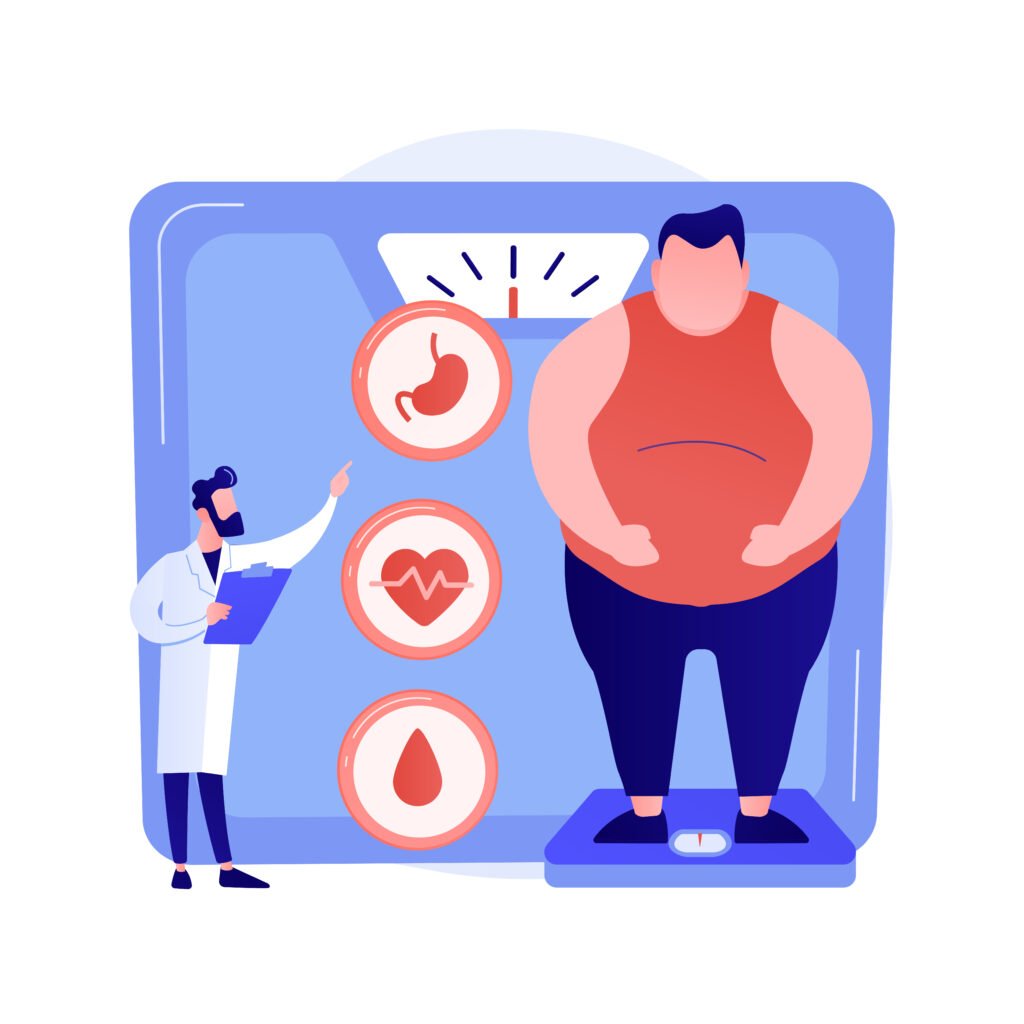
Morbid obesity carries significant health risks and complications that affect various body systems and overall quality of life:
Cardiovascular Risks
- Increased risk of heart disease and stroke, caused by raised blood pressure, abnormal cholesterol levels and inflammation.
- Risk of congestive heart failure and coronary artery disease, which can lead to loss of life expectancy.
Metabolic Disorders
- High correlation with type 2 diabetes based on insulin resistance, which has serious outcomes, such as kidney illness, nerve damage, and eye disorders.
- The danger of metabolic syndrome where one has high blood pressure, high blood sugar, excessive abdominal fat, and abnormal cholesterol/triglyceride levels.
Respiratory Issues
- Greater potential of sleep apnea, in which breathing stops periodically during sleep, leading to daytime fatigue and cardiovascular problems.
- Obesity hypoventilation syndrome, poor breathing and low oxygen levels.
Skeletal and Muscular Problems
- The extra weight exerts pressure on weight-bearing joints, which can lead to osteoarthritis due to pain, swelling, and restricted motion.
- Back pain and other musculoskeletal aching is common.
Other Organ System Complications
- Larger risk of fatty liver disease that can lead to cirrhosis.
- Exposure to a higher risk of gallstones and gallbladder pathologies, triggered by a mismatched cholesterol metabolism.
- More risk of kidney disorder which is mostly found to be associated with diabetes and hypertensions.
Cancer Risks
- Increased rates of many other cancers, such as breast, colon, endometrial, esophageal, pancreatic and kidney cancer with obesity.
Mental Health and Quality of Life
- Depression, anxiety, social isolation, low self-esteem and discrimination often come together affecting emotional well-being and social functioning.
- Obesity leads to physical restrictions in other daily activities, which decrease the quality life of living.
Additional Health Concerns
- High chances of having pregnancy complications such as gestational diabetes and pre-eclampsia.
- An increased severity of infections such as COVID-19, increase in hospitalizations, and complications.
You may also like to read: Benefits of Mindfulness-Based Interventions for Diabetes
Effective Treatment and Management Options
Morbid obesity can be managed and treated efficiently through a classic, multidisciplinary approach that suits the individual. The principal possibilities are:
Lifestyle Interventions
- Current and early interventions involve behavior change, restrictive caloric intake with a balance of 500-750 kcal day-1, and enhanced physical exercise (150 minutes/week to maintain, and 300 minutes /week to lose).
- Lifestyle changes ONLY can cause 4-8% weight loss in the first year and largely have improved health outcome like blood pressure and blood glucose.
Pharmacotherapy
- Newer drugs such as incretin-based treatments (GLP-1 receptor agonists: liraglutide, semaglutide; dual GLP-1/GIP agent: tirzepatide) are useful in patients with A1C 0.75% greater or with comorbidities.
- These medications encourage significant weight loss (as much as 21%) and enhance diabetes, blood pressure, and cholesterol levels.
- To avoid weight regain, long-term usage is desired.
Endoscopic Procedures
- ESG is endoscopically performed and involves reduction of the volume of the stomach.
- At one year, SG leads to 13-16 percent weight loss and amelioration of diabetes, blood pressure, and cholesterol in many patients.
Bariatric Surgery
- Bariatric or metabolic surgery (including sleeve gastrectomy and Roux-en-Y gastric bypass) is the most effective therapy in morbid being .
- Surgery: surgery induces 25-30 percent total weight loss sustained by long term loss.
- It causes high percentages of remission/ improvement in diabetes type 2, blood pressure, and cholesterol, and dramatically reduces cardiovascular risks.
- Operation is risky and demands a continuous follow-up of the diets.
Living with Morbid Obesity: Coping and Support
Living with morbid obesity presents significant physical, emotional, and social challenges that impact daily life in multiple ways:
Physical and Daily Life Challenges
- Most morbidly obese people have challenges in walking, climbing stairs, and even standing long. Excessive weight causes chronic joint and back pains.
- Breathing difficulties (breathlessness and sleep apnea) cause even routine activities to be exhausting and distort sleep.
- These physical symptoms add to slowed mobility, a less active lifestyle, which further contributes to obesity and other health problems.
Emotional and Mental Health Impact
- Severe obesity also tends to result in depression, anxiety, poor self-esteem, and body image issues caused by social disapproval and discrimination as well as internalized shame.
- This creates isolation and emotional distress as many people isolate themselves to avoid judgment or embarrassment in society.
- Frustration and body discontent also can elicit ineffective coping responses, such as emotional eating or binge eating, which complicates diet attempts.
Social and Relationship Effects
- Obesity may interfere with relations with family members, friends and romantic partners because of health-related limitations and emotional overload.
- Morbid obesity in the workplace can relegate an individual to discrimination or bias in their professional career and in their relationships with other professionals.
- Social activities may be hard due to physical pain, trouble locating suitable seating and embarrassment or stigma in social places, adding to a state of social isolation.
Coping and Support Strategies
- Medical support by a team of professionals including dieticians, psychologists, Physiotherapists, etc is imperative to control both body and spirit.
- Mental health, motivation, and isolation can be made better by joining support groups or getting counseling.
- Individual strategies of coping might involve realistic goals, developing healthy eating and physical activity pattern, and emphasis on gradual progress.
- Even environmental modifications to improve living conditions, e.g. good seating arrangements and accessible toilets etc.
Bottom Line
Morbid obesity is not just a weight concern but a serious health problem that predisposes people to life threatening diseases and affects their quality of life. It has numerous reasons that run from heredity to life preferences, but it is an issue that can be controlled through proper treatment and support. It is never too late to take back control of our health because there are ways to help, including lifestyle modifications, drugs, and even bariatric surgery as one of the last resorts. By creating awareness, early prevention and compassionate care, we can play our part in the fight against morbid obesity. Making modest, gradual changes toward a healthier lifestyle can become permanent and result in a healthier life.
