
Dr. Ahmad Shahzad
Founder | Lyallpur Diabetes Foundation
Consultant Diabetologist | Educator | Advocate for Preventive Care
Diabetes mellitus is one of the most common chronic conditions worldwide, and its impact goes far beyond high blood sugar levels. Among the most serious complications is the effect on the kidneys, often leading to diabetic kidney disease or chronic kidney disease (CKD). The connection between diabetes mellitus and kidney health is critical because uncontrolled blood sugar and high blood pressure can silently damage kidney function over time. Understanding how diabetes affects the kidneys, recognizing early warning signs, and taking preventive steps are essential to protect long-term health and quality of life.
How Diabetes Mellitus Affects the Kidneys
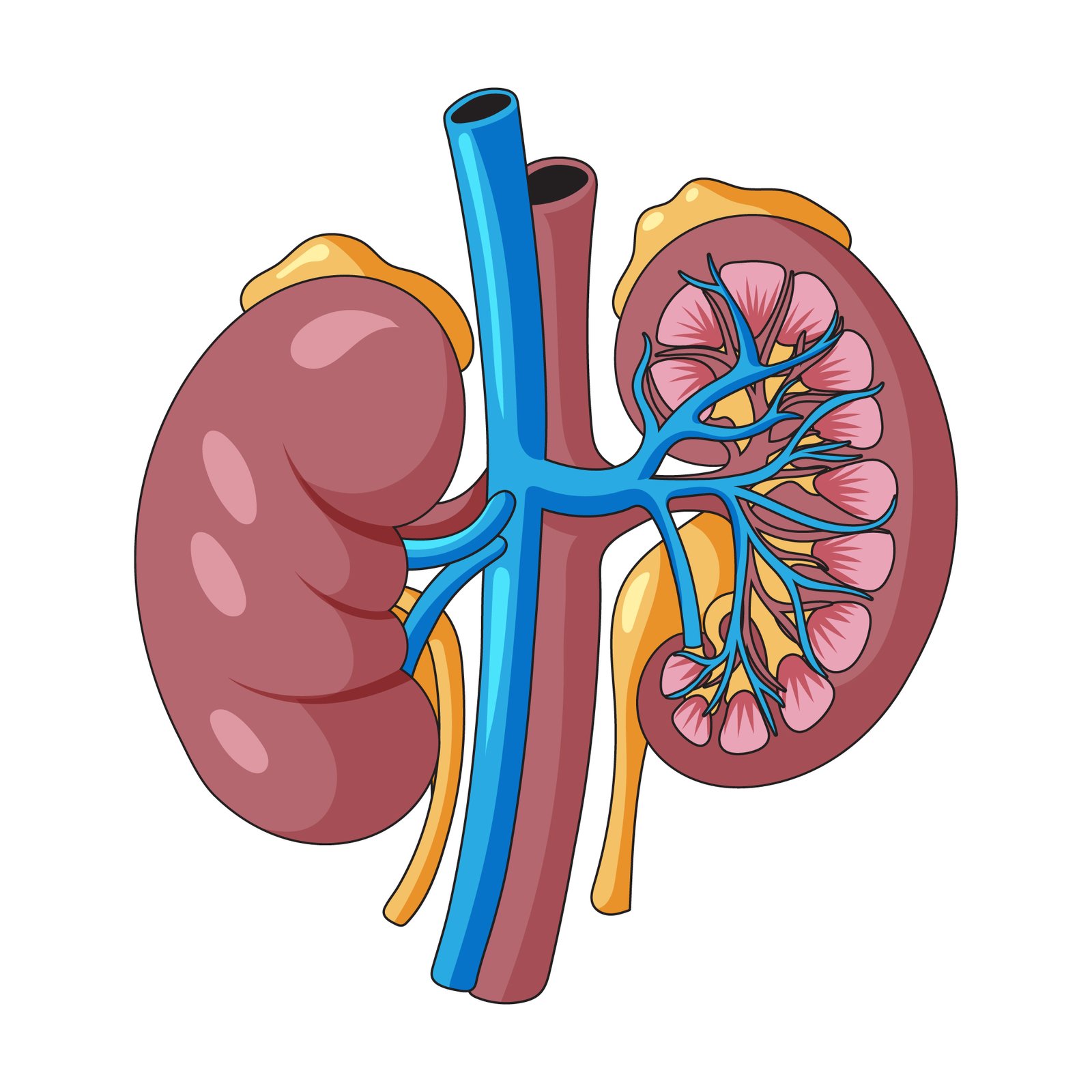
Diabetes mellitus has an impact on the kidneys in the form of damage to the tiny blood vessel and filtration units (nephrons) within the kidneys, a condition called diabetic nephropathy or diabetic kidney disease. With a high level of sugar (glucose) in the blood, the blood vessels in the kidneys become small and clogged, reducing their efficiency to remove waste. This damage results in loss of proteins like albumin in the urine, and it may result in inflammation, cell stress, and eventual death of kidney cells. The process also hampers kidney functionality over time and can lead to kidney disease and future kidney failure should it go without treatment.
How Diabetes Damages the Kidneys
- Millions of small filters called glomeruli, composed of capillaries, are found in the kidneys. Elevated blood glucose levels injure these blood vessels, making them thicken, scar, and stiffen, thereby decreasing kidney functionality.
- This damage leads to the leakage of proteins into the urine (proteinuria or albuminuria), which is an early indication of kidney damage.
- The elevated glucose condition also enhances oxidative stress and inflammation in kidney cells, further aggravating damage and triggering cell death.
- Diabetes may also affect nerves regulating the bladder, resulting in urinary retention and infections that worsen the kidneys.
Signs and Symptoms of Diabetic Kidney Disease
Signs and symptoms of diabetic kidney disease (diabetic nephropathy) often do not appear in the early stages. As the disease progresses and kidney damage worsens, symptoms may include:
- Swelling of the hands, feet, ankles, or around the eyes due to fluid retention.
- Foamy or bubbly urine, indicates protein leakage (proteinuria).
- Increased frequency of urination, especially at night.
- High blood pressure that becomes difficult to control.
- Fatigue, weakness, or feeling generally unwell.
- Poor appetite, nausea, or vomiting.
- Itching and dry skin, particularly in late-stage kidney disease.
- Trouble concentrating or confusion, sometimes associated with the accumulation of waste products (uremia).
- Muscle cramps or twitching.
- Shortness of breath and irregular heartbeat in advanced disease due to fluid overload and increased potassium levels.
- Metallic taste in the mouth.
Risk Factors
The key risk factors for kidney disease in diabetes, specifically diabetic kidney disease (DKD), include:
- Duration of Diabetes: Longer time duration, over 10-15 years is highly risky.
- Poor Control of Blood Glucose: A high level of HbA1c means high risk.
- Blood Pressure (Hypertension): It is one of the strongest modifiable risk factors.
- Dyslipidemia: An over level of cholesterol and triglyceride is more harmful.
- Obesity: Being overweight is an expansive cause of renal damage.
- Sick bed of other Diabetic associated Complications: Greater risk is associated with diabetic retinopathy and neuropathy.
- Age: This age-increases with advancing age beyond 45 or 50 years.
- Gender: Female gender has been cited to be at risk in some studies and male gender in others.
- Family History and Genetic Predisposition: There is increased risk in case of family history of kidney disease or hypertension.
- Risk Factors: Risk factors include lack of exercise and ever smoking.
- Ethnic Background: Increased risk among the South Asian, Black, African and African Caribbean groups.
- Socioeconomic Factors: Poverty and a lack of access to healthcare put people at greater risk because of late diagnosis and treatment.
Diagnosis and Screening

Diagnosis and screening of diabetic kidney disease (DKD) primarily rely on detecting abnormal kidney function and early signs of kidney damage through urine and blood tests:
- ACR: This makes it the most accurate and sensitive test to identify early kidney damage (Microalbuminuria). An ACR of 30 to 300 mg/g is microalbuminuria, which is the first sign of DKD. Higher than 300 mg/g represents macroalbuminuria, which is the more serious phase.
- Urinalysis: Protein (albumin) in urine (proteinuria) is detected by a routine urine dipstick test. It is common in screening, but it only picks up macroalbuminuria.
- Estimated Glomerular Filtration Rate (eGFR): eGFR shows the efficiency of kidney filtration based on a blood test that measures the level of creatinine. A deteriorating eGFR is indicative of deteriorating renal health
- 24-hour Urine Collection: Looks at the total excretion of albumin in the urine, which is less practical as a frequent screen.
- Kidney Imaging: The imaging of the kidneys by measurement of size and structure; useful in ruling out other ailments or complications.
- Isolated to only when causes are uncertain or non-diabetic kidney disease is suspected, and to confirm the diagnosis, the kidney should be biopsied.
Screening Recommendations:
- Patients with type 2 diabetes should be screened annually for albuminuria (via spot urine ACR) and eGFR at diagnosis, and type 1 diabetes patients should be tested 5 years after diagnosis.
- Microalbuminuria also needs confirmation by at least 2 urine tests, split by 3 to 6 months, since albumin excretion is inconsistent.
You may also like to read: Warning Signs of Diabetes in Women
Prevention and Management
Prevention and management of diabetic kidney disease (DKD) focus on controlling blood sugar, blood pressure, and other related risk factors to slow disease progression and reduce complications.
Prevention Strategies
- Excellent Blood Sugar Control: Controlling blood sugar in its target level lowers the chances of developing DKD and its advancement. Periodic monitoring of long term glucose control with A1C testing is advised.
- Blood Pressure- It is essential to ensure that blood pressure is kept below 140/90 mmHg (or better 130/80 mmHg). Such medicine as ACE inhibitors or angiotensin receptor blockers (ARBs) is prescribed to keep kidneys safe in addition to reducing blood pressure.
- Lifestyle Modifications:
- Plenty of vegetables, fruits, whole grains, and low sodium and refined carbohydrates, processed food, and sugary drinks.
- Regular (at least 150 minutes per week) physical activity to maintain a healthy weight and to maintain cardiovascular health.
- Kick the smoke to inhibit kidney and cardiovascular damage.
- Avoiding nephrotoxic drugs, including NSAIDs, unless advised and followed up.
- Weight Management: Healthy weight loss and management take pressure off the kidneys and overall metabolic health.
- Lipid Management: Statins can be used to control cholesterol and lower cardiovascular DKD risks.
- Periodic Checks: Urine albumin (ACR) and kidney-function (eGFR) checkups ought to be done annually to pick up problems early and initiate treatments.
Management Approaches
- Medications:
- Glycemic control with agents that also offer kidney protection (e.g., SGLT2 inhibitors, GLP-1 receptor agonists).
- ACE inhibitors/ARBs for hypertension and kidney protection.
- Statins for lipid control.
- Dietary Recommendations:
- Limiting protein intake to reduce kidney workload.
- Controlling sodium, phosphorus, and potassium intake to prevent complications.
- Advanced Disease Management:
- For end-stage renal disease (ESRD), dialysis or a kidney transplant may be necessary.
- Patient Education and Support: Diabetes self-management education, behavioral interventions, and a multidisciplinary care team improve adherence and outcomes.
Treatment Options for Advanced Kidney Disease
The treatment of advanced diabetic kidney disease, especially when the disease moves to ESKD, includes several methods aimed at the replacement of kidney functions and symptom control:
Dialysis
- Hemodialysis: The machine removes waste, excess fluids and toxins in the blood outside the body. Administered generally thrice per week in a dialysis clinic or at home with instruction.
- Peritoneal Dialysis: The peritoneum or lining of the abdomen is used as a natural filter. Special fluid is introduced into the abdomen by a catheter to absorb waste and drained. Can be done both at home or in work but not everyone.
Kidney Transplant
- A kidney transplant is the preferred treatment due to good results in the long run, in eligible patients having kidney failure. The kidney is removed and transplanted into the recipient surgically, and connections with the bladder are restored.
- Transplant has better life quality than dialysis, however, it needs permanent immunosuppressive agents thus preventing immediate rejection.
Pharmacological Treatments
- Further utilization of renin-angiotensin system (RAS) blockers (ACE inhibitor or ARB) can help slow progression.
- SGLT2i and GLP-1 RA agents have demonstrated a benefit on the reduction of kidney disease and cardiovascular risk even in the presence of advanced chronic kidney disease.
- Blood pressure, blood sugar, lipids, and electrolytes should be managed carefully.
Lifestyle and Supportive Care
- Dietary restrictions (limiting protein, sodium, phosphorus, and potassium depending on disease stage).
- Fluid management and symptom control.
- Multidisciplinary care teams to support complex medical regimens and patient education.
Emerging and Future Therapies
- New pharmacological agents and regenerative medicine are being studied to repair or delay kidney damage in diabetic nephropathy, but are not standard of care.
Bottom Line
The relationship between diabetes mellitus and kidney health highlights the importance of early detection, strict blood sugar control, and proactive lifestyle choices. As diabetic kidney disease may develop unnoticed, early detection and medical assistance may delay or even prevent the critical complications. With the help of a healthy diet, maintaining blood pressure, exercising, and other treatments, people with diabetes can preserve their kidney health and have a better life. It is not only essential to prevent disease when focusing on kidney health, but also to achieve a healthier and longer life among people with diabetes.
