Diabetes Pakistan Metabolic Syndrome Date: 1st - 2nd November, 2024 Venue: Serena Hotel, Faisalabad
For Emergencies: +92 41-2694037

Charcot Foot: A Serious Complication of Diabetes

Dr. Ahmad Shahzad
Founder | Lyallpur Diabetes Foundation
Consultant Diabetologist | Educator | Advocate for Preventive Care

Diabetes can affect many parts of the body, and one of the most serious yet often overlooked complications is Charcot foot. The condition is caused by the fact that nerve damage and poor circulation weakens the bones and joints of the foot, resulting in fractures, deformities and even disability, unless it is treated on time. Due to its blurred symptoms in the initial stages, like swelling, redness, and handiness, Charcot foot is often diagnosed at late stages when the problem is already in the progression stage. Learning about the Charcot foot, its formation, and preventive and curative steps is the key to maintaining long-term foot health in diabetic patients.

What is Charcot Foot?

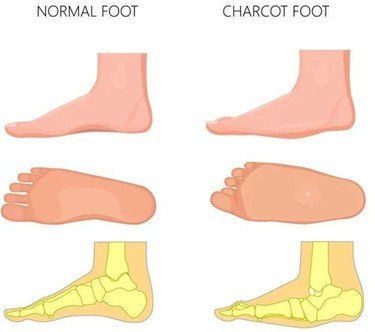
Charcot Foot is a progressive disorder whereby there is weakening of bones, joints, and soft tissues in the foot or ankle. It is mostly due to peripheral neuropathy (damage to the nerves) which is often found in individuals with diabetes, and this leads to loss of sensation in the foot. Because of this numbness, minor or repeated injuries go undiagnosed and unattended resulting in fractures, joint dislocations and subsequent foot deformity like the rocker-bottom foot, arch collapses. This malformation adds a risk of skin sores, ulcers, infection and even amputation unless treated aggressively.

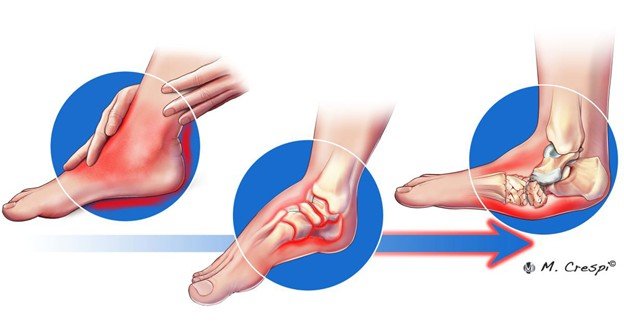
The process occurs in phases starting with inflammation and swelling, bone fragmentation, and dislocation of the joints, bone healing, and deformities. Redness, warmth (usually with the affected foot being warmer than the opposite), swelling, and pain or soreness are common. Unattended, Charcot Foot may cause severe deformity and instability of the foot and ankle joints, making walking hard and predisposing to severe complications.

Causes and Risk Factors

Causes and Risk Factors include:

  • Charcot foot is mostly seen in individuals with peripheral neuropathy (usually diabetes). The numbness in the foot causes injuries and recurring trauma to go undetected, initiating inflammation and the destruction of bones.
  • History of prior diabetic foot issues like ulcers, surgery, amputation or trauma is the biggest risk factor. This preceding injury triggers the inflammatory event that causes Charcot arthropathy.
  • Other significant risk factors include:

•            Long duration of diabetes (over 10 years)

•            Poor blood sugar control and complications like nephropathy and retinopathy

  • Objective: Obesity that causes pressure and stress to the insensate foot.

•            Age less than 60 years but with chronic diabetes.

•            Previous foot surgeries and deformities

•            Kidney disease and poor circulation

•            Lifestyle factors like smoking, alcohol consumption, and sudden increases in activity in patients with neuropathy.

  • Charcot foot may also be presented in other circumstances with nerve damage, including spinal cord injury, Parkinson, multiple sclerosis, or syphilis.
  • Such a cascade can be initiated by minor, repetitive trauma or foot sprain in a person with neuropathy, resulting in bone erosion and deformity.

Symptoms and Warning Signs
Symptoms and Warning Signs of Charcot foot

Symptoms and Warning Signs of Charcot Foot:

  • It is the first indicators of Charcot foot and may at times be very sudden and sudden such as reddening, swelling of the foot or ankle and/or even at night. It can be much warmer around one foot than around the other.
  • There can be mild pain or discomfort, and many patients have little or no pain despite severe injury because of nerve damage.
  • The foot can also be swollen and reddish, and these symptoms may resemble infection or sprain, being often misdiagnosed.
  • Later in the condition, the foot can become deformed with collapse of the midfoot arch (also known as rocker-bottom foot), curled toes as well as misalignment or dislocation of bones.
  • The alterations of foot form may create irregular pressure sites, which result in blisters, wounds, or open ulcers. Such wounds are subject to infections and slow healing owing to reduced sensation and inadequate circulation.
  • The foot swells and alters its shape, leaving patients with difficulty fitting into shoes.
  • Charcot Foot Often, swelling and redness decrease with foot elevation and distinguishes it from infections where the redness and swelling do not disappear with elevation.
  • Without treatment, deformity deteriorates, and this may lead to instability, walking problems and high chances of serious infections that may need amputation.

Stages of Charcot Foot Development

Charcot Foot develops through distinct stages, classically described in three main phases:

Stage I (Development or Fragmentation):

  • The acute or the first stage is characterized by intense inflammation, redness, swelling and heat in the foot.
  • The foot used to be hot in comparison with the other foot.
  • Radiographs reveal destruction of bones with bone fragmentation, joint dislocation, fractures, and debris.
  • This phase can take weeks to months, during which the foot is highly susceptible, and damage increases when weight bears are maintained.

Stage II (Coalescence):

  • As the inflammation heals, swelling, redness, and warmth start to fade.
  • The body begins to reabsorb bone debris and certain bone repairs take place.
  • Radiographs reveal early bone sclerosis (hardness) and bone fusion beginning in selected locations.
  • Foot stabilizing but deforming.

Stage III (Reconstruction or Consolidation):

  • In this chronic stage, inflammation usually resolves, and the foot is no longer swollen or warm.
  • Radiographs show bone healing with signs of remodeling, joint space narrowing, arthrosis (joint degeneration), and bone fusion.
  • Despite healing, deformities—such as collapsed arches and foot misalignment—remain, often leading to a permanent change in foot shape.
  • The foot becomes stable but structurally altered and prone to ulcers and other complications.

An additional Stage 0 has been described for clinical cases with signs of inflammation but no radiographic changes yet.

Diagnosis of Charcot Foot

Diagnosis of Charcot Foot involves clinical evaluation and imaging, with key components as follows:

Clinical Examination:

  • Typical signs include edema (swelling), redness (erythema), and high temperature of the involved foot or ankle.
  • Foot is usually warm, relative to other foot, occasionally by as much as 2C.
  • The disorder is often free or with minimal pain because of peripheral neuropathy, yet patients complain of mild discomfort.
  • A useful bedside exam is to raise up the affected foot when the patient is in the lying position with his feet raised up 5-10 minutes; swelling and redness in Charcot Foot will generally reduce, but swelling related to infection will likely not.
  • Peripheral neuropathy should be evaluated with the help of the Semmes-Weinstein 10-g monofilament to determine absence of protective sensation.
  • Infection should be assessed; foul odor, purulence, or gangrene are indicators of infection, not pure Charcot.

Imaging:

  • X-rays (radiographs): the first and most common imaging modality to consider fracture, bone destruction, joint dislocation, and changes in alignment.
  • Early acute Charcot can be missed in X-rays and not detected until weeks later; repeat X-rays in 2 weeks can be useful.
  • MRI can help identify bone marrow edema and subtle changes early and distinguish between Charcot Foot and osteomyelitis, particularly when ulcers or infections are suspected.
  • Bone scans and leukocyte scintigraphy may occasionally help differentiate Charcot and infection, but are limited.

Laboratory Tests:

  • Blood glucose testing and HbA1c to assess diabetes control.
  • Inflammatory markers like ESR and CRP can help differentiate infection (usually elevated) from Charcot (may be normal or mildly elevated).

Treatment and Management

Treatment and Management of Charcot Foot:

  • Treatment involves mainly immobilization and offloading of affected foot to prevent further damage, inflammation and enable healing. This is normally done with a non-removable below-knee Total Contact Cast (TCC) or an irremovable walker cast. Immobilization can last several months before the acute phase heals.
  • Patients should also not bear weight on the affected foot much, which may necessitate the use of mobility aids like crutches or wheelchairs.
  • Follow-up and re-cast (every week or biweek) might be required regularly to make swelling corrections and follow up on healing progress.
  • Patient education on the condition, the significance of strict compliance with offloading and immobilization, and the control of blood sugar is essential to successful work.
  • After the acute phase is over, patients switch to individual orthotics, special shoes, or braces to support foot defects and avoid ulcers or disease relapse.
  • Surgical intervention can be discussed in severe deformation cases, instability, or when ulcers and infections occur. Surgery may consist of realignment and stabilization of foot bones or in severe cases, amputation.
  • Multidisciplinary care, such as endocrinologists, podiatrists, orthopedic surgeons, and physical therapists, is frequently included as well.
  • Psychological and emotional support can be helpful because anxiety and depression are frequent in patients.
  • It should maximize management of diabetes, peripheral neuropathy, and other risk factors to avoid progression or relapse.
  • The routine use of drugs such as bisphosphonates in Charcot foot is not supported by strong evidence.
  • Prevention is also useful, like the use of the correct footwear on the opposite foot because both feet can be involved in Charcot.

Bottom Line

Charcot Foot: A Serious Complication of Diabetes is an illness that needs to be identified and managed at an early stage to avoid long-term disability. It may cause extreme deformities, infections, and even amputation but with early diagnosis, off-loading, and continued foot care, most of them are preventable. Foot reviews, suitable footwear, and routine medical engagements are fundamental components of mobility and the general quality of life among individuals with diabetes. Through awareness and active management, we can minimize the risks and assist people to live healthy and active lives in spite of the complications of diabetes.


Macrovascular Complications of Diabetes: Heart Disease and Stroke

Dr. Ahmad Shahzad
Founder | Lyallpur Diabetes Foundation
Consultant Diabetologist | Educator | Advocate for Preventive Care

Diabetes is more than just a condition of high blood sugar—it is a major risk factor for serious cardiovascular problems. Among the most concerning are macrovascular complications, which affect large blood vessels and significantly increase the chances of developing heart disease and stroke. These are the life-threatening conditions that are the top causes of death in diabetics making awareness and its prevention very essential. Getting a clear grasp of how diabetes causes blood vessel damage, how diabetes increases cardiovascular risks and what can be done to reduce such risks is pivotal in preserving long-term health.

Understanding Macrovascular Complications of Diabetes

Macrovascular complications of diabetes are the damage and disease of the major blood vessels, which cause cardiovascular issues like coronary artery disease, a stroke, and peripheral artery disease. They are mainly due to accelerated atherosclerosis caused by hyperglycemia, insulin resistance, inflammation and other metabolic abnormalities in diabetics.

Major Macrovascular Complications

  • Coronary artery disease (CAD): Diabetes adds risk, and coronary interventions have greater complications in diabetic individuals.
  • Stroke: Diabetes also increases the likelihood of Cerebro-vascular disease, ischemic and hemorrhagic strokes.
  • Peripheral artery disease (PAD): PAD is more common in diabetics and leads to non-optimal blood flow in limbs, claudication, ischemic sores, and likelihood of limb loss.

Pathophysiology and Risk Factors

The development of atherosclerosis is enhanced by diabetes by mechanisms that include endothelial dysfunction, arterial stiffness, and activation of platelets.

Hyperglycemia, insulin resistance, lead to damage of large vessels.

Risk factors such as hypertension, dyslipidemia and obesity are common in addition to the macrovascular risk often being combined.

Large arteries are affected through neovascularization and plaque, which encourage vascular blockage and thrombosis.

Diabetes and Heart Disease

Diabetes and Heart Disease

Diabetes is a major cause of heart disease and adults with diabetes are almost twice as likely to get heart disease or stroke than those without diabetes. Diabetically induced high blood sugar levels weaken and destroy blood vessels and nerves that regulate the heart resulting in diseases like heart attack, heart failure, heart attacks, and strokes. The damage leads to fatty deposits (plaque) formation in arteries, a process referred to as atherosclerosis, which reduces blood flow by narrowing the arteries.

Diabetics also tend to have additional risk factors (that contribute to heart disease), which include high blood pressure, unhealthy cholesterol (high LDL, low HDL, high triglycerides), obesity, and lack of physical exercise. The combination of these contributes still further to cardiovascular risk. Also, the duration of diabetes increases the incidence of heart disease and complications.

Controlling sugar levels as well as blood pressure and cholesterol will minimize risks of heart disease. Healthy lifestyle measures that include healthy food habits, proper physical exercise, smoking, and weight loss are essential to controlling diabetes and associated cardiovascular risks.

Diabetes and Stroke

Diabetes is a significant risk factor in causing stroke and a person with diabetes is at 1.5 to 2 times more risk of stroke than those without diabetes. This augmented risk increases as the diabetes progresses and is classified by elements like big artery atherosclerosis, cerebral small vessel diseases, and cardiac embolism. Excessive blood sugar levels result in damaged blood vessels, which accumulate fats or clot, obstructing the blood flow to the brain (strokes).

Additional causes are hypertension, inflammation, vascular endothelial dysfunction, obesity, and metabolic disorders that commonly accompany diabetes. The worst outcomes and risk of having a stroke recur occur in people with diabetes who have had a stroke. Prevention of stroke in diabetic patients involves control of blood sugar levels, blood pressure and blood cholesterol, and drugs like GLP-1 receptor agonist and pioglitazone, which were proven to deliver cardiovascular benefits in addition to sugar control.

In general, diabetes increases the risk of both hemorrhagic and ischemic stroke, and these findings support the need to treat vascular risk thoroughly in diabetic patients to prevent stroke and to ensure good results in the case it still happens.

Diagnosis and Screening

The classification of cardiovascular complications in diabetes is diagnosis and screening that aims at early detection of coronary artery disease (CAD) and cardiovascular risk stratification. Although diabetes has been considered as a high-risk factor to cardiovascular disease, it is important to consider heterogeneity in the risk of such patients to be able to pursue screening accordingly.

Screening Methods

·       Risk Stratification Tools: The conventional cardiovascular risk algorithms might underrepresent risk in diabetes, stratification biomarkers, and imaging can enhance risk stratification.

·       Non-Invasive Imaging: CAC Scoring and coronary CTA allow detecting subclinical atherosclerosis and coronary artery disease when it is still not symptomatic yet.

·       Functional Stress Testing: Functional stress testing would include exercise electrocardiogram (exercise ECG), stress echocardiography and myocardial perfusion imaging (nuclear scans like SPECT, PET).

·       Other Imaging: Cardiac magnetic resonance imaging (CMR) late gadolinium enhancement identifies cardiomyopathy and cardiac scarring.

·       Electrocardiogram (EKG): Helpful to monitor baseline electrical status and changes of ischemic or arrhythmia.

Screening Recommendations

  • Universal screening of all asymptomatic diabetic patients is not advised as there is limited evidence on improving outcome.
  • They should screen high-risk patients (with symptoms, abnormal ECG, peripheral vascular disease, chronic kidney disease, or high CAC scores).
  • Annual ECG is usually recommended in asymptomatic patients.
  • Unusual results in non-invasive tests should be referred to an echocardiographic or coronary angiography.
  • Screening aids in informing an individualized prevention plan such as increased medical treatment.

You may also like to read: Diabetic Retinopathy

Prevention and Management Strategies

Cardiovascular disease (CVD) management and prevention in diabetes patients is multifactorial and comprises multifactorial strategies aimed at lifestyle interventions and optimization of risk factor control.

Lifestyle Modifications

  • Physical Activity: The combination of moderate-intensity exercise (150 or more minutes per week) with aerobic and resistance training enhances cardiovascular fitness, glycemia, and lessens risk factors such as blood pressure and dyslipidemia.
  • Healthful Diet: A Mediterranean-style diet, which is rich in fruits, vegetables, whole grains, legumes, nuts, and olive oil, has resulted in a decrease in CVD and an improvement in glycemic levels. Reduction of saturated fats, trans fats, processed food, and added sugars is important.
  • Weight Management: Weight loss programs as little as 3-5 percent result in significant blood pressure, blood sugar, and lipid improvements. It reduces heart disease and stroke by lowering central obesity.
  • Smoking Cessation: Smoking in diabetes is very dangerous as this is a major risk factor to the heart.

Medical Management

  • Glycemic Control: A target HbA1c of generally <7% will reduce microvascular complications; an individualized target may be applicable to patients based on patient factors.
  • Blood Pressure Management: Blood pressure should be controlled to less than 140/90 mm Hg in most patients; patients with additional CV risk factors or younger patients may require tighter blood pressure targets, less than 130/80 mm Hg.
  • Management of Lipids: Patients with diabetes aged 40-75 years are advised to take statin to reduce LDL cholesterol and cardiovascular risk.
  • Antiplatelet Therapy: Aspirin can be used as a primary prevention in diabetics who have further risk factors keeping in mind the risk of bleeding.

Multifactorial Approaches

  • Trials such as Steno-2 indicate that merging prescription of glucose, blood pressure, lipids, smoking cessation and lifestyle can yield significant improvement of cardiovascular events and mortality in diabetes.
  • Treatment of all risk factors results in patients with diabetes being closer to those without it.

Bottom Line

In conclusion, the macrovascular complications of diabetes, particularly heart disease and stroke, remain among the most serious threats to long-term health. The constant uncontrolled blood sugar and associated excessive risks, including blood pressure and cholesterol, ruins the large arteries and hastens cardiovascular issues. The good part of it is that with frequent screening, proper blood sugar control, lifestyle changes and medical support, it is possible to cut these risks drastically. With the information and being proactive, individuals with diabetes can ensure the safety of their heart, reduce the risks of stroke, and live longer healthy lives.

Understanding Diabetic Retinopathy: Causes and Consequences

Dr. Ahmad Shahzad
Founder | Lyallpur Diabetes Foundation
Consultant Diabetologist | Educator | Advocate for Preventive Care

Living with diabetes involves more than just keeping blood sugar levels in check—it also means staying alert to the complications that can quietly develop over time. One of the most common and sight-threatening of these is diabetic retinopathy, a condition that damages the delicate blood vessels in the retina. Usually developing without any advanced notice, it can cause quite severe sight issues unless dealt with in due time. This article will discuss the causative factors of diabetic retinopathy and the quality it can cause to eye health, and why early awareness and management are critical in protecting their sight.

What is Diabetic Retinopathy?

Diabetic retinopathy is a diabetic condition that affects the eye by damaging the blood vessels in the retina or the light sensitive tissue found at the back of the eye that converts light into images. The condition makes the retinal blood vessels swell, leak, or bleed to cause vision changes, blurry vision, or blindness without treatment. It normally impacts both eyes, and is the most frequent cause of vision loss in people with diabetes, and the most prevalent cause of blindness in adults.

Causes

Diabetic retinopathy is chiefly caused by the long-term effects of excessive sugar levels in the blood (hyperglycemia) whereby the small blood vessels supplying the retina, the light sensitive area on the inside at the back part of the eye, are damaged. This damage enlarges the blood vessels, drips fluid or blood, or blocks completely, resulting in poor blood circulation and oxygen deprivation in the retina.

There are two main types of diabetic retinopathy caused by these blood vessel changes:

  • Nonproliferative diabetic retinopathy (NPDR), in which the thin walls of blood vessels have small bulges that in some cases leak blood or water causing swelling (macular edema) and destruction to the retina.
  • Proliferative diabetic retinopathy (PDR), still more advanced when damaged vessels are occluded, which triggers the formation of new abnormal blood vessels (neovascularization) that may break, bleed, and lead to scar tissue. This may cause retinal detachment, vitreous bleed, glaucoma and irreparable blindness.

Additional factors that contribute to the risk and severity of diabetic retinopathy include:

  • Poorly controlled blood sugar over time
  • High blood pressure
  • High cholesterol
  • Smoking
  • Pregnancy
  • Ethnic factors (higher risk in Black, Latino, Native American populations)
  • Longer duration of diabetes

The pathophysiology in this is the biochemical processes that lead to oxidative stress, inflammation, and vascular growth factor alterations leading to Leakage of the blood vessels in the retina and other blood vessels grow abnormally.

Stages of Diabetic Retinopathy

Stages of Diabetic Retinopathy

Diabetic retinopathy advances through a series of stages, which are mostly broadly divided into nonproliferative diabetic retinopathy (NPDR) and proliferative diabetic retinopathy (PDR). These levels show additional retinal blood vessel damage.

  • Stage 1: Mild Nonproliferative Diabetic Retinopathy (Mild NPDR)
    • Defined by microaneurysm, small blister-like growths in the vessels of the retina.
    • This initial phase does not interfere with the vision but is the onset of diabetes damage in the retina.
  • Stage 2: Moderate Nonproliferative Diabetic Retinopathy (Moderate NPDR)
    • More blood vessels are destroyed, with blood and water leaking into the retina.
    • The buildup of the fluid can lead to macular edema and blurred vision.
  • Stage 3: Severe Nonproliferative Diabetic Retinopathy (Severe NPDR)
    • Extensive blocking of blood vessels leads to serious retinal ischemia (incapacity).
    • Signals the retina to begin growing new blood vessels, which will lead to the risk of severe vision problems.
  • Stage 4: Proliferative Diabetic Retinopathy (PDR)
    • The worst and further developed stage.
    • New abnormal vessels develop (neovascularization) that are susceptible to bleeding.

These vessels form scar tissue, which may lead to retinal detachment and blindness or serious loss of vision.

Consequences of Diabetic Retinopathy

Diabetic retinopathy may have catastrophic sequels, mainly related to the loss of sight and blindness. The key complications arise because of damage to the retinal blood vessels due to diabetes.

Key Consequences

  • Loss of Vision and Blindness: The eye has numerous blood vessels, which when damaged cause their leakage to produce blurred vision. Untreated, diabetic retinopathy can worsen to total loss of sight or blindness.
  • Vitreous Hemorrhage: When the weak, damaged new blood vessel growth in proliferative retinopathy bleeds into the vitreous (a gel-like material inside the eye), people will have floaters or severe blurring. Though vision may recover when the blood is clear, repeated bleeding may cause permanent loss.
  • Retinal Detachment: A defective network of blood vessels can grow and pull the retina off the back of the eye (tractional retinal detachment), resulting in poor vision or blindness unless it is treated early.
  • Macular Edema: Liquid getting into the macula (the central part of the retina that gives clear and distinct vision) will result in the macula getting swollen (macular edema) and central vision becoming nonexistent or distorted. This may happen at any stage, and it is a usual cause of sight loss in diabetic eye disease.
  • Glaucoma: Due to the formation of new blood vessels on the iris, liver flow of fluid that balances the eye pressure may be blocked, which in turn leads to glaucoma and severe damage to the optic nerve and the loss of sight.

All in all, diabetic retinopathy is the primary cause of blindness in the working-age population, so preventing this adverse event through early diagnosis, close monitoring, and proper diabetic control is essential.

Symptoms and Warning Signs

Diabetic retinopathy may not show any symptoms in its initial stages so it is hard to notice without an eye test. As the condition develops, there are various warning signs and symptoms such as:

  • Blurred or distorted vision may pass, or become progressively worse.
  • Eye floaters, which are spots, dark strings, or cobwebs that move in the vision field.
  • Bad eyesight in poorly lighted areas.
  • Trouble to remember color shades and change in their appearance.
  • Blind spots in the field of vision.
  • Narrowing side vision.
  • Change in day-to-day vision regarding nearsightedness or farsightedness.
  • Acute malfunction or blindness, usually a symptom of complications that must be urgently treated.

Diagnosis and Screening

Diagnosis and Screening of Diabetic Retinopathy

  • Dilated Eye Exam: Widens pupils to check retina and optic nerve for damage.
  • OCT (Optical Coherence Tomography): Scans retinal thickness and swelling.
  • Fluorescein Angiography: Uses dye to detect leaking or blocked vessels.
  • Visual Acuity Test: Measures clarity of vision.
  • Fundus Photography: Captures retinal images to track changes.
  • OCT Angiography (OCTA): New imaging method for detailed blood flow without dye.

Screening Recommendation:

  • Annual eye exams for people with diabetes (more frequent if advanced).
  • Early detection helps prevent vision loss.

You may also like to read: Diabetic Neuropathy

Treatment Options

The main treatment options for diabetic retinopathy include:

·       Laser Therapy (Photocoagulation): It shrinks or blocks the blood vessels; it is particularly successful in proliferative diabetic retinopathy and macular edema.

·       Anti-VEGF Injections: Drugs placed in eye to inhibit vascular endothelial growth factor that prevents abnormal blood vessel development and leakage of fluids.

·       Steroid Implants: Retina inflammation and swelling are subdued with corticosteroid implants that offer slow-release properties.

·       Vitrectomy Surgery: The surgical act of eliminating the blood/scar tissue found in the vitreous gel in severe cases involving hemorrhage and retinal detachment.

·       Diabetes and Risk Factors Management: Management of diabetes and associated risk factors is imperative in slowing progression and enhancing the outcomes of treatment.

Final Thoughts

Diabetic retinopathy is a dangerous side effect that may have hampered sight in analogy if not treated early. By learning its causes and effects, regular eye exams, controlling blood sugar and overall health management, a person can significantly reduce the possibility of losing his/her eyesight. The best methods of saving vision and quality of life are early detection and early treatment.

Diabetic Neuropathy: Causes, Symptoms, and Treatment

Dr. Ahmad Shahzad
Founder | Lyallpur Diabetes Foundation
Consultant Diabetologist | Educator | Advocate for Preventive Care

Diabetic neuropathy is the altogether most widespread and acute issue of diabetes that affects a great number of people in the world. It happens when nerves are damaged by excess blood sugar making them accompanied by pain, numbness, or weakness in the hands and feet. In addition to pain, the condition may impede everyday functions and lead to serious health complications when ignored. This knowledge will be critical to the treatment of diabetic neuropathy and the long-term health care of diabetic patients.

What is Diabetic Neuropathy?

Diabetic neuropathy is the result of nerve damage that develops because of sustained elevated glucose levels over time and affects the transmission of signals between the brain, spinal cord, and the rest of the body. It can impact sensory nerves (which sense), motor nerves (which operate muscles), and the autonomic nerves (which regulate uncontrolled motions like heart rate and digestion).

Causes of Diabetic Neuropathy

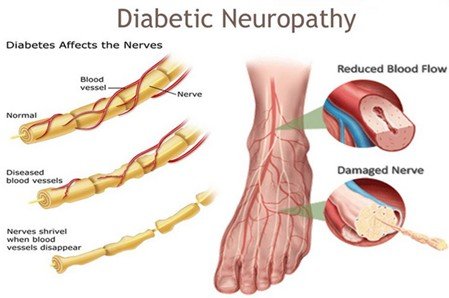
Diabetic neuropathy occurs chiefly because of long-term chronically raised blood sugar level (hyperglycemia) in people with diabetes. This high blood sugar breaks nerves and damages small blood vessels (capillaries) that carry oxygen and nutrients to the nerves, causing nerve damage and dysfunction.

Additional contributing causes and risk factors include:

  • Ineffective blood sugar management puts the chances and severity of nerve damage at risk.
  • Chronic period of diabetes with the risk growing the longer the individual has diabetes.
  • Hypertension and elevated cholesterol level, which aggravate damage of the blood vessels and nerves.
  • Kidney disease (diabetes nephropathy) harbors toxins that cause further damage to womb nerves.
  • The result of being overweight or even being obese constitutes metabolic stress.
  • Smoking, an activity that constricts blood vessels and decreases blood flow to nerves.
  • High triglycerides or fats in the blood harm nerves.
  • Some genetic predispositions that can pre-dispose one into risk of nerve damage.

Symptoms

Symptoms of diabetic neuropathy vary according to the nervous system affected. Our diabetic neuropathy comes in four specific types, each with their specific symptoms:

Peripheral Neuropathy (Most Common)

  • Numbness or reduced ability to feel pain or temperature changes, especially in the feet and legs.
  • Tingling or burning sensations.
  • Sharp, stabbing pains or cramps.
  • Muscle weakness.
  • Heightened sensitivity to touch, where even the lightest touch like a bedsheet can cause pain.
  • Significant foot complications like ulcers, infections, damage to the bones or joints.
  • Symptoms can begin in the feet and legs and become more intense at night.

Autonomic Neuropathy

  • Influences autonomic functions (those effected by ANS)
  • Its symptoms are a lack of warning of low blood sugar (hypoglycemia unawareness), dizziness or fainting when standing because of blood pressure drop (orthostatic hypotension), bladder and bowel problems, stomach problems like nausea, vomiting, constipation or diarrhea, slow emptying of the stomach (gastroparesis).
  • Sexual dysfunction like erectile dysfunction as well as vaginal dryness
  • Variations in the faculties of sweating and impaired reaction of the heart rate.

Proximal Neuropathy (Diabetic Amyotrophy)

  • Sudden, sharp pain in the hips, thighs, buttocks or legs, usually unilateral.
  • Weakness of the muscles and distress in getting up after sitting posture.
  • Symptoms are contagious and Iggy: they get better eventually.

Focal Neuropathy (Mononeuropathy)

  • It involves destruction of one nerve or sets of nerves.
  • Acute pain or weakness of a particular body part like the face, torso, arm or leg.
  • Symptoms are possible to be double vision, lack of the ability to move facial muscles, pain or weakness of a particular limb or an area, and carpel tunnel syndrome symptoms.

Symptoms appear slowly in most cases and are mild or severe. Preventing progression starts by early detection and treatment to control symptoms.

Risk Factors for Developing Diabetic Neuropathy

Risk Factors for Developing Diabetic Neuropathy

The main risk factors for developing diabetic neuropathy include:

  • Ineffective blood sugar control: High, consistent levels of glucose worsen and increases the likelihood of nerve damage. The chronic elevated A1C levels are strongly associated with neuropathy.
  • Long term diabetes: The risk is greater with the number of years the person has diabetes, often after 10-15 years.
  • Kidney disease: Diabetic kidney damage causes toxins to be built up in the blood, which destroys nerves.
  • Obesity or overweight: Obesity or being overweight increases the risk of neuropathy.
  • Smoking: Smoking constricts blood vessels and hinders blood flow to the nerves, injuring them and slows wound healing.
  • Blood pressure and high cholesterol: Both are associated with the damage of vessels aggravating the health of nerves.
  • Age: The older age promotes the potential of nerve damage.
  • Other causes: Diabetic complications like eye damage (retinopathy) and changes in metabolism like dyslipidemia would also put you at risk.

Diagnosis

Diagnosis of diabetic neuropathy entails a mixture of clinical assessment, patient history, and specialized tests to support nerve damage and the measuring of the side effects.

Clinical Evaluation

  • Specific symptoms history, such as numbness, tingling, burning, pain, muscle weakness.
  • Physical assessment with special emphasis on sensation (light touch, pinprick, vibration, heat), reflexes (reflexes (specifically, ankle jerks), and strength tests.

Screening Tools

  • Michigan Neuropathy Screening Instrument (MNSI): A combination of both patient questionnaire and physical examination to screen peripheral neuropathy.
  • Symptomatology The Neuropathy Symptom Score (NSS) and the Neuropathy Disability Score (NDS) evaluate symptom severity and neurological function.

Electrophysiological Tests

  • Nerve Conduction Studies (NCS): This is considered the gold standard, and it is used to measure the strength and speed of electrical messages in peripheral nerves. Handy especially in large fiber neuropathy.
  • Electromyography (EMG): The electrical activity of a muscle, and the signal transmitted by a nerve to the muscle, can be measured.

Quantitative Sensory Testing (QST)

Tests the response of the small and large nerve fibers using stimulus of vibration, temperature and pressure. It helps diagnose the early nerve damage.

Specialized Tests

  • Skin biopsy to measure intra-epidermal nerve fiber density (IENFD), which is especially useful to diagnose the small fiber neuropathy.
  • Corneal confocal microscopy (CCM) as a promising non-invasive technique to image small nerve fibers in the cornea.

Additional Tests

  • Blood tests to eliminate other non DPP causes of neuropathy (ex. vitamin deficiencies, thyroid function).
  • Evaluation of blood sugar control and diabetes complications.

Treatment

There is no cure to diabetic neuropathy, and treatment is aimed at controlling symptoms, halting illness, and enhancing quality of life.

Key Treatment Approaches

Blood Sugar Control
  • In type 1 diabetes, tight control of glucose slows, or even halts, the progression of nerve damage. The data on type 2 diabetes is inconclusive, but it is generally accepted that blood sugar should be kept within individualized target ranges (usually A1C at 7.0 percent or below).
Pain Management
  • Medications for neuropathic pain include:
    • Antidepressants: Duloxetine, amitriptyline.
    • Anticonvulsants: Pregabalin, gabapentin (FDA-approved).
    • Opioid-like drugs (used cautiously): Tramadol, tapentadol.
    • Topical agents: Capsaicin cream, lidocaine patches.
  • Neuromodulation methods such as spinal cord stimulation are emerging possibilities of severe, refractive pain.
Symptom Relief and Supportive Care

·       Heralded conditions such as blood pressure and cholesterol and obesity management contribute to the health of nerves overall.

·       Occupational therapy, along with physical therapy, may increase mobility and functioning.

·       The symptoms and overall, wellbeing are alleviated by lifestyle changes such as stopping smoking, exercising and adopting proper diet.

Pathogenetic Treatments (Targeting Underlying Nerve Damage)
  • Antioxidants such as alpha-lipoic acid.
  • Benfotiamine to prevent vascular damage.
  • Inhibitors of the polyol pathway include aldose reductase inhibitors that are under development.
Advanced Therapies

Pancreas or islet cell transplantation in type 1 diabetes has limited nerve functional improvement but is impeded by its availability and risks.

You may also like to read: Metabolic Acidosis

Complications of Untreated Diabetic Neuropathy

  • Loss of Sensation and Injuries: The loss of feeling in feet and legs nerve damage does not notice cuts, blisters, and sores easily.
  • Infections and Ulcer: A sore with minor infection heals slowly and, in some cases, leads to gangrene and amputation.
  • Autonomic Dysfunction: Cause of bladder problems, blood pressure, digestive problems (gastroparesis, diarrhea, constipation), and sexual dysfunction.
  • Risk of falls: Lightheadedness, muscle loss, and poor coordination result in an increased risk of falls and injuries.
  • Cardiovascular Issues: Cardiovascular Issues: May initiate heart rhythm disorders and silent heart attacks.
  • Disability and Chronic Pain: Chronic nerve pain affects daily functionality, mobility and mental health.
  • Increased Risk of Death: The patients with neuropathy, particularly those with ulcers on their feet are at risk of dying prematurely.

Bottom Line

Diabetic neuropathy is a severe consequence of diabetes which may severely affect the quality of life when not approached early. People with diabetes can enhance nerve protection by knowing their risk factors, spotting warning signs, and addressing them to prevent chronic complications. Controlling blood sugar, a healthy lifestyle, and adherence to the recommendations of a medical worker are steps to reduce risks. Diabetic neuropathy can be managed with prevention and proper care and live a healthy and safe life.