
Dr. Ahmad Shahzad
Founder | Lyallpur Diabetes Foundation
Consultant Diabetologist | Educator | Advocate for Preventive Care
Treating diabetes should be more than taking pills- it needs to be smart everyday decisions on diet and lifestyle. Carbohydrate counting is one of the most efficient methods of ensuring blood sugar level remains stable. Carbs influence blood sugar and learning how to monitor them can make all the difference in the treatment of diabetes. By understanding the importance of carbohydrate counting in diabetes, individuals can better match their meals with insulin, reduce sugar spikes, and enjoy more flexibility in their diets while maintaining long-term health.
What Is Carbohydrate Counting?
Carbohydrate counting is the process of planning meals with a focus on the quantity of carbohydrates to maintain blood sugar levels. It entails the quantification of grams of carbohydrate in food and beverages to balance this load with an equivalent injection of insulin or other diabetes meds. This also assists individuals, particularly diabetics, to manage their blood glucose levels.
There are various ways to count carbs:
- The number of grams of carbohydrates in a meal. This is commonly common amongst individuals under intensive insulin therapy like patients with type 1 diabetes. They rely on insulin to- carbohydrate ratio that matches the grams of carbs consumed per dose of insulin.
- Measuring using Carbohydrate portions or options, each Portion is normally approximately 10-15 grams of carbs.
- Carb counting also involves reading nutrition labels, serving size and total carbohydrate content. Label-free foods such as fruits and vegetables may be estimated with databases or apps.
Carbohydrate counting focuses on adjusting blood sugars and offering food choices and flexibility in timings. It is advisable to people to use insulin at mealtime, but many others use it when trying to plan their meals to have balanced blood glucose.
Why Carbohydrate Counting Is Important in Diabetes

Carbohydrate counting is important in diabetes management for several key reasons:
· Since it helps diabetic patients monitor the level of sugar (glucose) in their body by monitoring and adjusting the intake of carbohydrates taken in each meal. Carbohydrates directly affect the blood sugar, so knowing their amount, it is possible to control the blood sugar levels after the meal.
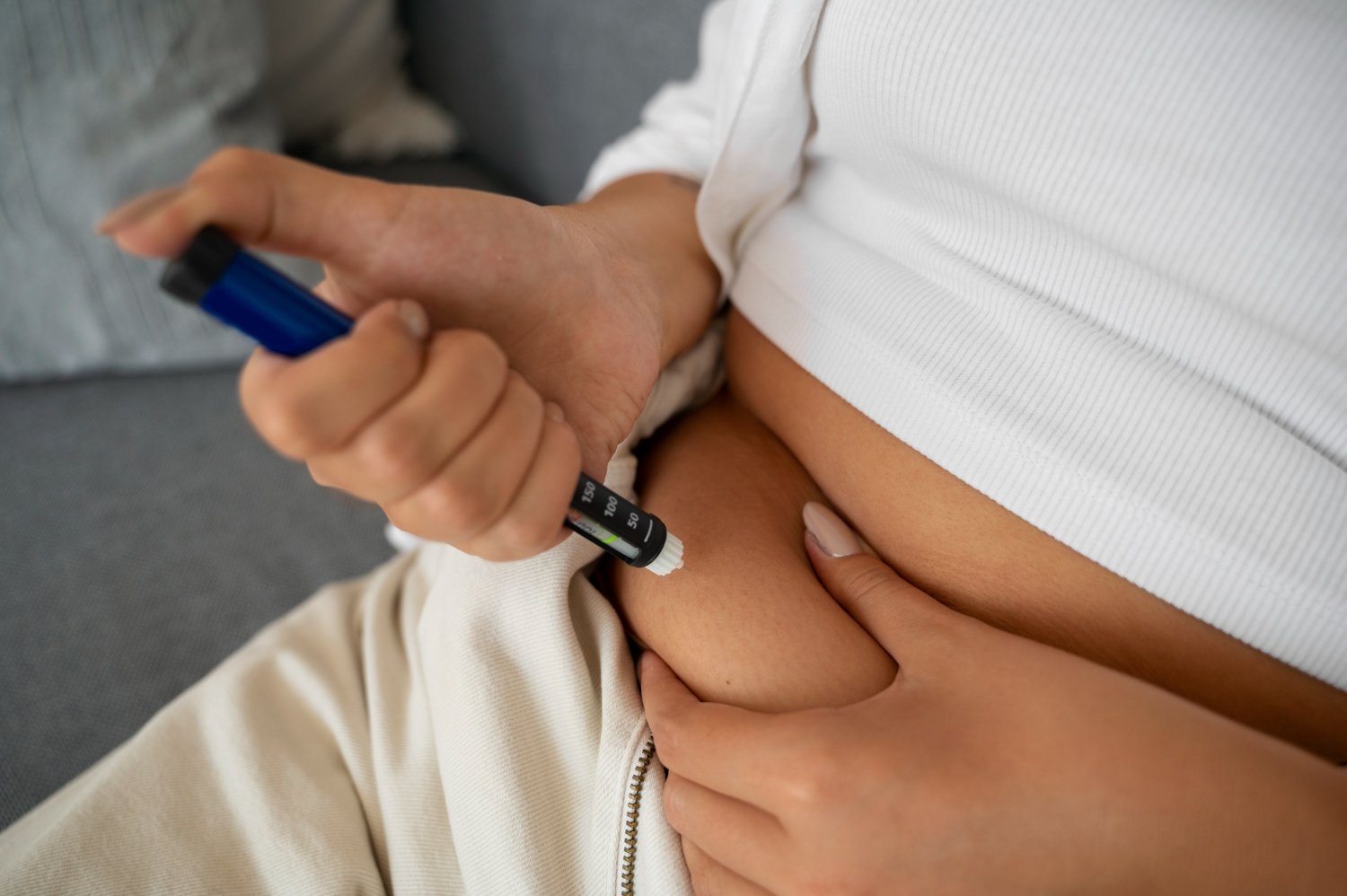
· Carbohydrate counting is used to dose insulin correctly particularly in people with type 1 diabetes. The grams eaten can be used to make changes to the amount of insulin taken at mealtimes along with the person insulin-to-carb ratio that will help to keep the blood glucose in the target ranges.
· Evidence indicates that carbohydrate counting improves metabolic control and reduces glycated hemoglobin (HbA1c), which is a principal indicator of blood glucose control over time. Improved HbA1c prevents diabetes.
· It offers flexibility and freedom of food choices and meal timing, so individuals can have diverse diets and not affect their blood sugar.
· In type 2 diabetes, carbohydrate counting in low glycemic index diets can enhance fasting blood glucose and HbA1c more than when other dietary controls are chosen.
In general, carbohydrate counting provides quality of life to individuals having diabetes by giving them knowledge and ability to control their condition.
How to Start Carbohydrate Counting
To start carbohydrate counting, here are the practical steps you can follow:
Take supplies: Obtain a calculator, measuring cups, and a food scale to measure food properly.
Check which foods have carbohydrates: It is bread, pasta, rice, cereals, fruits, starchy food, milk, yogurt, and sugary foods, not just obvious carbohydrates.
Begin a food diary: Keep a record of all you eat and drink over a period of about 3 days, carbohydrate ratios and estimated grams compulsory. This enables you to know how you eat and how to be precise.
Use nutritional labels and materials: Look at nutrition labels to get the grams of carbohydrate per serving. Use carb lists, apps and sites when the food is unlabeled.
Weigh and measure carbs: Weigh your food after using measuring cups to figure out their carb content with food labels or a carb counting guide. The number of carbs is to be calculated with the following formula:
Carbs in a serving = (Carbs in reference food ÷ Weight of reference food) x Weight of your portion.
Establish carbohydrate objectives: Help a dietitian to establish appropriate carb limits to aim to consume at mealtimes snacks that suit your health.
Match insulin or medication doses: Learn your insulin to carb ratio to adjust depending on how many carbs you eat. When taking medications that raise insulin, coordinate with dose.
Be consistent: Eat a consistent amount of carbs at about the same time every day to keep your blood sugar levels constant.
Digital: Use gadgets: Good apps are CalorieKing, MyFitnessPal, etc., which provide information on carbs and facilitate tracking.
Consult a healthcare team: Take your food diary and progress to an expert in diabetes or a nutritionist to have specific feedback and guidance.
Counting carbohydrates is a skill that takes practice and time to become confident but once you are you can manage your diabetes in a powerful way.
Tips for Successful Carbohydrate Counting
Here are some tips for successful carbohydrate counting, especially for managing diabetes effectively:
Have background insulin properly set: Some individuals using insulin find it helpful to have good background (basal) insulin levels that make carb counting more predictive.
Learn to recognize all carbs: Learn what foods and beverages contain carbs, including starch, sugar, milk and yogurt, fruits and starchy vegetables.
Learn how to estimate: Estimate the carbohydrates content of your food-on-food labels, weighing food, measuring cups, and other accurate websites or apps.
Calculate total carbohydrates, not just sugars: Calculate total carbohydrates, not just of which sugars.
Get the glycemic load right: Use food labels and portion sizes to calculate grams of carbs in your actual serving size. As an example, 100g of cereal contains 82g carbs, so 61g contains approximately 50g carbs.
Maintain a carb diary: Written records of ongoing carbohydrate intake, insulin doses, and glucose readings will help to identify trends and alter dosing.
Strive to be regular: Consume comparable carb foods at consistent intervals to stabilize the production of blood sugar.
Understand insulin to carb ratio: In the case of insulin, get to know your insulin to carb ratio so you know how many insulin units you need to take per gram or portion of carbs.
Use resources and courses: Take diabetes education courses and consider mobile apps or guides that make carb counting and adjustment easier.
Check with your healthcare crew: Check-in routinely on your accuracy and insulin with your diabetes councilors or nutritionists.
These tips can be followed to have better blood sugar dynamics, more meal flexibility and overall better diabetes management.
You may also like to read: Benefits and Risks of Continuous Glucose Monitoring
Common Mistakes to Avoid
Common mistakes to avoid when carbohydrate counting for diabetes management include:
- Under reporting carbs: Most common mistakes include under reporting, forgetting carbs in drinks, sauces and processed foods. This may cause inadequate insulin doses and blood sugar spiking.
- Overestimating carbohydrates: If they overestimate, they risk taking excess insulin and long-term symptoms will include dizziness and sweating due to hypoglycemia (low sugar level).
- Misunderstanding calorie versus carbohydrate content: Some mistakenly confuse high-calorie food (e.g. fried food or meat) as high carbohydrate food, thus overestimating carbs.
- Miscalculation of carbohydrates in staple foods: It is hard to precisely estimate carbohydrate intake in foods like rice and curry or a combined dish and even an experienced counter.
- Variable serving sizes and unsteady meal times: Failing to measure or estimate the carb content regularly or varying mealtimes may lead to an unstable condition of the blood sugar level.
- Overlooking carbohydrates in liquids and condiments: Condiments and beverages can contain clever amounts of carbohydrates that can slowdown blood sugar regulation when not included.
- Using experience only and having no tools: Measuring cups, food scales, nutrition facts, or carb-counting apps are not helpful in practicing this.
- Failing to dial back insulin doses based on correct carb counts: The error of misjudging the insulin to carbs ratio or not modifying insulin doses depending on carb consumption affects the control in blood sugar.
- Inexperience and education: The low education levels and experience can cause wrong calculations.
Final Thoughts
In conclusion, understanding the importance of carbohydrate counting in diabetes is essential for maintaining stable blood sugar, improving insulin management, and supporting a healthier lifestyle. Type 1 or Type 2 diabetes, counting carbs creates flexibility, gives one the ability to avoid complications and take control of their nutrition daily. Nevertheless, this is a very effective, but simple strategy, through which the administration of diabetes can be made more convenient and long-term.