

Dr. Ahmad Shahzad
Founder | Lyallpur Diabetes Foundation
Consultant Diabetologist | Educator | Advocate for Preventive Care
Rhinovirus is the leading cause of the common cold, affecting millions of people worldwide every year. This virus is a highly contagious virus belonging to the Picornaviridae family with a rapid spread via respiratory droplets, contaminated surfaces, and close contact. Although rhinovirus infections are typically mild, they may be very uncomfortable and even lead to complications, particularly in children, the elderly, and immunocompromised individuals. The rhinovirus, its mechanism, symptoms, and prevention methods are important in ensuring improved health.
What Is Rhinovirus?
The rhinovirus is a human pathogen, a positive-sense, single-stranded RNA virus. It causes the common cold, mild cold, or flu-like symptoms of sore throat, runny nose or stuffy nose, sneezing, cough, and nasal congestion. Nasal epithelial cells in the airway are infected by rhinoviruses, which spread via aerosol, respiratory droplets, direct contact, and contamination of surfaces. Rhinovirus A, B, and C have more than 165 types. Infection with rhinovirus is typically mild and may lead to a more serious disease in infants, the elderly, and the immunocompromised. Rhinovirus infections do not have any vaccines or particular antiviral medications.
How Does Rhinovirus Spread?
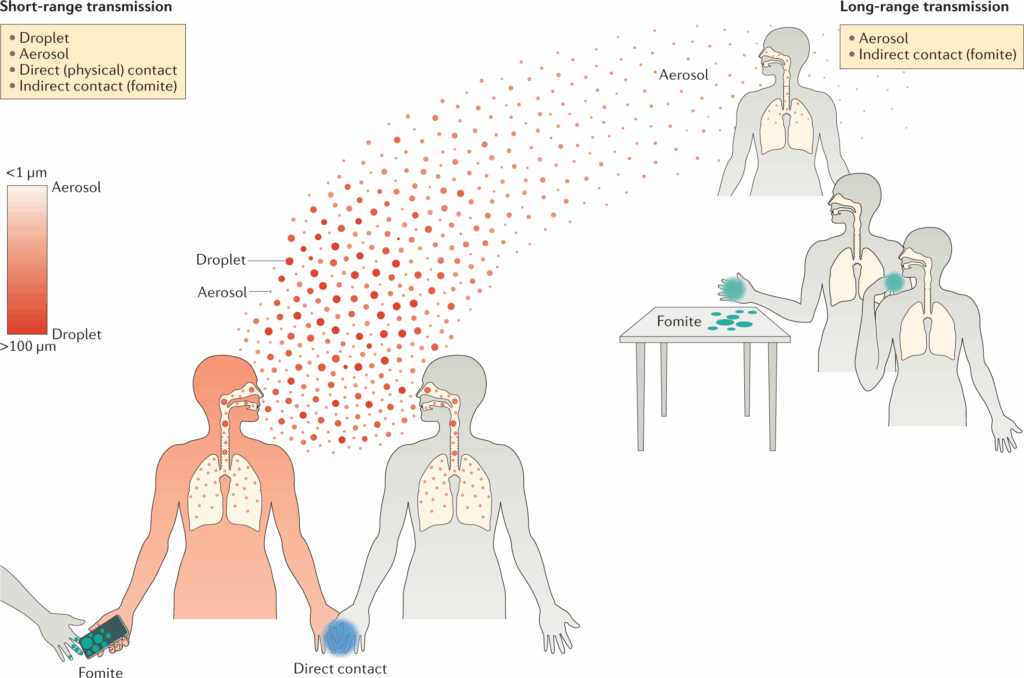
The rhinovirus is mainly transmitted by the respiratory droplets expelled when an infected individual coughs or sneezes, talks, or breathes. People around can be infected by breathing in these droplets. Direct contact, including shaking hands or touching contaminated surfaces with nasal secretions of a sick individual and then touching the eyes, nose, or mouth (self-inoculation) is also a method of virus transmission. Rhinovirus is very contagious, and infected surfaces or objects can support the virus over several days. Aerosol transmission is also thought to be an important method of transmission, particularly in indoor settings. Individuals become the most infectious during the initial few days of infection when the viral levels in the nasal secretions are the highest.
Symptoms
The symptoms of a rhinovirus infection, which is the primary cause of the common cold, typically include:
- Runny or blocked nose
- Sneezing
- Sore throat and ears
- Coughing
- Watery eyes
- Headaches and mild body aches
- Feeling unwell or fatigued
- Fever (more common in infants and children)
- Nasal congestion
- Mild headache
- Low-grade fever (temperature over 38°C)
- In infants and children: fever, otitis media (middle ear infection), and potentially more severe infections like croup, bronchiolitis, or pneumonia
- Asthma attacks may be triggered in some individuals
The symptoms do not exceed 2 weeks and are typically less than 7 days. Infants, the elderly, and individuals whose immune systems are weakened may be affected worse by the infection. Rhinovirus symptoms begin with a sore throat or throat tickling and then move to nasal symptoms and cough.
Potential Complications
Possible complications of rhinovirus infection, especially severe cases or vulnerable populations (infants, the elderly, weakened immune system, and people with chronic respiratory diseases), include:
- Eardrum or middle ear infection (Otitis media).
- Sinusitis (inflammation or infection of the sinuses)
- Attacks of asthma and other reactive airway diseases, leading to more airway inflammation and blockage.
- More serious breathing diseases, bronchitis and bronchopneumonia.
- Secondary bacterial pneumonia, particularly common in people with malnutrition, excessive cold, or poor immunity.
- Severe pneumonia can cause acute respiratory distress syndrome (ARDS) and necessitate intensive care with mechanical ventilation.
- Multi-organ dysfunction syndrome (MODS) is a rare manifestation of severe infections with rhinoviruses.
- Very rare cases of central nervous system involvement, such as encephalitis and neurological complications, have been reported.
- Heightened danger of lower respiratory illness, and possibly hospitalization and prolonged sickness.
- Deaths among high-risk groups, including immunocompromised transplant beneficiaries and cancer patients, have been reported.
There are no particular antiviral interventions, so treatment is supportive, aimed at relieving symptoms as well as enhancing the immune response.
Diagnosis of Rhinovirus
Rhinovirus infection diagnosis is mainly based on the clinical presentation and symptomatology of the patient. Nevertheless, laboratory testing is employed to confirm and make a differential diagnosis, particularly in severe cases or in immunocompromised patients. Molecular detection by reverse transcription polymerase chain reaction (RT-PCR) is the most reliable and employed diagnostic technique that amplifies the presence of specific RNA sequences of the virus in respiratory specimens (nasopharyngeal or oropharyngeal swabs and nasal aspirates) by replicating the virus gene sequences. RT-PCR is sensitive and specific and can identify rhinovirus in many cases within a day. Conventional virus isolation in cell culture is more time-consuming and has been generally substituted by molecular methods. Less sensitive than RT-PCR are antigen detection tests, which do exist, though. Generally, it is advisable to use molecular methods, which are accurate and fast to detect rhinovirus infection.
Treatment and Management
Treatment and management of rhinovirus infection primarily focus on symptomatic relief because the infection is usually mild and self-limited, with no specific antiviral treatments or vaccines available. Key approaches include:
- Rest and hydration to give the body an immune and recovery boost.
- OTC pain relievers like acetaminophen and nonsteroidal anti-inflammatory drugs (NSAIDs) like ibuprofen are used to relieve symptoms including headache, muscle ache, fever, and sore throat.
- Oral or intranasal nasal decongestants can cause nasal congestion, but an intranasal decongestant such as oxymetazoline should be no longer than 3 days to prevent rebound congestion.
- Anticholinergic effects on the rhinorrhea (runny nose) of the first-generation antihistamines may result in sedation.
- Persistent rhinorrhea may be decreased with inhaled ipratropium.
- Taken within 24 hours of onset, zinc lozenges can shorten the length and intensity of symptoms, including cough and runny nose.
- Resistance to antibiotics, which do not affect viral diseases.
- Symptomatic car,e like antihistamines alone, antitussives, expectorants, steam inhalation, and numerous herbal preparations have little or no obvious evidence of effect.
- There are preventive measures, such as good hygiene to reduce the spread of the virus.
- Soluble ICAM-1 and 3C protease inhibitors have already been examined experimentally but are not available as of now.
You may also like to read: Charcot Foot
Prevention of Rhinovirus Infections
Prevention of rhinovirus infections primarily involves good hygiene and behavioral measures to reduce virus transmission:
- One of the best prevention methods is regular and thorough handwashing using soap and water to remove the virus on hands.
- Washing hands with alcohol based hand sanitizers where there is no soap and water.
- Do not touch the face, particularly the eyes, nose, and mouth, with contaminated hands to avoid self-inoculation.
- Coughing and sneezing with a tissue or elbow and disposing of the tissue well.
- Washing and disinfecting commonly touched surfaces and objects such as doorknobs, toys, and tabletops.
- To mitigate the transmission of the virus, one should avoid coming into close physical contact with cold symptoms and remain at home when unwell.
- The transmission of respiratory droplets may also be minimized by wearing face masks in busy or risky locations.
- Balanced nutrition, hydration, and avoiding smoking are all helpful in maintaining good overall health and supporting immune defense.
- Zinc supplementation in children could help lessen the occurrence of colds.
- Other preventive interventions, such as gargling, probiotics, and vaccination (not rhinovirus-specific) have marginal or no definitive value.
Final Thoughts
Overall, rhinovirus is a common but usually mild infection that remains the leading cause of the common cold. Although there is neither a specific cure nor a vaccine, with proper hygiene, healthy lifestyle, and management of the symptoms, its impact can be significantly diminished. Knowing the transmission mechanism of rhinovirus and simple precaution measures will help people to keep themselves and others safe, particularly those who may be predisposed.
