
Dr. Ahmad Shahzad
Founder | Lyallpur Diabetes Foundation
Consultant Diabetologist | Educator | Advocate for Preventive Care
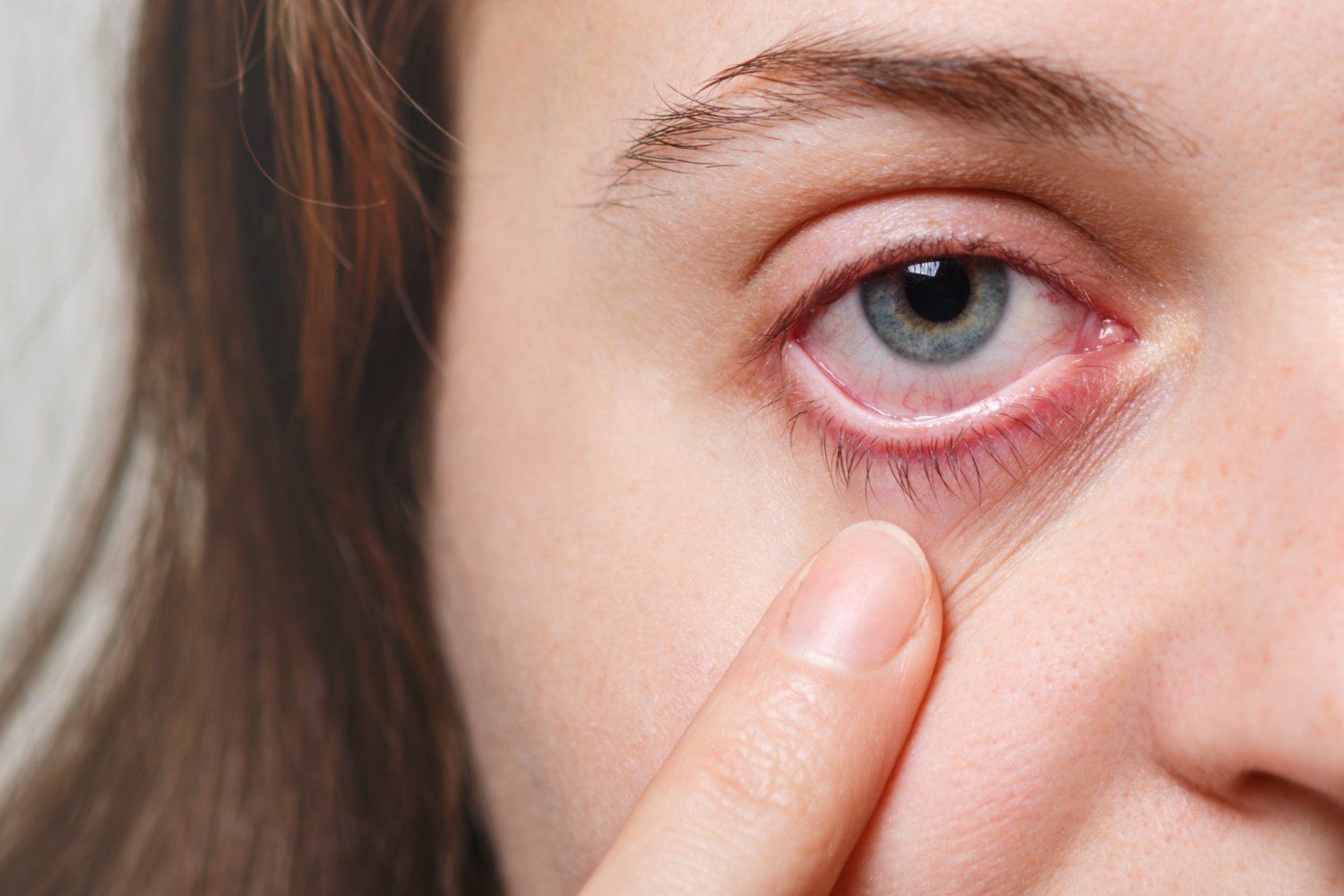
Pink eye, also known as conjunctivitis, is a common eye condition that causes redness, irritation, and discomfort in one or both eyes. It may be caused by viruses, bacteria, allergies, or irritants, and it is significant to learn its causes and symptoms. It is not just about taking care of yourself, but assisting a child with pink eye to learn how to recognize it, treat it and prevent it is the most important thing to keep your eyes healthy and to prevent the transmission of pink eye.
What Is Pink Eye?
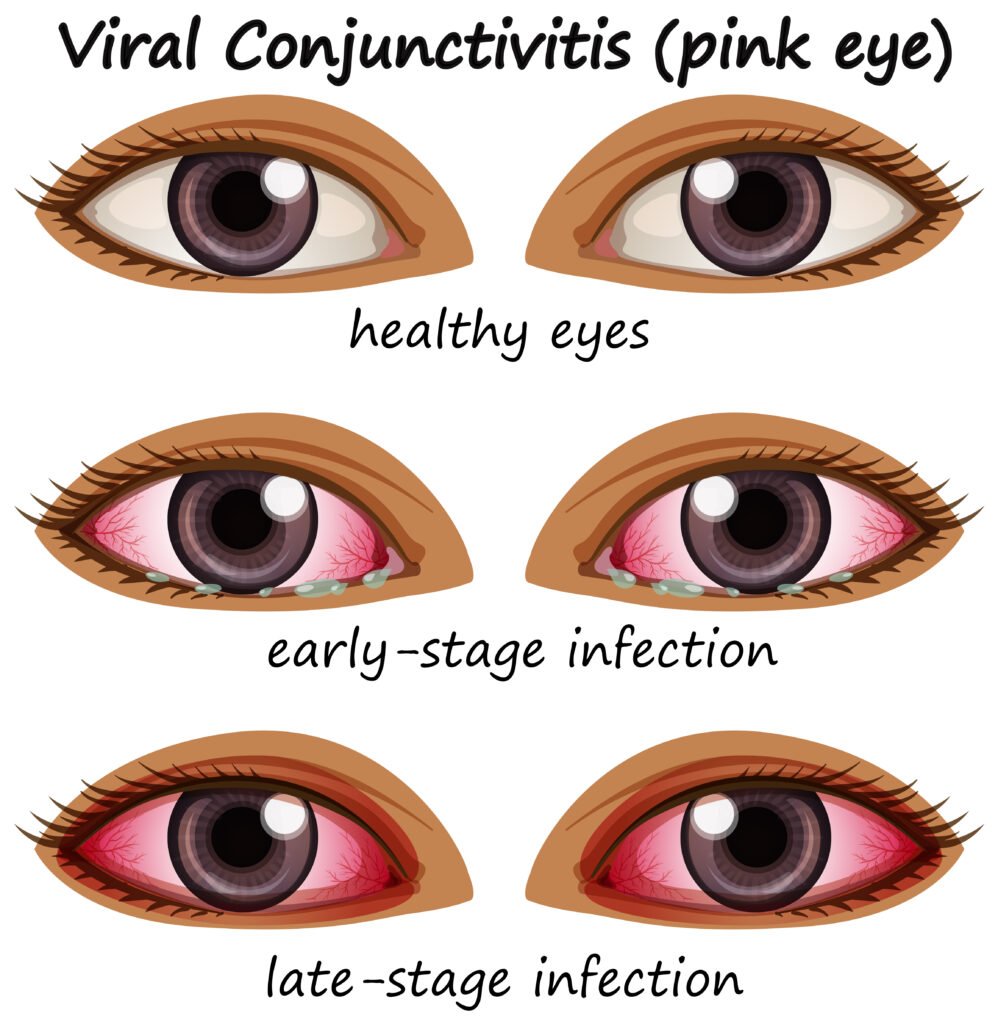
Pink eye or conjunctivitis is the inflammation or infection of the conjunctiva which is the transparent membrane that covers the eyeball white part and lines the eyelid. With this inflammation, the conjunctiva swollen and inflamed, making the whites of the eyes reddish or pink.
Common Causes
Common causes of pink eye (conjunctivitis) include:
- Viruses: The most prevalent, particularly adenoviruses. Viral pink eye is very contagious, and it is commonly found together with respiratory diseases such as the common cold. There are also other causes; these include herpes simplex and varicella-zoster viruses.
- Bacteria: Bacterial conjunctivitis is contagious too, and bacteria like staphylococcal or streptococcal cause it. It is more prevalent among children and may co-exist with ear infections.
- Allergens: Allergic conjunctivitis is an immune reaction to allergens like pollen, dust mites, mould, pet dander, or cosmetics. It is not transmissible and is common in individuals having other allergic disorders.
- Irritants: Chemicals, smoke, dust, fumes, shampoo or chlorinated pool water may be irritating and result in conjunctivitis. It is non-contagious.
- Other uncommon causes are amoebas, fungi, parasites, foreign bodies in the eye or misuse of contact lenses.
In infants, severe conjunctivitis may result due to blocked tear ducts or contracting chlamydia or gonorrhea in the newborn..
Signs and Symptoms
The common signs and symptoms of pink eye (conjunctivitis) include:
- Redness in one or both eyes due to inflamed blood vessels.
- Itchy or burning sensation in the eyes.
- A gritty feeling, as if something is stuck in the eye.
- Watery eyes or excessive tearing.
- Discharge from the eye, which can be clear, white, yellow, or green; this discharge can cause eyelids to stick together, especially after sleep.
- Swollen eyelids and inflammation around the eyes.
- Crusting on the eyelids or lashes, particularly noticeable in the morning.
- Sensitivity to bright light (photophobia).
- Blurred vision or discomfort wearing contact lenses.
- Feeling of irritation or an urge to rub the eyes.
The symptoms can be different concerning the cause: viral conjunctivitis is typically accompanied by watery discharge, and the conjunctiva tends to be involved in respiratory infections; bacterial conjunctivitis is typically accompanied by the thick pus-like discharge, allergic conjunctivitis involves both eyes, is characterized by acute itching, swelling, and tears.
Treatment Options
Treatment options for pink eye (conjunctivitis) vary depending on the cause:
- Viral conjunctivitis: It is typically mild and resolves itself without treatment in 1 to 2 weeks. Artificial tears, cold compresss and good hygiene can supplement the process of symptom relief. Antiviral drugs can be used with herpes simplex or other severe viruses.
- Bacterial conjunctivitis: Antibiotic eye drops or ointments applied a few times a day (5-7 days). Sexually transmitted or stubborn infections can require oral antibiotics. Mild cases of bacteria can pass on their own, although antibiotics can help them heal faster and spread less.
- Allergic conjunctivitis: The condition can be treated by avoiding allergens, using antihistamine or anti-inflammatory eye drops, some of which are prescription-only. There are also nonprescription alternatives. The therapy is aimed at managing allergies and inflammation.
- Irritant induced conjunctivitis: as soon as possible water should be sprayed over the eyes to clear the irritant. In case due to chemicals such as acids or alkalis, immediate medical attention is recommended.
Some other general guidelines would be to clean eyelids with a damp cloth, to avoid using the contact lens until the infection clears, to dispose the infected contacts and makeup, and to keep clean hygiene to avoid transmission. Medical assessment is advised in case of aggravation of symptoms, alteration in vision, intense pain or redness.
You may also like to read: Connection between Diabetes and Cancer
How to Prevent Pink Eye
To prevent pink eye (conjunctivitis), the following measures are effective:
- Wash hands regularly with soap and water at least 20 seconds, and more so, prior to touching the face/eyes with the hands.
- Touch/Rub the eyes by putting unwashed hands.
- Do not share personal possession that touches the eyes e.g., towels, wash cloths, pillow cases, eye makeup, contact lenses, eyeglasses.
- Wash and use clean towels and wash cloths every day and wash pillow cases, sheet,s and towels in lots of hot water and detergent.
- Wash eyeglasses and sunglasses.
- wash, store, and replace contact lenses following eye care instructions, and do not put contact lenses in when infected or symptomatic.
- Do not share eye drops with an infected and uninfected eye.
- Keep eyes free of irritants and allergens that cause allergic conjunctivitis.
- In children, eye ointment is used soon after birth to avoid severe infection by bacteria in the birth canal.
The steps can be used to contain the transmission of bacterial and viral pink eye and also decrease the chances of allergic and irritant conjunctivitis. In case of symptoms, do not be in close contact with other people until the infection is over.
Final Thoughts
Pink eye is not severe but may spread at a rapid rate and bring some discomfort in case unattended. Early detection of its causes and symptoms, good hygiene, and professional consultation upon need would help you to protect your eyes and avoid transmission. Learning how to deal with pink eye will ensure that you maintain good vision and keep your eyes healthy.
