
Dr. Ahmad Shahzad
Founder | Lyallpur Diabetes Foundation
Consultant Diabetologist | Educator | Advocate for Preventive Care
Walking pneumonia is a very minor but tenacious form of lung infection that, at times, is more of a bad cold and flu than pneumonia. Contrary to normal pneumonia, it does not necessarily demand bed rest or hospital admission, so most individuals are not conscious of the fact that they are poorly. In this paper, we are going to discuss what walking pneumonia is, its symptoms, causes, treatment, and easy preventive measures.
What is Walking Pneumonia?
Atypical pneumonia or walking pneumonia is a mild type of lung infection that is not accompanied by bed rest and the need to be hospitalized. It is named so because the symptoms are not such that individuals cannot go about their daily lives, although the disease may be unwelcome.
Causes
Walking pneumonia is most commonly caused by the bacterium Mycoplasma pneumoniae. It can also be caused by other bacteria, viruses, or molds. The infection is contagious and spreads through respiratory droplets from coughing or sneezing. It is most common in children and young adults, particularly in crowded environments like schools or dorms.
Symptoms
The onset of symptoms for walking pneumonia is typically gradual and may mimic a prolonged cold or bronchitis.
Common symptoms include:
- Persistent, dry cough that can last for weeks or months
- Low-grade fever
- Fatigue and a general feeling of being unwell
- Sore throat
- Headache
- Mild chest pain or discomfort
How is Walking Pneumonia Diagnosed?
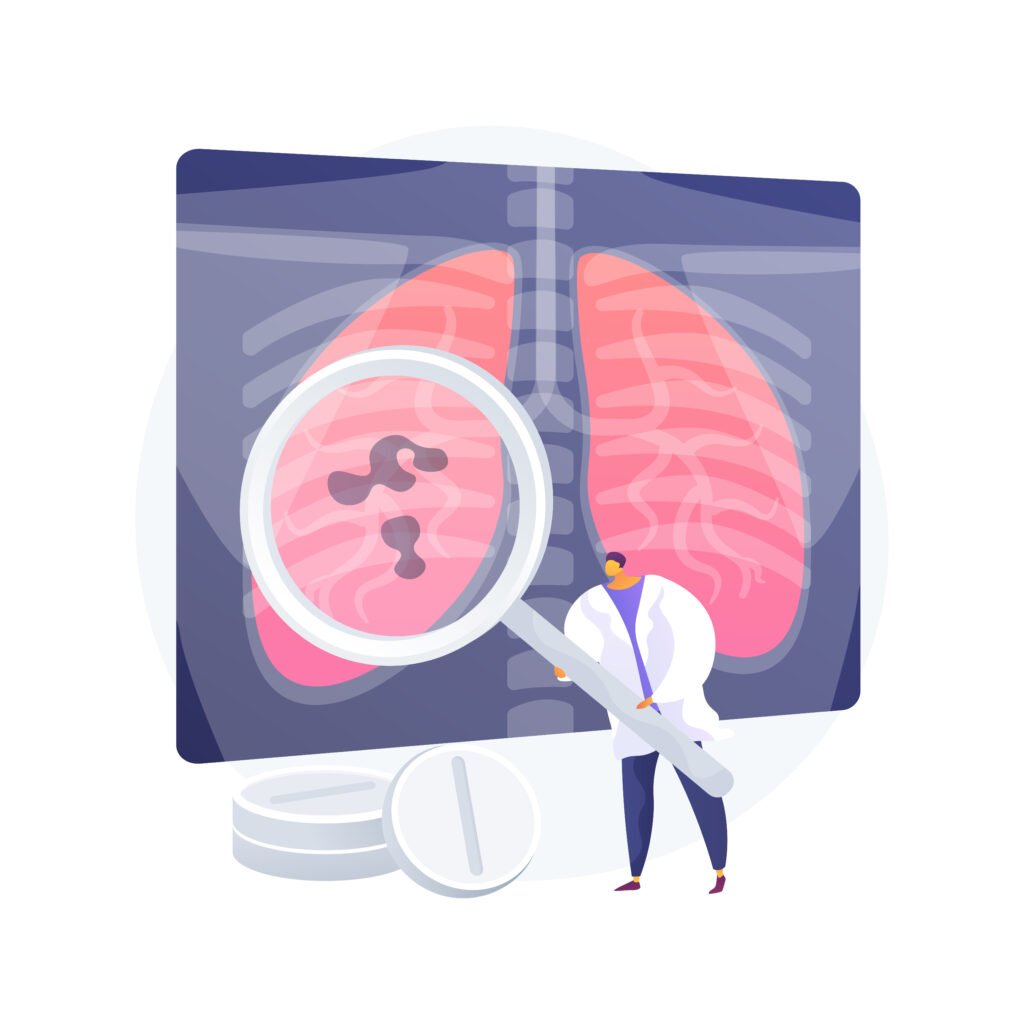
A physical examination is usually used to diagnose walking pneumonia, along with an examination of your symptoms and diagnostic tests. Symptoms may be similar to other respiratory diseases, such as the common cold, and so, the following are needed in order to be correctly diagnosed.
The diagnostic process
- Medical history and physical exam: Your doctor will start with inquiries about your symptoms, how long they have lasted, and whether you have been exposed to ill people. They will also listen to your lungs with a stethoscope during the physical exam. Rales or crackles. Fine, crackling noises, wheezing, or rhonchi may be heard by a doctor when there is walking pneumonia.
- X-ray of the chest: This is usually the most conclusive diagnostic tool. A chest X-ray may reveal how deep into the lung the infection is. The X-ray may reveal a focal, larger foci of infection in one section of the lung in normal pneumonia. Conversely, walking pneumonia can manifest as patchy or diffuse infiltrates distributed throughout the lungs in both cases.
- Laboratory tests: To assist in the confirmation of the type of pathogen that causes the infection, your doctor may also order:
- Nucleic acid amplification tests (NAATs): Amount to a favorite approach to determining the presence of Mycoplasma pneumoniae DNA, the most frequent cause of walking pneumonia.
- Sputum culture: A deep cough may be analyzed as a sample of mucus, which may reveal the particular germ causing the infection. This is not common with walking pneumonia because the cough is usually dry.
- Blood Tests: A complete blood count (CBC) may reveal whether or not you are fighting an infection. A Mycoplasma pneumoniae infection may also be confirmed by blood tests of specific antibodies, but the results may take longer to be returned.
- Pulse oximetry: A pulse oximeter attached to a finger reads the level of oxygen in your blood. This will assist in establishing whether the infection is affecting how you breathe sufficient oxygen.
Why diagnosis can be tricky
The insidious development of symptoms and their resemblance to the common cold can complicate clinical diagnosis of walking pneumonia in the absence of tests. The physical examination may not present itself dramatically, particularly in the initial stages, even in case of infection. This is why a healthcare provider will combine all these methods to make sure that there is an accurate diagnosis and treatment plan.
In case you want, I can find out more about the treatment options for walking pneumonia or what you should expect in the process of healing.
Treatment
When a physician suspects that it is a bacterial infection, he/she can prescribe antibiotics like macrolides (e.g., azithromycin). In case of a viral cause, antibiotics will not help, and the disease will have to run its course.
Physicians can prescribe:
- Over-the-counter medications for fever and aches, such as acetaminophen or ibuprofen
- Rest and plenty of fluids
- A humidifier or warm bath to help soothe airways
You may also like to read: Prenatal Vitamins
Prevention Tips
Although a vaccine against walking pneumonia does not exist, you can mitigate it and prevent it to a large extent by taking basic hygiene and immune-enhancing measures. Mycoplasma pneumoniae, the most widespread pathogen that causes it, is transmitted via respiratory droplets in the case of coughing and sneezing.
Preventative measures
- Wash your hands frequently: use soap and water for at least 20 seconds, particularly after visiting any public areas or sick individuals.
- Sneeze and cough: use a tissue or an inside elbow rather than your hands.
- Keep off sick persons: Keep a safe distance between sneezing and coughing people.
- Remain at home with illness: When you experience any respiratory symptoms, it is better to remain at home so that you can avoid contaminating other people.
- Maintain a strong immune system: eating, physical activity, and sleep allow your body to prevent infections.
- Keep up with other vaccinations: have your annual flu shot and COVID-19 booster to prevent other respiratory illnesses that will expose you to pneumonia. Other vaccines can lower the risk of severe respiratory infection, including the pneumococcal vaccine.
- Wear a mask: Wearing a mask may be considered in high-risk or crowded places, particularly when you have a chronic respiratory issue.
- Quit smoking: Smoking is bad as it destroys your lungs and exposes them to infections.
Final Thoughts
Walking pneumonia is not as serious as regular pneumonia, yet it should be taken care of and treated. The early recognition of the symptoms, adherence to treatment instructions, and good hygiene may facilitate a faster recovery and avoid infection transmission to others. Through effective medication and preventive care, the majority of individuals will be able to heal and resume their usual activities without any long-term complications.
FAQs
Q: How do you know if you have walking pneumonia?
A: Walking pneumonia may still be miserable, accompanied by cough, fever, chest pains, slight chills, headache, etc. It is more like a bad cold, and although the name walking suggests, the best thing to do is to take care of oneself.
Q: How long are you contagious with walking pneumonia?
A: When you are having walking pneumonia, two to four weeks before you begin to show any symptoms (incubation period,) you are contagious. Incubation period: You are not likely to notice that you are spreading walking pneumonia. You are contagious until the symptoms go away.
Q: How do I check myself for pneumonia?
A: Pneumonia is not a self-diagnostic condition. Even though your signs and symptoms may be an indication of pneumonia, only the doctor can confirm that.
Q: What is the survival rate of walking pneumonia?
A: Approximately 15% of all pneumonia cases contracted outside of hospitals and healthcare facilities are bacterial atypical pneumonia. Though in most cases these infections are not very severe, the mortality of walking pneumonia in the aged is 8.0, and in young healthy people it is 0.5-2.0.
