

Dr. Ahmad Shahzad
Founder | Lyallpur Diabetes Foundation
Consultant Diabetologist | Educator | Advocate for Preventive Care
Vaccines play a vital role in protecting us from serious illnesses, and one of the most important among them is the Tdap vaccine. If you’ve ever wondered what is Tdap vaccine and why it matters, the answer lies in its ability to guard against three dangerous diseases—tetanus, diphtheria, and pertussis. The vaccine is recommended to adolescents, adults, and even in pregnancy, not only does it protect individuals but communities as well.
What is Tdap Vaccine?
Tdap vaccine is an immunization that combines against tetanus, diphtheria, and pertussis (whooping cough). It is targeted at adults, teens, and children of an older age. The vaccine resembles the DTaP vaccine used in infants and younger children, except that it administers less dose of the diphtheria and pertussis antigens.
What Tdap protects against
- Tetanus: Tetanus is a serious infection typically caused by bacteria commonly found in soil, dust, and manure. It comes into the body through cuts or open wounds, and it causes a poison that leads to painful muscle contractions.
- Diphtheria: This illness primarily affects the throat and nose, producing a toxin that can lead to severe health complications, including heart failure and breathing difficulties. The bacteria are contagious.
- Pertussis (Whooping Cough): A very infectious respiratory disease that may be especially risky in infants and young children. It can result in severe coughing fits, vomiting, and cracked ribs, although it may result in milder illness in older people.
Who should get the Tdap vaccine
- Adolescents: Tdap should be used as a single dose in adolescents aged 11 or 12 years.
- Adults: All adults 19 and above who have not had a Tdap booster are to receive one. One Tdap or Td booster is advised every 10 years after the first dose.
- Pregnant individuals: The vaccine is recommended at every pregnancy, preferably at a gestation of between 27 and 36 weeks. This is to transfer protective antibodies to the baby to protect against whooping cough during their first few months of life, when they are at the highest risk.
- Individuals with wounds: It can be administered to manage the wounds, provided that at least five years since the previous tetanus vaccine.
Tdap Vaccine Schedule and Boosters
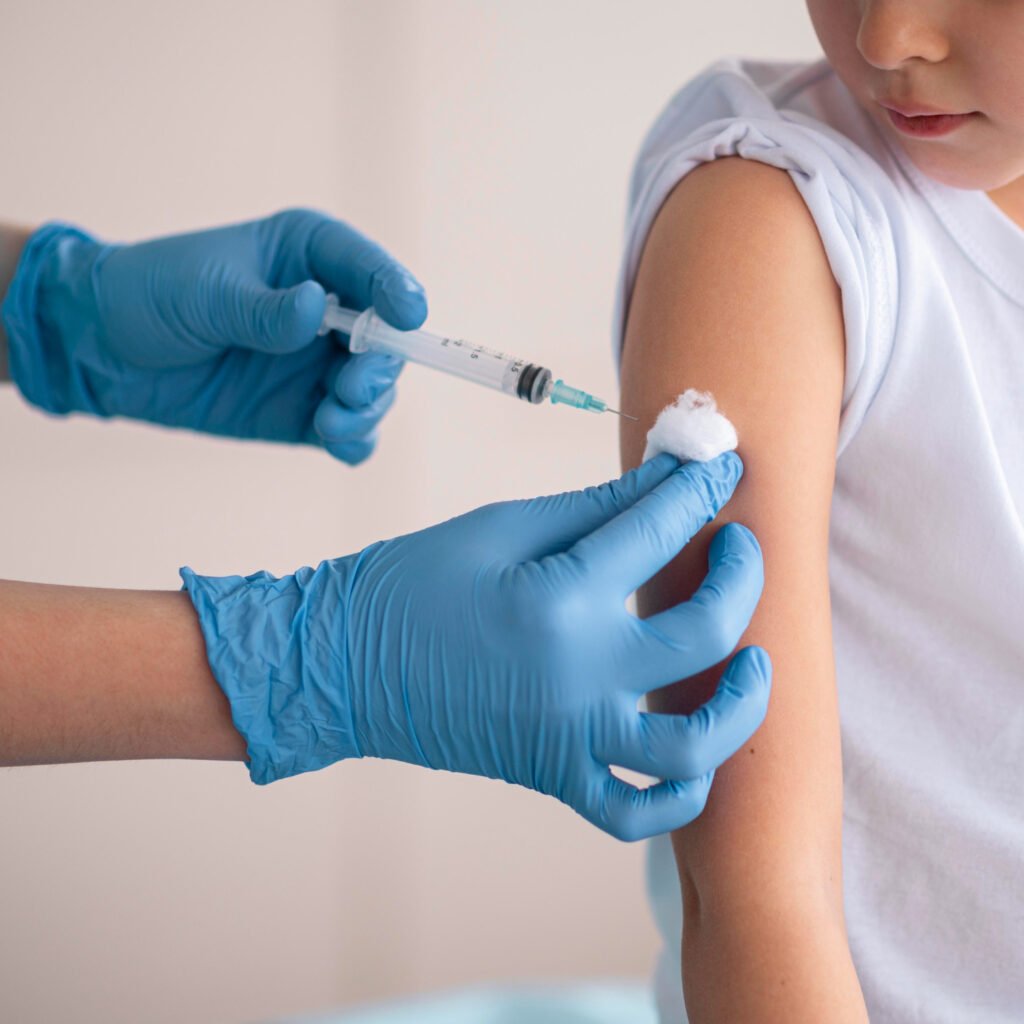
The Tdap vaccination schedule has one dose in adolescents, a booster each after 10 years in adults, and one dose in each pregnancy. Severe wounds might also necessitate a Tdap shot or to have a back up on missed vaccinations.
Tdap for adolescents
Tdap should be given once in adolescents, normally in the age group of 11 or 12 years. This Tdap dose is used instead of one of the DTaP vaccines of the childhood immunization series.
Tdap for adults
Booster shots should be taken every 10 years in adults. Following the first dose of Tdap, you should get either a Tdap or Td (tetanus and diphtheria) booster. The Tdap booster is best as it offers protection against whooping cough.
Tdap during pregnancy
- The Centers of Disease Control and Prevention (CDC): suggests a single dose of Tdap in all pregnancies in pregnant individuals.
- Timing: The ideal time is to administer the shot in the third trimester, ideally in 27 to 36 weeks of gestation.
- Purpose: The vaccine helps the mother’s body to generate the protective antibodies, which are transferred to the baby before birth. It will offer the much-needed temporary immunity to whooping cough in the first weeks of the infant’s life when they are the most susceptible.
- Vaccination in all pregnancies: With time, the amount of antibodies lost, so it is necessary to do the vaccination each time, giving maximum protection to the child born.
Tdap for wound management
In case of a severe cut or wound, this may require the tetanus-containing vaccine based on your immunization history.
- In case you have never received a Tdap shot previously, you will be given one to treat wounds.
- When you already receive Tdap, a Tdap or Td booster is advised when it is over five years since the last injection.
Catch-up schedule
For individuals aged 7 and older who were never vaccinated or did not complete the DTaP series as children, a three-dose catch-up series is recommended.
- At least one of these doses should be Tdap.
- The remaining doses can be either Td or Tdap.
Benefits
This is especially crucial for safeguarding infants and other vulnerable populations from serious illness.
- Avoids life-threatening tetanus (lockjaw): Tetanus is a severe bacterial infection that may enter the body through a cut or a wound and causes painful muscle spasms that may cause breathing problems, paralysis, and death. The Tdap vaccine triggers the immune system to generate antibodies against the tetanus toxin, which prevents the disease.
- Prevents complications of diphtheria: Diphtheria is another contagious disease that forms a thick layer in the throat that may block breathing. The diphtheria component of the vaccine is against severe respiratory symptoms and complications such as heart failure, nerve damage, paralysis, and death.
- Lessens the severity of whooping cough: The protection by the pertussis vaccine may decrease with time, but it is very efficient in stopping severe symptoms and complications. In adults who become infected with whooping cough following vaccines, the disease is milder and less lasting.
- Prevents whooping cough during early infancy: Women who take Tdap vaccine during pregnancy transfer protective antibodies to their unborn babies. This is the only means of protecting the babies against whooping cough in the first few months of their lives when they are too young to be inoculated and most susceptible to serious, life-threatening complications.
Common side effects
Most individuals receiving the Tdap vaccine show no side effects or minor ones that clear off within a few days. The side effects most frequently occurring are:
- Pain, redness, or swelling where the shot was given
- Mild fever
- Headache
- Fatigue
- Nausea, vomiting, diarrhea, or stomachache
You may also like to read: Stem Cell Therapy for Diabetes
Tdap vs. DTaP: What’s the Difference?
The difference between the Tdap and DTaP vaccines lies in their targeted age group and the dosage of the diphtheria and pertussis components. Both are combination vaccines that protect against tetanus, diphtheria, and pertussis (whooping cough).
| Feature | DTaP Vaccine | Tdap Vaccine |
| Recipients | Infants and young children under 7 years old. | Adolescents (11–12 years) and adults. |
| Purpose | Administered in a series of shots to build strong, foundational immunity in a child’s developing immune system. | Used primarily as a booster to maintain protection, as childhood immunity wanes over time. |
| Dosage | Contains a full-strength dose of diphtheria and pertussis components. | Contains a full-strength tetanus dose but a reduced dose of diphtheria and pertussis components. The lowercase “d” and “p” in “Tdap” denote these smaller doses. |
| Schedule | Part of the routine childhood immunization series, typically given in five doses at 2, 4, and 6 months, 15–18 months, and 4–6 years. | A single dose is given around 11–12 years of age, followed by a booster every 10 years throughout adulthood. It is also given during every pregnancy. |
The “acellular” component
The two vaccine names contain the a which is used to denote acellular. This implies that the vaccine would not require the entire pertussis bacterium, but a few components of it to produce an immune response. This is done to minimize the side effects of previous pertussis vaccines that were made from whole cells.
Final Thoughts
Knowledge of what is Tdap vaccine is emphasizes its significance in the prevention of tetanus, diphtheria, and pertussis. By keeping abreast with Tdap vaccinations, people are safeguarding themselves, as well as protecting those most at risk, namely infants and the elderly. Having this vaccine in your health plan is an easy but effective way of protecting yourself long-term and healthy society.
FAQs
How often is a Tdap shot needed?
Adults. CDC advises vaccination against diphtheria every 10 years in all adults. After an adult has a dose of Tdap, use Td or Tdap as a booster dose.
Is a tetanus shot the same as Tdap?
Td vaccine only protects against tetanus and diphtheria. Tdap is used to prevent tetanus, diphtheria and pertussis (whooping cough). Whooping cough is particularly harmful to young children and infants below the age of 6 months.
Who should not get the Tdap vaccine?
Has received an allergic reaction following a prior dose of any vaccine against tetanus, diphtheria, or pertussis, or has any life threatening severe allergies.
