
Diabetes Pakistan Metabolic Syndrome Date: 1st - 2nd November, 2024 Venue: Serena Hotel, Faisalabad
For Emergencies: +92 41-2694037

The Link between Diabetes and Heart Disease

Dr. Ahmad Shahzad
Founder | Lyallpur Diabetes Foundation
Consultant Diabetologist | Educator | Advocate for Preventive Care

Two of the most prevalent issues in the world are diabetes and heart disease, and studies indicate that the two are inter-related. High blood sugar, insulin resistance, and other diseases such as high blood pressure and obesity predispose people with diabetes to cardiovascular issues. The connection between diabetes and heart disease is crucial in the prevention and early detection and management of the two diseases.

Understanding Diabetes and Heart Disease

The connection between diabetes and heart disease

Continued elevated blood sugar (glucose) with time may damage your blood vessels and nerves that operate your heart. Such damage is a contributor to several heart issues:

·       Atherosclerosis: High blood glucose enhances the deposition of fats within the artery walls a condition referred to as atherosclerosis. This constricts the arteries and decreases the circulation of oxygen-laden blood that may cause a heart attack.

·       High blood pressure: Due to the hardening of arteries by plaque, the heart must work harder, which elevates blood pressure. This additional tension also ruins the blood vessels and poses more risk of cardiovascular occurrences.

·       Bogus cholesterol: Type 2 diabetes comes with bad cholesterol, namely, high triglycerides, high LDL (bad cholesterol), and low HDL (good cholesterol). This mixture increases the rate in which arteries are blocked with plaque.

·       Heart failure: Diabetes predisposes one to heart failure, a condition in which the heart loses its ability to pump blood. This may cause the accumulation of fluids in the lungs and the swelling of the legs.

Shared Risk Factors between Diabetes and Heart Disease
Shared Risk Factors between Diabetes and Heart Disease

Diabetes and heart disease are closely linked by a set of shared risk factors, suggesting a “common soil” from which both conditions can develop. These factors accelerate the development of vascular damage and inflammation, increasing the risk of serious health problems. 

Metabolic syndrome

Metabolic syndrome is a group of disorders that are often comorbid and elevated risks of developing type 2 diabetes and cardiovascular disease. Key components include:

  • Abdominal obesity: Fat around the waist is a significant risk factor and facilitates insulin resistance through the release of inflammatory chemicals.
  • High blood pressure (Hypertension): The high blood pressure ruins the arteries and overworks the heart. The CDC reports that when the blood pressure and diabetes work together, the risks of heart disease are high.
  • Ab normal cholesterol (Dyslipidemia): High triglycerides, high LDL (bad) cholesterol, and low HDL (good) cholesterol. This profile is typical of individuals who are insulin resistant and hastens the formation of plaque in the arteries.
  • High blood sugar: Elevated blood glucose, even in prediabetes levels, can cause blood vessels and nerves damage in the long term. 

Insulin resistance

One of the key links between these conditions, in particular, type 2 diabetes and heart disease, is insulin resistance.

  • It is a condition that is caused by the body cells failing to respond to insulin normally. It results in the pancreas producing more of the hormone to keep blood glucose normal.
  • It may result in type 2 diabetes, but long before that, it may on its own cause high blood pressure, inflammation, and abnormal lipids, all of which damage the heart. 

Chronic inflammation

Hardening of the arteries that cause heart disease is now realized to have a major inflammatory factor known as atherosclerosis.

  • Diabetes is an inflammatory condition, and sustained high blood sugar and excess body fat may result in an immune reaction that harms blood vessels.
  • This grade of inflammation disrupts the ability of insulin, producing a feedback mechanism that increases both diabetes and cardiovascular risk. 

Lifestyle choices

Lifestyle behavior changes are very significant in the development and exacerbation of both conditions.

  • Physical inactivity: Sedentary lifestyle is a direct cause of obesity, insulin resistance and poor heart health.
  • Poor diet: Eating a diet rich in saturated fats, trans fats, sodium and sugar leads to obesity, hypertension and abnormal cholesterol levels.
  • Obesity: Obesity, especially in the abdomen, is a potent cause of type 2 diabetes as well as heart disease.
  • Smoking: Tobacco burns blood vessels, elevates the blood pressure, and poses a significant risk of heart disease and diabetes. 

Age, gender, and family history

Non-modifiable factors also increased risk.

  • Age: Risk of both heart disease and diabetes is more when you are older.
  • Family history: A family history of heart disease or diabetes puts you at risk.
  • Gender: Women are at a relative risk of cardiovascular disease and death than men with diabetes.

Signs and Symptoms to Watch For

For individuals with diabetes, recognizing the signs of heart disease and related complications like heart attack and stroke is critically important because the symptoms can be atypical and less obvious. This is often due to a condition called autonomic neuropathy, or nerve damage, which can mask the typical chest pain associated with heart attacks. 

Atypical heart attack symptoms for people with diabetes

Although anyone may have a silent heart attack, they are more prevalent in diabetic patients. Note the following less noticeable signs:

  • Pain of indigestion or heartburn-like: Pain in the stomach area that can be confused with a gastrointestinal condition.
  • Abnormal or inexplicable fatigue: Intense or debilitating fatigue that restricts you in carrying out everyday tasks.
  • Shortness of breath: Windedness with little to no exercise, or rest.
  • Jaw, neck, back, or arm pain: Pain that radiates to the upper body, one of the significant signs of diabetes in women.
  • Lightheadedness or dizziness: Faint or dizzy with or without a cold sweat.
  • Nausea or vomiting: Falling ill in the stomach or vomiting. 

Symptoms of heart failure

Heart failure, where the heart can’t pump blood effectively, is a serious complication of diabetes. It can lead to a buildup of fluid in the body. Look for these signs: 

  • Shortness of breath: This may occur during activity, at rest, or when lying flat.
  • Swelling (edema): Swelling of the feet, ankles, and legs caused by fluid buildup.
  • Fatigue: Feeling exhausted and run-down.
  • Persistent cough or wheezing: Caused by fluid accumulating in the lungs. 

Signs of a stroke

A stroke occurs when blood flow to the brain is blocked, and it is a major risk for people with diabetes. The National Stroke Foundation recommends the acronym F.A.S.T. to remember the warning signs: 

  • F—Face drooping: Is one side of the face numb or drooping? Is the person’s smile uneven?
  • A—Arm weakness: Is one arm weak or numb? Ask the person to raise both arms. Does one arm drift downward?
  • S—Speech difficulty: Is the person’s speech slurred? Are they unable to speak or hard to understand?
  • T—Time to get help: If you see any of these signs, even if they go away, call emergency services immediately. 

Act fast in an emergency

No matter how strong the symptoms are, when you or someone with diabetes experiences what may be signs of a heart attack or a stroke, call an ambulance. It is safer and faster to call an ambulance as first responders can be treated on their way to hospital.

Prevention and Management Strategies

These are just a few, brief, points of each prevention and management strategy:

  • Eat well: Focus on whole and plant-based food and limit processed foods, excessive sugar, and saturated fat to manage the level of blood sugar, cholesterol, and blood pressure.
  • Exercise More: Get at least 150 minutes of moderate aerobic activity per week to enhance insulin sensitivity, heart strengthening and weight control.
  • Maintain a normal weight: Even a small loss of weight helps a lot by lowering blood pressure, cholesterol and blood sugar.
  • First, stop smoking and moderate alcohol: Smoking and excessive use of alcohol harm the blood vessels and can greatly risk a heart attack, so it is essential to quit and reduce use.
  • Learn to deal with stress: Relax or apply other healthy coping skills to reduce blood pressure and prevent bad habits that stress usually leads to.
  • Focus on great sleep: 7 to 9 hours of great sleep each night can aid in normalizing blood pressure and causing inflammation.

Final Thoughts

The connection between diabetes and heart disease highlights the need for proactive care and healthier lifestyle choices. By managing blood sugar, controlling blood pressure and cholesterol, and adopting daily habits that support heart health, individuals can lower their risk of serious complications. With early intervention and consistent medical guidance, it is possible to live well with diabetes while protecting long-term heart health.

You may also like to read: Benefits of Social Support for Diabetes Management

FAQs

How is the heart affected by diabetes?

Diabetes causes high blood glucose, which can harm your blood vessels and nerves that run your heart and blood vessels. In the long run, this damage may cause heart disease.

What is a diabetes silent heart attack?

However, these are not the typical symptoms of everyone. Indeed, others suffer what is known as a silent heart attack, that is, no symptoms whatsoever, mild symptoms or some unusual symptoms (not typically related to a heart attack).

How long can you live with heart disease and diabetes?

The numbers were even more alarming among the patients of younger age. A 40-year-old man with all three cardiometabolic conditions would have on average a 23-year lower life expectancy than a 40-year-old woman with the same conditions.

How to check heart blockage at home?

Home diagnosis of heart blockage is not possible because it involves tests such as ECG or cardiac catheterization. Nevertheless, at home, you can take care of your heart by measuring blood pressure and resting heart rate, noting such symptoms as chest pain or difficulty breathing, and noting how well you can perform such activities as a stair test. In case of alarming symptoms, it is important to visit a medical worker, who could diagnose and treat you properly.


The Benefits of Social Support for Diabetes Management

Dr. Ahmad Shahzad
Founder | Lyallpur Diabetes Foundation
Consultant Diabetologist | Educator | Advocate for Preventive Care

Treatment of diabetes is not only a matter of drugs and changing lifestyle, but also an emotional and social support. Presence of family, friends or support groups can make a great difference in the way people handle daily difficulties. Social support has been shown to promote better emotional health, treatment adherence, and reduce stress, all of which led to better health outcomes and quality of life.

Understanding Social Support in Diabetes Management

Social support also has a profound effect, enhancing self-efficacy, emotional distress, and treatment and lifestyle change compliance, and ultimately improving glycemic control and quality of life. Family, friends, and health providers can offer emotional, informational, material support, which can shape coping strategies and offer practical support with daily activities, such as medication, diet, and exercise.

Types of social support

Various sources of support such as family, friends, peers, and health providers assist diabetes patients in various ways. Key categories include:

  • Emotional support: Gives comfort, care, empathy, and feeling of vagueness and understanding. This may be particularly useful in addressing the psychological load and suffering from living with a chronic illness.
  • Informational support: Involves providing advice, guidance, and information regarding treatment, management strategies and complications. This aids patients and their families to know about the condition and make informed choices.
  • Tangible/Instrumental support: Provides tangible, practical assistance, including financial support, assistance in daily activities, or food preparation and appointments.
  • Appraisal support: Gives positive feedback, confirmation to support positive health behaviors and beliefs in the patient.
  • Peer support: Offered by fellow diabetics, this provides a different outlook of life and emotional support. Peer support groups may enhance motivation, normalization of experience and self-management skills.

Impact on diabetes management

Research has repeatedly indicated that proper social support will result in better health among diabetics:

  • Improved self-care: Supported patients tend to be more compliant with self-management, which includes measuring blood glucose, eating, and exercise.
  • Better glycemic control: The social support is associated with a reduction in HbA1c levels, meaning better long-term glycemic control. This is usually facilitated by better self-efficacy and emotional distress.
  • Improved mental health: Higher social support implies less depression, anxiety and distress due to diabetes. This emotional stability aids in the fighting against feeling overwhelmed or upset by the needs of the condition.
  • Higher self-efficacy: A social network can give a person a sense of confidence in his or her capability to do healthy self-care things so that he or she can manage relatively better. 

Practical Support in Daily Diabetes Care

Practical Support in Daily Diabetes Care

Practical diabetes support is direct, physical interventions that assist in the daily management of diabetes. Practical support, unlike emotional support, is more focused on tasks that may be overwhelming, stressful, or hard to handle by themselves. This can greatly enhance the physical health of a person and the pressure of self-care.

Assisting with nutrition and meals

  • Healthy meal planning: Volunteer to assist in planning weekly meals according to dietary recommendations suitable to diabetes, possibly balancing carbohydrates, proteins and fats.
  • Cooking and preparing meals: Healthily preparing meals. This will turn the work into teamwork and not an isolating task.
  • Grocery shopping: Shop with or on behalf of the person, assisting in choosing healthy food and reading food labels to check on salt, sugar and fat levels.
  • Engaging the entire family: Have changes in a family-wide activity. Having meals that are friendly to diabetes can be helpful and help the person with diabetes to be consistent.

Supporting physical activity

  • Taking exercise breaks: Make physical activity a family activity by walking together, taking a fitness class, or trying a new sport.
  • Enjoyable activities: Assist the person to find things they enjoy doing, like gardening, swimming, or dancing to make physical exercise enjoyable and sustainable. 

Helping with medical care

  • Medication management: In people who require reminders or struggle with medication taking, such practical assistance may involve the arrangement of pill boxes or minor prompts to adhere to prescriptions properly.
  • Supply organization: Help gather, arrange and maintain a stock of required supplies, including blood glucose testing strips, lancets, and other supplies.
  • Going to the appointments: Volunteer to take your loved one to doctor check-ups and eye check-ups. This will offer moral support and remind you of important medical information and its comprehension.
  • Record keeping: Assist with monitoring of blood sugar levels, medications and symptoms, in case requested. This fact is priceless when visiting a doctor.

Responding to emergencies

  • Identifying symptoms: Be able to identify the symptoms of low (hypoglycemia) and high (hyperglycemia) blood sugar. Hypoglycemia may be accompanied by symptoms such as shakiness, confusion and irritability.
  • Emergency preparedness: Have sugary food and glucose pills ready to resolve hypoglycemia. Know how to seek help in case of an emergency that includes calling emergency services in case someone falls unconscious.
  • Technological support: Support or check-in on technology, e.g. continuous glucose monitor (CGMs) that can alert when blood sugar is too low. 

Assisting with general tasks

  • Foot care: Assistance with foot examination daily: Nerve damage and deficient circulation in the feet are typical diabetes complications. This includes searching for blisters, sores or cuts that might not be easily felt.
  • Lessening stress: Volunteer to perform other chores or errands to relieve the mental burden. Stress has a bad effect on the blood sugar levels and creating a person with lesser burden is quite useful.

Final Thoughts

In conclusion, the benefits of social support for diabetes management are profound, helping individuals stay motivated, reduce stress, and maintain healthier routines. By connecting with other relatives, friends, medical professionals, or community organizations, robust support networks allow coping with diabetes to be less cumbersome and more accessible. Forming these relationships does not only enhance physical health but also emotional strength, which provides improved outcomes in the long term.

FAQs

Why social support is important in diabetes care?

These studies provide evidence that psychological resilience of diabetic adults can be boosted by enhanced social support. Based on the current research results, such measures can be particularly useful in patients with diabetes distress.

What is the role of a social worker in diabetes management?

Diabetes Social Workers are part of the treatment team and assist the family to adapt to living with diabetes. In the case of a child with type 1 diabetes, periods of both parental and child distress and difficulty are normal. The Social Workers comprehend these emotions and happenings and can assist.

How can you support a person to manage their diabetes?


Allow them time in the day schedule to cope with diabetes-check blood sugar, make healthy food, take a walk.

What is the main goal of diabetes management?

Thus, the primary objective of diabetes care is to maintain normal blood glucose levels or a target range as much as possible.

The Impact of Smoking on Metabolic Health

Dr. Ahmad Shahzad
Founder | Lyallpur Diabetes Foundation
Consultant Diabetologist | Educator | Advocate for Preventive Care

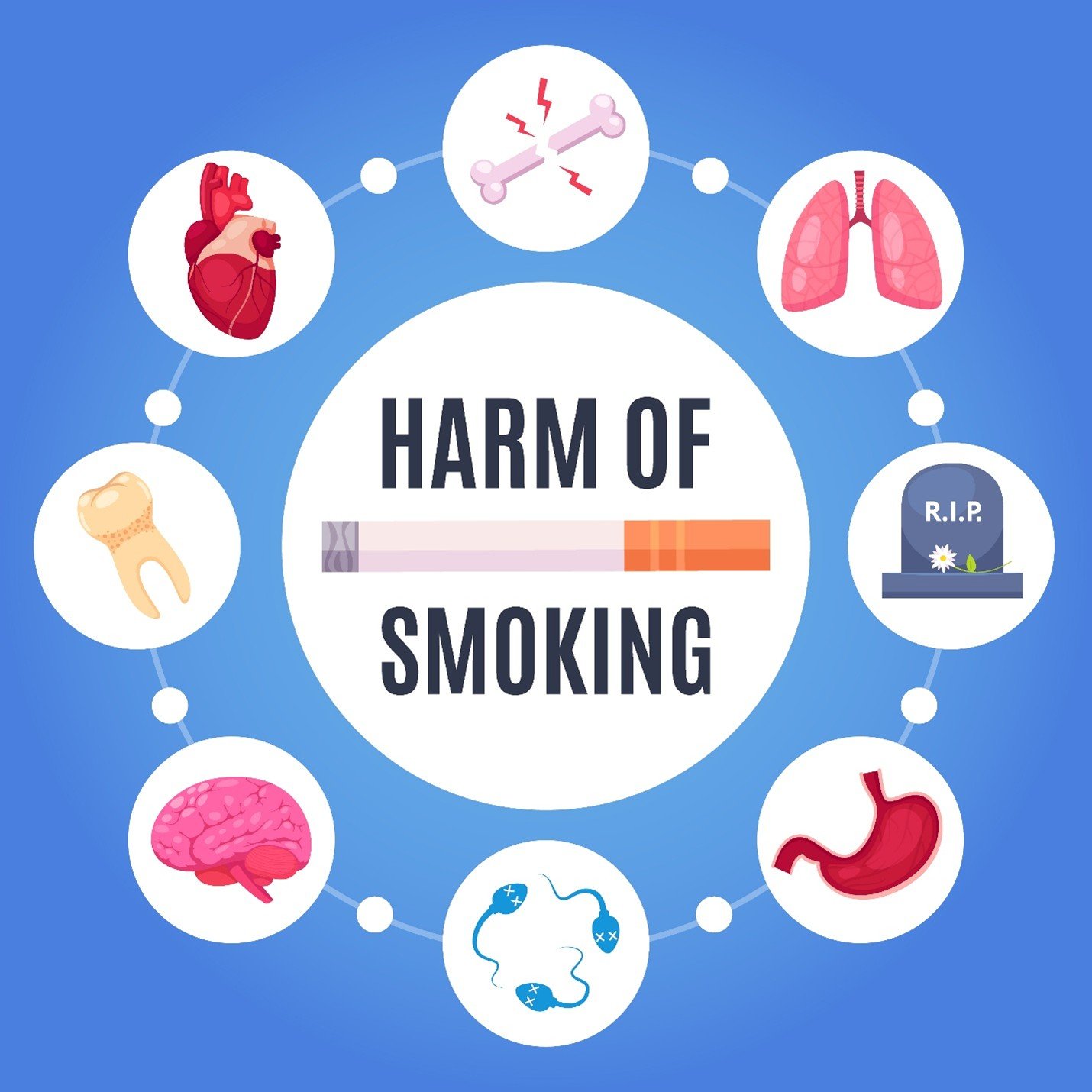
Smoking is not just a lung killer but a killer of metabolism in the body. Metabolic health is the ability of the body to regulate blood sugar, cholesterol, blood pressure and fat distribution which are essential to long-term wellness. Smoking has a strong effect on metabolic health by causing insulin resistance, type 2 diabetes, and cardiovascular disease. Being aware of such effects would allow noting the necessity to quit smoking and make healthier lifestyle choices.

Understanding Metabolic Health

Metabolic health is the best process of your body to transform food into energy and internal harmony. Clinically it is often considered to be within a healthy range with five key markers without medication. A healthy metabolism means you have a lower risk of developing chronic conditions like Type 2 diabetes, heart disease, and stroke.

How Smoking Affects the Body

Smoking is the primary cause of preventable illness and death, damaging almost every organ in the body. Tobacco smoke has over 7,000 chemicals and at least 70 of them are known to cause cancer. The toxicity is long and short-term and affects multiple body systems.

Respiratory system

  • Lung damage: Tobacco smoke is extremely harmful to the airways and the small air sacs (alveoli) in the lungs where carbon dioxide takes the place of oxygen. This destruction begins immediately after you start smoking and only gets worse.
  • Mucus and cilia damage: Smoking makes the cells that produce mucus in your lungs and airways increase in size and number, resulting in excess mucus. Meanwhile, it immobilizes and destroys the cilia, the hair-like projections that sweep out mucus and foreign bodies in your lungs. The outcome is chronic cough of the smoker and a higher chance of respiratory infection.
  • Chronic Obstructive Pulmonary Disease (COPD): The leading condition is Chronic Bronchitis and emphysema upon smoking. These lung diseases are progressive and block the airflow resulting in shortness of breath, coughing and fatigue.
  • Lung cancer: Tobacco smoke has chemicals that damage DNA, making cells grow abnormally result in cancer. In many cases, lung cancer is associated with smoking. 

Cardiovascular system

  • Damaged blood vessels: Nicotine and other chemicals in cigarette smoke harm the lining of blood vessels making them thicker and narrower. This is known as atherosclerosis, and it elevates blood pressure making the heart work harder.
  • Low oxygenation: Oxygen that is needed to transport oxygen to the heart, muscles, and other tissues is displaced by carbon monoxide in cigarette smoke in red blood cells. This may cause shortness of breath and a loss of physical strength.
  • Blood clots: Smoking increases the stickiness of blood and its ability to clot, thereby obstructing blood flow to the brain and heart. This puts one at great risk of heart attack or stroke.
  • Peripheral Artery Disease (PAD): PAD is caused by smoking, in which the arteries are narrowed, limiting the blood supply to the limbs. This may give rise to amputation in acute cases. 

Nervous system and addiction

  • Nicotine dependence: Nicotine is a very addictive medication, and it works via the brain reward systems. It also releases endorphins such as dopamine and adrenaline which produce short-term pleasurable, alert and relaxation effects.
  • Withdrawal symptoms: When nicotine has been used, the brain will demand more, and it will result in withdrawal symptoms including anxiety, irritation, and depression.
  • Cognitive effects: Although nicotine may have a short-term effect on concentration, chronic smoking is linked to deterioration of cognitive capacity and dementia. 

Reproductive system

  • Fertility issues: Smoking may impair the reproductive system of a woman, as well as influence her hormones, making childbearing more difficult. It can cause erectile dysfunction and lower the sperm quality in men.
  • Pregnancy complications: Pregnancy smoking is associated with a higher risk of miscarriage, still birth, preterm delivery and low birth weight. 

Other health effects

  • Cancer: Smoking is also a significant risk factor for numerous other types of cancer, such as the mouth, throat, kidney, liver, bladder, stomach, and pancreas.
  • Oral health: Tar stains the teeth and coats the mouth and throat, causing tooth decay, gum disease, and loss of taste and smell.
  • Skin and appearance: Smoking may make skin age too fast leading to wrinkles and sagging. It also leaves yellow, brown-colored stains in the nails and fingers.
  • Crippled immune system: The immune system is weakened by the toxic chemicals in smoke, leaving smokers prone to infection and autoimmune diseases.
  • Other diseases: Smoking predisposes other diseases, such as osteoporosis, cataracts, and Type 2 diabetes.

Notable point: There is no safe amount of tobacco smoking. But these adverse effects can be reversed by quitting smoking and health can dramatically improve with time. 

Benefits of Quitting Smoking for Metabolic Health

Smoking is a major cause of avoidable illness and fatality that damages almost all organs. There are over 7,000 chemicals in tobacco smoke, and at least 70 are cancer-causing chemicals. The toxic impacts are acute and chronic and affect multiple body systems.

  • Enhanced Insulin Sensitivity: Quitting Smoking improves insulin sensitivity much faster, and this decreases the chances of type 2 diabetes. This is despite no major changes in body weight or fat mass at the beginning.
  • Fat Distribution Changes: Transiently increased central fat may occur after cessation of smoking but fat is then redistributed to other areas such as the thighs that are more metabolically benign.
  • Lessens the Risk of Metabolic Syndrome: Smokers are more prone to metabolic syndrome which is a high level of triglycerides, low levels of HDL cholesterol, and insulin resistance. The risks decrease with time as the person stops smoking.
  • Improved Glucose Metabolism: Quitting results in enhanced hepatic glucose output and improved glucose uptake by muscles to aid improved carbohydrate metabolism.
  • Lipid Profile Reduction: quit smoking decreases high triglycerides and raises HDL cholesterol, reducing cardiovascular risk.

You may also like to read: Role of Stress Management in Diabetes Prevention

Additional Considerations

  • Quitting smoking leads to gaining weight because metabolism is slower, but the metabolic changes are more significant.
  • The beneficial impact of smoking cessation on metabolism is more with the longer the period of cessation.
  • Smoking elevates insulin-antagonistic hormones and fat metabolism leading to metabolic dysfunction- a process reversed by stopping.

Final Thoughts

The effect of smoking on metabolic health cannot be overlooked and is reported to be related to insulin resistance, diabetes, and increased cardiometabolic risks. Smoking cessation does not only enhance lung and heart functions but also increases metabolism. With the help of positive lifestyle changes and support, people can defend their long-term health and minimize the severe risks that smoking is causing.

FAQs

How much does smoking raise your metabolism?

Others are related to the action of nicotine on your body. Nicotine in cigarettes makes your metabolism faster. Nicotine enhances caloric burn by approximately between 7 and 15 percent at rest. Your body also can burn food slowly without cigarettes.

How does smoking affect bone metabolism?

The high concentration of glucocorticoid in smokers modulates bone metabolism and lowers bone mass directly by modifying the functions of osteoblast and osteoclast or indirectly by changing the gastrointestinal absorption and renal reabsorption of calcium.

Does smoking cause muscle loss?

These gaseous components of tobacco smoke migrate into the circulatory system and to the skeletal muscle tissues, which can impact their metabolism and protein disorders, which cause muscle damage. Long-term smoking can also lead to weight and muscle mass loss and atrophy of muscle fibers.

How many calories does smoking burn?

“You burn about 250 calories if you smoke a pack a day. So, when you quit and your metabolism slows down, your body has these extra calories it has to deal with, and many people gain weight.” Most people gain about two pounds during the first couple of weeks after quitting, Purcell says.

The Role of Stress Management in Diabetes Prevention

Dr. Ahmad Shahzad
Founder | Lyallpur Diabetes Foundation
Consultant Diabetologist | Educator | Advocate for Preventive Care

Stress management is not only a way to protect your mental health but also the key to avoiding such severe diseases as diabetes. Studies indicate that chronic stress may elevate blood sugar levels, insulin resistance, and unhealthy lifestyle choices, which are all risk factors of type 2 diabetes. Realizing that stress is closely related to blood sugar, and managing stress can be learnt to achieve significant changes in maintaining good health and preventing diabetes.

Understanding the Connection Between Stress and Diabetes

Stress has physiological and behavioral influences on diabetes, and they may lead to elevated blood sugar levels, heightened insulin resistance, and more challenging self-management. Although it is not a direct cause of diabetes, chronic stress is a risk factor that can lead to type 2 diabetes.

The physiological connection

When you get stressed, your body goes through its fight-or-flight reaction and gives you a burst of energy in case of a perceived threat. This reaction is initiated by discharge of stress hormones, mostly cortisol and adrenaline.

The most important physiological effects are:

  • More glucose production: Stress hormones get the liver to make more glucose and put it into the bloodstream to use as energy.
  • Insulin resistance: Cortisol causes the cells in your body to become more resistant to insulin, or sugar, cannot get into the cells easily. This makes blood sugar levels soar among diabetic patients.
  • Impaired insulin secretion: There is some evidence that stress hormones can directly suppress the production and secretion of insulin in the pancreas.

In non-diabetics, this glucose spike is transient. But in a person with diabetes, or at risk, this long-term dysregulation may impose challenges on the body to process the sugar in an effective way.

The behavioral connection

Stress may also exacerbate diabetes management by affecting how a person behaves. In times of stress one can:

  • Have unhealthy behaviors, like emotional eating, eating high sugar comfort foods, drinking more alcohol, or smoking.
  • Self-care, such as physical inactivity, irregular blood sugar levels or forgetfulness about medication.
  • Undergo sleep disturbances, since stress may interfere with sleep patterns. Insomnia is associated with insulin resistance.

In people with diabetes, it may create a vicious cycle of stress with the effort necessary to cope with diabetes itself, which is also a cause of stress (so-called diabetes distress).

Does stress cause diabetes?

Although stress does not directly lead to diabetes, studies indicate that chronic stress is a risk factor of developing type 2 diabetes.

  • Predisposition: In individuals with underlying risk factors, such as obesity or a family history of diabetes, stress hormones at elevated levels may gradually cause insulin resistance, which may ultimately result in the development of the disease.
  • Even in non-diabetic individuals, moderate or intense acute elevations in blood sugar level can occur due to physical or psychological stress (such as during a critical illness or surgery), a phenomenon known as stress hyperglycemia. In other situations, this may reveal insulin issues that have not been diagnosed. Individuals with stress hyperglycemia are at greater risk of developing type 2 diabetes in future. 

How to manage stress to help control diabetes

How to manage stress to help control diabetes

Stress management is a critical component of diabetes management. Strategies that are effective will include:

  • Exercise: Exercise is a known stress-lowering activity that also lowers blood sugar levels and increases insulin sensitivity.
  • Relaxation methods: To reduce cortisol and relax the mind, incorporate deep breathing, yoga, meditation or mindfulness in your daily process.
  • Get enough sleep: You should get 7-9 hours of good sleep each night. A normal bedtime schedule would help in sleep and stabilize the level of glucose.
  • Healthy coping: Learn to find healthy coping responses to stress. Bad habits such as comfort eating and drinking should be avoided and instead done with things one likes.
  • Get support: Discuss with family, friends or a diabetes support group. A mental health professional can be a great help in case stress or distress is overwhelming.
  • Monitor your patterns: In the case of diabetes, trapping stress levels and blood glucose levels can help you determine your own triggers and the way to cope with them. 

Effective Stress Management Techniques for Diabetes Prevention

Adopting effective stress management techniques can significantly lower the risk of developing type 2 diabetes by reducing cortisol levels and improving lifestyle habits. The best approach is to incorporate a variety of mental and physical strategies into your daily routine. 

Mental and emotional strategies

  • Be mindful and meditate. MBSR programs can enhance emotional and glycemic control. Giving yourself a few minutes a day to practice your breathing or employing a guided meditation app can help clutter your brain and trigger the relaxation response in the body.
  • Take deep breathing exercises. To overcome a state of panic, you can use a simple form of deep breathing, inhale, four seconds, hold, seven seconds, exhale, eight seconds. This can calm your nervous body and reduce your heart rate.
  • Visualize a calm place. When in a stressful situation, close your eyes and visualize a tranquil location, using all senses. This is a guided visualization, which may trigger serenity and relaxation.
  • Reframe negative thoughts. Spotting negative thoughts may stop a negative spiral and enable you to concentrate on what you can control. As an example, instead of getting the thought, I cannot do this, rephrase it as, I will do this step by step.
  • Your gratitude. Writing about good things can make you feel better overall and can help you start viewing your life through a different lens than stress. 

Lifestyle-based strategies

  • Include physical exercise. One of the better stress relievers is exercise. It triggers endorphins, better moods, and can reduce blood glucose. Goal: 150 to 180 minutes of moderate aerobic work (such as brisk walking) in one week.
  • Prioritize quality sleep. Sleep deprivation and chronic stress contribute to one another and may increase insulin resistance. Scheduling: keep a regular schedule of sleep and establish a worry-free sleepy routine to build better sleep.
  • Eat wisely. Stress reduces good eating habits, and therefore underlines well-balanced, healthful meals. Do not use high fat and sugar comfort foods. Whole grains, fruits and vegetables are also good sources of fiber and can help control blood sugar.
  • Set aside “me time.” Spending some time on something pleasurable like gardening or listening to music or reading helps a lot to eliminate stress and enhance relaxation.
  • Limit your digital connection. Excessive use on social media may elevate stress, as well as divert attention in self-care. Create space to step out and get into the real world. 

Supportive strategies

  • Lean on social support. Having friends and relatives is a buffer to stress. Talking to the vulnerable about how things go can make you feel less encumbered and more supported to make healthy lifestyle changes.
  • Join a support group. Talking to other individuals with similar health issues can offer a feeling of community and helpful coping skills.
  • Work on time management. In case you get stressed by commitments, get to know how to prioritize, say no to added commitments and delegate where you can. Stress can also be minimized by dividing large tasks into smaller ones that are more manageable.
  • Seek professional guidance. In case stress appears overwhelming, a mental health expert will be helpful in offering meaningful coping mechanisms. CBT will allow you to alter your reactions to stressors. 

You may also like to read: Benefits of Physical Activity for Diabetes Prevention

Final Thoughts

To sum up, stress management is an effective and useful approach to lessening the risk of diabetes. Mindfulness, exercise, proper diets, and healthy habits can help individuals balance both mental and physical health. Having long-term blood sugar control and stress management as a priority, in addition to having a healthier lifestyle and well-being, are beneficial.

FAQs

How does stress affect diabetes?

When the stress does not disappear, it may increase your blood sugar level and predispose you to complications of diabetes. It can also influence your mood and your appearance self, and this can begin to influence your emotional health.

How does stress impact insulin resistance?

They discovered that the elevations of stress-induced levels of sympathetic activity, in the case of patients in psychological stress, affected insulin sensitivity, likely via alterations in adipokine or catecholamine circulation.

Which relaxation techniques lower blood sugar?

Activities and relaxation techniques, such as yoga and mindfulness-based stress reduction, can also be used to repair insulin release issues in individuals with chronic diabetes receiving medical care.

Is there a connection between anxiety and blood sugar?

Blood sugar and anxiety are correlated, and it is important that diabetic patients should know this. As you will see, one can easily cause the other.

The Benefits of Physical Activity for Diabetes Prevention

Dr. Ahmad Shahzad
Founder | Lyallpur Diabetes Foundation
Consultant Diabetologist | Educator | Advocate for Preventive Care

One of the most effective methods of prevention of type 2 diabetes is regular physical activity. As the cases of cases increase globally, active lifestyles are more relevant than ever before. Exercise is not only beneficial in insulin sensitivity and sugar regulation but also weight management and health. Knowledge of the advantages of physical activity can enable one to make simple and daily steps that would go a long way to minimize the chances of becoming diabetic.

Exercise allows the prevention, delaying and management of diabetes through better utilization of insulin and glucose in the body. Although short-term impacts of exercise on glucose levels depend on the intensity and duration of the exercise, exercise overall leads to better glycemic control and minimized risks of diabetes.

How physical activity helps manage diabetes

  • Increases insulin sensitivity: Exercise makes your muscle cells more sensitive to insulin up to 48 hours after a workout, and they can then use available insulin more efficiently to uptake glucose in your bloodstream.
  • Incites insulin-independent uptake of glucose: Glucose absorption by contracting muscles during exercise can power the muscles without the aid of insulin. It is particularly useful with those with type 2 diabetes whose bodies are insulin resistant.
  • Lowers A1C: Regular exercise has also been reported to reduce hemoglobin A1C (HbA1c) which is a long-term level of blood glucose control. Research has discovered that different types of exercises such as aerobics, resistance, and combined training can greatly raise the value of HbA1c.
  • Assists in weight management: Exercise assists in weight loss and healthy weight maintenance. Regular activity is an important aspect of both treatment and prevention as obesity is a significant risk factor of type 2 diabetes.
  • Offers a cardiovascular-protective effect: Exercise benefits the heart of people with diabetes and can reduce blood pressure and positively influence the cholesterol level.
  • Minimize sedentary time: Even short intervals of light exercise every 30 minutes can be used to disrupt sedentary times.

Effects of different types of exercise

Different kinds of physical activity provide unique benefits and can affect blood glucose levels differently.

Aerobic exercise

  • Effect: Swings big muscle groups in continuous movement (e.g. walking, cycling, swimming). Such activity tends to reduce blood glucose.
  • Recommendations: It is recommended that at least 150 minutes of moderate-vigorous aerobic exercise be performed during a week, but distributed over at least three days, with no more than two days together. 

Resistance training

  • • Effect: Develops muscle size and strength through resistance (e.g., a weight, a resistance band or the body weight). Growth of muscle enhances insulin sensitivity and uptake of glucose.
  • Recommendations: The ADA recommends that adults with diabetes perform two to three bouts of resistance exercise a week on non-consecutive days. 

Combined training

·       Effect: There is evidence that aerobic and resistance training may be more effective than either form of exercise in terms of glycemic control.

·       Recommendation: Do aerobic and resistance training to achieve maximum results.

High-intensity interval training (HIIT)

  • Effect: Involves short bursts of intense activity followed by recovery periods. This can improve insulin sensitivity and glycemic control in a time-efficient manner for suitable individuals.
  • Recommendation: Discuss with a healthcare provider before starting HIIT, especially if you have complications or are not accustomed to vigorous exercise. 

Precautions and considerations for exercise

  • Risk of hypoglycemia (low blood glucose): Individuals with diabetes who take insulin or insulin secretagogues should be aware of the risk of hypoglycemia during and after exercise.
    • Test blood glucose before and after exercise to understand your body’s response.
    • Keep a source of fast-acting glucose on hand, such as glucose tablets or juice.
  • Blood glucose variations: Stress hormones may result in a temporary increase of blood glucose in some high-intensity activities. The important part in this is to keep a check on your own trends.
  • Complications of diabetes: Some complications, like retinopathy or neuropathy, can necessitate a modified exercise program. Safe and appropriate activities could be done with the assistance of a doctor.
  • Time: In some individuals with type 2 diabetes, afternoon exercise or evening exercise may slightly improve the blood glucose level compared to morning exercise. Also, after meal exercise can help in controlling post meal blood sugar spikes.
  • Professional guidance: A medical professional can assist in creating an individualized and safe exercise regime that takes into consideration your type of diabetes, fitness level, and other health factors.

Key Benefits of Physical Activity for Diabetes Prevention

Key Benefits of Physical Activity for Diabetes Prevention

Enhances insulin sensitivity

·       Enhances cellular performance: Exercise also sensitizes muscle cells to insulin, thus enabling them to obtain energy through the bloodstream effectively. This enhances the efficiency of insulin available to the body, and it prevents the occurrence of insulin resistance, which is a major cause of type 2 diabetes.

·       Favors independent glucose uptake: Exercise causes muscle contractions that enable cells to absorb glucose to produce energy without insulin, which aids maintaining a healthy level of blood sugar.

Aids in weight management

  • Reduces body fat: Physical activity helps burn calories, which contributes to weight loss and maintenance. This is critical for diabetes prevention, as excess body weight, especially fat around the waist (visceral fat), is a major risk factor for insulin resistance and type 2 diabetes.
  • Builds muscle mass: Strength training builds muscle, which increases the body’s calorie-burning capacity, even at rest. This increased muscle mass also enhances the body’s ability to clear glucose from the bloodstream. 

Improves metabolic health

  • Reduces blood sugar: Exercising lowers blood sugar levels because of elevated muscle glucose uptake, decreased insulin resistance, and decreased A1C levels.
  • Decreased inflammation: Exercise can reduce chronic inflammation in the body, which is associated with the development of type 2 diabetes.
  • Improves mitochondrial activity: Exercise enhances the formation of new mitochondria and increases their output, which increases metabolic fitness and mitigates metabolic dysfunction linked to insulin resistance. 

Provides cardiovascular benefits

Reduces blood pressure and cholesterol: Exercise will make the heart healthier, reduce blood pressure, raise the good HDL cholesterol, and reduce bad triglycerides. This minimizes the risk of heart and blood vessel diseases, which are known complications of diabetes.

Enhances mental well-being

  • Lessens stress and anxiety: Exercise would raise stress, anxiety, and depression, all of which can influence blood sugar management.
  • Better sleep and mood: Exercising can increase your confidence and mood and help you sleep better.

Importance of Healthy Eating for Metabolic Health

How to get started

The key is to begin slowly and find activities you enjoy ensuring consistency.

  • Aerobic Exercise: Target at least 150 minutes of moderate intensity aerobic exercise (e.g., brisk walking, swimming, cycling), and this should be taken for at least three days.
  • Strength Training: Do resistance exercises with weights, resistance bands, or both at least once each week to all major muscle groups.
  • Interrupt Sedentary Time: In non-active people, even simple steps, including rising and moving every 30 minutes, can play a significant role in controlling blood glucose.
  • Consult a Professional: Before starting a new exercise program, seek the advice of a healthcare expert so that it fits your health condition.

Final Thoughts

To sum up, exercise is extremely important in reducing the risk of type 2 diabetes. Regular exercise provides long-term prevention of this chronic condition by enhancing insulin sensitivity, blood sugar control, and maintaining a healthy body weight. It can be as simple as walking, cycling or strength training. One of the best steps toward prevention of diabetes and overall health is making physical activity a regular part of everyday living.

FAQs

What is the main benefit of exercise in diabetes management?

Physical activity is a critical treatment in diabetes mellitus. Exercise also decreases cardiovascular risk and mortality, manages weight, and improves glycemic control in people with this condition. An increase in tissue sensitivity to insulin will positively influence glycemic regulation.

How exercise is a method of controlling diabetes?

Exercise might assist you in dealing with your Type 2 diabetes or lower the chances of having one. A combination of aerobics and strength training exercise can help normalize blood sugar levels and health among individuals with Type 2 diabetes. Your workout plan will be different according to your health and objectives.

How much exercise is needed for diabetes?

Individuals with type 2 diabetes are advised to engage in at least 150 min/week of moderate to vigorous aerobic activity that should be done in at least 3 days of the week, but not more than 2 days in a row of aerobic activity.

What is the best time to exercise for diabetes?

Another benefit, which can assist in managing blood sugar, is taking an after-dinner walk as your daily exercise, or even on the day you do other exercises.