

Dr. Ahmad Shahzad
Founder | Lyallpur Diabetes Foundation
Consultant Diabetologist | Educator | Advocate for Preventive Care
Fungal ear infections, also known as otomycosis, are a common yet often overlooked ear health issue that can cause itching, discomfort, discharge, and even temporary hearing loss if left untreated. One of the most effective ways to treat this condition is by using antifungal ear drops, which are specially formulated to eliminate fungal growth and restore ear health. These drops act at the point of infection, giving direct relief and also helping to prevent recurrence of the condition. Fungal ear infections can be triggered by excess moisture or by frequent swimming or by the poor state of the immune system, but in all cases, there is a need to treat them promptly, and knowing how antifungal ear drops work, in which cases they need to be used and how to properly administer them is the key to the quick and effective treatment of the disease.
What Causes Fungal Ear Infections (Otomycosis)?
Fungal ear infections (otomycosis) are caused by the proliferation of fungi (e.g. Aspergillus and Candida) within a warm and damp ear canal, usually as a result of exposure to water (e.g. swimming, head trauma, or excessive antibiotic consumption). Other factors such as a weakened immune system, skin diseases, and the long duration of using antibacterial ear drops, are also risk factors because they interfere with the natural defenses of the ear.
Common Causes
- Moisture and Warmth: Fungi thrive in warm areas, and this condition is most likely to occur in an environment with a high level of moisture, which is why swimming or showering associated with keeping water in the ear canal are considered a cause.
- Injury or Trauma: Ear duct damage by cotton swabs, ear picks or ill-fitting hearing aids can damage the skin, providing an opening into which fungi can enter.
- Antibiotic Use: Antibacterial eardrops may suppress the normal bacterial flora in the ear, which causes fungi to grow excessively.
- Weakened Immune System: Individuals that have a weakened immune system are likely to be infected with fungi because of health conditions such as HIV/AIDS or some cancers.
- Preexisting Skin Issues: Eczema or any other chronic skin issues may predispose to infection.
- Over-Cleaning the ears: Removal of earwax may destroy the natural protective barrier against the ear canal leaving it susceptible to fungal infections.
Factors That Increase Risk
- Swimming and Water Sports: Water penetration in the ear brings about humidity and causes fungi to thrive.
- Tropical/Subtropical Climates: High humidity and temperatures in the areas are favorable to fungi.
- Diabetes: This disease may impair the immune system and people are more likely to get otomycosis.
How Do Antifungal Ear Drops Work?
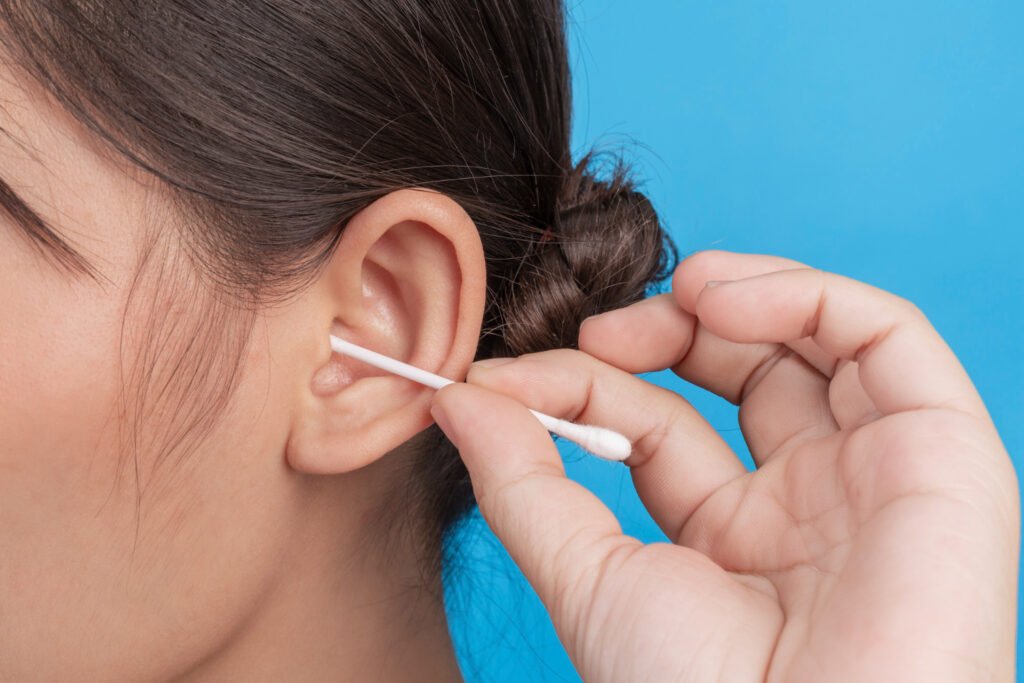
Antifungal ear drops are effective because they directly eliminate fungal in the ear canal. The active constituents, including clotrimazole or fluconazole, destroy the fungal cell membrane that leaks its contents and dies. This topical therapy serves to clear the infection, lessen such symptoms as itching and pain, and avoid spread of the infection.
How They Work
- Destruction of the Cell Membrane: The main action of most antifungal ear drops is to interfere with the outer layers of protection of the fungal cell called the cytoplasmic or cell membrane.
- Heightened Permeability: This is the disruption that makes the membrane permeable by opening holes or making it weak.
- Leakage and Death: Once the integrity of the membrane is broken, the vital internal contents of the fungal cell leak out and the fungus dies.
Common Examples of Antifungal Agents
- Clotrimazole: This is one of the widely used antifungal medications of ear infections.
- Fluconazole: This is another representative of the antifungal that is administered in ear drops.
- Nystatin: This is an antifungal drug but can also be taken to treat fungal ear infections.
Other Treatments Used Alongside Drops
- Ear Cleaning (Ear Toilet): The ear cavity can be cleansed by a doctor first in order to eliminate fungal components, discharge, and debris, thereby making the antifungal drops more effective.
- Topical Steroids: It can be applied with antifungals to assist in the alleviation of inflammation and itching.
- Anti-bacterial Agents: There are cases in whereby antifungals are used alongside antibiotics to treat a secondary bacterial infection.
How to Use Antifungal Ear Drops Safely
You would have to tip your head to give the ear drops safely, straighten your ear canal by pulling on your ear lobes, pour drugs into your ear, and rub the tragus to allow the drugs to go deeper into your ear. Always administer the dose, never place anything in the ear and visit the doctor when the symptoms fail to improve and other conditions like diabetes.
Preparation and Application
- Warming the drops: To avoid dizziness, hold the bottle in your hand, so that it heats up to body temperature.
- Position: Lie on your side with the ear that is affected facing upwards.
- Position the ear: In adults, pull the ear up and back, straightening the ear canal; children pull it down and back.
- Put the drops on: Squeeze the drops as prescribed in the ear.
- Massaging the tragus: Pump the tragus (the little flap of cartilage before the ear canal) gently, to get the drops to move further down the ear canal.
- Keep still: Wait a couple of minutes so the drug can get through the eardrum and into the outer ear.
You may also like to read: Different Types of Paralysis
Important Safety Tips
- Cleanliness: Clean the visible discharge or earwax with a cotton swab before applying, but do not push anything further inside.
- Do not stick things: Do not put things such as cotton swabs or hairpins into the ear canal.
- Check the expiry date: Before using it, make sure that the product has not expired.
- Take directions: Every time, it is advisable to take directions given by your health care provider or on the package of the product.
- See the doctor: Use ear drops only after consulting your doctor in case of persistence of symptoms, ear tube is present, eardrum is suspected to be perforated, your immune system is weak or any other chronic health problem.
- When to consult help: In case of unresponsiveness of the drops or the presence of painful sensations that do not subside, consult a medical expert.
Final Thoughts
In conclusion, antifungal ear drops play a vital role in effectively treating and preventing fungal ear infections. They offer immediate relief of the symptoms such as itch, discharge, discomfort, and enhance ear health because they disrupt the source of the infection directly. Correct use and medical consultation are, however, the major factors that contribute to the best outcomes. By taking proper ear treatment and ear care, you can have your ears in excellent condition and minimize the chances of further attacks.
FAQs
Is clotrimazole ear drops safe during pregnancy?
Topical application of clotrimazole should not result in any major systemic exposure. No evidence exists that the use of clotrimazole during pregnancy is associated with an increased risk of congenital malformation or any specific malformation.
Can I put antifungal in my ear?
Antifungal solution or powder: It can be done at home by tilting the affected ear upwards, placing approximately 3-5 drops of the solution, and pushing the cartilage at the front part of the ear canal (tragus) against the eardrum, pushing the solution into the eardrum.
How do I know if my ear infection is fungal?
The symptoms of a fungal ear infection include intense itch, earache, fullness or pressure, discharge that can be yellow, gray, or white, loss of hearing, and discoloration of the ear canal. Other symptoms may could be redness, scaling, ear bad smell, and swollen neck lymph nodes.
Can fungal infections spread?
Yes, fungal infections can spread from person to person, animal to person, or through contact with contaminated objects, surfaces, and environments. Common examples include ringworm, which spreads through direct contact and shared items, and athlete’s foot. While many superficial fungal infections spread easily, deep or systemic fungal infections are less common but can be severe, especially in people with weakened immune systems, potentially spreading to the eyes, brain, or bloodstream.