Diabetes Pakistan Metabolic Syndrome Date: 1st - 2nd November, 2024 Venue: Serena Hotel, Faisalabad
For Emergencies: +92 41-2694037

The Potential of Artificial Pancreas Technology

Dr. Ahmad Shahzad
Founder | Lyallpur Diabetes Foundation
Consultant Diabetologist | Educator | Advocate for Preventive Care

Managing blood glucose levels is a major daily challenge for individuals with diabetes, especially those with Type 1 who depend on insulin treatment. A great answer is emerging in the artificial pancreas; a technology meant to automatically deliver insulin and imitate the activity of a good pancreas. By integrating insulin pumps, intelligent algorithms, and continuous glucose monitoring, this system hopes to keep blood glucose stable with little user intervention. The artificial pancreas has the chance to change diabetes treatment and greatly raise the quality of life for many people as innovations go forward.

Understanding Artificial Pancreas Technology

Using a closed-loop system, an artificial pancreas controls blood glucose levels in diabetics—particularly those with type 1— automatically by a control algorithm, an insulin pump, and a CGM (CGM). The CGM monitors glucose levels and submits the results to an algorithm that determines the appropriate insulin dose and instructs the pump to inject it to the body. This mechanism enables to both raise blood sugar that is already high and reduce or halt insulin distribution when it’s too low.

Key Benefits of Artificial Pancreas Systems

Improved blood glucose control decreased risk of hypoglycemia and hyperglycemia, and an general better quality of life are the main advantages of artificial pancreatic systems. less everyday stress and burden cause fewer daily pressures. To automatically modify insulin delivery, these systems use a closed-loop mechanism with a continuous glucose monitor and insulin pump, therefore improving glucose control both day and night, and perhaps minimizing long-term consequences of diabetes.

Improved Blood Glucose Control: The systems maintain blood sugar levels within a more restricted target range, therefore lowering extremes of high and low glucose levels and so lowering diabetes problems.

Automatic insulin delivery helps avoid dangerously low blood sugar incidents, a major worry for those on traditional insulin treatment, hence lowering their risk of hypoglycemia.

Convenience and automation: These solutions relieve the daily management burden on patients by lowering the need for frequent hand insulin dose adjustments.

Enhanced Quality of Life: Users have less worry about blood glucose changes and enjoy general well-being that is higher.

Better Sleep: Improved sleep depends on ongoing overnight insulin delivery adjustments allowing for more sound and constant sleep.

Remote Monitoring: Especially for youngsters or those needing close observation, caregivers and physicians can remotely track glucose levels and insulin pump operation, hence improving safety.

Technological Advancements Driving Potential

Among the main technical developments propelling the potential of artificial pancreas systems are:

  • Modern CGM sensors like Dexcom G7 and Abbott FreeStyle Libre 3 deliver real-time, highly precise glucose readings with little calibration. and longer wear times 10–14 days. This precision and ease of use improve trustworthy glucose information for decisions on insulin dose.
  • These systems’ decision-making centers are based on sophisticated control algorithms. Usually updating every five minutes to dynamically react to shifting glucose levels, they always change insulin distribution depending on reading. Predicting glucose patterns and improving dosage depends more on artificial intelligence and machine learning working together.
  • Research is developing fully automated, closed-loop systems needing little or no human intervention, including insulin dosing without manual input and meal detection. Some sophisticated models also use insulin together with glucagon delivery to help to avoid low blood sugar.
  • Recent advancements include digital twin technology—computer simulations of an individual’s metabolic system—which enables customized insulin delivery and user experience optimization. Contact with the system in a secure, virtual environment.
  • Smaller, more inconspicuous, and wearable gadgets have improved quality of life and adherence by becoming more convenient.
  • Interoperability with other wearable devices and remote monitoring by caretakers/clinicians improves individualized treatment and safety through data integration.

You may also like to read: New Developments in Diabetes Research

Challenges and Limitations

Although they have great promise, artificial pancreas systems have certain drawbacks and difficulties:

  • Low accuracy, particularly at low glucose levels, and need user calibration characterize continuous glucose monitors (CGMs). Wrong insulin dosages brought on by sensor faults and signal disruptions present safety hazards.
  • Subcutaneous insulin absorption is sluggish and erratic, which causes delays between glucose fluctuations and insulin effects and therefore aggravates tight glucose management.
  • User entry is still necessary in many current systems for meal boluses and carbohydrate counting, therefore restricting complete automation.
  • Integration of several components—CGM, insulin pump, controller—creates possible failure sites. Malfunctions or communication failures might strike systems.
  • Cost and Accessibility: High expenditures restrict access and affordability particularly in areas without enough healthcare coverage.
  • Users must be adequately trained to properly use and debug systems.
  • Regulatory Approvals: Many nations still need regulatory approval for full closed-loop systems.
  • Adapting to personal differences and external circumstances like exercise, stress, and sickness presents challenges. Unpredictable Biological Variability.

Final Thoughts

One big advancement in diabetes care is the promise of artificial pancreatic technology. Offering more accurate glucose management, lowering daily stress, and bettering long-term health results, it gives hope to insulin therapy reliant people. Although cost, accessibility, and continuing equipment upgrades present obstacles, ongoing study and technical developments are quickly enlarging the potential of this invention. The artificial pancreas could soon be a very commonly used instrument that significantly improves the life quality of individuals with diabetes as development goes on.


New Developments in Diabetes Research: What’s on the Horizon

Dr. Ahmad Shahzad
Founder | Lyallpur Diabetes Foundation
Consultant Diabetologist | Educator | Advocate for Preventive Care

Millions of people throughout the world are getting fresh hope from diabetes research, which is now progressing quicker than at any time. From stem cell repair to artificial pancreas systems and AI-powered monitoring devices, scientists and healthcare innovators are creating innovative treatments going beyond conventional insulin treatment. These innovations are changing how diabetes is controlled and may soon revolutionize the course of care. This piece looks at the recent breakthroughs in diabetes research and identifies what might be on the horizon for both patients and healthcare practitioners.

Understanding the Current State of Diabetes Care

Especially in poor and middle-income countries, diabetes is becoming a major world health problem with increasing prevalence; its consequences include heart disease, kidney failure, and blindness. From preventative lifestyle adjustments for type 2 diabetes to sophisticated automated insulin administration for type 1 diabetes, current care encompasses a range of strategies. Notwithstanding progress, a large gap in treatment coverage is present all over.

Current state of diabetes

  • Rising Prevalence: Reaching 830 million in 2022, the number of diabetics has grown sharply.
  • Coverage for treatment is lowest in underdeveloped and middle-income countries, hence contributing to worldwide inequity.
  • Death: Diabetes and its linked kidney disease accounted for more than 2 million deaths in 2021.
  • Leading Causes: Diabetes is a major cause of blindness, kidney failure, heart attacks, stroke, and lower limb amputation.

Breakthrough 1: Beta-Cell Regeneration and Stem Cell Therapy

Beta-cell regeneration and stem cell treatment seem to be good solutions for replenishing insulin-producing pancreatic beta cells, therefore providing possible treatments for diabetes, notably type 1 and type 2.

Approaches to beta-cell regeneration

  • Differentiating several kinds of stem cells into insulin-producing beta cells and transplanting them
  • Encouraging already present beta cells to proliferate—a process that normally slows down following infancy—is known as in vivo regeneration.
  • Encouragement of other cell types, like pancreatic alpha cells, to become beta cells is known as trans differentiation.
  • Other methods include reprogramming other cell types into insulin-producing cells or using development factors and other molecules to stimulate beta cell proliferation. 

Stem cell sources

  • Derived from early-stage embryos, human embryonic stem cells (hESCs) have the capacity to develop into any cell type—including beta cells.
  • Induced pluripotent stem cells (iPSCs) are adult cells that have been reset to a pluripotent condition, therefore enabling them to differentiate into several cell types, including beta cells.
  • Derived from tissues including bone marrow or umbilical cord blood, mesenchymal stem cells (MSCs) possess immunomodulatory effects and can become beta cells. 

Challenges and outlook

  • Safety entails making sure the transplanted cells are safe and do not create tumors or induce other negative consequences.
  • Raising production while enhancing the efficiency of converting stem cells into functional beta cells.
  • Addressing the chance that the body will reject the new cells—especially in type 1 diabetes—in immune response.
  • Overcoming the major biological and technological obstacles before these treatments can become generally accepted in patients.
  • Continuing research, investment, and cooperation are essential to transfer beta-cell rehabilitation from a promising frontier to a possible diabetes cure.

Breakthrough 2: Artificial Pancreas and Automated Insulin Delivery Systems

Artificial Pancreas and Automated Insulin Delivery Systems

Devices known as artificial pancreas (AP) or automated insulin delivery (AID) systems aid in blood management by automatically regulating insulin supply to mimic a healthy pancreas. diabetes patients’ glucose levels. Three fundamental parts make up them: an insulin pump dispensing insulin, a continuous glucose monitor (CGM) tracking glucose levels, and an algorithm which both automatically modify. Automatic basal insulin delivery by these systems lowers the demand for manual insulin injections; user input for meals helps to avoid hypoglycemia or correct hyperglycemia.

How they work

  • Every few minutes, a sensor put beneath the skin measures glucose levels in the interstitial fluid and transmits the readings to Usually a receiver is a smartphone, or the insulin pump itself.
  • Smart algorithm uses real-time data from the CGM to detect whether blood sugar is either too low or too high.
  • According to the algorithm’s directions, the insulin pump automatically supplies a steady basal dose of insulin across day and night and further gives boluses to address elevated blood sugar or cover meals.

You may also like to read: Diabetes and Mental Health

Breakthrough 3: New Medications and Drug Innovations

Among fresh diabetes drugs are the once-weekly basal insulins such as insulin icodec, oral non-peptide orforglipron, and the GLP-1/GIP dual agonist tirzepatide for substantial weight reduction. Type 1 diabetes advancements include teplizumab, which could postpone beginning; prospective inventions may involve gene therapy or beta cell encapsulation. Other developments include bacteria-targeting probiotics and ultra-rapid inhaled insulin (Afrezza).

New medications and drug classes

  • Dual agonists of GLP-1/GIP include tirzepatide, which has demonstrated great weight reduction in addition to blood glucose management.
  • Orforglipron is a fresh oral non-peptide drug that also encourages substantial weight reduction among oral non-peptide GLP-1 receptor agonists.
  • With one weekly insulin icodec, the number of daily injections is cut.
  • Combinations like empagliflozin (SGLT2 inhibitor) and linagliptin (DPP-4 inhibitor) offer complementing methods of blood sugar management.
  • Ultra-rapid inhaled insulin: Afrezza is ultra-rapid-acting inhaled insulin released into the lungs.

Bottom Line

As science advances the frontiers of innovation, the future of diabetes treatment seems bright. These new breakthroughs in diabetes research are opening doors for more effective and individualized treatments—from cutting-edge drug treatments and regenerative medicine to AI-powered monitoring systems. Although there are still accessibility and cost issues, the advancement being made provides actual optimism for better quality of life—and maybe, one day, a long-lasting cure.

Diabetes and Mental Health — The Connection

Dr. Ahmad Shahzad
Founder | Lyallpur Diabetes Foundation
Consultant Diabetologist | Educator | Advocate for Preventive Care

Living with diabetes influences emotional well-being much more than only blood sugar regulation; it also impacts daily life. Regular monitoring of diet, medicine, and way of living may cause great mental and emotional stress. Studies reveal a close link between diabetes and mental health; conditions including depression, anxiety, and diabetes distress are becoming increasingly prevalent. Better general health and better quality of life for those with diabetes depend on an awareness of this connection.

How Diabetes Affects Mental Health

Because of the unrelenting demands of self-management, diabetes greatly impacts mental health by raising the risk of depression, anxiety, and stress. Burnout, emotional anguish, and in some cases a vicious cycle wherein bad mental health influences diabetes management and vice versa can result from this. Individuals with diabetes need psychological counseling to control these difficulties; hence it is vital.

Common mental health impacts

Depression

Depression-related hopelessness, lack of interest, and tiredness can conflict with self-care activities including diet and physical activity, therefore complicating diabetes control.

Anxiety

Anxiety resulting from constant concern about blood sugar levels, possible complications, or fear of hypoglycemia (hypos) can also influence blood sugar levels.

Diabetes distress:

Unique form of emotional burden distinguished by fury, rage, and overwhelming feelings by the everyday duties of diabetes management characterize this.

Burnout

Managing diabetes chronically stress can cause emotional and physical weariness, which causes individuals to periodically halt or discontinue their medication.

Eating disorders 

People with diabetes have greater rates of eating disorders including diabulimia—that is, misusing insulin for weight reduction—which can lead to severe health consequences and even be deadly.

How they are linked

  • The cycle: Poorly controlled blood sugar levels can impair brain performance, and the stress of the condition can make adherence to treatment more challenging. setting up a feedback circuit that harms both psychological and physical well-being.
  • Shared risk elements: Shared genetic elements increasing the risk for depression as well as type 2 diabetes have been discovered.
  • • Cognitive consequences: Both high and low blood sugar can impair brain function, cause mood swings and learning or memory difficulties.

Anxiety and Diabetes Management

  • Consult with your doctor: A healthcare expert can help differentiate between depression and diabetes distress and advise suitable treatment including counseling or diabetes education.
  • Psychological help is essential for diabetes control since it can offer coping mechanisms for stress and emotional issues.
  • Self-care includes habits such regular exercise, relaxation methods (meditation, yoga), and interaction with friends which help to lessen stress and anxiety.
  • Stay informed: Know how stress might impact blood sugar levels and vice versa and so link your mental and physical health. 

Diabetes Distress: What It Is and Why It Matters

Diabetes Distress

Diabetes distress is the emotional burden and bad emotions linked with controlling diabetes, including anxiety, dread, and annoyance about daily self-care. It is unlike clinical sadness and matters since it lowers a person’s quality of life and ability to control their diabetes, therefore resulting in if not addressed, sub-optimal self-care and glycemic control. Early identification and treatment are necessary to avoid burnout and enhance both physical and psychological well-being.

What diabetes distress is

  • Emotional response: The psychological and emotional cost of daily demands of managing a chronic disease is.
  • Causes: The daily regimen of monitoring, nutrition, drugs, fear of complications, hypoglycemia, social stigma, financial expense, and contacts with healthcare providers all contribute to this.
  • Common symptoms include guilt, fear, worry, irritation about a lack of control over the illness, and feelings of being overwhelmed.
  • Prevalence: It is relatively widespread; studies show a sizable portion of diabetic adults suffering it.
  • Difference from depression: It is not the same as clinical depression, but it can coexist with it or grow into it if untreated. 

Why diabetes distress matters

  • Self-care impact: It may result in issues with medicine adherence, diet, and exercise.
  • Influence on health outcomes: It relates to worse glycemic control, which raises the risk of diabetes-related problems.
  • Influence on quality of life: It can notably reduce a person’s general quality of life.
  • Uncontrolled stress can cause diabetes burnout and a sense of incapacity to keep up the self-care needed, so increasing the risk of burnout.
  • Screening is essential since it frequently goes uncorrected; so, healthcare professionals need to look for suffering and give the right assistance.

You may also like to read: Sleep and Diabetes

How to address diabetes distress

  • Ask medical professionals, family, friends, or support groups for assistance.
  • Discuss your emotions with your doctor; it’s quite important. They may involve other experts, such a psychologist or social worker, and can help alleviate suffering.
  • Finding methods to control stress helps one to identify triggers—namely, specific emotions like worry or rage.
  • Dividing management into smaller, more manageable steps helps the weight to appear less great. 

Bottom Line

In essence, the link between diabetes and mental health is indisputable and very closely entwined. Maintaining stability and general well-being depends on carefully controlling the physical and emotional components of the disease. People with diabetes may live more balanced and satisfying lives if they identify symptoms of mental anguish, ask for help, and use good coping mechanisms. Giving mental health top priority is not only component of diabetes care but also a crucial next step toward long-term health.

FAQs

Can diabetes cause personality changes?

If you have diabetes, you frequently experience mood swings, anxiety, or even sadness. Following your diabetes treatment plan can help you keep your blood sugar within a safe range, hence lowering your risk of developing these mental health problems.

How to reduce stress in diabetes?

In minutes, concentrating on sounds, images, particular ideas or breathing will free your head. Research indicates that meditation could also strengthen the areas of your brain that enable you to respond more quietly to challenging situations throughout time.

Do diabetic people have anger issues?

Because of variations in blood glucose levels, diabetes can result in temper tantrums and mood swings. Eating frequently and watching your blood sugar will help you to regulate your emotions. Reach out for assistance from hotlines or friends if someone’s wrath turns abusive.

How to mentally deal with diabetes?

  1. Pay attention to your feelings.
  2. Talk with your health care team about your feelings.
  3. Talk to your health care team about negative reactions other people may have about your diabetes.
  4. Ask if help is available for the costs of diabetes medicines and supplies.
  5. Talk with your family and friends.

Sleep and Diabetes: The Importance of Restful Sleep

Dr. Ahmad Shahzad
Founder | Lyallpur Diabetes Foundation
Consultant Diabetologist | Educator | Advocate for Preventive Care

Maintaining general health depends on sleep, but for diabetics it is even more so. Studies demonstrate that bad sleep might impair blood sugar regulation, insulin sensitivity, and energy levels, hence complicating condition management. Knowing how sleep and diabetes are related helps to illuminate why regular, quiet sleep is not just a luxury but also a crucial component of diabetes treatment and prevention.

Bad sleep raises the risk of getting diabetes, but diabetes can interfere with sleep—thus establishing a two-way connection. Insufficient or too much sleep hurts blood sugar regulation by altering hormones, aggravating insulin resistance, and hence supporting weight gain. Conversely, symptoms of diabetes like frequent urination or neuropathy-induced pain can disturb sleep.

How poor sleep increases diabetes risk

  • Lack of sleep can throw hormones that control stress (like cortisol) and hunger (like ghrelin) off balance, therefore impairing blood sugar management.
  • Sleep deprivation causes the body to be less efficient at utilizing insulin, hence raising insulin resistance, a major precursor to type 2 diabetes.
  • Weight gain: Bad sleep may cause increased hunger and weight gain, both of which raise the risk of developing type 2 diabetes.
  • Unhealthy habits: Tiredness from a lack of sleep can lead to poorer dietary choices and less physical activity, further increasing diabetes risk. 

How diabetes disrupts sleep

  • Regular urination (nocturia): Increased blood sugar can wake you awake often to urinate.
  • Pain and discomfort: Diabetic neuropathy can cause pain, tingling, or burning in the feet and hands, making it difficult to sleep soundly.
  • Nocturnal hypoglycemia: Low blood sugar levels during the night can cause sweating, nightmares, or confusion upon waking.
  • Many individuals with diabetes also have sleep apnea, hence there is a clear correlation between the illness and diabetes.

Benefits of Restful Sleep for Diabetic Health

Benefits of Restful Sleep for Diabetic Health

Restful sleep promotes diabetic health by bettering blood sugar control, balancing hormones including insulin and cortisol, and aiding weight management. It helps the body to utilize insulin more effectively and lowers the risk of developing insulin resistance, therefore lowering blood sugar levels. and the beginning of diabetes type 2.

Key benefits of restful sleep for diabetic health

  • Better blood sugar control: Proper sleep helps maintain more steady blood sugar levels and enhances the body’s management of blood sugar following meals. Higher morning blood glucose levels can result from not getting enough sleep.
  • Sleep controls important hormones including insulin, ghrelin (a hunger hormone), and cortisol (a stress hormone). Poor sleep can upset this balance, resulting in high cortisol levels that cause the liver to release more glucose and thereby raise blood glucose.
  • When well-rested, your body is better at using insulin to transport glucose from the blood into cells for energy. Lack of sleep might raise insulin resistance, thereby complicating your body’s control of blood sugar.
  • Sleep helps to control appetite hormones, so a lack of it can cause more hunger and snacking. Controlling diabetes depends on maintaining a healthy weight.
  • Encouragement of mental and physical activity: Good sleep is necessary for general physical and mental health; hence, it helps your body to operate normally in everyday life.

You may also like to read: Exercise and Diabetes

Tips to Improve Sleep Quality for People with Diabetes

  • By selecting low glycemic foods and tracking glucose levels—particularly preventing nighttime hypoglycemia—manage blood sugar fluctuations.
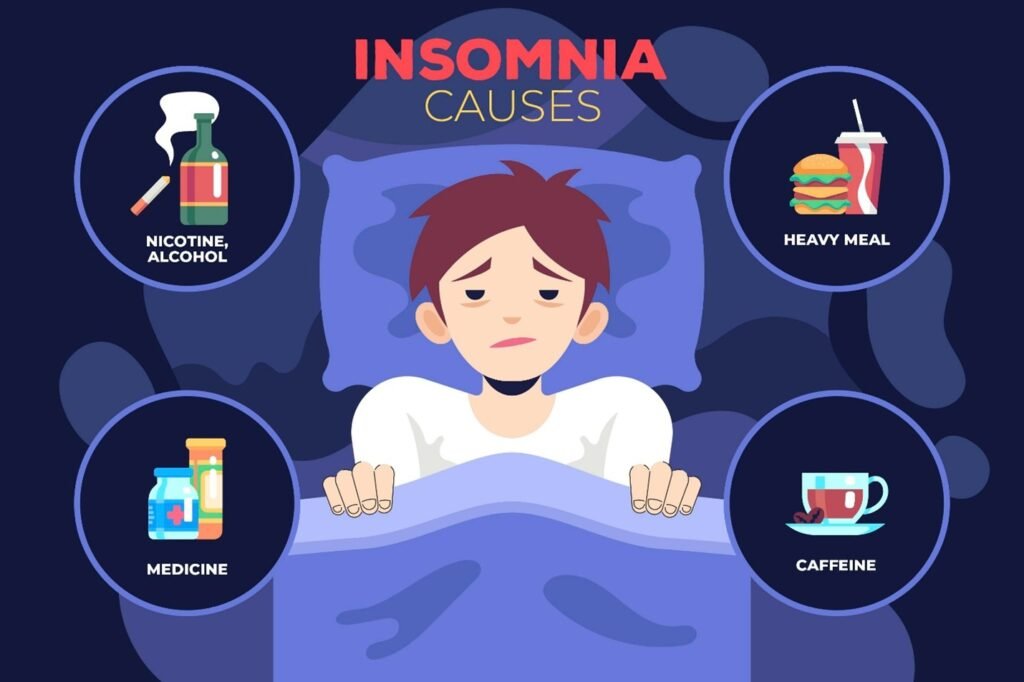
  • Steer clear of stimulants and caffeinated beverages few hours prior bedtime.
  • To help with blood sugar control and lower stress, participate in consistent physical exercise, especially earlier in the day.
  • Create a regular bedtime ritual and sleep schedule even on weekends.
  • Before bed, limit blue light from electronic devices; perhaps read a book instead.
  • Since alcohol interferes with deep sleep cycles, stay away from it before bed.
  • Set the bedroom quiet, dark, and cool to make it sleep-friendly.
  • Control stress with relaxation approaches like mild yoga or meditation.
  • If sleep disorders are possible, think about talking with a healthcare provider; treatments like CPAP or sleep aids could be necessary.

These techniques promote better blood glucose management and general diabetes control by enhancing the quality and length of sleep.

Final Thoughts

In conclusion, maintaining healthy sleep habits is an essential part of managing and preventing diabetes. Restful sleep supports stable blood sugar levels, improves insulin function, and enhances overall well-being. By prioritizing quality sleep and addressing any underlying sleep issues, individuals with diabetes can take an important step toward better health and a more balanced lifestyle.

FAQs

How many hours of sleep do diabetics need?

Diabetics should seek for 7 to 9 hours of excellent sleep each night, equal to that of the general adult population. Too much sleep as well as too little might impair blood sugar regulation by influencing insulin sensitivity and other metabolic mechanisms. Controlling blood sugar depends on having a consistent sleep schedule and following good sleep hygiene.

What does diabetic fatigue feel like?

Diabetes tiredness manifests itself as intense and unrelenting exhaustion, continual lack of energy, cognitive haze, and general weakness not cured by rest or sleep. Often caused by the body’s inability to utilize insulin to change glucose into energy, which results in exhaustion, and may also come from High or low blood sugar levels cause irritability, slowness, and inability to focus.

Is too much sleep bad for diabetes?

Other sleep disruptions and disorders, such as sleep apnea, also seem to raise a person’s odds of having diabetes. But the risk goes up at the other end of the spectrum, too. For reasons that aren’t clear, people who sleep too much — more than 9 hours a night — might also have higher chances of getting diabetes.

Exercise and Diabetes: Benefits and Precautions

Dr. Ahmad Shahzad
Founder | Lyallpur Diabetes Foundation
Consultant Diabetologist | Educator | Advocate for Preventive Care

Exercise is vital for diabetes management because it helps to regulate blood sugar, boost insulin sensitivity, and improve general health. Incorporating exercise into everyday life will greatly benefit the mental as well as physical health of diabetics. Still, one should keep in mind that not all exercises fit all people and that certain safety precautions have to be taken. This essay examines the main benefits of exercise for diabetics together with crucial safety precautions to bear in mind while beginning a successful fitness program.

Understanding the Connection Between Exercise and Diabetes

While high-intensity exercises like weightlifting or sprinting can momentarily raise blood sugar, aerobic activity normally lowers it. Long-term benefits of consistent physical activity also exist. Advantages include improved well-being, decreased heart disease risk, and better weight control. 

How exercise helps

  • Enhance insulin sensitivity: Consistent exercise makes your cells more reactive to insulin, hence enabling them to use glucose more efficiently and decrease blood sugar.
  • Manages blood glucose: Active muscles consume glucose for energy, therefore preventing its buildup in your circulation.
  • Helps with weight control: Exercise supports weight reduction or maintenance, which is a major factor in diabetes management.
  • Lowers other risks: It lowers stroke and heart disease risk, regulates blood pressure and cholesterol, and enhances general health. 

Types of exercise and their effects

  • Aerobic exercise: Low, ongoing activities such walking, swimming, cycling, or running helps to lower blood sugar.
  • High-intensity activity, that is, workouts with short bursts of strong motion like sprinting, high-intensity interval training (HIIT), or weightlifting—can briefly elevate blood sugar levels. because stress hormones were released.
  • Stretching: Depending on the circumstances, light stretching may not greatly affect blood sugar levels. 

Key tips for exercising with diabetes

Key tips for exercising with diabetes
  • Always check your blood sugar before, during, and after activity to see how your body reacts to various stimuli.
  • Watch for hypoglycemia (low blood sugar): Exercise burns glucose, which might reduce your blood sugar. This is a specific danger for people using insulin or specific diabetes drugs.
  • Stay hydrated and eat a little snack or fruit to avoid hypoglycemia should your blood sugar be under your target prior exercise.
  • If your blood or urine test reveals ketones, stay away from hard activity. Call your physician.
  • Plan your exercise; usually 1 to 3 hours after a meal—when blood sugar levels are naturally higher—is the best time to work out.
  • Always consult your doctor before beginning a new workout routine, especially if you take drugs. They can assist you to adapt. your insulin or medicines dosage as required.

You may also like to read: Role of Diet in Diabetes Management

Benefits of Exercise for People with Diabetes

People with diabetes can obtain several advantages from exercise, including weight management, better insulin sensitivity, and better blood glucose management. Improving cardiovascular health, lowering blood pressure, and raising mood and general well-being will also help to reduce complications. Consistency is crucial, and especially successful for diabetes control is the mix of aerobic and strength training.

Blood glucose control and insulin sensitivity 

  • Exercise helps your cells grow more sensitive to insulin so that it can better reduce blood glucose levels.
  • Controls blood sugar: Regular exercise helps your body to process glucose and lowers blood glucose during and after a workout.
  • Muscle mass created by strength training improves insulin sensitivity and helps control blood sugar. 

Cardiovascular health

  • Enhancing Heart Health: Aerobic activities such walking, swimming, and cycling are good for cardiovascular health.
  • Reduces stroke and cardiac disease risk: Particularly crucial for people with diabetes, regular exercise helps to decrease stroke and heart disease risk.
  • Controls blood pressure: Regular exercise lowers blood pressure.
  • Increases your good HDL cholesterol. 

Weight management and overall well-being

  • Aids in weight management: Exercise is a crucial part of managing your weight.
  • Boosts mood: Physical activity can lead to an improved mood and overall sense of well-being.
  • Reduces injury risk: Flexibility and balance exercises, such as yoga, can help reduce the risk of injury. 

Important considerations

  • Especially for people on medication, a regular exercise program is essential for controlling blood sugar; consistency is crucial.
  • Because some workouts might lower or raise blood glucose levels, it is advised to test your blood sugar before, during, and after exercise.
  • Consult a physician: Speaking with your healthcare provider is crucial before you begin or modify your exercise regimen.

Common Mistakes to Avoid

Common mistakes include ignoring blood sugar levels and neglecting to bring quick-acting carbohydrates, exercising in extreme temperatures, not consulting a doctor, and ignoring pain or potential injuries, especially to the feet. It is crucial to monitor blood sugar, stay hydrated, listen to your body, and choose appropriate exercises based on individual health conditions. 

Final Thoughts

Regular exercise is one of the most efficient means to control diabetes and enhance long-term health. People with diabetes can safely experience the many physical and emotional advantages of being active by selecting appropriate activities, keeping track of blood sugar levels, and taking needed precautions. Regularity and adequate direction can turn exercise into a strong ally in better blood sugar management, more energy, and general healthier lifestyle.

FAQs

How to exercise safely with diabetes?

The most prudent strategy is to frequently check your blood sugar. Before working out, measure your blood glucose. Check it as well during workout if you are working out for more than 45 minutes, especially if this is an exercise you have not done regularly. Both immediately after exercise and then later, verify your blood sugar level.

What is the 15 minute rule for diabetes?

If your blood sugar is low, eat 15 grams of carbs then wait 15 minutes, following the 15-15 rule. Recheck your blood sugar. Repeat this procedure if it is still under 70 mg/dL.

What is the best time to exercise for diabetes?

For those with prediabetes or type 2 diabetes, for instance, timing exercise to follow meals could have advantages; but people with type Earlier in the day, exercising might help with 1 diabetes.