Diabetes Pakistan Metabolic Syndrome Date: 1st - 2nd November, 2024 Venue: Serena Hotel, Faisalabad
For Emergencies: +92 41-2694037

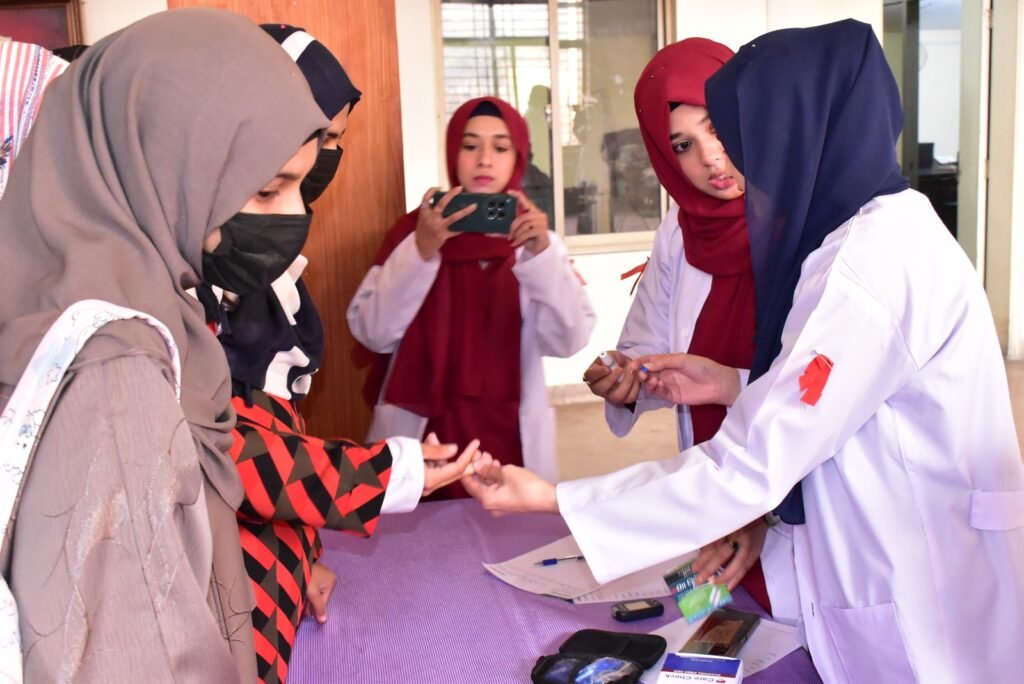
Free Obesity Screening Camp Held at Government College University Faisalabad

Dr. Ahmad Shahzad
Founder | Lyallpur Diabetes Foundation
Consultant Diabetologist | Educator | Advocate for Preventive Care

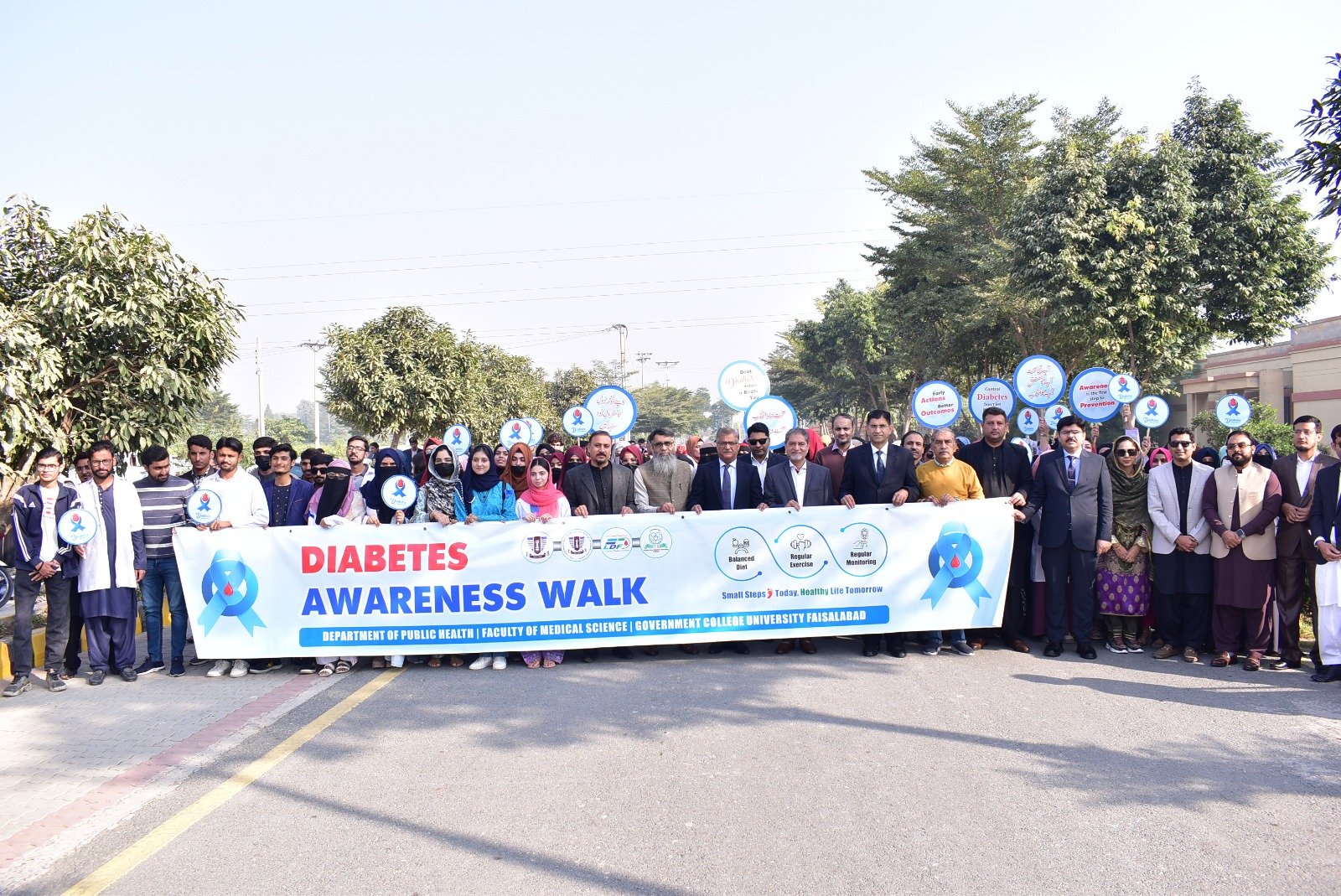
On 28 November 2025, a Free Obesity Screening Camp was successfully organized at Government College University, Faisalabad (GCUF) to mark World Diabetes Day. The initiative was a collaborative effort between Getz Pharma, the Layllpur Diabetes Foundation, the Primary Care Diabetes Association Pakistan, and the university’s Public Health Department.

A Strong Collaborative Effort

The event received exceptional support from the faculty, especially Prof. Dr. Ali Siftain, whose coordination ensured smooth execution. Distinguished speakers shared valuable insights with the attendees:

  • Dr. Ahmad Shazad – Delivered an engaging and interactive lecture on metabolic health.
  • Dr. Owais Fazal – Discussed key medical aspects of diabetes.
  • Prof. Dr. Javid Iqbal – Explained surgical treatment options for obesity and diabetes.

Other notable contributors included Prof. Dr. Aamir ShaukatDr. Ijaz AnwarDr. Masood AhmadDr. Muhammad TariqDr. Shahid Iqbal GillDr. Imran Ullah, and Dr. Yousaf Ikram for their valuable participation and support.

Event Highlights


A total of 750 students and faculty members attended the seminar, which combined awareness sessions with free on-site health screenings. The screening results were as follows:

BMI Screening (138 Participants)

  • Normal weight: 90
  • Overweight: 17
  • Underweight: 31

Blood-Sugar Screening (96 Participants)

  • Normal: 90
  • High (new diagnoses): 6

Cholesterol Screening (10 Participants)

  • Normal: 7
  • High (new diagnoses): 3

A Step Toward a Healthier Campus Community

Beyond the numbers, the camp fostered awareness, conversation, and commitment to healthier living.
Students expressed appreciation for the opportunity to receive free tests and guidance—all within their university premises.

The collaboration between Getz Pharma, the Layllpur Diabetes Foundation, and the Primary Care Diabetes Association Pakistan reflects a shared vision of creating a more informed and health-conscious youth population.

Acknowledgment

We are deeply grateful to Sami Pharma for their generous donation of ₹1,000,000 (One Million Rupees) to support the treatment of patients under the joint initiative of the Lyallpur Diabetes Foundation – Faisalabad and the Primary Care Diabetes Association (PCDA).

This contribution will enable us to provide essential medicines and care to those who need them most, reinforcing our commitment to improving diabetes management and overall health in the Faisalabad community.

“Together, we are making a difference.”

Thank you, Sami Pharma, for your unwavering support and partnership.

The Future of Diabetes Research and Treatment

Dr. Ahmad Shahzad
Founder | Lyallpur Diabetes Foundation
Consultant Diabetologist | Educator | Advocate for Preventive Care

Diabetes is still one of the most common long-term health issues around. Millions carry type 1 or type 2, which keeps straining medical services more every year. Yet things might get better soon. Science, treatments, and tech are coming together in new ways – ways that could change how we manage this condition, make daily life easier, prevent problems down the road, maybe even lead to a full fix.

In this article, we look at new advances changing how diabetes is studied and treated – like better tracking tools or smarter insulin delivery methods. Some researchers are trying out cell-based fixes while others focus on calming immune responses. Personalized care plans also play a big role now.

Advances in Diabetes Monitoring Technologies

Continuous Glucose Monitoring (CGM) & Integrated Devices

In recent times, tracking blood sugar nonstop shifted from rare to common, now typical for lots of folks dealing with diabetes – particularly anyone using insulin.

Today’s glucose monitors link up with devices like insulin pumps or digital pens, so doses can be adjusted using real-time info instead of constant blood checks.

This smart system doesn’t just watch sugar numbers – it gives instant updates, helps figure insulin doses, plus pulls in daily habits such as movement or meals; that mix leads to steadier blood sugar.

Non-Invasive and Wearable Glucose Monitoring

Scientists are now exploring ways to check blood sugar without breaking the skin. New approaches – like light signals, electric sensors, or similar gadgets – might lower or even remove reliance on uncomfortable fingertip jabs.

Fewer hassles could come from these upgrades, meaning checking sugar levels might get easier – particularly where tools are limited or when constant checks feel overwhelming.

The Future of Insulin Therapy

Smart and Glucose-Responsive Insulin

One cool new thing? It’s called smart insulin – built to adjust on its own based on your sugar levels. Here’s how it works: when blood sugar drops, the insulin just sits back; but kicks in once levels rise – so lows become far less likely.

A good case is NNC2215 – this modified insulin reacts to glucose levels, adjusting delivery depending on how high or low blood sugar gets.

If it works well and gets cleared for medical use, this smart insulin might make handling diabetes way easier while also boosting safety – though only time will tell how effective it really is.

Automated Insulin Delivery & Closed-Loop Systems (Artificial Pancreas)

Folks aren’t just tweaking insulin itself – how it’s delivered is changing fast too. Devices linking continuous glucose monitors with pumps, sort of like a self-adjusting setup, are rolling out quicker than ever.

These setups tweak insulin doses instantly, no manual input needed. While some run partly on their own today, smarter versions using clever software could pop up soon.

The result? Fewer shots or hand-done dose math, smoother blood sugar at night, lower chance of crashes or spikes – also easing the mental load on people managing their condition.

Emerging Treatments Aiming for a Cure

Stem Cell–Derived β-Cell Replacement and Islet Transplantation

A big focus in diabetes science is swapping out missing insulin-making cells in the pancreas. Instead of relying on shots, people might get lab-made or donated clusters – called islets – put inside them. These new cells can kickstart natural insulin again once placed in the body.

Promising news – stem-cell-made islets are moving into key human tests, hoping to deliver lasting freedom from insulin shots.

If these tests work – while tackling problems like immune rejection – cell treatments might turn type 1 diabetes from a permanent issue into something controllable or maybe even reversible.

Immunomodulation & Immune Therapy for Autoimmunity in Type 1

Since type 1 diabetes happens when the body’s defenses destroy insulin-producing cells, swapping them out won’t help unless we also calm the immune attack. This is pushing researchers toward treatments that tweak how immunity works.

Take immune treatments that don’t shut everything down – instead, they tweak how the body reacts. These new approaches aim to shield lab-grown or transplanted cells by adjusting defenses, not blocking them entirely.

Some methods try stopping autoantibodies from forming or quieting inflammation – this might delay type 1 diabetes, block it entirely, or protect new insulin cells over time.

Gene Therapy and Genetic Engineering Approaches

Cell replacement isn’t alone – gene treatments are stepping in, like CRISPR tools shaping new options. Instead of just swapping cells, scientists might regrow β-cells using these methods. Immune balance could come from tweaking genes, not only drugs. Fixing inherited risks? That’s now within reach through precise DNA edits.

Fairly new, yet facing big safety and legal hurdles, these methods could change everything – instead of just treating signs, they might tackle what’s really causing the illness.

Innovations in Medication and Broader Drug Therapies

Innovations in Medication and Broader Drug Therapies for diabetes

New treatments for diabetes keep changing beyond just insulin or cell fixes. Besides controlling blood sugar, they tackle weight plus heart risks – key stuff for type 2. Also, these drugs help balance how your body uses energy.

Going ahead, treatments could get more personal – using your DNA, daily habits, plus online health records to shape care. Some progress has already started down this path.

Customizing treatment might improve results while reducing risks, signaling a move toward tailored approaches in managing diabetes.

Preventive Strategies and Lifestyle Technologies

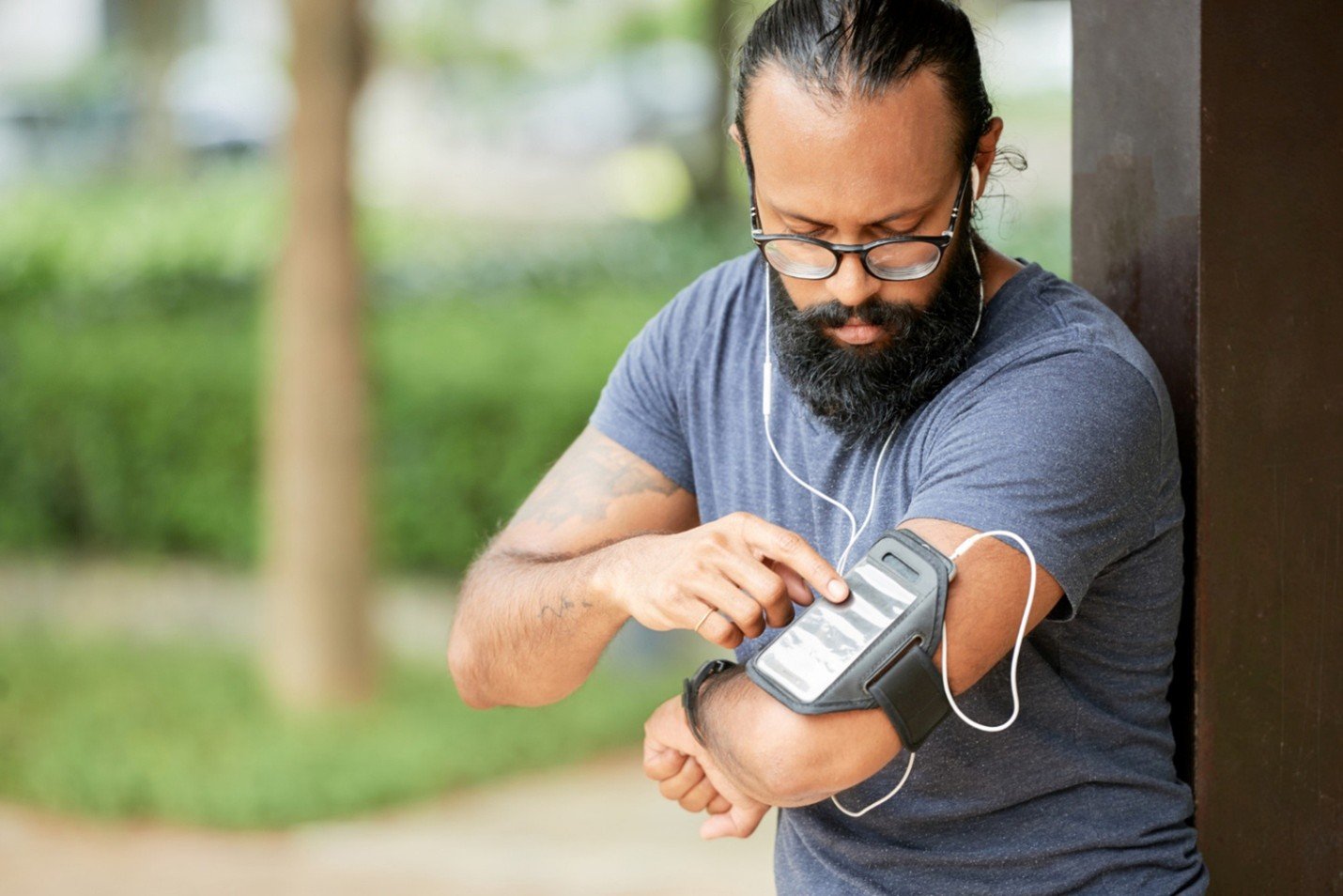
Even though everyone talks about cures, stopping diabetes before it starts matters just as much. New tech like fitness trackers, mobile apps, or virtual coaches can spot warning signs early, follow food and movement as you go, then give advice that fits your habits.

Fueled by better awareness and prevention efforts, these tools could lower diabetes rates, ease its advance, or put off insulin use – particularly with type 2.

Precision nutrition might matter more in coming years – lifestyle data trends also fit into this picture while habit-focused tweaks slowly shape how we handle metabolism overall.

Holistic and Patient-Centered Care Models

Digital Health, Telemedicine, and Remote Monitoring

Folks managing diabetes now rely more on online tools, especially as medical services go digital. With telehealth, people can share glucose readings from afar, skip travel by seeing specialists through video calls, while mobile apps help track daily routines – making life easier for anyone far from clinics or stuck at home due to movement issues.

These models help keep care going, spot problems early, or manage long-term conditions well – so fewer trips to hospitals, people stick to treatment plans, plus check-ins stay regular.

Mental Health, Patient Experience, and Quality of Life Focus

Besides blood sugar levels, dealing with diabetes now includes emotional strain – worry, frustration, daily hassles, plus mood struggles. Coming approaches will mix therapy help, learning tools, habit guidance, along with group connections into regular treatment.

Focusing on the full person – beyond just illness – might help tomorrow’s diabetes treatment boost health results along with daily well-being.

Challenges and Ethical Considerations

  • Accessibility plus price: Some high-end tech – like smart insulin, cell treatments, or gene tweaks – might cost a lot at first, mostly landing in wealthier countries. Getting it everywhere still feels uncertain.
  • Staying safe, how well it works overtime, also what happens if the body fights back – for treatments using cells or genes, we’ve got to dig into risks that might show up later, whether the immune system stays calm, yet watch for any weird reactions down the road.
  • Rules plus moral questions make it tough to approve new treatments – like stem cells or gene tweaks – thanks to strict checks, tangled approval steps, also public concern.
  • Folks without solid internet might miss out on tech-driven health options – spotty networks, weak medical setups, or a shortage of skilled workers can block fair access.

You may also like to read: Benefits of Diabetes Support Apps

What the Next 10–20 Years May Look Like

Optimistic Scenario

  • Folks everywhere start using automatic insulin systems – alongside smarter meds and live glucose tracking – for both main kinds of diabetes.
  • Cell-based treatments might soon go mainstream, so folks could rely less on insulin or ditch it altogether. Gene-edited beta cells may get transplanted one day, offering lasting relief from daily shots. Some patients would need little to no insulin after such procedures. These advances are getting closer to real-world use. Instead of lifelong injections, new options could reset how diabetes is managed.
  • Custom healthcare rises – plans shaped by genes, daily habits, body chemistry. Treatment fits you, because it’s built from your own biology instead of guesswork.
  • Folks start treating body, mind, and daily habits together – care gets better that way. One thing follows another: well-being goes up when everything’s linked.

Realistic Scenario

  • Small upgrades lead the way: smarter glucose monitors, easier-to-get smart pens or pumps, while hybrid auto-insulin setups slowly become available.
  • Cell therapy plus immune system tweaks are only available in limited spots – say, for sick people or those at high risk – with wider use waiting on more proof and lower prices.
  • Digital health brings new ways to reach care, particularly where cities meet suburbs – so more folks can get help without traveling far.
  • Custom help’s still only for people who can afford it – yet word spreads slowly, while community aid grows bit by bit.

Conservative Scenario

  • New developments aim to boost current treatments – better ways to give insulin, track levels, or help daily habits.
  • No big fix yet – though handling symptoms got easier, problems happen less often, living longer became possible, plus day-to-day life feels more manageable.
  • Few steps forward with cell or gene fixes – yet real-world use is still far off because its pricey, rules get in the way, also risks feel too high.

Conclusion

The future of diabetes research feels alive – packed with motion. Smarter ways to track sugar levels or deliver insulin are popping up fast; meanwhile, new ideas like fixing cells, tuning the immune system, tweaking genes, or tailoring treatments shift how people manage the condition every day.

Even if a complete fix is still far off, progress feels closer now. Over the next few decades, dealing with diabetes might stop meaning daily shots and checks, becoming something easier to control – or possibly undo.

As studies move forward, mix hope with realism – prioritize safety, keep costs low, while making sure wide access spreads gains beyond just a handful to plenty more people.

The Benefits of Diabetes Support Apps

Dr. Ahmad Shahzad
Founder | Lyallpur Diabetes Foundation
Consultant Diabetologist | Educator | Advocate for Preventive Care

Diabetes affects tons of people around the world. Keeping it under control means always watching your glucose, pills, food choices, or staying active. Lately, tech-based helpers have started making life easier – especially phone apps made just for diabetics. These little programs help users track symptoms while taking charge of daily routines. Here’s a look at what these apps do, what functions matter most, how they improve day-to-day living, also things to keep in mind before picking one.

What Are Diabetes Support Apps?

Diabetes helper apps are phone programs made for people dealing with blood sugar issues. These tools let you write down your glucose numbers now and then. Tracking what you eat or how many carbs go into your body is easier with them. Moving around? You can keep tabs on exercise using the app too. Need to take pills at certain times – alarms remind you when it’s time. A few of these apps link up straight to gadgets like CGMs or testing meters. That way, folks get updates fast plus smart tips based on fresh info.

Some diabetes apps work one way – others do something completely different

  • Logging your blood sugar? Apps can help track that – also meals or pills. One tool does it all, minus the hassle. Try one if juggling numbers feels tough.
  • Calculator apps – they help figure insulin amounts or count carbs.
  • Apps hooked on CGMs give live updates by linking directly to sugar trackers.
  • Educational apps give tools, advice, or support to help you manage on your own.

Key Features of Diabetes Support Apps

To get why they’re useful, check out a few key things most of these apps usually have:

  • Blood sugar tracking lets people type in numbers or connect gadgets to share data – either way works just fine.
  • Track what you eat, also check carb amounts – this shows how meals shift your glucose levels.
  • Get alerts that nudge you when it’s time to take your meds – or give yourself an insulin shot.
  • Count your moves – like walking or gym time – with a device that updates you as you go. It hooks up to gadgets, so everything stays current without extra effort.
  • Info & Updates: Look at numbers to find patterns in blood sugar, eating habits, maybe daily routines – using number checks that show what’s changing over time or staying the same.
  • Get warnings when sugar’s too high or low, skip logging data, or spot odd trends.
  • Data Sharing: Options to share logs and reports with healthcare providers, caregivers, or family.

Major Benefits of Diabetes Support Apps

Improved Blood Glucose Control

Using diabetes apps can really help manage blood sugar levels. Research shows these tools often lead to lower HbA1c, which reflects how well glucose has been controlled over time.

A recent analysis of 21 random studies found HbA1c dropped around 0.49% in people with type 1 diabetes – while those with type 2 saw a drop near 0.57%. Though results varied, most trials pointed in the same direction.

This effect gets stronger – especially if the app shows input from doctors or nurses.

Enhanced Self-Management & Empowerment

Diabetes apps help people get involved in managing their own well-being. By tracking now and then, folks start noticing what pushes their blood sugar up or down.

Apps can boost how capable people feel. A small hospital test showed folks with a diabetes tool got better at handling their condition – HbA1c levels dropped while belief in their skills went up.

Folks using these apps often get helpful tips on how food, exercise, or daily routines affect their health – so they feel more in charge. Different tools mix lessons with tracking, which makes learning natural. Some explain things step by step while showing real-life changes. This way, people start seeing patterns without feeling overwhelmed. Over time, that knowledge builds confidence from actual experience.

Real-Time Monitoring & Alerts

Apps linked to glucose meters give quick updates, warning you when levels spike or drop. Because they track changes instantly, issues can be caught early – helping avoid serious problems. These alerts make it easier to act fast before things get worse.

These warnings really help folks who could overlook risky blood sugar shifts – offering backup plus calm confidence.

Personalized Insights & Feedback

Besides tracking glucose, meals, or movement, apps slowly gather info. So over time, they might spot trends – like how your sugar jumps after eating – and recommend small tweaks you could try.

Some apps take it a step ahead with smart guesswork. Take, for example, tools that pull info from old logs – like meals, insulin doses, or workouts – to suggest better dose tips based on patterns.

This kind of tailored approach guides people to better choices – ones built on their unique info instead of broad suggestions.

Improved Communication with Healthcare Providers

Some diabetes apps let you send info straight to your doctor, nurse, or coach. Because of this, health pros get a clearer picture – spotting changes over time instead of just guessing from checkups now and then.

In trials, people using apps with help from medical pros saw bigger drops in blood sugar levels than those going solo on apps – team support made a real difference there.

This team-up backs a way to keep care going all the time instead of just quick visits now and then.

Increased Motivation & User Engagement

Plenty of apps use tricks to shift habits – setting targets, sending alerts, adding game-like features, or giving updates now and then.

These tools keep people involved, build better routines, while supporting steady personal control down the road.

In a few cases, people have tried using reinforcement to tweak motivation tips that push movement – which led to better blood sugar handling.

Since people keep getting support along with updates, staying on top of their diabetes becomes easier over time.

Reduced Healthcare Costs & Hospital Visits

Diabetes apps might help cut down on doctor trips. A look at over a thousand people showed those using the apps ended up in hospitals less often – also saving money on care when compared to others who didn’t use them.

This probably happens since good control keeps sudden issues from coming up, which means fewer costly treatments are needed.

You may also like to read: Impact of Diabetes on Travel and Leisure Activities

Challenges & Limitations of Diabetes Support Apps

Though there are clear upsides, you should also keep a few hurdles in mind:

  • Data accuracy isn’t always solid – some tools miss the mark. Wrong entries or glitches when syncing might skew what you see.
  • Easy for non-tech folks? Older adults or those shaky with gadgets might struggle with apps. Yet some get the hang of it over time, though confusion pops up now and then. Clunky designs make things worse instead of helping.
  • Some alerts could get missed – like low blood sugar warnings – if phone settings block them, even when officials say it’s risky.
  • Worries about your info staying safe. Health details go into these apps. Make sure nothing leaks out there. Trust matters – check what the app says it’ll do with your stuff.
  • Putting all your trust in tech might dull your own decision-making abilities – or even basic coping tools – especially when glitches happen.

Tips for Choosing the Right Diabetes Support App

To get the most out of it, choose an app that matches what you need – something that works for how you use it

  • Clinically backed or science-tested? Go for apps checked in real medical studies – or approved by doctors.
  • Fits Your Gear: Check that the app works with your glucose meter or continuous monitor.
  • Key stuff: Pick what really matters – like tracking sugar levels or logging meals, setting alerts, checking trends. Skip the extras.
  • User Experience: The app should be user-friendly and accessible, especially if you’re not very tech-savvy.
  • Ways to give feedback: Tools that let users interact – like sending info straight to a doctor – work better than just tracking things solo.
  • Check how the app handles private info. Make sure your details are locked up tight using encryption.

Conclusion

Diabetes apps are handy tools tackling a common long-term illness. They let people check blood sugar levels while handling meds, watching habits – so sharing info with doctors becomes easier. This leads to steadier glucose numbers, more confidence in managing health, plus fewer expenses over time because care improves bit by bit.

Still, picking the right app matters if people want to get the most out of it – something grounded in research, safe, plus a good fit for how they live. Done well, tools like these can change how folks handle their health day to day, cutting stress while boosting smarts about their condition.

The Impact of Diabetes on Travel and Leisure Activities

Dr. Ahmad Shahzad
Founder | Lyallpur Diabetes Foundation
Consultant Diabetologist | Educator | Advocate for Preventive Care

Living with diabetes isn’t just about medical checkups – it shapes your everyday life. Juggling insulin, meals, and glucose levels takes effort every single day. Trips or fun outings? They often bring extra hurdles. Still, smart prep combined with knowing your body helps keep things under control while on the move.

How Diabetes Affects Travel and Leisure

Disruptions to Daily Routine

Going places messes with daily routines folks with diabetes need. Meals might happen at odd times, local food could have surprise carbs, while crossing time zones shifts when meds are taken. Because of this chaos, keeping blood sugar steady gets tougher.

Blood Sugar Fluctuations During Travel

Switching up your daily habits, feeling excited, or dealing with travel stress might change blood sugar. When you’re jet-lagged, it could mess with the timing of insulin or meds. Also, moving more – say, strolling through towns or trekking trails – can lead to low-sugar episodes that are hard to predict.

Challenges with Food & Diet While Traveling

Tasting regional dishes or street snacks usually stand out on trips – yet if you’re managing diabetes, many options packs load The way you travel might mess with your diabetes control. Hot weather could ruin insulin, meters, and testing supplies. When it’s humid or boiling, both meds and blood sugar levels may act up. Traveling somewhere freezing or high up? That can throw off glucose readings or how insulin works. Of carbs, sugar, or grease. Big servings along with sneaky sweeteners in beverages or sweets complicate blood sugar control. Picking well-rounded plates without skipping flavor means watching what you eat, then adjusting how much.

Physical Activity Considerations

Going on vacation usually means moving around more than usual – checking out places, strolling, splashing in water, trekking trails. Even though staying active helps, there’s a catch: your body might react by soaking up insulin faster, dipping blood sugar levels, or losing too much fluid. Keeping an eye on glucose numbers matters now, also carrying quick-energy snacks just in case.

Environmental & Climate Factors

The way you travel might be messy with your diabetes control. Hot weather could ruin insulin, meters, and testing supplies. When it’s humid or boiling, both meds and blood sugar levels may act up. Traveling somewhere freezing or high up? That can throw off glucose readings or how insulin works.

Common Travel Risks for People with Diabetes

Medical Emergencies

In new places, you may struggle to find medicine or diabetes tools. So, get ready ahead of time – pinpoint clinics close by, figure out which stores sell meds, while bringing a note from your doctor could end up saving your life.

Foot Care Concerns

Wandering around usually involves lots of steps. If you’ve got diabetes, that raises chances of sores, scrapes, or worse damage to your feet – possibly opening the door to infections. Checking your feet daily while skipping barefoot moments (yes, even on sand) really matters.

Insulin & Medication Storage Problems

Insulin reacts badly to extreme temps – high or low temperatures break it down, so it won’t work as well. Experts say store your insulin in a cool place when moving around, just don’t let it touch ice packs. If something goes wrong at home, like losing electricity, handling your medicine right turns extra important.

Stress and Psychological Barriers

Going somewhere new brings pressure – strange spots, not knowing the lingo, missed flights, stuff like that. That kind of strain might push your blood sugar up. Also, always checking levels or stressing over drops takes away from having fun on trips.

Practical Tips for Traveling Safely with Diabetes

Pre-Travel Planning

  • Check with your doctor first – go over changing media based on travel times and daily routines.
  • Grab your paperwork – bring a letter from the doctor, any medicine lists, plus an ID tag or wristband showing you’ve got diabetes.
  • Look up your spot to find clinics or drugstores with insulin gear.

Packing Essentials

  • Carry double the meds plus gear you think you’ll use – because running out sucks.
  • Keep your insulin safe from heat by using a chilled pouch or a padded container – never put it on ice. Instead, rely on cooling packs that don’t touch the medicine directly.
  • Grab something sweet that works quickly – like glucose pills or juice – to fix low blood sugar.
  • Stash your diabetes gear in the bag you take onboard – never pack it in bags that go below. Instead, bring it along where you can reach it easily during the trip.

Managing Blood Sugar on the Go

  • Keep checking: when you travel, your blood sugar might swing without warning.
  • Use alerts to prompt medicine intake or glucose checks.
  • Drink plenty of fluids – these matter more if you’re active or out in the heat.
  • Change your insulin or meds when you move around or cross time zones – but check with your doc first.

Foot Safety During Leisure Activities

  • Wear comfortable, well-fitting shoes appropriate for walking long distances. Podiatrists recommend shoes with a wide toe box and good cushioning.
  • Avoid going barefoot, even on beaches or in hotel rooms.
  • Inspect your feet daily for blisters, cuts, or redness.

Communicating Your Condition

  • Use a medical ID bracelet or card.
  • Inform your travel companions of your diabetes and teach them how to identify and treat low blood sugar.
  • If traveling to a non-English-speaking country, learn how to say “I have diabetes” and “I need sugar” in the local language.

Enjoying Leisure Activities with Diabetes

Outdoor Activities

Whether you’re hiking, sightseeing, or swimming, plan: carry snacks, test your glucose regularly, and adjust insulin or mealtimes to match activity levels.

Adventure Activities

If you’re tackling tougher stuff – like rock climbing or kayaking – double-check your safety gear: grab gloves, wear sturdy shoes, plus keep snacks and meds close. When out far from help, stash glucagon or glucose gel, just like health experts suggest.

Dining Out During Travel

  • Check out hometown dishes – go for light meats, loads of greens, alongside whole grains.
  • Guess about carbs if you’re eating something new.
  • Watch out for sweets or soda, particularly at buffets – have just a bit now and then.

You may also like to read: Role of Family History in Diabetes Risk

Positive Impacts of Travel on Diabetes Management

Going places isn’t only tough for folks managing diabetes – it offers perks too

  • Moving around more – like taking walks or trying new outdoor stuff – helps your body respond better to insulin while also making your heart stronger over time.
  • Mental health gets a boost when you discover fresh spots – stress fades while joy grows, since wandering brings a taste of liberty.
  • Dealing with diabetes in new places helps you grow – handling stress gets easier, you start trusting yourself more, while figuring things out along the way shapes how you react to challenges.

Conclusion

Traveling with diabetes might seem tough at first, yet it’s far from impossible. Planning early helps a lot – bring what you need, know your schedule shifts, while staying on top of your health checks. Some find trips improve how they handle daily routines, since moving around boosts energy plus encourages better choices. Even so, feeling ready means the difference between stress and smooth days out. Diabetes? Just one piece of the trip, nothing more.