

Dr. Ahmad Shahzad
Founder | Lyallpur Diabetes Foundation
Consultant Diabetologist | Educator | Advocate for Preventive Care
Maintaining general health depends on sleep, but for diabetics it is even more so. Studies demonstrate that bad sleep might impair blood sugar regulation, insulin sensitivity, and energy levels, hence complicating condition management. Knowing how sleep and diabetes are related helps to illuminate why regular, quiet sleep is not just a luxury but also a crucial component of diabetes treatment and prevention.
Understanding the Link Between Sleep and Diabetes
Bad sleep raises the risk of getting diabetes, but diabetes can interfere with sleep—thus establishing a two-way connection. Insufficient or too much sleep hurts blood sugar regulation by altering hormones, aggravating insulin resistance, and hence supporting weight gain. Conversely, symptoms of diabetes like frequent urination or neuropathy-induced pain can disturb sleep.
How poor sleep increases diabetes risk
- Lack of sleep can throw hormones that control stress (like cortisol) and hunger (like ghrelin) off balance, therefore impairing blood sugar management.
- Sleep deprivation causes the body to be less efficient at utilizing insulin, hence raising insulin resistance, a major precursor to type 2 diabetes.
- Weight gain: Bad sleep may cause increased hunger and weight gain, both of which raise the risk of developing type 2 diabetes.
- Unhealthy habits: Tiredness from a lack of sleep can lead to poorer dietary choices and less physical activity, further increasing diabetes risk.
How diabetes disrupts sleep
- Regular urination (nocturia): Increased blood sugar can wake you awake often to urinate.
- Pain and discomfort: Diabetic neuropathy can cause pain, tingling, or burning in the feet and hands, making it difficult to sleep soundly.
- Nocturnal hypoglycemia: Low blood sugar levels during the night can cause sweating, nightmares, or confusion upon waking.
- Many individuals with diabetes also have sleep apnea, hence there is a clear correlation between the illness and diabetes.
Benefits of Restful Sleep for Diabetic Health
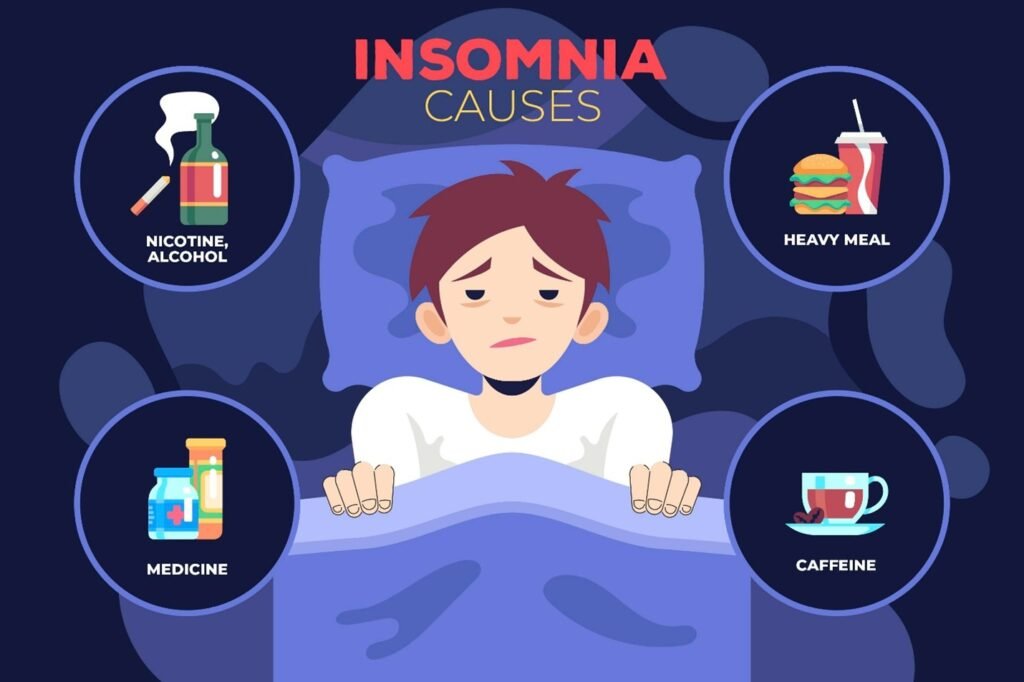
Restful sleep promotes diabetic health by bettering blood sugar control, balancing hormones including insulin and cortisol, and aiding weight management. It helps the body to utilize insulin more effectively and lowers the risk of developing insulin resistance, therefore lowering blood sugar levels. and the beginning of diabetes type 2.
Key benefits of restful sleep for diabetic health
- Better blood sugar control: Proper sleep helps maintain more steady blood sugar levels and enhances the body’s management of blood sugar following meals. Higher morning blood glucose levels can result from not getting enough sleep.
- Sleep controls important hormones including insulin, ghrelin (a hunger hormone), and cortisol (a stress hormone). Poor sleep can upset this balance, resulting in high cortisol levels that cause the liver to release more glucose and thereby raise blood glucose.
- When well-rested, your body is better at using insulin to transport glucose from the blood into cells for energy. Lack of sleep might raise insulin resistance, thereby complicating your body’s control of blood sugar.
- Sleep helps to control appetite hormones, so a lack of it can cause more hunger and snacking. Controlling diabetes depends on maintaining a healthy weight.
- Encouragement of mental and physical activity: Good sleep is necessary for general physical and mental health; hence, it helps your body to operate normally in everyday life.
You may also like to read: Exercise and Diabetes
Tips to Improve Sleep Quality for People with Diabetes
- By selecting low glycemic foods and tracking glucose levels—particularly preventing nighttime hypoglycemia—manage blood sugar fluctuations.
- Steer clear of stimulants and caffeinated beverages few hours prior bedtime.
- To help with blood sugar control and lower stress, participate in consistent physical exercise, especially earlier in the day.
- Create a regular bedtime ritual and sleep schedule even on weekends.
- Before bed, limit blue light from electronic devices; perhaps read a book instead.
- Since alcohol interferes with deep sleep cycles, stay away from it before bed.
- Set the bedroom quiet, dark, and cool to make it sleep-friendly.
- Control stress with relaxation approaches like mild yoga or meditation.
- If sleep disorders are possible, think about talking with a healthcare provider; treatments like CPAP or sleep aids could be necessary.
These techniques promote better blood glucose management and general diabetes control by enhancing the quality and length of sleep.
Final Thoughts
In conclusion, maintaining healthy sleep habits is an essential part of managing and preventing diabetes. Restful sleep supports stable blood sugar levels, improves insulin function, and enhances overall well-being. By prioritizing quality sleep and addressing any underlying sleep issues, individuals with diabetes can take an important step toward better health and a more balanced lifestyle.
FAQs
How many hours of sleep do diabetics need?
Diabetics should seek for 7 to 9 hours of excellent sleep each night, equal to that of the general adult population. Too much sleep as well as too little might impair blood sugar regulation by influencing insulin sensitivity and other metabolic mechanisms. Controlling blood sugar depends on having a consistent sleep schedule and following good sleep hygiene.
What does diabetic fatigue feel like?
Diabetes tiredness manifests itself as intense and unrelenting exhaustion, continual lack of energy, cognitive haze, and general weakness not cured by rest or sleep. Often caused by the body’s inability to utilize insulin to change glucose into energy, which results in exhaustion, and may also come from High or low blood sugar levels cause irritability, slowness, and inability to focus.
Is too much sleep bad for diabetes?
Other sleep disruptions and disorders, such as sleep apnea, also seem to raise a person’s odds of having diabetes. But the risk goes up at the other end of the spectrum, too. For reasons that aren’t clear, people who sleep too much — more than 9 hours a night — might also have higher chances of getting diabetes.