
Dr. Ahmad Shahzad
Founder | Lyallpur Diabetes Foundation
Consultant Diabetologist | Educator | Advocate for Preventive Care
Diabetes affects tons of people around the world. Keeping it under control means always watching your glucose, pills, food choices, or staying active. Lately, tech-based helpers have started making life easier – especially phone apps made just for diabetics. These little programs help users track symptoms while taking charge of daily routines. Here’s a look at what these apps do, what functions matter most, how they improve day-to-day living, also things to keep in mind before picking one.
What Are Diabetes Support Apps?
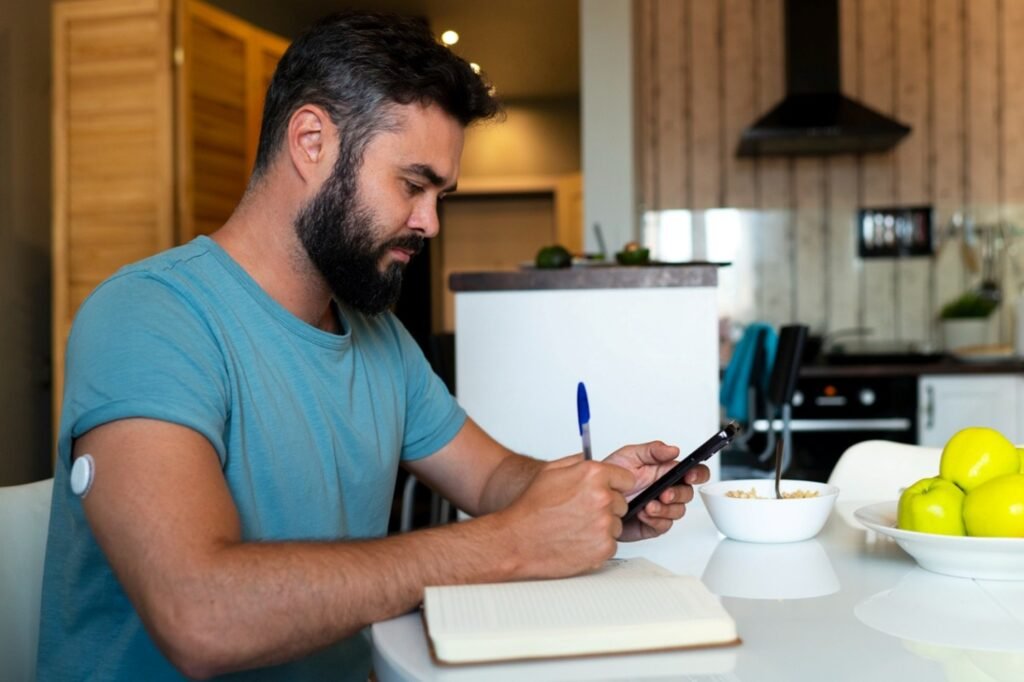
Diabetes helper apps are phone programs made for people dealing with blood sugar issues. These tools let you write down your glucose numbers now and then. Tracking what you eat or how many carbs go into your body is easier with them. Moving around? You can keep tabs on exercise using the app too. Need to take pills at certain times – alarms remind you when it’s time. A few of these apps link up straight to gadgets like CGMs or testing meters. That way, folks get updates fast plus smart tips based on fresh info.
Some diabetes apps work one way – others do something completely different
- Logging your blood sugar? Apps can help track that – also meals or pills. One tool does it all, minus the hassle. Try one if juggling numbers feels tough.
- Calculator apps – they help figure insulin amounts or count carbs.
- Apps hooked on CGMs give live updates by linking directly to sugar trackers.
- Educational apps give tools, advice, or support to help you manage on your own.
Key Features of Diabetes Support Apps
To get why they’re useful, check out a few key things most of these apps usually have:
- Blood sugar tracking lets people type in numbers or connect gadgets to share data – either way works just fine.
- Track what you eat, also check carb amounts – this shows how meals shift your glucose levels.
- Get alerts that nudge you when it’s time to take your meds – or give yourself an insulin shot.
- Count your moves – like walking or gym time – with a device that updates you as you go. It hooks up to gadgets, so everything stays current without extra effort.
- Info & Updates: Look at numbers to find patterns in blood sugar, eating habits, maybe daily routines – using number checks that show what’s changing over time or staying the same.
- Get warnings when sugar’s too high or low, skip logging data, or spot odd trends.
- Data Sharing: Options to share logs and reports with healthcare providers, caregivers, or family.
Major Benefits of Diabetes Support Apps
Improved Blood Glucose Control
Using diabetes apps can really help manage blood sugar levels. Research shows these tools often lead to lower HbA1c, which reflects how well glucose has been controlled over time.
A recent analysis of 21 random studies found HbA1c dropped around 0.49% in people with type 1 diabetes – while those with type 2 saw a drop near 0.57%. Though results varied, most trials pointed in the same direction.
This effect gets stronger – especially if the app shows input from doctors or nurses.
Enhanced Self-Management & Empowerment
Diabetes apps help people get involved in managing their own well-being. By tracking now and then, folks start noticing what pushes their blood sugar up or down.
Apps can boost how capable people feel. A small hospital test showed folks with a diabetes tool got better at handling their condition – HbA1c levels dropped while belief in their skills went up.
Folks using these apps often get helpful tips on how food, exercise, or daily routines affect their health – so they feel more in charge. Different tools mix lessons with tracking, which makes learning natural. Some explain things step by step while showing real-life changes. This way, people start seeing patterns without feeling overwhelmed. Over time, that knowledge builds confidence from actual experience.
Real-Time Monitoring & Alerts
Apps linked to glucose meters give quick updates, warning you when levels spike or drop. Because they track changes instantly, issues can be caught early – helping avoid serious problems. These alerts make it easier to act fast before things get worse.
These warnings really help folks who could overlook risky blood sugar shifts – offering backup plus calm confidence.
Personalized Insights & Feedback
Besides tracking glucose, meals, or movement, apps slowly gather info. So over time, they might spot trends – like how your sugar jumps after eating – and recommend small tweaks you could try.
Some apps take it a step ahead with smart guesswork. Take, for example, tools that pull info from old logs – like meals, insulin doses, or workouts – to suggest better dose tips based on patterns.
This kind of tailored approach guides people to better choices – ones built on their unique info instead of broad suggestions.
Improved Communication with Healthcare Providers
Some diabetes apps let you send info straight to your doctor, nurse, or coach. Because of this, health pros get a clearer picture – spotting changes over time instead of just guessing from checkups now and then.
In trials, people using apps with help from medical pros saw bigger drops in blood sugar levels than those going solo on apps – team support made a real difference there.
This team-up backs a way to keep care going all the time instead of just quick visits now and then.
Increased Motivation & User Engagement
Plenty of apps use tricks to shift habits – setting targets, sending alerts, adding game-like features, or giving updates now and then.
These tools keep people involved, build better routines, while supporting steady personal control down the road.
In a few cases, people have tried using reinforcement to tweak motivation tips that push movement – which led to better blood sugar handling.
Since people keep getting support along with updates, staying on top of their diabetes becomes easier over time.
Reduced Healthcare Costs & Hospital Visits
Diabetes apps might help cut down on doctor trips. A look at over a thousand people showed those using the apps ended up in hospitals less often – also saving money on care when compared to others who didn’t use them.
This probably happens since good control keeps sudden issues from coming up, which means fewer costly treatments are needed.
You may also like to read: Impact of Diabetes on Travel and Leisure Activities
Challenges & Limitations of Diabetes Support Apps
Though there are clear upsides, you should also keep a few hurdles in mind:
- Data accuracy isn’t always solid – some tools miss the mark. Wrong entries or glitches when syncing might skew what you see.
- Easy for non-tech folks? Older adults or those shaky with gadgets might struggle with apps. Yet some get the hang of it over time, though confusion pops up now and then. Clunky designs make things worse instead of helping.
- Some alerts could get missed – like low blood sugar warnings – if phone settings block them, even when officials say it’s risky.
- Worries about your info staying safe. Health details go into these apps. Make sure nothing leaks out there. Trust matters – check what the app says it’ll do with your stuff.
- Putting all your trust in tech might dull your own decision-making abilities – or even basic coping tools – especially when glitches happen.
Tips for Choosing the Right Diabetes Support App
To get the most out of it, choose an app that matches what you need – something that works for how you use it
- Clinically backed or science-tested? Go for apps checked in real medical studies – or approved by doctors.
- Fits Your Gear: Check that the app works with your glucose meter or continuous monitor.
- Key stuff: Pick what really matters – like tracking sugar levels or logging meals, setting alerts, checking trends. Skip the extras.
- User Experience: The app should be user-friendly and accessible, especially if you’re not very tech-savvy.
- Ways to give feedback: Tools that let users interact – like sending info straight to a doctor – work better than just tracking things solo.
- Check how the app handles private info. Make sure your details are locked up tight using encryption.
Conclusion
Diabetes apps are handy tools tackling a common long-term illness. They let people check blood sugar levels while handling meds, watching habits – so sharing info with doctors becomes easier. This leads to steadier glucose numbers, more confidence in managing health, plus fewer expenses over time because care improves bit by bit.
Still, picking the right app matters if people want to get the most out of it – something grounded in research, safe, plus a good fit for how they live. Done well, tools like these can change how folks handle their health day to day, cutting stress while boosting smarts about their condition.