
Dr Muizza Shahzad
BDS, Registered Dental Surgeon
Executive Member, LDF
The mouth bacteria metabolism impact reaches far beyond oral health, influencing everything from cavity formation to systemic diseases. An ocean of microbes living in our mouths starts crunching sugars, proteins, and other food substances at all times. Such metabolic processes create acids, toxins, and other products. These products harm teeth and gums and may cause inflammation. It also enter the bloodstream, spreading across the gut and heart and altering the metabolism. It is essential to understand the mechanism of nutrient consumption by oral bacteria so as to preserve your smile and general health.
What Is Mouth Bacteria Metabolism?
Mouth bacteria metabolism is the set of biochemical processes involved in which bacteria living in the mouth degrade generic substances like carbohydrates, protein, glycoproteins, and amino acids. Organic acids, short-chain hydrocarbons, ammonia, and other metabolites are released during these metabolic activities and thus interfere with oral health.
Key points about mouth bacteria metabolism include:
- In oral bacteria glycolysis, or in more detail, the Embden-Meyerhof-Parnas pathway is used to break down dietary sugars and carbohydrates. It forms acids such as lactic acid, acetic acid, formic acid, and ethanol. Bacterial species capable of producing acid that contributes to tooth demineralization to cause dental caries are acid-producing bacteria (lactobacillus, streptococcus, and actinomyces).
- Certain bacteria make ammonia or other alkaline metabolites by the breakdown of arginine or urea or by nitrate reduction to ammonia. This aids in neutralizing acids in the mouth, keeping enough balance of PH and oral health.
- These proteolytic bacteria, such as Prevotella and Porphyromonas species, degrade proteins and peptides to amino acids. It metabolize further to form short-chain fatty acids, sulfur, ammonia, and other substances that may contribute to periodontal disease and oral malodor.
- Oral bacteria can catabolize them to produce metabolite. Some of which take part in disease mechanisms, such as periodontal disease, including acetate, butyrate, propionate, and phenylacetate.
- Various metabolic processes of oral bacteria can have effects on the oral environment and also on the health in the system. As an example, nitric oxide produced by nitrate-reducing bacteria has applications outside of oral health.
Local Effects in the Mouth
Local impacts by mouth bacteria mainly pertain to the impact of oral bacteria, usually on dentistry and gum health. Major local consequences of oral bacteria in the mouth are:
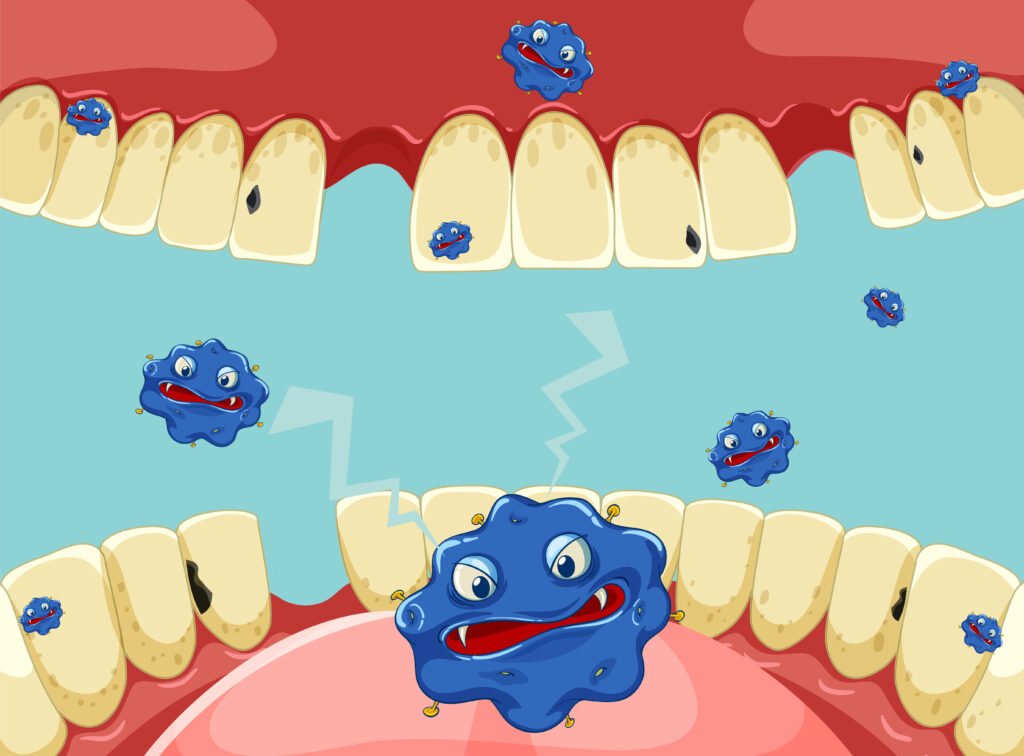
- Tooth Decay (Dental Caries): Some particular bacteria, especially Streptococcus mutans, break down sugars and starches in food into acid by-products. Such acids can corrode the tooth enamel, causing cavities. This production of acid without proper oral hygiene makes teeth weak and ultimately decay.
- Gum Disease: Gums are prone to holding bad bacteria that can lead to inflammation of the gums. It also referred to as gingivitis, due to their sore, swollen, and bleeding gums. Unmanaged, this may develop into periodontitis, destroying the tissues and bones underlying such teeth, possibly leading to toothlessness.
- Formation of Plaque and Tartar: The bacteria develop a sticky film called plaque on the teeth, gums, and interdentally. Unless it is burned off during brushing and cleaning by a dentist. The plaque will harden into tartar and be a source of decay and gum disease.
- Bad Breath (Halitosis): Colonies of bacteria on the tongue and other parts of the mouth excrete sulfur and other compounds, which produce a foul smell. Frequent oral and tongue cleaning will counter this.
- Oral Infections: Oral bacterial imbalance may cause gum or soft tissue infections in the mouth, creating pain, swelling, and discomfort. The serious infections may give rise to secondary conditions that are more harmful to health.
- Connection to Systemic Health: Oral infections may leak bacteria and toxins into the bloodstream. It lead to systemic health-related issues, such as heart disease, respiratory diseases, etc.
The Mouth–Metabolism–Inflammation Cycle
Mouth-Metabolism-Inflammation Cycle is described as an active and interactive process in which the metabolism of bacteria in the mouth can affect both local inflammatory processes and the metabolism of microorganisms, forming a vicious cycle:
- Oral Dysbiosis and Metabolism: Pathogenic bacteria like Porphyromonas gingivalis grow when there is an imbalance in the bacteria of the mouth (oral dysbiosis). Such bacteria ferment substrates and generate harmful products such as lipopolysaccharides (LPS), ammonia, and short-chain fatty acids.
- Local Inflammation: These bacterial metabolites and components stimulate the local host defence, resulting in local inflammation of oral tissues (gingivitis, periodontitis). Inflammatory cytokines and immune cells are recruited through the immune response, which causes tissue damage.
- Tissue Damage and metabolic byproduct: Inflammation causes tissue damage, which leads to nutrients and breakdown products, the fuel source to pathogenic bacteria, leading to further changes in bacterial metabolism to exacerbate dysbiosis.
- Bacteremia and Systemic Spread: Tissue attacks mediated by inflammation cause mouth bacteria and metabolites to gain access to the bloodstream (bacteremia), where the infectious agent and the signal of inflammation become widespread.
- Systemic Inflammation through Oral-Gut Axis: Oral bacteria translocation to the gut can change gut microbiome and gut barrier dysfunction, leading to worsening systemic inflammation. Oral immune cells that are primed can travel and act locally to cause inflammatory complications at other locations, such as the gut.
- Chronic Systemic Inflammation: NF-kB and immune dysregulation. This long-term systemic inflammation is a causative factor in metabolic syndrome, cardiovascular diseases, and autoimmune diseases, as well as other chronic diseases.
You may also like to read: Is Gum Disease Hereditary?
Factors Influencing Mouth Bacteria Metabolism
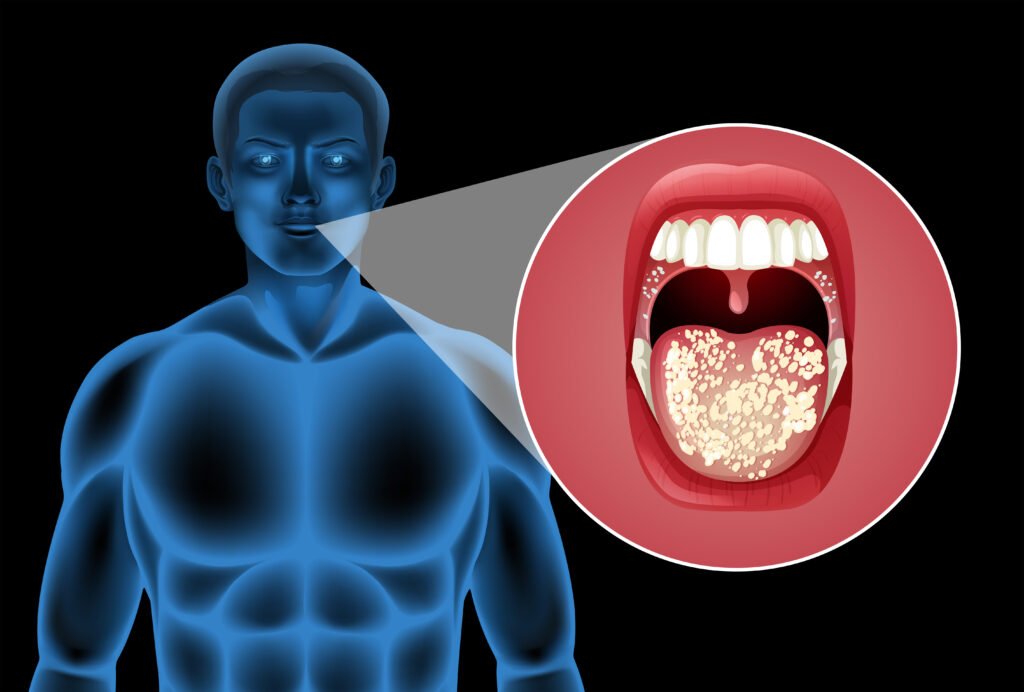
Various biological, environmental, and lifestyle factors are contributors to mouth bacteria metabolism: these factors influence oral microbiome growth, constitution, and metabolic activity:
- Nutritional Factors:
- Saliva is useful in that it contains fundamentals like amino acids, peptides, proteins, glycoproteins, vitamins, and minerals necessary by oral bacteria in order to grow and burn.
- Gingival crevicular fluid (GCF) is also a source of nutrients that harbor albumin, heme-containing compounds that enhance the growth of bacteria in subgingival regions.
- Habit involves the effect of diet on the bacteria, especially the supply of sugars and carbohydrates on which some bacteria thrive to generate acids that cause tooth decay. But salivary and tissue endogenous nutrients are also the main factor.
- Saliva Composition and Flow:
- Salivary buffering capacity underlies bicarbonate and phosphate levels and counteracts mouth pH changes, influencing bacterial tolerance to acids and their activity.
- Saliva clearance of food material and bacteria is altered by salivary flow, which influences biofilm development and metabolism of bacteria.
- Altered bacterial metabolism and risk of oral diseases can occur through changes in saliva caused by dehydration or diseases.
- Oral Environment:
- Physical conditions, nutrients, pH, temperature, redox potential, humidity, and mechanical forces in the mouth form niches that sustain different bacterial communities.
- Bacterial proliferation is affected by diet (acidic intake) and bacterial metabolism with the pH becoming acidic in favor of acidogenic and aciduric bacteria.
- Biofilms have non-uniform availabilities of oxygen, meaning bacteria exhibit either anaerobic or aerobic metabolism.
- Host Factors:
- Sex steroids, cholesterol, catecholamines, which are delivered by saliva, are absorbed by the hostand can balance the amount and the atmosphere.
- Salivary factors such as IgA and antimicrobial peptides affect bacterial growth and activity.
- Oral microbiome dynamics and saliva composition are genetically and physiologically variable in different people.
- Microbial Interactions:
- The combination of bacterial Engway species (such as Streptococcus and Lactobacillus) and bacterial and fungal species (such as Candida albicans) may boost or restrict metabolic activity.
- Other bacteria degrade the products of others (e.g., Veillonella degrades lactic acid produced by Streptococcus), and affect the metabolism of the community as a whole.
- External Factors:
- Oral hygiene, exposure to chemicals (mouthwashes, toothpaste), and drugs influence the viability and metabolism of bacteria.
- Smoking, drinking, and the environment also influence the bacterial communities.
How to Support a Healthy Oral Microbiome
To support a healthy oral microbiome, follow these brief key steps:
- Good oral hygiene: To keep the plaque and food that carries bad bacteria, brush your teeth twice a day and use a floss once per day. Take a look at tongue cleaning as well.
- Eating well: Add more whole foods, fruits, and vegetable fiber into your diet and less sugar and processed foods that encourage the bratty bugs.
- Hydrate yourself: This prevents dry mouth, which can alter the balance of microbes.
- Apply probiotic oral health care: Probiotic toothpastes or mouthwash may help to restore oral microflora by introducing healthy bacteria.
- Stop using tobacco and too much alcohol: These distort the oral microbiome and predispose to disease.
- Proper dental visits: Professional cleanings and individual recommendations are of assistance to long-term oral microbial well-being.
The combination of practices will aid in creating a balance, diverse oral microbiome that is essential in oral and overall health.
Final Thoughts
The mouth bacteria metabolism impact is a powerful reminder that oral health and overall health are deeply connected. The metabolism of these small microbes may either benefit or destroy the body through the level of maintenance of the oral environment. You can manage bad bacterial activity and promote a healthy microbiome by having consistent oral health and making conscious food decisions, including routine dentist visits. No healthy mouth equals no beautiful smile; instead, it equals part of your body’s defense and long-term health.