

Dr. Ahmad Shahzad
Founder | Lyallpur Diabetes Foundation
Consultant Diabetologist | Educator | Advocate for Preventive Care
People commonly experience sleep deprivation—regularly sleeping less than the optimal amount—due to stressful lifestyles, excessive screen use, and irregular sleep patterns. This sleep deprivation does not just affect levels of cognitive performancebut it is also very dangerous on a metabolic level. Several research have drawn attention to the impact of sleep deprivation on body mechanisms. Especially how sleep deprivation leads to obesity, diabetes type 2 and cardiovascular disease. Hormonal changes, insulin resistance, and inflammation cause these risks by disrupting the body’s energy processing. It leads to unhealthy weight gain and chronic metabolic problems.
How Sleep Regulates Metabolism
Under resting sleep, the metabolism rate of the body decreases by about 15 percent and is lowest in the morning. This less drastic decline is unlike what would be expected due to physical inactivity. Since activities are maintained equivalently by the basal metabolic rate; this is to preserve necessary functions of the cells. Glucose expenditure is reduced in non-REM (particularly slow-wave sleep, SWS) giving a natural diurnal fluctuation to the use of energy substrates: during deep sleep minimal glucose is used and when awake maximally. Several other biopsies present circadian variability in protein, fat, and glucose turnover, and in adipose tissue, lipid synthesis is normally more accentuated at night than during the day.
Role of Key Hormones in Metabolic Balance and Sleep
Sleep is a critical period for hormonal regulation, with significant fluctuations in various hormones:
- Insulin: In the initial night sleep process especially SWS, a relative insulin resistance is experienced with raised production of the growth hormone. Nevertheless, the overall insulin sensitivity is maintained optimally when there is optimum sleep duration and quality. Sleep deprivation causes insulin resistance, and inability to tolerate glucose, which puts one at risk of developing type 2 diabetes.
- Leptin & Ghrelin: Leptin (appetite-suppressing) builds up in sleep, and ghrelin (appetite-stimulating) drops, a factor which leads to decreased hunger. Such a balance is disrupted when one gets less sleep the leptin decreases and ghrelin increases and makes people feel hungrier predisposing them to overkilling and gaining weight.
- Cortisol: Cortisol, also known as the stress hormone, generally has a circadian pattern with low concentrations at night and high levels right before awakening to stimulate the body to be active. The effect of sleep deprivation is that it leads to high cortisol in the evening, which facilitates glucose disruption as well as metabolic pressure.
- Melatonin: Melatonin is a substance secreted at night by the pineal gland that induces sleep and facilitates the adjustment of other natural rhythms; it is also an antioxidant that favors metabolic well-being. Impaired sleep and metabolism Dysregulation in the melatonin signaling interrupts sleep as well as metabolism (in shift work or exposure to artificial light).
- Growth Hormone: The growth hormone is mostly secreted during the deep (SWS) sleep and is the molecule needed to repair the tissue, build muscle, and control the process of metabolizing the lipid molecules. Insufficient sleep restricts this pulsatile surge of the hormone impairing regeneration and fat metabolism.
Impact on Appetite, Cravings, and Calorie Intake
When sleep is insufficient:
Food cravings in high-calorie food and more importantly high-carb food heighten. The increased concentration of ghrelin and the decrease in leptin contributes to this since it becomes more difficult to fight unhealthy snacks and servings.
· Sleep-deprived individuals tend to consume more calories and sometimes above the amount of their daily energy need that can contribute to weight gain with time.
· The length of sleep is not the only factor involving lowered feelings of fullness (satiety), and the further disruption of these hormones, when possible, sleep fragmentation lowered the likelihood of eating snacks, particularly evening.
You may also like to read: Role of Gut Microbiome in Metabolic Health
Importance of Circadian Rhythm in Metabolic Regulation
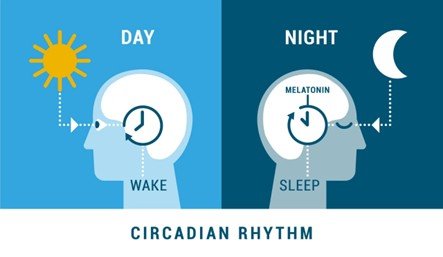
Sleep-wake rhythms, coordinated to the circadian timing system (suprachiasmatic nucleus/ SCN of the brain), entrain the peripheral clocks (metabolic tissues liver, adipose, muscle). This circadian control makes the metabolism, release of hormones and cell performances optimum as per the time of the day.
- Circadian disruption that can be caused by working shifts or engaging in late-night screen usage or jet lag afflicts the hormone cycles, decreases insulin sensitivity, alters hunger hormones, and raises the chances of becoming obese and developing diabetes and other metabolic disorders.
- It is also important to have meals on schedule; they should not be on time (late night) because then the metabolic processes can be separated in relation to the circadian, exacerbating metabolic outcomes despite maintaining the same number of calories.
Tips to Improve Sleep for Better Metabolic Health
A better and longer sleep is an effective tool to assist in maintaining a healthy metabolism, well-balanced hormones, and the reduction in weight as well as the metabolic diseases risks. The following are science-based strategies:
1. Set a Regular Sleep Schedule
- You must also go to bed and wake up at the same time every day and even during weekends. This will match your inner clock, to maximize the release of hormones and metabolism.
- Regular timing fortifies your sleep-wake patterns and enhances both the quality of sleep and makes the appetite hormones, such as leptin and ghrelin, better regulated.
2. Reduce Screen Time and Caffeine Intake
- Reduce the amount of time spent on the screen (phones, tablets, TV) at least 1 hour prior to bedtime. Exposure to blue light may counteract melatonin levels and delay sleep as well as disturb the circadian rhythms that are essential to the regulation of metabolism.
- Make late afternoon or late in the evening avoidance of caffeine. Caffeine is a stimulant that may take hours before it is out of your system, thus making it more difficult to fall asleep and sleep.
3. Create a Sleep-Friendly Environment
- Make your bedroom cool and dark with little noise. Employ blackout curtains, earplugs and get your thermostat at a comfortable level.
- Turn your bedroom/bed into a place of rest and no work or electronics. A relaxing atmosphere will signal to your brain and body that it is time to get restful sleep, which helps with hormones and metabolic health.
4. Seek Medical Help for Sleep Disorders
- Similar issues that indicate the presence of sleep disorders are snoring, constant arousal and manifestations of extreme tiredness. When left without medical treatment, these conditions worsen metabolism, higher risk of developing insulin resistance, and aggravate hormonal imbalances.
- Discuss the issue with a medical professional if you have long-term sleep issues: he or she may prescribe some form of therapy or medical procedure to help regain healthy sleep and ensure metabolic health.
Making sleep a priority by following these tips helps align hormonal balance and metabolism for long-term health and weight control.
Final Thoughts
Sleep is an important cornerstone of metabolic wellbeing, the loss of which may result in a cascade of ill consequences. Failure to provide adequate rest to a body can negatively impact important hormonal systems by increasing ghrelin and decreasing the levels of leptin and cortisol, leading to rising appetite, weight gain, insulin resistance, and an inflammatory state. In the long term, such disturbances increase the risk of obesity, type 2 diabetes, and cardiovascular disease greatly. With an emphasis on consistency, high-quality sleep is habitually crucial not only in the clear thinking and the emotional state but also to keep the metabolism balanced. Making proactive decisions to reduce the long-time health risk connected with sleep deprivation, including creating the regular sleep schedules, restful environment, and sleeping disorder managing, can contribute a lot to the overall metabolic health.