
Dr. Ahmad Shahzad
Founder | Lyallpur Diabetes Foundation
Consultant Diabetologist | Educator | Advocate for Preventive Care
Mental and metabolic health are more interlinked than was previously assumed. Although metabolic health is associated with blood sugar, cholesterol, blood pressure, and weight, studies reveal that it is relevant in mental health. The ill health of metabolism has been associated with depression and anxiety. It makes an important reason to have a more integrative approach to health. In this article we will discuss the connection between metabolic and mental health.
What Is Metabolic Health?
Metabolic health describes the quality with which your body processes and controls important aspects of health such as blood sugar, blood fats (cholesterol and triglycerides), blood pressure and waist circumference. It shows the effectiveness of how well your body changes food into energy. It regulates insulin and maintains the stability of these markers. These factors overall combine to influence the likelihood of having chronic diseases like type 2 diabetes, cardiovascular disease, stroke, and cancer.
Important notes of metabolic health:
- The way your body reacts to insulin, a compound that transports sugar in the body into cells. Deficient response (insulin resistance) results in elevated sugar level in the blood.
- Having blood pressure, glucose, cholesterol, and triglycerides levels, as well as waist measurement, at healthy levels.
- Fewer or zero of these risk factors at unhealthy levels lowers your chances of having metabolic syndrome. A combination of ailments that puts you at risk of severe disorders.
What Is Mental Health?

Mental health is a definition of emotional, psychological and social well-being. It can influence the thoughts, emotions, and actions of people. Their methods of coping with stress, their relations with others and preferences in daily life decisions. Good mental health allows individuals to handle the usual pressure of life, strive to meet potential, and perform proficiently at work. It is the valuable and even inseparable component of general health and well-being.
Typical mental health problems are:
Depression: This involves constant sadness, lack of any kind of interest or enjoyment, alterations in eating or sleep, a lack of energy, feelings of worthlessness as well as possible suicidal behaviors.
Anxiety disorders: These are generalized anxiety disorder, panic attacks, social anxiety. Others, which make a person feel more than the expected sense of fear, worry and show some physical symptoms of anxiety such as restlessness or disturbed sleep.
Stress related diseases: These may occur due to the inability to cope with normal stresses in life and may be an escalation of other anxiety issues or depression.
The Bidirectional Relationship Between Metabolic and Mental Health
The connection between metabolic and mental health involves multiple psychological, behavioral, and biochemical pathways.
From Mental Health to Metabolic Health
- Among the mental disorders, the most significant association with the risk of developing metabolic dysfunctions is depression and anxiety.
- Metabolic risk factors can manifest in depression because poor lifestyle behavior (unhealthy diet, physical inactivity, and sleeping disorder) can increase them.
- Hypothalamic-pituitary-adrenocortical (HPA) dysregulation and activation of the sympathetic nervous system is a feature of depression that can encourage abdominal fat storage, insulin insensitivity, hypertension, and inflammation, all of which are elements of metabolic dysregulation.
From Metabolic Health to Mental Health
- The tendency of metabolic dysregulation such as obesity, insulin resistance, inflammation and dyslipidemia may raise the possibility of depression and other mental disorders.
- The metabolic syndrome-related cerebritis change in hemodynamics associated with chronic inflammation can cause changes in the working of the brain, which predisposes to mood disorders.
- Self-esteem may also be harmed (and the risk of becoming depressed) by the stigma and lifestyle restrictions of metabolic diseases (e.g., obesity).
Shared Mechanisms
- Underlying pathways of the two conditions include inflammation, oxidative stress, neuroendocrine anomalousness, and mitochondrial abnormality.
- It plays partly mediated through the movements (diet, exercise, sleeping), genetics, and drug influence (antidepressants may influence the metabolic parameters).
You may also like to read: Benefits of Intermittent Fasting for Metabolic Health
Shared Underlying Mechanisms
The two-way relationship between metabolic conditions (such as type 2 diabetes, obesity, and metabolic syndrome), and mood disorders (particularly those of depression and anxiety) is partially assisted by the interrelated biological processes.
Chronic low-grade inflammation: This is common to both metabolic dysfunction and depression as inflammatory markers are increased by cytokines (TNF-alpha, IL-1 alpha, and IL-6). Such cytokines are known to reach the brain side of the blood-brain barrier and induce neuroinflammation and neuronal alterations associated with mood disorders.
Hypothalamic-pituitary-adrenal (HPA) axis imbalance: Hyperactivity of the HPA axis is a characteristic feature of both metabolic and mental disorders resulting in a high cortisol level. This increases insulin resistance, adiposity, and mood symptoms.
Oxidative and nitrosative stress: Excessive cellular oxidative stress damages metabolic tissues and brain, thus conferring effects on psychiatric and metabolic disorders.
Immune-metabolic pathways: Imbalances of the immune system, microglia activation in the brain and abnormalities in systemic immune responses are contributing to both metabolic and mental health pathology. As an illustration, leptin and insulin resistance influence the neuroplasticity of the brain and mood modulation.
Disturbances of the microbiota of the gastrointestinal tract: The normal microbiome of the gut has an impact on immune responses, metabolism and brain function via the gut-brain axis. This has the potential to influence inflammation and neurotransmitter metabolism, which connect symptoms of mental health and abnormalities of metabolism.
Metabolic endotoxemia: Metabolic endotoxemia can also occur secondary to the dysregulated intestinal permeability of lipopolysaccharides (LPS) which induces the Toll-like receptor 4 (TLR4) reaction and neuroinflammation- further connecting metabolic and depressive ailments.
Genetic and epigenetic causes: Overlapping risk and pathogenesis of metabolic and mental health disorders are due to shared susceptibility DNA, RNA regulatory molecules (e.g. microRNAs of insulin signaling and neurotrophic factors).
These processes create multilateral interaction in both ways with a complex of dyads that continues both metabolic and mental health disorders. Therapeutically, it indicates the promise of treatment that involves the combination of intervention to address inflammation, lifestyle, and metabolism with interventions to address both areas.
Lifestyle Factors That Influence Both

The lifestyle, which has an impact on metabolic and mental health, is essential since it may impact on the evolution and development of conditions in both fields. Those lifestyle-modifiable characteristics that both have the potential to affect metabolic health (including metabolic syndrome, obesity, diabetes) and influence mental health, including depression, anxiety and other psychiatric disorders, include:
Diet: It consists of poor dietary habits such as low-quality diets or eating disorders, which may exist in individuals with mental illness and lead to metabolic dysfunctions. Dieting affects hypersensitivity, insulin sensitivity, and weight, which are part of metabolic health, as well as the functioning of the brain and mood control.
Physical Activity: Lack of exercise and generally being a physically inactive person is positively linked to adverse metabolic health (increased risk of metabolic syndrome, obesity), as well as a worsening in mental health symptoms. Some of the reasons why exercises are beneficial are that they enhance cardiovascular and metabolic parameters and decrease the levels of depression and anxiety.
Substance Use: Smoking, alcohol abuse and other forms of substance abuse tend to co-exist with mental illness and it leads to poor metabolic health.
Medication Effects: Psychiatric drugs, in particular, antipsychotics, may cause or augment metabolic adverse effects such as weight gain, glucose intolerance, and lipid disorders and such effects may play into the relationship between mental and metabolic wellness.
Sleep Patterns: perturbed sleep patterns, which occur in a wide range of mental illnesses, affect metabolic regulation and create risks of insulin resistance and obesity.
Stress and Psychosocial Factors: Stress over a long-term affects’ neuroendocrine channels, raising cortisol too high, causing it to contribute to metabolic problems and psychological imbalances.
Prevention and Holistic Health Strategies
Here are the Prevention and Holistic Health Strategies in short points:
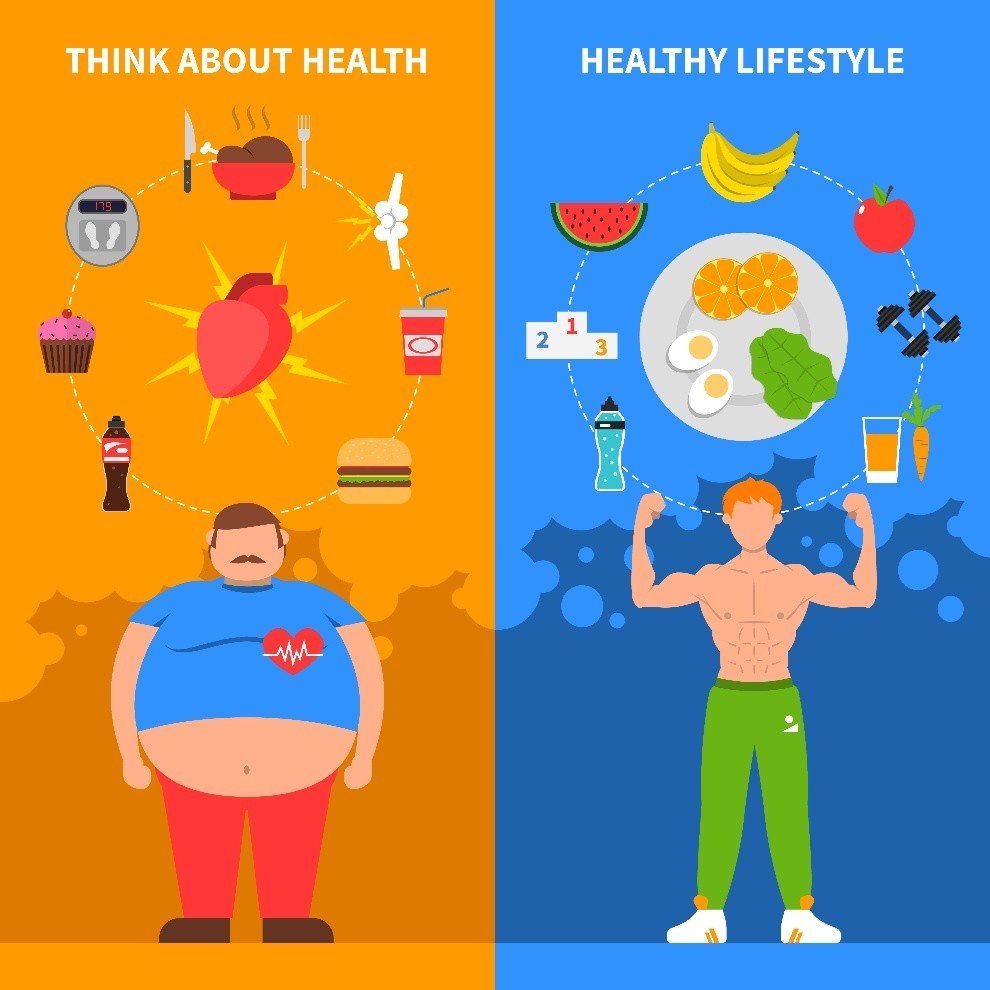
- Improve diet quality: whole grains, fruits, vegetables, lean proteins; limit processed foods and sugars
- Increase physical activity: at least 150 minutes of moderate exercise per week
- Maintain healthy weight
- Use psychosocial interventions: education, goal setting, social support, stress management, mindfulness
- Manage stress and improve sleep hygiene
- Regularly monitor metabolic markers (waist, blood pressure, glucose, lipids) alongside mental health
- Address metabolic side effects of psychiatric medications proactively
- Personalize care with psychoeducation, practical tools, and support tailored to individual needs
- Integrate mental and metabolic health care for better outcomes
- Focus on holistic, multifaceted programs beyond just diet and exercise for sustained improvements
Final Thoughts
The relationship between metabolic health and mental health is not ambiguous, and each of these factors affect the other considerably. Mental health disorders and other emotional problems can arise due to poor metabolic performance, and, conversely, metabolic processes in charged situations can be adversely influenced by chronic stress and emotional distress. Combining balanced lifestyle in terms of diet, exercise, sleep, and stress management enables us to aid physically and mentally. This is important to note that this connection should be regarded as achieving better overall health and avoiding long-term complications.