
Dr. Ahmad Shahzad
Founder | Lyallpur Diabetes Foundation
Consultant Diabetologist | Educator | Advocate for Preventive Care
Type 2 diabetes is a chronic metabolic syndrome that may influence the way the body uses blood sugar (glucose), (usually resulting in high blood sugar that harms other organs after prolonged use). It is a prevalent chronic ailment in the world caused both genetically and environmentally by a mix of lifestyle and environmental factors. Recognizing the risk factors, symptoms, and treatment options for type 2 diabetes is essential for prevention, early detection, and effective management. With timely lifestyle changes and appropriate medical care, many people can reduce complications and maintain a better quality of life.
What Is Type 2 Diabetes?
Type 2 diabetes occurs when your blood sugar (glucose) level is too high due to your body inability to produce enough insulin or use insulin properly (a condition known as insulin resistance). Insulin is a pancreatic hormone which facilitates the absorption of glucose in your cells to be utilized as a source of energy. Failure to use insulin makes glucose accumulate in the blood and this makes blood sugar high.
Type 2 diabetes is the most prevalent type of diabetes and mostly affects adults, although it can be prevalent among children due to increased cases of obesity.
Risk Factors
The key predisposing variables of getting diabetes Type 2 consist of an interaction of non-modifiable and modifiable risks:
Non-modifiable risk factors:
- Age: The risk significantly grows above the age of 35 or 40.
- Family history: When there is a family member with diabetes this increases the risk significantly.
- Race and ethnicity: Greater risk of the African American, Hispanic/Latino, Asian American, Native American, and Pacific Islander population.
- Past gestational diabetes: Pregnancy development of diabetes or birth of a big baby puts one at risk in future.
- Polycyclic ovary syndrome (PCOS): The syndrome has a risk as it is associated with insulin resistance and other hormonal problems.
Modifiable risk factors:
- Obesity and overweight: accumulated fat in the abdomen are also closely associated with insulin resistance.
- Exercise: Lack of physical activity increases the risk in relation to obesity and poor glucose metabolism.
- Unhealthy eating: Eating processed food, sugary drinks and refined carbs, saturated fats contribute to it.
- Smoking: It relates to insulin resistance and increased risk.
- Other medical illnesses and medicine: Hypertension, heavy blood lipids (low HDL, high triglycerides), and drugs such as cortisone or antipsychotics may contribute to risk of death.
Symptoms of Type 2 Diabetes
The symptoms of Type 2 diabetes typically develop slowly and may be mild or go unnoticed for years. Common symptoms include:
- Increased thirst
- Frequent urination
- Increased hunger
- Unintended weight loss
- Fatigue or feeling very tired
- Blurred vision
- Slow-healing sores or wounds
- Frequent infections
- Numbness or tingling in the hands or feet
- Areas of darkened skin, especially in the armpits and neck
Individuals in Type 2 diabetes may have some or all the following symptoms, and some have no noticeable symptoms at all initially. Since the symptoms come about slowly, it is worth noting the signs and when you are at risk of diabetes.
You may also like to read: Type 1 Diabetes
Diagnosis & Screening
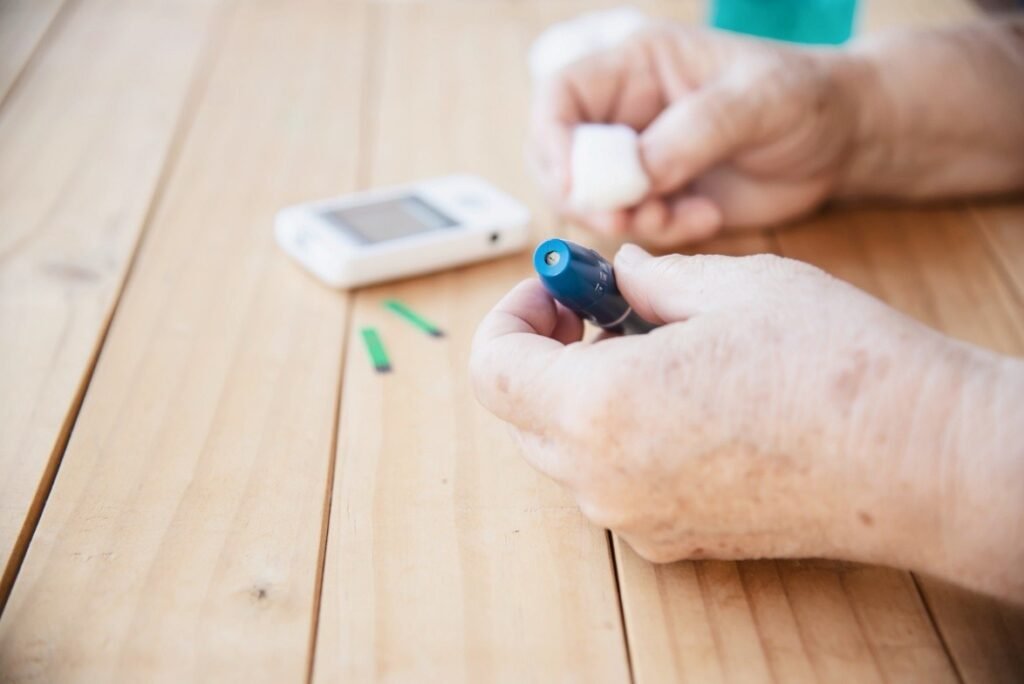
Type 2 diabetes is almost always diagnosed by blood tests that check blood sugar levels. Common and reliable tests that are usually performed include:
- Hemoglobin A1C test (A1C test): This test measures the level of sugar in the blood of the last 2 or 3 months. Diabetes is confirmed when the amount of A1C in two tests comes to 6.5 percent or more. Less than 5.7 is normal, 5.7-6.4 prediabetes.
- Fasting Plasma Glucose (FPG) test- Blood sugar level is determined when the person has not consumed anything in at least 8 hours. An increased level of fasting sugar in the blood of 126 mg/dL (7 mmol/L) or more on two occasions is diabetic. Prediabetes is measured between 100-125 mg/dL and anything below 100 mg/dL is normal.
- Oral Glucose Tolerance Test (OGTT): Test of measuring sugar in the blood during and two hours after taking a sugary drink. When a test’s blood sugar level is 200 mg/dL or greater after 2 hours, it shows diabetes. Any levels measuring 140-199 mg/dL are prediabetes.
- Random Blood Sugar Test: The amount of blood sugar is measured without regarding the last mealtime. A result of 200 mg/dL or above, and diabetic symptoms, is very likely to be diabetes.
Confirmation is normally through a second test a day later unless acute symptoms are present with extremely elevated sugar in the blood stream. These tests are readily performed on a periodic medical examination should any risk factor or symptoms be present.
Treatment & Management
Management and Type 2 diabetes therapy focuses on lifestyle adjustments coupled with medication, and occasionally surgery and/or insulin treatment that will help in controlling the amount of sugar in the blood to get rid of the complications of diabetes.
Key treatment components include:
Changes to lifestyle: Healthy diet, frequent physical exercise, and normal weight are keys to blood sugar management and insulin sensitivity.
Oral: Metformin is the most used first-line medication, which decreases the amount of glucose the liver produces and makes cells more sensitive to insulin. Other oral medications are sulfonyl-urease (stimulate insulin release), DPP-4 inhibits, SGLT2 inhibits (kidneys allow glucose to be excreted through urine), and thiazolidinediones (TZDs) that increase sensitivity of insulin.
Injectable drugs: GLP-1 receptor agonist, injected on a daily or weekly basis, promotes insulin activity and facilitate weight loss. Insulin is an injection which may be required when blood sugar level cannot be regulated in other ways. The various forms of insulin vary with the speed and duration of action depending on the need of the individual.
Weight-loss surgery (bariatric surgery): In persons with a BMI of 35 or more, surgery such as gastric bypass can markedly improve sugar levels and can even put diabetes into remission, however, surgery is not a cure; it is one aspect of overall lifelong management.
Monitoring: Constant checking of blood sugar levels dictates changes in treatment to reach the desired glucose range without developing hypoglycemia (low blood sugar). The choice of treatment depends on factors such as blood sugar levels at diagnosis, presence of complications, other existing health conditions (like heart or kidney disease), patient preferences, and cost considerations. Doctors typically start with lifestyle changes and metformin, adding other treatments as needed.
Final Thoughts
Type 2 diabetes is a more severe condition that can be easily tamed by early detection and proper combination of both lifestyle modification and medical intervention. The knowledge of its risk factors and the ability to identify symptoms early and address them according to a customized plan of care can have a dramatic effect on long-term health outcomes. Being aware, proactive, and well-informed, people will be able to take some significant steps in preventing complications and in making their life a healthier and more balanced one.