
Dr. Ahmad Shahzad
Founder | Lyallpur Diabetes Foundation
Consultant Diabetologist | Educator | Advocate for Preventive Care
Diabetes requires the maintenance of the right levels of blood sugar to avoid chronic problems and lead a better life. Although the injections of traditional insulin have remained the most common remedy over the decades, technology has added better alternatives. One of these is the insulin pump, which not only brings constant supply of insulin but also brings in more freedom of daily activities. Insulin Pump Role in Diabetes Management is getting increasingly significant lately, because on top of improving glucose control, these gadgets save on convenience, stress alleviation, and providing a new method of living with diabetes in the modern world.
Understanding Insulin Pumps
An insulin pump is a small, portable, computerized health care device that assists in the administration of insulin into the body of people with diabetes with the aim of maintaining insulin levels. It is an alternative to several daily shots of insulin and acts in the same way as the pancreas releases insulin.
There are two main insulin delivery methods by the pump:
- Basal insulin: a constant, continuous amount of fast-acting insulin in the day and night, to ensure stable sugar levels between meals.
- Bolus insulin: increases at mealtime or use to settle high-blood sugar spikes.
Two main types of insulin pumps exist:
- Tubed pumps – attached to the body with a thin tube (catheter) which delivers insulin with a cannula inserted under the skin. The pump is applied on the body and the infusion set replaced it in 2-3 days.
- Tubeless (patch) pumps – an insulin reservoir and cannula are attached directly to the skin and controlled through wireless transmission by a handheld device which is changed every 2-3 days.
With insulin pumps, when combined with a continuous glucose monitor (CGM), adjustment of insulin outputs can be automated and performed by the insulin pump according to the relevant blood sugar levels. They provide flexibility in eating, sleeping and exercising patterns by providing more precise delivery of insulin than an injection.
In general, insulin pumps are an easy, accurate, and customizable method to control insulin levels in individuals with type 1 diabetes and a subset of people with type 2 diabetes who need insulin, and they enhance blood sugar management and quality of life.
Technology is quickly improving, and more sensors and automated insulin dosing systems are being added to make managing diabetes easier.
Advantages of Insulin Pumps in Diabetes Care
Insulin pumps offer several advantages in diabetes care, including:
- Better diabetes management: Insulin pumps have been found to lower HbA1c of type 1 and type 2 patients, resulting in better overall glycemic control.
- Reduced long-term complications: Better control of blood sugar levels lowers the chances of occurrence of long-term complications such as neuropathy, nephropathy and retinopathy.
More lifestyle adaptability: Via Pumps, consumers can become more spontaneous in terms of meals and activity, thriving in a more adaptable lifestyle without adherence to food timings.
- Improved blood glucose control: Pumps offer constant basal insulin with bolus doses at mealtimes resulting in less high, and low, blood sugars. Insulin delivery may be suspended automatically in some pumps at dangerously low glucose levels to minimize the risk of hypoglycemia.
- Lower hypoglycemic events: Decreased and non-severe incidences of hypoglycemia compared to multiple daily injections (MDI) are observed.
- Fewer injections: As opposed to traditional insulin injections, insulin is administered using a cannula that is changed every 2-3 days there are fewer needle pricks involved.
- Better insulin dosing: The pumps enable small custom doses to perfect insulin dosing.
- Better living standards: Users frequently describe increased self-esteem, reduced stress, positive mood and increased freedom in social and recreational activities.
- Time savings on sick days and travel: With the pump, insulin adjustment during illness or travel can be done without the complicated injection schedules required.
- Continuous glucose monitoring (CGMs) connectivity: Possibility that some pumps are compatible with CGMs to automate insulin usage and cut down organ finger-pricking.
All in all, insulin pumps offer a convenient, accurate and effective method of insulin delivery which improves clinical outcome and quality of life in individuals with diabetes.
Challenges and Limitations
Challenges and limitations of insulin pumps in diabetes care include:
- Price: Insulin pumps are not always covered by insurance or the public health system and as such, accessibility is becoming a problem.
- Dedication to Following: Pump therapy requires users to regularly check their blood sugar levels (4-6 times a day) or wear continuous glucose monitors (CGMs) regularly to succeed.
- Carbohydrate Counting: Carbohydrate counting requires education and measurement effort to give proper bolus insulin dose.
- Wearing of the Device: Wearing a device full time may be annoying, restricting and inconvenient to some individuals. Pumps may be obvious, and tubing may get caught up in activities.
- Skin Problems: Skin infection of cannula points as well as allergic reactions to adhesives are risks.
- Technical Complications: The pumps may break down, tubing may be blocked or cannula dislodged, resulting in lost insulin supply. This may lead to hyperglycemia or diabetic ketoacidosis (DKA) which is life-threatening unless corrected in time.
- Training and Complexity: Programming the pump, changing the infusion sets and dealing with alarms have a steep learning curve. Individuals with vision, listening or cognitive problems could have difficulty with its use.
- Maintenance: Rotation of infusion sites is more complicated and lengthier than that of simple injections.
- Hypoglycemia and DKA potent: Hypoglycemia is mitigated overall, but there is still a risk, and an interruption in insulin delivery increases the risk of DKA.
- Device Alarms: Some users get irritated by alarms or it causes stress.
Weight Issues: Some research state potential weight gain, but this is different according to the individuals.
- Type 2 Diabetes Specific: Pumps used in type 2 diabetes may be less complex, but device handling and insulin demands continue to be problems.
These factors require good patient education, support, and backup plans for pump failure to ensure safe and effective use of insulin pumps.
Who Benefits Most from Insulin Pumps?
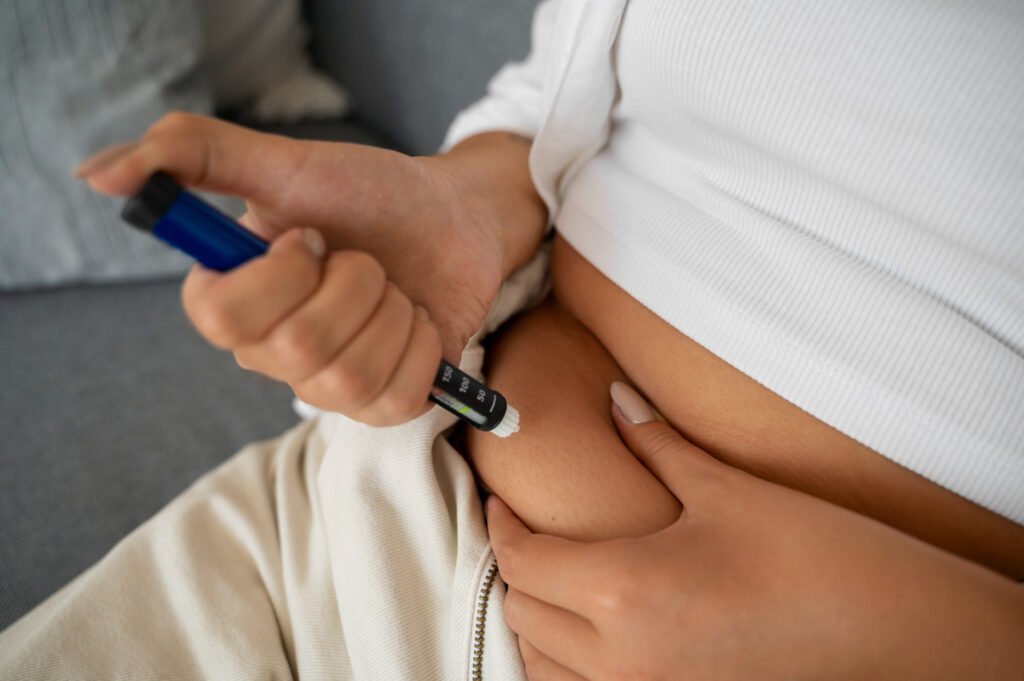
The greatest recipients of the insulin pumps are mainly all ages of individuals with type 1 diabetes. Groups are:
- Those with type 1 diabetes, who are having difficulty attaining good glycemic control, or those who have frequent or nocturnal hypoglycemia.
- Patients with hypoglycemia are unaware in which there is a big risk that low blood sugars will not be detected.
- Its individuals possessing a dawn phenomenon (high blood sugar spikes early in the morning) that require differing insulin rates each day.
- Those who have irregular eating habits or day-to-day schedule (like shift workers).
- Patients who want a greater degree of flexibility in the timing of their meals and exercise and lifestyle, rather than multiple daily injections (MDI).
- Little children with insulin needs and their families enjoy the accuracy of the dose.
- Gastroparesis patients in need of long-acting delivery of insulin meals with delayed emptying of their stomach.
- Individuals wishing to minimize the rates of needle pricks and injections.
Insulin pumps are also suitable in the case of patients who are patient to understand device handling, counting carbohydrates and frequent monitoring of blood glucose. Effective users of the pump usually require dexterity and cognitive capacity to use the mechanism or supportive attendants. Integrated with continuous glucose monitors, the integration also benefits individuals who are ready to adopt sensor technology.
You may also like to read: Early Signs of Diabetes in Kids
Integration with Technology
Insulin pumps used with continuous glucose monitors (CGMs) are an important step in the technology of managing diabetes. Used together, the devices speak to each other to automate insulin delivery using real-time glucose data, resulting in a more accurate and responsive systemic insulin regulation.
Key points about this integration include:
Instantaneous glucose tracking: The CGM consistently screens glucose levels through a sensor implanted under the skin and alerts every few minutes to the insulin pump or an associated device.
Automated insulin dosing: Insulin pump, using data generated by CGM, automatically prevents basal insulin delivery and corrective boluses, minimizing user-guesswork and computations.
Artificial pancreas (closed-loop systems): the more sophisticated systems perform most of the insulin delivery dynamically responsive to glucose trends, enhancing glycemic control and minimizing hypoglycemia.
Smart Features: Smart Pumps can provide tailored insulin regimens and to respond to lifestyle changes like altered sleep or activity patterns. Better results: evidence indicate that sensor-enhanced pumps lower HbA1c, hypoglycemia, and enhance time in range.
Examples: Omnipod 5 or the Tandem t:slim using Control-IQ technology is useable with CGMs to coordinate automated dosing such as the Dexcom.
This integration lessens the mental burden of diabetes management, provides more freedom and flexibility, and improves the safety and quality of life for insulin-dependent people with diabetes by closely mimicking natural pancreatic function.
Practical Considerations for Patients
Practical considerations for patients using insulin pumps include:
- Self-Management Abilities and Motivation: Patients should be motivated and able to program the pump, check blood glucose, count carbs. They must be accountable in using devices frequently and adjusting.
- Education and Training: A lot of initial and ongoing training is necessary to master using pumps (including insertion, programming, dosing calculation, troubleshooting and managing hyperglycemia or hypoglycemia).
- Device Wear and Comfort: Patients need to feel comfortable to wear a device 24/7. Adhesive skin reactions and infusion site infections may occur so site rotation and skin care should be considered.
- Spare Insulin: Patients need to have access to insulin injections (fast acting) in case of progress simulation or during certain activities such as swimming.
- Checking and Alarms: Insulin pumps include dealing with alarms and alerts, which may at times be stressful or inconvenient.
- Realistic Expectations: Patients need to realize that the pump allows managing diabetes, yet the patient still requires continuing self-care and glucose monitoring.
- Cost and Access: Disparities could be cost of insurance coverage or the cost of pumps. The assistance of medical staff and producers plays an important role.
- Lifestyle factors: Pumps are applicable to people who require relative adaptability in insulin use, such as changing schedules, exercise, and other lifestyle influences.
- Technical Setbacks: Mechanical failure of the tubing like a blockage or cannula displacement, can result in complications like diabetic ketoacidosis which have to be addressed timely.
Overall, patients with sufficient education, support, and motivation who accept the responsibilities of device use tend to achieve better outcomes and quality of life with insulin pumps.
Bottom Line
The Role of Insulin Pumps in Diabetes Management identifies how newer technology can revolutionize day-to-day care. Pumps also have numerous benefits such as accurate insulin dose delivery, better blood sugar management, and increased lifestyle. Although there are still issues like cost, training, and maintenance of such devices, people are finding them easier to work with due to continued innovation and increased accessibility. With the healthcare industry still moving toward smarter solutions, insulin pumps will lose even less ground in aiding patients to reach balance, independence, and long-term health.