

Dr. Ahmad Shahzad
Founder | Lyallpur Diabetes Foundation
Consultant Diabetologist | Educator | Advocate for Preventive Care
Environmental toxins are everywhere, the food we consume, in the air we breathe, and in the products, we interact with day in day out. There is increasing evidence that these invisible pollutants have the potential to disrupt hormones, metabolism, and energy regulation increasing the risk of obesity, diabetes, and other metabolic conditions. Knowledge of how toxins affect metabolic health is the key to preventing disease and building a safer and healthier future.
Major Categories of Environmental Toxins
Significant groups of environmental toxins sometimes referred to as pollutants can be broadly categorized according to their nature, source, persistence and the medium in which they are contaminating. Key categories include:
Nature and Source
- Primary Pollutants: Direct emitters, e.g., smoke, dust, sulfur dioxide (SO2), nitrogen oxides (NOx).
- Secondary Pollutants: The products of the chemical reaction of the primary ones in the environment, e.g., ozone layer, and smog.
Persistence
- Degradable Pollutants: Degraded very fast by natural processes, e.g. domestic sewage.
- Slowly Degradable (Persistent) Pollutants: Remain in the environment, e.g. pesticides, such as DDT, plastics, heavy metals.
Environmental Medium
- Air Pollutants: They are gases (CO2, SO2, NOx), PM, volatile organic compounds (VOCs), and toxic industrial chemicals.
- Water Pollutants: Include heavy metals, detergents, fertilizers, pesticides, industrial waste and oil spillage.
- Soil Pollutants: Hydrocarbons, heavy metals, pesticides and herbicides that interfere with the quality of soil.
- Noise Pollution: Unwanted or undesirable sound that interferes with ecosystems and the health of humankind.
- Radioactive Pollution: The release of radioactive materials (nuclear activities).
- Thermal Pollution: Change in temperature on the natural water bodies due to industrial activities.
- Plastic Pollution: Buildup of plastic waste that affects wildlife and ecosystems.
Special Categories
- Endocrine Disrupting Chemicals: BPA and phthalates are some of the chemicals that disrupt hormonal activity.
- Heavy Metals: Toxic metals like lead, cadmium, mercury among other organs and metabolism.
This classification assists in figuring out their sources, environmental routes, and impact on human and ecological health.
How Toxins Affect Metabolic Health: Key Mechanisms
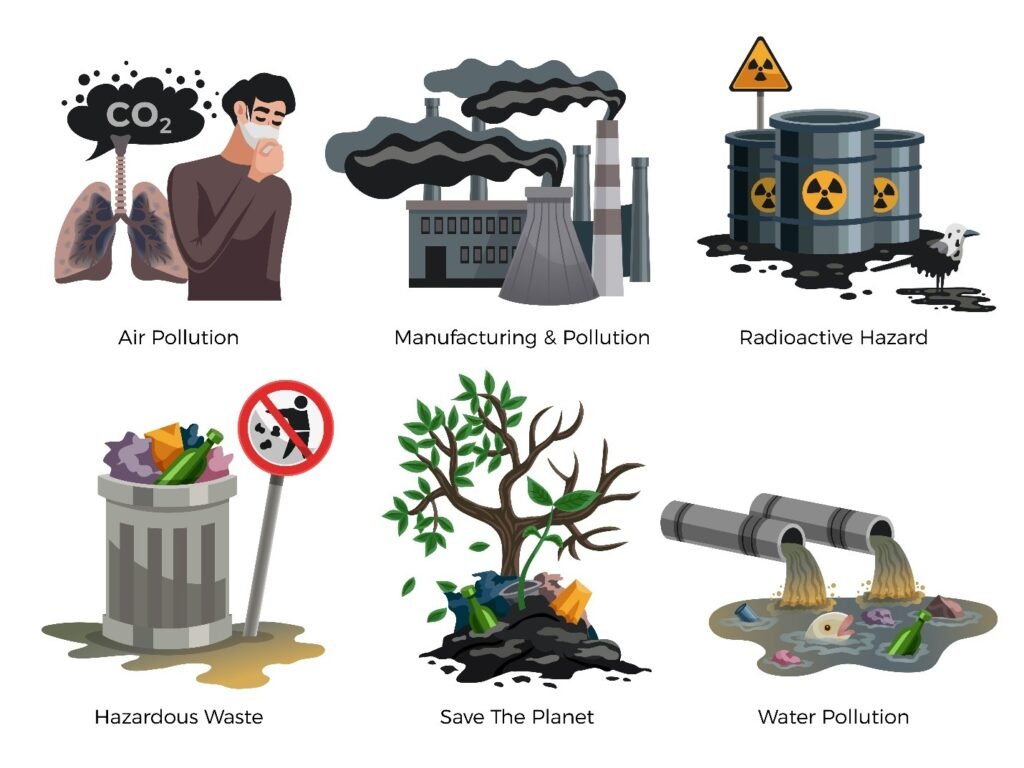
Metabolic health is impacted by environmental toxins in several important ways that disorientate normal metabolism:
Inflammation and Oxidative Stress
Toxins cause chronic low-grade inflammation and produce reactive oxygen species (ROS), causing oxidative stress. This dismays cellular structures like lipids, proteins and DNA, which disrupts insulin signaling and leads to insulin resistance, which is a feature of metabolic disorders.
Endocrine Disruption
Several environmental chemicals including bisphenol A (BPA) and phthalates are endocrine disruptors. They imitate or obstruct hormones and hormone receptors, change the metabolism of glucose, fat storage and 0-cell activity of the pancreas thereby inducing obesity, insulin resistance and type 2 diabetes.
Epigenetic Modifications
Epigenetic modification may be caused by toxins, such as DNA methylation and histone modification, which alters the gene expression related to metabolic control, inflammation, and immune response. The effects of these changes can be long-term on metabolic health and even intergenerational.
Mitochondrial Dysfunction
Environmental pollutants also damage mitochondrial activity, which decreases the generation of energy and elevates oxidative stress. This impairment inhibits fat and glucose metabolism that favors the development of metabolic syndrome, such as obesity and diabetes.
Gut Microbiota Alteration
The toxins interfere with the structure and activity of the intestinal microbiota, which is crucial in metabolism. Pollutant-induced dysbiosis may decrease beneficial metabolites (short-chain fatty acids), facilitate systemic inflammation, and alter metabolic homeostasis.
Disruption of Metabolic Enzymes and Pathways
Heavy metals and other wastes disrupt action of enzymes used in carbohydrate and lipid metabolism, and this further encourages metabolic abnormalities.
The combination of these processes leads to the formation and evolution of metabolic diseases, including insulin resistance, type 2 diabetes, obesity, and metabolic syndrome.
Evidence from Research
Research evidence robustly supports the idea that environmental toxins play a significant role in metabolic health disruption:
- Population, animal, and cell studies have established the associations of diverse classes of metabolic-disrupting chemicals (MDCs) with obesity, diabetes, and non-alcoholic fatty liver disease (NAFLD).
- Clinical intervention research reports that behavior modification that minimizes exposure to MDCs (e.g., the use of fewer personal care products, no plastic food wrappings and poor hand hygiene) reduce body burdens of these chemicals and their metabolic impact.
- The exposure to air pollution is associated with heightened insulin resistance and impaired vascularity in people with metabolic syndrome or diabetes, and particulate matter (PM2.5) particularly.
- Experimental research leads to highlighting disruptions of endocrine, oxidative stress, mitochondrial disturbance, and gut microbiota changes occasioned by pesticides, heavy metals, and synthetic chemicals, which lead to metabolic dysfunction.
- Heavy metals such as cadmium and lead have been linked to hypertension, renal dysfunction, and metabolic abnormalities and there is also evidence that the metals have been linked to the alteration in the composition of gut microbiota that is applicable to metabolic diseases.
- Research can go further in bioenergetics to understand the effects of these toxicants on cellular energy production and metabolism that can serve biomarkers to monitor exposure and subsequent disease development.
- A growing body of reviews and meta-analyses highlights the necessity of combining exposure data with toxicity profiles to focus on chemicals with significant metabolic health hazards and devise specific interventions.
All this evidence together calls to add environmental toxin mitigation as part of the global metabolic disease pandemic approach.
You may also like to read: Benefits and Challenges of Precision Medicine in Diabetes
Factors That Influence Risk
Several factors influence the risk of metabolic health disruption from environmental toxins:
Exposure Level and Duration
· Higher intensity and long-term exposure to toxins such as pesticides, heavy metals and air pollutants predisposes metabolic disease including obesity, insulin resistance, and diabetes.
Chemical Type and Mixtures
- Endocrine-disrupting chemicals (EDCs) like bisphenol A (BPA) and phthalates are highly hormonal.
- The joint effect of various chemicals or pollutants could be additive or synergistic and enhance metabolic outcomes.
Genetic and Epigenetic Susceptibility
· Individual genetic background has a role; epigenetic changes (e.g. changes in DNA methylation in response to toxins) can mediate long-term metabolic dysfunction and may be inheritable.
Age and Developmental Stage
· Exposure at critical developmental stages like prenatal, childhood or puberty heightens the risk of having lifelong metabolic disorders due to interference with organ development and metabolic programming.
Socioeconomic and Lifestyle Factors
- Poor nutrition, inactivity, and poor socioeconomic status tend to augment toxin exposure and metabolic illness.
- Disadvantaged populations: The poorer ones might not access clean environments, which increases risk.
Microbiome Status
· The gut and environmental microbiomes mediate toxin metabolism, dysbiosis can increase metabolic impairment.
Co-existing Health Conditions
- Pre-existing metabolic abnormalities or inflammatory conditions heighten susceptibility to pollutants’ harmful effects.
Together, these factors shape individual differences in how environmental toxins impact metabolic health, emphasizing the need for personalized risk assessment and targeted preventive strategies.
Strategies to Reduce Exposure and Support Metabolic Health
Strategies to reduce exposure to environmental toxins and support metabolic health include a combination of personal lifestyle changes, home environment adjustments, and broader community or policy-level actions:
Personal and Lifestyle Strategies
- Select organic or well washed fruit and vegetables to eliminate pesticide residues.
- Have non-toxic, fragrance-free household and personal care products, to reduce exposure to chemicals.
- Minimize plastic consumption, replacing it with glass or stainless-steel containers and do not heat food using plastic, which enhances chemical leaching.
- Raise the consumption of nutrient enriched and fiber heavy foods that promote the processes of detoxification (ex: fruits, vegetables, whole grains).
- Keep hydrated and do exercises to stimulate the removal of toxins through sweat and urine.
- You can use such supplements as glutathione, N-acetyl cysteine (NAC), milk thistle, and chlorella to aid in the process of liver detoxification and the removal of heavy metals.
Home Environment Adjustments
Enhance indoor air quality by ventilating, employing HEPA air purifiers, and indoor plants that aid in filtering the toxins.
Wipe surfaces frequently with wet cloths and vacuums with HEPA filters to minimize dust-borne toxicants.
Avoid products with dangerous chemicals like phthalates and parabens and watch out for unfortunate replacements with potentially dangerous ones.
Community and Policy Measures
- Support and advocate for clean air and water regulations that limit industrial emissions and toxic chemical releases.
- Participate in community education programs and environmental clean-up initiatives.
- Encourage implementation of exposure-informed care models that integrate preventive health strategies for vulnerable populations.
Collectively, these approaches reduce toxin burden, support the body’s natural detoxification, and help protect metabolic health over time.
Final Thoughts
Finally, another issue that is underestimated as a cause of poor metabolic health is environmental toxins. Air pollutants as well as heavy metals, endocrine-disrupting chemicals, and others can disrupt hormones, contribute to inflammation and worsen the balance of energy, leading to obesity, diabetes, and other metabolic diseases. Limiting exposure- by making informed lifestyle choices, better regulations, and cleaner environments can aid in preserving long-term well-being in addition to the aid of healthier communities.