
Dr. Ahmad Shahzad
Founder | Lyallpur Diabetes Foundation
Consultant Diabetologist | Educator | Advocate for Preventive Care
Red light therapy is among the most discussed therapies in the world of health and wellness. This non-invasive approach has numerous possible benefits, starting with making the skin look better and ending with relieving muscle pains. With support of the increasing research and real life stories of success, knowing red light therapy benefits will prove helpful in deciding whether it is the right self-care or recovery option of your routine.
What is Red Light Therapy?
Red light therapy (RLT) is a non-invasive therapy involving low-wavelength red and near-infrared light to benefit the skin, wounds, and inflammation. The treatment is effective because it activates the mitochondria, the powerhouses of body cells, to produce greater energy.
NASA initially developed the technology to cultivate crops in space and cure astronauts.
How red light therapy works
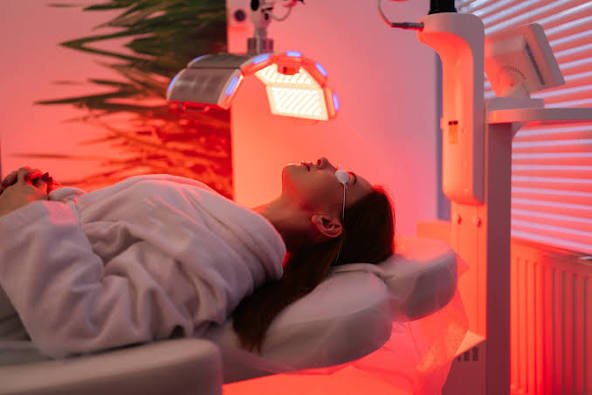
In an RLT session, you have your skin subjected to a machine that gives out low-energy red light. The light penetrates the skin to the superficial level (1 to 10 millimeters). As the cells absorb this energy in the light, it activates the mitochondria to generate more adenosine triphosphate (ATP), the energy carrier in cells. This cellular energy is believed to stimulate cell function, repair, and regeneration.
Common uses and potential benefits
Although there are promising studies, other experts indicate that additional research is required in order to establish the complete efficacy of RLT.
Widely used red light therapy is:
- Skin rejuvenation: RLT is commonly advertised as a way to treat the skin. It can trigger the production of collagen and elastin, which helps minimize fine lines and wrinkles. It may be used even in the case of sun damage, uneven color, and acne.
- Wound healing: By promoting blood circulation and stimulating cell repair, RLT may enhance wound healing, burn healing, and scar healing.
- Hair growth: RT has been found to induce hair follicles in individuals with androgenic alopecia (hereditary hair loss), leading to new growth and a higher level of thickness.
- Pain and inflammation: Other studies indicate that RLT may be able to treat pain and inflammation related to various conditions, such as arthritis, muscle soreness, and joint pains.
- Neurological health: Neurological studies are looking at using red light to enhance the cognitive ability of individuals with dementia because the light has the potential to increase blood flow and oxygen to the brain.
Safety and devices
Non-UV light is used in RLT, hence, it does not burn the skin or elevate the risk of skin cancer linked to UV radiations. It is also thought to be safe when used in short term and it is not invasive. The side effects are mild and short term like skin irritation.
The administration of RLT may use a number of devices:
- Professional equipment: More powerful equipment is employed in medical practice by dermatologists and other medical caregivers.
- Home units: Masks, wands, and panels can be used at home, but are frequently less effective than professional. To be safe, make sure the device is FDA-cleared and always put on protective eyewears as directed.
How to Use Red Light Therapy Effectively
Red light therapy requires you to focus on targeted, regular treatments with the correct device to achieve the desired results. A typical routine of 3-5 sessions a week, each 10-20 minutes, is important in achieving results in a few weeks or months.
For at-home use
If you are using a consumer-grade red light therapy device, follow these best practices for effective treatment:
- Choose the right device. Select a device based on your treatment goals.
- For skin issues, like wrinkles or acne on your face, a mask or handheld wand is best.
- For pain or hair loss, a portable device, flexible wrap, or panel can target specific areas of your body, like a knee or the scalp.
- Choose the important specifications. Find equipment that employs a particular therapeutic wavelength, 660 nanometers (red light) and 850 nanometers (near-infrared). Greater power output (irradiance) may result in more successful shorter sessions.
- Prepare the area. Wash your skin and take off all makeup, dirt or oil before treatment. In skin problems and loss of hair, the light should be used on bare skin.
- Position the device correctly.
- For surface-level skin treatment, devices should generally be positioned 12 to 36 inches away.
- For deeper issues like muscle and joint pain, move the device closer, typically 6 to 12 inches from the skin.
- Keep up to a regular routine. Apply 10- 20 minutes, 3-5 times per week. The time-consistency is preferable to longer, individual sessions. It can take 2 to 4 weeks before results of some conditions can be seen.
- Protect your eyes. Wear the eye protection that is provided with your device, particularly when you are aiming at your face, or when you are facing the light itself.
Considerations for specific goals
Your goals may require specific routines or a combination of therapies.
- To rejuvenate the skin: Be patient, and it can take weeks of regular use before one experiences the benefits of reduced wrinkles or better tone. Addressing this, it is possible to enhance the benefits by combining it with a good skincare regimen.
- To relieve pain and recover muscles: Red light therapy is used by many athletes prior to and after exercise to prevent injuries and accelerate healing. In chronic pain, a higher frequency of sessions (45 times per week) can be useful during flare-ups.
- To grow hair: It is crucial to be consistent and it can be up to 3 to 6 months before you see an improvement. Red light therapy can be used with other hair growth therapies such as minoxidil or microneedling.
Maximize results with supportive habits
To support the effectiveness of red light therapy, consider incorporating these wellness practices:
- Maintain a healthy diet and stay hydrated.
- Manage stress and ensure good sleep hygiene.
- Include regular exercise in your routine.
When to consult a professional
Home appliances are generally not as powerful as professional devices and can be successful. Never begin a new therapy, particularly one that is topical, without consulting a healthcare provider or dermatologist, particularly when you have sensitive skin, photosensitivity or underlying medical issues.
You may also like to read: What is Tdap Vaccine?
Final Thoughts
The list of benefits of red light therapy is quite broad, including the improvement of the skin condition and hair growth, pain reduction, and overall wellness. Although not a miracle, long-time and safe usage can provide significant improvements to many individuals. When you know the established positive effects of red light therapy and apply the correct method, it will become a worthwhile addition to your health and self-care regimen.
FAQs
Who should not use red light therapy?
Consult your doctor first in case you have lupus, a light-sensitive condition, or are on drugs that predispose you to sunlight sensitivity (e.g. antibiotics or retinoids). Only devices that are flicker free and endorsed by the neurophysician will work with epileptics.
Is 10 minutes of red light therapy enough?
Frequent red light therapy sessions, 3 to 5 times per week can aid skin, muscle and pain relief objectives. Once visible results are achieved maintenance sessions (one to two times a week) are used to maintain the long-term benefits. Ten to twenty minutes of sessions long are effective, and can be easily sustained.
How do I know if red light therapy is working?
Red light therapy is fast acting on acute problems, like an injury, and is slow acting on chronic problems, like arthritis. The condition of many patients improves directly after the initial red light therapy session and improves during the next several weeks.