
Dr. Ahmad Shahzad
Founder | Lyallpur Diabetes Foundation
Consultant Diabetologist | Educator | Advocate for Preventive Care
Diabetes is a common chronic health problem with millions of people annually across the globe. In order to provide consistent, evidence-based care to people with diabetes, the American Diabetes Association (ADA) issues annual guidelines, referred to as the ADA Diabetes Guidelines. These guidelines act as the cream of healthcare givers, providing current methods of diagnosis, prevention, treatment, and general management of diabetes. With these systematic standards, the patients and the professionals can collaborate to achieve improved blood sugar management, fewer complications, and quality of life.
What Are the ADA Diabetes Guidelines?
The American Diabetes Association (ADA) diabetes guidelines are annual updates published in the “Standards of Care in Diabetes” that cover a wide range of topics, including diagnosis, lifestyle, and medical management. Current lifestyle guidelines are at least 150 minutes a week of moderate-vigorous physical exercise, breaking long sitting, strength training, and six or eight hours of sleep per night. An HbA1c level of 6.5% or greater is the diagnostic threshold, with lower levels not ruling out a diabetes diagnosis through glucose tests.
Key areas covered by the guidelines
- Diagnosis: An HbA1c of 6.5%or higher is a key diagnostic criterion.
- Physical Activity:
- At least 150 minutes of moderate to vigorous physical activity per week.
- Avoid prolonged sitting by breaking it up every 30 minutes.
- Include strength training, especially when using incretin therapies.
- Sleep: Aim for six to eight hours of sleep per night.
- Dietary Modifications: Includes guidance on nutrition for managing blood glucose.
- Management of Complications: Guidelines address monitoring and managing complications such as hypertension, dyslipidemia, and neuropathy.
- Medication: Provides guidance on various antidiabetic medications, including Biguanides, SGLT2 Inhibitors, and GLP-1 Agonists.
Criteria for Diagnosing Diabetes
According to the American Diabetes Association (ADA), a diagnosis of diabetes is confirmed by one or more of the following criteria: an A1C of 6.5% or higher, a fasting plasma glucose (FPG) of 126 mg/dL (7.0 mmol/L) or higher, or a two-hour plasma glucose of 200 mg/dL (11.1mmol/L) or higher during an oral glucose tolerance test (OGTT). A random plasma glucose level of 200 mg/dL (11.1 mmol/L), or higher can also diagnose diabetes in a patient with classic symptoms of hyperglycemia. If test results are not unequivocally high, a second test is required for confirmation.
Glycemic Targets and Monitoring
Glycemic targets are individualized objectives of blood sugar level, and the typical targets of most adults include an A1C under 7, a post-meal plasma glucose under 180, and a pre-meal plasma glucose range of 80-130. It entails periodic blood glucose monitoring through a finger-prick or continuous glucose monitors (CGMs) to monitor progress, treat and coordinate the care plan with a healthcare team to change the care plan as necessary.
Glycemic Targets and Monitoring
Glycemic targets for most nonpregnant adults
- A1C: Less than 7% (53 mmol/mol)
- Before a meal (preprandial) plasma glucose: 80-130 mg/dL (4.4–7.2 mmol/L)
- 1-2 hours after a meal (postprandial) plasma glucose: Less than 180 mg/dL (10.0 mmol/L)
- Glycemic Targets and Prevention of Complications
Many professional organizations recommend HbA1c targets between 6.5% and 7%. The American Diabetes Association (ADA) re…
Monitoring your blood glucose
- Self-monitoring: Consistently measure your blood sugar with a finger-prick or a continuous glucose monitor (CGM).
- Record results: Record your readings and record any circumstances that may have influenced the results, as well as food, activity, and stress.
- Frequent A1C tests: Have your A1C tested twice or four times a year to determine what is happening with your average blood sugar level in the past three months.
- Interpret your findings: Thesis: Use your blood glucose diary to determine patterns, including high or low levels at specific times of the day.
- Managing Diabetes: Monitoring Blood Sugar
Adjusting your care plan
- See your doctor: Meet with your doctor or diabetes educator to interpret your findings and decide whether to change your plan of care.
- Expect changes: It can be slow to achieve the balance of managing diabetes.
- Talk to your doctor: Ask your doctor whether you should report any blood glucose results that are beyond a specific range you should report by phone at once.
Important considerations
- Individualization: These are broad guidelines. Depending on your personal age, health conditions, among others, more or less stringent objectives could be suitable.
- Hypoglycemia: Pay attention to hypoglycemia (low blood sugar) and talk about its signs, prevention, and treatment with your medical team.
- Alternative monitoring: In cases of the hard interpretation of A1C, alternative methods such as fructosamine or glycated albumin are acceptable.
Lifestyle and Nutritional Recommendations
The healthy lifestyle of diabetes patients should consist of a balanced diet with high levels of vegetables, lean proteins, and whole grains, and have a lower amount of processed foods, sweet drinks, and unhealthy fats. Exercise (150 minutes of moderate aerobic activity each week) is also essential in the control of blood sugar.
Nutritional recommendations
- Eat more vegetables and fruits: Have a minimum of three daily servings of vegetables and 3 servings of fresh fruit.
- Select whole grains: It has been shown that consuming whole grains such as breads, brown rice, and whole oats rather than refined whites is a better choice, as it boosts fiber intake.
- Focus on lean protein: Fish, poultry (skinless), beans, lentils, eggs, and nuts. Reduce red and processed meat, such as bacon, sausages, and ham.
- Include healthy fats: Select unsaturated fats such as olive oil, canola oil, corn oil, and nuts. Limit saturated fats of butter, ghee, animal fat, coconut oil, and palm oil.
- Eat healthy snacks: The best alternatives are nuts, a piece of fruit, or plain yogurt.
- Keep hydrated: Take water, unsweetened tea, or coffee in large amounts. Soda, juice, sports drinks, and alcohol should be avoided, and alcohol intake should be limited.
Lifestyle recommendations
- Apropos exercise: Get at least 150 minutes of moderate aerobic exercise in a week: walk briskly or swim.
- Stick with a regular eating routine: Have regular meals and snacks to aid in stabilizing blood glucose levels. It can be healthy to have smaller and more frequent meals.
- Train practice portion control: Be mindful of portions to aid in controlling blood glucose.
- Cook healthily: Replace frying with steaming, poaching or boiling.
- Be conscious of carbohydrates: Learn to keep in mind that the sources of carbohydrates in food, such as fruits, beans, and starchy vegetables, can lead to elevated blood sugar levels. Control carb intake by planning your meals.
- Label food: When purchasing packaged foods, look at the food label to get low-fat, low-sodium, and low-sugar.
Pharmacologic Management
The ADA guideline recommends the use of metformin as the initial agent of pharmacologic treatment unless contraindicated. A GLP-1 receptor agonist or SGLT2 inhibitor is advised to add cardiovascular benefit to patients with established atherosclerotic cardiovascular disease (ASCVD), heart failure, or chronic kidney disease (CKD), regardless of the levels of A1C. The treatment must be patient-centered, and the other agents or insulin may be combined with metformin depending on the needs of the patient, his blood glucose level, and other comorbidities.
Initial pharmacologic therapy
- Metformin: It is the first-line treatment of type 2 diabetes because it is effective, safe, and low risk of hypoglycemia, in addition to its positive impact on A1C.
- Carry on metformin: Metformin should be continued as long as it is tolerated and not contraindicated, and other agents should be added to it as required.
Therapy based on comorbidities
- ASCVD, heart failure, or CKD: A glucagon-like peptide-1 (GLP-1) receptor agonist or sodium-glucose cotransporter 2 (SGLT2) inhibitor with established cardiovascular benefit should be included in the regimen of patients with these conditions. This is advised irrespective of the A1C level and it is patient-specific.
You may also like to read: Role of Healthcare Providers in Diabetes Management
Key Updates in the 2025 ADA Diabetes Guidelines
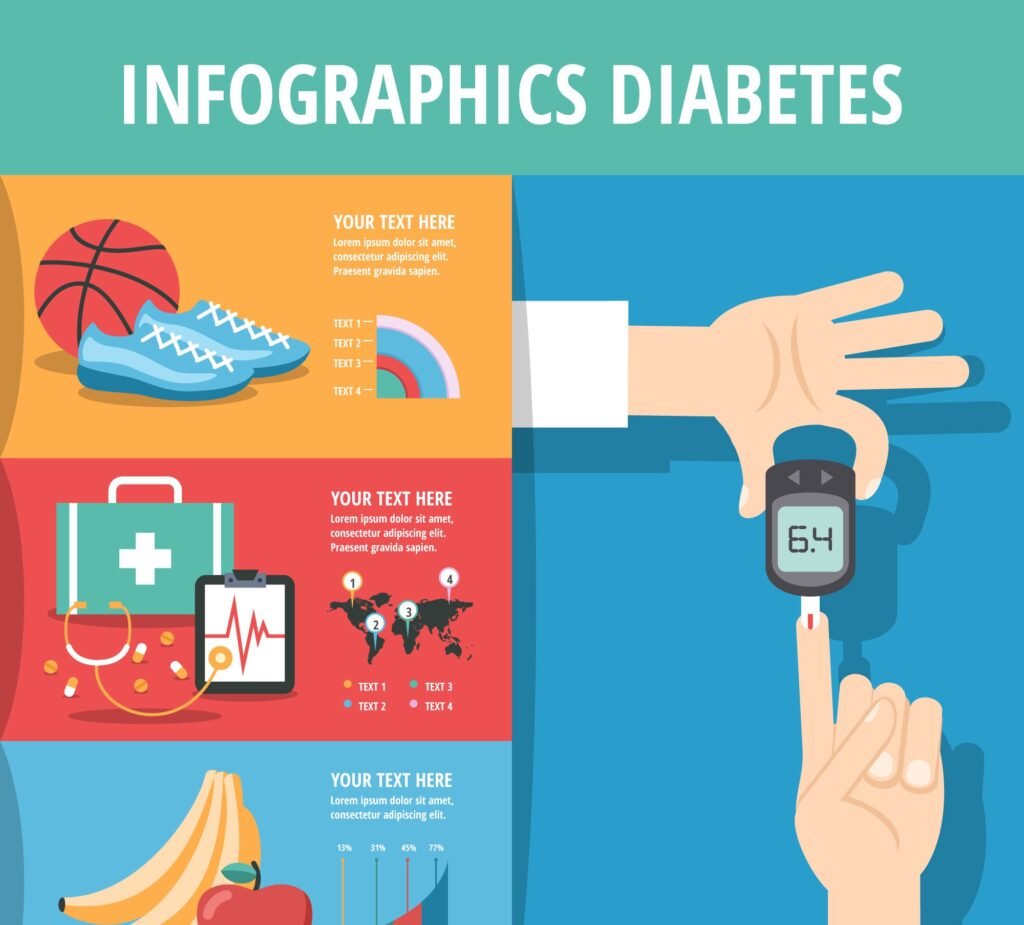
The recent American Diabetes Association (ADA) Standards of Care in Diabetes focus on the continued expansion of the continuous glucose monitoring (CGM) to generalized use, increased recommendations of the GLP-1 receptor agonist, and a more comprehensive approach to patient-centered care.
Technology and monitoring
The 2025 guidelines introduce several key updates regarding diabetes technology.
- The enlarged use of CGM in type 2 diabetes: The ADA is the first to suggest CGM should be considered in adults with type 2 diabetes, regardless of whether they are on insulin therapy. It aims to offer more information on the daily glucose pattern, enhance glucose control and minimize complications.
- Time in Range (TIR) measurements: The guidelines identify TIR by CGM as an important measure of glycemic control, particularly in older adults, in addition to the conventional A1C.
- Open-source system support: The ADA is now officially in favor of the use of open-source automated insulin delivery (AID) systems or DIY closed-loop systems to manage diabetes.
- Previous CGM of type 1 diabetes: In individuals with diabetes, the guidelines recommend the use of CGM as early as possible, whether diagnosis or diagnosis, to assist the management of the condition.
Bottom Line
Finally, the ADA diabetes guidelines offer an essential basis of efficient diabetes management with focus on prevention, personalized treatment, and lifelong learning. These evidence-based recommendations will help healthcare professionals provide more effective assistance to their patients, and individuals with diabetes may take active measures to control their disease. By keeping up with the ADA updates, one is bound to be in a position to make healthier and better-informed decisions.
FAQs
What is the latest ADA guideline for diabetes?
Significant changes to the Standards of Care in Diabetes -2025, are: The use of a continuous glucose monitor (CGM) in adults on glucose-lowering agents other than insulin should be considered. Instructions to follow when there are situations of unavailability of medication, like medication shortages.
What are the new guidelines for HbA1c?
An HbA1c of 6.5% is recommended as the cut point for diagnosing diabetes. A value of less than 6.5% does not exclude diabetes diagnosed using glucose tests.
When to repeat HbA1c to confirm diabetes?
National guidance advises a repeat within two weeks. The second result is often lower! Both must be ≥48 mmol/mol to diagnose diabetes; if discordant, the lower result is used.
Can you have a normal HbA1c and still be diabetic?
Yes. A blood glucose test may reveal diabetes in certain individuals when an A1C test does not. This can also be reversed, an A1C test can show diabetes, but not a blood glucose test.
