
Diabetes Pakistan Metabolic Syndrome Date: 1st - 2nd November, 2024 Venue: Serena Hotel, Faisalabad
For Emergencies: +92 41-2694037

The Role of Insulin Pumps in Diabetes Management

Dr. Ahmad Shahzad
Founder | Lyallpur Diabetes Foundation
Consultant Diabetologist | Educator | Advocate for Preventive Care

Diabetes requires the maintenance of the right levels of blood sugar to avoid chronic problems and lead a better life. Although the injections of traditional insulin have remained the most common remedy over the decades, technology has added better alternatives. One of these is the insulin pump, which not only brings constant supply of insulin but also brings in more freedom of daily activities. Insulin Pump Role in Diabetes Management is getting increasingly significant lately, because on top of improving glucose control, these gadgets save on convenience, stress alleviation, and providing a new method of living with diabetes in the modern world.

Understanding Insulin Pumps

An insulin pump is a small, portable, computerized health care device that assists in the administration of insulin into the body of people with diabetes with the aim of maintaining insulin levels. It is an alternative to several daily shots of insulin and acts in the same way as the pancreas releases insulin.

There are two main insulin delivery methods by the pump:

  • Basal insulin: a constant, continuous amount of fast-acting insulin in the day and night, to ensure stable sugar levels between meals.
  • Bolus insulin: increases at mealtime or use to settle high-blood sugar spikes.

Two main types of insulin pumps exist:

  1. Tubed pumps – attached to the body with a thin tube (catheter) which delivers insulin with a cannula inserted under the skin. The pump is applied on the body and the infusion set replaced it in 2-3 days.
  2. Tubeless (patch) pumps – an insulin reservoir and cannula are attached directly to the skin and controlled through wireless transmission by a handheld device which is changed every 2-3 days.

With insulin pumps, when combined with a continuous glucose monitor (CGM), adjustment of insulin outputs can be automated and performed by the insulin pump according to the relevant blood sugar levels. They provide flexibility in eating, sleeping and exercising patterns by providing more precise delivery of insulin than an injection.

In general, insulin pumps are an easy, accurate, and customizable method to control insulin levels in individuals with type 1 diabetes and a subset of people with type 2 diabetes who need insulin, and they enhance blood sugar management and quality of life.

Technology is quickly improving, and more sensors and automated insulin dosing systems are being added to make managing diabetes easier.

Advantages of Insulin Pumps in Diabetes Care

Insulin pumps offer several advantages in diabetes care, including:

  • Better diabetes management: Insulin pumps have been found to lower HbA1c of type 1 and type 2 patients, resulting in better overall glycemic control.
  • Reduced long-term complications: Better control of blood sugar levels lowers the chances of occurrence of long-term complications such as neuropathy, nephropathy and retinopathy.

More lifestyle adaptability: Via Pumps, consumers can become more spontaneous in terms of meals and activity, thriving in a more adaptable lifestyle without adherence to food timings.

  • Improved blood glucose control: Pumps offer constant basal insulin with bolus doses at mealtimes resulting in less high, and low, blood sugars. Insulin delivery may be suspended automatically in some pumps at dangerously low glucose levels to minimize the risk of hypoglycemia.
  • Lower hypoglycemic events: Decreased and non-severe incidences of hypoglycemia compared to multiple daily injections (MDI) are observed.
  • Fewer injections: As opposed to traditional insulin injections, insulin is administered using a cannula that is changed every 2-3 days there are fewer needle pricks involved.
  • Better insulin dosing: The pumps enable small custom doses to perfect insulin dosing.
  • Better living standards: Users frequently describe increased self-esteem, reduced stress, positive mood and increased freedom in social and recreational activities.
  • Time savings on sick days and travel: With the pump, insulin adjustment during illness or travel can be done without the complicated injection schedules required.
  • Continuous glucose monitoring (CGMs) connectivity: Possibility that some pumps are compatible with CGMs to automate insulin usage and cut down organ finger-pricking.

All in all, insulin pumps offer a convenient, accurate and effective method of insulin delivery which improves clinical outcome and quality of life in individuals with diabetes.

Challenges and Limitations

Challenges and limitations of insulin pumps in diabetes care include:

  • Price: Insulin pumps are not always covered by insurance or the public health system and as such, accessibility is becoming a problem.
  • Dedication to Following: Pump therapy requires users to regularly check their blood sugar levels (4-6 times a day) or wear continuous glucose monitors (CGMs) regularly to succeed.
  • Carbohydrate Counting: Carbohydrate counting requires education and measurement effort to give proper bolus insulin dose.
  • Wearing of the Device: Wearing a device full time may be annoying, restricting and inconvenient to some individuals. Pumps may be obvious, and tubing may get caught up in activities.
  • Skin Problems: Skin infection of cannula points as well as allergic reactions to adhesives are risks.
  • Technical Complications: The pumps may break down, tubing may be blocked or cannula dislodged, resulting in lost insulin supply. This may lead to hyperglycemia or diabetic ketoacidosis (DKA) which is life-threatening unless corrected in time.
  • Training and Complexity: Programming the pump, changing the infusion sets and dealing with alarms have a steep learning curve. Individuals with vision, listening or cognitive problems could have difficulty with its use.
  • Maintenance: Rotation of infusion sites is more complicated and lengthier than that of simple injections.
  • Hypoglycemia and DKA potent: Hypoglycemia is mitigated overall, but there is still a risk, and an interruption in insulin delivery increases the risk of DKA.
  • Device Alarms: Some users get irritated by alarms or it causes stress.

Weight Issues: Some research state potential weight gain, but this is different according to the individuals.

  • Type 2 Diabetes Specific: Pumps used in type 2 diabetes may be less complex, but device handling and insulin demands continue to be problems.

These factors require good patient education, support, and backup plans for pump failure to ensure safe and effective use of insulin pumps.

Who Benefits Most from Insulin Pumps?

Who Benefits Most from Insulin Pumps

The greatest recipients of the insulin pumps are mainly all ages of individuals with type 1 diabetes. Groups are:

  • Those with type 1 diabetes, who are having difficulty attaining good glycemic control, or those who have frequent or nocturnal hypoglycemia.
  • Patients with hypoglycemia are unaware in which there is a big risk that low blood sugars will not be detected.
  • Its individuals possessing a dawn phenomenon (high blood sugar spikes early in the morning) that require differing insulin rates each day.
  • Those who have irregular eating habits or day-to-day schedule (like shift workers).
  • Patients who want a greater degree of flexibility in the timing of their meals and exercise and lifestyle, rather than multiple daily injections (MDI).
  • Little children with insulin needs and their families enjoy the accuracy of the dose.
  • Gastroparesis patients in need of long-acting delivery of insulin meals with delayed emptying of their stomach.
  • Individuals wishing to minimize the rates of needle pricks and injections.

Insulin pumps are also suitable in the case of patients who are patient to understand device handling, counting carbohydrates and frequent monitoring of blood glucose. Effective users of the pump usually require dexterity and cognitive capacity to use the mechanism or supportive attendants. Integrated with continuous glucose monitors, the integration also benefits individuals who are ready to adopt sensor technology.

You may also like to read: Early Signs of Diabetes in Kids

Integration with Technology

Insulin pumps used with continuous glucose monitors (CGMs) are an important step in the technology of managing diabetes. Used together, the devices speak to each other to automate insulin delivery using real-time glucose data, resulting in a more accurate and responsive systemic insulin regulation.

Key points about this integration include:

Instantaneous glucose tracking: The CGM consistently screens glucose levels through a sensor implanted under the skin and alerts every few minutes to the insulin pump or an associated device.

Automated insulin dosing: Insulin pump, using data generated by CGM, automatically prevents basal insulin delivery and corrective boluses, minimizing user-guesswork and computations.

Artificial pancreas (closed-loop systems): the more sophisticated systems perform most of the insulin delivery dynamically responsive to glucose trends, enhancing glycemic control and minimizing hypoglycemia.

Smart Features: Smart Pumps can provide tailored insulin regimens and to respond to lifestyle changes like altered sleep or activity patterns. Better results: evidence indicate that sensor-enhanced pumps lower HbA1c, hypoglycemia, and enhance time in range.

Examples: Omnipod 5 or the Tandem t:slim using Control-IQ technology is useable with CGMs to coordinate automated dosing such as the Dexcom.

This integration lessens the mental burden of diabetes management, provides more freedom and flexibility, and improves the safety and quality of life for insulin-dependent people with diabetes by closely mimicking natural pancreatic function.

Practical Considerations for Patients

Practical considerations for patients using insulin pumps include:

  • Self-Management Abilities and Motivation: Patients should be motivated and able to program the pump, check blood glucose, count carbs. They must be accountable in using devices frequently and adjusting.
  • Education and Training: A lot of initial and ongoing training is necessary to master using pumps (including insertion, programming, dosing calculation, troubleshooting and managing hyperglycemia or hypoglycemia).
  • Device Wear and Comfort: Patients need to feel comfortable to wear a device 24/7. Adhesive skin reactions and infusion site infections may occur so site rotation and skin care should be considered.
  • Spare Insulin: Patients need to have access to insulin injections (fast acting) in case of progress simulation or during certain activities such as swimming.
  • Checking and Alarms: Insulin pumps include dealing with alarms and alerts, which may at times be stressful or inconvenient.
  • Realistic Expectations: Patients need to realize that the pump allows managing diabetes, yet the patient still requires continuing self-care and glucose monitoring.
  • Cost and Access: Disparities could be cost of insurance coverage or the cost of pumps. The assistance of medical staff and producers plays an important role.
  • Lifestyle factors: Pumps are applicable to people who require relative adaptability in insulin use, such as changing schedules, exercise, and other lifestyle influences.
  • Technical Setbacks: Mechanical failure of the tubing like a blockage or cannula displacement, can result in complications like diabetic ketoacidosis which have to be addressed timely.

Overall, patients with sufficient education, support, and motivation who accept the responsibilities of device use tend to achieve better outcomes and quality of life with insulin pumps.

Bottom Line

The Role of Insulin Pumps in Diabetes Management identifies how newer technology can revolutionize day-to-day care. Pumps also have numerous benefits such as accurate insulin dose delivery, better blood sugar management, and increased lifestyle. Although there are still issues like cost, training, and maintenance of such devices, people are finding them easier to work with due to continued innovation and increased accessibility. With the healthcare industry still moving toward smarter solutions, insulin pumps will lose even less ground in aiding patients to reach balance, independence, and long-term health.


Early Signs of Diabetes in Kids: What Parents Need to Watch For

Dr. Ahmad Shahzad
Founder | Lyallpur Diabetes Foundation
Consultant Diabetologist | Educator | Advocate for Preventive Care

Diabetes is no longer just an adult condition—it can affect children as well, and recognizing the early symptoms is crucial for timely treatment. The signs of diabetes in kids often develop quickly, and many parents may mistake them for ordinary childhood changes. Frequent urination, excessive thirst, sudden weight loss, or unusual fatigue, however, may be indicative of a more serious condition. Parents and caregivers can take early action to make sure children have the care and support they require to remain healthy by learning to identify these warning signs.

Understanding Diabetes in Children

Diabetes in children is a condition whereby the body fails to produce a sufficient amount of insulin or responds to insulin inappropriately leading to high concentrations of glucose in the body.

Two types of diabetes exist that affect children:

Type 1 Diabetes

  • Type 1 diabetes is an autoimmune disease in which the body stops producing insulin due to the pancreatic attack of an immune system on insulin-producing cells.
  • Children with diabetes type 1 require insulin shots or insulin pump to live.
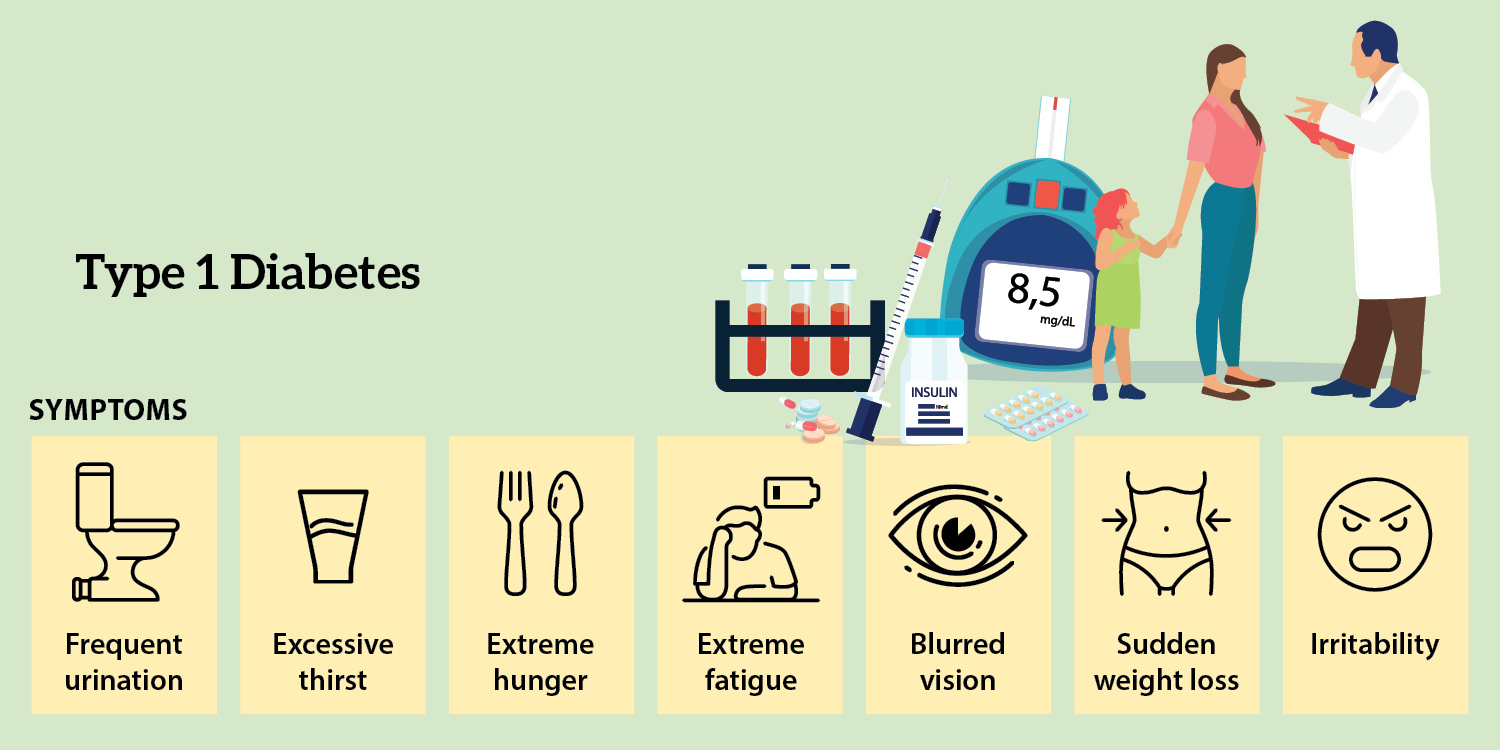
  • Symptoms are likely to develop fast and include thirst, urination (incontinence in toilet-trained children), excessive hunger, inadvertent weight loss, fatigue, temper, and fruity odor breath.
  • This is the most prevalent form and it is incurable in children.
  • Management implies blood sugar monitoring, insulin injections, diet, and exercising.
  • The complications of poorly controlled type 1 diabetes may involve the heart, blood vessels, nerves, kidneys, eyes, and bones.
  • Children with diabetes 1 have higher chances of developing other autoimmune conditions such as thyroid conditions and celiac disease.

Type 2 Diabetes

  • Type 2 diabetes tends to be more prevalent in adults, but is now found in children and adolescents also secondary to the increased obesity rates.
  • The body in a type 2 diabetes produces insufficient insulin or the cells are resistant to insulin.
  • The symptoms may appear gradually and may include thirst, frequent urination, hunger, fatigue, blurred vision, darkening of some areas of the skin, frequent infections, and weight loss (not frequent as in type 1).
  • The risk factors are obesity, family history, genetics, and conditions such as metabolic syndrome (high cholesterol, high blood pressure, large waist size).
  • Treatment involves healthy nutrition, exercise, good weight, and at times, medication or insulin.
  • When not well-controlled, type 2 diabetes can be a major cause of heart disease, stroke, nerve damage, kidney disease, and eye problems.

Early Warning Signs of Diabetes in Kids

The first symptoms of diabetes in children indicating type 1 or type 2 diabetes are usually not related to elevated blood sugar levels and are able to develop very fast with type 1 diabetes or more slowly with type 2 diabetes. Some of the main symptoms to be on the lookout early in the stages include:

  • Frequent urination, including bedwetting in toilet taught Children
  • Polydipsia and drinking an excess of fluids too much
  • The hunger still when the food is eaten
  • Accidental weight loss (type 1 more often)
  • Weakness and lack of strength
  • Blurred vision
  • Abundant irritability or changes of behaviour
  • Smelly fruits breath (ketoacidosis symptom in type 1 diabetes)
  • Blackened patches of skin on the neck, armpits and groin (more frequent in type 2 diabetes)
  • Repeated infections or (slow healing wounds, more frequently in type 2 diabetes)

The symptoms of diabetes type 1 can be quite severe and sudden, whereas the symptoms of type 2 diabetes can be overlooked and not so abrupt.

In case parents find these symptoms, they should consult a doctor immediately to ensure that the child can be treated at an early stage to avoid serious complications.

You may also like to read: Is Diabetes Genetic?

Advanced Symptoms and Complications to Watch

Later or advanced signs-and-symptoms of diabetes in children that go untreated or mistreated may develop into serious complications including death. Important advanced signs and complications to beware of include:

Advanced Symptoms

  • Diabetic Ketoacidosis (DKA): This is a severe and dangerous circumstance more typical of type 1 diabetes but can occasionally seen in type 2 diabetes. This occurs when the body begins to break down fat too quickly as there is an insulin shortage, leading to ketone formation that makes blood acid.
    • Symptoms of DKA include nausea, vomiting, belly pain, rapid and labored breathing, fruity-smelling breath, confusion, headache, fatigue, and loss of consciousness.
    • DKA requires urgent medical treatment as it can lead to coma or death.
  • Severe dehydration due to frequent urination and fluid loss
  • Blurred vision and severe fatigue
  • Rapid pulse and weakness
  • Confusion or altered mental status — signs of severe metabolic disturbances

Long-Term Complications

If diabetes is not well controlled over time, children can develop complications typically seen in adult diabetes, including:

  • Blood vessel damage leading to heart disease and stroke
  • Nerve damage (neuropathy) causing pain, tingling, or loss of sensation
  • Kidney damage (nephropathy) which may lead to kidney failure
  • Eye damage (retinopathy) including risk of blindness
  • Skin problems such as infections and slow wound healing

These complications usually develop after years of uncontrolled blood sugar but early and consistent management is crucial to reduce these risks.

Why Early Detection Matters

Why Early Detection Matters

Early detection of diabetes in children is critically important because it significantly improves health outcomes and prevents severe complications. Here are the key reasons why early detection matters:

  1. Prevention of Serious Complications: Early detection helps their avoidance of life-threatening conditions like diabetic ketoacidosis (DKA), which is the type that can develop when the disease is not identified on time. DKA needs immediate medical care and may have long-term effects or possible death when left untreated.
  2. Early Treatment Initiation: Early identification of diabetes enables early treatment initiation (insulin treatment during type 1 diabetes or lifestyle / medication interventions during type 2 diabetes). This assists in the control of blood sugar and lesser chances of acute and chronic complication.
  3. Less Readmissions to the Hospital and Emotional Stress: Early determination can lower re-admission to hospitals and emotional loads on children and families. It will enable families to plan, be educated about managing the disease, and get support services earlier.
  4. Better Long-term Results: Early treatment can increase the duration of life with health conditions, such as better glycemic control (HbA1c levels) and decreased risk of complications that include heart, kidneys, eyes, and nerves among others.
  5. Preventive Potential: In type 1 diabetes, early detection through screening can be used to detect children at risk before the symptoms have developed and therefore afford an opportunity to experiment immune therapies and lifestyle changes that may delay the full onset of the disease.
  6. Increased Awareness and Education: The increased awareness of families and providers means better self-management and preparedness to live with a lifelong condition such as diabetes.

When to See a Doctor

You should see a doctor for your child if you notice any signs or symptoms of diabetes, especially if they appear suddenly or worsen quickly. Key situations when to seek medical attention include:

  • Frequent urination or bedwetting after being toilet trained
  • Extreme thirst and increased fluid intake
  • Unintended weight loss
  • Fatigue or decreased energy
  • Increased hunger
  • Blurred vision
  • Irritability or behavior changes
  • Fruity-smelling breath (a sign of diabetic ketoacidosis, a medical emergency)
  • Signs of dehydration such as dark-colored urine, pale skin, cold hands or feet, and rapid breathing
  • Vomiting or stomach pain

When these symptoms occur you need to get your child to a health care specialist as soon as possible to check their blood glucose level. Early detection enables early treatment that can be used to avoid such life-threatening conditions as diabetic ketoacidosis.

Tips for Parents and Caregivers

Here are important tips for parents and caregivers managing diabetes in children:

  1. Learn About Diabetes Management


Learn about the available treatment methods, blood sugar measurement, insulin delivery, carb counts, correcting highs and lows and sick days. Seek support group, online discussion boards, and your child care team to guide you.

  1. Regular Blood Sugar Monitoring


Keep checking your child’s blood sugar levels regularly with a glucose meter or continuous glucose monitor (CGM). This helps to fine tune insulin doses and avoid the highs and the lows.

  1. Administer Insulin as Prescribed


Adhere to schedule and process set out by the medical team to your child. Insulin can be applied by injections or an insulin pump based on the needs of the child.

  1. Healthy Eating Habits

Consult a dietitian to create a healthy and balanced diet, including vegetables, fruits, lean proteins, and whole grains. Learn how to count carbs so as to administer insulin effectively.

  1. Encourage Regular Physical Activity


Physical activity Exercise 60-minute daily activity reduces blood sugar and improves sensitivity to insulin. Adjust the levels of activity to the impact they have on your child glucose levels.

  1. Support Emotional Adjustment


Assist your child to cope through use of appropriate language that fits their age and involving them slowly in their care. Promote independence with oversight, and support open discussion of diabetes management frustrations.

  1. Coordinate with Schools and Caregivers


Make sure to train school staff and caregivers how to recognize and react to the symptoms of low blood sugar and high blood sugar and whether they have to give insulin or not. Diabetes care at school and activity plan.

  1. Stay Connected with Healthcare Providers


Follow up with your child frequently with his or her healthcare team to assess progress, change treatment, and discuss any questions you may have. Use their experience to understand the latest best practices to keep up with new technologies of diabetes.

  1. Instill Positive Attitudes


Encourage a healthy perspective on diabetes management so that your child may develop healthy lifestyle habits for life.

  1. Prepare for Emergencies


Have supplies such as glucagon kits, rapid glucose sources and medical identifications on hand. Understand how to treat a hypoglycemia or diabetic ketoacidosis emergency.

Bottom Line

Recognizing the early signs of diabetes in kids can make a life-changing difference in a child’s health and future. Numerous thirst and urine, unexplained weight loss and fatigue are the signs which are not to be ignored. Early diagnosis enables early healthcare, eliminates severe complications such as diabetic ketoacidosis and will enable children to live healthy, active lives with effective treatment. Parents and caregivers who are attentive to these signs are very important to the care of their children. In the event that any of these symptoms are felt, it is better to consult a medical expert immediately.

Is Diabetes Genetic? How Genes and Lifestyle Influence Your Risk

Dr. Ahmad Shahzad
Founder | Lyallpur Diabetes Foundation
Consultant Diabetologist | Educator | Advocate for Preventive Care

Diabetes is a widespread chronic disease that occurs in millions across the globe of all ages. It is widely known as the disease associated with diet, lifestyle, and obesity, but another question has recursed lately, is diabetes hereditary? It has been found that family history and inherited genes may be a big influence on the risk of a person, but it is not the only cause. The interplay of genetics and environment brings about the knowledge of why one individual develops diabetes and another does not, even in the same family.

Understanding Diabetes

Diabetes is a long-time disease in which the level of blood sugar (glucose) is above normal. It occurs when the pancreas fails to generate adequate insulin or keeps on failing to utilize the insulin generated. Insulin is a hormone that is used as a key to open body cells to receive glucose in the food and use it as energy. Lack or poor functioning of insulin causes glucose to be in the blood, resulting in high blood sugar (hyperglycemia) that may cause other health challenges once not well addressed.

The Role of Genetics in Diabetes

In diabetes, especially in type 2 diabetes (T2D) genetics is an important part of the risk and development. The family and twin studies demonstrate a heritability range of 20-80 in diabetes, and the first-degree relatives are thrice as likely to assume the condition compared to their counterparts with no family history of the illness. It has a strong genetic component, with monozygotic twins being more concordant on T2D than dizygotic twins. Concordance in identical twins has been found as high as 40-50 percent in type 1 diabetes (T1D), suggesting a genetic role, but also the factor of environmental impact.

Several specific genes have been identified that influence diabetes risk:

  • TCF7L2: It is known to influence insulin release and glucose production and is one of the strongest genetic predisposing factors in T2D.
  • CAPN10: It is involved in the risk of T2D, particularly among certain populations.
  • PPARG: Mutations in this gene may predispose diabetes and are associated with the body response to some diabetes treatments.
  • KCNJ11: Involved insulin secretion and mutations in this gene are the cause of neonatal diabetes and factors in the development of T2D.
  • HLA genes: These genes are mainly involved in T1D, and they help in the immune system and predisposition to autoimmune diabetes.

Genetic predisposition contributes to how the body metabolizes glucose, insulin released by beta cells, and insulin resistance. Gene-environmental interaction is also essential because in the event of genetic predispositions, environmental factors such as obesity, diet and lack of physical activity play an important role in predicting whether the predisposition can be developed as diabetes. Genes can also influence behavior and metabolism that combine with the risk factors in the environment.

Type 1 Diabetes: Is It Genetic?

T1D has familial and genetic attributions, but one gene does not cause it. It is a complicated disease that is caused by both genes and environment. Research suggests that genetics is about 50 percent of the risk of developing T1D.

HLA gene region, including HLA-DRB1, HLA-DQA1, and HLA-DQB1 in leukocyte antigen, on chromosome 6p21 is the major genetic risk factors of T1D. These genes are very important in immune system functioning. Types or haplotypes of these HLA genes predispose a person to develop an autoimmune attack on insulin-producing beta cells in the pancreas. An example is the haplo type DR3-DQA10501-DQB10201 and DR4-DQA10301-DQB10302 being greatly favorable to increase risks of T1D by 40% to 50%.

Beyond HLA, there are over 90 non-HLA gene loci that affect T1D risk, notably including INS, CTLA4, PTPN22 and IL2RA among others.

Although the risk genes predispose individuals, they are not a certain cause of T1D in everyone. The role of environmental factors, which seem to be critical in the onset of the diseases in genetically vulnerable individuals, include viral infections, early diet and perhaps climate.

Type 2 Diabetes: Is It Genetic?

T2D has a large genetic component with heritability estimates between 20 and up to 80 percent depending on the population and the study. A family history is a strong risk factor: lifetime incidence is up to 40% when one of the parents has T2D and up to 70% when both parents have it. The relatives of individuals with T2D have approximately three-fold increased risks of developing T2D than those without a family history.

The concordance rate (both twins having T2D) is approximately 70 in identical (monozygotic) twins and 20-30 in fraternal (dizygotic) twins, as twin research indicates, which is supported by the importance of heredity.

T2D is polygenic and has numerous genes that have a low impact. GWAS have found over 60 loci associated with T2D risk with the strongest association observed in TCF7L2. Additional genes linked to obesity also cause T2D because obesity is a leading cause of T2D.

Although genes are highly determinative, environmental factors and lifestyle, including diet and exercise, as well as body weight are highly influential to T2D risk. The relation between genes and the environment will dictate whether a person will develop T2D or not.

Monogenic Diabetes: When Genes Are Direct Cause

Monogenic diabetes A rare form of diabetes, directly genetic in origin, caused by mutation or variant of a single gene. In contrast to type 1 and 2 diabetes, which are caused by many genes and environmental factors, monogenic diabetes is caused by a problem with a single gene that interferes with the production or regulation of insulin in the body.

There are two main types of monogenic diabetes:

  1. 1Maturity-Onset Diabetes of the Young (MODY): Normally prevalent under age 25 and transmitted in autosomal dominant pattern which means that a parent who has that type of mutation has 50 percent possibility of passing it to his/her offspring. Approximately 1-5 % of cases of diabetes are due to DY, and they are usually marked by a family history of diabetes over many generations. These genes are most often HNF1 A, HNF4A, and GCK that influence the production of insulin and the work of the pancreas.
  2. Neonatal Diabetes Mellitus (NDM): Typically occurs in the initial six months of life and will be either impermanent or permanent. KCNJ11/ABCC8, in KCNJ11, a gene located on chromosome 11, and in ABCC8, a gene located on chromosome 8, KCNJ11 and ABCC8 may exhibit mutations either naturally or without inheritance from our parents.

The genetic mutation in monogenic diabetes can be related to the pancreas, insulin, limitation, insulin emission or insulin producing cell functions. As monogenetic diabetes is caused by a single genetic factor, genetic testing is essential to its diagnosis to make the appropriate treatment interventions and differentiate it from type 1 or type 2 diabetes.

You may also like to read: Importance of Blood Sugar Monitoring in Diabetes

Genetic Testing and Risk Assessment

Diabetes risk genetic testing entails examination of the genetic variants (primarily type 2 diabetes or T2D) of specific gene sequences. New technology has led to the discovery of several single nucleotide polymorphisms (SNPs) associated with the risk of diabetes. It is common to find tests that test several SNPs in order to give genetic risk score (GRS) of an individual to diabetes.

Such tests may be valuable in screening those at greatest risk early on, and, as some further action would then be possible, in lifestyle modification and increased surveillance. It is also used to distinguish between different forms of diabetes, e.g. monogenic diabetes; in such applications, genetic testing assists in identifying the appropriate treatment.

Genetic risk scores, however, provide only a small incremental predictive advantage beyond traditional clinical risk factors in age, body mass index (BMI), family history, and blood glucose levels. Currently, genetic testing is being used merely as a supplement to traditional methods of assessing clinical risk, rather than as an alternative.

Genetic testing can also help personalize treatment by informing how genetically determined differences can respond to diabetes medication, towards precision medicine in diabetes treatment.

Final Thoughts

In conclusion, the answer to is diabetes genetic is both yes and no. Heredity can play a major role in promoting diabetes especially when one of the parents, siblings or close relatives has the condition. But hereditary risk is but half the situation, and other environment, behavioral habits and all-round wellbeing are an equal factor. Your genes may not be changed, but you can do certain things like maintaining a balanced diet, engaging in exercising activities and checking the levels of blood sugar in the body to mitigate the risk of contracting diabetes. Learning more about your family history makes it possible to take precautions and consult a doctor in time, which will lead to improved long-term health.

The Importance of Blood Sugar Monitoring in Diabetes

Dr. Ahmad Shahzad
Founder | Lyallpur Diabetes Foundation
Consultant Diabetologist | Educator | Advocate for Preventive Care

Diabetes is a status that repeatedly influences how the body handles and utilizes blood sugar, or glucose-the most critical energy provider to our cells. Be it Type 1 diabetes or Type 2, or gestational diabetes, it is important that the level of blood sugar remains within a healthy range to avoid the short-term complications of hypo and hyperglycemia, and long-term effects on the heart, kidneys, neurons, and eyes. The importance of blood sugar monitoring in diabetes cannot be overstated, as it provides valuable insights into how diet, physical activity, medication, and lifestyle choices impact glucose control. When individuals monitor such patterns over time, they will be able to make informed choices that will have positive health implications and a good quality of life.

Understanding Blood Sugar and Diabetes

The primary sugar in your blood, also known as blood glucose, is the energy source that the body uses. It is provided through what you eat, especially the carbs which is dissimulated into glucose that changes into the bloodstream. Insulin is one of the pancreatic hormones, which facilitate transport of glucose in the blood to the cells where it acts as energy source.

Diabetes is a condition in which the amount of glucose in the blood is abnormally high due to lack of production or use of insulin, or both. This results in glucose remaining in the blood, resulting in several health effects in the long-term.

Blood glucose targets for people with diabetes typically are:

  • 80 to 130 mg/dL before meals
  • Less than 180 mg/dL two hours after starting a meal

Regulating blood sugar level in target ranges is the key in management and prevention of diabetes complications including deteriorated eyes, kidney, nerve, and heart issues. Monitoring includes frequent blood glucose checks. In some cases, hemoglobin A1c in order to get a gauge of the average blood sugar level over several months.

Why Blood Sugar Monitoring is Essential

Monitoring of blood sugar is critical in managing diabetes due to several reasons:

  • It guides you to learn which factors such as food, physical activity, medication, and stress influence your blood sugar levels during the day. This information would enable you to make informed change of lifestyle or treatment.
  • Constant checking can ensure you monitor the patterns and fluctuations in your blood sugar and stay within your levels of your desired target range. Remaining in this range minimizes the chances of adverse, short-term issues (such as hypoglycemia and hyperglycemia) and long-term complications to the eye, kidney, nerve, and heart.
  • Monitoring also helps healthcare providers to decide on a treatment plan to deal with your diabetes, including any change in medication or insulin doses.
  • It enables early warning of excessive and insufficient blood sugar levels, which can cause severe health problems in case of timely treatment.
  • Regular self-blood sugar tests represent the day-to-day variability that can be missed in average blood sugar tests temporary, but this is essential in managing diabetes daily.
  • People on insulin should monitor themselves prior to meals, following meals, before going to bed, and when symptoms of low or high sugar manifest themselves, particularly to achieve safe and effective control.

Methods of Blood Sugar Monitoring

There are several common methods for monitoring blood sugar, especially for people with diabetes:

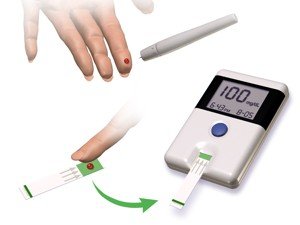
Self-Monitoring with a Blood Glucose Meter (Finger Stick Test)

·       This is where the side of the fingertip is pricked using a lancet to release a little blood.

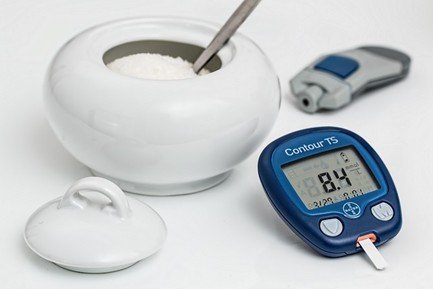
·       A drop of blood is dropped on disposable test strip and fitted into a glucose meter which measures and displays the blood sugar concentration.

·       It gives a measure of blood sugar at that time and is the most employed home-type of monitoring.

Continuous Glucose Monitoring (CGM)

·       CGM -This approach measures the level of glucose in the fluid between cells every few minutes with a small sensor that is implanted under the skin.

·       Data is transmitted wirelessly to real-time glucose monitoring receiver, smartphone or insulin pump.

·       CGMs have the capacity to offer high and low blood sugar warnings, monitor trends and offer comprehensive data on diabetes management.

·       Sensors usually require replacement out in 7-14 days, but certain implanted sensors can last several months.

Flash Glucose Monitoring (e.g., FreeStyle Libre)

·       Like CGM but must scan a sensor on the skin into a reader or smart phone to obtain glucose results.

·       It is not alarm-based and allows glucose trends and recent history upon scan.

A1C Blood Test (Laboratory Test)

  • Determines the average blood glucose in the past 2-3 months is determined based on the glucose bound to hemoglobin in red blood cells.
  • It is done on a regular basis by a medical practitioner to check the long-term control of glucose as opposed to daily variations.

How to Interpret Blood Sugar Readings

Blood sugar readings have ranges that represent normal blood sugar, prediabetes and diabetes. This is a simple guide on how to read blood sugar results:

Blood Sugar Levels (in mg/dL)

  • Fasting (before meals):
    • Normal: 70 to 99 mg/dL
    • Prediabetes: 100 to 125 mg/dL
    • Diabetes: 126 mg/dL or higher (on two separate tests)
  • Two hours after eating:
    • Normal: Less than 140 mg/dL
    • Prediabetes: 140 to 199 mg/dL
    • Diabetes: 200 mg/dL or higher
  • Random blood sugar test (any time of day):
    • Diabetes likely if 200 mg/dL or higher with symptoms of diabetes
  • Low blood sugar (hypoglycemia):
    • Below 70 mg/dL can be considered low and may cause symptoms needing prompt treatment

Why These Numbers Matter

  • Maintaining blood sugar in the target range can prevent or delay such complications as nerve damage, vision difficulties, kidney disease, and heart problems.
  • Very high readings can mean changing medications, food and/or exercise.
  • Low readings need right away care to avoid severe symptoms.

Checking your levels regularly and collaborating with medical personnel to know your target levels and how your numbers compare with your health is a major factor in successful management of diabetes.

You may also like to read: Diabetes Management

Tips for Effective Blood Sugar Monitoring

Here are some key tips for effective blood sugar monitoring to help manage diabetes properly:

Prepare your tools: Ensure your meter has power, strips are valid, and your hands are clean and dry.

Use proper technique: Prick the side of your fingertip, apply blood as instructed, and avoid squeezing too hard.

Test at the right times: Follow your provider’s advice on when to test for accurate patterns.

Log your readings: Record results with date, time, and notes, or use apps for tracking.

Store supplies safely: Keep strips and lancets cool, dry, and out of direct sunlight.

Don’t share equipment: Use only your own meter and lancets; dispose of lancets properly.

Warm cold hands: Improve blood flow before testing for easier sampling.

Review trends: Check patterns over time and discuss them with your healthcare team.

Seek guidance: Get professional help when learning to monitor blood sugar.

Consider technology: Use CGMs or flash monitors if recommended for continuous data.

Bottom Line

Monitoring is one of the pillars of an effective management of diabetes, as it allows individuals to manage the rise or fall of their blood sugar level. With proper technique, record-keeping consistency, and professional healthcare support, people with diabetes can implement informed decisions with regards to their own longevity. In the end, checking the level of sugar in the blood not only excludes the risks of complications but also leads to more active and healthy life and a feeling of confidence.

Diabetes Management: Tips for Living with Diabetes

Dr. Ahmad Shahzad
Founder | Lyallpur Diabetes Foundation
Consultant Diabetologist | Educator | Advocate for Preventive Care

Diabetes may seem like a big burden when it comes to managing the condition, but it will be an enjoyable and active life with the right approach. Effective diabetes management is not just about keeping blood sugar levels in check—it’s about building sustainable habits that support your overall well-being. Choosing food wisely, exercising, stress control, and monitoring your health, there are a lot of things that you can do in your daily life to remain in control. In this guide, we’ll share proven tips for living with diabetes that can help you manage your condition confidently and reduce the risk of complications in the long run.

Understanding Diabetes

Diabetes is a long-term disease where the body has difficulty controlling blood sugar levels either being unable to produce enough of it (in Type 1) or not using insulin properly (in Type 2, characterized by insulin resistance) or developing glucose intolerance when pregnant (gestational diabetes). Insulin in a way is a key to enabling glucose to enter your cells to provide energy, building glucose control failure is a challenge to be faced day in day out requiring informed diabetic care. It is important to realize these basic differences and understand insulin and blood sugar control mechanisms to manage and have a better quality of life.

Setting the Foundation: Self-Education & Support

Effective living with and management of diabetes principles are based on diabetes self-management education and support. This is a summary of the significance of diabetes self-management education programs, building a support system, and monitoring progress:

Diabetes Self-Management Education Programs (DSMES, DAFNE, DESMOND)

  • The DSMES (Diabetes Self-Management Education and Support) programs deeply educate on diabetes, including diet, physical activity, care of medication, blood sugar levels, and coping strategies. Such programs arm people with information and the ability to go alone and thus cope with their condition.
  • DAFNE (Dose Adjustment for Normal Eating) is an education programmed particularly designed to individuals with diabetes type 1. It educates on non-prescriptive dosing of insulin, depending on carbohydrates consumption and lifestyle, thus improving the quality of life and blood sugar levels.
  • DESMOND (Diabetes Education and Self-Management for Ongoing and Newly Diagnosed) focusses primarily on those with type 2 diabetes. It targets lifestyle adjustments, knowledge of diabetes and self-management skills as the ways of preventing complications and enhancing long-lasting health.

The programs are crucial because they enhance clinical results, increase patient confidence relevant to diabetics, mitigate hospitalization, and complications.

Tracking Progress with Journals or Digital Apps

  • A diary journal (either paper or digital) should be kept monitoring blood glucose levels, drug doses, meals, physical exercise, and symptoms. This monitoring helps one learn the patterns, clarify the problem spots, and have informed conversations with care providers.
  • There are a lot of digital apps that make it easier to monitor, remember, educate, and, in some cases, can integrate glucose meters and wearables to track in real-time.
  • Constant monitoring improves self-awareness and responsibility by making corrections in line with diabetes management in general.

Together, self-management education, a reliable support network, and regular monitoring form the cornerstone of effective diabetes care, improving health outcomes and quality of life.

Nutrition for Diabetes Management

An essential part of diabetes management, nutrition can regulate blood sugar levels, promote general health and can minimize the risk of complications involving diabetes. The main guidelines and tips on nutrition in diabetes management include:

Key Nutrition Guidelines for Diabetes Management

  • Healthy Carbohydrates: Focus on carbohydrates that have less impact on blood sugar. Choose:
    • Fruits (prefer whole fruits over fruit juices)
    • Non-starchy vegetables (like leafy greens, broccoli, spinach)
    • Whole grains (brown rice, whole wheat, quinoa, oats)
    • Legumes (beans, lentils, peas)
    • Low-fat dairy products
  • Fiber-Rich Foods: Fiber helps slow digestion and blood sugar absorption, improving blood sugar control. High-fiber foods include vegetables, whole fruits, nuts, legumes, and whole grains.
  • Good Fats: Include sources of monounsaturated and polyunsaturated fats which can help lower cholesterol and support heart health. Examples:
    • Avocados
    • Nuts and seeds
    • Olive, canola, and peanut oils
      Avoid trans fats and limit saturated fats.
  • Heart-Healthy Proteins: Prefer lean protein sources such as:
    • Skinless poultry
    • Fish rich in omega-3 fatty acids (salmon, mackerel, sardines)
    • Eggs
    • Plant-based proteins like tofu, tempeh, legumes, and nuts
    • Low-fat dairy
  • Meal Timing and Portion Control: Timed eating improves insulin sensitivity and stops highs and lows in blood sugar. The portion control is crucial, and tools such as the diabetes plate containing half the meal consisting of non-starchy vegetables, a quarter lean protein, and a quarter carbohydrate can serve to balance a plate.
  • Reducing the Intake of Added Sugar and Refined Foods: Eliminate sugary beverages, candy, and heavily processed starches that lead to quick rises in the sugar level in the blood.

Helpful Eating Patterns

  • Mediterranean-Style Diet: Focuses on vegetables, fruits, whole grains, nuts, fish and healthy fats. This pattern has been found to offer blood sugar control and lower cardiovascular risk.
  • Plant-Based Diets: A diet that is high in whole plant foods and is followed under a vegetarian or vegan regime may lead to lowering blood sugar and ensuing weight loss. Practical Tips for Meal Planning
  • Make plans on the types of carbohydrates, proteins and fats to put in the day meal
  • Moderate carbohydrate with exchange lists or by counting crab
  • Track how you respond to various food to customize your diet
  • Consult with a registered dietitian to tailor a meal plan to your health goals, food preferences, and lifestyle

Foods Noted for Blood Sugar Benefits

Some ingredients may help manage blood sugar levels, like broccoli, flaxseed, beans, lentils, nuts, kimchi, berries, citrus fruits, and whole oats.

Exercise & Physical Activity

Physical activity and exercise are an essential part of diabetes management, as they help improve glycemic control in type 1 and type 2 diabetes and insulin sensitivity and cardiovascular risk factors.

Key benefits of exercise for diabetes management include:

  • Improved blood sugar control due to high insulin sensitivity and uptake of glucose in the muscles.
  • Lower blood pressure and lipid profiles as cardiovascular risks.
  • Weight management and body composition assistances.
  • Increased energy, better mood, and enhanced sleep.
  • Lessened chances of diabetes complications like nerve and heart damage.
  • In type 1 diabetes, exercise will enhance cardiorespiratory fitness, lipids, and, with the right precautions, reduces the risk of exercise-induced hypoglycemia.

Recommended types of exercise for diabetes management:

  • Aerobic exercise (walking, cycling, swimming, dancing etc.): it elevates mitochondrial density, insulin sensitivity and cardiovascular fitness. Get 150 minutes or more of moderate-intensity aerobic physical activity each week, on at least 3 days, with no more than 2 consecutive days.
  • Resistance exercise (otherwise known as resistance training) (e.g. weightlifting, resistance bands): Increases muscle mass and strength, facilitating insulin sensitivity and glycemic control. Combined with aerobic exercises, it has better health.
  • Flexibility and balance (e.g. yoga, Pilates, Tai Chi): Increase mobility of joints, decrease risk of falls and improve quality of life.
  • High-intensity interval training (HIIT): also provides fast reductions in glycemic control and muscle oxidative capacity and may be applicable to certain diabetic persons when used safely.

Practical advice for exercising with diabetes:

  • When you have insulin or blood sugar-lowering drugs, check your blood sugar both before and after a workout, as this can create hypoglycemia.
  • Begin gently on your first days of exercising or handling complications or pain, building up to high levels of intensity and time.
  • Select things you like, and you can have over a long period of time to create consistency.
  • An initial easy and low risk approach to start with is walking.
  • Talk to your healthcare professional to customize your exercise routine, particularly in case you have complications of diabetes.

Altogether, the combination of aerobic and resistance exercise, specific to individual capacity and interests, as well as regular monitoring creates a good basis of efficient diabetes control and enhances the quality of life.

You may also like to read: Difference Between Type 1 and Type 2 Diabetes

Blood Sugar Monitoring & Medications

Here is a brief overview of blood sugar monitoring and medications for diabetes management:

Blood Sugar Monitoring

  • Techniques: The primary strategies consist of finger-stick blood glucose monitoring using a glucose meter, and a continuous glucose monitoring (CGM) system. Fingerstick tests analyzing the blood using finger pricks and placing a small drop of blood on test strips. CGMs employ a device inserted into the skin to show almost continuous glucose data all through the day.
  • Purpose: The goal of monitoring is to see levels of blood sugar to control insulin and medication prescriptions and how food, exercise, and other contributors and/or conditions affect glucose.
  • Frequency: type 1 diabetics or insulin users tend to test frequently, many times a day, whereas some type 2 diabetics test after consulting a treatment schedule.
  • CGM advantages: CGM system indicates trends, alarms about the high or low blood sugar and enhances control with real-time data.

Medications for Diabetes

  • Types of Medications:
    • Insulin: It is required in type 1 diabetes and can also be used in type 2 diabetes when other measures fail to regulate blood sugar.
    • Oral Medications: Multiple types that enhance insulin sensitivity, promote insulin secretion stimulate, lessen glucose production in the liver or postpone glucose uptake. They are usually metformin, sulfonylureas, DPP-4, and SGLT2 inhibitors.
  • Treatment Goals: The target of medications is to keep blood glucose in target levels to avoid complications.
  • Customization: Treatment regimens depend on the kind of diabetes, blood sugar level, other medical complexities, and lifestyle.

In total, good blood sugar monitoring and thus proper medication works together and assists people to have that good control of glucose, fewer risks of complications, and a higher quality of life.

Stress Management & Mental Health

Here is a brief overview of stress management and mental health in diabetes:

  • Emotional health and stress have the potential to affect diabetes management. Stress increases the levels of blood sugar through hormonal responses thus complicating the management of diabetes.
  • Stress management encourages positive self-care behaviors that can result in improved blood glucose control and decreased complications.
  • Such typical interventions in stress reduction are good sleep, relaxation, mindfulness-based stress reduction (MBSR), meditation, yoga and work balance with leisure.
  • Developing and fostering social support networks with family members, friends and support groups is also known to alleviate stress and improve mental health.
  • Emotional and psychological needs should be addressed in early stages of diabetes to avoid depression and anxiety which are prevalent in individuals with diabetes and which affect self-care.
  • Psychosocial wellbeing of patients is an important role by health care providers and mental health professionals in conjunction with medical care.

Avoiding Common Triggers & Complications

To avoid common pitfalls and complications in diabetes, it is crucial to know and to address all the things that can really bother blood sugar levels and make diabetes worse:


Common Triggers to Avoid

  • Unhealthy Diet: Foods with high sugar levels, starchy food, and highly processed foods tend increase the sugar levels in the blood rapidly. It is essential to restrict sugar-sweetened beverages and refined carbs.
  • Physical Inactivity: It also decreases insulin sensitivity and blood sugar levels go up because of lack of exercise.
  • Stress: Stress hormones raise blood sugar level, and this may prove to have adverse effect on controlling diabetes.
  • Disease and Infections: Sudden disease or infections may increase blood sugar level and cause complication.
  • Medications and Substances: Certain drugs, including glucocorticoids, and others, including tobacco, may alter glucose control.
  • Skipping Meals or Eating Erratically: This will make the blood sugar levels unstable, putting one at risk of hypoglycemia or hyperglycemia.
  • Alcohol: High alcohol may lead to inconsistent glucose level, and it also disrupts drugs.

Strategies to Prevent Complications

  • Control of blood sugar: Insulin therapy or medications and regular check-ups control sugar levels in the blood.
  • Healthy Lifestyle: Proper nutrition, physical exercise, obesity control and stop smoking.
  • Stress Management: Manage stress through relaxation, mindfulness, adequate sleep, and social support to deal with emotional wellbeing.
  • Frequent Medicinal Examination: Periodical examination of diabetes complications such as damage to eyes (retinopathy), kidneys (nephropathy), nerves (neuropathy) and heart are essential.
  • Foot Care: Daily inspection of the feet and wearing the right footwear will prevent any foot ulcers and infection.
  • Education: Knowledge of symptoms and treatment of hypoglycemia can preclude serious low blood sugar incidences. The knowledge of the early signs of complications results in early intervention.

Final Thoughts

Diabetes control is a lifelong routine, and it should not restrict your way of life. With attention to well-balanced nutrition, physical exercise, monitoring, and active diabetes management, you can gain better sugar control and prevent complications. Incremental steps can yield a long-term outcome: enabling you to live a healthier, brighter and more fulfilling life with diabetes.

The Difference Between Type 1 and Type 2 Diabetes

Dr. Ahmad Shahzad
Founder | Lyallpur Diabetes Foundation
Consultant Diabetologist | Educator | Advocate for Preventive Care

Since we have defined already what each of these types of diabetes is and have also discussed the pathology of each in previous posts, it is high time to compare them directly. This gives a reader better insight into the ways these different conditions compare in a way that is significant to everyday life and lifelong health.

Side-by-Side Comparison of Type 1 vs Type 2 Diabetes

Enhance clarity and dispel confusion

Most individuals have a misconception of considering diabetes a single and homogenous disease. But Type 1 is autoimmune and needs life-long insulin, and Type 2 is insulin resistant and has lifestyle risk factors. These misconceptions are clarified by a comparative framework.

Supports better patient engagement and decision-making

Having the two sides comparing, even side by side, allows the readers to locate related symptoms, routes to diagnosis, and actions, faster–empowering their forces of action. As an example of this, Type 1 symptoms are abrupt and dramatic, whereas Type 2 comes across slowly and may last years without detection.

Bridges into more effective management strategies


The nature of the cause of each type, autoimmune destruction and insulin resistance, informs specific treatment: short-term insulin therapy or diet and lifestyle changes including potential remission interventions.

Raise awareness for public health and prevention


Being able to identify differences can be used to fight stigma as well as distinguish between personal accountability (Type 2 lifestyle risk) and autoimmune inevitability (Type 1). Further, it highlights that preventative measures, like lifestyle change, are applicable on Type 2 and not Type 1 at present.

Unites shared goals around complication prevention


They have different origins but both types can cause elevated blood sugar with severe consequences: heart disease, kidney failure, nerve damage, sight loss. This overlap brings emphasis on the need for caution and favors the need to maintain constant self-management, however of any kind.

Key Causes and Mechanisms

1. Autoimmune Nature of Type 1 vs. Insulin Resistance in Type 2

  • Type 1 Diabetes is essentially an auto immune disorder. The 100% deficiency of insulin is due to the body immune system destroying the 166 insulin producing cells also known as the 166 100 in the 100 pancreatic.
  • On the contrary, Type 2 Diabetes is not autoimmune. It is mostly associated with insulin resistance, i.e. the cells of the body respond less to insulin and in most cases the production of insulin may decline progressively.

Despite emerging evidence of chronic low-grade inflammation and partial immune-system involvement in Type 2, this does not represent the self-directed destruction of an autoimmune disease such as Type 1.

2. Differences in Pancreatic Function & Insulin Production

  • With Type 1, the immune-mediated assault leads to the almost or total loss of the β-cells, stopping all the production of insulin.
  • Type 2: starts with insulin resistance: at the start of the ailment, insulin manufacturing by β-cells elevates to oversupply. With time however, stress results in β-cell dysfunction and impaired insulin secretion.

3. Genetics, Lifestyle, and Environmental Triggers

Type 1 Diabetes:

  • Risk is highly dependent on genetic predisposition. Certain HLA genes variations–HLA-DR3 and HLA-DR4– explain much of the heritability, and a high risk is present in family members.
  • Genetically susceptible individuals are probably triggered by environmental factors. These can be viral infections, changes in diet, changes in microbiome of the gut–each of which could trigger or increase the autoimmune response.

Type 2 Diabetes:

  • Insulin resistance is a huge factor due to lifestyle causes such as obesity, a sedentary lifestyle, unhealthy eating habits, and advanced age.
  • Some are genetic as well: studies have associated loci around genes, including NAT2, GCKR, and IGF1 with an increased risk of insulin resistance.
  • New data indicates that Type 2 Diabetes may have an epigenetic factor. As an example, DNA methylation and histone changes can silence or activate the 65 cells such as Pdx1, affecting long-term insulin synthesis.

Summary Table: Mechanistic Contrasts

MechanismType 1 DiabetesType 2 Diabetes
Immune involvementAutoimmune β-cell destructionNo autoimmunity; chronic, low-grade inflammation
Insulin productionVirtually non due to cell lossInitially increased, later diminished
Key driversGenetic susceptibility + environmental triggersLifestyle, genetic predisposition, epigenetic changes
Pancreatic roleImmune destruction of β-cellsβ-cell compensation followed by eventual failure

Onset and Progression

1. Typical Age of Onset & Symptom Speed

Type 1 Diabetes
  • Usually during early childhood 4-6 years, early puberty 10-14 years.
  • The highest incidence is between the age of 5-9 and again puberty.
  • Although it more often attacks the young, adults can also get adult-onset Type 1 (LADA); the median age of onset approximates to 24 years.
  • The development of symptoms occurs from day to weeks and is rapid in declining insulin output.
Type 2 Diabetes
  • Historically, it is observed in the mature years, particularly after the age of 40, but it is increasingly being diagnosed in the young adults and adolescents.
  • In adolescents, it is usually diagnosed in the post-pubertal period, especially when one is 15–19-year-old.
  • The beginning of symptoms starts slowly and may remain invisible in years. Large numbers are diagnosed in screening.
  • Youth-onset Type 2 almost always develops quite rapidly and can often cause complications earlier and more severe than adult-onset type 2 or youth onset type 1.

2. Progression Speed & Evolution Over Time

TypeSpeed & Course
Type 1Rapid onset and progression; especially in younger children, disease evolves quickly. Adult-onset (LADA) is slower but still insulin-dependent.
Type 2 (Adults)Slow, insidious onset; insulin resistance builds gradually with eventual beta-cell decline.
Type 2 (Youth-Onset)More aggressive disease course; leads to earlier vascular and metabolic complications.

3. Patterns Among Children, Teens & Adults

Children & Teens
  • Type 1: Onset is mostly between 4-14 years and symptoms are rapid.
  • Type 2: Prevalence that is increasing with obesity. Generally diagnosed after puberty (15-19), and less symptomatic-or even asymptomatic-at diagnosis.
Young Adults
  • LADA (Latent Autoimmune Diabetes in Adults): Another type 1 occurs later in life and can be mistaken as Type 2 because it has less intensity and speed.
Adults (40+)
  • Characteristic Type 2 presentation, gradual onset usually linked to lifestyle and age-related insulin resistance.

4. Symptom Patterns

Sudden vs. Gradual Onset
·       Type 1 Diabetes: Symptoms progress usually abruptly i.e. within days to weeks and can be quite severe (e.g., excessive thirst, frequent urination, unexplained weight loss, makes it severe in children and adolescents).
·       Type 2 Diabetes: The symptoms become more progressively evident in years and can go unnoticed until the time the level of blood sugar is too high to get treated.
Unique or More Prominent Symptoms
  • Type 1: Commonly accompanied by standard emergency indications of diabetic ketoacidosis (DKA) e.g., fruity breath, nausea, abdominal pain, rapid breathing) that indicate a high degree of care is required.
  • Type 2: may show subtle skin neutrophilization such as acanthosis nigricans (darkened areas/patches) and chronic wounds in more cases than Type 1.
Overlapping Warning Signs & Urgent Red Flags

Both types share core symptoms—thirst, frequent urination, fatigue, blurred vision. Prompt medical attention is critical when signs of DKA appear (e.g., dehydration, fruity-smelling breath, difficulty breathing) or if symptoms escalate quickly, especially in Type 1 cases.

5. Diagnosis and Testing

Blood Glucose and HbA1c Benchmarks
  • Diagnosis is based on fasting or random blood level of glucose and HbA1c. ≥6.5% HbA1c to test diabetes; 5.7-6.4% is prediabetes.
  • HbA1c test indicates average glucose in 2-3 months and is an important instrument in not only diagnosis but constant monitoring.
Tests That Differentiate Type 1 vs. Type 2
  • Autoimmune destroying markers are identified automatically- highly indicative of Type 1.
  • C-peptide – quantifies endogenous insulin production: the lowest quantities are indicative of Type 1, whereas higher results are more characteristic of Type 2 or other types such as LADA.
Why Early and Accurate Diagnosis Matters

Early, correct diagnosis of the type of diabetes allows adequate treatment, e.g. quick insulin titre in the case of Type 1 and helps avoid potentially fatal conditions such as DKA or chronic organ failure

6. Treatment Approaches

Type 1: Lifelong Insulin

·       Type 1 only necessitates lifelong insulin treatment, usually in the form of numerous daily shots, or pump regimens customized through blood glucose monitoring, and support of a medical team.

Others may eventually present a honeymoon period during which they need less insulin before full dependence on insulin returns.

Type 2: Lifestyle and Medications
  • Initial management consists of lifestyle modification: a healthy diet, weight loss, and regular physical activity. These work quite well on their own with many patients.
  • Oral or injectable medication (e.g., metformin, GLP-1 agonists) can then be added as the disease worsens; insulin is only approved in case of ongoing glucose control.
Management vs. Remission
  • Type 1: The management is lifetime; the disease is irreversible.
  • Type 2: Non-curative, but remission possible, particularly with early aggressive lifestyle intervention (e.g, plant-based diets) to sustainable HbA1c levels below 6.5 per cent without medication.

You may also like to read: Type 2 Diabetes

8. Long-Term Complications

Shared Risks When Uncontrolled

Both poorly controlled, may result in severe microvascular complications (retinopathy, nephropathy, neuropathy) and macrovascular harm (heart disease, stroke).

  • Retinopathy: Both types result in around 80 percent incidences of vision disturbances in chronic cases; the risk increases with progressive illness and poor treatment.
  • Neuropathy: The second problem that is common after many years of unmanaged blood sugar, which causes numbness, pain, or autonomic problems.
How Risk Timelines Differ
  • Type 1: Can experience complications earlier, when unstable levels of glucose and when appearing at a younger age.
  • Type 2: In many cases, the complications subtly accumulate during a period of 5 to 10 years or even longer before the patient is diagnosed, since symptoms do not progress rapidly.
Importance of Continuous Monitoring and Care

Continuous care- glucose monitoring, periodic exams (eye, kidney, nerve) health style, and physician attention are necessary to reduce risks and maintain a good quality of life.

Final Note

These paragraphs give a strong evidence-based background to your diabetes research paper that is optimized to SEO. Go ahead and ask for additions such as a chart, patient cases, or external calls like “Type 1 red flags to be aware of” or “Ways to lower Type 2 risk starting today.”

Type 2 Diabetes: Risk Factors, Symptoms, and Treatment

Dr. Ahmad Shahzad
Founder | Lyallpur Diabetes Foundation
Consultant Diabetologist | Educator | Advocate for Preventive Care

Type 2 diabetes is a chronic metabolic syndrome that may influence the way the body uses blood sugar (glucose), (usually resulting in high blood sugar that harms other organs after prolonged use). It is a prevalent chronic ailment in the world caused both genetically and environmentally by a mix of lifestyle and environmental factors. Recognizing the risk factors, symptoms, and treatment options for type 2 diabetes is essential for prevention, early detection, and effective management. With timely lifestyle changes and appropriate medical care, many people can reduce complications and maintain a better quality of life.

What Is Type 2 Diabetes?

Type 2 diabetes occurs when your blood sugar (glucose) level is too high due to your body inability to produce enough insulin or use insulin properly (a condition known as insulin resistance). Insulin is a pancreatic hormone which facilitates the absorption of glucose in your cells to be utilized as a source of energy. Failure to use insulin makes glucose accumulate in the blood and this makes blood sugar high.

Type 2 diabetes is the most prevalent type of diabetes and mostly affects adults, although it can be prevalent among children due to increased cases of obesity.

Risk Factors                          

The key predisposing variables of getting diabetes Type 2 consist of an interaction of non-modifiable and modifiable risks:

Non-modifiable risk factors:

  • Age: The risk significantly grows above the age of 35 or 40.
  • Family history: When there is a family member with diabetes this increases the risk significantly.
  • Race and ethnicity: Greater risk of the African American, Hispanic/Latino, Asian American, Native American, and Pacific Islander population.
  • Past gestational diabetes: Pregnancy development of diabetes or birth of a big baby puts one at risk in future.
  • Polycyclic ovary syndrome (PCOS): The syndrome has a risk as it is associated with insulin resistance and other hormonal problems.

Modifiable risk factors:

  • Obesity and overweight: accumulated fat in the abdomen are also closely associated with insulin resistance.
  • Exercise: Lack of physical activity increases the risk in relation to obesity and poor glucose metabolism.
  • Unhealthy eating: Eating processed food, sugary drinks and refined carbs, saturated fats contribute to it.
  • Smoking: It relates to insulin resistance and increased risk.
  • Other medical illnesses and medicine: Hypertension, heavy blood lipids (low HDL, high triglycerides), and drugs such as cortisone or antipsychotics may contribute to risk of death.

Symptoms of Type 2 Diabetes

The symptoms of Type 2 diabetes typically develop slowly and may be mild or go unnoticed for years. Common symptoms include:

  • Increased thirst
  • Frequent urination
  • Increased hunger
  • Unintended weight loss
  • Fatigue or feeling very tired
  • Blurred vision
  • Slow-healing sores or wounds
  • Frequent infections
  • Numbness or tingling in the hands or feet
  • Areas of darkened skin, especially in the armpits and neck

Individuals in Type 2 diabetes may have some or all the following symptoms, and some have no noticeable symptoms at all initially. Since the symptoms come about slowly, it is worth noting the signs and when you are at risk of diabetes.

You may also like to read: Type 1 Diabetes

Diagnosis & Screening

Diagnosis & Screening od Type 2 Diabetes

Type 2 diabetes is almost always diagnosed by blood tests that check blood sugar levels. Common and reliable tests that are usually performed include:

  • Hemoglobin A1C test (A1C test): This test measures the level of sugar in the blood of the last 2 or 3 months. Diabetes is confirmed when the amount of A1C in two tests comes to 6.5 percent or more. Less than 5.7 is normal, 5.7-6.4 prediabetes.
  • Fasting Plasma Glucose (FPG) test- Blood sugar level is determined when the person has not consumed anything in at least 8 hours. An increased level of fasting sugar in the blood of 126 mg/dL (7 mmol/L) or more on two occasions is diabetic. Prediabetes is measured between 100-125 mg/dL and anything below 100 mg/dL is normal.
  • Oral Glucose Tolerance Test (OGTT): Test of measuring sugar in the blood during and two hours after taking a sugary drink. When a test’s blood sugar level is 200 mg/dL or greater after 2 hours, it shows diabetes. Any levels measuring 140-199 mg/dL are prediabetes.
  • Random Blood Sugar Test: The amount of blood sugar is measured without regarding the last mealtime. A result of 200 mg/dL or above, and diabetic symptoms, is very likely to be diabetes.

Confirmation is normally through a second test a day later unless acute symptoms are present with extremely elevated sugar in the blood stream. These tests are readily performed on a periodic medical examination should any risk factor or symptoms be present.

Treatment & Management

Management and Type 2 diabetes therapy focuses on lifestyle adjustments coupled with medication, and occasionally surgery and/or insulin treatment that will help in controlling the amount of sugar in the blood to get rid of the complications of diabetes.

Key treatment components include:

Changes to lifestyle: Healthy diet, frequent physical exercise, and normal weight are keys to blood sugar management and insulin sensitivity.

Oral: Metformin is the most used first-line medication, which decreases the amount of glucose the liver produces and makes cells more sensitive to insulin. Other oral medications are sulfonyl-urease (stimulate insulin release), DPP-4 inhibits, SGLT2 inhibits (kidneys allow glucose to be excreted through urine), and thiazolidinediones (TZDs) that increase sensitivity of insulin.

Injectable drugs: GLP-1 receptor agonist, injected on a daily or weekly basis, promotes insulin activity and facilitate weight loss. Insulin is an injection which may be required when blood sugar level cannot be regulated in other ways. The various forms of insulin vary with the speed and duration of action depending on the need of the individual.

Weight-loss surgery (bariatric surgery): In persons with a BMI of 35 or more, surgery such as gastric bypass can markedly improve sugar levels and can even put diabetes into remission, however, surgery is not a cure; it is one aspect of overall lifelong management.

Monitoring: Constant checking of blood sugar levels dictates changes in treatment to reach the desired glucose range without developing hypoglycemia (low blood sugar). The choice of treatment depends on factors such as blood sugar levels at diagnosis, presence of complications, other existing health conditions (like heart or kidney disease), patient preferences, and cost considerations. Doctors typically start with lifestyle changes and metformin, adding other treatments as needed.

Final Thoughts

Type 2 diabetes is a more severe condition that can be easily tamed by early detection and proper combination of both lifestyle modification and medical intervention. The knowledge of its risk factors and the ability to identify symptoms early and address them according to a customized plan of care can have a dramatic effect on long-term health outcomes. Being aware, proactive, and well-informed, people will be able to take some significant steps in preventing complications and in making their life a healthier and more balanced one.

Type 1 Diabetes: Causes, Symptoms, and Management

Dr. Ahmad Shahzad
Founder | Lyallpur Diabetes Foundation
Consultant Diabetologist | Educator | Advocate for Preventive Care

Type 1 Diabetes is a long-term autoimmune disorder whereby the immune system of the body wrongly destroys the insulin-producing cells called the beta cells found in the pancreas. In the absence of insulin, the body would not be able to effectively maintain blood sugar levels, and such can cause quite serious health repercussions. In comparison to Type 2 Diabetes, Type 1 usually occurs suddenly and, in most cases, in children, teenagers, and young adults but it may happen at any age. To ensure good health condition and avoid the occurrence of severe complications, it is crucial to understand its causes, identify its first symptoms, and find good management approaches. The proposed article will dwell upon the essentials of the Type 1 Diabetes, its causes, symptoms, and evidence-based strategies of treatment and management.

Understanding Type 1 Diabetes

Type 1 diabetes is an autoimmune disease that is chronic in nature and in this case the immune system of the body confuses or finds the insulin producing beta cells in the pancreas destructive, as it attacks and destroys it. This causes minimal or no production of insulin which is a hormone that enables access of glucose (blood sugar) in the cells to be used as energy. In cases where there is no insulin, glucose becomes concentrated in the bloodstream thus resulting in the elevated blood sugar level and even severe consequences.

Key points about Type 1 diabetes include:

  • It typically happens in children, teenagers, or young adults though it may occur at any age.
  • The cause is not exact, but it is thought to be because of genetics, environment and immune system dysfunction.
  • The symptoms could be frequent urination, excessive thirst, felt hunger, fatigue, blurred vision, slow healing wounds and unintentional weight loss.
  • It is neither preventable nor curable now.
  • Treatment consists of daily intake of insulin, measurement of glucose in the blood, physical activities, and a personal eating schedule to regulate blood sugar.

It is distinguishable to diabetes type 2, where the disease is characterized by persistence of insulin production even though the cells that receive its effect are resistant, in diabetes type 1, insulin production is nonexistent or minimal because the autoimmune system destroys the cell that produces insulin (beta cells).

Causes and Risk Factors

The type 1 diabetes is mainly caused by autoimmune reaction where the immune system in the body falsely identifies and destroys the insulin producing beta cells in the pancreas. This self-destruction becomes insufficient or no insulin production. It is assumed that the condition is neither genetic nor environmental but a combination of both the effects.

Key causes and risk factors include:

  • Genetics: Type 1 diabetes has been shown to run in families and is associated with certain genes known as genetic predisposing factors particularly the alleles of HLA (human leukocyte antigen) such as DRB1 and DQB1. The risk increases greatly when family history is present, children whose parents are ill with the disease have greater probability of getting the disease other than the children without the family history. Most of those at genetic risk do not, however, become affected by type 1 diabetes.
  • Autoimmune reaction: The body’s immune system is provoked to put an attack on the body’s pancreatic beta cells. This process can take years or months before symptoms occur, and in the meantime, autoantibodies can be detected in blood.
  • Environmental triggers: They are not clearly understood but they could have viral infections (especially enteroviruses), early childhood diet, and other environmental toxins. The presence of seasonal patterns indicates the possibility of infections and cold weather as influencing factors on the development of autoimmune processes.
  • Age: Type 1 diabetes may be seen in any age but often develops between childhood, adolescence, or early adult life with two peaks at ages 4-7 years old and between 10-14 years old.
  • Ethnicity and geography: The incidence rates are elevated among the white populations in the U.S compared to African Americans or Hispanics. The incidence is also normally more distant the more one becomes remote of the equator, and it may be environmental-related, or climatology related.
  • Other risk factors: War lifestyle factors such as eating and physical activity are very potent in causing type 2 diabetes but not in type 1. Risk may be associated with diet and early infant feeding practices which are not yet established causes.

Common Symptoms of Type 1 Diabetes

Common Symptoms of Type 1 Diabetes

Common symptoms of Type 1 diabetes typically develop quickly, over a few days or weeks, and include:

  • Frequent urination (peeing more than usual)
  • Excessive thirst
  • Extreme fatigue or feeling very tired
  • Unintended weight loss without trying
  • Blurred vision
  • Increased hunger
  • Cuts and wounds that heal slowly
  • Frequent infections, such as thrush

Other symptoms may be sweet or fruity smell of the breath indicating diabetic ketoacidosis (DKA), a life-threatening condition that must be treated at once. These are the symptoms of DKA; the stomach hurts, feeling nausea and risk of throwing up, breathing rapidly, confusion, and very sleepy also.

You may also like to read: Role of Insulin Resistance in Metabolic Health

Diagnosis and Screening

The diagnosis of type 1 diabetes mainly is made by blood tests that determine the level of blood glucose and reveal the presence of autoimmune markers. There are the following typical diagnostic techniques:

  • Fasting blood glucose test: Checks the sugar level in the blood after fasting 12 hours. On two separate occasions a fasting glucose level of 126 mg/dL (7 mmol/L) or greater displayed the diagnosis of diabetes.
  • Random blood glucose test: It measures the level of blood sugar at any given time, without having to refer to the last time you had a meal. A reading of 200 mg/dL (11.1 mmol/L) or above is an indication of diabetes.
  • Oral glucose tolerance test (OGTT): A patient will fast and can receive a dose of glucose after which he or she drinks a sweetened solution and then test the glucose levels in the blood after two hours. After two hours, values of more than 200 mg/dL (11.1 mmol/L) are a sign of diabetes.
  • Glycated hemoglobin (HbA1c) test: Measures the average level of blood sugar in the last 2-3 months. Diabetes is confirmed by HbA1c of 6.5 or above two tests.
  • Autoantibody testing: Autoimmune antibodies are detected including Islet Cell Cytoplasmic Autoantibodies (ICA) and Glutamic Acid Decarboxylase Autoantibodies (GADA), to differentiate between type 1 and type 2 of diabetes when the diagnosis is not clear.
  • C-peptide test: Insulin production can be measured which tends to be low in type 1 diabetes, however, is not widely used as a routine test in clinical practice.

Management Strategies

Treatment of type 1 is based mainly on lifelong insulin therapy, lifelong testing of sugar content in the blood, also healthy diet, exercise, and self-care education. Key management strategies include:

  • Insulin therapy: This is necessary for all diabetic people who have Type 1. It is commonly performed through multiple daily injections or constant subcutaneous insulin infusion by means of insulin pump. There are several kinds of insulin to mimic natural patterns of insulin: rapid acting before meals, long acting to cover basal requirements. The insulin doses are dictated by blood sugar, food consumed (carbohydrate counting), exercises, and other conditions.
  • Reducing blood sugar levels with monitoring: Blood sugar requires checkups regularly, typically before a meal, snack, exercise program, or bedtime to ensure levels are in control. CGM is in use nowadays increasingly because it offers real-time glucose levels and avoids hypoglycemia and hyperglycemia.
  • Healthy food and carbohydrate counting: Diets do not exist specifically as the diet of diabetes; however, it is advised that nutritious foods should include low-fat and high fiber and carb counting should focus on low-fat foods which include fruits, vegetables, whole grains. Counting carbohydrates so that they can adjust the level of insulin.
  • Frequent physical exercise: to enhance insulin sensitivity and general health hypothetically, aerobic exercise is prescribed. When introducing new activities, patients are advised to check the level of blood sugar more frequently and change insulin or food consumption.
  • Education and self-management: The core of diabetes self-management education. Patients are educated to identify and manage hypoglycemia and hyperglycemia, sick day management, taking insulin, and how to maintain well-being. Routine health care: Regular check-ups include monitoring HbA1c (average blood sugar over months), eye exams, foot care, and vaccinations to prevent complications.
  • Psychosocial support: Emotional well-being is important, as diabetes can affect mental health. Support and coping strategies improve outcomes.

Final Thoughts

To close, Type 1 Diabetes is a chronic condition which will have to be regularly taken care of, however, with proper care, one can learn to live an active and healthy life. Learning the causes and becoming aware of its symptoms early enough helps play a crucial role in avoiding the eventualities that complications of disease such as diabetic ketoacidosis may have. A balanced lifestyle, consistent use of insulin therapy, frequent checks on blood sugar level, and intensive support by health professionals can result in a stable level of blood glucose and an overall lifestyle in people with Type 1 Diabetes. Although it does not have a cure as of now, the research that is being conducted is a source of hope that one day it might be treated or a cure would have been achieved, and thus awareness and active management are worth more than anything currently.

Why is Oral Hygiene Important?

Dr Muizza Shahzad
BDS, Registered Dental Surgeon
Executive Member, LDF

Maintaining a healthy smile goes far beyond having bright, white teeth. Good oral care is closely linked to overall wellness, yet many people still underestimate its importance. If you’ve ever wondered why is oral hygiene important, the answer lies in its ability to prevent common dental problems like cavities, gum disease, and bad breath, while also protecting your heart, brain, and general health. By practicing simple daily habits such as brushing, flossing, and scheduling regular dental checkups, you can safeguard not only your mouth but also your entire body.

Understanding Oral Hygiene

Oral hygiene refers to the actual process of maintaining a healthy mouth, teeth, and gums, free of dental diseases and other issues such as bad breath. Regular tooth brushing and interdental cleaning (cleaning between the teeth) are some of the key aspects of oral hygiene.

Important aspects of oral hygiene include:

  • Brushing Teeth: Brushing: Adults are advised to brush their teeth at least twice a day with fluoride toothpaste- i.e. one before going to bed at night and one after breakfast in the morning. Brushing correctly means cleaning all sides of teeth and brushing softly using small circular motions, hoping to spend at least 2 minutes per session to clean plaque off.
  • Interdental Cleaning: A toothbrush can clean only the outward surfaces of teeth, and between teeth, we must clean with floss, interdental brushes, or dental tape to clean out dental plaque.
  • Mouthwash: Mouthwash, either saline solutions, essential oils (e.g. Listerine), and chlorhexidine gluconate, may help to decrease plaque and inflammation of the gums. Others are short-term, as they have side effects such as staining of teeth.
  • Role of Fluoride: Fluoridated toothpaste assists in preventing tooth decay by enhancing tooth enamel.
  • Ventilation Story: Frequent dental check-ups and cleaning techniques by a dentist, and maintenance of oral health.
  • Oral Microbiome: The ecosystem of microorganisms in the mouth plays a role in oral health. Body shifts of this balance can result in dental caries (cavities) and gum diseases like gingivitis and periodontitis.
  • General Health Effects: Good mouth health is also associated with general health, which helps avoid infections that can spread to other body parts. Diseases such as diabetes and cardiovascular problems have been connected to poor oral health.

Good oral hygiene can prevent certain oral problems such as tooth decay, diseased gums, and bad breath. Such practices not only result in a healthy mouth but also result in overall well-being and quality of life because people can eat, speak, and socialize without any pain and embarrassment.

Preventing Dental Problems

Preventing Dental Problems

The combination of good daily oral hygiene, lifestyle, and professional care is the key component to preventing dental problems. The following are the best ways to avoid general dental problems:

  • Good Oral Health: Use an electric or manual toothbrush and a toothpaste with fluoride daily to brush twice to remove plaque and food debris. Clean in between the teeth (where a toothbrush cannot reach) by flossing on a daily basis. Mouthwash is also able to help reduce plaque and bacteria.
  • Healthy Teeth Maintenance: Have your teeth cleaned professionally twice a year to prevent the onset of cavities or gum disease, as well as identify these problems early.
  • Good Nutrition: Avoid sweet and sour food and drinks, which cause cavities and enamel loss. Drink acidic drinks using a straw so that it touches less of the teeth. Oral health is maintained by consuming a healthy diet high in vitamins and minerals.
  • Avoid tobacco: Smoking increases the risk of gum disease and oral cancer by a large degree.
  • Protective Treatments: Dental sealants, especially in children, act as a protective barrier on chewing surfaces and help prevent decay. Fluoride treatment may be used to make the enamel stronger resistant to attack by acid.
  • Appropriate Techniques of Oral Care: Use a soft-bristle brush, brush gently and completely. Change your toothbrush every 4 months or when the bristles of frayed bristles.
  • Treat Dental Trauma as Soon as Possible: Treatment of cracks and chipped teeth should be sought immediately so as to avoid infection.
  • Promote Saliva output: By chewing sugar-free gum, they can boost saliva output and wash away acids and naturally clean the mouth.

Using these pre-emptive steps, you can minimize the occurrence of cavities, gum disease (gingivitis and periodontitis), tooth erosion, and tooth infections such as a tooth abscess. Preventive dentistry not only maintains your smile, but it also prevents the long-term and expensive dental treatments later in life. Patient education and professional guidance are central in facilitating good preventive behaviors.

You may also like to read: Mouth Bacteria Metabolism Impact

Oral Health and Overall Body Health

There exist close and deep-rooted links between oral health and body health. It has been seen that oral infections particularly periodontal (gum) disease may have an impact or be associated with the onset and progression of many systemic diseases by various pathophysiological mechanisms. The following are the important aspects regarding this relationship:

  • Periodontal Disease and Systemic Effects: Periodontal disease, which is a bacterial infection in the dental plaque, causes inflammation and degradation of gum tissue and bone, which support the teeth. Infections and inflammation of gums may transiently enter the bloodstream (transient bacteremia), distributing bacteria, microbial toxins, and inflammatory mediators to the body.
  • Associated Systemic Diseases: Oral infections and periodontal disease have been associated with cardiovascular diseases (including heart disease), diabetes mellitus (the relationship is bi-directional, with both conditionstennis elbows prompts affecting the other), respiratory diseases, rheumatoid arthritis, adverse pregnancy outcomes, obesity, metabolic syndrome, liver disease, Alzheimer’s disease, and some cancers.
  • Mechanisms of Influence: Mechanisms through which oral infections may have systemic consequences include the translocation of bacteria throughout the body, transmission of bacterial toxins, and systemic inflammation initiated by oral bacteria. These can aggravate chronic inflammation and immune responses that lead to systemic illnesses.
  • Common Risk Factors and Immune Response: Genetics, smoking, diet, stress, and immune alterations are risk factors in the oral health problem and in systemic illness, providing complicated interrelationships.
  • Evidence and Research: On the one hand, there is solid evidence of strong associations, but the causality is still being elucidated in continuous research. Periodontal disease treatment has also been found useful in systemic diseases such as diabetes.
  • Clinical Significance: Dental care is part of health care. Good oral care and dental hygiene can lower the possibility or severity of body illnesses

Final Thoughts

In summary, the answer to why is oral hygiene important goes far beyond keeping your teeth clean. Proper oral health can prevent dental cavities, gum disease, and bad breath, and reduce the potential of dangerous conditions like heart disease, diabetes complications, and even dementia. It helps self-esteem, quality of life, and confidence, in addition to the physical benefits. When you brush, floss, eat a balanced diet, and see the dentist regularly, you not only make a positive investment in a better mouth, but you also invest in a stronger body. Caring about your mouth health today is one of the easiest ways to care about your future health.

The Importance of Vitamin D for Metabolic Health: Benefits, Sources, and Tips

Dr. Ahmad Shahzad
Founder | Lyallpur Diabetes Foundation
Consultant Diabetologist | Educator | Advocate for Preventive Care

Vitamin D can also be referred to as sunshine vitamins since it elegantly has been on the rise when it comes to our health as compared to what most people perceive it to be. Besides its known relationship in ensuring bones to be of good quality it also contributes significantly to some of the main metabolic functions which play a significant role in determining how our bodies process energy, how we control sugar levels in the blood and how we store fat that we do not need. Based on recent studies conducted over the past few years, it has been reported that adequate levels of vitamin D would help to prevent or reduce the occurrence of specific disorders such as insulin resistance, diabetes and metabolic syndrome. Understanding the importance of vitamin D for metabolic health is essential for making informed choices about diet, lifestyle, and supplementation to support long-term well-being.

Understanding Vitamin D

Vitamin D has two primary forms: D2 (ergocalciferol) and D3 (cholecalciferol).
Vitamin D2 is the plant-derived and fungal one. It occurs in fortified foods; specific mushrooms treated with UV light and case supplements.
Vitamin D3 is the form the human body naturally produces after the skin is inflicted with sunlight (UVB). It also is present in animal products like oily fish, liver, egg yolks and butter, and in lots of supplements.

How Vitamin B is Synthesized in the Body

In the process of synthesis of vitamin D3 in the body, synthesis begins in the skin. When skin exposed to sunlight (UVB) that contains a form of cholesterol called 7-dehydrocholesterol, a process begins that transforms the previtamin D3 into vitamin D3 (cholecalciferol). Vitamin D3 is then transported by the liver into which a transformation takes place to 25-hydroxyvitamin D (calcidiol) that is the main circulating form found in blood. It is then further worked up in the kidneys to its biologically active form known as 1, 25-dihydroxyvitamin D (or calcitriol) and regulates the calcium and phosphate levels that are vital to both the bones and the entire body functioning.
Besides sunlight, it is possible to get vitamin D with food products such as fatty fish (salmon, trout, sardines), egg yolk, liver, or dairy foods enriched with vitamin D and its plant-derived substitute mostly enriched with D2. The supplements can take the form of D2 or D3.

The recommended daily intake of vitamin D varies by age and life stage:
Infants (0-12 months): 400 IU (10 mcg)
Children and adults (1-70 years): 600 IU (15 mcg)
Adults over 70 years: 800 IU (20 mcg)
Pregnant and breastfeeding women: 600 IU (15 mcg)
Others e.g. older individuals, individuals with darker skin, individuals who do not get a lot of sunlight exposure might need more as compared to the amounts. Although the Institute of Medicine has an upper-level limit of 4,000 IU (100 mcg) per day of adults, there are those who suggest a balance of between 1500 to 2000 units per day that will ensure the maintenance of adequate blood safely.

The Connection Between Vitamin D and Metabolic Health


Vitamin D also implicates intimate associations with metabolic health beyond the orthodox perception of vitamins as far as bone metabolism is concerned. It has been demonstrated that the health risks and outcomes of metabolism such as obesity, insulin resistance, metabolic syndrome, type 2 diabetes, and heart diseases are inversely proportional to vitamin D status.

Key points on the connection between vitamin D and metabolic health include:

The lack or insufficiency of vitamin D is usually associated with the presence of elements of the metabolic syndrome (MetS), namely hypertension, hyperlipidemia, hyperglycemia, and abdominal obesity.
Mechanisms by which vitamin D may influence metabolic health involve its role in:
Regulating the secretion and responsiveness of insulin, perhaps through effect on the pancreatic beta cells and the insulin receptor activity.
By regulating the inflammatory processes through a reduction of pro-inflammatory cytokines such as TNF-alpha and C-RP associated with insulin resistance and in the atherosclerosis.
Influencing the digestion of lipids and mitochondria which may improve the lipid and energy metabolic levels.
Thermogenesis is modulated, and fat can be oxidized to help reduce the fat load as it is in some animal and human experiments.
Vitamin D supplementation in deficient individuals has shown some positive effects on the metabolic outcomes such as fasting blood glucose, HbA1c, indices of insulin resistance, and lipid profiles overall or particularly in people with type 2 diabetes or metabolic syndrome.
Direct metabolic functions are proposed by the expression of the vitamin D receptor (VDR) in many body tissues (adipose tissue, pancreas, and muscle), which play roles in metabolism.

The Connection Between Vitamin D and Metabolic Health

Vitamin D’s Role in Preventing Chronic Conditions

In addition to the widely known essence of this vitamin on bone health, Vitamin D has a major role to play in preventing and containing other types of chronic illnesses. Research over the past few decades has come up with evidence that vitamin D can prevent chronic diseases in numerous ways:

  • Inflammation lowering and immune regulation: Vitamin D mediates the immune response and includes reducing the expression of pro-inflammatory cytokines, which are useful in reducing chronic inflammation in the pathogenesis of numerous diseases such as rheumatoid arthritis, inflammatory bowel diseases, and metabolic syndrome.
  • Cardiovascular and metabolic health: Heart and blood vessels have vitamin D receptors. Individuals with Vitamin D have been known to regulate blood pressure, decrease oxidative stress, enhance endothelial functioning as well as regulate lipid metabolism and thereby reduce the risks of contracting some cardiovascular diseases including hypertension, atherosclerosis and heart failure.
  • Metabolic syndrome, obesity, and type 2 diabetes: Vitamin D enhances insulin sensitivity, affects glucose metabolism, and decreases inflammatory markers, thereby controlling metabolic health protection in this case as well [previous conversation].
  • Respiratory diseases: Vitamin D improves lung tissue remodeling and immune defense to decrease the vigor and recurrence of COPD exacerbation and, maybe, other respiratory infections.
  • Cancer prevention Laboratory research has shown vitamin D has the capacity to inhibit the growth of cancer cells, as well as promote differentiation, indicating possible functions in the prevention of cancer risk and progression.
  • Lower risk of death: Vitamin D supplementation, especially at low doses of 400-800 IU / day have been associated with reduced all-cause mortality, largely due to decreased ability to die due to malignancy, cardiovascular and respiratory diseases.

You may also like to read: Connection Between Metabolic Health and Mental Health

Signs and Risks of Vitamin D Deficiency

Lack of vitamin D may show numerous signs and symptoms, but most individuals who have low amounts of vitamin D in the body do not show signs and symptoms at first. Symptoms will arise when they do, and they revolve around issues of muscle and bone health and overall wellbeing. Risks and warning signs can be typically:

  • Muscle and bone pain: Achiness, tenderness or weakness in muscles, particularly around the trunk (hips, thighs, upper arms) and bone pain or lower back pain are common.
  • Weakness and cramps: Weakness, twitches, spasms, and cramps in the muscles can result because of the deficiency; this may also cause a waddling gait as the muscles of the hip are weak.
  • Raised fractures and bone diseases: Extreme maladies precipitate fractures and bone diseases in grown-ups by causing osteomalacia (shape of bones), which makes them highly vulnerable to bone breaks. It may lead to rickets in children which is bowed legs.
  • Fatigue and tiredness: Fatigue, low energy levels, may also be associated with vitamin D deficiency.
  • Mood Swings: Lack of it could be a cause of depression, anxiety, and sadness.
  • The ability of the immune system: A decrease in vitamin D may enhance susceptibility to infection and regular sickness, such as respiratory illness.
  • Other indications: Hair loss, sluggish wound healing, loss of their appetite and highly affected by pain have also been noted.

Those with darker skin, without much exposure to sun, older individuals and those who wear extra clothing stand a better risk. Vitamin D deficiency may be diagnosed through blood tests based on serum 25-hydroxyvitamin D levels because vague or non-existent symptoms support the diagnosis.

How to Maintain Healthy Vitamin D Levels

To maintain healthy vitamin D levels, the following strategies are generally recommended:

  • Sunlight: Try to get short but frequent exposures of unprotected skin (the forearms, hands or lower legs) to sunlight (roughly 10-15 minutes) several times per week during spring to early autumn months to allow the skin to absorb and synthesize vitamin D naturally.
  • Diet: Ensure that you include foods that have high amounts of vitamin D in your diet i.e. oily fish (salmon, mackerel, sardines), egg yolk, liver, milk (fortified) or milk alternatives (fortified), and fortified foods such as margarine.
  • Supplements: Many adults are routinely recommended standard supplementation of vitamin D in the range of 800 to 2,000 IU (20-50 mcg) per day to achieve adequate levels in the blood, particularly during low-sunlight months or in cases where neither the diet nor the sun is providing ample vitamin D. Maintenance doses may typically be 800-2,000 IU per day following initial treatment to make up for deficiency, although largely depending on age, skin pigmentation, body weight and underlying diseases (tending to decrease absorption).
  • Monitoring and titration of Vitamin D serum 25-hydroxyvitamin D levels can be checked periodically (every 3 months) through blood testing to improve the dosage. Patients with deficiency can start off on larger doses (e.g. 50,000 IU mg weekly 6-8 weeks), then be converted to maintenance doses.
  • Special considerations: Obesity, malabsorption syndromes or increased risk of deficiency should have higher maintenance doses (up to 3,000-6, 000 IU daily when under medical supervision).
  • Calcium: Vitamin D supplementation is well-established to benefit bone health when combined with sufficient intakes of calcium in the diet but may normally not need supplemental calcium when dietary calcium is sufficient.

Final Thoughts

In summary, one can state that one of the most convenient and, at the same time, effective approaches to supporting the overall metabolism is an adequate level of vitamin D. Vitamin D plays a vital role in the maintenance of body system as it balances insulin sensitivity and moderates the amount of sugar in blood, cleans up inflammation, and lessens possibilities of enduring serious diseases. By combining sensible sun exposure, a nutrient-rich diet, and supplementation, when necessary, you can harness the importance of vitamin D for metabolic health and promote long-term vitality.