
Diabetes Pakistan Metabolic Syndrome Date: 1st - 2nd November, 2024 Venue: Serena Hotel, Faisalabad
For Emergencies: +92 41-2694037

Metabolic Health and Obesity – The Connection

Dr. Ahmad Shahzad
Founder | Lyallpur Diabetes Foundation
Consultant Diabetologist | Educator | Advocate for Preventive Care

Metabolic health is the successful effort of the body to keep the blood levels of sugar, cholesterol, blood pressure, and waist circumference within optimal limits without medical help. Such metabolic functions can be derailed to a considerable degree by obesity, which is the body fat containing excess tissue that is generally calculated as a body mass index value of 30 more. Poor metabolic health may be a problem in individuals with obesity but not all individuals with obesity may have poor metabolic health; however, the relationship between the two has a crucial impact in relation to long term health risks of heart disease, diabetes and stroke. The article discusses the connection between metabolic health and obesity, the phenomenon of metabolically healthy obesity, and the measures that a person can take to preserve and enhance the overall state of well-being.

What Is Metabolic Health?

Metabolic health is the capacity of the organism to effectively metabolize, digest, and transform food into energy to maintain the best condition and reduce the chance of developing the chronic disease of type 2 diabetes, cardiovascular disease, and stroke. It is calculated based on measurable health indicators that consider how effective the body is in the management of energy and how it manages to level the body.

Key Markers of Metabolic Health

The primary markers used to assess metabolic health are:

  • Fasting Blood Sugar (Glucose): optimal level would be between 70-100mg/dL (3.9-5.6mmol/L). When the sugar level in the blood is high, it may signify predisposition to insulin resistance or diabetes
  • Triglycerides: Levels of fats in the blood; healthy amounts are less than 150mg/dL. Elevated triglycerides pose a risk to heart diseases
  • Cholesterol: Much attention may be paid to HDL (good) and LDL (bad) cholesterol. Low HDL, hyper LDL, or triglycerides have an adverse association with metabolic health.
  • Blood Pressure: The optimal blood pressure is below 120 /80mm Hg. Readings of over 130/80mm Hg are always alarming and put the person at a higher risk of cardiovascular problems.
  • Waist Circumference: Retains belly fat an increase in the waist measurement to more than 40in (102cm) among men and 35in (88cm) among women is thereby considered a high risk. Abdominal obesity stems out to be a great indicator of metabolic issues.

Differences: Metabolically Healthy vs. Unhealthy Individuals

FeatureMetabolically HealthyMetabolically Unhealthy
Blood SugarNormal fasting & postprandial levelsElevated or fluctuating levels
TriglyceridesWithin healthy rangeElevated
CholesterolFavorable HDL/LDL ratioLow HDL/high LDL or triglycerides
Blood PressureBelow 120/80mm HgPersistently over 130/80mm Hg
Waist CircumferenceWithin recommended rangeExceeds risk thresholds

Understanding Obesity

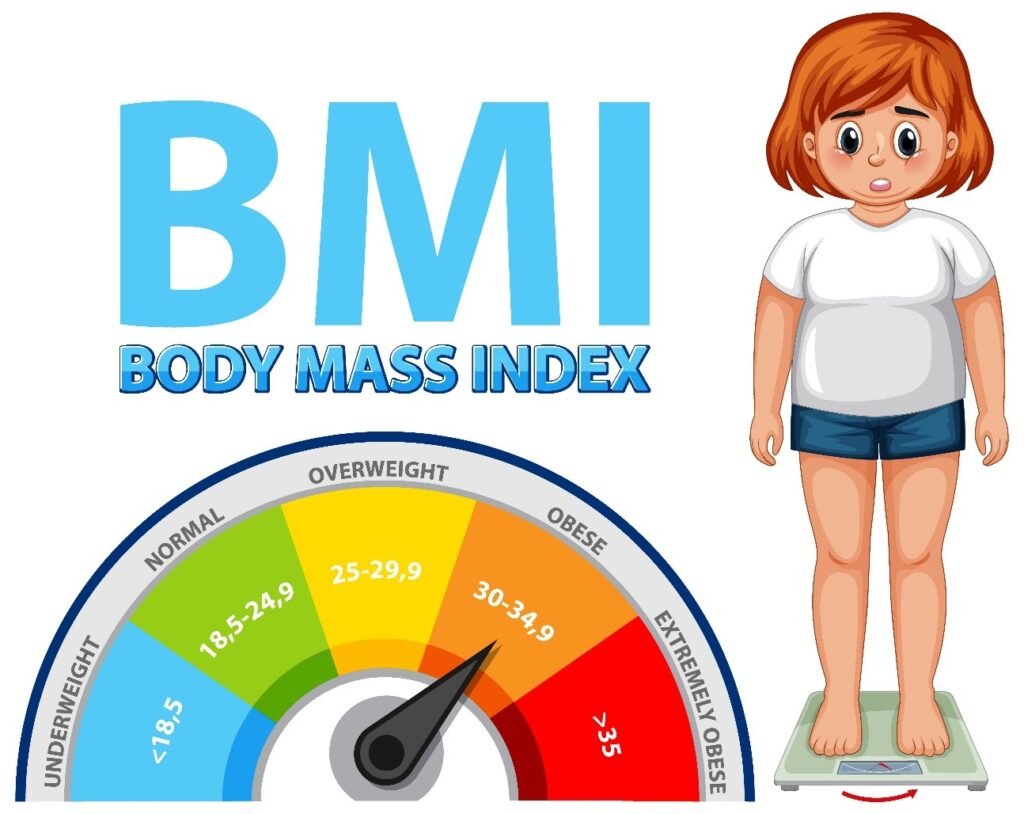
Obesity can be defined as unnatural or excess fat deposits that pose a danger to health. Body Mass Index (BMI) is the most popular metric used in the categorization of obesity where the mass of a person is measured in kilograms, and their height in meters are squared.

  • Underweight: BMI <18.5
  • Healthy weight: BMI 18.5–24.9
  • Overweight: BMI 25.0–29.9
  • Obesity (Class I): BMI 30.0–34.9
  • Obesity (Class II): BMI 35.0–39.9
  • Obesity (Class III/Severe): BMI ≥40.0

To some groups of persons (e.g. Asians), overweight and obese cut-offs have lower BMI setting since they have a higher chance at lower BMI.
Understanding Body Mass Index

Common Causes of Obesity

The causes of obesity usually include some of the following elements, which are interrelated:

Lifestyle

  • Large energy consumption of food and excessive amounts of processed food and sugary drinks.
  • Inactive lifestyle.
  • Sleep disorder and chronic stress.

Genetics

  • Genetics will determine the way your body stores fat, how you will burn calories and the process of appetite regulation.
  • Exposure to family history is also a risk factor because there are many genes that have been found to correlate with weight gain tendencies.

Environment

  • Access to high-calorie drinks and food uses.
  • Low level of physical activity (poor neighborhoods, shortage of parks/grocery stores).
  • Factors such as income, education and occupation are socioeconomic factors.

Medications and Medical Conditions

  • Some drugs (e.g. steroids, antidepressants, antipsychotics, anti-seizure, and diabetes) are associated with weight gain.
  • Obesity may be facilitated by health conditions like hypothyroidism, Cushing syndrome and polycystic ovary syndrome.

Not All Obesity Is the Same: Visceral vs Subcutaneous Fat

There are two main types of body fat, each with different health implications:

Fat TypeLocation & FeaturesHealth Impact
Visceral fat– Deep inside the abdomen, surrounding internal organs – Not visible or pinchable– Highly metabolically active – Releases inflammatory cytokines – Strongly linked to risk of type 2 diabetes, heart disease, stroke, and metabolic syndrome
Subcutaneous fat– Lies just beneath the skin (can be pinched) – Found mostly in hips, thighs, abdomen, buttocks– Less metabolically active – Serves as energy storage and insulation – Excess can still contribute to joint problems but is less dangerous metabolically
  • Due to the nature of visceral fat action as well as its tendency to result in inflammatory condition, the former produces much more adverse effects to health. Individuals who are not obese can have a high BMI of visceral fat even though they possess a normal BMI; they have the same risk as obese individuals.
  • Sub cutaneous fat is not as harmful as the previous ones, yet it might influx now mobility and lead to complications of obesity.

Metabolically Healthy Obesity (MHO) – Myth or Reality?

Metabolically Healthy Obesity (MHO) describes persons who otherwise fit the category of obese (generally BMI of 30 or above) but who do not exhibit most metabolic complications that are generally related to unhealthy levels of body fat- abnormal blood sugar, poor lipid levels, hypertension or insulin resistance. Considering that there is no single universal definition, most criteria involve the absence or very minimal presence of metabolic syndrome markers. As an example, MHO individuals tend to possess:

  • Normal fasting glucose and triglyceride levels
  • Favorable HDL (“good” cholesterol)
  • Normal blood pressure
  • Absence of drug treatment for diabetes, hypertension, or dyslipidemia
  • No manifest cardiovascular disease

The percentage of MHO has a large range that depends on definition, but approximately 1030 percent of individuals with obesity (and more often premenopausal women) are thought to be MHO.

How Some People With Obesity Maintain Good Metabolic Markers

  • Decreased visceral and hepatic fats: There is increased storage of fat in subcutaneous tissues (particularly lower extremities) rather than at an organ level.
  • Their insulin and blood sugar are handled in the body more efficiently.
  • Improved cardiorespiratory fitness, and physical activity
  • Normal adipose tissue activity: The reduction of less inflamed adipocytes, more advantageous activity of adipokines (hormones); and lower release of adipokines hormones.
  • Genetic and lifestyle factors: Influence the main factor is fat distribution and metabolism.

Risks and the Transient Nature of MHO

Despite having a healthier profile, MHO is not a benign or permanent state:

Transient Phenotype: A large portion of people with MHO will evolve metabolic complications (converted to MUO) as they age, later in life or gain more weight.

High Risk vs. Healthy Lean: Compared to healthy individuals of normal weight, MHO individuals continue to be at an increased risk of cardiovascular disease (CVD), type 2 diabetes, and death even though they remain less likely to develop an adverse outcome than MUO.

Longitudinal Studies: Within ten years, up to 30 to 50 percent of MHO subjects develop metabolic risk factors.

Specific Outcomes: MHO is associated with an elevated long-term risk of heart failure, stroke, along with other adverse circumstances relative to healthy-weight people, though not as great as risk in people with MUO.

The Biological Connection Between Obesity and Metabolic Dysfunction

The causal role of obesity to metabolic dysfunction is a complicated relationship where the increased body fat negatively impacts on insulin sensitivity, inflammation, hormone and organ activity. The pattern of fat storage, particularly the difference between visceral and peripheral fat has a leading role in such pathogenic process.

How Excess Fat Affects Insulin Sensitivity, Inflammation, and Hormone Levels

  • The characteristic feature of metabolic dysfunction in obesity is insulin resistance. The is seen with enlarged adipocytes (fat cells), particularly in the visceral fat that results in the dysfunctional state in the fat tissue and the process of signaling insulin to other metabolic organs. This leads to blood glucose elevation and subsequent hyperinsulinemia. Important intracellular signaling cascades interacted can be listed as MAPK, PI3K/AKT and AMPK, which controls glucose uptake, adipogenesis and energy homeostasis. Insulin resistance occurs because of the disruption of signaling in these pathways.
  • One of the key processes associated with chronic low-grade inflammation is the expansion of adipose tissue in obesity. Fat cells that have hypertrophied, and infiltration of immune cells (macrophages) produce proinflammatory cytokines such as TNF-a and IL-6. These cytokines also stimulate inflammatory pathways in adipocytes and other cells (NF-kappa B and JNK) and compromise further insulin sensitivity. Inflammation in adipose tissue interferes with metabolic dysfunction by sensing metabolic stress signals through toll-like receptors (TLR) and perpetuating inflammatory signaling cascades, which worsen their metabolic condition.
  • Hormonal dysregulation entails disorders in the production of adipokines (fat tissue hormones) like leptin and adiponectin. Higher concentration of leptin in the case of obesity may cause leptin resistance which interferes with appetite control and energy spending. Money down, one of the insulin-sensitizing hormones called adiponectin, leads to insulin resistance and vascular issues.

Impact on Key Organs

Liver: Ectopic fat deposition in the liver (non-alcoholic fatty liver disease), impaired insulin disposal, and dysregulated lipid metabolism is caused by excess visceral fat and associated with free fatty acid flux to liver. This helps to cause systemic insulin resistance and dyslipidemia.

Pancreas: To overcome chronic insulin resistance, the pancreatic β-cells increase their insulin production to maintain normoglycemia; however, this may progress to the point of β-cell failure and impairment, a feature associated with diabetes type 2.

Cardiovascular system: Metabolic challenges with obesity, such as high blood pressure, abnormal levels of lipids in the blood, and inflammation impair the cardiovascular system and enhance cardiovascular disease. Insulin resistance and the inflammatory mediators released by autocrine activity of fats harm the endothelium of the vasculature and hamper cardiac performance.

Biological Connection Between Obesity and Metabolic Dysfunction

Can You Improve Metabolic Health Without Losing Weight? 

Certainly, metabolic health can be improved without losing a lot of weight, using strategies that include attention to diet quality, physical activity, restful sleep, and ways of responding to stress.

Role of Diet

Adopting a healthy eating approach, as seen in a Mediterranean or DASH diet, can improve metabolic fitness by causing less inflammation, improving lipid profiles, and stabilizing blood sugar even if the body’s weight remains the same. Eating diets that are high in fiber, lean protein, healthy fats and whole foods will help to increase your body’s insulin sensitivity and energy balance.

Benefits of Physical Activity

Regular exercise (particularly in the form of combining both aerobic walks and resistance training) allows insulin responsiveness to improve, blood pressure to decrease, as well as visceral fat reduced. These effects are realized even in the absence of major weight loss Exercise is associated with increased mitochondrial health, cardiovascular health, and emotional well-being: The waistline can decrease irrespective of any changes in BMI. Slow body exercise such as after meal walks may also be of help in blunting blood sugar elevations and lowered inflammation.

Sleep & Stress Management

Sleeping at least 7 restful hours at night helps in maintaining a balance of hormones (leptin/ghrelin), enhances insulin sensitivity as well as reducing cortisol levels which not only balances metabolism, but also maintains a check on appetite levels. Reduction of cortisol and systemic inflammation with behavioral programming of mindfulness or relaxation or yoga also enhances metabolic markers regardless of change in weight

Medical Interventions

Intervention TypeKey BenefitsConsiderations / Risks
GLP‑1 Receptor AgonistsImproved glycemic control, appetite reduction, reduced mortality and cardiovascular riskGI symptoms, lean mass loss, individualized benefit analysis required
Bariatric SurgeryHigh rates of diabetes remission, durable weight/metabolic changeSurgical risk, nutritional deficiencies, lifelong follow‑up needed
Genetic & Metabolic ProfilingPrecision treatment planning, early intervention potentialResearch still evolving; access and cost issues
Regular Screening & Early DetectionEarly intervention to prevent progressionRequires consistent medical engagement and follow-up

You may also like to read: Improving Metabolic Health through Lifestyle Changes

Conclusion

Obesity and metabolic health are interconnected. Although not all obese people have impaired metabolic results, accumulation of body fat, particularly in the abdominal area, tends to disrupt other processes such as blood sugar levels, lipid levels and the maintenance of blood pressure. It is important to note that when speaking about real health, we should not focus on the weight: it should be much more. Instead of focusing on weight loss, people should prioritize metabolic wellness with balanced nutrition, exercise, good sleep, and stress reduction strategies because health outcomes can only improve severely, even without significant weight loss. To have a long and healthy existence, it is important to see health experts, get metabolic tests done on a regular basis and make lifestyle changes that are steady and sustainable.


Improving Metabolic Health through Lifestyle Changes

Dr. Ahmad Shahzad
Founder | Lyallpur Diabetes Foundation
Consultant Diabetologist | Educator | Advocate for Preventive Care

Metabolic health is the ability of your body to produce and utilize energy, with blood sugar level, cholesterol rate, blood pressure and waistline being the main parameters used in determining the metabolic health level. The criteria that define you as a metabolically healthy person are when the markers are within healthy limits without medication. However, it is a shame that metabolic health is becoming a more frequent problem and, moreover, it is closely connected with such severe cases as obesity, diabetes type 2, cardiovascular diseases, and stroke. Improving metabolic health through lifestyle changes is essential for preventing these chronic illnesses and promoting long-term wellness. This article explores practical, evidence-based adjustments in diet, exercise, sleep, stress management, and other daily habits that can significantly enhance metabolic function and overall health.

Overview: Modifiable vs Non-Modifiable Risk Factors

  1. Modifiable risk factors are things more about how you live and the environment, which are diet, physical activity, smoking, alcohol use and stress management. Some of the other factors they take into consideration are body weight, sleep patterns, and work with toxins.
  2. Risk factors that cannot be changed include age, gender, family history, genetic factors, and some prenatal factors, and these factors are called non-modifiable risk factors.

Evidence-Based Connection Between Lifestyle and Metabolic Syndrome

  • Individuals who follow healthier lifestyle dynamics (optimal physical activities, well-balanced diet, avoidance of smoking, light alcohol consumption) are in a much lower risk of developing metabolic syndrome and its sequelae.
  • A 2025 meta-analysis also discovered that individuals whose lifestyle habits were the healthiest were 43 percent less at risk of metabolic syndrome than subjects with the least healthy habits.
  • It is repeatedly demonstrated that physical activity and diet quality, coupled with the non-smoking habit, help to decrease insulin resistance, reduce inflammation, and improve every other aspect of metabolic health.
  • Lifestyle change is a defining aspect of prevention and management of metabolic syndrome even more effective than individual drugs unless the ailment is so serious.

The Role of Lifestyle in Metabolic Health

Diet and Nutrition

A whole-food-based diet is also very helpful regarding metabolic health. Diets such as the Mediterranean, the DASH, and low-carb diets that focus on eating natural, minimally processed foods promote stable blood sugar levels, reduce inflammation, and insulin sensitivity. Such diets are often rich in fruits, vegetables, whole grains, low fat or lean proteins and healthy fat, and have little to no processed sugar, trans fats and sodium.

Key dietary roles for metabolic health include:

  • Fiber: By eating whole grains, fruits, vegetables, beans, and nuts, you will have the benefit of fiber that aids digestive health, fills you up, and helps to control blood sugar and cholesterol.
  • Good Fats: Avocados, nuts, olive oil, and seeds are sources of anti-inflammatory foods and benefit the heart.
  • Lean proteins: A combination of both plant and lean animal proteins (beans, tofu, fish, poultry) help preserve muscle mass and stabilize metabolism.

In general, fiber-filled, fat-healthy, lean-protein diets are known to increase the combination of blood sugar, cholesterol levels, and blood pressure, thus boosting metabolic health and decreasing the occurrence of diabetes and cardiovascular diseases and highly associated health issues.

Physical Activity and Exercise

Minimum recommendations for physical activity to promote metabolic health are 150 minutes or more of moderate-intensity aerobic physical activity every week in combination with muscle-strengthening activities on 2 or more days per week. This guideline is more in line with what global health agencies like WHO and studies point to, which is that these activity levels drastically reduce the chances of metabolic syndrome.

Types of exercises beneficial for metabolism include:

  • Brisk walking, dancing, cycling, gardening, golf, moderate jogging, and swimming.
  • Intense aerobic exercise such as running, Aerobic dance or tennis.
  • Personal resistance or strength training with weights, or resistance bands, or body weight and performed 2+ times a week.
  • Alternating between short, very high-intensity expenditures of activity and rest (High-Interval Training, shortened HIIT) enhances both insulin sensitivity and fat burning proficiently.
  • A regular walk is also beneficial to metabolic well-being since it minimizes sedentary time and improves the use of glucose.

Moving regularly improves insulin sensitivity by improving their muscle’s capacity to utilise glucose for energy, hence keeping blood glucose levels low and avoiding insulin resistance because of this. Exercise also enhances fat metabolism through the increased burn rate of fat during and after exercise, leading to improved body composition and improved metabolic flexibility. Combining these effects, it prevents or protects metabolic syndrome, type 2 diabetes, cardiovascular diseases.

Role of Lifestyle in Metabolic Health

Sleep and Stress Management

Poor sleep has serious effects on metabolic health because the level of cortisol, a stress hormone, increases abnormally during cases of sleep deprivation. High cortisol levels, particularly in the afternoon and the evening, enhance insulin resistance, boost blood sugar, and stimulate deposition of fat around the abdomen, and hence, may lead to weight gain and predisposition to type 2 diabetes. Sleep deprivation also affects hormones that regulate hunger, causing an insatiable desire to eat something with lots of carbs, processed foods, which worsens metabolic issues. These metabolic and hormonal disturbances bridge the gap between poor sleep and increased obesity risk, insulin resistance and metabolic syndrome.

Weight Management

Body composition is an essential tool to the health of the metabolism as it represents the balance of fatty and lean tissue (muscle, bone, organs) as opposed to weight or body mass index. Desirable body compositions characterized by more muscles and less fat content have very close relationships to reduced risks of chronic illnesses like type 2 diabetes syndrome, heart disease, and metabolic syndrome.

The most dangerous fat is visceral fat, the fat that is stored around the abdominal organs. It enhances inflammation, elevates the amounts of free fatty acid and triglyceride in the blood and causes insulin resistance hence hinders the body capability to manage blood sugar effectively. This elevates the chances of metabolic disorders and heart diseases even though the rest of the body or the BMI index seems not affected.

Long-term successful weight management should be about body composition—losing fat mass while maintaining or increasing muscle mass—rather than just losing weight. Muscles are metabolically active-if we get quite scientific-muscle is the highest metabolic expenditure on a 24-hour basis and it will burn more energy and it helps keep insulin sensitivity stable and maintain good insulin sensitivity and stable blood sugar and metabolic health, okay.

 Reducing Alcohol and Tobacco Use

The prevalence of alcohol and tobacco addiction adversely affects metabolic health in several ways and leads to enhanced metabolic syndrome and other malignancies. Smoking increases insulin resistance and blood glucose, triglyceride levels, and decreases protective HDL cholesterol, making it part of metabolic dysfunction and hypertriglyceridemia resulting in an increased accumulation of visceral fats. The risk of developing metabolic syndrome has increased by more than 60% in smokers as compared with non-smokers. Moderate alcohol use is the cause of an increase in plasma triglycerides and calories. Moderate or excessive consumption of alcohol also increases the effects of insulin resistance, blood sugar control, and makes one susceptible to getting fatty liver disease and hypertension. The combination of smoking and heavy drinking increases the adverse associations with metabolic indicators of triglycerides and blood pressure.

For long-term behavior change, substitution strategies include:

  • In the case of tobacco: Nicotine replacement therapy, prescription drugs (e.g. varenicline), behavioral counseling, support groups and coping skills to deal with cravings and triggers.
  • In the case of alcohol: Finding and avoiding the triggers, substituting the alcoholic beverages with non- alcoholic ones, such as flavored water or herbal teas, participating in the social activities that are not focused on drinking and seeing a professional in case it is necessary.
  • Practice of mindfulness, stress management, and regular frequency lifestyle changes can reduce the risk of relapses.

Integrating lifestyle management strategies like healthy diet and physical exercise contributes to the adherence of metabolic health in cessation efforts.

Role of Smoking and Tobacco in metabolic health

Monitoring Progress and Seeking Support 

Tracking is an essential component of enhancing metabolic health using lifestyle interventions. Disciplined follow-ups and periodic monitoring of indicative biomarkers like fasting glucose, HbA1c, cholesterol levels, blood pressure and waist circumference will help in analyzing whether the lifestyle changes are working positively. Working with healthcare professionals such as nutritionists, personal trainers, and endocrinologists offers individual advice and conformity and it becomes less difficult to maintain the process. Also, digital devices and applications can make the process easier by monitoring the food consumed, physical movements, sleeping schedule, and biometrics and provide real-time information and encourage customers to make healthy choices regularly.

You may also like to read: Importance of Metabolic Health

Conclusion

It is possible to improve on your metabolic health with the help of lifestyle changes with persistent thorough effort. Some of the most crucial measures involve following a balanced, whole food-based diet, undertaking physical exercise, dealing with stress, having sufficient sleep, and avoiding bad practices such as smoking, and excessive alcohol etc. Instead of sweeping changes, it is better to change gradually and sustainably so that it fits your lifestyle. Even minor changes could result in great development in the course of time. Start your journey to lasting metabolic well-being by making just one positive change today and begin eating, sleeping and walking your way to better health with just one positive change at a time.

The Importance of Metabolic Health: Why It Matters

Dr. Ahmad Shahzad
Founder | Lyallpur Diabetes Foundation
Consultant Diabetologist | Educator | Advocate for Preventive Care

Metabolic health is becoming increasingly popular as it’s an accurate indicator of how effectively your body uses energy and wards off disease. True metabolic health involves accurate levels of blood sugar, cholesterol, blood pressure and waist size without the requirement for medication. It’s surprising to learn that even people who seem healthy can have metabolic disorders, so everyone should be concerned. Long-term wellness, sleep, mood, and energy levels can all be enhanced by comprehending and enhancing your metabolic health.

What Is Metabolic Health?

Metabolic health is the best possible functioning of your body’s processes. This implies that your body can efficiently use and digest the nutrients you eat, resulting the stable blood sugar, good blood pressure and insulin resistance or chronic inflammation. A low risk of disorders such as heart disease, non-alcoholic fatty liver, stroke, and type 2 diabetes is linked to metabolic health.

Key Biomarkers of Metabolic Health

The most well-known clinical indicators to be employed to assess metabolic health include:

  • Blood Sugar (Glucose): Normal fasting is 70-100 mg/dL. Normal sugar levels indicate balanced glucose, reducing diabetes and fatigue risk.
  • Blood Pressure: Hypertension that is increased consistently enhances the risk of heart and vascular disorders.
  • Triglycerides: Elevated triglycerides signal fat metabolism issues and higher heart disease risk.
  • HDL Cholesterol (“Good” Cholesterol): Low HDL is a risk factor for metabolic syndrome, whereas higher HDL is beneficial.
  • Waist Size (Circumference): Used as a substitute for belly fat. High waist circumference (over 40 inches/102 cm for men, 35 inches/88 cm for women) raises the risk of cardiovascular and metabolic disorders.

Uric acid, BMI, and liver enzymes are additional markers, but the five clinical parameters remain basic.

Thin Doesn’t Always Mean Metabolically Healthy

It’s a common misconception that metabolic health is guaranteed by being small (either by weight or body mass index). High blood pressure, poor lipid profiles, insulin resistance, and high abdominal fat with low muscle affect many slim people. This condition is frequently referred to as “metabolically obese, normal weight” (MONW).

On the other hand, some obese people may have healthy metabolisms, however this condition varies over time. The primary consideration is:

  • How well does your body uses insulin
  • Distribution of fat (as related to, for example, visceral vs. subcutaneous fat)
  • Body muscle and physical activity levels.

Therefore, metabolic health cannot be measured by weight only, it is the balance within the metabolism.

The Role of Insulin Sensitivity

Insulin sensitivity is the ability of the body cells to react to insulin. Being very sensitive to insulin is a good thing: the tissue absorbs glucose easily, which maintains blood sugar levels. When sensitivity decreases (insulin resistance) the body compensates producing more insulin to achieve the same effects resulting in high insulin levels (hyperinsulinemia) long-term and eventually high sugar levels in the blood. This is one of the leading causes of metabolic disorders such as heart disease and type 2 diabetes.

Insulin sensitivity can be enhanced by:

  • Proper sleep
  • Regular workout
  • Managing stress
  • Reducing sugar and refined carbs

The Role of Inflammation

The main cause of many metabolic syndromes is low-grade chronic inflammation. By synthesizing pro-inflammatory chemicals (cytokines), resulting in insulin resistance, and distorting insulin signaling, immune systems disorders contribute to metabolic dysfunction.

This impacts blood sugar management over time and raises the risk of heart, neurological, and metabolic disorders. Metabolic health depends on controlling inflammation through a balanced diet, exercise, health, and long-term stress.

Why Metabolic Health Matters

Powerful Benefits of Metabolic Health

Metabolic health boosts overall wellness by supporting bodily functions beyond just weight control:

  • Reduced Risk of Chronic Diseases: Excellent metabolic health greatly lowers the risk of chronic conditions like type 2 diabetes, heart disease, stroke, and some cancers. Healthy blood sugar, triglycerides, HDL cholesterol, blood pressure, and waist size protect blood vessels and organs from lasting damage.
  • Improved Energy Levels: Good metabolism allows your body to burn food for energy well throughout the day, and less exhaustion.
  • Enhanced Mood and Brain Function: Cognition is affected by metabolic health, which affects brain chemistry. Bad metabolic action with low mood, brain fog and even increased vulnerability to neurodegenerative disorders as you grow older.
  • Better Sleep: Proper metabolism allows healthy sleeping patterns. Poor metabolic health, including insulin resistance, worsens sleep disturbances, which in turn aggravate metabolic dysfunction, creating a vicious cycle.
  • Longer, Healthier Lifespan: The health of metabolism correlates with a slower biological age, improved physical resistance, and makes it less likely to die early. Individuals who have ideal metabolic indices live longer and are alive in better health status.
  • Greater Overall Well-being: Metabolic health relates to nearly every system of the body including immune resilience and hormonal balance.

You may also like to read: Mounjaro Side Effects

The Hidden Epidemic: Most Adults Aren’t Metabolically Healthy

However, despite its significance, metabolic health is appalling in its sparseness. In recent research, it is believed that probably only 12-percent of adults in the United States-and low levels elsewhere in the world-are metabolically healthy, regardless of the lack of overweight status. Well over 90 percent of adults possess at least one of the metabolic risk factors, which puts them in a more vulnerable position to the risk of chronic disease and premature deterioration.

Key findings:

  • Men and women who fit the categories of adults that are physically active, younger, more educated, and nonsmokers tend to be Metabolically healthy.
  • Only 0.6 percent of obese adults are metabolically healthy with this representing a significant connection between unhealthy fat distribution and having a metabolic risk.

Metabolic Health and Chronic Disease Cycle

Poor metabolic health is the basis of a various cycle that leads to chronic disease:

  • Type 2 Diabetes: The major causative factors of diabetes are insulin resistance and dysfunctional blood sugar regulation.
  • Heart Disease & Stroke: High blood pressure, abnormal cholesterol/triglycerides, and inflammation—all hallmarks of poor metabolic health—increase the risk of blockages, heart attacks, and strokes.
  • Comorbidities: There is a tendency of these diseases to be conversant. Just as an example, individuals with diabetes are twice or four times more prone to heart disease and stroke.

Why It’s Worth Addressing

The effects of metabolic health extend further still, not only averting the risk of numerous pathologies but enhancing daily functions and giving enduring well-being. By paying attention to metabolic health, one is addressing the root causes behind the epidemics of chronic diseases, not the symptoms after the damage are already done.

Ideal metabolic health is not just a dream, but not a blustering one: it will reflect the alternative between feeling tired and sick more or becoming an elderly person in full health.

Signs of Poor Metabolic Health

Indicators of impaired metabolic health consist of the diverse requirements of poor sugar balance and fat exposure, blood pressure, and general vitality equivalence. Important pointers are:

  • Fatigue and Low Energy: Individuals with metabolic syndrome experience fatigue and even lethargy regardless of good sleeping time. The sustained low energy could be associated with poor utilization of glucose and insulin resistance which affects the body in producing and utilizing energy.
  • Belly Fat and Weight Gain: Abdominal fat or the waist area in increased amounts is also a characteristic of metabolic syndrome. This visceral fat is metabolic and is associated with inflammation and insulin resistance.
  • Sugar Cravings: Sugary and refined carbs cravings may lead to uncontrolled blood sugar level and insulin resistance, as the body requires immediate energy compensation.
  • Brain Frog: Poor brain relation to concentration or having cloudy thoughts (brain fog) is generally caused by poor metabolic performance and this is attributed to impaired glucose and insulin in the brain.
  • High Blood Pressure and Cholesterol: The essence metabolic risk factors are poor lipid profile and high blood pressure that can occur without visible symptoms but are serious signs of metabolic disease.

Other symptoms possibly accompanying poor metabolic health are:

  • The frequent urination and the increased thirst (indicating high level of sugar in the blood)
  • Bodily accused of folded skin (acanthosis nigricans)
  • Change of mood like irritability

In summary, it is desirable to keep track of all these indicators of poor metabolic health since they express pronounced initial impairment capable of preconditioning chronic illnesses, such as type 2 diabetes and heart disease, as well as stroke. Good awareness will lead to lifestyle modifications to fix the metabolic condition and avoid complications.

Signs of Poor Metabolic Health

How to Improve Metabolic Health Naturally

You do not need to care about your metabolic health, but by extreme measures you just need to change your lifestyle with simple consistent changes. Metabolic health tips below are aimed at addressing Movement, diet, sleeping, stress, and eating patterns to allow you to improve metabolic health and find out how to increase metabolism.

1.      Diet: Whole Foods, Fiber, and Balanced Macronutrients

  • Prioritize whole food: Consume a lot of fruits, vegetables, grains, seeds, nuts, and legumes. These provide essential minerals, vitamins, healthy fats, and antioxidants for metabolism.
  • Increase dietary fiber: Fiber rich diet supports weight regulation, decreases after meal blood sugar level, enhances satiety, and reduces the risk of obesity and metabolic syndrome.
  • Balance macronutrients: Make sure to include proper amounts of protein (in the form of eggs, dairy products, lean meats, fish and legumes) with each meal. Protein intensifies the thermic result of what you eat, i.e. your body consumes more calories digesting it and assists in maintaining that muscle mass, which is necessary to have a wholesome digestive system.
  • Choose low glycemic index foods: Foods that do not cause a sudden jump in blood sugar support improved insulin sensitivity, as well as energy.
  • Limit ultra-processed foods: These stimulate hunger and cravings, cause lowered satiety and poor metabolic biomarkers.

2.      Exercise: Strength Training, Walking, and Metabolic Conditioning

  • Strength training: Engaging in weightlifting or body weight resistance exercises build up your muscles, repeat elevate your resting metabolic rate, improve blood sugar regulation, and decrease the markers of inflammation.
  • Walking and daily activity: Daily exercise in the forms of walking reduces the waist circumference, the level of triglycerides, and general risk of developing metabolic syndrome. Any growth in the number of steps will prove to be a good thing.
  • Metabolic conditioning (MetCon): Brief, extreme-intensity exercises that push strength and cardio systems have better glucoregulation and metabolic health consequences than low-intensity, steady-state cardio exercise has by itself.

3.      Sleep and Stress: Cortisol’s Impact on Metabolism

  • Prioritize quality sleep: Poor and interrupted sleep leads to elevated levels of cortisol, one of the essential stress hormones. A persistent increase in cortisol level causes abdominal fat and insulin resistance and escalates appetites towards unhealthy foodstuffs- ruining metabolic health.
  • Manage stress: Meditation, yoga, deep breathing, and spending time outdoors un-stress and cortisol causing instead of locking the poor sleep, high condition of stress, cravings, weight gain problem.

4.      Intermittent Fasting and Blood Sugar Regulation

  • Time-restricted eating: The fasting process, by consuming most of their meals inside an 8-10 hour a day eating window (e.g. 10a6p) or at least 16 hours fasting overnight, has proven to make them more insulin-sensitive, stabilize blood sugar and help them lose weight and fat, without counting calories.
  • Why it works: The aspect of fasting is to allow your body to take a break in producing insulin all the time; this enables the level of insulin to diminish, which promotes fat burning and helps in lowering inflammation. Intermittent fasting also increases metabolic flexibility in the way the body has been efficient to utilize either carbs or fat as a source of fuel.

Practical Metabolic Health Tips (Summary)

Make center pieces whole and fiber foods; take the lean protein at every meal.

  • Walk, lift weights, and incorporate brief high intensity workouts; these are sometimes called metabolic workouts.
  • Get enough sleep (7-9 hours); take charge in dealing with chronic stress.
  • Stick some days of fasting but do not starve yourself and consider seeking the advice of a healthcare professional when it comes to medical issues and concerns.

The issue of how to boost metabolism is more about the synergy of little and sustainable steps toward making your body metabolically resilient than anything that can be termed as magic foods. To get long-term outcomes and avoid chronic disease, concentrate on these basic routines.

How to Improve Metabolic Health Naturally

Final Thoughts

Health of the metabolic system underpins the whole health reducing diseases, impacts daily energy, mood, and lifelong vigor. Making it a priority entails assuming responsibility over your physical health before it becomes too late. The positive thing is that the smallest lifestyle changes can make a significant difference. This can include moving more, eating whole food, sufficient sleep, and stress management. Begin now and make the first step to get a healthier stronger, and more resilient future.

Moto Metabolism: Your Guide to a Faster, Healthier Metabolism

Dr. Maheen Shahzad, MBBS, FCPS (R)
Executive Member, LDF

The metabolism can be explained as the engine of the body in which the food we consume is transformed into the energy required by the body to go and perform its daily activities. The concept of Moto Metabolism has also gathered mass appeal as a means to lubricate that engine, giving specially formulated assistance to increase energy levels, maintain a healthy weight, and feel their best. Whether you are discussing a specific supplement, such as O Positiv Moto, or the broader concept of enhancing metabolic efficiency, the result is the same: making your body use fuel more efficiently. In this guide, we are going to take a closer look at what Moto Metabolism is, how it happens, what positive effects it can bring, and the tips you can follow to get the best of it.

Understanding Moto Metabolism

Metabolism refers to the complicated biochemical process by which the body transforms food into energy. The body also splits the carbohydrates, proteins, and fats into tiny molecules, retrieved by cells to form energy (expressed as calories), maintain body structure, and sustenance of body operations. The essential metabolic processes are:

  • Energy conversion: Once macronutrients are ingested, the body will break these substances into usable sources of energy (ATP), which is what provides cellular and physical energy.
  • Calorie burning: Calories are burnt with the help of basal metabolic rate (energy when resting) and physical activities.
  • Utilization of nutrients: nutrients needed in growth, repair, and body maintenance are obtained through metabolism’s ability to absorb and utilize nutrients.

Supplements such as Moto Metabolism are designed to aid these processes by supplying cofactors, e.g. B-vitamins and minerals, that maximize enzymatic pathways to generate energy and metabolize nutrients, and these supplements act most effectively when combined with other healthy lifestyle choices, including regular physical activity, a well-rounded diet, and adequate sleep

How Moto Metabolism Works

The mechanism of action of Moto Metabolism is that the product contains essential nutrients that improve the metabolic processes involved in the body and increase the utilization of food energy to energy and, therefore, calorie burning, as well as appetite control and maintenance of sugar energy balance. In particular, such supplements as O Positiv MOTO contain the following ingredients:

  • Vitamin B12: Necessary in energy metabolism, the production of red blood cells, and ensuring the health of the nervous system, which promotes the decrease in fatigue and increases energy levels.
  • Chromium (as chromium picolinate): Enhances insulin activity, which helps facilitate carbohydrate metabolism, helps regulate blood sugar levels, and lessens the desire to eat sweets, which suppresses appetite and weight loss.
  • Green Tea EGCG: Supports thermogenesis (heat generation), elevates metabolic rate and burns calories, even during sedentary states, which facilitates losing weight.
  • Other B- B-vitamins (thiamine, riboflavin, niacin, pantothenic acid) and other minerals such as magnesium and zinc serve as enzyme cofactors that mediate energy production and nutrient metabolism and provide efficiency in utilizing carbohydrates, fats, and proteins as fuel sources and to provide body functions.

Together, these ingredients work to optimize metabolic activities so that individuals have improved energy, better fat burning, less hunger and desires, and a more regular blood sugar. This helps maintain good metabolism and can even help in maintaining a healthy weight, provided that a healthy lifestyle is followed, like having a balanced diet and exercise.

How Moto Metabolism Works

Benefits of Moto Metabolism

The key benefits of Moto Metabolism products, one of which is O Positiv MOTO, are to promote the healthy work of metabolism, help with weight maintenance, help burn the number of calories, and preserve normal levels of blood sugar.


Specifically:

  • Healthy Metabolism: Moto Metabolism supplements contain important compounds that aid in ensuring that the body properly breaks down the food into energy, boosting its metabolic rate, resulting in accelerated burning of calories. This promotes general energy levels and endurance so that the user can remain more engaged and active in exercise.
  • Weight Management: The presence of such ingredients as chromium and EGCG can regulate appetite and cravings, making a person feel full and eliminating the need to engage in unnecessary snacking habits. This helps in adopting healthier food selection predictors, and it helps in the maintenance of weight loss.
  • Calorie Burning: Ingredients like green tea extract (EGCG) enhance thermogenesis, stimulating an increase in the amount of calories the body burns at rest and in activity, helping in fat loss and better body composition.
  • Optimal Blood Sugar: The formula contains chromium, which enhances insulin sensitivity and maintains blood sugar levels to promote energy and prevent blood sugar crashes and sugar cravings, which are known to disrupt weight management.

Is Moto Metabolism Safe?

These supplements tend to be safe in the majority of users when they are used correctly; however, due to how dietary supplements are regulated, and not pharmaceuticals, they cannot be approved by the FDA. The O Positiv MOTO company meets and follows Good Manufacturing Practices (GMP) and sources ingredients with a clear focus on transparency in order to promote safety.

You may also like to read: Metabolic Encephalopathy

How to Use Moto Metabolism for Best Results

To achieve the optimal outcome when using Moto Metabolism (including O Positiv MOTO), you should use the supplement twice a day, preferably with meals to increase oral assimilation and minimize gastrointestinal side effects. It is most convenient to the user to take a single dose with breakfast and the second dose at dinner or another meal that will be convenient to fit in their daily routine. It is essential to be consistent and demonstrate significant growth in the level of energy and metabolism, and these changes are most likely to manifest themselves after several weeks of constant use and the manufacturers recommend it to monitor the outcomes at approximately 8 weeks.

Market best practices suggest that sometimes, some practical tips may be observed to make it work better:

  • Taking capsules with a meal to avoid stomach upsets
  • Introducing the supplement into existing habits (e.g., it would be morning with the coffee, evening after brushing) so you remember to take the supplement and do not miss doses
  • The use of the supplement, coupled with the responsibility of taking the supplement together with a balanced diet and exercise, provides long-term metabolic support.
  • Patience, because the advantages of this method(added energy and being able to control appetite levels) do not occur overnight

Try not to take the two doses at the same time: spacing them for the day helps maintain metabolic improvement. Also, it should be mentioned that the supplement also includes a low content of caffeine (some 7 mg per serving), which does not make it much and would not induce jitters or sleep impairment when used in advised amounts.

Final Thoughts

Moto Metabolism provides a targeted way of helping the body to be able to naturally produce energy and burn calories. Making use of specific ingredients and by pairing them with healthy living habits, it can become a rich asset among individuals who want to gain more energy, lose weight, and have their overall health enhanced. Although attractive as it may sound, it should be kept in mind that no supplement acts in a vacuum, and balanced nutrition, general exercise, and regular rest are the key. Interested in trying Moto Metabolism? Be sure to seek medical advice so that you can figure out that it is the right option that suits your unique needs and interests.

What Is Metabolic Encephalopathy? Signs You Shouldn’t Ignore

Dr. Maheen Shahzad, MBBS, FCPS (R)
Executive Member, LDF

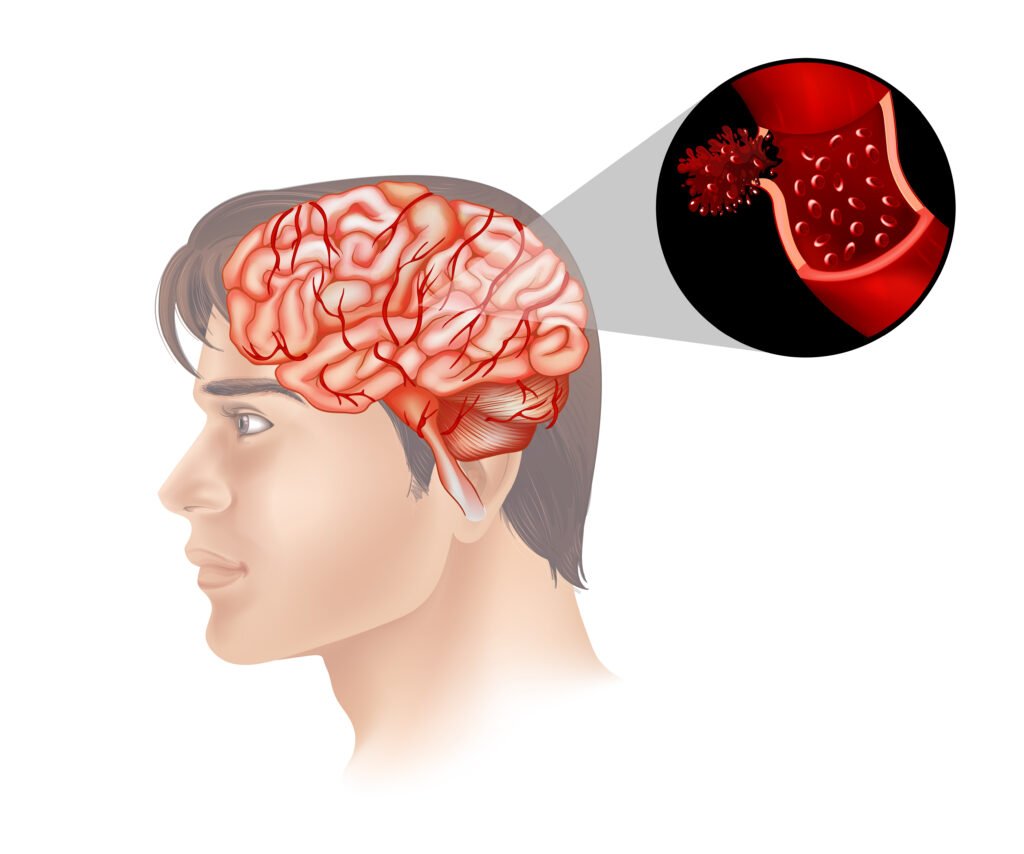
Brain usually responds when there is an imbalance in the body in terms of its delicate chemical balance. Confusion, loss of memory, or behavioral changes can be frightening to experience. However, all of these can be symptoms of an underlying condition that is also treatable. Metabolic encephalopathy is a medical emergency and one of the conditions under which this situation occurs. Early detection, appropriate treatment, and recovery are observed after the healthcare providers understand its causes.

What Is Metabolic Encephalopathy?

It is an illness that consists of a diffuse brain dysfunction provoked by the underlying metabolic disarrangements. Chemical imbalances in the brain or metabolic issues change the regular behavior of the brain. Some conditions that may emerge that include confusion, loss of memory, changed mental status, poor thinking, and coma. It may have temporary or permanent impacts on the effects that occur as a result of severe and quick diagnosis and therapy.

Pathophysiology: How Metabolic Disturbances Affect Brain Function

Metabolic encephalopathy is a consequence of disruption to the normal metabolic process, which is essential in mediating brain homeostasis and brain functioning. The brain depends upon unremitting provision of energy and chemical equilibrium in blood, such as glucose, electrolytes, oxygen and lack of poisonous processing products. Low blood sugar levels, excess or reduced sodium, liver damage, kidney impairment, or the buildup of toxins upset the cellular setting of the brain when they cause metabolic imbalances.

The pathophysiological mechanisms include:

  • Energy Failure: A lack of glucose or oxygen can result in an insufficiency of ATP production by neurons and glial cells, thereby impairing cellular functionality.
  • Loss of Cellular Homeostasis: It leads to excitotoxic swelling of cells because of too many neurotransmitters and blocked ionic balances.
  • Toxin Accumulation: A buildup of metabolic toxins (e.g., ammonia in liver failure) impedes neuronal dysfunction.
  • Impaired Amino Acid Homeostasis alteration of homeostasis, altering excitatory amino acid neurotransmitters and the inhibitory amino acid neurotransmitters. It interferes with the working of neural networks pertaining to awareness and cognition.
  • Neuroinflammation and Oxidative Stresses: these postconditions contribute to neuronal injuries and mental disabilities.
  • The changes in Cerebral Blood Flow and Vascular Reactivity: It can also worsen brain impairments through impairing the delivery of oxygen and nutrients.

You may also like to read: Diabetic Coma

Common Causes

Multiple systemic metabolic abnormalities are common causes of metabolic encephalopathy. Among the major reasons are the following:

  • Liver Failure (Hepatic Encephalopathy): Malfunction of the liver causes toxic substances such as ammonia to collect in the bloodstream. These toxins travel to the brain and interfere with neurotransmission, thus confusion, altered mental status, and coma.
  • Kidney Failure (Uremic Encephalopathy): Reduced kidney functioning causes accumulation of uremic toxins and electrolytic imbalances. They cause brain metabolism impairment and neuron functioning, leading to cognitive impairment and encephalopathy.
  • Hypoglycemia and Hyperglycemia: Abnormal availability of blood sugar both increases and decreases blood glucose levels and derails the brain energy supply. Neuronal energy failure results in hypoglycemia, and hyperglycemia may aggravate osmotic disorders and inflammation.
  • Electrolyte Disturbances: Imbalance of sodium, potassium, calcium, or magnesium interferes with the homeostasis in the brain, causing brain dysfunction.
  • Hypoxia and Nutritional Deficiencies: Limits the body to deliver the required oxygen (hypoxia), which affects the ATP production by the brain cells. It also causes a lack of essential nutrients such as thiamine (vitamin B1) may produce metabolic disturbance and encephalopathy.
  • Medication/or Toxin Exposure: some drugs, toxins, or metabolic toxins disturb brain metabolism, resulting in reversible or irreversible encephalopathy.

Signs and Symptoms

Metabolic encephalopathy manifests showing an array of signs and symptoms that mainly demonstrate impairment of the brain. Major clinical signs are:

  • Cognitive Dysfunction: Patients usually show confusion, memory trouble, and difficulty concentrating, and their mental status may range to coma. Healthcare providers usually detect disorientation and poor attention span.
  • Neurological Signs: These can be tremor (Action or Postural tremor), asterixis (flapping tremor), myoclonus, seizures, involuntary muscle movements, and proprioception or ataxia. In the extreme, there is progression to stupor or coma in the patient.
  • Behavior Changes: These include mood swings, agitation, irritability, anxiety, depression, and slight personality changes. Other patients could present with hallucinations or delirium, which are characterized by a change in alertness and abnormalities in psychomotor responses.
  • Additional symptoms: The other possible additional features include sleep disturbances such as insomnia, problems that are related to swallowing, mumbling of speech, and abnormal movements of the eyes.

The clinical manifestation may differ in acute onset or more slowly progressive symptoms. Confusion and minor behavioral variations are usually experienced early, before it progresses further to lead to severe neurological disorders and unconsciousness in case it is not addressed. The condition is of particular importance and, once detected, managing the metabolic disorder should begin at once to avoid irreversible brain damage.

Such manifestations are in evidence of the diffuse brain dysfunction due to deranged energy metabolism, excessive toxination, electrolyte and neurotransmitter disorders typical of metabolic encephalopathy.

In case of any of these signs and symptoms, medical assessment is necessary.

Diagnosis

Differential diagnosis of metabolic encephalopathy requires complete clinical assessment and specific diagnostic laboratory procedures to determine the pathological changes in metabolism that influence the activities of the brain. A diagnostic process normally comprises:

  • Medical History and Physical Examination: The doctor carefully examines the formal history of a patient with regard to symptoms, onset, progression, medical history, and drug use as well as toxic exposures. A neurologic examination evaluates cognition, level of awareness, and local cerebral symptoms.
  • Blood Tests: Basic Metabolic Kenya Blood tests are necessary to identify metabolic abnormalities and often involve glucose screening and electrolyte levels (sodium, potassium, calcium, magnesium), kidney and liver function, ammonia concentration, arterial blood gas (Oxygen and carbon dioxide), and vitamin seven levels (and so thiamine). Urinalysis: To visualize kidney work and waste products of metabolism.
  • Neuroimaging: The imaging of the brain with computed tomography (CT) or magnetic resonance imaging (MRI) is relevant to exclude structural brain injuries/other causes that present as encephalopathy.
  • Electroencephalogram (EEG): A Signal of electrical activity in the brain, which may identify diffuse brain impairment as present in metabolic encephalopathy, helping to distinguish this condition from seizures or other issues.
  • Lumbar Puncture (Spinal Tap): Can be lined up as to rule out infectious or inflammatory sicknesses of the central nervous system as needed.
  • Further Examination: Further examination is subject to a clinical situation; possibilities include somatosensory evoked potentials or testing of cerebrospinal fluid in order to narrow down the diagnosis.

Treatment and Management

Management and treatment of metabolic encephalopathy is mainly aimed at finding the root cause of the underlying metabolic imbalance and its advice and symptomatic and supportive care.

The essential points are the following:

Treat the Underlying Cause: This is the most important. For example:

  • Liver failure (hepatic encephalopathy) could necessitate replenishment of electrolytes, lowering of ammonia, and in extreme situations, liver transplants.
  • Dialysis is effective in the treatment of kidney failure (uremic encephalopathy).
  • Control of hypoglycemia or hyperglycemia includes normalization of glucose in the blood.
  • Timely correction of disturbed electrolytes, hypoxia, or nutrition deficiencies.
  • Reduction or changing the medications or toxins that cause encephalopathy.

Supportive Care in Hospital: Patients often need care in an acute or intensive care setting. General measures include:

  • Keeping the surroundings calm, low-stimulating.
  • Routine reorientation and mental encouragement.
  • Being physically active to prevent complications of immobility and early mobilization.
  • All medications are reviewed carefully, with the removal of sedative drugs or drugs that enhance encephalopathy.
  • In severe agitation, the use of antipsychotics can be considered with caution and can be avoided whenever possible due to the side effects.
  • Symptom Control: Manage seizures or myoclonus symptomatically (i.e., anti-epileptic drugs such as levetiracetam).
  • Monitoring and Rehabilitation: With the disappearance of acute symptoms, therapy is aimed at enhancing cognition, mobility, and behavioral symptoms, hence the recovery and subsequent reintegration into the community.
  • Patient and Family Education: Highlighting the fact that in most cases metabolic encephalopathy can be rather successfully countered and should be treated, providing realistic chances of improvement, and should involve the family in care plans.

Prognosis and Recovery

The prognosis and recovery of metabolic encephalopathy rely primarily on the cause and severity of the disease.

Important issues about prognosis/recovery:

  • Recovery Rates: Research has indicated that metabolic encephalopathy can be cured when treated by about 80 percent of patients. They found that most of the deaths occur in some studies (some are around 19 percent) that are usually related to more serious cases or underlying chronic illnesses like cirrhosis or multi-organ failure.
  • Cause-Dependent Outcomes: There are specific reasons that respond better, such as diabetic ketoacidosis, hypertensive encephalopathy, uremic encephalopathy, hyponatremia, and hypoglycemia, where complete recovery is observed in most of them. The recovery is lower and mortality is higher with more severe causes, namely hepatic encephalopathy, septic encephalopathy, and hypercapnia.
  • Severity and Timing: the earlier the disease is detected and treated, the more positive the prognosis will be. Later treatment means worse outcomes and high mortality risks. As an illustration, early rehabilitation has proved to decrease the mortality and enhance functional recovery in toxic encephalopathy.
  • Long-term effects: It was once considered that with a persistent underlying condition, up to 32 percent of cases may experience lasting neurological or cognitive impairments, or there may be long-lasting neurological or cognitive effects. The cognitive impairments can include psychomotor speed, memory, and executive function. Some definite etiologies may result in more permanent neurological consequences that comprise ataxia, amnesia, or motor deficit, such as Wernicke encephalopathy, hepatic encephalopathy, or hypoglycemic encephalopathy.
  • Rehabilitation: Rehabilitation practices such as physical therapy and cognitive rehabilitation have shown success in the enhancement of consciousness levels, muscle function, and swallowing capacity in severe cases, resulting in the improvement of survival and functional success.
  • Recovery Time: Some patients can respond quickly enough in several days of correction of metabolic disorders, and some may need weeks to months of recuperation and rehabilitation.

Final Thoughts

Metabolic encephalopathy is a condition that must be treated as an emergency, and it could be recovered. With clear knowledge of its causes and early symptoms, patients have a much better chance to fully recover and avoid serious long-term complications. In keeping with chronic diseases, blocking the accumulation of toxins, and restoring the balance of the metabolic processes, the intervention should be timely. In case you or any of your loved ones exhibits any behavior of acute cognitive change, do not waste any time; seek medical attention right now.

What Is a Diabetic Coma? Everything You Need to Know

Dr. Maheen Shahzad, MBBS, FCPS (R)
Executive Member, LDF

Diabetes is a very deadly condition that comes with various complications that include a diabetic coma that happens when sugar in the blood is too low or may rise to a lethal high and results in unconsciousness. The snatching of this condition may be caused by diabetic ketoacidosis, hyperglycemic state, or severe hypoglycemia. A diabetic coma has the capacity to trigger irreparable brain damage or death when it is not treated promptly. Thereby early recognition of warning signs and knowledge of the basis behind the issues is the first step of sufficient prevention and appropriate time of action.

What Is a Diabetic Coma?

A diabetic coma is an emergency that causes a danger to human life in the sense that the patient with diabetes loses consciousness, and the state cannot be reversed to awaken and show any response to stimuli. It comes about due to the dangerously high (hyperglycemia) or low (hypoglycemia) levels of blood sugar and the individual needs to seek medical attention as the condition leads to brain damage or death.

Difference Between Unconsciousness (Coma) and General Symptoms of Diabetes

General Symptoms of Diabetes:

  • Typically, they feature excessive thirst, passing urinary volume, exhaustion, blurred vision, the loss of weight of unknown causes, and, in certain cases, hunger.
  • These symptoms are the sign of abnormal, however, not life-threatening levels of blood glucose.

Unconsciousness (Diabetic Coma):

  • An individual is not responsive at all and is not awakened.
  • They fail to react to what they see, hear, touch, and other means of stimulation.
  • Coma is a medico-emergency as opposed to the general symptoms and is a state of altered consciousness.

Causes of Coma in Diabetic Patients

There are three main causes of diabetic coma:

Severe Hypoglycemia (Low Blood Sugar Coma)

  1. This is caused by excess insulin, not taking meals, too much alcohol intake, or extensive exercises there is no food intake.
  2. The brain requires sufficient glucose to be able to operate, and very low levels would result in unconsciousness.

Diabetic Ketoacidosis (DKA)

  1. They are most frequent in type 1 diabetes and may emerge in type 2.
  2. Occurs when fat is used as fuel instead of glucose, and there is a potentially fatal accumulation of ketones (acids) in the blood.
  3. It is regularly instigated by missed shots of insulin or infection.

Hyperosmolar Hyperglycemic State (HHS/Hyperosmolar Nonketotic Coma)

  1. Its predominance can be observed in type 2 diabetes, mostly in elderly people.
  2. Hyper glycemic conditions: Extremely high sugary contents in blood (usually above 600mg/dl), makes the body lose excessive water and dehydrate severely to coma level.
  3. Common triggers are infection, or missed medicine, or too much consumption of sweet drinks/food.

Summary Table: Causes of Diabetic Coma

CauseTrigger/MechanismCommon in TypeKey Features/Indicators
Severe HypoglycemiaInsulin overdose, missed meals1 & 2Shaking, sweating, confusion, coma
Diabetic Ketoacidosis (DKA)Insulin lack, ketone buildup1 (mainly)Vomiting, abdominal pain, fruity breath
Hyperosmolar HyperglycemicExtremely high blood sugar, dehydration2Very high sugar, severe dehydration

Main Causes of Diabetic Coma

Severe Hypoglycemia (Low Blood Sugar)

Pathophysiology

  • Normal functioning of the brain is reliant on glucose.
  • A severe reduction of blood glucose (usually less than 40 mg/dl) causes the brain to lack the energy it requires and results in impaired consciousness and coma after prolonged periods of no correction.
  • This can be quite quick and particularly with those that have insulin or some form of insulin-based diabetes.

Risk Factors & Triggers

  • Consuming excessive insulin or diabetes drug.
  • Missing or postponing meals.
  • Physical activity when there is no correct activity – no change in medication and no adjustment in food intake.
  • Alcohol (particularly not eating before consuming) because alcohol does not allow release of glucose in normal amounts in the liver.

Diabetic Ketoacidosis (DKA)

(More common in type 1 diabetes)

Pathophysiology

  • It happens when the body is unable to process glucose (as a result of a deficiency of insulin) and thus begins to utilize fat as fuel.
  • This breakdown of fat forms acids, ketones, that build up in the blood leading to a condition called acidosis (low pH in blood).
  • Blood glucose elevations, dehydration and electrolyte disorders further derail brain functioning and blood flow that may lead to coma.

Risk Factors & Triggers

  • Missed insulin doses, incorrect insulin use.
  • Undiagnosed diabetes.
  • Acute illness or infection (increases insulin demand).
  • Emotional or physical stress.
  • Injury or surgery.

Hyperosmolar Hyperglycemic State (HHS)

(More common in type 2 diabetes, especially older adults)

Pathophysiology

  • It is marked by blood glucose levels that are very high (usually exceeding 600 mg/dL), which cause cells to lose a lot of water (osmotic diuresis).
  • The dehydration becomes extreme, the blood becomes highly concentrated (“hyperosmolar”) and the brain degrades.
  • low or no ketone generation (as in DKA), however there is still a case that can lead to coma due to dehydration and electrolyte imbalance.

Risk Factors & Triggers

  • Poorly controlled or undiagnosed type 2 diabetes.
  • Infection (like urinary tract infection or pneumonia).
  • Missed or inadequate diabetes medication.
  • Severe dehydration (due to illness, heat waves).
  • Certain medications (steroids, diuretics).

You may also like to read: Diabetic Foot

Diagnosis and Medical Evaluation

Diagnosis and medical evaluation of diabetic coma involve several key steps and tests to identify the cause and guide urgent treatment:

Blood Glucose Testing


It takes a sample of blood to determine the level of the current blood sugar. This is necessary to ascertain whether the coma has resulted because of acute hypoglycemia (low blood sugar) or hyperglycemia (high blood sugar).

Urine Tests (Ketones)


A urinalysis is done to snake out ketones in the urine, meaning diabetic ketoacidosis (DKA ) – which is a life-threatening cause of diabetic coma particularly in type 1 diabetes.

Blood pH and Electrolyte Levels

  • Testing Arterial blood gas (ABG) is carried out to determine the blood pH and check out the presence of metabolic acidosis that is present in DKA.
  • Electrolyte panels monitor the levels of concentrations of sodium, potassium, bicarbonate, and other minerals required in the body cell functioning and normally obstructed in diabetic coma.
  • Kidney system may also be assessed through blood tests (creatinine, and blood urea nitrogen) since dehydration and imbalance in the electrolytes influence kidney status.

Medical Imaging or ECG (if needed)

  • X-rays, CT scans, or MRI imaging studies can be implemented to eliminate another factor that could result in unconsciousness, such as stroke, brain hemorrhage, or some infections.
  • ECG (electrocardiogram) may be conducted to check the heart functioning since there may be electrolytic imbalances that can interfere with heart muscles of the heart.

Clinical Evaluation

  • Diagnosis also requires proper physical examination, assessment of neurological status, and recount of medical history (including management of diabetes, recent medications, infections, or patients who have forgotten taking insulin) to complete the diagnosis.

Treatment Options

Depending on the cause of the diabetic coma (hypoglycemia, diabetic ketoacidosis [DKA], or hyperosmolar hyperglycemic state [HHS]), treatment of diabetic coma consists of emergency care measures such as:

  1. Emergency Care Protocols

On-the-spot request of medical assistance.

  • In a person who is unconscious, nothing should be given orally because of choking.
  • Move him or her to the recovery position (side) to maintain the airway clear.
  • Do not administer insulin or any other medicines without medical supervision.
  • Install glucagon shot in suspecting hypoglycemia in the presence of glucagon.Glucose Administration (for Hypoglycemia)
  • If conscious and able to swallow, treat mild hypoglycemia with fast-acting carbohydrates like glucose tablets, sugary drinks, or fruit juice.
  • For severe hypoglycemia causing unconsciousness:
  1. Administer glucagon injection (1 mg) intramuscularly or subcutaneously if available.
  2. Alternatively, give intravenous (IV) glucose/dextrose (e.g., 25-50 mL of 50% dextrose) to rapidly raise blood sugar levels.
  3. Intravenous Fluids, Insulin, and Electrolyte Correction (for DKA and HHS)
    • Correct dehydration by starting an aggressive IV fluid resuscitation using isotonic saline.
    • IV insulin drips to instantly lower the amount of glucose in the blood and eliminate the ketoacidosis (in DKA).
    • Monitor and replace electrolytes especially potassium, sodium and phosphate to avoid complication in the heart and brain functions.
    • Treat the underlying causes like infections.
  4. Hospitalization and Monitoring
    • Diabetic coma patients should be confined in the hospital where they could be monitored closely in terms of vital signs, blood glucose, electrolytes, acid-base status as well as in urine output.
    • Heart monitoring or ECG is required because of the possibility of arrhythmia development under the influence of electrolyte imbalances.
    • Regular lab tests (glucose, electrolytes, blood gases) determine further changes in the treatment.
    • Severe cases might require admission to the intensive care unit (ICU), particularly in case of HHS or complicated DKA.

All these measures in treatment are intended to correct the life-threatening metabolic imbalances in time and act against such complications as cerebral edema, cardiac arrhythmias, or organ failure.

Final Thoughts

To conclude, diabetic coma is one of the vital emergencies that may occur due to either overly high or low levels of blood sugar. The difference could be based upon learning its causes, i.e. diabetic ketoacidosis, hyperosmolar hyperglycemic state or hypoglycemia, as well as being aware of its early symptoms that could have potentially fatal consequences. An awareness creation on this condition is a necessity because it is a potentially life-saving intervention that can prevent the occurrence of long-term complications. Whether an individual has medical diabetes or is taking care of a person who has diabetes it is crucial to reach a healthcare expert on a regular basis to make sure that the condition is under control as well as advise.

Diabetic Foot: Symptoms, Causes, Prevention Tips, and Effective Treatment Options

Dr. Ahmad Shahzad
Founder | Lyallpur Diabetes Foundation
Consultant Diabetologist | Educator | Advocate for Preventive Care

A diabetic foot can be described as a variety of foot issues, which arise in diabetic patients because of the damage to the nerves (neuropathy), limited blood flow and difficulty fighting infections. It is a serious complication that may cause foot ulcers, infections as well as in severe cases may cause amputations unless they are managed in a proper manner. Due to a lack of sensitivity in the feet, diabetes patients often cannot detect minor trauma, and it becomes more severe within a very short period. The key to preventing diabetic foot-related complications and maintaining general mobility and health is daily foot care, early detection, and respective check-ups.

What Is Diabetic Foot?

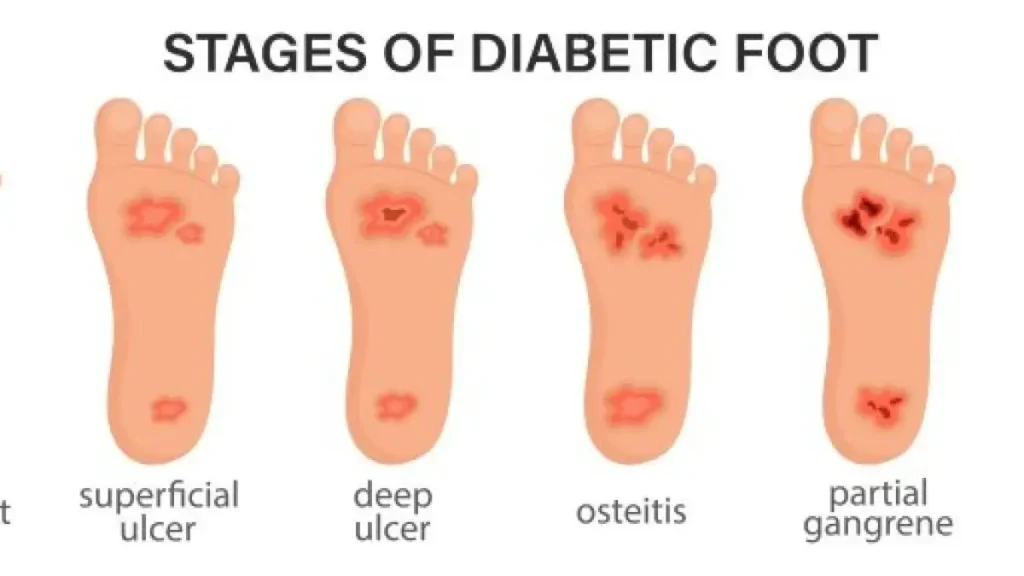
A diabetic foot is any foot infection or affliction in an individual with existing or priorly experienced diabetes and is usually associated with nerve damage and vascular insufficiency. This involves sores (ulcers), infection, tissue destruction, gangrene (tissue death) and deformity (like Charcot foot). These issues could arise gradually and with no proper diagnosis and treatment in the early stages they may require amputation.

Common Conditions Associated with Diabetic Foot

  1. Ulcers:

Open sores or wounds—most often on the bottom of the foot—resulting from the combination of nerve damage (loss of feeling) and poor circulation. Around 15–25% of people with diabetes will develop a foot ulcer in their lifetime. Ulcers can become severe and hard to heal, sometimes exposing bone or deeper tissue.

  • Infections:

Foot ulcers are predisposed to infections given that they have poor immunity and blood flow. This may superficially become cellulitis or severe bone infections (osteomyelitis) and may become the reason of amputation unless appropriately addressed immediately.

  • Gangrene:

This is cell death because of the extremely low blood flow or an absence of it. Failure to heal an early infection or ulcer may result in gangrene which can result in what amounts to partial or complete amputation of the foot.

  • Charcot Foot:

A very serious form of complications of diabetic neuropathy in which bones and joints of the foot become weak and break – usually causing deformity and tendencies to change the way of walking. Early Charcot foot is marked by swelling, redness and warmth-later stages may result in the foot collapsing into a rocker-bottom configuration.

Common Causes of Diabetic Foot Problems

Diabetic foot issues are a combination of ongoing high blood sugar, the impact it has on nerves, blood vessels, and overall foot related health. The causes that are of greatest importance are:

1.      Peripheral Neuropathy (Nerve Damage)

  • Long-term high blood sugar destroys the nerves (especially pains in the feet and legs), which leads to such symptoms as numbness, tingling, pain, or loss of sensation.
  • This decreased sensation implies that minor injuries, say, cuts, blisters, pressure on the feet due to the shoes, typically remain unnoticed and thus predispose to the wounds and infections.

2.      Poor Blood Circulation (Peripheral Arterial Disease)

  • The blood vessels in the body harden and narrow because of fat deposits (atherosclerosis), which slackens the circulation of blood to the feet brought about by diabetes.
  • Inadequate circulation hinders wound healing, exposes the person to the danger of infections and leads to the occurrence of ulcers and gangrene.
  • Peripheral arterial disease (PAD) occurs far more frequently in diabetics and is one of the main foot complication risk factors.

3.      High Blood Sugar Levels Over Time

  • The high level of blood sugar directly harms blood vessels and nerves chronically.
  • It dampens the immune system, hinders healing, and enables foot problems that might be minor but soon develop into bigger infections or ulcers.

4.      Foot Injuries and Pressure Points

  • Due to neuropathy, individuals who are diabetic are not likely to feel pressure points, friction, or trauma under pressure because of tight shoes or ill-fitting footwear.
  • Injuries that go unnoticed may grow into serious ulcers and infections- especially when the pressure is not tended or the injury is not observed in a timely manner.

5.      Lack of Proper Foot Care

Poor self-inspection, hygiene, nail or callus trimming are three major causes that aggravate risk of ulcers, infections, and other foot issues.

Failure to visit the feet daily implies the lack of minor issues until they reach serious levels. A major preventable factor to serious diabetic foot complications is poorly managed foot care.

Symptoms of Diabetic Foot

  • Tingling, Burning, or Numbness:

It leads to damage to nerves and causes a lingering tingling, burning sensation or numbness – typically in the toes and feet. People may begin to be numb to the point where they cannot sense temperature changes, painful injuries, etc.

  • Swelling, Redness, or Unusual Warmth:


It may be associated with color changes and warmth, edema (swelling), or redness, suggesting that the process is inflammatory, infected, or that of a diabetic foot ulcer. These may involve slight but serious red flags.

  • Open Sores or Ulcers That Don’t Heal:


Frequent wounds, blisters, or ulcers (more so on pressure points such as the soles, toes, or sides of the foot) are often non-healing. Such ulcers may look like red sores that are slow to heal because of weak blood circulation and numbness of nerves.

  • Foul-Smelling Discharge or Pus:


Foul odor coming from an ulcer or wound, pus, or drainage that’s clear or colored, usually indicates an infection that needs immediate medical care. Socks or shoes may as well get stained.

  • Changes in Skin Color or Texture:


Seek discoloration (red, blue, purple, black), shiny tight skin, thick clauses or skin breakdown areas. Changes in color may indicate having poor circulation, infection or gangrene.

  • Foot Deformities or Difficulty Walking:


Chronic diabetes may modify the shape of the foot leading to architectural changes in the shape of the foot to include hammer toes, claw toes, Charcot foot, flattened arches, or bony prominences. The risk raises in the case of muscle weakness and the loss of sensation. These modifications lead to gait and make walking painful or difficult.

You may also like to read: Mounjaro Side Effects

Stages of Diabetic Foot Complications

StageDescriptionKey FeaturesTreatment Focus
Neuropathy StageNerve damage → loss of sensationTingling, numbness, unrecognized trauma, deformitiesPrevention, education, footwear
Ulcer FormationSkin breakdown causing sores or ulcersCalluses, blisters, open woundsWound care, pressure relief, vascular assessment
Infection and Tissue DamageInfection of ulcers spreads causing cellulitis or osteomyelitisRedness, swelling, pus, foul odorAntibiotics, surgery, debridement
Risk of AmputationSevere necrosis or infection threatening foot viabilityNecrosis, gangrene, systemic infectionSurgical amputation, aggressive infection control
Stages of Diabetic Foot Complications

How to Prevent Diabetic Foot Problems

As a preventative measure against diabetic foot issues, practice a habit of inspecting your feet daily- look at cuts, blisters, redness, swelling, and corns or calluses (mirror may be used). Practice proper hygiene by washing your feet daily with lukewarm (not hot) water, drying thoroughly—especially between toes—and applying moisturizer only to the tops and soles—never between toes.

Select comfortable diabetic socks that fit properly and provide cushioning and wicking and should not be caused by rigid seams or tight elastic cuffs. Clip toenails straight across and with smooth edges, meaning filing; remove corns, calluses and cuticles the home remedies way; go to the doctor.

Have regular checkups with a podiatrist at least once a year (and more frequently e.g. every three to six months) with any foot problems or a dry nail (neuropathy) or circulation issues.

Finally, it is important to have good control of blood glucose levels and ensure that cardiovascular risk factors such as hypertension and smoking are kept in check, because a well-controlled diabetes will greatly reduce the chances of developing foot complications.

Treatment Options for Diabetic Foot

Treatment of diabetic foot problems should be multi-factorial in nature and should focus on several goals including promoting healing, avoiding infection, and complications like amputation. The following are the major treatment modalities:

1.      Cleaning and Dressing Wounds

  • Ulcers and wounds need to be cleaned up to eliminate dirt and debris on a regular basis.
  • The wounds are properly designed to ensure that a moist environment develops which helps in healing.
  • Special dressings (e.g. hydrocolloid, calcium alginate) assist in the absorption of exudate and allow less bacterial growth.

2.      Antibiotics for Infections

  • In case the ulcer or wound is infected then specific antibiotics are ordered based on culture results.
  • There is a possibility of severe infections which would need hospitalization and intravenous antibiotics.
  • It is important to take early and appropriate antibiotic therapy to remedy infection and commence before it spreads to deeper tissues or bone (osteomyelitis).3. Offloading Techniques
  • Offloading the damaged foot is crucial in alleviating the pressure on the ulcer to enable the wound to heal.
  • Methods refer to total contact casting, specialized shoes, braces or even admission to bed rest.
  • Offloading aids in stopping additional trauma to the wound and the restoration of the tissue.

3.      Debridement (Removal of Dead Tissue)

  • Debridement of calluses and dead (necrotic) tissue is beneficial as this reduces the chances of infection, and it accelerates healing.
  • It may be surgical, enzymatic or biological (e.g. maggot therapy).
  • It should be continuous in keeping the wound clean and encourage the initiation of fibrous tissues.

4.      Surgery for Advanced Cases

  • Surgery might also be required to drain abscesses, eliminate infected bone or tissue or to correct deformities that may create complex inciting factors.
  • In its worst form where there has been massive tissue death or a non-responsive infection there could be partial or complete amputation to help save the life of the patient.

5.      Advanced Therapies

  • High-end treatments include hydrogels, photodynamic therapy, negative pressure wound therapy and hyperbaric oxygen therapy.
  • These methods stimulate epithelialization in hard-to-heal ulcers by increasing oxygenation, decrease bacterial load and enhancing healing in tissue –
  • Since helpful, they do typically complement regular care rather than supplant it.

In general, diabetic feet should be treated through the complex approach of wound treatment, infection treatment, pressure reduction and even operations. Multidisciplinary care and early intervention are very effective in increasing results and diminishing chance of extreme complications. Monitoring and following treatment plans are a must because it leads to successful healing.

When to See a Doctor

You should seek medical care promptly if you notice any of the following warning signs:

  • Tingling and burning sensations or pain, or abnormal loss of sensation in your feet.
  • An extreme to a skin area-such as the foot is red, pale, cold, or extremely warm.
  • Dry and cracked skin, especially when it is red or it bleeds between and/or on the bottom of your feet.
  • Blisters, non-healing sores, ulcers or ingrown toenails (even minor ones).
  • Thickened toenails yellow in color, or suspected whitish spots of the nail due to fungi.
  • Obvious physical defects or figure distortions, e.g. hammertoes, fallen arches.
  • The presence of infection redness, swelling, warmth, drainage, or unpleasant odor at wounds or ulcers.

Conclusion

To sum up, it is important to consider adequate diabetic foot care as a means of preventing severe complications that include infections, ulcers, and even amputation. Daily inspection of feet, ensuring good hygiene, wearing proper shoes, and keeping blood sugar level under control, provide individuals with diabetes with their best hope to avoid causing foot problems. Long-term foot health largely depends on the early diagnosis of any health issue and the subsequent visits to healthcare professionals. Call your healthcare professional now to organize a foot examination and ensure the health of your feet and well-being in general is not put at risk by the dangers of diabetic foot.

Mounjaro Side Effects for Non-Diabetics: What You Need to Know 

Dr. Ahmad Shahzad
Founder | Lyallpur Diabetes Foundation
Consultant Diabetologist | Educator | Advocate for Preventive Care

First developed to treat type 2 diabetes, Mounjaro (tirzepatide) was very popular among non-diabetics because of its strong weight-loss outcomes. Although taking the drug off-label might be tempting, it is essential to know that there are risks involved. In this article, I will explain Mounjaro side effects in non-diabetics and detail the complications and health issues that may present themselves during use of the medication without having a medical emergency.

What is Mounjaro and How Does It Work?

Tirzepatide, a drug that is prescribed for people who have type 2 diabetes, was given the name Mounjaro. The first certified it to control blood sugar along with diet and exercise. An intradermal injection of tirzepatide is given once a week.

Original Purpose: Type 2 Diabetes Treatment

·       Authorized to improve glycemic (blood sugar) controls among type 2 diabetics.

·       Decreases the levels of glucagon being produced by liver, increases the amount of insulin being produced, and reduces the rate at which food exits the stomach to reduce the levels of glucose in blood.

Mechanism: Dual GIP/GLP-1 Receptor Agonist

Tirzepatide targets only two hormones:

  • GIP (glucose-dependent insulinotropic polypeptide) receptor
  • GLP-1 (glucagon-like peptide-1) receptor

This dual action means it can:

  • With an elevated level of glucose, it promotes the production of insulin.
  • Prevent excessive output of glucose in the liver.
  • Remarkably reduces post-meal increases of blood sugar by decreasing the pace of stomach emptying.
  • Less desire and food intake through an increase in satiety, or satisfaction.
  • Have greater effects than the drugs targeting only GLP-1, namely in relation to the weight loss.

Why it’s being used by non-diabetics (especially for weight loss)

Tirzepatide (Mounjaro), despite being prescribed for type 2 diabetes, has caught attention for its impact on weight loss, even in those without the disease:

  • Significant weight loss is reported by many non-diabetics, sometimes going beyond what is observed with equivalent medications.
  • Clinical research has demonstrated that taking it as a weight reduction drug can help people without diabetes lose up to 13% of their initial body weight in six months.
  • Because it mimics hormones related to satiety and glucose regulation, the medication lowers appetite and calorie intake, making it intriguing to those who are obese.
  • By 2023-2024, it was certified under a different brand (Zepbound) for the treatment of obesity and chronic weight loss.

Off-label use disclaimer

  • Off-label use alludes to the prescription of a drug for a use that has not been formally authorized by regulatory bodies.
  • Not everyone approves of Mounjaro for weight loss alone. For non-diabetics looking to control their weight, doctors may prescribe it “off-label” in some circumstances or nation, specifically if previous treatments haven’t worked.
  • While there is growing evidence that it can help non-diabetics lose weight, research on its long-term effects and safety is still ongoing.
  • To be certain, medically appropriate use and to assess potential risks and benefits, anybody thinking about using Mounjaro for weight loss should speak with a healthcare provider.
What is Mounjaro and How Does It Work?

Common Side Effects in Non-Diabetic Users

Tirzepatide is a very famous drug with weight loss properties, however, its non-diabetic users largely tolerate it but has few side effects that are also apparently common. These are most commonly mild to moderate and may happen as the body is getting used to medication especially when the dosage is increased.

Gastrointestinal issues

The commonest side effect, observed in up to 20.4 percent of clinical trials.

  • Nausea: Incidence of nausea, diarrhea, and vomiting is common in diabetic and non-diabetic users.
  • Vomiting: Found in approximately 9 percent of trial patients.
  • Diarrhea: It was reported by the participants (16.2%) taking tirzepatide vs. 8.6% taking other therapies.
  • Constipation: Appears in 2.5 percent of the users appear and comparatively very high amongst comparators.
  • Other GI effects: Indigestion (dyspepsia), belching and abdominal pains as well are observed
  • Headache: Although headaches are not the most common, nonetheless it is found in a group of individuals, mostly attributable to the GI effects of dehydration or change in blood sugar levels.
  • Fatigue: A minority of users complained of unusual fatigue at the beginning of tirzepatide treatment, most frequently on the first few weeks of treatment.
  • Dizziness: Common, particularly with rapid weight loss, lower blood sugar level or dehydration caused by gastrointestinal effects.

Appetite Changes and Rapid Weight Loss

  • Appetite Suppression: Hallmark effect up to 9.6% report decreased appetite, much more common than the other medications of similar purpose. This loss of appetite enhances massive weight loss.
  • Weight Loss: Fast and considerable. Clinical research indicates that non-diabetic users should be able to lose approximately 13 per cent of their initial weight after six months.

Discussion by many users include wild appetite suppression that causes them to fast without intending to lose weight unintentionally afterwards.

Important Notes
  • Majority of side effects are of short duration and occur due to the body adapting to tirzepatide.
  • Major side effects are seldom witnessed, and people are advised to see a medical professional immediately when dire or proficient indications (like those of dehydration, continuous regurgitating or any severe headaches) are transpired.

These side effects and figures are based on studies on both diabetic and non-diabetic adults; non-diabetic users ought to understand that the figures in fact can vary on an individual level about occurrence and severity.

Differences in Side Effects Between Diabetics and Non-Diabetics

Side EffectNon-DiabeticsDiabetics
Nausea31% (high dose) 23% (high dose) 
Diarrhea23% 19% 
Vomiting12% 13% 
Weight LossUp to 21% of weight Up to 15% of weight 
Hypoglycemic EventsOccasional/possible Less frequent
KetoacidosisRare, reported Not typically reported
Key Takeaways:
  • The condition in non-diabetics may be accompanied by more GI side effects, further weight loss and unexpected decreases in blood sugar or scarcely any ketoacidosis.
  • Diabetics have controlled blood sugar that gives insulation to some of these dangers.
  • Non-diabetic users also lack long-term safety data indicating the need to obtain medical supervision and additional studies.

It is highly recommended to have consultations with medical workers in case of starting to take tirzepatide or to continue taking it, more so when one is taking it as an off-label medication to lose weight.

You may also like to read: Diabetes Medications

Precautions & Medical Supervision

To be entirely safe and informative before taking Mounjaro (tirzepatide), and particularly, as a non‑diabetic, it is important to discuss the treatment with an expert medical professional and make an informed decision based on your past medical history and risk group.

It is highly advisable to adopt a low dose increase scheme. The treatment usually starts at a dose of 2.5mg once weekly and the dose is increased by 2.5mg every 4 weeks up to a maximum dose of 15mg with the aim of limiting gastrointestinal symptoms as also to maximize tolerability.

Monitoring is essential, especially in the period of titrating the dose, and relevant during the entire treatment. After the initial assessment, follow up visits after 4 weeks should assess the side effects, (e.g. nausea, vomiting), renal function (in case there is dehydration due to GI side effects), mood or psychiatric abnormalities, and weight response.

Notably, it should not be used in patients having personal or family history of medicinal Thyroid carcinoma (MTC) or Multiple Endocrine neoplasia syndrome type 2 (MEN 2) because there is a boxed note about thyroid C-cell Tumors in animals of Mounjaro usage.

Conclusion

Although Mounjaro has proved to be effective in weight loss, administration and utilization of this effect among non-diabetic populations are also associated with a variety of unwanted side effects and possible severe health complications. Ranging between gastrointestinal problems and more serious ones such as lowering blood sugar, pancreatitis, and thyroid complications, the dangers cannot be ignored. It is necessary to keep in mind the idea that Mounjaro is not a prescription that can be taken as a weight loss approved medication among individuals without diabetes type 2, and the off use can only be undertaken strictly at the control of the medical specialist. It is never advisable to take or even proceed with any form of medicine without consulting a prescribed medical health professional, more so one that has powerful impacts. The priority should be your safety, as well as your long-term health.

A Comprehensive Guide to Diabetes Medications: Types, Benefits, and How They Work

Dr. Ahmad Shahzad
Founder | Lyallpur Diabetes Foundation
Consultant Diabetologist | Educator | Advocate for Preventive Care

Type 1 diabetes, in which the body generates little to no insulin, and type 2 diabetes in which the body grows resistant to insulin or produces inadequate amount, are both chronic conditions that affect the body’s capability to regulate blood sugar. To control blood glucose levels, avoid complications and maintain a higher quality of life, medications are essential. Diabetes therapy needs to be intended to patient’s specific needs, with the help of a healthcare professional who can suggest the safest and most effective medication.

Understanding Diabetes and the Role of Medication

Diabetes is a metabolic disease that affects how the body uses glucose, which is its primary energy source. In type 1 diabetes, the pancreatic cells that produce insulin are accidentally attacked by the immune system, resulting in little to no insulin production.

Type 2 diabetes is the most prevalent kind of diabetes, which occurs due to the body’s inability to produce enough insulin or its resistance to it. Medication is frequently needed in both situations to support the body in controlling blood sugar levels and preventing major side effects like kidney damage, heart disease, and nerve issues.

Lowering A1C values, balancing daily blood sugar, and reducing the long-term risk of diabetes-related health problems are the main objectives of diabetic medication therapy.  A key component of successful diabetes control is the combination of lifestyle and medications.

First-Line Therapy: Metformin Explained

What is Metformin?

The first line treatment for type 2 diabetes is generally metformin, an oral drug. Furthermore, it is used to treat gestational diabetes and occasionally helps high-risk patients avoid developing diabetes. Off-label usage of metformin is also possible for diseases such as polycystic ovarian syndrome (PCOS).

How it works

Metformin works through numerous mechanisms to lower blood sugar:

  • Inhibits hepatic gluconeogenesis, which lowers the glucose production of liver.
  • Reduces the gut’s absorption of glucose.
  • Helps tissues use glucose more effectively by enhancing the body’s sensitivity to insulin.
  • Activate the enzyme AMP-activated protein kinase (AMPK), which aids in controlling the metabolism of fat and glucose.

These mechanisms result in more stable blood sugar levels, specifically in people whose insulin does not work properly.

Benefits

BenefitExplanation
Weight neutralDoes not cause weight gain; some may lose weight.
Low costAvailable as a generic medication and is inexpensive.
Cardiovascular protectionEvidence shows a reduced risk of heart disease and stroke.
Fewer episodes of low blood sugarCompared to other diabetes medications.
Wide experienceOn the market for decades and well-studied

Common Side Effects

Although most people tolerate metformin well, some people have side effects, notably gastrointestinal distress, specifically when starting or increasing the dosage.

Very Common:

  • Stomach pain
  • Loss of appetite
  • Diarrhea
  • Nausea
  • Bloating or gas

Occasional:

  • Taste disturbances (metallic taste)
  • Headache

Rare but serious:

  • Lactic acidosis
  • Vitamin B12 deficiency

Due to its neutral effect on weight, low cost, safety, and effectiveness, it continues to be the first choice for many people with type 2 diabetes.

You may also like to read: Tandem diabetes

Oral Diabetes Medications for Type 2 Diabetes

ClassExamplesMain MechanismNoteworthy BenefitsKey Risks/Limitations
Sulfonylureasglipizide, glyburideStimulate insulin releaseLow cost, strong efficacyHypoglycemia, weight gain, CV risk
DPP-4 Inhibitorssitagliptin, saxagliptinProlong incretins, ↑ insulin, ↓ glucagonWeight neutral, low hypoglycemiaModest efficacy, cost
SGLT2 Inhibitorsempagliflozin, canagliflozinKidney glucose excretion, ↓ blood glucoseHeart/kidney protection, weight & BP reductionGenital infections, not for low GFR
Thiazolidinediones (TZDs)pioglitazoneImprove insulin sensitivity (PPARγ agonist)Effective for IR, some CV/lipid benefitsWeight gain, fluid retention, fractures
Meglitinides/Alpha-glucosidase Inhibitorsrepaglinide/acarboseTarget postprandial glucoseFlexible dosing, reduce after-metal spikesMild effect, GI side effects

Injectable Medications (Non-Insulin)

MedicationPrimary BenefitsKey Points
LiraglutideHbA1c drop, weight loss, CV risk reductionDaily injection, CV benefit proven
SemaglutideLargest weight/HbA1c reduction, CV benefitsWeekly injection, available oral form
DulaglutideHbA1c/weight loss, CV benefitsWeekly injection, robust CV data

Insulin Therapy for Diabetes

This is a thorough explanation that answers all your questions about insulin therapy for diabetes:

Insulin Therapy for Diabetes

When is insulin necessary?

Type 1 Diabetes: Because the pancreas produces little to no insulin, insulin is always required.

Type 2 Diabetes: Insulin is required in type 2 diabetes when:

  • Oral or injectable non-insulin treatments and lifestyle modifications are unable to regulate blood sugar levels.
  • Extremely high HbA1c (above 9-10%) or exceptionally high fasting plasma glucose (over 250 mg/Dl) are both present.
  • Endogenous insulin is not adequate when pancreatic beta-cell activity gradually declines.
  • During gestational diabetes if other treatments fail.

Types of insulin

Insulin TypeExamplesOnset & DurationUse/Role
Rapid-Acting InsulinInsulin lispro, aspart, glulisineOnset: ~10-20 mins; Duration: 3-5 hrsTaken before meals to control postprandial glucose spikes
Short-Acting InsulinRegular insulinOnset: ~30 mins; Duration: 6-8 hrsAlso, mealtime insulin but slower onset than rapid acting
Intermediate-Acting InsulinNPH insulinOnset: ~1-2 hrs; Duration: 12-18 hrsBasal control, usually 2x daily
Long-Acting InsulinInsulin glargine, insulin degludec, insulin detemirOnset: 1-2 hrs; Duration: up to 24-42 hrsProvides steady basal insulin throughout the day and night
  • With weekly dosing, Icodec, an upgraded form of once-weekly basal insulin, is intended to keep insulin levels constant.
  • It seeks to enhance adherence and convenience for those who need long-acting insulin.
  • According to preliminary clinical research, it may be possible to manage blood glucose that is as efficient as daily basal insulins while necessitating fewer injections.
  • Icodec, generally referred to as insulin icodec, undergoes regulatory assessment and is a significant advancement in insulin therapy, specifically for the treatment of type 2 diabetes, where injecting numerous daily injections can be strenuous.

New & Emerging Diabetes Medications

Medication/ToolTypeKey Features & BenefitsStatus & Outlook
OrforglipronOral GLP-1 receptor agonistOral delivery, improved glucose control, convenienceInvestigation; expected approval near-term
CagriSemaCombination therapy (Amylin analog + GLP-1 RA)Enhanced weight loss and glucose controlClinical trials; promising results
Smart Insulin PensDigital health technologyDose tracking, reminders, data synchronizationIncreasing usage; growing integration with diabetes care

Conclusion

To properly handle your diabetes and prevent major complications, you must be aware of your drug alternatives. Finding the best treatment plan for your unique needs requires close collaboration with your healthcare provider because there are many different injectable and oral medications available, each with unique advantages.

Frequent consultations help guarantee that your therapy stays secure, effective, and in line with your health objectives. For genuinely comprehensive diabetes care, keep in mind that although medicine is essential for blood sugar management, it should always be used in conjunction with healthy lifestyle practices such as a balanced diet, regular exercise, and routine monitoring.

Tandem Diabetes: Transforming Insulin Delivery with Smart Pump Technology

Dr. Ahmad Shahzad
Founder | Lyallpur Diabetes Foundation
Consultant Diabetologist | Educator | Advocate for Preventive Care

Management of diabetes, of the insulin dependent types, requires precision, stamina and constant supervision. Maintenance daily can be emotionally and physically demanding tasks, such as monitoring blood sugar levels, administering accurate doses of insulin etc. In recent times, technology has transformed this process to be more accurate and quicker. Tandem Diabetes pioneers this shift by offering smart and accessible insulin pump systems that optimize and simplify diabetes treatment.

Tandem diabetes, which aims at continuously developing and contributing values to the lives of individuals with diabetes, gives effective instruments in the management of glucose and day-in-day-out assurance by combining innovative technology with an attractive outlook.

What is Tandem Diabetes?

An American medical device firm called Tandem Diabetes Care specialize in developing and producing innovative insulin delivery devices, especially insulin infusion therapy, for the treatment of diabetes. Their products include proficient insulin pumps with features like automated insulin delivery, integration with continuous glucose monitoring (CGM), predictive algorithms, and automatic touchscreen interface that help people with diabetes, specifically type 1 diabetes, better control their blood glucose levels.

Evolution of the Product Line

With emphasis on user-centric, integrative product development, the firm was established in 2006 (originally as Phluid, Inc.) and changed its name to Tandem diabetic Care in 2008.

  1. The t:slim X2, their flagship insulin pump, has an incredible color touch screen, a waterproof housing, is slim, discrete, and rechargeable. Using a built-in bolus calculator, it calculates bolus doses while continuously delivering rapid-acting insulin through cannula and tubing.
  2. To minimize prevent highs and lows, the t:slim X2 pump is compatible with Control-IQ technology, contemporary hybrid closed-loop systems that give automated basal insulin changes as well as bolus delivery during mealtimes based on CGM data.
  3. Furthermore, they offer the Tandem Mobi System, a flexible insulin pump with Control-IQ + predictive algorithms that can be worn practically anywhere and controlled by an iPhone.
  4. To provide users with seamless systems, Tandem places a strong emphasis on integration and interoperability with other diabetes technologies, such as Abbott’s glucose sensors.

Patients with type 1 diabetes wit6 or more years of age are permitted to use their insulin pumps. Essentially, Tandem Diabetes Care is a well-known supplier of automated insulin administration systems and innovative insulin pumps that seek to reduce the burden of managing diabetes by integrating patient-centered care, advanced technology, and convenience of use.

How Tandem Diabetes Improves Daily Life for Users

Specifically, for those with Type 1 diabetes, Tandem Diabetes Care’s intelligent insulin pumps and technology provide practical advantages:

Automated & Personalized Insulin Delivery

  • Predictive algorithms help prevent highs and lows.
  • Control-IQ adjusts insulin automatically using CGM data.
  • Reduces decision fatigue, making diabetes management easier.

Better Glucose Control & Safety

  • High/low alerts increase safety both during the day and at night.
  • Lowers A1c and prolonged duration in range.
  • Boost self-confidence when working out or sleeping.

User-Friendly Design

  • For portability, the design is slim and rechargeable.
  • A color touchscreen makes navigating simple.
  • Tandem Mobi enables you to control your smartphone discreetly.

Flexibility & Integration

  • Connects to health tools and apps.
  • Personalized profiles for sleep, food, and activities.
  • Collaborate with top CGM brands (Libre, Dexcom).

Boosts Independence & Confidence

  • Lessen disturbances at social gatherings, the schools and workplaces.
  • Excellent for teaching self-management to children and teenagers.
  • Family members and carers benefit from remote monitoring.

Psychological & Lifestyle Benefits

  • Greater freedom to eat, exercise, and travel.
  • Automated safety featured reduce worry.
  • Enhances users’ and family’s general quality of life.
How Tandem Diabetes Improves Daily Life for Users

Recent Updates & Future Roadmap

Malfunction 16 Speaker Issue & Response

Following the discovery of a speaker wire flaw in certain t:slim X2 pumps, Tandem Diabetes Care issued an Urgent Medical Device Correction in July 2025. This incident, known as “Malfunction 16,” stopped insulin administration and disabled CGM and app warnings. No fatalities were reported, but there were about 700 adverse events and 59 injuries.

Response Plan:

  • A firmware update with improved early detection and continuous vibration alerts is being released.
  • For backup alerts, users are prompted to enable push notifications through the Dexcom and t:slim apps.
  • Notifications will be sent to affected customers to start updates, and they should keep an alternate insulin delivery system on hand.

Libre Integration & New Sensor Partnerships

CGM compatibility is being aggressively expanded by Tandem:

  • For the t:slim X2, Freestyle Libre 3 Plus integration has gone into early access; a wider release is anticipated in H2 2025.
  • To improve ketoacidosis monitoring, a future partnership will allow integration with Abbott’s planned glucose-ketone sensor.

This calculated move maximises Control-IQ performance by allowing customers to take advantage of a 1-minute glucose measurement over a period of 15 days.

Patch Pump (Sigi) & Full Closed‑Loop Ambitions

In the future, Tandem is expanding the range of insulin delivery products it offers:

  • To allow site separation while maintaining insulin supply, a tubeless patch pump that is compatible with Mobi is being developed.
  • Following the Mobi patch, Sigi, and ergonomic and rechargeable patch pump, is currently in the design verification stage.

To get a fully closed loop-system that automates all insulin delivery, Tandem also intends to pilot a next-generation algorithm with UVA Centre for Diabetes Technology.

What This Means for Users

AreaImpact on Users
SafetyFirmware updates and alerts increase pump reliability.
CGM PrecisionLibre 3 Plus and future sensors boost Control‑IQ responsiveness.
ChoiceUsers will soon access tubeless and patch-based pump options.
InnovationA fully closed‑loop system could reduce manual dosing to nearly zero.

You may also like to read: Type 3 Diabetes

Conclusion

Tandem diabetes is still at the vanguard of intelligent insulin delivery, offering innovative solutions that blend cutting-edge technology with intuitive design. Tandem enables people with diabetes to more successfully and comfortably control their condition with automated insulin adjustments, seamless CGM integration, and smartphone connectivity.

To find out if Tandem’s insulin pump systems are the best option for you or a loved one with diabetes, consult your healthcare professionals. Go over your options or schedule a product demo on Tandem Diabetes Care’s official website to find out more. With the correct resources, you can take charge of your health, and Tandem is here to help you along the way.