
Diabetes Pakistan Metabolic Syndrome Date: 1st - 2nd November, 2024 Venue: Serena Hotel, Faisalabad
For Emergencies: +92 41-2694037

The Benefits of Social Support for Diabetes Management

Dr. Ahmad Shahzad
Founder | Lyallpur Diabetes Foundation
Consultant Diabetologist | Educator | Advocate for Preventive Care

Treatment of diabetes is not only a matter of drugs and changing lifestyle, but also an emotional and social support. Presence of family, friends or support groups can make a great difference in the way people handle daily difficulties. Social support has been shown to promote better emotional health, treatment adherence, and reduce stress, all of which led to better health outcomes and quality of life.

Understanding Social Support in Diabetes Management

Social support also has a profound effect, enhancing self-efficacy, emotional distress, and treatment and lifestyle change compliance, and ultimately improving glycemic control and quality of life. Family, friends, and health providers can offer emotional, informational, material support, which can shape coping strategies and offer practical support with daily activities, such as medication, diet, and exercise.

Types of social support

Various sources of support such as family, friends, peers, and health providers assist diabetes patients in various ways. Key categories include:

  • Emotional support: Gives comfort, care, empathy, and feeling of vagueness and understanding. This may be particularly useful in addressing the psychological load and suffering from living with a chronic illness.
  • Informational support: Involves providing advice, guidance, and information regarding treatment, management strategies and complications. This aids patients and their families to know about the condition and make informed choices.
  • Tangible/Instrumental support: Provides tangible, practical assistance, including financial support, assistance in daily activities, or food preparation and appointments.
  • Appraisal support: Gives positive feedback, confirmation to support positive health behaviors and beliefs in the patient.
  • Peer support: Offered by fellow diabetics, this provides a different outlook of life and emotional support. Peer support groups may enhance motivation, normalization of experience and self-management skills.

Impact on diabetes management

Research has repeatedly indicated that proper social support will result in better health among diabetics:

  • Improved self-care: Supported patients tend to be more compliant with self-management, which includes measuring blood glucose, eating, and exercise.
  • Better glycemic control: The social support is associated with a reduction in HbA1c levels, meaning better long-term glycemic control. This is usually facilitated by better self-efficacy and emotional distress.
  • Improved mental health: Higher social support implies less depression, anxiety and distress due to diabetes. This emotional stability aids in the fighting against feeling overwhelmed or upset by the needs of the condition.
  • Higher self-efficacy: A social network can give a person a sense of confidence in his or her capability to do healthy self-care things so that he or she can manage relatively better. 

Practical Support in Daily Diabetes Care

Practical Support in Daily Diabetes Care

Practical diabetes support is direct, physical interventions that assist in the daily management of diabetes. Practical support, unlike emotional support, is more focused on tasks that may be overwhelming, stressful, or hard to handle by themselves. This can greatly enhance the physical health of a person and the pressure of self-care.

Assisting with nutrition and meals

  • Healthy meal planning: Volunteer to assist in planning weekly meals according to dietary recommendations suitable to diabetes, possibly balancing carbohydrates, proteins and fats.
  • Cooking and preparing meals: Healthily preparing meals. This will turn the work into teamwork and not an isolating task.
  • Grocery shopping: Shop with or on behalf of the person, assisting in choosing healthy food and reading food labels to check on salt, sugar and fat levels.
  • Engaging the entire family: Have changes in a family-wide activity. Having meals that are friendly to diabetes can be helpful and help the person with diabetes to be consistent.

Supporting physical activity

  • Taking exercise breaks: Make physical activity a family activity by walking together, taking a fitness class, or trying a new sport.
  • Enjoyable activities: Assist the person to find things they enjoy doing, like gardening, swimming, or dancing to make physical exercise enjoyable and sustainable. 

Helping with medical care

  • Medication management: In people who require reminders or struggle with medication taking, such practical assistance may involve the arrangement of pill boxes or minor prompts to adhere to prescriptions properly.
  • Supply organization: Help gather, arrange and maintain a stock of required supplies, including blood glucose testing strips, lancets, and other supplies.
  • Going to the appointments: Volunteer to take your loved one to doctor check-ups and eye check-ups. This will offer moral support and remind you of important medical information and its comprehension.
  • Record keeping: Assist with monitoring of blood sugar levels, medications and symptoms, in case requested. This fact is priceless when visiting a doctor.

Responding to emergencies

  • Identifying symptoms: Be able to identify the symptoms of low (hypoglycemia) and high (hyperglycemia) blood sugar. Hypoglycemia may be accompanied by symptoms such as shakiness, confusion and irritability.
  • Emergency preparedness: Have sugary food and glucose pills ready to resolve hypoglycemia. Know how to seek help in case of an emergency that includes calling emergency services in case someone falls unconscious.
  • Technological support: Support or check-in on technology, e.g. continuous glucose monitor (CGMs) that can alert when blood sugar is too low. 

Assisting with general tasks

  • Foot care: Assistance with foot examination daily: Nerve damage and deficient circulation in the feet are typical diabetes complications. This includes searching for blisters, sores or cuts that might not be easily felt.
  • Lessening stress: Volunteer to perform other chores or errands to relieve the mental burden. Stress has a bad effect on the blood sugar levels and creating a person with lesser burden is quite useful.

Final Thoughts

In conclusion, the benefits of social support for diabetes management are profound, helping individuals stay motivated, reduce stress, and maintain healthier routines. By connecting with other relatives, friends, medical professionals, or community organizations, robust support networks allow coping with diabetes to be less cumbersome and more accessible. Forming these relationships does not only enhance physical health but also emotional strength, which provides improved outcomes in the long term.

FAQs

Why social support is important in diabetes care?

These studies provide evidence that psychological resilience of diabetic adults can be boosted by enhanced social support. Based on the current research results, such measures can be particularly useful in patients with diabetes distress.

What is the role of a social worker in diabetes management?

Diabetes Social Workers are part of the treatment team and assist the family to adapt to living with diabetes. In the case of a child with type 1 diabetes, periods of both parental and child distress and difficulty are normal. The Social Workers comprehend these emotions and happenings and can assist.

How can you support a person to manage their diabetes?


Allow them time in the day schedule to cope with diabetes-check blood sugar, make healthy food, take a walk.

What is the main goal of diabetes management?

Thus, the primary objective of diabetes care is to maintain normal blood glucose levels or a target range as much as possible.

The Impact of Smoking on Metabolic Health

Dr. Ahmad Shahzad
Founder | Lyallpur Diabetes Foundation
Consultant Diabetologist | Educator | Advocate for Preventive Care

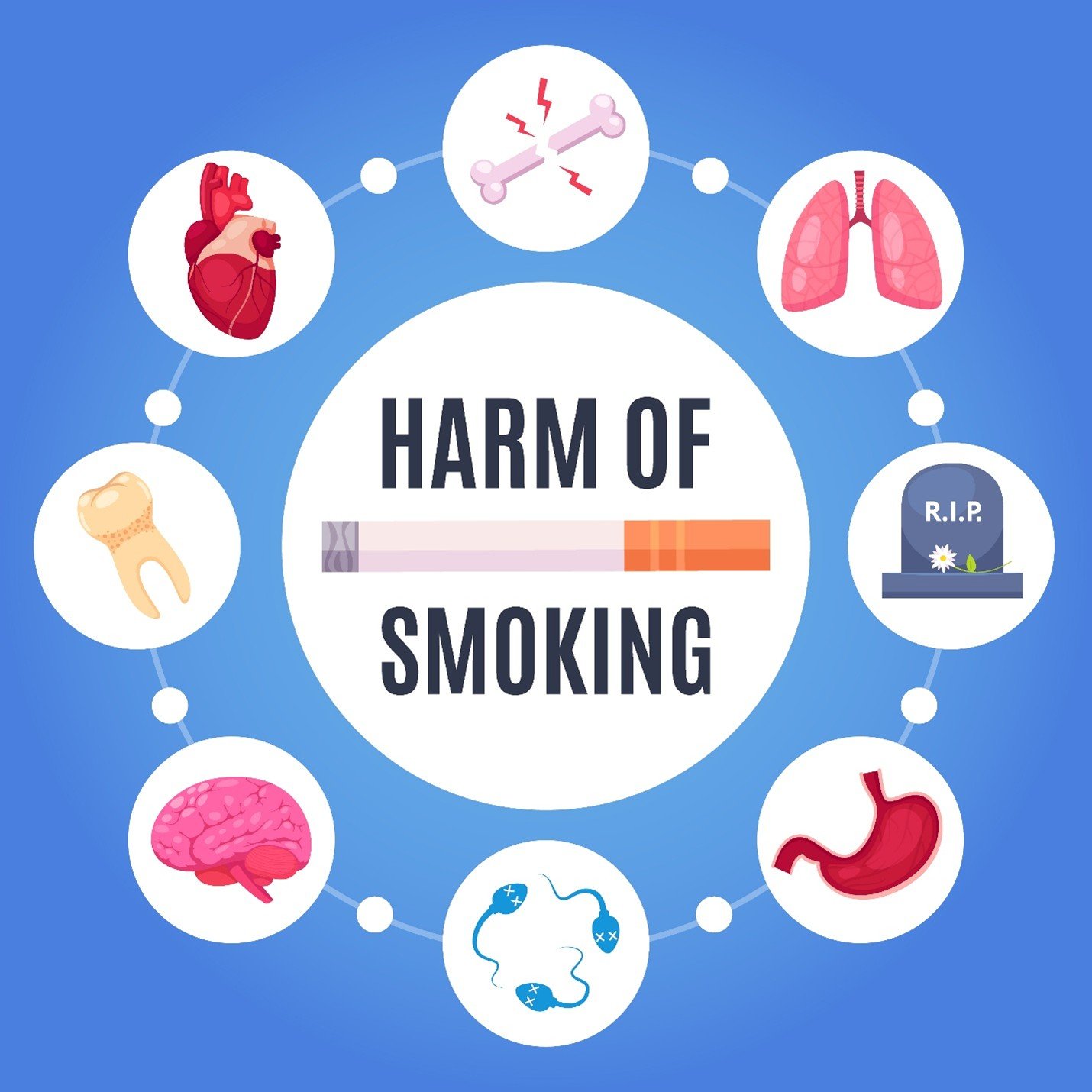
Smoking is not just a lung killer but a killer of metabolism in the body. Metabolic health is the ability of the body to regulate blood sugar, cholesterol, blood pressure and fat distribution which are essential to long-term wellness. Smoking has a strong effect on metabolic health by causing insulin resistance, type 2 diabetes, and cardiovascular disease. Being aware of such effects would allow noting the necessity to quit smoking and make healthier lifestyle choices.

Understanding Metabolic Health

Metabolic health is the best process of your body to transform food into energy and internal harmony. Clinically it is often considered to be within a healthy range with five key markers without medication. A healthy metabolism means you have a lower risk of developing chronic conditions like Type 2 diabetes, heart disease, and stroke.

How Smoking Affects the Body

Smoking is the primary cause of preventable illness and death, damaging almost every organ in the body. Tobacco smoke has over 7,000 chemicals and at least 70 of them are known to cause cancer. The toxicity is long and short-term and affects multiple body systems.

Respiratory system

  • Lung damage: Tobacco smoke is extremely harmful to the airways and the small air sacs (alveoli) in the lungs where carbon dioxide takes the place of oxygen. This destruction begins immediately after you start smoking and only gets worse.
  • Mucus and cilia damage: Smoking makes the cells that produce mucus in your lungs and airways increase in size and number, resulting in excess mucus. Meanwhile, it immobilizes and destroys the cilia, the hair-like projections that sweep out mucus and foreign bodies in your lungs. The outcome is chronic cough of the smoker and a higher chance of respiratory infection.
  • Chronic Obstructive Pulmonary Disease (COPD): The leading condition is Chronic Bronchitis and emphysema upon smoking. These lung diseases are progressive and block the airflow resulting in shortness of breath, coughing and fatigue.
  • Lung cancer: Tobacco smoke has chemicals that damage DNA, making cells grow abnormally result in cancer. In many cases, lung cancer is associated with smoking. 

Cardiovascular system

  • Damaged blood vessels: Nicotine and other chemicals in cigarette smoke harm the lining of blood vessels making them thicker and narrower. This is known as atherosclerosis, and it elevates blood pressure making the heart work harder.
  • Low oxygenation: Oxygen that is needed to transport oxygen to the heart, muscles, and other tissues is displaced by carbon monoxide in cigarette smoke in red blood cells. This may cause shortness of breath and a loss of physical strength.
  • Blood clots: Smoking increases the stickiness of blood and its ability to clot, thereby obstructing blood flow to the brain and heart. This puts one at great risk of heart attack or stroke.
  • Peripheral Artery Disease (PAD): PAD is caused by smoking, in which the arteries are narrowed, limiting the blood supply to the limbs. This may give rise to amputation in acute cases. 

Nervous system and addiction

  • Nicotine dependence: Nicotine is a very addictive medication, and it works via the brain reward systems. It also releases endorphins such as dopamine and adrenaline which produce short-term pleasurable, alert and relaxation effects.
  • Withdrawal symptoms: When nicotine has been used, the brain will demand more, and it will result in withdrawal symptoms including anxiety, irritation, and depression.
  • Cognitive effects: Although nicotine may have a short-term effect on concentration, chronic smoking is linked to deterioration of cognitive capacity and dementia. 

Reproductive system

  • Fertility issues: Smoking may impair the reproductive system of a woman, as well as influence her hormones, making childbearing more difficult. It can cause erectile dysfunction and lower the sperm quality in men.
  • Pregnancy complications: Pregnancy smoking is associated with a higher risk of miscarriage, still birth, preterm delivery and low birth weight. 

Other health effects

  • Cancer: Smoking is also a significant risk factor for numerous other types of cancer, such as the mouth, throat, kidney, liver, bladder, stomach, and pancreas.
  • Oral health: Tar stains the teeth and coats the mouth and throat, causing tooth decay, gum disease, and loss of taste and smell.
  • Skin and appearance: Smoking may make skin age too fast leading to wrinkles and sagging. It also leaves yellow, brown-colored stains in the nails and fingers.
  • Crippled immune system: The immune system is weakened by the toxic chemicals in smoke, leaving smokers prone to infection and autoimmune diseases.
  • Other diseases: Smoking predisposes other diseases, such as osteoporosis, cataracts, and Type 2 diabetes.

Notable point: There is no safe amount of tobacco smoking. But these adverse effects can be reversed by quitting smoking and health can dramatically improve with time. 

Benefits of Quitting Smoking for Metabolic Health

Smoking is a major cause of avoidable illness and fatality that damages almost all organs. There are over 7,000 chemicals in tobacco smoke, and at least 70 are cancer-causing chemicals. The toxic impacts are acute and chronic and affect multiple body systems.

  • Enhanced Insulin Sensitivity: Quitting Smoking improves insulin sensitivity much faster, and this decreases the chances of type 2 diabetes. This is despite no major changes in body weight or fat mass at the beginning.
  • Fat Distribution Changes: Transiently increased central fat may occur after cessation of smoking but fat is then redistributed to other areas such as the thighs that are more metabolically benign.
  • Lessens the Risk of Metabolic Syndrome: Smokers are more prone to metabolic syndrome which is a high level of triglycerides, low levels of HDL cholesterol, and insulin resistance. The risks decrease with time as the person stops smoking.
  • Improved Glucose Metabolism: Quitting results in enhanced hepatic glucose output and improved glucose uptake by muscles to aid improved carbohydrate metabolism.
  • Lipid Profile Reduction: quit smoking decreases high triglycerides and raises HDL cholesterol, reducing cardiovascular risk.

You may also like to read: Role of Stress Management in Diabetes Prevention

Additional Considerations

  • Quitting smoking leads to gaining weight because metabolism is slower, but the metabolic changes are more significant.
  • The beneficial impact of smoking cessation on metabolism is more with the longer the period of cessation.
  • Smoking elevates insulin-antagonistic hormones and fat metabolism leading to metabolic dysfunction- a process reversed by stopping.

Final Thoughts

The effect of smoking on metabolic health cannot be overlooked and is reported to be related to insulin resistance, diabetes, and increased cardiometabolic risks. Smoking cessation does not only enhance lung and heart functions but also increases metabolism. With the help of positive lifestyle changes and support, people can defend their long-term health and minimize the severe risks that smoking is causing.

FAQs

How much does smoking raise your metabolism?

Others are related to the action of nicotine on your body. Nicotine in cigarettes makes your metabolism faster. Nicotine enhances caloric burn by approximately between 7 and 15 percent at rest. Your body also can burn food slowly without cigarettes.

How does smoking affect bone metabolism?

The high concentration of glucocorticoid in smokers modulates bone metabolism and lowers bone mass directly by modifying the functions of osteoblast and osteoclast or indirectly by changing the gastrointestinal absorption and renal reabsorption of calcium.

Does smoking cause muscle loss?

These gaseous components of tobacco smoke migrate into the circulatory system and to the skeletal muscle tissues, which can impact their metabolism and protein disorders, which cause muscle damage. Long-term smoking can also lead to weight and muscle mass loss and atrophy of muscle fibers.

How many calories does smoking burn?

“You burn about 250 calories if you smoke a pack a day. So, when you quit and your metabolism slows down, your body has these extra calories it has to deal with, and many people gain weight.” Most people gain about two pounds during the first couple of weeks after quitting, Purcell says.

The Role of Stress Management in Diabetes Prevention

Dr. Ahmad Shahzad
Founder | Lyallpur Diabetes Foundation
Consultant Diabetologist | Educator | Advocate for Preventive Care

Stress management is not only a way to protect your mental health but also the key to avoiding such severe diseases as diabetes. Studies indicate that chronic stress may elevate blood sugar levels, insulin resistance, and unhealthy lifestyle choices, which are all risk factors of type 2 diabetes. Realizing that stress is closely related to blood sugar, and managing stress can be learnt to achieve significant changes in maintaining good health and preventing diabetes.

Understanding the Connection Between Stress and Diabetes

Stress has physiological and behavioral influences on diabetes, and they may lead to elevated blood sugar levels, heightened insulin resistance, and more challenging self-management. Although it is not a direct cause of diabetes, chronic stress is a risk factor that can lead to type 2 diabetes.

The physiological connection

When you get stressed, your body goes through its fight-or-flight reaction and gives you a burst of energy in case of a perceived threat. This reaction is initiated by discharge of stress hormones, mostly cortisol and adrenaline.

The most important physiological effects are:

  • More glucose production: Stress hormones get the liver to make more glucose and put it into the bloodstream to use as energy.
  • Insulin resistance: Cortisol causes the cells in your body to become more resistant to insulin, or sugar, cannot get into the cells easily. This makes blood sugar levels soar among diabetic patients.
  • Impaired insulin secretion: There is some evidence that stress hormones can directly suppress the production and secretion of insulin in the pancreas.

In non-diabetics, this glucose spike is transient. But in a person with diabetes, or at risk, this long-term dysregulation may impose challenges on the body to process the sugar in an effective way.

The behavioral connection

Stress may also exacerbate diabetes management by affecting how a person behaves. In times of stress one can:

  • Have unhealthy behaviors, like emotional eating, eating high sugar comfort foods, drinking more alcohol, or smoking.
  • Self-care, such as physical inactivity, irregular blood sugar levels or forgetfulness about medication.
  • Undergo sleep disturbances, since stress may interfere with sleep patterns. Insomnia is associated with insulin resistance.

In people with diabetes, it may create a vicious cycle of stress with the effort necessary to cope with diabetes itself, which is also a cause of stress (so-called diabetes distress).

Does stress cause diabetes?

Although stress does not directly lead to diabetes, studies indicate that chronic stress is a risk factor of developing type 2 diabetes.

  • Predisposition: In individuals with underlying risk factors, such as obesity or a family history of diabetes, stress hormones at elevated levels may gradually cause insulin resistance, which may ultimately result in the development of the disease.
  • Even in non-diabetic individuals, moderate or intense acute elevations in blood sugar level can occur due to physical or psychological stress (such as during a critical illness or surgery), a phenomenon known as stress hyperglycemia. In other situations, this may reveal insulin issues that have not been diagnosed. Individuals with stress hyperglycemia are at greater risk of developing type 2 diabetes in future. 

How to manage stress to help control diabetes

How to manage stress to help control diabetes

Stress management is a critical component of diabetes management. Strategies that are effective will include:

  • Exercise: Exercise is a known stress-lowering activity that also lowers blood sugar levels and increases insulin sensitivity.
  • Relaxation methods: To reduce cortisol and relax the mind, incorporate deep breathing, yoga, meditation or mindfulness in your daily process.
  • Get enough sleep: You should get 7-9 hours of good sleep each night. A normal bedtime schedule would help in sleep and stabilize the level of glucose.
  • Healthy coping: Learn to find healthy coping responses to stress. Bad habits such as comfort eating and drinking should be avoided and instead done with things one likes.
  • Get support: Discuss with family, friends or a diabetes support group. A mental health professional can be a great help in case stress or distress is overwhelming.
  • Monitor your patterns: In the case of diabetes, trapping stress levels and blood glucose levels can help you determine your own triggers and the way to cope with them. 

Effective Stress Management Techniques for Diabetes Prevention

Adopting effective stress management techniques can significantly lower the risk of developing type 2 diabetes by reducing cortisol levels and improving lifestyle habits. The best approach is to incorporate a variety of mental and physical strategies into your daily routine. 

Mental and emotional strategies

  • Be mindful and meditate. MBSR programs can enhance emotional and glycemic control. Giving yourself a few minutes a day to practice your breathing or employing a guided meditation app can help clutter your brain and trigger the relaxation response in the body.
  • Take deep breathing exercises. To overcome a state of panic, you can use a simple form of deep breathing, inhale, four seconds, hold, seven seconds, exhale, eight seconds. This can calm your nervous body and reduce your heart rate.
  • Visualize a calm place. When in a stressful situation, close your eyes and visualize a tranquil location, using all senses. This is a guided visualization, which may trigger serenity and relaxation.
  • Reframe negative thoughts. Spotting negative thoughts may stop a negative spiral and enable you to concentrate on what you can control. As an example, instead of getting the thought, I cannot do this, rephrase it as, I will do this step by step.
  • Your gratitude. Writing about good things can make you feel better overall and can help you start viewing your life through a different lens than stress. 

Lifestyle-based strategies

  • Include physical exercise. One of the better stress relievers is exercise. It triggers endorphins, better moods, and can reduce blood glucose. Goal: 150 to 180 minutes of moderate aerobic work (such as brisk walking) in one week.
  • Prioritize quality sleep. Sleep deprivation and chronic stress contribute to one another and may increase insulin resistance. Scheduling: keep a regular schedule of sleep and establish a worry-free sleepy routine to build better sleep.
  • Eat wisely. Stress reduces good eating habits, and therefore underlines well-balanced, healthful meals. Do not use high fat and sugar comfort foods. Whole grains, fruits and vegetables are also good sources of fiber and can help control blood sugar.
  • Set aside “me time.” Spending some time on something pleasurable like gardening or listening to music or reading helps a lot to eliminate stress and enhance relaxation.
  • Limit your digital connection. Excessive use on social media may elevate stress, as well as divert attention in self-care. Create space to step out and get into the real world. 

Supportive strategies

  • Lean on social support. Having friends and relatives is a buffer to stress. Talking to the vulnerable about how things go can make you feel less encumbered and more supported to make healthy lifestyle changes.
  • Join a support group. Talking to other individuals with similar health issues can offer a feeling of community and helpful coping skills.
  • Work on time management. In case you get stressed by commitments, get to know how to prioritize, say no to added commitments and delegate where you can. Stress can also be minimized by dividing large tasks into smaller ones that are more manageable.
  • Seek professional guidance. In case stress appears overwhelming, a mental health expert will be helpful in offering meaningful coping mechanisms. CBT will allow you to alter your reactions to stressors. 

You may also like to read: Benefits of Physical Activity for Diabetes Prevention

Final Thoughts

To sum up, stress management is an effective and useful approach to lessening the risk of diabetes. Mindfulness, exercise, proper diets, and healthy habits can help individuals balance both mental and physical health. Having long-term blood sugar control and stress management as a priority, in addition to having a healthier lifestyle and well-being, are beneficial.

FAQs

How does stress affect diabetes?

When the stress does not disappear, it may increase your blood sugar level and predispose you to complications of diabetes. It can also influence your mood and your appearance self, and this can begin to influence your emotional health.

How does stress impact insulin resistance?

They discovered that the elevations of stress-induced levels of sympathetic activity, in the case of patients in psychological stress, affected insulin sensitivity, likely via alterations in adipokine or catecholamine circulation.

Which relaxation techniques lower blood sugar?

Activities and relaxation techniques, such as yoga and mindfulness-based stress reduction, can also be used to repair insulin release issues in individuals with chronic diabetes receiving medical care.

Is there a connection between anxiety and blood sugar?

Blood sugar and anxiety are correlated, and it is important that diabetic patients should know this. As you will see, one can easily cause the other.

The Benefits of Physical Activity for Diabetes Prevention

Dr. Ahmad Shahzad
Founder | Lyallpur Diabetes Foundation
Consultant Diabetologist | Educator | Advocate for Preventive Care

One of the most effective methods of prevention of type 2 diabetes is regular physical activity. As the cases of cases increase globally, active lifestyles are more relevant than ever before. Exercise is not only beneficial in insulin sensitivity and sugar regulation but also weight management and health. Knowledge of the advantages of physical activity can enable one to make simple and daily steps that would go a long way to minimize the chances of becoming diabetic.

Exercise allows the prevention, delaying and management of diabetes through better utilization of insulin and glucose in the body. Although short-term impacts of exercise on glucose levels depend on the intensity and duration of the exercise, exercise overall leads to better glycemic control and minimized risks of diabetes.

How physical activity helps manage diabetes

  • Increases insulin sensitivity: Exercise makes your muscle cells more sensitive to insulin up to 48 hours after a workout, and they can then use available insulin more efficiently to uptake glucose in your bloodstream.
  • Incites insulin-independent uptake of glucose: Glucose absorption by contracting muscles during exercise can power the muscles without the aid of insulin. It is particularly useful with those with type 2 diabetes whose bodies are insulin resistant.
  • Lowers A1C: Regular exercise has also been reported to reduce hemoglobin A1C (HbA1c) which is a long-term level of blood glucose control. Research has discovered that different types of exercises such as aerobics, resistance, and combined training can greatly raise the value of HbA1c.
  • Assists in weight management: Exercise assists in weight loss and healthy weight maintenance. Regular activity is an important aspect of both treatment and prevention as obesity is a significant risk factor of type 2 diabetes.
  • Offers a cardiovascular-protective effect: Exercise benefits the heart of people with diabetes and can reduce blood pressure and positively influence the cholesterol level.
  • Minimize sedentary time: Even short intervals of light exercise every 30 minutes can be used to disrupt sedentary times.

Effects of different types of exercise

Different kinds of physical activity provide unique benefits and can affect blood glucose levels differently.

Aerobic exercise

  • Effect: Swings big muscle groups in continuous movement (e.g. walking, cycling, swimming). Such activity tends to reduce blood glucose.
  • Recommendations: It is recommended that at least 150 minutes of moderate-vigorous aerobic exercise be performed during a week, but distributed over at least three days, with no more than two days together. 

Resistance training

  • • Effect: Develops muscle size and strength through resistance (e.g., a weight, a resistance band or the body weight). Growth of muscle enhances insulin sensitivity and uptake of glucose.
  • Recommendations: The ADA recommends that adults with diabetes perform two to three bouts of resistance exercise a week on non-consecutive days. 

Combined training

·       Effect: There is evidence that aerobic and resistance training may be more effective than either form of exercise in terms of glycemic control.

·       Recommendation: Do aerobic and resistance training to achieve maximum results.

High-intensity interval training (HIIT)

  • Effect: Involves short bursts of intense activity followed by recovery periods. This can improve insulin sensitivity and glycemic control in a time-efficient manner for suitable individuals.
  • Recommendation: Discuss with a healthcare provider before starting HIIT, especially if you have complications or are not accustomed to vigorous exercise. 

Precautions and considerations for exercise

  • Risk of hypoglycemia (low blood glucose): Individuals with diabetes who take insulin or insulin secretagogues should be aware of the risk of hypoglycemia during and after exercise.
    • Test blood glucose before and after exercise to understand your body’s response.
    • Keep a source of fast-acting glucose on hand, such as glucose tablets or juice.
  • Blood glucose variations: Stress hormones may result in a temporary increase of blood glucose in some high-intensity activities. The important part in this is to keep a check on your own trends.
  • Complications of diabetes: Some complications, like retinopathy or neuropathy, can necessitate a modified exercise program. Safe and appropriate activities could be done with the assistance of a doctor.
  • Time: In some individuals with type 2 diabetes, afternoon exercise or evening exercise may slightly improve the blood glucose level compared to morning exercise. Also, after meal exercise can help in controlling post meal blood sugar spikes.
  • Professional guidance: A medical professional can assist in creating an individualized and safe exercise regime that takes into consideration your type of diabetes, fitness level, and other health factors.

Key Benefits of Physical Activity for Diabetes Prevention

Key Benefits of Physical Activity for Diabetes Prevention

Enhances insulin sensitivity

·       Enhances cellular performance: Exercise also sensitizes muscle cells to insulin, thus enabling them to obtain energy through the bloodstream effectively. This enhances the efficiency of insulin available to the body, and it prevents the occurrence of insulin resistance, which is a major cause of type 2 diabetes.

·       Favors independent glucose uptake: Exercise causes muscle contractions that enable cells to absorb glucose to produce energy without insulin, which aids maintaining a healthy level of blood sugar.

Aids in weight management

  • Reduces body fat: Physical activity helps burn calories, which contributes to weight loss and maintenance. This is critical for diabetes prevention, as excess body weight, especially fat around the waist (visceral fat), is a major risk factor for insulin resistance and type 2 diabetes.
  • Builds muscle mass: Strength training builds muscle, which increases the body’s calorie-burning capacity, even at rest. This increased muscle mass also enhances the body’s ability to clear glucose from the bloodstream. 

Improves metabolic health

  • Reduces blood sugar: Exercising lowers blood sugar levels because of elevated muscle glucose uptake, decreased insulin resistance, and decreased A1C levels.
  • Decreased inflammation: Exercise can reduce chronic inflammation in the body, which is associated with the development of type 2 diabetes.
  • Improves mitochondrial activity: Exercise enhances the formation of new mitochondria and increases their output, which increases metabolic fitness and mitigates metabolic dysfunction linked to insulin resistance. 

Provides cardiovascular benefits

Reduces blood pressure and cholesterol: Exercise will make the heart healthier, reduce blood pressure, raise the good HDL cholesterol, and reduce bad triglycerides. This minimizes the risk of heart and blood vessel diseases, which are known complications of diabetes.

Enhances mental well-being

  • Lessens stress and anxiety: Exercise would raise stress, anxiety, and depression, all of which can influence blood sugar management.
  • Better sleep and mood: Exercising can increase your confidence and mood and help you sleep better.

Importance of Healthy Eating for Metabolic Health

How to get started

The key is to begin slowly and find activities you enjoy ensuring consistency.

  • Aerobic Exercise: Target at least 150 minutes of moderate intensity aerobic exercise (e.g., brisk walking, swimming, cycling), and this should be taken for at least three days.
  • Strength Training: Do resistance exercises with weights, resistance bands, or both at least once each week to all major muscle groups.
  • Interrupt Sedentary Time: In non-active people, even simple steps, including rising and moving every 30 minutes, can play a significant role in controlling blood glucose.
  • Consult a Professional: Before starting a new exercise program, seek the advice of a healthcare expert so that it fits your health condition.

Final Thoughts

To sum up, exercise is extremely important in reducing the risk of type 2 diabetes. Regular exercise provides long-term prevention of this chronic condition by enhancing insulin sensitivity, blood sugar control, and maintaining a healthy body weight. It can be as simple as walking, cycling or strength training. One of the best steps toward prevention of diabetes and overall health is making physical activity a regular part of everyday living.

FAQs

What is the main benefit of exercise in diabetes management?

Physical activity is a critical treatment in diabetes mellitus. Exercise also decreases cardiovascular risk and mortality, manages weight, and improves glycemic control in people with this condition. An increase in tissue sensitivity to insulin will positively influence glycemic regulation.

How exercise is a method of controlling diabetes?

Exercise might assist you in dealing with your Type 2 diabetes or lower the chances of having one. A combination of aerobics and strength training exercise can help normalize blood sugar levels and health among individuals with Type 2 diabetes. Your workout plan will be different according to your health and objectives.

How much exercise is needed for diabetes?

Individuals with type 2 diabetes are advised to engage in at least 150 min/week of moderate to vigorous aerobic activity that should be done in at least 3 days of the week, but not more than 2 days in a row of aerobic activity.

What is the best time to exercise for diabetes?

Another benefit, which can assist in managing blood sugar, is taking an after-dinner walk as your daily exercise, or even on the day you do other exercises.

Chemical Pregnancy: Causes, Symptoms, and What You Need to Know

Dr. Ahmad Shahzad
Founder | Lyallpur Diabetes Foundation
Consultant Diabetologist | Educator | Advocate for Preventive Care

For many hopeful parents, seeing a positive pregnancy test brings joy and excitement. However, in some cases, the pregnancy ends very early, before it can be detected on an ultrasound. This is known as a chemical pregnancy. Though it may be brief, the experience can have both emotional and physical impacts. Understanding the causes, symptoms, and recovery process can help bring clarity during this difficult time.

What Is a Chemical Pregnancy?

A chemical pregnancy is a very early miscarriage in a pregnancy in which a positive pregnancy test is obtained because a growing embryo is producing human chorionic gonadotropin (hCG), but the pregnancy is lost before the fifth week of gestation. This premature loss is usually confused with a late or missed one, or can result in mild effects such as spotting or cramping. The cause is often a chromosomal abnormality in the embryo, so that it cannot grow normally. 

What causes a chemical pregnancy?

The cause is usually not known, but the loss is normally caused by an issue with the developing embryo. Possible causes include: 

  • Chromosomal abnormalities: This is most often due to a genetic problem with the embryo, making it fail to develop normally.
  • Implantation issues: The embryo can fail to implant successfully on the uterine wall.
  • Hormonal imbalances: Diseases of some hormones, including progesterone, can be a contributor.
  • Other conditions: Thyroid disorders, abnormalities of the uterus, or some types of infections can also have a role to play.

Symptoms

Due to the early occurrence of a chemical pregnancy, some individuals can confuse it with a normal or late menstrual cycle. These may be observed in case you are actively attempting to conceive and are also on early pregnancy tests: 

  • A positive test with a negative result a few days/weeks after.
  • A time that comes a week or so later than planned.
  • More menstrual bleeding or more severe menstrual cramps.
  • A positive pregnancy test was received, and there were no signs of early pregnancy, including nausea or swelling of the breasts.

What to know about chemical pregnancies

  • It is a real pregnancy: Although it is early, a chemical pregnancy is a real pregnancy, and it may bring loss and grief.
  • Treatment is not necessary: The miscarriage normally corrects itself, and it does not need any medical intervention.
  • Future pregnancies: A lot of individuals who undergo a chemical pregnancy proceed to develop healthy pregnancies in the future. And possessing one does not imply that you are having a fertility problem.
  • It is normal: The occurrence of chemical pregnancies is quite normal, particularly when the highly sensitive early-detection tests are used. 

How Is a Chemical Pregnancy Diagnosed?

A chemical pregnancy is identified by a temporary increase and decrease of the pregnancy hormone, human chorionic gonadotropin (hCG), via blood or urine. An important component of the diagnosis is that the pregnancy terminates before a gestational sac is visible on an ultrasound, which is normally visible by the fifth week of pregnancy. 

Steps for diagnosis

  1. First positive pregnancy test: When you are attempting conception and do a sensitive early home pregnancy test, you may end up with a positive result immediately after the fertilized egg has implanted and is now generating hCG.
  2. Negative test and bleeding: Once you have had a positive test, a negative test will soon follow, and your period will come within a month or a little late. The hemorrhage of a chemical pregnancy can be excessive.
  3. Hormone level testing: To clinically confirm, a medical practitioner will take a blood sample to test your hCG level.
    1. Decreasing hCG: If your first blood test shows elevated hCG, the doctor will take another test a few days later. A chemical pregnancy is indicated if your hCG levels are decreasing instead of rising, as they would in a healthy, progressing pregnancy.
    2. Ultrasound: To differentiate a chemical pregnancy from a later miscarriage or an ectopic pregnancy, an ultrasound may be performed. If no gestational sac or fetus is visible on the scan, it confirms the pregnancy did not progress beyond the chemical stage. 

Why medical confirmation is important

While a positive-then-negative home test result is a common indicator, medical confirmation is important for the following reasons:

  • Excluding other conditions: Your physician can exclude a potentially severe ectopic pregnancy, where the fertilized egg implants extrauterine.
  • Giving peace of mind: To the people actively attempting conception, a chemical pregnancy confirmation makes it feel more real and provides an answer to what occurred.
  • Informing future care: HCG monitoring is a routine aspect of early pregnancy care in fertility patients who undergo IVF procedures, and can aid in future treatment decisions. 

Emotional Impact of Chemical Pregnancy

Chemical pregnancy can be extremely distressing, particularly in those couples who are actively pursuing pregnancy. The good news of being pregnant may immediately give hopes and dreams and a sudden loss may lead to sadness, confusion, and grief. The physical recovery may occur faster than the emotional recovery. 

Why the emotional toll is so high

  • The birth of the dream: A positive test, even a weak one, can give the strongest emotions and visions of the future. The sudden termination of the pregnancy may be the loss of that dream.
  • An actual loss: The term chemical pregnancy might be dismissiveness of the grief, and may not be regarded as a real miscarriage. However, in real life, a miscarriage is a miscarriage, and the feeling of grief is legitimate.
  • Disenfranchised grief: Since other people are not aware of chemical pregnancies, grief may be isolated and lonely. This disenfranchised grief happens when the loss is not openly accepted or socially recognized, and the person might not easily grieve openly and get the support they need.
  • Hormonal changes: A chemical pregnancy may abruptly cause a decrease in pregnancy levels of hormones such as hCG and progesterone, which in turn can lead to mood swings and irritability, exacerbating emotional pain.
  • Guilt and self-blame: Most individuals attribute the loss to themselves; they feel they must have done something bad to make them lose, even when they are aware that they did not do anything.
  • Fear of future pregnancies: This experience can cause anxiety and fear of subsequent pregnancies. It is hard to fully bond with a new pregnancy for many before they reach the mark of their loss. 

Treatment and Recovery After a Chemical Pregnancy

Mostly, a chemical pregnancy does not necessitate any medical treatment and can be left to pass. The physical recovery process is usually fast and only takes days or a week. But emotional recovery may be more prolonged and needs to be supported deliberately. 

Physical recovery

Most people who experience a chemical pregnancy do not have severe pain or heavy bleeding. The physical process is similar to a slightly heavier or late menstrual period. 

  • Prognosis: The majority of symptoms improve after one week. After 4 to 7 days, an average hormone (hCG) level is normal.
  • Symptoms: You can experience a period of two weeks of vaginal bleeding that is likely to be the same or a bit heavier than a regular period. Some cramping is also normal.
  • Medical follow-up: A physician can prescribe a follow-up blood test to make sure the hCG is set at zero, which this to confirm the pregnancy is over, and to exclude other causes such as an ectopic pregnancy.
  • See a doctor When: See a doctor immediately in case of severe pain, dizziness, or excessive bleeding (wet more than one pad in an hour). 

Emotional recovery

The emotional impact of a chemical pregnancy can be significant, and it is important to allow yourself time to grieve. 

  • Accept the loss: Accept that you are truly grieving, that you are angry, confused, and disappointed by the loss.
  • Find support: Find a friend, family member, or a counselor to talk to. You can also feel less isolated by joining a support group of people who have gone through miscarriage.
  • Talk to your partner: There are two ways to go through grief. It is important to openly share your feelings and to respect each other’s coping styles so as to work through the loss together.
  • Think of a ritual: Since chemical pregnancies are frequently not even visible to others, you can use creating a personal ritual to recognize the loss. This may involve planting a tree, jewellery, or a journal.
  • Get easy on yourself: Learn to realize that it is not your fault. Allow yourself to experience your feelings without condemnation and have a work break. 

Trying to conceive again

A chemical pregnancy does not affect your future chances of having a healthy pregnancy. 

  • Timing: Two weeks after a chemical pregnancy, you can ovulate and get pregnant again. Nevertheless, most doctors advise you to wait until after your next standard menstrual period, which makes it easier to date a new pregnancy. Finally, you should give a second attempt when you are physically and emotionally prepared.
  • Lifestyle: Maintain a healthy lifestyle, including prenatal vitamins or folic acid, a healthy diet, physical activity, and avoidance of alcohol and tobacco.

Recurrent chemical pregnancies

If you experience two or more consecutive chemical pregnancies, your doctor may suggest further testing. 

  • Diagnostic plans: A fertility specialist can order tests to check problems with hormonal imbalances, thyroid diseases, uterine defects, or chromosomes.
  • Possible treatments: According to the diagnostic results, treatment might be hormone therapy, underlying medical causes, or surgical repair of uterine anomalies. Where nothing has been found, alternatives like In Vitro Fertilization (IVF) with genetic testing can be considered.

You may also like to read: Red Light Therapy

Preventing Chemical Pregnancy – Is It Possible?

Nothing can be done to stop a chemical pregnancy because most of them are beyond your influence, which could be a chromosomal abnormality. A large percentage of these extremely early miscarriages occur because of some accidental genetic mistake in the embryo that it from developing. This does not belong to the fault of either partner and is not a manifestation of the overall capacity of a person to have a healthy pregnancy. 

Although you cannot avert a random chromosomal occurrence, you can act to increase overall well-being and reduce risk factors that might lead to pregnancy complications. Such measures may tend to raise the likelihood of a healthy pregnancy, although they do not imply the absence of early loss.

Final Thoughts

A chemical pregnancy is a very early miscarriage that occurs within the first few weeks, often before an ultrasound can confirm a pregnancy. It normally occurs when a fertilized egg implants but aborts shortly afterwards. Although most individuals might confuse it with a late or heavy period, it is crucial to comprehend chemical pregnancy as a way of emotional healing as well as future family planning.

FAQs

Is a chemical pregnancy still a baby?

A chemical pregnancy (or biochemical pregnancy) is a very early miscarriage that occurs within the first five weeks of pregnancy before the pregnancy is visible in an ultrasound. A fetus develops and implants in the uterine wall, and then ceases growing.

Are you more fertile after chemical pregnancy?

Indeed, you might be more prolific after a chemical pregnancy: A study discovered that those who had attempted to conceive 3 months after a miscarriage were 17 percent more likely to be pregnant and have a living baby than those who waited longer.

How long will a chemical pregnancy last?

A chemical pregnancy is a very premature miscarriage that happens in the first five weeks. The majority of people are not even aware they are pregnant, and they might not even experience any effects of a miscarriage.

What hormone imbalance causes chemical pregnancy?

A woman can have a recurrent chemical pregnancy due to several reasons. A progesterone deficiency is one of the most frequent causes. Ovaries produce this hormone when an egg is released by an ovary. The hormone is to prepare the uterine lining.

Red Light Therapy Benefits: A Complete Guide to Health, Skin, and Wellness

Dr. Ahmad Shahzad
Founder | Lyallpur Diabetes Foundation
Consultant Diabetologist | Educator | Advocate for Preventive Care

Red light therapy is among the most discussed therapies in the world of health and wellness. This non-invasive approach has numerous possible benefits, starting with making the skin look better and ending with relieving muscle pains. With support of the increasing research and real life stories of success, knowing red light therapy benefits will prove helpful in deciding whether it is the right self-care or recovery option of your routine.

What is Red Light Therapy?

Red light therapy (RLT) is a non-invasive therapy involving low-wavelength red and near-infrared light to benefit the skin, wounds, and inflammation. The treatment is effective because it activates the mitochondria, the powerhouses of body cells, to produce greater energy. 

NASA initially developed the technology to cultivate crops in space and cure astronauts.

How red light therapy works

In an RLT session, you have your skin subjected to a machine that gives out low-energy red light. The light penetrates the skin to the superficial level (1 to 10 millimeters). As the cells absorb this energy in the light, it activates the mitochondria to generate more adenosine triphosphate (ATP), the energy carrier in cells. This cellular energy is believed to stimulate cell function, repair, and regeneration. 

Common uses and potential benefits

Although there are promising studies, other experts indicate that additional research is required in order to establish the complete efficacy of RLT. 

Widely used red light therapy is:

  • Skin rejuvenation: RLT is commonly advertised as a way to treat the skin. It can trigger the production of collagen and elastin, which helps minimize fine lines and wrinkles. It may be used even in the case of sun damage, uneven color, and acne.
  • Wound healing: By promoting blood circulation and stimulating cell repair, RLT may enhance wound healing, burn healing, and scar healing.
  • Hair growth: RT has been found to induce hair follicles in individuals with androgenic alopecia (hereditary hair loss), leading to new growth and a higher level of thickness.
  • Pain and inflammation: Other studies indicate that RLT may be able to treat pain and inflammation related to various conditions, such as arthritis, muscle soreness, and joint pains.
  • Neurological health: Neurological studies are looking at using red light to enhance the cognitive ability of individuals with dementia because the light has the potential to increase blood flow and oxygen to the brain.

Safety and devices

Non-UV light is used in RLT, hence, it does not burn the skin or elevate the risk of skin cancer linked to UV radiations. It is also thought to be safe when used in short term and it is not invasive. The side effects are mild and short term like skin irritation. 

The administration of RLT may use a number of devices:

  • Professional equipment: More powerful equipment is employed in medical practice by dermatologists and other medical caregivers.
  • Home units: Masks, wands, and panels can be used at home, but are frequently less effective than professional. To be safe, make sure the device is FDA-cleared and always put on protective eyewears as directed.

How to Use Red Light Therapy Effectively

Red light therapy requires you to focus on targeted, regular treatments with the correct device to achieve the desired results. A typical routine of 3-5 sessions a week, each 10-20 minutes, is important in achieving results in a few weeks or months. 

For at-home use

If you are using a consumer-grade red light therapy device, follow these best practices for effective treatment: 

  • Choose the right device. Select a device based on your treatment goals.
    • For skin issues, like wrinkles or acne on your face, a mask or handheld wand is best.
    • For pain or hair loss, a portable device, flexible wrap, or panel can target specific areas of your body, like a knee or the scalp.
  • Choose the important specifications. Find equipment that employs a particular therapeutic wavelength, 660 nanometers (red light) and 850 nanometers (near-infrared). Greater power output (irradiance) may result in more successful shorter sessions.
  • Prepare the area. Wash your skin and take off all makeup, dirt or oil before treatment. In skin problems and loss of hair, the light should be used on bare skin.
  • Position the device correctly.
    • For surface-level skin treatment, devices should generally be positioned 12 to 36 inches away.
    • For deeper issues like muscle and joint pain, move the device closer, typically 6 to 12 inches from the skin.
  • Keep up to a regular routine. Apply 10- 20 minutes, 3-5 times per week. The time-consistency is preferable to longer, individual sessions. It can take 2 to 4 weeks before results of some conditions can be seen.
  • Protect your eyes. Wear the eye protection that is provided with your device, particularly when you are aiming at your face, or when you are facing the light itself. 

Considerations for specific goals

Your goals may require specific routines or a combination of therapies. 

  • To rejuvenate the skin: Be patient, and it can take weeks of regular use before one experiences the benefits of reduced wrinkles or better tone. Addressing this, it is possible to enhance the benefits by combining it with a good skincare regimen.
  • To relieve pain and recover muscles: Red light therapy is used by many athletes prior to and after exercise to prevent injuries and accelerate healing. In chronic pain, a higher frequency of sessions (45 times per week) can be useful during flare-ups.
  • To grow hair: It is crucial to be consistent and it can be up to 3 to 6 months before you see an improvement. Red light therapy can be used with other hair growth therapies such as minoxidil or microneedling.

Maximize results with supportive habits

To support the effectiveness of red light therapy, consider incorporating these wellness practices: 

  • Maintain a healthy diet and stay hydrated.
  • Manage stress and ensure good sleep hygiene.
  • Include regular exercise in your routine. 

When to consult a professional

Home appliances are generally not as powerful as professional devices and can be successful. Never begin a new therapy, particularly one that is topical, without consulting a healthcare provider or dermatologist, particularly when you have sensitive skin, photosensitivity or underlying medical issues.

You may also like to read: What is Tdap Vaccine?

Final Thoughts

The list of benefits of red light therapy is quite broad, including the improvement of the skin condition and hair growth, pain reduction, and overall wellness. Although not a miracle, long-time and safe usage can provide significant improvements to many individuals. When you know the established positive effects of red light therapy and apply the correct method, it will become a worthwhile addition to your health and self-care regimen.

FAQs

Who should not use red light therapy?

Consult your doctor first in case you have lupus, a light-sensitive condition, or are on drugs that predispose you to sunlight sensitivity (e.g. antibiotics or retinoids). Only devices that are flicker free and endorsed by the neurophysician will work with epileptics.

Is 10 minutes of red light therapy enough?

Frequent red light therapy sessions, 3 to 5 times per week can aid skin, muscle and pain relief objectives. Once visible results are achieved maintenance sessions (one to two times a week) are used to maintain the long-term benefits. Ten to twenty minutes of sessions long are effective, and can be easily sustained.

How do I know if red light therapy is working?

Red light therapy is fast acting on acute problems, like an injury, and is slow acting on chronic problems, like arthritis. The condition of many patients improves directly after the initial red light therapy session and improves during the next several weeks.

What is Tdap Vaccine? Benefits, Schedule, and Everything You Need to Know

Dr. Ahmad Shahzad
Founder | Lyallpur Diabetes Foundation
Consultant Diabetologist | Educator | Advocate for Preventive Care

Vaccines play a vital role in protecting us from serious illnesses, and one of the most important among them is the Tdap vaccine. If you’ve ever wondered what is Tdap vaccine and why it matters, the answer lies in its ability to guard against three dangerous diseases—tetanus, diphtheria, and pertussis. The vaccine is recommended to adolescents, adults, and even in pregnancy, not only does it protect individuals but communities as well.

What is Tdap Vaccine?

Tdap vaccine is an immunization that combines against tetanus, diphtheria, and pertussis (whooping cough). It is targeted at adults, teens, and children of an older age. The vaccine resembles the DTaP vaccine used in infants and younger children, except that it administers less dose of the diphtheria and pertussis antigens. 

What Tdap protects against

  • Tetanus: Tetanus is a serious infection typically caused by bacteria commonly found in soil, dust, and manure. It comes into the body through cuts or open wounds, and it causes a poison that leads to painful muscle contractions.
  • Diphtheria: This illness primarily affects the throat and nose, producing a toxin that can lead to severe health complications, including heart failure and breathing difficulties. The bacteria are contagious.
  • Pertussis (Whooping Cough): A very infectious respiratory disease that may be especially risky in infants and young children. It can result in severe coughing fits, vomiting, and cracked ribs, although it may result in milder illness in older people. 

Who should get the Tdap vaccine

  • Adolescents: Tdap should be used as a single dose in adolescents aged 11 or 12 years.
  • Adults: All adults 19 and above who have not had a Tdap booster are to receive one. One Tdap or Td booster is advised every 10 years after the first dose.
  • Pregnant individuals: The vaccine is recommended at every pregnancy, preferably at a gestation of between 27 and 36 weeks. This is to transfer protective antibodies to the baby to protect against whooping cough during their first few months of life, when they are at the highest risk.
  • Individuals with wounds: It can be administered to manage the wounds, provided that at least five years since the previous tetanus vaccine. 

 Tdap Vaccine Schedule and Boosters

 Tdap Vaccine Schedule and Boosters

The Tdap vaccination schedule has one dose in adolescents, a booster each after 10 years in adults, and one dose in each pregnancy. Severe wounds might also necessitate a Tdap shot or to have a back up on missed vaccinations. 

Tdap for adolescents

Tdap should be given once in adolescents, normally in the age group of 11 or 12 years. This Tdap dose is used instead of one of the DTaP vaccines of the childhood immunization series. 

Tdap for adults

Booster shots should be taken every 10 years in adults. Following the first dose of Tdap, you should get either a Tdap or Td (tetanus and diphtheria) booster. The Tdap booster is best as it offers protection against whooping cough. 

Tdap during pregnancy

  • The Centers of Disease Control and Prevention (CDC): suggests a single dose of Tdap in all pregnancies in pregnant individuals. 
  • Timing: The ideal time is to administer the shot in the third trimester, ideally in 27 to 36 weeks of gestation.
  • Purpose: The vaccine helps the mother’s body to generate the protective antibodies, which are transferred to the baby before birth. It will offer the much-needed temporary immunity to whooping cough in the first weeks of the infant’s life when they are the most susceptible.
  • Vaccination in all pregnancies: With time, the amount of antibodies lost, so it is necessary to do the vaccination each time, giving maximum protection to the child born. 

Tdap for wound management

In case of a severe cut or wound, this may require the tetanus-containing vaccine based on your immunization history. 

  • In case you have never received a Tdap shot previously, you will be given one to treat wounds.
  • When you already receive Tdap, a Tdap or Td booster is advised when it is over five years since the last injection.

Catch-up schedule

For individuals aged 7 and older who were never vaccinated or did not complete the DTaP series as children, a three-dose catch-up series is recommended. 

  • At least one of these doses should be Tdap.
  • The remaining doses can be either Td or Tdap. 

Benefits 

This is especially crucial for safeguarding infants and other vulnerable populations from serious illness. 

  • Avoids life-threatening tetanus (lockjaw): Tetanus is a severe bacterial infection that may enter the body through a cut or a wound and causes painful muscle spasms that may cause breathing problems, paralysis, and death. The Tdap vaccine triggers the immune system to generate antibodies against the tetanus toxin, which prevents the disease.
  • Prevents complications of diphtheria: Diphtheria is another contagious disease that forms a thick layer in the throat that may block breathing. The diphtheria component of the vaccine is against severe respiratory symptoms and complications such as heart failure, nerve damage, paralysis, and death.
  • Lessens the severity of whooping cough: The protection by the pertussis vaccine may decrease with time, but it is very efficient in stopping severe symptoms and complications. In adults who become infected with whooping cough following vaccines, the disease is milder and less lasting.
  • Prevents whooping cough during early infancy: Women who take Tdap vaccine during pregnancy transfer protective antibodies to their unborn babies. This is the only means of protecting the babies against whooping cough in the first few months of their lives when they are too young to be inoculated and most susceptible to serious, life-threatening complications.

Common side effects

Most individuals receiving the Tdap vaccine show no side effects or minor ones that clear off within a few days. The side effects most frequently occurring are: 

  • Pain, redness, or swelling where the shot was given
  • Mild fever
  • Headache
  • Fatigue
  • Nausea, vomiting, diarrhea, or stomachache 

You may also like to read: Stem Cell Therapy for Diabetes

Tdap vs. DTaP: What’s the Difference? 

The difference between the Tdap and DTaP vaccines lies in their targeted age group and the dosage of the diphtheria and pertussis components. Both are combination vaccines that protect against tetanus, diphtheria, and pertussis (whooping cough). 

Feature DTaP VaccineTdap Vaccine
RecipientsInfants and young children under 7 years old.Adolescents (11–12 years) and adults.
PurposeAdministered in a series of shots to build strong, foundational immunity in a child’s developing immune system.Used primarily as a booster to maintain protection, as childhood immunity wanes over time.
DosageContains a full-strength dose of diphtheria and pertussis components.Contains a full-strength tetanus dose but a reduced dose of diphtheria and pertussis components. The lowercase “d” and “p” in “Tdap” denote these smaller doses.
SchedulePart of the routine childhood immunization series, typically given in five doses at 2, 4, and 6 months, 15–18 months, and 4–6 years.A single dose is given around 11–12 years of age, followed by a booster every 10 years throughout adulthood. It is also given during every pregnancy.

The “acellular” component

The two vaccine names contain the a which is used to denote acellular. This implies that the vaccine would not require the entire pertussis bacterium, but a few components of it to produce an immune response. This is done to minimize the side effects of previous pertussis vaccines that were made from whole cells.

Final Thoughts

Knowledge of what is Tdap vaccine is emphasizes its significance in the prevention of tetanus, diphtheria, and pertussis. By keeping abreast with Tdap vaccinations, people are safeguarding themselves, as well as protecting those most at risk, namely infants and the elderly. Having this vaccine in your health plan is an easy but effective way of protecting yourself long-term and healthy society.

FAQs

How often is a Tdap shot needed?

Adults. CDC advises vaccination against diphtheria every 10 years in all adults. After an adult has a dose of Tdap, use Td or Tdap as a booster dose.

Is a tetanus shot the same as Tdap?

Td vaccine only protects against tetanus and diphtheria. Tdap is used to prevent tetanus, diphtheria and pertussis (whooping cough). Whooping cough is particularly harmful to young children and infants below the age of 6 months.

Who should not get the Tdap vaccine?

Has received an allergic reaction following a prior dose of any vaccine against tetanus, diphtheria, or pertussis, or has any life threatening severe allergies.

The Importance of Healthy Eating for Metabolic Health

Dr. Ahmad Shahzad
Founder | Lyallpur Diabetes Foundation
Consultant Diabetologist | Educator | Advocate for Preventive Care

Having a healthy metabolism is a key to general wellbeing. It determines the way the body utilizes energy, glucose levels, and essential body functions. Healthy eating has been one of the best ways to safeguard and enhance metabolism health. The type of foods we eat daily is strong enough to balance hormones, add energy and decrease the chances of developing diseases. Through a healthy, balanced diet, we can boost our metabolism and establish an improved health base in the future.

Understanding Metabolic Health

Metabolic health is defined as a normal operation of your body metabolism, the way of how it uses the food to produce energy. Not only does it concern weight, but a whole-body examination of how effectively your body utilizes and stores energy. Being in good metabolic health may reduce your chances of having chronic diseases like type 2 diabetes, heart disease and stroke.

Key indicators of metabolic health

Medical workers consider a variety of biomarkers. They are usually measured during a general physical check-up to determine your metabolic health:

  • Blood sugar: The normal level of blood sugar in the body means that you have enough insulin to break down sugar into energy. Fluctuating levels may be an indication of insulin resistance.
  • Waist circumference: Fat around the belly (an apple shape) is a major risk factor of metabolic syndrome. A set of diseases that puts you at risk of heart disease and diabetes.
  • Blood pressure: Having high blood pressure on a chronic basis can hurt your heart and blood vessels.
  • Triglycerides: A large amount of these blood fats may put you at risk of heart disease.
  • HDL (good) cholesterol: Low amounts of HDL cholesterol levels can predispose you to heart disease.

A combination of three or more of these risk factors can indicate metabolic syndrome. 

How Nutrition Affects Metabolism

Nutrition directly affects your metabolism by influencing your energy intake and expenditure, regulating blood sugar, and providing the necessary building blocks for all of your body’s processes. The quality and type of food you eat can either optimize or impair your metabolic health. 

The role of macronutrients

  • Carbohydrates: Your body’s primary energy source.
    • Metabolic effect: The nature of the carbohydrate is important. Uncomplicated, complex carbohydrates (such as sugary beverages, white bread) induce fast glycemic surges, which could result in insulin resistance and type 2 diabetes. Complicated carbohydrates in whole grains, fruits, and vegetables maintain a slower and more steady discharge of energy.
  • Proteins: Proteins, which are vital in making and repairing tissues, possess a greater “thermic effect,” or your body expends more energy to digest it than fats and carbs.
    • Metabolic effect: Lean protein diet can temporarily increase your metabolism and retain muscle mass to avoid the metabolic slowdown that is accompanied by weight loss.
  • Fats: While fat has the highest energy density, the type of fat consumed is critical.
    • Metabolic effect: Unsaturated fats (nuts, seeds, oils, etc.) may enhance the metabolic health, decrease inflammation and increase insulin sensitivity. In contrast, too much saturated and trans fats may lead to metabolic disorders. 

The impact of food processing

  • Highly processed foods, such as fast food, packaged snacks, and sugary drinks, are detrimental to metabolic health.
    • Nutritional deficiencies: Processing usually takes away healthy nutrients such as fiber, vitamins, and minerals and imparts too much sugar, salt, and unhealthy fats.
    • Fast digestion: Processed food is very rich in refined carbohydrates and low in fiber, thus digestible quickly, which results in blood sugar surges and crashes.
    • Damage to gut health: Processed foods can ruin your gut microbiome, and unbalanced microbiome is associated with metabolic dysregulation. 

The importance of micronutrients and fiber

  • Micronutrients (vitamins and minerals) are vital for metabolic function, acting as cofactors for enzymes involved in energy production.
    • Examples: Deficiency of vitamin D is associated with metabolic syndrome and such minerals as magnesium and zinc are important in insulin sensibility.
  • Dietary fiber plays a key role in metabolic health, primarily by feeding beneficial gut bacteria.
    • Metabolic effect: Fiber fermentation by intestinal microbes gives rise to short-chain fatty acids that play a wide range of physiological functions that can enhance insulin sensitivity, decrease inflammation, and aid in the regulation of appetite. 

Healthy Eating Habits for Better Metabolic Health

Healthy Eating Habits for Better Metabolic Health

Healthy eating habits form a foundation of enhancing metabolic health through efficient control of blood sugar, weight management, and prevention of metabolic-related chronic illnesses. What, when, and how you consume food will enable you to maximize the utilization of energy and metabolism in your body.

Focus on nutrient-dense, whole foods

  • Make protein a priority: Add lean protein foods such as fish, eggs, beans and chicken to all the meals. Protein aids in regulating blood sugar, it enhances satiety, and it preserves muscle mass which is a significant glucose consumer.
  • Load up on fiber: Foods rich in fiber, including vegetables, fruits, and whole grains, aid in controlling blood sugar and maintaining a healthy microbiome of the gut. Fiber can make you fuller as well which can combat overeating.
  • Practice healthy fats: Include healthy fats such as avocados, nuts, seeds and olive oil. Healthy fats enhance sensitivity of Insulin and may lower insulation which helps in metabolic health. 

Be mindful of meal timing

·       Eat more often: Time you’re eating behaviors according to the circadian rhythm of your body and eat most of your calories during the morning. High-calorie breakfast is associated with more weight loss and better glucose and insulin responses than high-calorie dinner.

·       Eat regular-balanced meals: Frequent, balanced meals keep blood glucose levels constant and eliminate energy crashes and overeating. Missing meals would slow down your metabolic rate.

·       Limit nighttime eating: Do not eat late at night, late night eating has been associated with glucose intolerance, fatteries and weight gain.

Practice mindful eating and portion control

  • Eat consciously: Be aware of the eating experience, enjoy the taste and the texture. It could assist you in becoming aware of the natural signals of hunger and fullness in your body and avoid overeating.
  • Control portions: Half of your plate of vegetables can help you control the size of portions. Conscious eating enables one to control the sugar and hormone levels in the blood that determine the feeling of fullness.
  • Meal prep: Plan and pre-cook meals ahead of time to stay in charge of nutrition and not resort to unhealthy and impulsive food when you are in a hurry. Meal prepping is also beneficial in terms of portion control and consistency.

You may also like to read: Prenatal Vitamins

Consequences of Poor Eating on Metabolism

Mistresses diet is damaging to your metabolism and usually results in a variety of chronic health problems. Diet rich in processed foods and sugar, low in fiber and consumed at unusual hours may essentially disturb the metabolism in the body.

The consequences of a poor diet

  • Weight gain: Overconsumption of calories particularly sugary beverages and processed foods can cause weight gain and become obese. This overweight is a major risk factor towards metabolic syndrome especially around the abdomen.
  • Frequent spikes in blood sugar: High-refined carbohydrate diets and the addition of sugars lead to insulin resistance and type 2 diabetes. In the course of time, the cells of your body might become less sensitive to insulin, and it is known as insulin resistance. This may cause type 2 diabetes, when not controlled.
  • Liver is damaged and fats: The liver processes fructose, a kind of sugar that is common in processed food and sugary drinks the way it processes alcohol. The abundance of fructose may increase the fat level in the liver which is part of non-alcoholic fatty liver disease, a predisposing factor to diabetes and heart disease.
  • Gut microbiome dysbiosis: The unequal diet, especially high in sugar and unhealthy fats, can disrupt the balance of your gut bacteria. This dysbiosis may decrease useful bacteria and enhance inflammatory types, which lead to metabolic imbalances and chronic and low-grade inflammation.
  • Avoiding regular eating patterns: Missing meals or having late meals are known to disrupt the metabolism of your body. When you spend extended time without meals the body must be in survival mode and as a result, your metabolism will decrease, and the energy will be stored. Abnormal eating has also been attributed to increased insulin resistance and metabolic syndrome.
  • Low activity and tiredness: A fluctuating level of blood sugar due to a large consumption of simple sugars may cause the phenomenon of a high and low energy level. This impacts your vitality, mood and state of mind. 

Impact on the metabolic cycle

The metabolic cycle is influenced by food quality and consistency. 

  • Diet with a high level of fiber and nutrients with regular eating time helps in maintaining a balanced metabolism.
  • Poor intake of fiber and excess sugar, infrequent eating leads to disrupted metabolic signaling, which causes weight gain, resistance to insulin and systemic inflammation.

Bottom Line

To sum up, proper nutrition is a key to good metabolic activity, as it allows the body to work effectively and reduces the chances of chronic illnesses. Through wholesome, nutrient-rich foods and mindful eating, we will be able to contribute to energy balance, enhance long-term well-being, and resilient metabolism. Even minor changes in the daily meal can have long term effects of benefit to health and vitality.

FAQs

Q: How do I understand metabolic health?

Metabolic health is characterized by the optimal level of 5 clinical markers blood sugar, triglycerides, high-density lipoprotein (HDL) cholesterol, blood pressure, and waist circumference. The individual values as well as the variability of these markers are important in helping to decode your metabolic health.

Q: What is the biggest metabolism killer?

Overall, high saturated fats, sodium, and added sugars, coupled with low antioxidants, fiber, vitamins, and minerals are the worst foods to have regarding your metabolism. These foods (and beverages) may elevate the exposure to inflammatory and oxidative stress, which preconditions ill metabolic health.

Q: How to reset metabolism after 40?

  1. Eat at regular times.
  2. Eat enough calories.
  3. Eat more protein.
  4. Drink green tea.
  5. Lift weights.
  6. HIIT.
  7. Drink more water.
  8. Manage stress.

Q: Can sleep affect your metabolism? There are increased research and interest that sleep disorders and sleep loss affect metabolism. Lab research has made it very clear that sleep deprivation has the capability of modifying the glucose metabolism and hormones in metabolism regulation, that is, the reduction in leptin and the increase in ghrelin.

Treating Diabetic Retinopathy: Options and Outcomes

Dr. Ahmad Shahzad
Founder | Lyallpur Diabetes Foundation
Consultant Diabetologist | Educator | Advocate for Preventive Care

One of the eye complications that are commonly associated with diabetes and a major cause of vision loss throughout the world is diabetic retinopathy. Unattended, it may silently develop and destroy the sensitive blood vessels in the retina causing blurred vision or even blindness. Luckily, there are some useful means to treat and cope with this disorder using modern medicine. We shall briefly examine the various treatment opportunities that exist with diabetic retinopathy in this article and how patients can hope to achieve once care is obtained in time.

What is Diabetic Retinopathy?

Diabetic retinopathy is the most frequent diabetic complication that impairs blood vessels of the retina, the light sensitive tissue at the back of the eye, which is the main cause of vision loss and blindness.

Treatment Options for Diabetic Retinopathy

Diabetic retinopathy treatment depends on stage and severity of the disease but includes management of blood sugar to highly complex surgical interventions. It is aimed to stop the development of the disease and avoiding further loss of vision because in many cases, previously damaged parts of the eye are irreversible.

Medical management

In the case of early-stage diabetic retinopathy, an ophthalmologist can only prescribe routine follow-up and rigid control of your general condition.

  • Diabetes management: This is through strict regulation of your blood sugar level, which will prevent or at least delay the disease.
  • Blood pressure and cholesterol: High blood pressure and high cholesterol can be treated and help to lessen the risk of the worsening of retinopathy.
  • Fenofibrate: In individuals with non-proliferative diabetic retinopathy (NPDR), a cholesterol-lowering drug known as fenofibrate has been proven to decrease the chances of the condition progressing even those with normal lipid levels. 
Treatment Options for Diabetic Retinopathy

Eye injections

The swelling of the macula (central part of the retina) and growth of new, fragile blood vessels is treated with injections of medication directly into the eye to prevent the disease.

  • Anti-VEGF drugs: These encompassed Avastin, Eylea, Lucentis, and Vabysmo, which are anti-vegetable endothelial growth factor (VEGF) drugs, which enlarges and permeabilizes blood vessels. One of their uses is as a first-line therapy of diabetic macular edema (DME) and proliferative diabetic retinopathy (PDR).
  • Corticosteroid implants – In cases where there is no response to anti-VEGF therapy, steroid drug could be injected or implanted into the eye and the drug would be slowly released over a few months.
  • Refillable eye implants: Newly approved models, including Susvimo, are provided with a refillable implant that pumps a specific level of a customized formulation of ranibizumab to the eye. 

Laser treatments

Laser treatments can seal leaking blood vessels and shrink abnormal new ones. 

  • Focal or grid laser: This is done in the treatment of DME. It uses laser burns that are directed at ruptured blood vessels in the macula.
  • Scatter (panretinal) photocoagulation: It is applied to cases of diabetic retinopathy which is advanced and proliferative. The laser produces small, scattered burns to the peripheral retina which shrink and disappear into the abnormal new blood vessels.

Eye surgery (Vitrectomy)

Surgery is typically reserved for advanced cases where other treatments are not sufficient. 

  • When is it needed? A vitrectomy can be used in case of severe bleeding in the vitreous gel which fails to clear, the presence of a lot of scar tissue pulling the retina, or a detached retina.
  • What happens during surgery? The surgeon takes out the hazy vitreous gel and a scar tissue and puts in a clear saline solution or a gas or oil bubble to cushion the retina. 

Emerging therapies

Ongoing research is exploring new and more effective treatments for diabetic retinopathy, including: 

  • New anti-angiogenic drugs
  • Oral medications
  • Stem-cell therapy
  • Gene therapy

Although the damage cannot be reversed, treatment can help prevent or delay additional damage to the vision. Having an integrated approach and a high level of diabetes control is usually the best course of action.

You may also like to read: Preventing Vision Loss from Diabetic Retinopathy

Expected Outcomes by Treatment Type

Treatment of diabetic retinopathy aims at preventing or halting the disease progression and to avoid severe loss of vision. The level and form of your condition, the method of treatment, and your health, in general, blood sugar control, are among the factors that define the exact outcome you can expect. Although it can be improved, particularly when the disease is diagnosed in the early stages, in most cases, it is impossible to undo all the harm.

Expected outcomes by treatment type

  • Often improve vision significantly in diabetic macular edema.
  • Results are best with consistent and ongoing treatment.
  • Reduces the risk of severe vision loss by more than 50%.
  • May cause side effects like reduced night or peripheral vision.

Factors influencing long-term outcomes

The long-term prognosis is heavily influenced by several factors, many of which you can actively manage.

  • Treatment adherence: It is important to adhere to your treatment program because under-treatment is one of the leading causes of a poor outcome in the real world.
  • Management of diabetes: Glycemic control (HbA1C), blood pressure control and cholesterol control divert renal injury disease progression and enhance treatment results.
  • The severity of the disease at diagnosis: the later the diabetic retinopathy is diagnosed and treated, the better the outcome is. Delaying action after the vision has been seriously affected may cause permanent structural harm.
  • The basic retinal damage: The treatment can correct fluid and bleeding; however, the visual prognosis is constrained by the level of irreparable harm to the photoreceptors and retinal nerve cells that might have taken place.

Final Thoughts

Therapy of diabetic retinopathy is aimed at reducing the course of the disease, preserving the vision, and enhancing the quality of life. Although the results are not identical at each phase of the condition and different types of treatments are applied, early diagnosis and regular treatment can significantly help in saving vision. Medical therapy together with proper management of diabetes can help patients deliver positive long-term outcomes and minimize chances of losing their sight severely.

FAQs

Q: What is the 4 2 1 rule for diabetic retinopathy?

The diagnosis is based on the 4-2-1 rule. Diagnosis is made when the patient has, in 4 quadrants, diffuse intraretinal hemorrhages and microaneurysms, in 4 quadrants, venous beading, and in 1 quadrant, IRMA.

Q: Can mild diabetic retinopathy be reversed?

Treatment may delay or prevent the progression of diabetic retinopathy, but it is not a cure. Diabetes is a long-term health condition and as a result, future retinal injury and vision impairment can still occur. Regular eye exams will be required even after diabetic retinopathy is treated. There may be a time you require supplementary treatment.

Q: What is the new treatment for retinopathy?

Basel, 22 May 2025 – Roche (SIX: RO, ROG; OTCQX: RHHBY) has announced that Susvimo® (ranibizumab injection) 100 mg/mL is now approved by the US Food and Drug Administration (FDA) in the treatment of diabetic retinopathy (DR), a potentially blinding disorder, which is present in nearly 10 million individuals in the USA.

Preventing Vision Loss from Diabetic Retinopathy

Dr. Ahmad Shahzad
Founder | Lyallpur Diabetes Foundation
Consultant Diabetologist | Educator | Advocate for Preventive Care

One of the most prevalent complications of diabetes and the major cause of vision loss in the globe is diabetic retinopathy. It arises when excess sugar harms the tiny blood vessels in the retina and it slowly impairs the vision. The fact that sight impairment in diabetic retinopathy may be averted in most cases through management of diabetes, eye checkups, and healthy lifestyle is good news. In this article, we’ll explore effective strategies for preventing vision loss from diabetic retinopathy and protecting long-term eye health.

Understanding Diabetic Retinopathy

Diabetic retinopathy is a disease of the eye that is caused by diabetes and is caused by the destruction of blood vessels in the retina. It is a major cause of blindness in adults and may occur in all those with Type 1, Type 2 or gestational diabetes.

Why Prevention is Crucial

Disease is important in preventing diabetic retinopathy, which is asymptomatic at its onset and causes permanent loss of vision when not treated. Protect your sight by detecting diabetes early and managing its risk factors proactively.

Benefits of prevention

  • Avoids permanent vision loss: Treatments could delay the development of advanced diabetic retinopathy, but not permanent damage already inflicted. The early case of identification can be treated before it is too late to cause serious damage to your eyes. As a matter of fact, 90 percent of eye diabetes can be avoided at an early age with proper treatment.
  • Improves treatment outcomes: In the case of eye problems, early diagnosis can be treated with less aggressive methods, which can eventually help to avoid more radical treatment of eye surgery in the future.
  • Reduces healthcare costs: Early prevention of diabetic eye complications is much cheaper and easier than treating mature disease.
  • Enhances quality of life: Good vision enables one to stay independent and well in general. By avoiding vision loss, you are capable of living your day to day life without restrictions.

Key Strategies for Preventing Vision Loss

  • Regulate blood sugar: Maintaining blood sugar at a target level is the best thing you can do to prevent or delay diabetic retinopathy.
  • Manage blood pressure and cholesterol: High blood pressure and high cholesterol may speed up the damage of your eyes. Having them checked keeps the fine blood vessels of your retina safe.
  • Regular eye checkouts: Annual comprehensive and dilated eye tests are necessary since in most cases diabetic retinopathy at an early stage no symptoms are visible. Your eye doctor would be able to notice the change and act before vision is impaired.
  • Live a healthy lifestyle: A healthy eating pattern and physical activity are some of the ways to manage your blood sugar levels and enhance your health condition, including vision.
  • Stop smoking: Smoking exposes one to complications of diabetes and eye problems. By giving up, you can have better health and decrease your risk.

Treatment Options if Retinopathy Develops

In the event of diabetic retinopathy, a few methods of treatment are possible, based on the severity and type of complications involved. Treatments can halt or delay the disease in most instances and can even prevent degraded vision.

Injections (Intravitreal)

Diabetic macular edema (DME) is a common complication of retinopathy whose most common and usual treatment is injections of medicine directly into the eye (intravitreal injections).

  • Anti-VEGF drugs: The medications inhibit a protein known as vascular endothelial growth factor (VEGF), which stimulates the unnatural development and permeability of blood vessels. Injections of anti-VEGF diminish the swelling and allow new vulnerable vessels to develop. They are Aflibercept (Eylea) and Ranibizumab (Lucentis).
  • Corticosteroids: Steroid injections are also applicable to alleviate inflammation and macular swelling. They are commonly used when the anti-VEGF injections fail.

Laser treatments

Laser treatments are used to target specific problems in the retina caused by diabetic retinopathy. 

  • Focal/Grid Laser Photocoagulation: This is a laser therapy to treat DME by closing leaking blood vessels in a localized area. It is used to swell and stabilize vision.
  • Panretinal Photocoagulation (PRP): PRP is applied in more severe, proliferative diabetic retinopathy (PDR) to shrink and destroy the new, abnormal blood vessels. Laser is used on the outerretina, not the macula, to prevent VEGF production.

Surgery (Vitrectomy)

For the most advanced cases of diabetic retinopathy, surgery may be necessary. 

  • Vitrectomy: A surgeon in this process removes the vitreous gel in the middle of the eye. This is required when the bleeding in the vitreous is severe (vitreous hemorrhage) or when the scar tissue of abnormal new blood vessels is pulling the retina (tractional retinal detachment). 

Underlying diabetes management

The management of the underlying diabetes is important in the slowing down of diabetic retinopathy despite the treatments. This involves close control of blood sugar, blood pressure and cholesterol and may be in partnership with your primary care physician and other specialists.

Should you have special questions regarding the treatment of diabetic retinopathy or desire to learn what may be advised at your current phase of the disease, it is always best to have a specialist in the field of retina consult you. To assist, I can locate information on the preparation of a visit to an ophthalmologist or research local specialists on the retina.

You may also like to read: Importance of Eye Exams in Diabetes Management

Final Thoughts

The prevention of diabetic retinopathy vision loss begins with prophylactic care and proper management of diabetes. The risk of severe eye damage can be minimized by maintaining a normal level of blood sugar, blood pressure and cholesterol, frequent eye check-ups, and healthy lifestyle patterns. The most important thing is to act at the earliest stage and be treated in time not only to save your sight, but your life.

FAQs

Q: Can diabetic retinopathy go away?

A: While treatment can slow or stop the worsening of diabetic retinopathy, it’s not a cure. Because diabetes is a lifelong health problem, future retinal damage and vision loss are still possible. Even after treatment for diabetic retinopathy, you’ll need regular eye exams.

Q: Can you drive with diabetic retinopathy?

A: Dark or shadowy spots in your vision: when Diabetic Retinopathy makes the field of vision blurred or dark, the number of points lost in your vision is high. In case you have over three adjacent points missing and your retinopathy is not stable yet, then it is possible that you should not drive.

Q: What worsens diabetic retinopathy?

A: Inadequate diabetes management, which fails to keep blood sugar levels within a healthy range, can increase the rate of progression. Obesity can also be a risk factor for diabetic retinopathy progression.

Q: How do you stop diabetic retinopathy from progressing?

A: Lifestyle changes are also important in the management of the condition in both cases. Diet, exercise, and medication can help maintain blood sugar levels within the target range and avoid additional harm to the eyes and delay the evolution of diabetic retinopathy.