Diabetes Pakistan Metabolic Syndrome Date: 1st - 2nd November, 2024 Venue: Serena Hotel, Faisalabad
For Emergencies: +92 41-2694037

The Benefits and Challenges of Precision Medicine in Diabetes

Dr. Ahmad Shahzad
Founder | Lyallpur Diabetes Foundation
Consultant Diabetologist | Educator | Advocate for Preventive Care

The means of treating diabetes and its diagnosis is changing with precision medicine. This type of personalized approach will modify care to the needs of everyone through genetic, environmental, and lifestyle data analysis. Precision medicine can provide an opportunity to diagnose diabetes at earlier stages, tailor treatment, and achieve improved long-term results. Nonetheless, its use is not without its difficulties, both in terms of cost and accessibility and in terms of ethics. Appreciating the advantages and challenges are the keys to unleashing its full potential to people with diabetes.

Understanding Precision Medicine in Diabetes

In diabetes, precision medicine is a novel intervention, which tailors the diagnosis, prediction, prevention, and treatment to the unique genetic, environmental, and lifestyle factors of a person. As opposed to conventional methods of treating diabetes as general categories (type 1, type 2 and so on), precision medicine seeks to classify patients in a more precise way so that therapeutic can be maximized and side effects minimized. It combines multidimensional data, such as genomics, clinical, wearable, and biochemical data and customizes care based on the individual disease profile and risk factors of the individual patient.

Key Concepts in Precision Medicine for Diabetes

  • Genetic-Testing-Based Diagnosis: Diagnosing diabetes subtypes with more precision by genetic testing and clinical manifestation (particularly in monogenic diabetes, due to single gene mutation), and increased precision in type 1 diabetes and type 2 diabetes.
  • Personalized Treatment: Choosing the most effective medications and interventions according to genetic markers and individual response predictions to enhance efficacy and reduce side effects.
  • Prevention and Prognosis: To determine those individuals at high risk due to genetic and environmental influences to use specific preventive care and predict disease progression.
  • Technological Integration: Use of continuous glucose monitoring, insulin pumps and other tools to control and apply insulin treatment as needed.
  • Multi-Factorial Data application: The integration of genetic profiles, lifestyle, environment, metabolomics, and clinical data, to obtain the complete picture of the disease in an individual.

Benefits and Focus Areas

  • Precision medicine can be used to identify diagnosis and provide specific therapy choices with almost certainty in monogenic diabetes.
  • In the case of type 1 diabetes (T1D), it combines the autoimmune indicators and genetics to classify subgroups and tailor preventive and treatments.
  • Precision medicine, when applied to type 2 diabetes (T2D), aims to establish patient subsets that are most responsive to a particular intervention, such as metformin, SGLT2 inhibitors, and GLP-1 receptor agonists, based on genetic variation in response to drugs.
  • It is also an effort to outgrow a glossocentric one-size-fits-all model by incorporating a wide range of factors that affect diabetes biology and lifestyle of patients.

Precision medicine in diabetes is a transition to more personalized, data-driven care, which enhances patient outcomes and quality of life by comprehending patient heterogeneity in the pathology and response to treatment in diabetes.

Challenges of Precision Medicine in Diabetes

Challenges of Precision Medicine in Diabetes

The challenges of precision medicine in diabetes span several critical areas:

  1. Complex Disease Biology: Diabetes, particularly type 2 is polygenic and heterogeneous, with several environmental factors and genes affecting the disease. This complicates the process of finding single genetic markers or pathways of interest to treat efficiently as monogenic or simpler diseases.
  2. Data Interpretation and Integration: The massive biological data need the intervention of experts to prevent false classification and false diagnosis. The combination of genetic, clinical, lifestyle, and environmental data into practical clinical outcomes is an extremely complicated task.
  3. Healthcare System Readiness: Healthcare systems should evolve, such as training of clinicians in genomics, data science and development of decision-support systems to take precision-based diagnostics and treatments into clinical practice.
  4. Regulatory and Payment Matters: Regulatory bodies and payers experience difficulties in establishing guidelines concerning evidence and approvals and paying policies on accurate diagnostics and treatments. This makes it difficult to make wider use outside research markets.
  5. Equity and Population Diversity: The research is largest in the populations of European ancestry, and therefore it is not generalizable. There should be inclusion of different ethnic and geographical populations to prevent the increased health inequalities.
  6. Cost-effectiveness and Evidence Base: More pragmatic trials and cost-benefit studies are required to show actual utility and economic worth of precision diabetes care especially outside the monogenic forms.
  7. Patient and Provider Engagement: Patients and clinicians should communicate effectively on risk and benefit, consider health literacy, and socioeconomic factors using shared decision-making tools.

You may also like to read: Role of Artificial Intelligence in Diabetes Management

Future Prospects

Precision medicine in diabetes has a transformative future on diabetes care because it can be used to approach diabetes diagnosis, treatment, and prevention in a highly personalized manner. Genetic testing, artificial intelligence, and analytics of big data are likely to enable clinicians to customize a treatment according to the personal genetic composition, metabolism, and lifestyle of the patient and achieve better treatment outcomes and fewer side effects. Subtype classification and individual predictive therapeutic responses Precision approaches are more practical as better diagnostic algorithms can classify diabetes subtypes more accurately and predict unique therapeutic responses.

Machine learning can be integrated with diabetes management, which will increase its effectiveness, real-time monitoring, and personalized care programs. Although precision medicine has already firmly established itself in the diagnosis of monogenic diabetes, its future development and use is to broaden it to the more common type 1 and type 2 diabetes. Further uptake will require overcoming issues like cost, integration of health care systems and equitable access. Finally, precision medicine is set to transform how diabetes is treated by no longer using standard guidelines but rather tailored therapy which helps to maximize health and quality of life in patients across the globe.

Bottom Line

Precision medicine presents enormous potential in transforming the treatment of diabetes to provide personalized treatment, early warning, and better patient outcomes. However, it is contingent on its ability to overcome price, availability, and information security. The potential of precision medicine can be realized by having healthcare systems encourage research, educating, and providing equitable access, which will be used to develop further, more effective, and personalized solutions to managing and preventing diabetes.

The Role of Artificial Intelligence in Diabetes Management

Dr. Ahmad Shahzad
Founder | Lyallpur Diabetes Foundation
Consultant Diabetologist | Educator | Advocate for Preventive Care

Diabetes is a rapidly spreading chronic disease in the global context. It requires more intelligent and efficient approaches to long-term care. AI is becoming an almighty ally, transforming patient, clinicians, and researcher conceptualizations and management of the disease. Artificial intelligence is being used to minimize the number of complications and overall quality of life of diabetic patients. It analyze real-time glucose data, predicting changes in blood sugar levels, and personalizing treatment plans. With the constant development of technology, the application of AI to diabetes management holds the future of more accurate, preventive, and patient-oriented treatment.

Understanding Artificial Intelligence in Healthcare

Artificial Intelligence (AI) in healthcare is an overall concept of utilizing AI technologies to process complex medical data. It enhance its accuracy of diagnosis, optimize treatment strategies, and increase care efficiency and operations. It is revolutionizing the healthcare delivery by automating high-volume work, early disease detection, personalized medicine, drug discovery, and remote patient monitoring. AI systems can process extensive clinical data fast, identify patterns, and make clinical decisions. Thereby, it enhance patient outcomes and lowering costs.

Applications of AI in Diabetes Management

Artificial Intelligence (AI) has multiple significant uses in managing diabetes. It enhance its prevention, monitoring, customization of treatment, and detection of complications.

Key Applications

  • Customized Treatment Plan: AI uses multidimensional patient data, such as medical records, genetics, lifestyle, and continuous glucose monitoring (CGM) data. It tailor diet plans, exercise plans, medications plans, and insulin dosing plans that provide the most effective blood sugar management and minimized complications. Smart insulin pens and artificial pancreas technologies enable AI-driven platforms to adjust insulin dosages dynamically in real time, enhancing accuracy and patient adherence.
  • Blood Glucose Monitoring: AI is interconnected with CGM devices that constantly measure the glucose levels without piercing fingers. Glucose trends are predicted by AI algorithms, which allow timely interventions to avoid either hypoglycemia or hyperglycemia. AI-driven closed-loop systems monitor glucose and automatically deliver insulin in real-time.
  • Complication Detection and Prevention: AI-based software (in particular, deep learning) detects the presence of diabetic retinopathy at an early stage of the disease by analyzing medical imaging data, allowing timely intervention.
  • The Risk Prediction and Early Intervention: AI knows individuals with high chances of developing diabetes based on their genetic and lifestyle data to facilitate earlier prevention strategy.
  • Behavioral and Lifestyle Guidance: AI apps enable customized lifestyle suggestions regarding self-monitoring of activity and diet that helps diabetes patients to manage themselves better.
  • Better Medication Management: Machine learning algorithms recommend the best drug prescriptions based on patient data in order to enhance the efficacy of treatments.

Benefits of AI in Diabetes Care

Benefits of AI in Diabetes Care

·       Better control of blood glucose levels by appropriate doses of insulin and constant monitoring.

·       Improved patient convenience and comfort of non-invasive glucose sensors and automated insulin delivery.

·       Early detection and management of complications of diabetes.

·       Better self-control and compliance with individual recommendations.

·       Less pressure on healthcare providers with automated decision support and data analysis.

Challenges and Limitations

The challenges and limitations of AI in diabetes management include:

Data Quality and Bias

  • AI systems use high-quality and labeled information. Bad quality data (blurred pictures, the wrong tags, etc.) may disrupt the work of the model.
  • Inadequate, incomplete, or biased datasets may increase healthcare disparities by race, ethnicity, gender, or socioeconomic status.
  • It is important to make sure that AI training sets reflect social, environmental, and economic aspects that shape health fairly.

Technology Design and Usability

  • Many AI-driven diabetes health technologies (DHTs) suffer from poor user-centered design, making them difficult to navigate and frustrating for patients.
  • Lack of confidence with technology and poor interface design lead to non-adoption or early abandonment of AI tools by users.

Data Privacy and Security

  • The diabetes AI systems are reliant on sensitive patient information. Data anonymization, data storage and data use are imperative.
  • A system in the US, such as HIPAA has stringent privacy and security provisions but makes it difficult to develop and deploy AI systems.

Healthcare System Complexity and Integration

  • Disjointed health systems, particularly in the nation such as India, where there is a divide between the city and country, do not support the smooth realization of AI.
  • Introduction of AI tools into the current clinical processes is challenging. Unless systems are transparent, the physician acceptance can be low (black box problem).
  • Regulatory certification like FDA approval involves hard testing and makes entry slow.

Cultural and Linguistic Diversity

  • There is the need to have multilingual and culturally sensitive AI solutions to effectively serve diverse populations.
  • Such cultural differences as attitudes toward health and technology affect the use of AI and trust.

Affordability and Sustainability

  • There are high initial development and operation expenses that limit access to AI tools, particularly in resource-constrained environments.
  • It requires scalable and sustainable solutions to be used in the long run.
  • Risks of data theft, patient privacy breaches, and ethical challenges in AI decision-making require careful governance

You may also like to read: Stem Cell Therapy

The current trends and advancements in AI-based diabetes care are oriented to the improvement of personalized care, predictive analytics, and the use of smarter insulin delivery systems. The major future trends in 2025 are:

Intelligent Glucose Monitoring and Prediction

  • Continuous glucose monitoring (CGM) systems are now not just reporting on glucose readings on the fly, but they are forecasting hypoglycemic and hyperglycemic events hours before they occur. These systems auxilia lifestyle data, including diet and physical activity, and give patients insights that allow them to make proactive choices.
  • CGMs are linked to smartphone applications which can propose varying times to eat and other activities to offer personalized and dynamic guidance on diabetes management.

Smarter Insulin Delivery

  • AI-driven insulin pumps operate with real-time glucose data and biometric signals to finely tune insulin delivery, mimicking the pancreas better than past technologies.
  • Closed-loop, semi-automated insulin delivery systems based on machine learning reduce hypo- and hyperglycemic episodes and improve patient quality of life by decreasing the burden of self-management.

Predictive Analytics for Complications

  • AI models analyze electronic health records, lab results, and wearable data to predict the risk of diabetes complications such as retinopathy, nephropathy, and cardiovascular disease early.
  • These early warnings enable clinicians to intervene sooner, shifting diabetes care from reactive to preventive medicine.

Dynamic and Personalized Treatment Plans

  • AI platforms synthesize a patient’s ongoing health data to recommend and adjust individualized treatment protocols, including diet, exercise, and medication, in real-time.
  • Nutrition guidance is highly personalized using AI algorithms that analyze dietary logs alongside blood glucose responses, allowing patients to receive actionable advice fitting their lifestyles.

Virtual Diabetes Coaches

  • AI-powered digital assistants provide continuous support through text or voice, offering reminders, answering questions, and adapting to patients’ preferences and challenges over time.
  • These virtual coaches particularly benefit patients with limited access to endocrinologists or specialized care, helping bridge healthcare disparities.

Prevention and Early Diagnosis

  • AI increasingly helps identify individuals at high risk for Type 2 diabetes based on genetic, lifestyle, and biometric data, supporting early intervention and lifestyle modification to delay or prevent disease onset.
  • Real-time coaching and adaptive goal setting for prediabetic patients make preventive measures structured and personalized.

Integration with Emerging Technologies

  • A combination of AI and digital twin technologies and neuromodulation procedures (such as transcutaneous auricular vagus nerve stimulation or taVNS) is a novel field that is anticipated to enhance glucose regulation more by means of noninvasive interventions.
  • Reinforcement learning algorithms: The algorithms are used to optimize insulin dose and lifestyle advice based on continuous learning of response to individuals.

These trends make AI the basis of the new era of diabetes management in 2025, enabling smarter, proactive, and highly individualized therapy that enhances clinical and quality of life among patients.

Final thoughts

AI is transforming the management of diabetes by providing devices that help to make care smarter, faster, and more personalized. By enabling patients and health professionals to make superior choices and get healthier results, AI facilitates the anticipation of glucose patterns to early detection of complications. With such technologies being more available and more advanced, they can really make the diabetes care personalized and more proactive.

The Potential of Stem Cell Therapy for Diabetes: A New Era in Treatment

Dr. Ahmad Shahzad
Founder | Lyallpur Diabetes Foundation
Consultant Diabetologist | Educator | Advocate for Preventive Care

Diabetes is not a new large scale health issue, and millions of people worldwide are affected by it. It usually necessitate lifelong use of insulin or other drugs. Although the existing therapies aid in regulating the level of sugar in the body. They do not deal with the factual loss or defects of insulin-producing cells. The idea of stem cell therapy of diabetes is developed here as a new successful strategy. It promises to restore damaged cells, natural insulin production, and change the perspectives of diabetes management.

What is Stem Cell Therapy?

Stem cell therapy is an up-and-coming medical therapy. It applies stem cells to repair or replace the damaged cells and tissues in the body. In diabetes, it seeks to replace the activity of the insulin producing cells (islet cells) of the pancreas. Scientists have found ways of turning stem cells into pancreatic islet cells. It can produce insulin that could then be used instead of insulin injections.

Stem Cell Therapy for Diabetes

  • The treatment entails the conversion of stem cells into functioning pancreatic islet cells. It can be implanted to diabetic patients to resume insulin production.
  • In Type 1 diabetes, stem cells could preserve the surviving insulin-producing cells against immune attack, and repair insulin-producing cells.
  • In Type 2 diabetes, stem cell therapy may be used to enhance glycemic regulation. It minimize the drug intake, and manage the instances of diabetes complications.
  • Recent developments: A new technology is the use of personalized stem cell therapies. The patients are provided with their own cells, which are re-programmed and transplanted, with promising outcomes, including insulin independence in some.
  • There are ongoing clinical trials and already cases of patients having long-term outcomes after receiving stem cell therapy.

Stem cell therapy is still in its experimental stages. It is not a generally consistent therapy. But it is one of the bright futures in the possibilities of curing, or at least improving, diabetes.

Current Research and Breakthroughs

Current research and breakthroughs in diabetes treatment in 2025 are rapidly advancing. Particularly in the areas of stem cell therapy, gene editing, and diabetes management technology.

Stem Cell Therapy Advances

  • Recent reports indicate exceptional success of stem cell-derived islet cell therapies. It lessen or eradicate the requirement of insulin injections in type 1 diabetes patients.
  • Clinical trials demonstrated that in many patients with severe type 1 diabetes. A single infusion of stem cell-based treatments cured or impacted a great deal on insulin independence.
  • Scientists are working on CRISPR gene-edited pancreatic cells that are immune-evasive. It enable a longer-term manufacturing of insulin without immunosuppressive medications.
  • The issues encountered include safety, transplantation efficiency and immune rejection. The current trials are encouraging in the field of personalized medicine strategies.

Other Research and Treatment Innovations

·       New classes of drugs, such as GLP-1 receptor agonists, developed to manage type 2 diabetes, are in testing to manage type 1 diabetes.

·       Artificial pancreas systems with continuous glucose monitoring with automated insulin delivery enhance quality life and glycemic control.

·       Gene therapy and regenerative medicine solutions are also trying to re-program other cells to manufacture insulin bringing us closer to possible remedies.

·       Technology in diabetes such as continuous glucose monitors and connected insulin delivery devices, are in constant development which provide closer glucose regulation and empower patients.

Key Benefits of Stem Cell Therapy for Diabetes

Key Benefits of Stem Cell Therapy for Diabetes

The key benefits of stem cell therapy for diabetes include restoring the body’s natural ability to produce insulin, achieving insulin independence, and providing a long-term solution for blood sugar control.

Key Benefits

  • Replenishes Natural Insulin: Stem cells differentiate into insulin-producing beta cells, which substitute the damaged or non-functioning cells in the pancreas. This rejuvenation of beta cells assists in stabilizing the blood sugar levels.
  • Gains Insulin Independence: A good number of patients gain a high reduction or even show no insulin injections. A clinical trial reveals clinical results that patients cut their insulin levels by 91-100% after treatment, and in some patients, there is even over 1 year insulin independence.
  • Long-term Blood Sugar Control: In this case, it has been shown that optimum insulin synthesis and metabolism can be sustained for at least 12 months following treatment, resulting in superior glycated hemoglobin (HbA1c) levels in the acceptable range.
  • Minimally Invasive Transplants: Stem cell therapy is usually done through injections, which do not carry the risks and recovery linked to major surgery such as those done in the pancreas transplant. It also helps to minimize lifelong immunosuppressive drugs.
  • Treats the root causes: Unlike conventional therapies which aim at dealing with symptoms, stem cell therapy seeks to deal with the underlying causes of the disease by replacing pancreatic tissue and regulating the immune system response, particularly useful in type 1 diabetes where autoimmune attack destroys the beta cells.
  • Mackay Reduce Insulin Resistance: The stem cells could release anti-inflammatory factors and growth molecules positively affecting the body in type 2 diabetes to make metabolic processes more efficient.

Overall, stem cell therapy offers a promising approach for both type 1 and type 2 diabetes by potentially curing or significantly improving the disease through regeneration, immune modulation, and sustained insulin production.

Challenges and Limitations

Stem cell therapy for diabetes, while promising, faces several significant challenges and limitations that currently restrict its widespread clinical implementation.

Safety Concerns:

·       What is a significant risk is tumorigenicity, particularly with pluripotent stem cells (ESCs and iPSCs) that have a high proliferative potential that can form tumors unless it is completely differentiated prior to transplantation.

·       Immunogenicity problems- transplanted cells can be rejected by the immune system, especially allogeneic cells having foreign human leukocyte antigen (HLA) systems.

·       Handling these risks is currently being worked on by techniques such as CRISPR gene editing and encapsulation technologies, which are yet to be completely demonstrated to work clinically.

Efficacy Challenges:

·       Surviving of the cells transplanted is poor; most of the cells transplanted succumb to immune assault and other metabolic burdens such as oxidative damages soon after injections.

·       Homing efficiency: the capability of stem cells to migrate and engraft well in pancreatic tissues is suboptimal because of limited knowledge of the controls.

·       Engrafted cells have variable functional potency, which affects the level of production of insulin and regulation of glucose.

Ethical and Regulatory Issues:

  • Embryonic stem cells are associated with the ethical aspect of the destruction of embryos.
  • Regulatory processes of stem cell therapy approvals are in transition and present a hindrance to speedy clinical implementation and standardization.

Scalability and Cost:

  • It is costly and complicated to make high-quality and differentiated stem cells in amounts that are sufficient to treat.
  • Quality control, preventing variability of stem cell preparations, and long-term safety make treatment more expensive and less accessible.

Patient-Specific Factors:

  • Immune compatibility issues with autologous (patient-derived) versus allogeneic (donor-derived) cells.
  • Variability in patient responses due to disease stage, immune environment, and metabolic conditions can affect therapy outcomes.

Despite these challenges, ongoing innovations in gene editing, cell engineering, 3D-bioprinting, and AI-driven personalized treatments are actively addressing these limitations, with expectations that these therapies will become safer, more effective, and more widely available in future diabetes care.

You may also like to read: Diabetic Foot Infections

Future Outlook

The future outlook for stem cell therapy in diabetes is very promising, with rapid advancements expected to transform diabetes care. The therapy offers a potential long-lasting or permanent solution by regenerating insulin-producing cells and modulating the immune system. Market growth is projected to be strong, driven by rising diabetes prevalence and ongoing clinical successes. Challenges like safety, immune rejection, and cost are being addressed by innovations such as gene editing, 3D-bioprinting, and personalized medicine. Overall, stem cell treatments are anticipated to become mainstream, offering hope for effective remission or cure of both type 1 and type 2 diabetes soon.

Final Thoughts

Diabetes remains one of the most pressing global health concerns, affecting millions of people worldwide and often requiring lifelong management with insulin or other medications. While current treatments help control blood sugar levels, they do not address the underlying loss or dysfunction of insulin-producing cells. This is where stem cell therapy for diabetes emerges as a promising new approach, offering the potential to regenerate damaged cells, restore natural insulin production, and transform the future of diabetes care.

Top Sore Throat Remedies for Fast Relief

Dr. Ahmad Shahzad
Founder | Lyallpur Diabetes Foundation
Consultant Diabetologist | Educator | Advocate for Preventive Care

Even simple activities, such as talking, eating, or swallowing, feel uncomfortable in case of a sore throat. It may be a cold, allergies, or the air may be dry, but it is necessary to find a quick and effective remedy. And in this article, we will discuss the top sore throat remedies, including home treatments and over-the-counter remedies, so that you can alleviate irritation and heal quickly.

Understanding Sore Throat

Pharyngitis, also known as sore throat, is a widespread ailment that causes pain, scratchiness or irritation in the throat that intensifies when swallowing or talking. It is mostly a result of viral infections like the common cold or flu and it normally clears on its own after a few days to approximately a week. In others, a sore throat may be caused by bacteria such as strep throat, and may necessitate antibiotic prescriptions. Allergies, irritants, such as smoke or dry air, and more rarely fungal or more significant diseases of various parts of the throat, such as tonsils, voice box, or epiglottis, are other causes. The symptoms may include redness and swelling of the throat, swollen glands, hoarseness and white patches on tonsils in rare cases. Sore throats are mild and temporary in most cases, and persistence or severity can require medical attention.

Causes of Sore Throat

  • Viral infections (common cold, flu)
  • Bacterial infections (Group A Streptococcus/strep throat)
  • Allergies and irritants (pollen, smoke, dry air)
  • Fungal infections (rare, usually in immunocompromised persons)
  • Inflammation in specific throat areas (tonsillitis, laryngitis, epiglottitis)

Common Symptoms

  • Pain or scratchy feeling in the throat
  • Pain worsens with swallowing or talking
  • Red, swollen throat and tonsils
  • Swollen neck glands
  • Hoarseness or muffled voice
  • White patches on the tonsils (in bacterial infection)

Natural Home Remedies

Home remedies that offer relaxation, anti-inflammatory, and anti-infective properties are used to treat a sore throat; these include:

  • Honey: The honey has some natural antibacterial and anti-inflammatory properties. They coated the throat, soothe irritation, usually taken as a standalone Honey or in warm tea.
  • Saltwater Gargle: Warm saltwater gargles with swelling, bacteria, and looseness of mucus will make the throat feel better.
  • Baking Soda Gargle: Baking soda and salt in warm water have the ability to neutralize acid, decrease bacteria, and reduce inflammation.
  • Herbal Teas: Chamomile tea is anti-inflammatory and mildly sedative; peppermint tea cools and clears mucus; ginger tea relieves pain and inflammation.
  • Fenugreek Tea: It has antifungal and antibacterial effects, which inhibit throat infection and inflammation.
  • Turmeric Tea: This is a curcumin-rich tea that has anti-inflammatory and is antibacterial.
  • Marshmallow Root Infusion: This is a mucilage that soothes the throat with ease.
  • Sage-Echinacea Throat Spray: Can treat sore throat as well as antiseptic sprays.
  • Coconut Oil: This is used as a lubricant to calm down any form of dryness and inflammation.
  • Steam Inhalation: Soothes the throat and frees the mucus, decongesting the throat.
  • Licorice Root: Traditionally used as a sore throat remedy, antibacterial, but should be used with care in pregnancy.
  • Slippery Elm: Marshmallow root mucilage that coats the throat and decreases irritation.
  • Garlic: It is an allicin which has antiviral and natural antibacterial properties and helps it cure sore throat.

Mostly, these remedies are safe and can provide relief from the symptoms. Intrusive or chronic symptoms need medical attention.

Over-the-Counter (OTC) Solutions

Over-the-Counter (OTC) Solutions of Sore Throat

OTC medicines used to treat sore throat are aimed at first relieving pain, decreasing inflammation, and calming irritation of the throat. Common OTC options include:

  • Pain Killers: Acetaminophen (Tylenol) will help a person to decrease pain and fever. NSAIDs, such as ibuprofen (Advil, Motrin) and naproxen (Aleve), also reduce inflammation and swelling, which also contributes to the pain relief.
  • Throat Lozenges: (Menthol or benzocaine are the components) It is used to render the throat numb to give a cooling/soothing effect to the throat to ease the pain. Well-known brands are Cepacol and Halls.
  • Throat Sprays: These sprays commonly have phenol or benzocaine to numb the painful part of the throat to relieve pain over the short term.
  • Other OTC Products: Other products are demulcents (which line and soothe the throat) used with analgesics or anti-inflammatories.

Before taking these drugs, one should take directions on dosage and pay attention to allergies or health conditions. Constant or intense sore throat symptoms can be treated with prescription interventions like antibiotics in case of suspicion of bacterial infection.

You may also like to read: Munchausen syndrome

Lifestyle & Preventive Tips

To maintain throat health and prevent sore throat, the following lifestyle and preventive tips are effective:

  • Wash hands frequently, at least 20 seconds, or apply alcohol-based hand sanitizer, particularly after touching common objects or ill individuals. Do not touch the face, eyes, nose, and mouth.
  • Keep a distance with others who show signs of respiratory infections such as cold or flu, and do not share food, beverages, and utensils.
  • Maintain the hydration of the throat by taking as much water, warm herbal tea, or broth as you can. Caffeine and alcohol are to be avoided as they may dry the throat.
  • Regularly gargle warm saltwater to treat irritation of the throat and to decrease inflammation.
  • To aid the immune system and voice rest to prevent strain, get enough sleep and rest.
  • Do not expose yourself to fumes of chemicals, tobacco smoke, and dry air. Install a humidifier, which keeps the air moist in the environment, particularly in dry seasons.
  • Eat soft or cold food to prevent the worsening of the throat pains and additional help can be made through sucking of ice chips or throat lozenges.
  • The frequency of sore throats might be decreased by annual vaccination against flu and some underlying conditions like allergies or reflux.

Adopting these preventive measures helps reduce risks, speeds recovery from mild throat discomfort, and supports overall throat health.

When to See a Doctor

A person should see a doctor for a sore throat if any of the following occur:

  • Sore throat lasts more than a few days or gets worse instead of better.
  • High fever above 38°C (100.4°F) or over 101°F that persists.
  • Severe throat pain or difficulty swallowing.
  • Difficulty breathing or noisy breathing (stridor).
  • Swelling or lumps in the neck.
  • White patches or pus on the tonsils.
  • Blood in saliva or phlegm.
  • Signs of dehydration, such as very reduced urination or dark urine.
  • Hoarseness lasting more than two weeks.
  • Rash, joint pain, or swelling.
  • Excessive drooling, especially in children, or inability to swallow saliva.
  • Immune system weakening conditions like chemotherapy or diabetes, along with sore throat.
  • Repeated sore throats or unusual mouth/throat lumps or ulcers lasting more than three weeks.

Seek urgent care immediately if experiencing severe symptoms such as breathing difficulty, severe pain, inability to swallow, drooling, or rapidly worsening symptoms.

Final Thoughts

Treatment of a sore throat does not always have to be complex, and simple, evidence-based solutions can help a lot. Warm saltwater gargles and honey drinks, lozenges, and hydration are all ways to alleviate pain and recover faster. In case the symptoms do not disappear or get acute, consult a doctor in order to get appropriate treatment and permanent relief.

Munchausen Syndrome: Causes, Symptoms, and Treatment Explained

Dr. Ahmad Shahzad
Founder | Lyallpur Diabetes Foundation
Consultant Diabetologist | Educator | Advocate for Preventive Care

Munchausen syndrome is a mental health disorder that is not common but severe, where individuals intentionally fake or induce signs of illness in themselves. It is also called a factitious disorder imposed on self, and it frequently results in frequent hospitalization, unnecessary treatment, and patient and caregiver emotional distress. It is imperative to know the causes, warning signs, and treatment of Munchausen syndrome to early recognize and support it.

What Is Munchausen Syndrome?

Munchausen syndrome is a psychiatric disorder where an individual feigns to be sick or brings illness in self. The primary aim of this act is to play the so-called sick role and enjoy the care, attention, and sympathy of others, and not to get any tangible benefit such as financial profit. Individuals with Munchausen syndrome can feign physical or mental illness, mutilate themselves to create illness or abuse medical examinations. It is regarded as a severe mental health condition that is usually linked to multifaceted emotional problems and in some cases a trauma or personality disorder history.

It may result in a lot of medical research and even unnecessary tests or surgeries since the people with the syndrome are highly persuasive in their trickery. Others can be moved between hospitals pretending to be sick and when it is uncovered, they might suddenly run off to some other place. Munchausen syndrome is not akin to malingering, where an individual aims at gaining external rewards like money. Other associated variants are the Munchausen syndrome by proxy in which a caregiver feigns or causes a person, typically a child, to become ill to attract attention.

Common Signs and Symptoms

Some of the common signs and symptoms of Munchausen syndrome include feigning illness or self mutilation to induce or intensify illness. Individuals who have this disorder can:

  • Lie about symptoms that are hard to disprove, such as severe headaches, seizures, or fainting.
  • Tamper with medical tests, like heating a thermometer to fake a fever or contaminating urine samples.
  • Cause self-injury, such as cutting, burning, poisoning, or contaminating wounds.
  • Aggravate existing conditions by reopening wounds or infecting them deliberately.

Other signs that indicate Munchausen syndrome are frequent hospitalization in various places, random symptoms not consistent with medical examination, progressive symptoms without apparent causes, detailed accounts of their medical background or previous, and a high degree of medical expertise. They can be willing to undergo painful or risky procedures and tend to lead a lonely lifestyle with few visitors when in hospital.

Patients can also have indistinct, intermittent symptoms or show patterns that are textbook examples of some diseases. These behaviors notwithstanding, they usually want attention and caring, and not material rewards. They can simply abandon a hospital after being found and proceed to another.

Causes and Risk Factors

Causes and Risk Factors of Munchausen Syndrome:

Munchausen syndrome is thought to be the result of a complex interaction of psychological, social, and perhaps biological factors. Its precise cause is not well known, but various causes and risk factors have been established:

Causes:

  • Mental trauma or sickness in childhood and especially when the individual had received much medical care as a child.
  • Parental neglect, abandonment, or other unresolved childhood problems.
  • Borderline, antisocial, or narcissistic personality disorder. Such disorders can include manipulation, unstable self-identity, and the inability to build meaningful relationships.
  • A drive to self-punish or the desire to be significant and loved by others.
  • A grievance or feud with the authorities, such as medical practitioners.

Risk Factors:

  • Emotional, physical, or sexual abuse as a child.
  • Experiencing a severe disease or long-term health conditions as a child or a teenager.
  • Death, sickness or desertion of a loved one.
  • Low self-esteem, identity issues or psychological such as depression.
  • Interested in being associated with healthcare workers or hospitals.
  • Profession in the medical sector or with wide medical expertise.
  • Relational crises and inability to separate reality and fantasy.

A history of extensive medical treatment and identification with the sick role to receive attention and support are common in people with Munchausen syndrome. The syndrome is uncommon, and the diagnosis is complicated as the symptoms are fabricated or induced, and it may take several hospitals and physicians to catch it.

Complications

The syndrome of Munchausen has severe complications and risks, mainly related to the destructive nature of its behaviors and the results of medically unjustified procedures:

  • Medical complications of self-harm or intentional induction of the symptoms, e.g., infections, poisoning, tissue damage, or injury caused by cutting, burning, or the consumption of poisonous substances.
  • Side effects and overdose of prescription medicine or multiple medical procedures that are not essential or needless.
  • Medical complications or self-injury could result in serious bodily injury or fatality.
  • Psychological risks are substance abuse, depression, and risk of suicide attempt.
  • Patients tend to experience repeated hospitalization, which subjects them to more risks and emotional pain.
  • Repeated medical procedures may cause long-lasting scarring and irreversible physical injuries to the syndrome.
  • Isolation, mistrust of healthcare providers, and problems with the creation of stable relationships are all social impacts that are prevalent.

In Munchausen syndrome by proxy (a situation whereby a caregiver causes another, usually a child, to become ill), the victim may develop vision loss, brain damage, deafness, organ removal, scarring, abnormal gait, and even death.

You may also like to read: Keratosis pilaris

Treatment and Management

Treatment and management of Munchausen syndrome focus on managing symptoms, reducing harm, and improving quality of life since there is no definitive cure and patients often deny or resist treatment.

Key approaches include:

  • Psychotherapy: Cognitive behavioral therapy (CBT) is usually applied to deal with thought and behavior patterns. Psychotherapy is intended to make patients identify unhealthy behaviors and establish better coping strategies. Family and group therapy can also offer help and alleviate isolation.
  • Medications: These are mostly used to treat other mental illnesses along with depression or anxiety. This is done with caution as patients are likely to abuse drugs.
  • Medical Care Management: It is important to limit unnecessary medical tests and interventions to minimize the harm of invasive procedure and side effects. The latter is enabled by the presence of one trusted primary care provider (medical gatekeeper) to monitor and organize care.
  • Nonjudgmental Approach: Healthcare providers do not want to confront or accuse patients because it might make them exit care in a rush and find other caregivers. Rather, therapeutic communication aims at symptom and stress management.
  • Hospitalization: When there are safety issues (e.g., self-harm) and a serious disease, inpatient psychiatric treatment can be required to stabilize the patient and develop the treatment plan.
  • Patient Engagement: Long-term management may be facilitated by encouraging treatment plan adherence, avoidance of temptations to find another doctor, and supportive relationships.
  • In Munchausen syndrome by proxy, it is necessary to get the victim out of the care of the perpetrator and provide medical and psychological assistance.

Successful treatment is challenging because many patients do not admit to falsifying symptoms and may refuse psychiatric help. The main goal is to reduce harm, minimize unnecessary medical use, and improve functioning.

Munchausen Syndrome by Proxy (Optional Section)

Munchausen Syndrome by Proxy (MSP), also abbreviated as Factitious Disorder Imposed on Another (FDIA), is a mental disorder and a type of child abuse, in which a caregiver, most commonly a mother, intentionally fakes or induces actual signs of illness in a person under their care, who is typically a child, to receive attention or sympathy.

Key Characteristics:

  • The caregiver overstates or falsifies the symptoms of the child, and at times, inflicts real harm by poisoning the child, withholding food, or causing infections.
  • Caregivers tend to possess a lot of medical knowledge and can be employed in health care.
  • They are also usually highly engaged and seem loving and loyal, and hence hard to detect.
  • The child is prone to frequent hospitalizations, invasive tests, and a treatment without obvious diagnosis.
  • When the child is in hospital, the symptoms often improve, and at home, the child often deteriorates.
  • Discrepancies that may be presented in laboratory tests include mismatched blood samples with the child or the presence of drugs or chemicals not prescribed.

Causes:

  • The exact cause is unknown but may relate to psychological factors such as a history of abuse or neglect, major stress, or the caregiver having Munchausen syndrome themselves.

Risks:

  • This is regarded as a type of extreme child abuse, which leaves the victim physically and psychologically injured.
  • This may cause life-threatening conditions to the child due to unwarranted medical attention and induced diseases.

Treatment:

  • The child must be removed from the caregiver’s care to protect them.
  • The caregiver often requires long-term psychiatric treatment.
  • Legal actions may be necessary due to the abuse.

MSP is a complex disorder that requires a multidisciplinary approach for diagnosis, protection of the victim, and treatment of the abuser.

Final Thoughts

Munchausen syndrome is a multifaceted disorder that demands patience, sympathy, and treatment. By identifying its symptoms early, along with regular psychological support, it is possible to minimize damage and even improve the results. We can be aware and help the affected to get qualified help as a way of creating a route towards healthier coping and recovery.

Keratosis Pilaris: Causes, Symptoms, and Effective Ways to Treat “Chicken Skin”

Dr. Ahmad Shahzad
Founder | Lyallpur Diabetes Foundation
Consultant Diabetologist | Educator | Advocate for Preventive Care

Keratosis pilaris is a painful skin disorder that is quite frequent and has harmless, small rough bumps on the skin surface. It is also known as chicken skin and is typical on upper arms, thighs, cheek or buttock and may cause unevenness of the skin or skin drought. Although keratosis pilaris is not harmful, most individuals desire to have smooth and clear skin. The first step in managing this condition is to understand its causes, symptoms and treatment options.

What Is Keratosis Pilaris?

Keratosis Pilaris is a common, harmless skin condition characterized by small, rough bumps on the skin, often described as “chicken skin.” These bumps are caused by excess keratin, a protein that forms hair, nails, and skin’s outer layer, accumulating and plugging hair follicles. It typically appears on the upper arms, thighs, buttocks, and sometimes the face. The bumps can be skin-colored, red, brown, or white and the skin may feel dry and rough. Keratosis Pilaris is often seen in children and adolescents and generally improves with age, sometimes fading by early adulthood. While it is harmless and usually does not require treatment, moisturizing the skin and gentle skincare routines can help manage symptoms, especially dry skin. The condition has a genetic component and tends to worsen with dry skin or in cold weather but improves in warm weather.

Symptoms and How to Recognize It

Keratosis Pilaris is known to have some typical symptoms and visual appearance:

  • Goosebump-like, small and painless bumps tend to occur in the upper arms, thighs, buttocks, cheeks, chest, or back. Such bumps are typically rough and may be sandpaper-like.
  • The bumps may be of a skin color, red, white, pink, brown, or black, according to the skin of a person.
  • The afflicted skin can be dry to rough, itchy or irritated. The bumps may be reddened or a bit inflamed, particularly when scratched.
  • Keratosis Pilaris is usually aggravated during dry seasons, especially during winter and usually relieved during warm seasons.
  • The disease is prevalent in children, teenagers and, in occasional cases, adults.
  • Bumps are not painful but in some instances itching or pain can be experienced.
  • An ingrown hair may be found in some bumps.
  • The disease produces patches or scattered small bumps as opposed to diffuse rash.

Its characteristic feature which aids in its identification according to its appearance, is the rough, bumpy patches which are often referred to as chicken skin.

Causes and Risk Factors

This is caused by a deposition of keratin, a skin protecting protein, that blocks hair follicles and creates the rough, small bumps known as Keratosis Pilaris. This build-up of keratin is not completely understood as its cause, but genetics leads to it in many cases, and the condition is often familial.

Risk factors that put one in danger of developing keratosis pilaris include:

  • Keratosis pilaris in family history.
  • Suffers have dry skin that aggravates the condition.
  • Skin disorders, such as eczema (atopic dermatitis) and ichthyosis vulgaris (excessively dry skin disorder).
  • Indicating that it may be related to atopic diseases, asthma and hay fever.
  • Overweight or obese body condition.
  • Flare-ups triggered by hormonal changes during puberty and pregnancy.
  • It is more prevalent in children, adolescents, and women.

Keratosis pilaris is not transmissible and occurs predominantly in parts of the body having hair follicles except the palms and soles. It can also be caused by vitamin A deficiency and treatment with vitamin A can be helpful. The condition normally manifests in childhood or adolescence and may pass by adulthood, though in a few cases.

Treatment and Management Options

Keratosis Pilaris

The treatment of Keratosis Pilaris is aimed at modifying the looks and skin feel as it has no cure. Management generally entails:

  • Moisturizing: It is essential to use moisturizers that are rich in emollients to hydrate and make dry and rough skin soft.
  • Exfoliation: Topical creams of lactic acid, salicylic acid, urea, or alpha hydroxy acids aid the exfoliation process of the dead skin cells and keratin plugs, making the skin smoother.
  • Topical retinoids: Retinoids like tretinoin or adapalene that are used by prescription stimulate cell turnover and diminish bumps.
  • Topical steroids: Short term use to treat redness and itch when flare-ups occur but not as long-lasting treatment.
  • Light skincare: Do not use hard soaps, tidy cleansers, tepid water and should not scrub (this will aggravate irritation).
  • Lifestyle changes: Loose, breathable clothing, not shaving infected areas until healed, humidifiers in dry climates, washing bedding regularly, to minimize irritation.
  • Light and laser therapies: In cases of severe or stubborn conditions, dermatologists can administer laser treatment or phototherapy to reduce redness, inflammation, and texture issues.
  • Surgery: Surgical procedures can be done in rare cases such as hair or keratin plugs extraction, microdermabrasion or chemical peels.

The process of improvement typically requires weeks of regular treatment, and regular maintenance treatment is frequently required to avoid relapse. The condition can usually be alleviated by age and can be resolved on its own.

You may also like to read: Diabetic Foot Infections

Home Remedies vs. Professional Treatments

Here is a comparison table of home remedies versus professional treatments for keratosis pilaris:

Treatment TypeDescriptionProsCons
Home RemediesMoisturizing, gentle exfoliation with lactic acid, salicylic acid, urea, alpha hydroxy acids, natural oils, oatmeal baths, dry brushing, lifestyle changes (gentle cleansers, loose clothing, humidifiers)Inexpensive, easy to use at home, generally safe, improves hydration and texture graduallyMay take weeks to see results, less effective for severe cases, some natural remedies lack strong evidence
Topical KeratolyticsCreams with acids (AHA, BHA), urea to exfoliate and soften skinEffective for mild-moderate symptoms, reduces keratin plugsCan cause dryness, irritation, increased sun sensitivity
Prescription RetinoidsTretinoin, adapalene to promote skin cell turnoverMore effective for moderate to severe keratosis pilarisPossible redness, peeling, irritation, sun sensitivity
Laser and Light TherapyNd:YAG laser, pulse dye laser, IPL to reduce redness and inflammationFast improvement, reduces redness and bumps, good for severe or resistant casesExpensive, multiple sessions needed, side effects like redness, swelling
Dermatological ProceduresMicrodermabrasion, chemical peels, manual extractionImproves texture, removes keratin plugsCan be irritating, may require multiple sessions, possible downtime

Final Thoughts

Keratosis pilaris can be irritating, yet it is a noninfectious and quite widespread skin disease. Through soft exfoliation, frequent moisturising and the proper skin-care products, this can be significantly enhanced, and bumps kept within a healthy control. It is all about consistency – and if OTC remedies don’t work, a dermatologist can refer you to even more specific options that help make your skin smoother and healthier.

FAQs

What can be mistaken for keratosis pilaris?

  • Acne Vulgaris.
  • Eruptive Vellus Hair Cysts.
  • Folliculitis.
  • Keratosis Follicularis (Darier Disease)
  • Kyrle Disease.
  • Lichen Nitidus.
  • Lichen Spinulosus.
  • Milia.

What foods make keratosis pilaris worse?

Diet is not a causative factor of keratosis pilaris, but foods that cause inflammation may trigger or exacerbate the symptoms; therefore, it is recommended to avoid inflammatory-causing foods. Individuals with keratosis pilaris must not take dairy products, soy, peanuts, trans fats, sugar, or processed food.

Is KP related to gut health?

Keratosis Pilaris: Little heaps on the upper arm, thigh, or cheek can be an indicator of gluten intolerance and/or gut imbalance.

Why did I suddenly develop KP?

Keratosis Pilaris may be more likely to suddenly occur in patients with dry skin, eczema, asthma, excess body weight or hay fever.

Diabetic Foot Infections: Causes, Symptoms, and Treatment

Dr. Ahmad Shahzad
Founder | Lyallpur Diabetes Foundation
Consultant Diabetologist | Educator | Advocate for Preventive Care

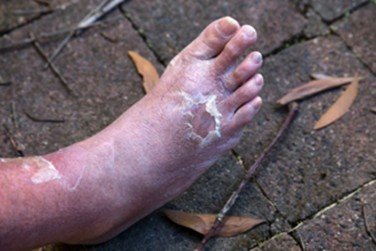
Diabetics are more prone to foot complications, and diabetic foot infection is one of the most severe. The infections may arise when small cuts, blisters, or sores do not heal well because of poor circulation and nerve damage. Unattended, they can cause serious complications, such as ulcers or amputation. Educating about the reasons, early identification of the signs, and awareness of potential treatment available are crucial measures in preserving the health of the feet and general health.

What is a Diabetic Foot Infection?

A diabetic foot infection is a soft tissue or bone (below the ankle) infection in an individual with diabetes. It is common at the location of skin trauma or ulcers which is a common complication in diabetes, because of factors such as peripheral neuropathy, poor blood flow and immunity. Such infections may be mild on the skin and severe with deep tissue, abscesses and even bone infections (osteomyelitis). Aerobic gram-positive cocci, including Staphylococcus species (including methicillin-resistant Staphylococcus aureus (MRSA)) and in more severe cases polymicrobial, are known to cause diabetic foot infections. They cause lower extremity amputations in diabetic patients unless treated and managed.

Causes

Diabetic foot infections are multifactorial, and their causes are primarily linked to the underlying diabetic complications that affect the health and healing of the foot:

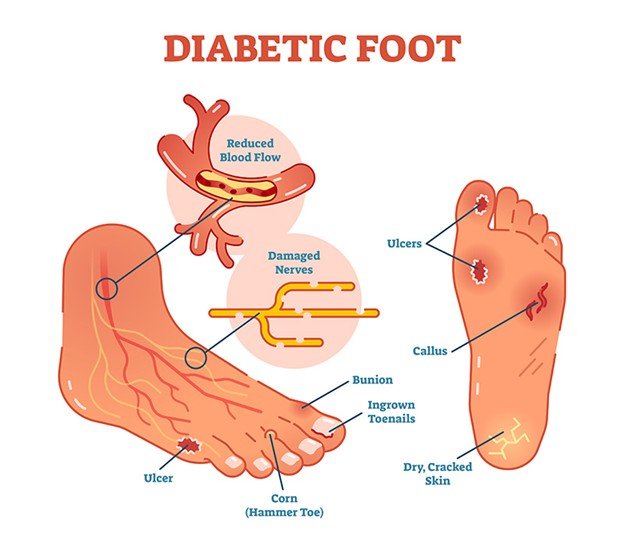
·       Peripheral Neuropathy: Loss of sensation and autonomic nerve functions cause unperceived injury, dry skin, skin cracking, and foot deformities, which contribute to skin breakdown and infection.

Trauma, or Wounds: Foot trauma, ulcers, or wounds- caused by pressure, poor footwear, or repetitive injury. Penetrating wounds lasting longer than 30 days are at greater risk of infection.

·       Peripheral Arterial Disease (PAD): This is the inability of blood to reach the tissues and provide oxygen and nutrients necessary to heal wounds and defend against infection.

·       Poor Glycemic Control and Immunocompromised: High blood sugar (hyperglycemia) impairs the body to combat infection and slow healer.

·       Other Factors: Smoking: Smoking leads to decreased blood flow, and delayed healing; foot deformities and calluses augment the number of pressure points; poor foot hygiene and improper nail care also elevate risk of infection.

All these predispose the diabetic foot to bacterial invasion and infection.

Symptoms

Diabetic foot infection has a variety of symptoms, which indicate infection, inflammation, and delayed healing. Symptoms to observe include:

  • Skin changes and injuries: Cuts, sores, blisters, ulcers, or cracks on the feet that heal slowly, or slowly pus or fluid, with a bad smell.
  • Redness, swelling, and warmth: Infected zones tend to be red, swollen, hot to touch, painful, but less painful in individuals with neuropathy.
  • Discoloration: Skin discoloration around sores such as dark or black tissue which may be a sign of gangrene.
  • Pain and numbness: Peripheral neuropathy develops pain, tingling, numbness, or loss of sensation, which can obscure signs of infections.
  • Drainage: Yellow, green or smelly discharge around a wound or ulcer.
  • Other signs: Shape of feet change, nail infection, loss of all hair on feet or legs, and in very serious cases, systemic, such as fever, chills, or extreme sickness in case of infection spread.

Early identification is essential to avoid development of severe infections, gangrene, or amputation.

Complications if Left Untreated

If left untreated, diabetic foot infections can lead to severe complications including:

·       Transmission of infection: The infection may easily expand to the deeper structures of muscle, tendons, and bones (osteomyelitis) complicating the treatment and recovery of the infection.

·       Gangrene: Tissues may die (gangrene) due to severe infection and inadequate blood circulation, a medical emergency that can require urgent surgery.

·       Amputation: Untreated infections may cause partial or total amputation of toes, foot, or even lower leg to avoid the further spread of infection and save the life of the patient.

·       Sepsis and systemic disease: Infection can be introduced into the blood and lead to sepsis. It is a life-threatening disease with systemic inflammation and organ dysfunction.

·       Types of chronic wounds: Chronic non-healing ulcers carry risks of repeated infections and disability.

·       Low-quality life: The pain, loss of mobility, prolonged stay in the hospital, and even loss of a limb affects the overall wellbeing and independence of patients.

These risks should be minimized by early diagnosis and treatment. It avoid long-term morbidity and mortality among patients with diabetic foot infection.

Diagnosis of Diabetic Foot Infections

Diagnosis of Diabetic Foot Infections

Diabetic foot infection diagnosis requires a mixture of clinical evaluation and diagnostic tests:

  • Clinical Examination: Diagnosis is mostly clinical, through demonstration of local infection, like redness, warmth, swelling, pain / tenderness, and purulent discharge. Depth and exposure of bone are evaluated by careful inspection following cleaning and debridement.
  • Classification: The extent and systemic signs are used to classify the severity. In terms of the Infectious Diseases Society of America (IDSA) or International Working Group on the Diabetic Foot (IWGDF) as uninfected, mild, moderate, or severe infection.
  • Probe-to-Bone Test: This is a simple test in which a sterile metal probe is applied to determine whether bone is palpable. It indicates osteomyelitis (bone infection). It is sensitive and specific and relies on operator expertise.

Imaging:

  • Small-pox X-rays to identify the presence of bone or foreign bodies.
  • MRI is indicated to diagnose osteomyelitis when there is inconclusive clinical evidence.
  • Other imaging modalities such as PET, SPECT, or CT can be used in complicated cases.

Laboratory Tests:

  • Blood tests such as complete blood count, erythrocyte sedimentation rate (ESR), and C-reactive protein (CRP) are used in diagnosis and evaluating inflammation.
  • Blood cultures when there is a suspicion of systemic infection.
  • Biopsy of deep wound or tissue samples to culture microbiological culture to identify causative pathogens and antibiotic therapy (superficial swabs are less reliable).

Other: Assessment of peripheral arterial disease, neuropathy, and overall health status is also essential in diagnosis and planning treatment.

Treatment Options

Management of diabetic foot infections (DFIs) mainly includes a combination of antibiotic treatment, wound care, and occasionally surgery. The practice relies on the severity of the infection, complications, and patient factors:

Antibiotic Therapy

  • Mild infections: Oral antibiotics are applied that are directed toward common Gram-positive bacteria. MRSA coverage is commonly covered with cephalexin, dicloxacillin or trimethoprim-sulfamethoxazole in case of necessity.
  • Moderate to severe infections: need broader-spectrum antibiotics that are usually intravenous, including Gram-positive, Gram-negative, anaerobes, and resistant bacteria, such as MRSA and Pseudomonas aeruginosa. They include vancomycin and piperacillin-tazobactam, cefepime, carbapenems or combinations based on culture findings.
  • Typical duration is 1-2 weeks in mild cases but may last up to 3-4 weeks or longer in case of severe infections or slow to resolve infections or osteomyelitis. Step-down therapy is usually oral following initial IV therapy.

Wound Care

  • Debridement and drainage of abscesses.
  • Frequent dressing and cleaning to keep the wound wet.
  • Unloading of the affected foot to help healing.

Surgical Treatment

  • Indicated in patients who have gangrene, necrotizing fasciitis, or gangrene.
  • Surgical denial of infected or necrotic tissue can be done.
  • Severe or refractory cases may require limb salvage operation or amputation.
  • To enhance blood circulation and healing, vascular interventions may be discussed in patients with peripheral arterial disease.

Supportive Measures

  • Optimization of glycemic control.
  • Management of comorbidities like peripheral arterial disease and neuropathy.
  • Patient education to prevent recurrence and promote foot care.

You may also like to read: Importance of Foot Care in Diabetes Management

Prevention of Diabetic Foot Infections

The prevention of diabetic foot infections includes maintenance of foot health, early detection of issues, and risk factors. Major prevention measures are:

  • Foot inspection and hygiene: Routinely examine feet to look for cuts, blisters, redness, swelling or wounds with a mirror or a helper (caregiver). Clean feet with tepid water every day, dry (with special care between them), and put between toes to avoid cracks and dryness, but do not apply moisturizer.
  • Footwear: Wear well-fitting shoes, with adequate toe space, cushioning and support. Wear no tight or rough-edged or ill-fitting shoes, sandals or walking barefoot, even in the house. Diabetic shoes and pads can prevent pressure ulcers.
  • Nail and skin care: trim toenails straight and file ends in order to avoid ingrown nails. Do not self-treat corn and calluses; contact a professional. Peel off calluses.
  • Consistent check-up of the feet: Frequent foot examinations by medical practitioners to detect early issues and particularly in high-risk patients with neuropathy or peripheral arterial disease.
  • Treat underlying conditions: Good glycemic control, cessation of smoking, exercise, and treatment of peripheral arterial disease enhance circulation and nerve condition, lowering the risk.
  • Education and early treatment: Educate patients about foot care and seek medical attention to any abnormalities on the feet to avoid further development of an infection.

Such actions, can significantly decrease the risk of foot ulcers and follow-up infections among diabetic individuals.

Final Thoughts

Infection of diabetic foot infection is a severe problem. It must be treated well and immediately. Identifying the red flags, controlling blood sugar levels, and proper foot care help people with diabetes to significantly decrease their risk. Early diagnosis and timely treatment effectively preclude complications, as well as safeguarding long-term health and mobility. Foot care is one of the most useful precautions to maintain health and safety with diabetes.

The Importance of Foot Care in Diabetes Management

Dr. Ahmad Shahzad
Founder | Lyallpur Diabetes Foundation
Consultant Diabetologist | Educator | Advocate for Preventive Care

Diabetes is more than just a matter of sugar management; it is also a matter of foot care. Diabetes may impact circulation and nerve damage, exposing the feet to infections, ulcers, etc. Foot care is one of the crucial aspects of managing diabetes, and it serves to avoid severe issues and avoid endangering health.

Why Foot Care Matters in Diabetes

Foot care is a concern in diabetes as diabetes may lead to the destruction of nerves (neuropathy) and inadequate blood flow which impairs the ability to detect injuries and slow wound healing. These complications put at risk unknown cuts, blisters, ulcers, and infections that may become severe and result in amputations without treatment. Early diagnosis and prevention of severe foot conditions, maintenance of mobility, and hospitalization risk can be achieved with proper daily foot care, frequent examinations and check-ups with healthcare professionals such as podiatrists. Foot care is therefore a significant component of diabetes management to ensure overall health and prevent loss of limbs.

Common Foot Problems in People with Diabetes

Common foot problems in people with diabetes include:

  • Foot and toe ulcers: Open sores that are usually due to chronic friction or pressure. Approximately 15 percent of diabetics develop them, and they get infected and cause severe complications without treatment.
  • Peripheral neuropathy: Damage to nerves causing a loss in sensation, pain, or tingling. It may cause invisible injuries and deformities such as hammertoes or claw toes, exposing more to ulcers.
  • Peripheral vascular disease: Impaired blood flow that slows down healing and exposes to infection and gangrene (tissue death), which can amputate.
  • Fungal infections: Fungal athletes’ foot and nail fungal infections: It causes itch, cracking, nail deformities and predisposes to bacterial infection.
  • Calluses: Gruff skin along the pressure points or ill-fitting shoes that may become ulcerated unless addressed.
  • Charcot foot: This is a rare but severe condition in which the weak bones fracture and distort the shape of the foot at risk of additional ulcers and infections.
  • Small wounds may be infected; untreated infections can cause the development of abscess, tissue death, and surgical intervention.
  • Amputations: Gangrene or non-healing ulcers may require partial amputation of the foot or leg to avoid life-threatening infection spreading.

The problems underline the need to be careful of your feet and to treat them early to avoid severe complications among diabetes.

Preventive Foot Care Practices

Preventive foot care practices for people with diabetes include:

  • Foot care and hygiene: Inspect feet daily, looking at them to detect cuts, blisters, redness and swelling. Cleanse feet with warm, not hot, water and light soap, dry in between toes, and moisturize to avoid cracking, but leave between toes dry to avoid infection.
  • Wear good shoes and socks: Wear good shoes and socks that cover foot. Do not walk barefooted even in the house and do not wear high heeled, pointed and open toe shoes. Wear change socks every day, in those of natural fibers, without tight elastic bands.
  • Toenail care: Trim the toenails to make them straight and smooth the edges to prevent injury. Do not treat cornes or calluses by yourself, visit a podiatrist.
  • Blood sugar management: Maintain normal blood sugar levels to limit the damage of nerves and unable blood flow that heightens the risk of foot problems.
  • Regular check of the feet with a healthcare profession or podiatrist: Go and have feet assessed at least once a year or more often in case there is a high risk as early as possible.
  • Protect feet during exercise: Wear bad footwear when exercising and do not exercise when the feet have open sores.
  • Heat and injury: Test water temperature before taking a bath, do not use heating pads on feet, beware of heaters to avoid burns because nerve damage can cause loss of sensation.

These are evidence-based measures that greatly diminish chances of ulcers, infection and amputation, in diabetic individuals.

Role of Regular Medical Check-ups

Early detection and prevention of severe foot complications are essential in diabetes-related foot care due to regular medical check-ups. A healthcare provider or podiatrist conducts a diabetic foot exam during these check-ups and evaluates nerve function (neuropathy), blood flow (vascular status), skin integrity, and foot structure. This assists in detecting the problems of loss of sensation, infections, calluses, ulcers, or deformities before they escalate.

Foot check-ups should be done annually or more often according to the personal level of risk, including neuropathy, peripheral artery disease, foot deformity, or foot ulcer. Routine checks enable an early response (wound management, offloading, referral, etc.), minimizing the risk of infections, gangrene, and amputations.

Also, medical check-ups offer the possibility to teach patients foot self-care, blood sugar control optimization, and footwear. Regular monitoring also facilitates the modification of diabetes care to reduce the development of complications to the feet.

When to Seek Medical Help

Medical help should be sought promptly for diabetes-related foot problems if any of the following symptoms or signs appear:

·       Foot pain or ache.

·       Any fresh split, cut, blisters, and sores that fail to heal or discharge or bleed.

·       Redness, swelling, heat, spreading redness of the leg or foot.

·       Foot is warmer than it should be or has warmth and swelling.

·       Foul odor/new smell of the foot.

·       Symptoms of infection such as fever, chill, general malaise, or flu.

·       Skin or body temperature, including paleness, bluish color, or redness.

·       Gangrene, a symptom of tissue death (black, brown, or foul-smelling tissue) is a medical emergency requiring urgent treatment.

·       Symptoms of Charcot foot include foot deformity, painless swelling and instability.

·       The development or the aggravation of any blisters, ulcers or sores.

Emergency or urgent care is essential to avoid spread of infections, avoid severe complications such as gangrene, and amputations. Early diagnosis can result in timely therapeutic interventions that enhance outcome.

Bottom Line

To sum up, foot care is important in preventing complications and ensuring mobility in patients with diabetes management. Daily routines and regular medical examinations can help a lot to avoid severe problems. Focusing on the health of their feet, all diabetics will be able to preserve their quality of life and long-term health.

Treating Diabetic Foot Ulcers: Options and Outcomes

Dr. Ahmad Shahzad
Founder | Lyallpur Diabetes Foundation
Consultant Diabetologist | Educator | Advocate for Preventive Care

One of the most severe diabetes complications, diabetic foot ulcers. It usually result in infection, hospitalization, and even amputation without appropriate treatment. Treatment is critical to ensure healing, prevent complications, and enhance life quality. This article examines the various management methods of diabetic foot ulcers and the results that patients can attain when managed well.

Understanding Diabetic Foot Ulcers

DFUs are open wounds or ulcers that usually develop on the lower part of the foot in diabetic patients. They ocurr due to diabetes complications like peripheral neuropathy (nerve damage), lack of circulation (ischemia), and infection. These ulcers are severe as they raise the susceptibility of infections. It may result in hospitalization, amputation and severe health complication without treatment.

Conventional Treatment Options

Traditional medication therapies of diabetic foot ulcers (DFUs) are primarily aimed at managing multifactorial etiology. It facilitat wound recovery by various means:

Offloading

  • Offloading the ulcer site to debride pressure is the most urgent intervention. The gold standard is the nonremovable total-contact cast (TCC) that redistributes plantar pressure and allows the foot to rest but not do much.
  • Other components can be half-shoes, rigid-soled postoperative shoes or accommodative dressing.

Wound Debridement

·       Frequent cleansing of skin tissue (debridement) is required to heal and to prevent the development of infection.

Infection Control

·       Systemic and topical antibiotics are applied in the case of infection, particularly in cellulitis or osteomyelitis.

Wound Dressings

·       A wet wound environment is to be maintained. The wound is covered by conventional dressings and by highly developed wound care products that absorb exudate and stimulate healing.

Revascularization

·       Wound healing potential may require interventions to enhance the circulation with vascular surgery or angioplasty as in the case of patients with poor blood flow.

Adjunctive Therapies (often add-ons to conventional care)

Growth factors include platelet-derived growth factor (PDGF).

·       Negative pressure wound therapy (NPWT) maximizing blood flow and removing exudate.

·       Hyperbaric oxygen therapy to enhance oxygen supply to tissues.

Growth factors include platelet-derived growth factor (PDGF).

·       Negative pressure wound therapy (NPWT) maximizing blood flow and removing exudate.

·       Hyperbaric oxygen therapy to enhance oxygen supply to tissues.

Multidisciplinary Care

·       An interdisciplinary model that incorporates endocrinologists, podiatrists, vascular surgeons, infectious disease, and wound care nurses has been proven to provide much better results, reducing the risk of amputations and accelerating recovery.

Advanced and Surgical Treatments

Advanced and Surgical Treatments

Surgical and advanced treatment of diabetic foot ulcers (DFUs) offer an alternative to standard care, particularly in case of severe, nonhealing, or complicated ulcers.

Advanced Treatments

  • Platelet-Rich Plasma and Fibrin Therapies: Platelet-rich plasma or fibrin patches can be used to facilitate wound healing by increasing tissue regeneration and the delivery of growth factors.
  • Topical Oxygen Therapy (TOT): TOT proves to be much more effective in chronic DFU healing than hyperbaric oxygen therapy, which demonstrates limited efficacy, because of its ability to deliver oxygen to tissues topically.
  • Negative Pressure Wound Therapy (NPWT): It involves controlled suction to clear out exudate, edema, and enhances blood circulation, which helps complex wounds to heal.
  • Regenerating Agents (RGTAs): These are synthetic natural extracellular matrix components that protect proteins, induce new tissue development and inhibit inflammation.
  • Bioengineered Skin Substitutes and Nanotechnology: Assists in supporting tissue regeneration, infection control and providing growth factors or antimicrobials to promote healing.
  • Digital Health Technologies: AI-wound assessment and telemedicine are new means of streamlining the process of personalizing treatment and follow-up.

Surgical Treatments

  • Debridement: This is the surgical debridement of dead or infected tissue to support healing and prevent infection; this may involve multiple surgeries.
  • Abscess Drainage: To prevent the spread, incision and drainage of localized infections.
  • Bone Surgery: Bone is removed or shaved to decrease pressure points and risk of infection; deformities may be corrected (hammertoes, bunions, or Charcot foot).
  • Revascularization Surgery: Arterial bypass or angioplasty to reestablish blood flow to patients with peripheral arterial disease, which improves wound healing.
  • Skin Grafts and Flaps: These are applied on persistent or large ulcers to cover and heal the wound, thus preventing infection by bacteria.
  • Amputations: Only done when there is severe infection or tissue necrosis that threatens life or limb and has minimized amputation.
  • Joint Alignment/Fusion, Tendon Lengthening: Right biomechanical defects involved in ulcer development or healing.

You may also like to read: Preventing Diabetic Foot Ulcers

Outcomes of Treatment

The history of diabetic foot ulcer (DFU) management is quite diverse and depends on the severity of the ulcer, infection, blood circulation, time frame, and general health status of the patient.

Healing Rates and Prognosis

·       Approximately 44-50% of infected DFUs recover fully after 12 months of conventional and multidisciplinary care. Recovery can be 78% at 1 year with interdisciplinary teams in special centers.

·       At 4 weeks, a 41.8% decrease in wound size is a predictor of improved healing at 3 months.

·       Recurrence rates are high, with about 10 percent of patients who heal develop new ulcers in one year.

Amputations and Surgical Outcomes

·       DFUs have a lower extremity amputation (LEA) of 17-47% incidence. Approximately half of admitted DFU patients had surgical debridement and almost half received LEA as first line treatment in some cohorts.

·       Minor amputations (e.g., toe disarticulations) occur more frequently than major amputations (e.g., below-knee or above-knee).

·       Revision surgery is common because of persistent infection or failure of wound to heal, with reports of up to 30-40% in studies.

Mortality and Morbidity

  • Mortality one year post presenting with an infected DFU may be up to 15 percent—greater than many standard cancers in some series–and such severe systemic effects of DFUs and related infection.
  • Morbidity such as long hospitalization (2-3 weeks or more) and reduced quality of life are frequent.

Factors Affecting Outcomes

Multidisciplinary care and wound centers enhance healing and amputation

·       Poor glycemic control, infection severity, ischemia, and neuropathy aggravate prognosis.

·       Early treatment, no multiple ulcers, good blood flow (perfusion), and reduced duration of ulcers are all related to better results.

Final Thoughts

The management of diabetic foot ulcers involves a mix of prompt medical attention, enhanced treatment solutions, and self-management. After attentive wound healing, blood sugar management, and prevention, patients can significantly enhance outcomes and decrease the risk of severe complications. Preventive care and suitable treatment are the only way to keep feet healthy and well.

Preventing Diabetic Foot Ulcers: Tips for Foot Care

Dr. Ahmad Shahzad
Founder | Lyallpur Diabetes Foundation
Consultant Diabetologist | Educator | Advocate for Preventive Care

Diabetes may impact most of the body parts, but feet are more susceptible. A diabetic foot ulcer is one of the most dangerous complications that may cause a critical infection and long-term health issues in case of improper treatment. Regular care and attention can prevent most of the diabetic foot ulcer. Simple daily practices can mitigate the risk factors, including examining your feet, using the right footwear, and maintaining healthy skin. This paper will discuss effective foot care tips that are essential in avoiding diabetic foot ulcers and securing your general health.

What Are Diabetic Foot Ulcers?

Diabetic foot ulcers are open wounds or sores which develop around the feet of diabetics. The cause of these wounds is the breakdown of skin tissue and the exposure of deeper tissue layers, usually a combination of nerve damage (neuropathy), poor circulation and high blood sugar levels, which inhibit healing. They usually show on the lower part of the foot like the big toes and the feet balls.

They are severe complications of diabetes and may result in infection, gangrene, or amputation unless they are treated. Approximately one-third of diabetics can experience a foot ulcer in their lifetime. The ulcers develop because of the loss of sensation caused by nerve damage, pressure or irritation caused by foot deformity, and low blood flow that slows healing. Therapy includes sugar regulation, wound management, pressure ulcers, and occasionally surgery or antibiotics in case of infection. Foot care and early diagnosis are essential in the prevention of such ulcers and severe outcomes.

Why Prevention Is Important

Diabetic foot ulcers prevention is of utmost importance since the ulcers are open sores, which is highly prone to infection. Foot ulcer infections may spread to the bone which endangers their health and can cause severe consequences, including the amputation of the foot. Because patients with diabetes tend to experience nerve damage (peripheral neuropathy), they are less likely to notice injuries or pain thus some minor injury can be neglected and develop into ulcers. As well, ulcers are more dangerous because of diabetes-induced poor circulation slowing healing.

Foot ulcer prevention will prevent complications such as infections, hospitalization, and amputation, which will save mobility and quality of life. Among the key prevention strategies are foot checks to identify early injury, blood sugar level control, managing risk factors such as smoking and cholesterol, wearing proper shoes, and regular podiatric care. Early diagnosis and adequate foot care will greatly lower the chances of the development of ulcers and expensive complications. Risk factor screening and patient education on foot also prevent ulcers and adjoining morbidity.

Daily Foot Care Tips for Prevention

Daily Foot Care Tips for Prevention

Diabetic foot ulcers and complications can be prevented with daily foot care. These are some important guidelines to follow in footcare every day to avoid these ulcers:

  • Check feet daily: cuts, sores, redness, swelling, blisters, corns, or calluses. Have an inspection of every part such as soles, and between toes with a mirror or assistance.
  • Wipe feet every day in warm (not hot) water with mild soap. Wipe feet completely and between toes to avoid fungi.
  • Wet daily and do not touch the areas between toes to avoid cracks and drying without excessive moisture.
  • Clean toenails straight at the edges and file them to avoid ingrowth. Do not cut corn or calluses yourself.
  • Do not walk barefoot, not even indoors. Wear breathable socks and well-fitting shoes with cushioned soles to save feet.
  • Wear natural-fiber (cotton, wool) socks, without seams fractioning. Change socks daily.
  • Select shoes that have a wide toe space and lack tight seams; custom orthotics may be advised by a podiatrist.
  • Manage blood sugar levels to enhance healing and decrease nerve and circulation injury.
  • Regularly visit a healthcare provider to have their feet examined and treated early.

These everyday routines assist in the timely detection and elimination of dangers to prevent foot ulcers and other severe issues, such as infection and amputation.

Choosing Proper Footwear

The use of appropriate footwear plays a vital role in the prevention of diabetic foot ulcers and the preservation of the health of the feet of diabetics. These are some of the major factors and guidelines in choosing the right shoe:

Good Fit: The shoes must fit snugly, with no more than half an inch between the longest toe and the tip of the shoe (1.3-1.6 cm). They must fit the foot shape (width, depth, and volume) without creating pressure points or tightness.

Support and Cushioning: Shoes should be well-cushioned and supportive particularly in the sole and arch to minimize pressure and shear forces on the feet. High-risk individuals are proposed to use therapeutic or orthotic footwear with custom insoles.

Heel height: 2.5-5 cm heel height is ideal. Heels more than 5 cm elevate the pressure on the forefoot and should be avoided.

Materials: Breathable soft fabrics such as leather or mesh do not cause irritation and keep feet dry. Seamless-soled shoes minimize friction that leads to blisters or ulcers.

Sole and Pressure Offloading: Rigid rocker soles special soles may be used to minimize pressure applied to ulcer-prone regions and aid healing by preventing the foot and shear.

Adjustable Closures: Velcro straps or laces permit a secure, adjustable fit to swelling or foot changes over the day.

When to Shop: Shopping for shoes later in the day when feet are likely to swell is best so that they fit well under normal conditions.

Professional Advice: It is advisable to visit a podiatrist or foot care specialist to obtain personalized footwear suggestions, particularly to patients with a history of foot deformities or ulcers.

Digital feet wear minimizes the threat of ulcers as it prevents skin pressure, friction and damage, and can appropriately adapt to the demands of diabetic feet.

You may also like to read: Importance of Foot Care

Managing Minor Foot Problems Quickly

To treat minor cases of diabetic foot promptly and efficiently, the following measures are prescribed:

  • Wash and dry the place: Check feet daily about the possibility of cuts, blisters, sores, redness, or swelling. Wash minuscule injuries with tepid water and gentle soap, without using hot water or saturation.
  • Dry well: Dry feet after washing, in-between toes, to prevent fungal infections.
  • Keep the skin moist: Rub lotion on to keep the skin dry and cracked but not between toes because moisture may cause infections.
  • Keep minor cuts or sores clean: Use clean dry dressing on small wounds and change it frequently to keep that area clean and heal.
  • No pressure and irritation: Take pressure off the affected part by wearing loose shoes or walking without shoes. Wear cushions, snug shoes or padding.
  • Signs of infection: Observe redness, swelling, warmth, foul odor, or discharge, which should be reported immediately.
  • Clip toenails neatly: To avoid ingrown nails, trim nails and smooth edges.
  • Early professional assistance: When wounds do not improve, deteriorate, or there are symptoms of infection, contact a health professional to avoid severe complications.

Early awareness of minor foot problems via extensive daily observation, wound management, pressure relief, and early medical treatment assistance in avoiding the development of severe diabetic foot ulcers and infections.

When to Seek Medical Help

Diabetic foot issues should also be medically assisted as soon as any suspicious signs or symptoms are present, which means that it may be ulcerated or infected. Major causes to consult a doctor include:

  • Unhealing open foot ulcers or sores or not getting better.
  • Symptoms of infection: redness, swelling, warmth, pus, foul odor or discharge of a wound.
  • Foot pain or tenderness, particularly new or aggravated.
  • Foot tissue discoloring, such as whiteness, blue, black or dead tissue (gangrene).
  • Blood or hemorrhage on socks or shoes.
  • Ulcer-precursors on big toes such as big calluses, blisters or cracked heels.
  • Numbness, tingling, or numbness with new wounds or injuries.
  • Fever or chills with the indication of systemic infection.
  • Foot defects or alteration of foot form, such as swelling or heat, which can be signs of Charcot foot.

Gangrene (dead tissue because of no blood flow) or deep infections may also be life or limb-threatening, requiring immediate emergency care. Timely recognition and management of diabetic foot ulcers and infections greatly lower chances of hospitalization, amputations and mortality. Foot checks should be performed by medical professionals regularly to prevent and risk-assess.

Final Thoughts

Simple yet regular foot care is the beginning of diabetic foot ulcer prevention. Footwear, proper hygiene, and daily inspections can help a lot in preventing severe complications. Proactive measures and visiting a doctor when necessary can help individuals with diabetes preserve their feet, move around, and sustain their health.