
Diabetes Pakistan Metabolic Syndrome Date: 1st - 2nd November, 2024 Venue: Serena Hotel, Faisalabad
For Emergencies: +92 41-2694037

How to Prevent Dental Plaque – Expert Oral Care Advice

Dr Muizza Shahzad
BDS, Registered Dental Surgeon
Executive Member, LDF

Healthy teeth and – this can all begin with the prevention of dental plaque- the basis of a beautiful smile. Plaque is a slimy layer of bacteria that is always deposited on your teeth and gums. Left uncleaned, it may cause cavities, gum disease, and bad breath. On the positive side, plaque can be completely avoided by proper habits and care. In this guide, you’ll learn simple, effective steps on how to prevent dental plaque so you can protect your oral health.

Understanding Dental Plaque

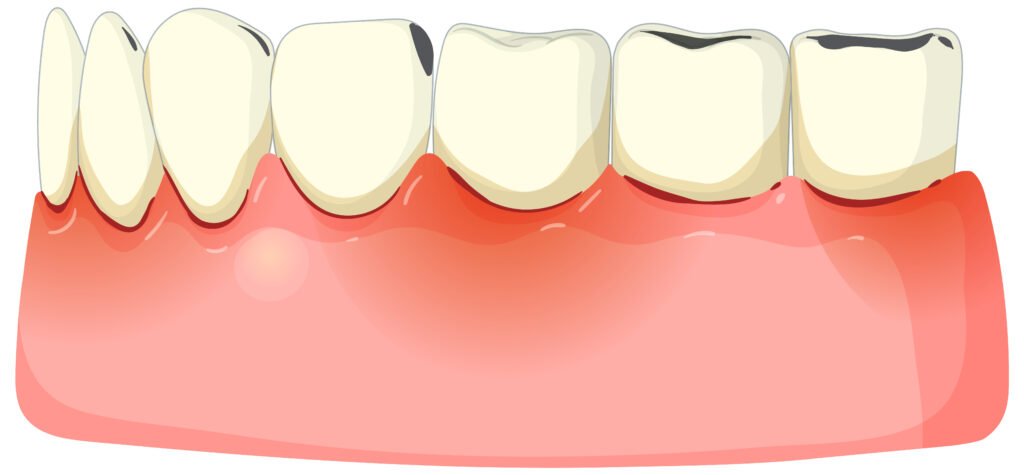
Dental plaque is a corrosive, colourless film generally made of bacteria, saliva, food particles, and bacterial by-products that constantly develops on tooth surfaces. It starts as an invisible, soft film, but may appear as a fuzz or yellowish mass. It often appears near the gum line and in places difficult to clean, including molar crevices.

Key details about dental plaque include:

  • Development: Plaque develops a few minutes after a meal when bacteria in the mouth utilize sugars and starches in food and cause acid production. Such acids mix with bacteria and saliva to form the sticky layer that strongly sticks to teeth.
  • Composition: Plaque is made up of approximately 70% bacteria of dry mass (with most being the Streptococcus mutans and other anaerobes), approximately 20-30% polysaccharides and glycoproteins, and water (approximately 80-90% of weight).
  • Biofilm make-up: Plaque is a complicated, organized microbe community (biofilm), where the initial colonizers (such as Streptococcus species) bind first, and later bacterial species. Bacteria develop in this biofilm network and grow to produce acid.
  • Health consequences: Plaque of uncontrolled build-up through brushing, flossing, and dental cleaning leads to tooth decay (cavities). It occurs through the acids of enamel, and gum inflammation (gingivitis) and greater periodontal diseases. Plaque can progress to tartar (calculus), even more irritating to gums and much harder to remove without professional help.

Daily Oral Hygiene Habits

Every day, oral health requires the following habits of brushing at least twice a day using fluoride toothpaste, flossing once a day to scrape off the plaque between your teeth, brushing the tongue to eliminate bacteria, and using a proper mouthwash. The teeth are supposed to be cleaned using a soft-bristled toothbrush, making small circular strokes for 2-3 minutes. It would be expected to clean between teeth by shaping a C around each of the teeth and running the floss back and forth. Bacteria and bad breath can further be reduced with the use of tongue scraping. Mouthwash may be useful, but it is usually advised to take it at a time other than that in which brushing is done to avoid rinsing off fluoride in toothpaste. Also, it should be made clear that replacing the toothbrush after three to four months.

A typical effective routine is:

  • Brush teeth twice daily with fluoride toothpaste (morning and last thing at night)
  • Floss once daily to clean interdental spaces
  • Clean your tongue by brushing or scraping
  • Rinse with mouthwash (timed appropriately, not immediately after brushing)
  • Replace toothbrush every 3-4 months or when bristles wear out
  • Regular dental checkups every six months or as recommended

Such practice assists in eliminating oral plaque, prevents tartar, and lowers the occurrence of caries, gingivitis, and periodontal disease

Using Additional Cleaning Tools

Besides the routine procedures of brushing and flossing, incorporating other dental cleaning instruments will aid in cleaning out the mouth. Below are some of the most popular and practical tools that you might use in your routine:

  • Electric Toothbrushes: They offer thorough cleaning through bristle motions that oscillate or vibrate, sweeping away more plaque than manual toothbrushes. Some features have in-built timers, pressure sensors that safeguard gums.
  • Water Flossers: Oral irrigators, also termed water flossers, are used to clear between teeth and under the gumline via a pulsating stream of water. They are easy on the gums and are most useful to individuals with braces, implants, or sensitive gums. Water flossers may prove to be more convenient to use than conventional floss and motivate daily interdental cleansing.
  • Interdental Brushes: These are mini brushes that fit gaps between teeth to clear off plaque and food. They are available in a number of sizes to suit gaps of different sizes, and one should move them gently up and down once a day. They are particularly helpful to clean around Wires and braces and in hard areas to reach with floss.
  • Tongue Scrapers: Tongue Scrapers remove bacteria and debris on the surface of the tongue, reducing Bad Breath and freshening the breath.
  • Mouthwash: Antibacterial or fluoride mouthwashes can also aid in reducing bacteria and freshen breath. As well as further protecting against tooth decay and gum disease. Take mouthwash at a different time of the day than brushing to remove fluoride in toothpaste.

When used properly, these tools can improve the removal of plaque, the health of gums, and general oral health. As in the case of interdental brushes, select the appropriate size that fits your gaps in the teeth, insert carefully to prevent gum damage, and brush in and out several times within each gap. One should use water flossers by directing a water jet on the gumline and between teeth to clear off waste.

These extra oral cleaning devices assist in accomplishing a complete cleaning beyond what brushing and flossing will do to stop cavity formation, gum disease, and bad breath. To get specific recommendations and tools, your dentist or dental hygienist is best qualified to advise you.

Diet and Lifestyle Adjustments

Nutritional and behavioral changes are very important to support and enhance oral health. These are some vital tips regarding diet and lifestyle to help maintain healthy teeth and gums:

Diet Adjustments:

  • Sip lots of water during the day to sweep food remains and acids, and promote the secretion of saliva, which protects against tooth decay naturally.
  • Eat a healthy diet that contains calcium and phosphorus: dairy products (milk, yogurt, cheese), leafy greens, almonds, and fish. These minerals make the tooth enamel and the bones stronger.
  • Munch on fresh fruits and vegetables, particularly crunchy ones such as apples, carrots, and celery, which brush plaque off the teeth as well as clean the gums and produce more saliva.
  • Avoid excess sugar and acidic foods or beverages, which encourage mouth bacteria that create acidic juices that destroy teeth, leading to cavities.
  • Sugar-free snacks like nuts, cheese, yogurt, and raw vegetables should be used instead of sweet or gooey ones.
  • Include foods with high antioxidant properties, such as berries, nuts, and beans, which help keep gums healthy by decreasing inflammation and enhancing immune defense.

Lifestyle Changes:

  • Avoid tobacco and vaping, as they are one of the leading causes of gum disease, oral cancer, and dry mouth.
  • Avoid stress by using relaxation strategies like meditation or yoga because stress is a source of Bruxism or other oral conditions.
  • Get enough sleep and address sleep apnea where necessary, as insufficient sleep and dry mouth caused by apnea may aggravate oral health issues.
  • Keep regular dental visits and professional cleanings every six months to spot and prevent issues early.
  • Maintain good oral health by brushing your teeth twice and using fluoride toothpaste, flossing, and utilizing other cleaning devices such as a water flosser, interdental brushes, and mouthwash when necessary during the day.

Natural Remedies

Natural Remedies to prevent dental plaque

Natural products may be promising complements to oral hygiene in the treatment of dental plaque, nourishment of gums, and mild oral conditions. These are some of the best backed natural remedies:

  • Oil Pulling: The use of lauric acid-containing coconut oil in the mouth can decrease plaque and gingivitis by swishing in the mouth 10-15 minutes a day. These are also considered ancient practices that can be done using sesame or sunflower oil.
  • Aloe Vera: Aloe vera gel/juice is anti-bacterial and soothing. It may be applied orally as a mouthwash or applied to inflamed gums to reduce plaque and gingivitis.
  • Tea Tree Oil: Mouthwash diluted with tea tree oil is very antibacterial and anti-inflammatory, aiding in plaque and gum inflammation. It should be diluted and not swallowed.
  • Clove Oil: It has eugenol, a natural anesthetic and an antiseptic that may help to reduce gum ache, inflammation, and could also reduce plaque build-up. Apply diluted by mouth rinse or topically.
  • Salt Water Rinse: Swishing warm salt water is a natural disinfectant that will decrease bacteria and help inflamed gums to heal.
  • Turmeric Paste: A topical paste of turmeric on gums can decrease inflammation and plaque because of its antimicrobial and anti-inflammatory properties.
  • Orange Peel: Rubbing fresh orange peel on teeth may also help in breaking down plaque and in killing plaque-causing microorganisms due to its natural acids and vitamin C present in it.
  • Baking Soda and Salt: A gentle scrub of the soft mixture of baking soda and a pinch of salt can remove acids and decrease plaque.
  • Herbs: Neem, green tea, sage, chamomile, and peppermint oil have antimicrobial and anti-inflammatory effects in oral health.
  • Cheese: Consumption of cheese can help preserve the teeth by enhancing oral pH and providing an acid-protective film.

They can supplement an oral health routine that incorporates daily brushing (at least twice a day with fluoride toothpaste), regular flossing, and dental visits. They can be used to minimise plaque and inflammation, but expert dental care is still needed to treat advanced oral health disorders.

To get the most out of it, ask your dentist about any new natural remedy, especially essential oils, to prevent the likelihood of side effects, or worse still, interactions.

You may also like to read: Oral Hygiene and Overall Health Connection

Preventing Plaque in Special Situations

In special cases, prevention of dental plaque should involve special oral care directed to the special needs of some dental conditions or appliances. The main points to consider about some usual special situations are as follows:

  1. Braces and Orthodontic Appliances:
  • Braces make more surfaces and crevices, so it is easy to accumulate plaque and harder to clean thoroughly.
  • Avoid accumulating plaque and brushing around brackets and wires carefully with a soft-bristled toothbrush or an electric brush with orthodontic features.
  • Use floss threaders or orthodontic floss to eliminate plaque between teeth and under wires.
  • Floss difficult-to-reach places with interdental brushes or water flossers.
  • Use a fluoride mouthwash frequently to make enamel stronger and lessen plaque.
  • Get routine dental and orthodontic exams and professional cleanings to control plaque and to watch oral health.
  1. Diabetes:
  • Diabetes predisposes gum disease and may impede plaque control as a result of altered immune response.
  • Individuals with diabetes are expected to be scrupulous in plaque removal, brushing twice a day with fluoride toothpaste and interdentally once daily.
  • To eliminate the missed sites, one can use plaque disclosing tablets once a week.
  • Keep blood sugar under control and have regular dental check-ups to monitor and professionally treat it.
  • A healthy diet, hydration, and avoiding tobacco also support oral health in diabetes.
  1. Other Special Conditions:
  • A water flosser or interdental brushes may help patients with implants, bridges, or sensitive gums remove plaque effectively.
  • Electric toothbrushes and flossing/water flossing can be used by people with poor manual dexterity.
  • Individuals at risk of dry mouth are advised to consume much water and consider saliva replacement or peppermint gum free of sugar since proper saliva controls plaque.

Overall Best Practices:

  • Use fluoride toothpaste, and make sure to brush at least twice a day with good technique.
  • Floss, water flossers, or interdental brushes to clean in between teeth daily.
  • Consume an antiseptic or fluoride rinse to lessen plaque and fortify enamel.
  • Eat a healthy, balanced diet free of sugary and acidic foods.
  • Visit the dentist frequently to have a professional cleaning and keep a check.

Creating a specific oral hygiene routine and consulting a specialist, special situations will be able to control the amount of plaque formation well, protect their gums and teeth, and prevent complications related to their disease or dentures. 

Final Thoughts

Avoiding dental plaque is simply the issue of regular dental care, intelligent food choices, and visits to the dentist on a regular basis. Through brushing, flossing, and other appropriate equipment, you may prevent the development of plaque before it leads to bigger issues. And keep in mind that the easiest ones are sometimes the best as far as maintaining your smile bright and healthy is concerned.

Oral Hygiene and Overall Health Connection: Protecting More Than Just Your Smile

Dr Muizza Shahzad
BDS, Registered Dental Surgeon
Executive Member, LDF

Your mouth is more than just a place for chewing and speaking—it’s a gateway to your overall health. Research has shown a strong oral hygiene and overall health connection. Lack of proper oral hygiene will enable the growth of harmful bacteria. The bcteria causes inflammation, which may spread outside the mouth and affect crucial organs. Noting this strong connection is a step in the right direction to preserving not only your smile but your health prospects as well.

The oral systemic association explains that periodontal disease and its bacteria can harm other parts of the body. As a result, periodontal bacteria impact overall health, including oral diseases.

  1. Oral Bacteria and Inflammation:

The mouth contains a complicated microbiome that consists of hundreds of bacterial species. Most bacteria are harmless, but some in gingivitis and periodontitis are toxic. They enter gum tissues and cause local inflammation. This mouth disease may turn chronic resulting in the release of bacteria diseases and inflammatory molecules into the blood.

  1. Role of the Bloodstream:

The oral bacteria act throughout the body when it enters the bloodstream through inflamed or infected gums. The bacteria and their toxins could get to other organs located far away. They may contribute to systemic inflammation and even the aggravation of some diseases. As an example, atherosclerotic plaques developed in arteries were found to contain oral bacteria. These bacteria contribute to the development of the disease in cardiovascular conditions.

  1. Connection to Immune System and Inflammatory Response:

Increases in oral bacteria and inflammation that it produces induce the immune system to release immune factors and inflammatory markers. Chronic infections of the mouth have a capability to disrupt immune responses. It result in an abnormal or hyperactive immune state that perpetuates systemic illness. This activation of immunity and systemic inflammation is associated with marriages and other diseases of the areas like diabetes, rheumatoid arthritis, Alzheimer disease, liver disease and poor pregnancy outcomes associated with oral health.

  1. Systemic Health Associations:

Studies show that periodontal disease links to heart disease, diabetes, respiratory disease, arthritis, and some cancers. The oral–systemic relationship is two-way. Poor systemic health can harm oral health. This creates a complex interaction between the mouth and the rest of the body.

 Health Conditions Linked to Poor Oral Hygiene

Oral diseases are also associated with a diverse extent of systemic conditions as a result of the transmission of dangerous esophageal germs and ongoing infection to the whole body. Some of the major health diseases related to poor oral health comprise:

  • Cardiovascular Disease: Oral pathogens may also enter into the blood stream. They cause inflammation of arteries making them more prone to develop atherosclerosis, attack, and stroke. Low oral health is also associated with high blood pressure, unhealthy cholesterol levels.
  • Alzheimer: Patients with Alzheimer have been identified to have oral pathogens in brains. Research indicates that it causes brain inflammation and cell death that can lead to the development of Alzheimer and dementia.
  • Diabetes: The relationship is two-way; the health of the mouth can impair glycemic control and diabetes is a risk factor to periodontal disease.
  • Airways: Oral bacteria are capable of entering the lungs due to the process of aspiration and aggravate respiratory disorders.
  • Rheumatoid Arthritis: The similarity between periodontal disease and arthritis is similar inflammatory pathways. As well as bacterial visits that activate this process.
  • Osteoporosis: Periodontal inflammation may cause loss of bone systemically.
  • Kidney Disease: Oral infections can promote kidney issues by means of systemic inflammation.
  • Pregnancy Complications: There is an increase in the risks of preterm birth and low birth weight in poor oral health.
  • Cancer: There is a suggestion that oral pathogens /inflammation-cancer links exist in some studies.
  • Poor oral health: It has also been associated with other conditions that are related to obesity, metabolic syndrome, liver disease, erectile dysfunction, COVID-19 complication, and infertility.
 Health Conditions Linked to Poor Oral Hygiene

Daily Habits for Better Oral and Overall Health

The daily routines that reinforce the relationship between oral hygiene and health include oral infection prevention, decreasing inflammation, in addition to oral and fecal microbiome balance. Such practices do not only ensure teeth and gums remain safe and sound, but they also improve overall body health by preventing infectious bacteria and chronic inflammation. Important habits are:

  • Brushing and Flossing: Brush your teeth two times a day with fluoride toothpaste which removes dental plaque and dental bacteria that cause gum disease and tooth decay and floss your teeth once every day. This restricts the number of oral bacteria, as well as inflammation, limiting the chances of transmitting bacteria to the bloodstream.
  • Regular Dental Check-ups and Cleaning: Pet dogs are more likely to undergo dental cleaning and check-ups where professionals are able to address gum disease early and remove built up plaque called calculus.
  • Balanced Diet: Consuming a diet consisting of a high quantity of fruit, vegetables, whole grains, and lean proteins contributes to oral and general health. Restricting sweet and tart foods curbs decay and oral bacteria overgrowth whereas high-fiber foods stimulate the production of saliva that serves to moderate the oral bacteria.
  • Staying Hydrated: Water intake is important to keep the saliva moving which is essential to counter the acids and cleaning all the food particles and germs out of the mouth.
  • Quitting Smoking and Minimizing Alcohol: Smoking and excessive alcohol consumption are a cause of oral inflammation and gum disease and an oral microbiome imbalance, which create additional risks to overall systems.
  • Stress Management: Constantly being exposed to stress may affect immune response and inflammation condition leading to vulnerability to oral and body-wide disease.
  • Best Gut Health Practices: Gut health practices demonstrated to positively impact the oral gut axis by enabling balanced, diverse microbiome which has been associated with immune regulation and lower systemic inflammation through diverse diets, probiotics, prebiotics.
  • Good Sleep Hygiene: When one has sufficient and quality sleep that maintains the immune system and systemic inflammation-they can positively influence the mouth and oral wellness indirectly.
  • Oral hygiene tools: This includes brushing and flossing but in addition using antimicrobial mouth rinses at prescribed periods, interdental brushes and rinsing the tongue can help to further control bacteria.

You may also like to read: Improving Metabolic Health through Lifestyle Changes

Final Thoughts

The evidence is clear—the oral hygiene and overall health connection is too important to ignore. Having healthy teeth and gums won’t only allow you to avoid having cavities and bad breath, but it will decrease the risk of severe diseases occurring such as heart disease, diabetes, respiratory infections among others. Ordinary things like brushing your teeth, flossing and checking your dentist could play a big role in the health of your body as a whole. As they say, your mouth says it all about your health and looking after it is probably one of the wisest investments you can make towards living a healthier or longer life.

The Role of Insulin Resistance in Metabolic Health

Dr. Ahmad Shahzad
Founder | Lyallpur Diabetes Foundation
Consultant Diabetologist | Educator | Advocate for Preventive Care

Avoiding long-term ailments including type 2 diabetes, heart disease, and obesity heavily depends on good metabolic health. Among the main determinants of the ability to metabolize is insulin resistance; thereby, by such an insulin response, the insulin and blood sugar become increased in the body due to lesser sensitivity by the body cells to the insulin. As modern lifestyles increasingly involve poor diets, physical inactivity, and chronic stress, the prevalence of insulin resistance in metabolic health has risen sharply. Understanding Role of Insulin Resistance in Metabolic Health is crucial for early intervention and long-term disease prevention.

What Is Insulin Resistance?

Insulin resistance occurs when your muscle, fat, and liver cells become desensitized to Insulin. The key is not as effective and therefore reduced amount of glucose enters the cells despite the presence of insulin. To rectify the problems, your pancreas makes every attempt to produce extra insulin. With time, this increased demand may burn out the pancreas and eventually cause blood sugar to increase and eventually result in type 2 diabetes.

Simple Explanation of How Insulin Works

Insulin is a hormone produced in the pancreas, and it plays a critical role in terms of bioregulation of blood sugar by your body. When you acquire food, then the carbs in the meal are broken down to glucose (sugary substance) and this is discharged to your circulation. Insulin: can be termed as a key: it helps your glucose to be moved out of your blood stream into your muscles, fat and liver cells, where they used up or can also be stored to be used in the future. This keeps the level of blood-sugar in check.

Blood Sugar Regulation

  • When the pancreas gets damaged, your body stops producing insulin and as you eat and the blood sugar level augments, pancreas releases some insulin.
  • The cells absorb glucose under the influence of insulin and the carbs are decreased in the body.
  • In the presence of excess glucose, the excess glucose is stored in the liver as glycogen later being required.
  • In case the blood sugar gets too low, another kind of hormone, known as glucagon, informs the liver of the situation and makes it shed the glucose that is previously stored and puts your blood sugar level back to normal level.

Difference Between Insulin Resistance and Type 1 Diabetes

AspectInsulin Resistance (mainly Type 2 Diabetes)Type 1 Diabetes
Insulin functionCells ignore insulin or respond poorlyPancreas cannot make insulin
Blood sugar regulationBody makes insulin, cells do not use it wellNo or very little insulin produced
CauseOften related to genetics, excess weight, inactivity, poor dietAutoimmune: Body attacks insulin-producing cells
Usual onsetOften adults (but can affect children)Usually in children & young adults
TreatmentDiet, exercise, medications, sometimes insulinLifelong insulin injections
RelationshipCan lead to prediabetes and type 2 diabetesNot caused by insulin resistance; but people with type 1 can develop insulin resistance too

Key Terms

  • Insulin function: Transports sugar out of the blood into the cells to stabilize blood sugar and energy.
  • Blood sugar regulation: Insulin and glucose delivery to the body to maintain the level of energy and prevent injury of excessive or insufficient amount of blood sugar.

In Summary: The primary tool that the body uses in balancing blood sugars is the insulin. Insulin resistance implies that cells do not react well to insulin thus leading to an increase in the level of blood sugar. This contrasts with type 1 diabetes, in which insulin production cannot happen at all.

Causes and Risk Factors

1.      Obesity and Visceral Fat

  • Excess body fat, but excess visceral body fat (stored around the belly organs) increases the chances of the individual having insulin resistance. Visceral fat transports fatty acids and inflammatory messages to the liver through the portal vein, inhibiting the insulin signaling, contributing to metabolic disorder.
  • Our own health is also related to obesity and other related conditions that a person may be having like metabolic syndrome, fatty liver or type 2 diabetes; the effect of obesity is relatively stronger when the fat is around the middle part of the body than when they are just beneath the skin surface.

2.      Sedentary Lifestyle

  • One of the factors that contribute to insulin resistance is a sedentary lifestyle. Sedentary behaviors reduce energy burning, alter the usual metabolism of fats, and reduce the sensitivity of insulin. Sedentary activities incurred in brief durations can lead to direct impairment of insulin activities in the body.
  • Exercise can make cells react to insulin and use glucose better and therefore regulate blood sugar better.

3.      High-Carb/High-Sugar Diets

  • Refined carbohydrates, and sweet nourishments, will increase the sugar levels in the blood rapidly and require another portion of insulin, and in the long run, this will exhaust the system making insulin insensitive.
  • Persistent excessive intake results in the release of high amounts of insulin (hyperinsulinemia), which can decrease insulin receptor amounts and capacity or stimulate a metabolic disorder.

4.      Chronic Stress and Poor Sleep

  • Chronic stress stimulates such hormones as cortisol and epinephrine and may diminish the effects of insulin, elevate blood sugar, in extreme cases, causing insulin resistance itself.
  • The lack of sleep not only changes the natural rhythms of the body but also uplifts stress hormones which make the body not very sensitive to insulin, in some cases in a matter of days. The situation can be aggravated by poor sleep and stress which tend to support each other.

5.      Genetic Predisposition and Hormonal Factors

  • Genetics: Having a history of type 2 diabetes, insulin resistance or having such ailments as PCOS (polycystic ovary syndrome) in the family makes one susceptible. Some of the ethnicities are associated with increased genetic threat too.
  • PCOS:  Even in the absence of overweight, women with PCOS tend to experience a great deal of insulin resistance. High insulin can stimulate over production of androgen intensifying metabolic and reproduction symptoms.
  • Other Hormones: There are also disorders of elevated cortisol levels (e.g. Cushing syndrome), and some drugs that may lead to insulin resistance by interfering with regular insulin action.

You may also like to read: Metabolic Syndrome

Health Complications of Unmanaged Insulin Resistance

Health Complications of Unmanaged Insulin Resistance

Untreated insulin resistance is a significant danger to long term health, as the insulin resistance can harm many body parts and systems. These problems are fundamental aspects of the metabolic disease and are reasons why early identification is vital and beneficial.

Hyperglycemia and Progression to Type 2 Diabetes

When the cells fail to respond to the insulin properly, blood sugar (glucose) remains in a high level, and this is termed as hyperglycemia. At one time or another, the pancreas may not respond to the increased demand of insulin leading to a prolonged high level of sugar in the blood that with time leads to a diagnosis of type 2 diabetes. Chronic hyperglycemia can predispose to damage of blood vessels, nerves, kidneys, eyes and immune system, and substantially diminishes the quality and span of life.

Atherosclerosis and Cardiovascular Disease Risk

Frequently, insulin resistance is coupled with a high blood sugar level, an increase in the level of triglyceride, a reduction in HDL (good cholesterol) and increased blood pressure. These changes in metabolism dissolve the wall of blood vessels and accelerate the growth of atherosclerotic masses (fatty lumps stiffened by the arteries). This means that insulin resistant individuals have a high risk of contracting cardiovascular diseases such as heart attack, stroke, as well as associated diseases of peripheral arteries. This forms one of the reasons why metabolic syndrome (its close relative is insulin resistance) is one of the most serious predictors of heart disease.

Frequently, insulin resistance is coupled with a high blood sugar level, an increase in the level of triglyceride, a reduction in HDL (good cholesterol) and increased blood pressure. These changes in metabolism dissolve the wall of blood vessels and accelerate the growth of atherosclerotic masses (fatty lumps stiffened by the arteries). This means that insulin resistant individuals have a high risk of contracting cardiovascular diseases such as heart attack, stroke, as well as associated diseases of peripheral arteries. This forms one of the reasons why metabolic syndrome (its close relative is insulin resistance) is one of the most serious predictors of heart disease.

Liver Conditions: NAFLD and MASLD

Nonalcoholic fatty liver disease (NAFLD) or as recently renamed metabolic dysfunction steatotic liver disease (MASLD) is a condition that develops when there is too much fat in the liver. Insulin resistance stimulates the rate of fat breakdown in adipose tissues and transports greater quantities of fatty acids to liver thereby overloading the hepatic capacity to oxidize them. Failure to manage this accumulated liver fat may escalate it into plain steatosis and further to more serious inflammation and scarring (nonalcoholic steatohepatitis or NASH) that may further result in liver cirrhosis or liver cancer.

Hormonal Imbalances and Fertility Issues

Deviation in normal hormone signaling is also caused due to insulin resistance especially in cases of certain illnesses like poly cystic ovary syndrome (PCOS) in women. Hormone imbalances cause too much of the male hormones (androgens) to be produced, which results in late or missed periods, infertility and increase in hair growth. There is also an impaired fertility issue since chronic insulin resistance (not confined to PCOS) can lead to general reproductive hormonal imbalances. Low testosterone and fertility issues may be caused in men through insulin resistance.

Conclusion

Insulin resistance is the primary mechanism that interrupts metabolic wellness and is the primary source of the occurrence of severe illnesses like type 2 diabetes, cardiovascular disease, fatty liver, hormonal abnormalities. Being able to identify the symptoms and realizing the effects of insulin resistance are another essential factor in eliminating the long-term effects. Lifestyle changes i.e. enhanced diet, frequent physical activity, weight transportation are important precursors of insulin sensitivity at the early stages or lowering the chances of occurrence of a chronic metabolic disease. People who think that they might be at risk are advised to visit their healthcare workers to get the appropriate assessment and assistance in maintaining their metabolic status successfully.

Understanding Metabolic Syndrome: Causes and Consequences

Dr. Ahmad Shahzad
Founder | Lyallpur Diabetes Foundation
Consultant Diabetologist | Educator | Advocate for Preventive Care

The medical term “metabolic syndrome” refers to a collection of disorders that interact and increases the risk of heart disease, type 2 diabetes, and stroke. These disorders include raised levels of triglycerides or cholesterol, high blood sugar, high blood pressure, and extra belly fat. A combination of three or more of these conditions can suggest major systemic health problems, however having just one of these conditions does not necessarily mean you have metabolic syndrome. Understanding metabolic syndrome: causes and consequences is crucial in today’s world, where sedentary lifestyles and unhealthy diets are common. As a matter of public health, metabolic syndrome is an increasing problem related to its close association with chronic diseases and escalating healthcare-related expenses. Intervention at an early stage and prevention strategies can be useful in health risks that would be long-term and that would enhance the analysis of generations.

What is Metabolic Syndrome?

Metabolic syndrome is a combination of disorders that come along with a much greater likelihood of getting cardiovascular disease, type 2 diabetes, and an incidence of stroke. The syndrome is characterized by the existence of numerous metabolic risks within a particular individual. These risk factors work synergistically resulting in development of atherosclerosis and complications of the same.

Definition

A diagnosis of metabolic syndrome is reached in case of the occurrence of three or more of the following five risk factors in an individual:

Risk FactorThreshold (Generally Used in ATP III/AHA/IDF Guidelines)
Waist circumferenceMen: ≥102cm (40in); Women: ≥88cm (35in)¹
Triglycerides≥150mg/dL (1.7mmol/L) or drug treatment for elevated TG
HDL cholesterol (HDL-C)Men: <40mg/dL (1.03mmol/L); Women: <50mg/dL (1.3mmol/L) or drug treatment for reduced HDL-C
Blood pressure≥130/85mmHg or drug treatment for hypertension
Fasting glucose≥100mg/dL or drug treatment for elevated glucose

Some guidelines (e.g., IDF) adjust waist circumference thresholds for ethnicity and use population-specific cutoffs.

Global Prevalence

  • Metabolic syndrome has travelled all over the global map. It is estimated that approximately one-fourth of the adult population of the world suffers the disorder- that is more than a billion people spread all over.
  • The prevalence is relative depending on the definition used and the location where it happens, the rates are 12-49 in varying locations and groups.
  • Prevalence is also globally lower in children and adolescents, and lower in the former: the 2020 prevalence of all-age consumption was around 2.8 percent (among children) and 4.8 percent (adolescents), with higher rates in certain countries and populations

Key Causes of Metabolic Syndrome

Insulin Resistance

  • Role in glucose metabolism: To the extent that the tissues of the body become less responsive to insulin, glucose is no longer imbibed by the cells efficiently and the blood sugar rises with the subsequent production of excessive levels of insulin to combat the blood sugar levels.
  • How it leads to other metabolic problems: Insulin resistance has an unfavorable effect on balancing lipids and stimulating adipose tissue accumulation (primarily visceral), increasing blood pressure, and causing systemic inflammation accelerating the processes of metabolic imbalance.

 Abdominal (Visceral) Obesity

  • Link between belly fat and inflammation: Visceral fat does not remain idle, as it produces proinflammatory adipokines (e.g. TNF-alpha, resistin) which destroy.
  • Not all fat is equal: Visceral adipose tissue has a high metabolic activity, but subcutaneous fat is comparatively benign, and, in fact, strongly relates to insulin resistance, dyslipidemia, and HTN.

Unhealthy Lifestyle Habits

  • Poor diet: Regular consumption of sugar-sweetened beverages and ultra-processed and processed foodstuffs, saturated fat, trans fat leads to insulin resistance, weight gain, and dyslipidemia.
  • Lack of exercise: Sitting is a major risk factor of insulin resistance; moderate-to-vigorous intense activity (among adults is 90 or more minutes per day of physical exercise) also lessens the risk of diabetes many-fold.
  • Smoking & alcohol: Smoking and drinking in excess increase the risk of oxidative stress and metabolism, it is advisable to reduce both where possible to safeguard cardiometabolic health.

Genetics and Age

  • Family history and modest genetic factors: Risks may be increased in genetic predisposition e.g. innate disposition to either visceral adiposity or insulin insensitivity, with speculations on genomic loci being a potential source of insulin resistance causing ~25 44% of their outcomes.
  • Aging as a risk factor: Metabolic syndrome becomes very common with age-up to 60% of individuals older than 50 have it, so age is one of the non-modifiable factors.

 Hormonal and Sleep Disorders

  • PCOS (Polycystic Ovary Syndrome): With PCOS, hormonal imbalances typically result in insulin resistance, central obesity, and dysfunctional lipid profiles- fulfilling the definition of being metabolic syndrome.
  • Sleep problems: Sleep apnea, the abnormalities of the circadian rhythm (popular in shift workers), and deprivation of sleep all worsen metabolism, increase cortisol and lead to insulin resistance and obesity.
  • Chronic stress and cortisol: The long-term stress condition on cortisol increases glucose production and visceral fat deposits aggravating insulin sensitivity and distorting lipids.

Other Emerging Factors

  • Elevated uric acid: The changing evidence on raising serum uric acid (SUA) relates to the predisposal to metabolic syndrome and its constituents. Higher SUA can induce inflammation, oxidative stress, and endothelial damage- the factors which augment insulin resistance and dyslipidemia.
  • Microbiome imbalances: Gut bacteria disturbance (dysbiosis) is under examination in relation to its supplementary role in metabolic syndrome through immune intercession, obesity, and insulin defiance mechanisms.
Key Causes of Metabolic Syndrome

You may also like to read: Metabolic Health and Obesity

Consequences of Metabolic Syndrome 

1.      Type2 Diabetes

Continuous insulin resistance would affect the uptake of glucose, which would lead to excess production of insulin by the pancreas. The problem is that over time, the beta-cells lose their functionality, and it results in prolonged high blood sugar, which causes type 2 diabetes, which is usually the initial clinical symptom of a long-term metabolic disorder.

2.      Heart Disease and Stroke

In comparison to people who do not develop it, metabolic syndrome is twice as likely to cause cardiovascular disease, such as heart attacks and strokes and is estimated to increase CVD-related mortality by approximately twice the same. The synergistic nature of the presence of hypertension, dyslipidemia, and endothelial dysfunction results in the ability to increase the accumulation of plaque and microvascular dysfunction and major cardiovascular events such as MI, stroke, heart failure, and angina.

3.      Fatty Liver Disease (NAFLD / MASLD)

Metabolic syndrome is often accompanied by Nonalcoholic (or metabolic dysfunction‑associated) fatty liver disease. It can develop in the long run to steatohepatitis (MASH) fibrosis, cirrhosis, or hepatocellular carcinoma. Along with the increased all – cause and liver- related mortality, disease severity is a determinant.

4.      Cognitive Decline and Dementia

There is evidence of an increased dementia risk in cardiometabolic multimorbidity, such as metabolic syndrome. South Korean cohort study showed that metabolic syndrome augmented the risk of early-onset dementia by 24 per cent but more loudly in the female (34 per cent) and younger adults. Every further addition of metabolic component increased the risk. Other studies relate hypertension and diabetes and other metabolic disorders with approximately 37 percent cases of dementia in the U.S.

5.      Certain Cancers

A larger risk of cancer, in particular, hepatocellular carcinoma, however, colon, breast, lung, thyroid, and gastrointestinal cancer is associated with metabolic syndrome and the accompanying fatty liver disease. All these affiliations most probably are owed to chronic inflammation and insulin resistance as well as the obesity associated with supporter proficiency.

Higher Mortality Risk

Patients with metabolic syndrome are at very high risk of mortality on all causes and mortality obtained due to heart diseases and mortality due to diabetes. Meta-analyses demonstrate hazard ratios that range around 12, giving an estimate of 1.3 concerning all causes and up to 1.5 regarding the death of hearts. The severity of metabolic syndrome is also higher in NAFLD patients with their scores being higher than the median scoring, also contributing to a high mortality rate in patients.

Summary Table

ConsequenceKey MechanismsRisk Estimate
Type 2 DiabetesChronic insulin resistance → β-cell burnoutOften the first clinical diagnosis
Heart Disease / StrokeHypertension, dyslipidemia, microvascular dysfunction~2× risk of CVD, MI, and stroke
Fatty Liver DiseaseHepatic steatosis → inflammation → fibrosis/cancerIncreased liver-related mortality
Cognitive DeclineVascular brain damage, neuroinflammation~24% higher early dementia risk
Certain CancersInsulin & hormonal dysregulation, inflammationElevated risk across several types
Overall MortalityCombination of chronic diseasesHR ≈ 1.2–1.3 (all causes), higher in CVD

Conclusion

Metabolic syndrome is a severe but preventable complication that leads to a big increase in long-terms diseases such as type 2 diabetes, heart disease, or stroke. Even realizing the possible outcomes of this peculiarity and knowing its causes, including insulin resistance, viral obesity, and poor lifestyle choices, people could move toward improving their health. Metabolic syndrome is easily treatable or even avoidable through weight loss via good nutrition, physical exercise, stress-relief techniques, and regular health checkups, which minimize the health risks of living a long time and improve a person overall health status.

Metabolic Health and Obesity – The Connection

Dr. Ahmad Shahzad
Founder | Lyallpur Diabetes Foundation
Consultant Diabetologist | Educator | Advocate for Preventive Care

Metabolic health is the successful effort of the body to keep the blood levels of sugar, cholesterol, blood pressure, and waist circumference within optimal limits without medical help. Such metabolic functions can be derailed to a considerable degree by obesity, which is the body fat containing excess tissue that is generally calculated as a body mass index value of 30 more. Poor metabolic health may be a problem in individuals with obesity but not all individuals with obesity may have poor metabolic health; however, the relationship between the two has a crucial impact in relation to long term health risks of heart disease, diabetes and stroke. The article discusses the connection between metabolic health and obesity, the phenomenon of metabolically healthy obesity, and the measures that a person can take to preserve and enhance the overall state of well-being.

What Is Metabolic Health?

Metabolic health is the capacity of the organism to effectively metabolize, digest, and transform food into energy to maintain the best condition and reduce the chance of developing the chronic disease of type 2 diabetes, cardiovascular disease, and stroke. It is calculated based on measurable health indicators that consider how effective the body is in the management of energy and how it manages to level the body.

Key Markers of Metabolic Health

The primary markers used to assess metabolic health are:

  • Fasting Blood Sugar (Glucose): optimal level would be between 70-100mg/dL (3.9-5.6mmol/L). When the sugar level in the blood is high, it may signify predisposition to insulin resistance or diabetes
  • Triglycerides: Levels of fats in the blood; healthy amounts are less than 150mg/dL. Elevated triglycerides pose a risk to heart diseases
  • Cholesterol: Much attention may be paid to HDL (good) and LDL (bad) cholesterol. Low HDL, hyper LDL, or triglycerides have an adverse association with metabolic health.
  • Blood Pressure: The optimal blood pressure is below 120 /80mm Hg. Readings of over 130/80mm Hg are always alarming and put the person at a higher risk of cardiovascular problems.
  • Waist Circumference: Retains belly fat an increase in the waist measurement to more than 40in (102cm) among men and 35in (88cm) among women is thereby considered a high risk. Abdominal obesity stems out to be a great indicator of metabolic issues.

Differences: Metabolically Healthy vs. Unhealthy Individuals

FeatureMetabolically HealthyMetabolically Unhealthy
Blood SugarNormal fasting & postprandial levelsElevated or fluctuating levels
TriglyceridesWithin healthy rangeElevated
CholesterolFavorable HDL/LDL ratioLow HDL/high LDL or triglycerides
Blood PressureBelow 120/80mm HgPersistently over 130/80mm Hg
Waist CircumferenceWithin recommended rangeExceeds risk thresholds

Understanding Obesity

Obesity can be defined as unnatural or excess fat deposits that pose a danger to health. Body Mass Index (BMI) is the most popular metric used in the categorization of obesity where the mass of a person is measured in kilograms, and their height in meters are squared.

  • Underweight: BMI <18.5
  • Healthy weight: BMI 18.5–24.9
  • Overweight: BMI 25.0–29.9
  • Obesity (Class I): BMI 30.0–34.9
  • Obesity (Class II): BMI 35.0–39.9
  • Obesity (Class III/Severe): BMI ≥40.0

To some groups of persons (e.g. Asians), overweight and obese cut-offs have lower BMI setting since they have a higher chance at lower BMI.

Understanding Body Mass Index

Common Causes of Obesity

The causes of obesity usually include some of the following elements, which are interrelated:

Lifestyle

  • Large energy consumption of food and excessive amounts of processed food and sugary drinks.
  • Inactive lifestyle.
  • Sleep disorder and chronic stress.

Genetics

  • Genetics will determine the way your body stores fat, how you will burn calories and the process of appetite regulation.
  • Exposure to family history is also a risk factor because there are many genes that have been found to correlate with weight gain tendencies.

Environment

  • Access to high-calorie drinks and food uses.
  • Low level of physical activity (poor neighborhoods, shortage of parks/grocery stores).
  • Factors such as income, education and occupation are socioeconomic factors.

Medications and Medical Conditions

  • Some drugs (e.g. steroids, antidepressants, antipsychotics, anti-seizure, and diabetes) are associated with weight gain.
  • Obesity may be facilitated by health conditions like hypothyroidism, Cushing syndrome and polycystic ovary syndrome.

Not All Obesity Is the Same: Visceral vs Subcutaneous Fat

There are two main types of body fat, each with different health implications:

Fat TypeLocation & FeaturesHealth Impact
Visceral fat– Deep inside the abdomen, surrounding internal organs – Not visible or pinchable– Highly metabolically active – Releases inflammatory cytokines – Strongly linked to risk of type 2 diabetes, heart disease, stroke, and metabolic syndrome
Subcutaneous fat– Lies just beneath the skin (can be pinched) – Found mostly in hips, thighs, abdomen, buttocks– Less metabolically active – Serves as energy storage and insulation – Excess can still contribute to joint problems but is less dangerous metabolically
  • Due to the nature of visceral fat action as well as its tendency to result in inflammatory condition, the former produces much more adverse effects to health. Individuals who are not obese can have a high BMI of visceral fat even though they possess a normal BMI; they have the same risk as obese individuals.
  • Sub cutaneous fat is not as harmful as the previous ones, yet it might influx now mobility and lead to complications of obesity.

Metabolically Healthy Obesity (MHO) – Myth or Reality?

Metabolically Healthy Obesity (MHO) describes persons who otherwise fit the category of obese (generally BMI of 30 or above) but who do not exhibit most metabolic complications that are generally related to unhealthy levels of body fat- abnormal blood sugar, poor lipid levels, hypertension or insulin resistance. Considering that there is no single universal definition, most criteria involve the absence or very minimal presence of metabolic syndrome markers. As an example, MHO individuals tend to possess:

  • Normal fasting glucose and triglyceride levels
  • Favorable HDL (“good” cholesterol)
  • Normal blood pressure
  • Absence of drug treatment for diabetes, hypertension, or dyslipidemia
  • No manifest cardiovascular disease

The percentage of MHO has a large range that depends on definition, but approximately 1030 percent of individuals with obesity (and more often premenopausal women) are thought to be MHO.

How Some People With Obesity Maintain Good Metabolic Markers

  • Decreased visceral and hepatic fats: There is increased storage of fat in subcutaneous tissues (particularly lower extremities) rather than at an organ level.
  • Their insulin and blood sugar are handled in the body more efficiently.
  • Improved cardiorespiratory fitness, and physical activity
  • Normal adipose tissue activity: The reduction of less inflamed adipocytes, more advantageous activity of adipokines (hormones); and lower release of adipokines hormones.
  • Genetic and lifestyle factors: Influence the main factor is fat distribution and metabolism.

Risks and the Transient Nature of MHO

Despite having a healthier profile, MHO is not a benign or permanent state:

Transient Phenotype: A large portion of people with MHO will evolve metabolic complications (converted to MUO) as they age, later in life or gain more weight.

High Risk vs. Healthy Lean: Compared to healthy individuals of normal weight, MHO individuals continue to be at an increased risk of cardiovascular disease (CVD), type 2 diabetes, and death even though they remain less likely to develop an adverse outcome than MUO.

Longitudinal Studies: Within ten years, up to 30 to 50 percent of MHO subjects develop metabolic risk factors.

Specific Outcomes: MHO is associated with an elevated long-term risk of heart failure, stroke, along with other adverse circumstances relative to healthy-weight people, though not as great as risk in people with MUO.

The Biological Connection Between Obesity and Metabolic Dysfunction

The causal role of obesity to metabolic dysfunction is a complicated relationship where the increased body fat negatively impacts on insulin sensitivity, inflammation, hormone and organ activity. The pattern of fat storage, particularly the difference between visceral and peripheral fat has a leading role in such pathogenic process.

How Excess Fat Affects Insulin Sensitivity, Inflammation, and Hormone Levels

  • The characteristic feature of metabolic dysfunction in obesity is insulin resistance. The is seen with enlarged adipocytes (fat cells), particularly in the visceral fat that results in the dysfunctional state in the fat tissue and the process of signaling insulin to other metabolic organs. This leads to blood glucose elevation and subsequent hyperinsulinemia. Important intracellular signaling cascades interacted can be listed as MAPK, PI3K/AKT and AMPK, which controls glucose uptake, adipogenesis and energy homeostasis. Insulin resistance occurs because of the disruption of signaling in these pathways.
  • One of the key processes associated with chronic low-grade inflammation is the expansion of adipose tissue in obesity. Fat cells that have hypertrophied, and infiltration of immune cells (macrophages) produce proinflammatory cytokines such as TNF-a and IL-6. These cytokines also stimulate inflammatory pathways in adipocytes and other cells (NF-kappa B and JNK) and compromise further insulin sensitivity. Inflammation in adipose tissue interferes with metabolic dysfunction by sensing metabolic stress signals through toll-like receptors (TLR) and perpetuating inflammatory signaling cascades, which worsen their metabolic condition.
  • Hormonal dysregulation entails disorders in the production of adipokines (fat tissue hormones) like leptin and adiponectin. Higher concentration of leptin in the case of obesity may cause leptin resistance which interferes with appetite control and energy spending. Money down, one of the insulin-sensitizing hormones called adiponectin, leads to insulin resistance and vascular issues.

Impact on Key Organs

Liver: Ectopic fat deposition in the liver (non-alcoholic fatty liver disease), impaired insulin disposal, and dysregulated lipid metabolism is caused by excess visceral fat and associated with free fatty acid flux to liver. This helps to cause systemic insulin resistance and dyslipidemia.

Pancreas: To overcome chronic insulin resistance, the pancreatic β-cells increase their insulin production to maintain normoglycemia; however, this may progress to the point of β-cell failure and impairment, a feature associated with diabetes type 2.

Cardiovascular system: Metabolic challenges with obesity, such as high blood pressure, abnormal levels of lipids in the blood, and inflammation impair the cardiovascular system and enhance cardiovascular disease. Insulin resistance and the inflammatory mediators released by autocrine activity of fats harm the endothelium of the vasculature and hamper cardiac performance.

Biological Connection Between Obesity and Metabolic Dysfunction

Can You Improve Metabolic Health Without Losing Weight? 

Certainly, metabolic health can be improved without losing a lot of weight, using strategies that include attention to diet quality, physical activity, restful sleep, and ways of responding to stress.

Role of Diet

Adopting a healthy eating approach, as seen in a Mediterranean or DASH diet, can improve metabolic fitness by causing less inflammation, improving lipid profiles, and stabilizing blood sugar even if the body’s weight remains the same. Eating diets that are high in fiber, lean protein, healthy fats and whole foods will help to increase your body’s insulin sensitivity and energy balance.

Benefits of Physical Activity

Regular exercise (particularly in the form of combining both aerobic walks and resistance training) allows insulin responsiveness to improve, blood pressure to decrease, as well as visceral fat reduced. These effects are realized even in the absence of major weight loss Exercise is associated with increased mitochondrial health, cardiovascular health, and emotional well-being: The waistline can decrease irrespective of any changes in BMI. Slow body exercise such as after meal walks may also be of help in blunting blood sugar elevations and lowered inflammation.

Sleep & Stress Management

Sleeping at least 7 restful hours at night helps in maintaining a balance of hormones (leptin/ghrelin), enhances insulin sensitivity as well as reducing cortisol levels which not only balances metabolism, but also maintains a check on appetite levels. Reduction of cortisol and systemic inflammation with behavioral programming of mindfulness or relaxation or yoga also enhances metabolic markers regardless of change in weight

Medical Interventions

Intervention TypeKey BenefitsConsiderations / Risks
GLP‑1 Receptor AgonistsImproved glycemic control, appetite reduction, reduced mortality and cardiovascular riskGI symptoms, lean mass loss, individualized benefit analysis required
Bariatric SurgeryHigh rates of diabetes remission, durable weight/metabolic changeSurgical risk, nutritional deficiencies, lifelong follow‑up needed
Genetic & Metabolic ProfilingPrecision treatment planning, early intervention potentialResearch still evolving; access and cost issues
Regular Screening & Early DetectionEarly intervention to prevent progressionRequires consistent medical engagement and follow-up

You may also like to read: Improving Metabolic Health through Lifestyle Changes

Conclusion

Obesity and metabolic health are interconnected. Although not all obese people have impaired metabolic results, accumulation of body fat, particularly in the abdominal area, tends to disrupt other processes such as blood sugar levels, lipid levels and the maintenance of blood pressure. It is important to note that when speaking about real health, we should not focus on the weight: it should be much more. Instead of focusing on weight loss, people should prioritize metabolic wellness with balanced nutrition, exercise, good sleep, and stress reduction strategies because health outcomes can only improve severely, even without significant weight loss. To have a long and healthy existence, it is important to see health experts, get metabolic tests done on a regular basis and make lifestyle changes that are steady and sustainable.

Improving Metabolic Health through Lifestyle Changes

Dr. Ahmad Shahzad
Founder | Lyallpur Diabetes Foundation
Consultant Diabetologist | Educator | Advocate for Preventive Care

Metabolic health is the ability of your body to produce and utilize energy, with blood sugar level, cholesterol rate, blood pressure and waistline being the main parameters used in determining the metabolic health level. The criteria that define you as a metabolically healthy person are when the markers are within healthy limits without medication. However, it is a shame that metabolic health is becoming a more frequent problem and, moreover, it is closely connected with such severe cases as obesity, diabetes type 2, cardiovascular diseases, and stroke. Improving metabolic health through lifestyle changes is essential for preventing these chronic illnesses and promoting long-term wellness. This article explores practical, evidence-based adjustments in diet, exercise, sleep, stress management, and other daily habits that can significantly enhance metabolic function and overall health.

Overview: Modifiable vs Non-Modifiable Risk Factors

  1. Modifiable risk factors are things more about how you live and the environment, which are diet, physical activity, smoking, alcohol use and stress management. Some of the other factors they take into consideration are body weight, sleep patterns, and work with toxins.
  2. Risk factors that cannot be changed include age, gender, family history, genetic factors, and some prenatal factors, and these factors are called non-modifiable risk factors.

Evidence-Based Connection Between Lifestyle and Metabolic Syndrome

  • Individuals who follow healthier lifestyle dynamics (optimal physical activities, well-balanced diet, avoidance of smoking, light alcohol consumption) are in a much lower risk of developing metabolic syndrome and its sequelae.
  • A 2025 meta-analysis also discovered that individuals whose lifestyle habits were the healthiest were 43 percent less at risk of metabolic syndrome than subjects with the least healthy habits.
  • It is repeatedly demonstrated that physical activity and diet quality, coupled with the non-smoking habit, help to decrease insulin resistance, reduce inflammation, and improve every other aspect of metabolic health.
  • Lifestyle change is a defining aspect of prevention and management of metabolic syndrome even more effective than individual drugs unless the ailment is so serious.

The Role of Lifestyle in Metabolic Health

Diet and Nutrition

A whole-food-based diet is also very helpful regarding metabolic health. Diets such as the Mediterranean, the DASH, and low-carb diets that focus on eating natural, minimally processed foods promote stable blood sugar levels, reduce inflammation, and insulin sensitivity. Such diets are often rich in fruits, vegetables, whole grains, low fat or lean proteins and healthy fat, and have little to no processed sugar, trans fats and sodium.

Key dietary roles for metabolic health include:

  • Fiber: By eating whole grains, fruits, vegetables, beans, and nuts, you will have the benefit of fiber that aids digestive health, fills you up, and helps to control blood sugar and cholesterol.
  • Good Fats: Avocados, nuts, olive oil, and seeds are sources of anti-inflammatory foods and benefit the heart.
  • Lean proteins: A combination of both plant and lean animal proteins (beans, tofu, fish, poultry) help preserve muscle mass and stabilize metabolism.

In general, fiber-filled, fat-healthy, lean-protein diets are known to increase the combination of blood sugar, cholesterol levels, and blood pressure, thus boosting metabolic health and decreasing the occurrence of diabetes and cardiovascular diseases and highly associated health issues.

Physical Activity and Exercise

Minimum recommendations for physical activity to promote metabolic health are 150 minutes or more of moderate-intensity aerobic physical activity every week in combination with muscle-strengthening activities on 2 or more days per week. This guideline is more in line with what global health agencies like WHO and studies point to, which is that these activity levels drastically reduce the chances of metabolic syndrome.

Types of exercises beneficial for metabolism include:

  • Brisk walking, dancing, cycling, gardening, golf, moderate jogging, and swimming.
  • Intense aerobic exercise such as running, Aerobic dance or tennis.
  • Personal resistance or strength training with weights, or resistance bands, or body weight and performed 2+ times a week.
  • Alternating between short, very high-intensity expenditures of activity and rest (High-Interval Training, shortened HIIT) enhances both insulin sensitivity and fat burning proficiently.
  • A regular walk is also beneficial to metabolic well-being since it minimizes sedentary time and improves the use of glucose.

Moving regularly improves insulin sensitivity by improving their muscle’s capacity to utilise glucose for energy, hence keeping blood glucose levels low and avoiding insulin resistance because of this. Exercise also enhances fat metabolism through the increased burn rate of fat during and after exercise, leading to improved body composition and improved metabolic flexibility. Combining these effects, it prevents or protects metabolic syndrome, type 2 diabetes, cardiovascular diseases.

Role of Lifestyle in Metabolic Health

Sleep and Stress Management

Poor sleep has serious effects on metabolic health because the level of cortisol, a stress hormone, increases abnormally during cases of sleep deprivation. High cortisol levels, particularly in the afternoon and the evening, enhance insulin resistance, boost blood sugar, and stimulate deposition of fat around the abdomen, and hence, may lead to weight gain and predisposition to type 2 diabetes. Sleep deprivation also affects hormones that regulate hunger, causing an insatiable desire to eat something with lots of carbs, processed foods, which worsens metabolic issues. These metabolic and hormonal disturbances bridge the gap between poor sleep and increased obesity risk, insulin resistance and metabolic syndrome.

Weight Management

Body composition is an essential tool to the health of the metabolism as it represents the balance of fatty and lean tissue (muscle, bone, organs) as opposed to weight or body mass index. Desirable body compositions characterized by more muscles and less fat content have very close relationships to reduced risks of chronic illnesses like type 2 diabetes syndrome, heart disease, and metabolic syndrome.

The most dangerous fat is visceral fat, the fat that is stored around the abdominal organs. It enhances inflammation, elevates the amounts of free fatty acid and triglyceride in the blood and causes insulin resistance hence hinders the body capability to manage blood sugar effectively. This elevates the chances of metabolic disorders and heart diseases even though the rest of the body or the BMI index seems not affected.

Long-term successful weight management should be about body composition—losing fat mass while maintaining or increasing muscle mass—rather than just losing weight. Muscles are metabolically active-if we get quite scientific-muscle is the highest metabolic expenditure on a 24-hour basis and it will burn more energy and it helps keep insulin sensitivity stable and maintain good insulin sensitivity and stable blood sugar and metabolic health, okay.

 Reducing Alcohol and Tobacco Use

The prevalence of alcohol and tobacco addiction adversely affects metabolic health in several ways and leads to enhanced metabolic syndrome and other malignancies. Smoking increases insulin resistance and blood glucose, triglyceride levels, and decreases protective HDL cholesterol, making it part of metabolic dysfunction and hypertriglyceridemia resulting in an increased accumulation of visceral fats. The risk of developing metabolic syndrome has increased by more than 60% in smokers as compared with non-smokers. Moderate alcohol use is the cause of an increase in plasma triglycerides and calories. Moderate or excessive consumption of alcohol also increases the effects of insulin resistance, blood sugar control, and makes one susceptible to getting fatty liver disease and hypertension. The combination of smoking and heavy drinking increases the adverse associations with metabolic indicators of triglycerides and blood pressure.

For long-term behavior change, substitution strategies include:

  • In the case of tobacco: Nicotine replacement therapy, prescription drugs (e.g. varenicline), behavioral counseling, support groups and coping skills to deal with cravings and triggers.
  • In the case of alcohol: Finding and avoiding the triggers, substituting the alcoholic beverages with non- alcoholic ones, such as flavored water or herbal teas, participating in the social activities that are not focused on drinking and seeing a professional in case it is necessary.
  • Practice of mindfulness, stress management, and regular frequency lifestyle changes can reduce the risk of relapses.

Integrating lifestyle management strategies like healthy diet and physical exercise contributes to the adherence of metabolic health in cessation efforts.

Role of Smoking and Tobacco in metabolic health

Monitoring Progress and Seeking Support 

Tracking is an essential component of enhancing metabolic health using lifestyle interventions. Disciplined follow-ups and periodic monitoring of indicative biomarkers like fasting glucose, HbA1c, cholesterol levels, blood pressure and waist circumference will help in analyzing whether the lifestyle changes are working positively. Working with healthcare professionals such as nutritionists, personal trainers, and endocrinologists offers individual advice and conformity and it becomes less difficult to maintain the process. Also, digital devices and applications can make the process easier by monitoring the food consumed, physical movements, sleeping schedule, and biometrics and provide real-time information and encourage customers to make healthy choices regularly.

You may also like to read: Importance of Metabolic Health

Conclusion

It is possible to improve on your metabolic health with the help of lifestyle changes with persistent thorough effort. Some of the most crucial measures involve following a balanced, whole food-based diet, undertaking physical exercise, dealing with stress, having sufficient sleep, and avoiding bad practices such as smoking, and excessive alcohol etc. Instead of sweeping changes, it is better to change gradually and sustainably so that it fits your lifestyle. Even minor changes could result in great development in the course of time. Start your journey to lasting metabolic well-being by making just one positive change today and begin eating, sleeping and walking your way to better health with just one positive change at a time.

The Importance of Metabolic Health: Why It Matters

Dr. Ahmad Shahzad
Founder | Lyallpur Diabetes Foundation
Consultant Diabetologist | Educator | Advocate for Preventive Care

Metabolic health is becoming increasingly popular as it’s an accurate indicator of how effectively your body uses energy and wards off disease. True metabolic health involves accurate levels of blood sugar, cholesterol, blood pressure and waist size without the requirement for medication. It’s surprising to learn that even people who seem healthy can have metabolic disorders, so everyone should be concerned. Long-term wellness, sleep, mood, and energy levels can all be enhanced by comprehending and enhancing your metabolic health.

What Is Metabolic Health?

Metabolic health is the best possible functioning of your body’s processes. This implies that your body can efficiently use and digest the nutrients you eat, resulting the stable blood sugar, good blood pressure and insulin resistance or chronic inflammation. A low risk of disorders such as heart disease, non-alcoholic fatty liver, stroke, and type 2 diabetes is linked to metabolic health.

Key Biomarkers of Metabolic Health

The most well-known clinical indicators to be employed to assess metabolic health include:

  • Blood Sugar (Glucose): Normal fasting is 70-100 mg/dL. Normal sugar levels indicate balanced glucose, reducing diabetes and fatigue risk.
  • Blood Pressure: Hypertension that is increased consistently enhances the risk of heart and vascular disorders.
  • Triglycerides: Elevated triglycerides signal fat metabolism issues and higher heart disease risk.
  • HDL Cholesterol (“Good” Cholesterol): Low HDL is a risk factor for metabolic syndrome, whereas higher HDL is beneficial.
  • Waist Size (Circumference): Used as a substitute for belly fat. High waist circumference (over 40 inches/102 cm for men, 35 inches/88 cm for women) raises the risk of cardiovascular and metabolic disorders.

Uric acid, BMI, and liver enzymes are additional markers, but the five clinical parameters remain basic.

Thin Doesn’t Always Mean Metabolically Healthy

It’s a common misconception that metabolic health is guaranteed by being small (either by weight or body mass index). High blood pressure, poor lipid profiles, insulin resistance, and high abdominal fat with low muscle affect many slim people. This condition is frequently referred to as “metabolically obese, normal weight” (MONW).

On the other hand, some obese people may have healthy metabolisms, however this condition varies over time. The primary consideration is:

  • How well does your body uses insulin
  • Distribution of fat (as related to, for example, visceral vs. subcutaneous fat)
  • Body muscle and physical activity levels.

Therefore, metabolic health cannot be measured by weight only, it is the balance within the metabolism.

The Role of Insulin Sensitivity

Insulin sensitivity is the ability of the body cells to react to insulin. Being very sensitive to insulin is a good thing: the tissue absorbs glucose easily, which maintains blood sugar levels. When sensitivity decreases (insulin resistance) the body compensates producing more insulin to achieve the same effects resulting in high insulin levels (hyperinsulinemia) long-term and eventually high sugar levels in the blood. This is one of the leading causes of metabolic disorders such as heart disease and type 2 diabetes.

Insulin sensitivity can be enhanced by:

  • Proper sleep
  • Regular workout
  • Managing stress
  • Reducing sugar and refined carbs

The Role of Inflammation

The main cause of many metabolic syndromes is low-grade chronic inflammation. By synthesizing pro-inflammatory chemicals (cytokines), resulting in insulin resistance, and distorting insulin signaling, immune systems disorders contribute to metabolic dysfunction.

This impacts blood sugar management over time and raises the risk of heart, neurological, and metabolic disorders. Metabolic health depends on controlling inflammation through a balanced diet, exercise, health, and long-term stress.

Why Metabolic Health Matters

Powerful Benefits of Metabolic Health

Metabolic health boosts overall wellness by supporting bodily functions beyond just weight control:

  • Reduced Risk of Chronic Diseases: Excellent metabolic health greatly lowers the risk of chronic conditions like type 2 diabetes, heart disease, stroke, and some cancers. Healthy blood sugar, triglycerides, HDL cholesterol, blood pressure, and waist size protect blood vessels and organs from lasting damage.
  • Improved Energy Levels: Good metabolism allows your body to burn food for energy well throughout the day, and less exhaustion.
  • Enhanced Mood and Brain Function: Cognition is affected by metabolic health, which affects brain chemistry. Bad metabolic action with low mood, brain fog and even increased vulnerability to neurodegenerative disorders as you grow older.
  • Better Sleep: Proper metabolism allows healthy sleeping patterns. Poor metabolic health, including insulin resistance, worsens sleep disturbances, which in turn aggravate metabolic dysfunction, creating a vicious cycle.
  • Longer, Healthier Lifespan: The health of metabolism correlates with a slower biological age, improved physical resistance, and makes it less likely to die early. Individuals who have ideal metabolic indices live longer and are alive in better health status.
  • Greater Overall Well-being: Metabolic health relates to nearly every system of the body including immune resilience and hormonal balance.

You may also like to read: Mounjaro Side Effects

The Hidden Epidemic: Most Adults Aren’t Metabolically Healthy

However, despite its significance, metabolic health is appalling in its sparseness. In recent research, it is believed that probably only 12-percent of adults in the United States-and low levels elsewhere in the world-are metabolically healthy, regardless of the lack of overweight status. Well over 90 percent of adults possess at least one of the metabolic risk factors, which puts them in a more vulnerable position to the risk of chronic disease and premature deterioration.

Key findings:

  • Men and women who fit the categories of adults that are physically active, younger, more educated, and nonsmokers tend to be Metabolically healthy.
  • Only 0.6 percent of obese adults are metabolically healthy with this representing a significant connection between unhealthy fat distribution and having a metabolic risk.

Metabolic Health and Chronic Disease Cycle

Poor metabolic health is the basis of a various cycle that leads to chronic disease:

  • Type 2 Diabetes: The major causative factors of diabetes are insulin resistance and dysfunctional blood sugar regulation.
  • Heart Disease & Stroke: High blood pressure, abnormal cholesterol/triglycerides, and inflammation—all hallmarks of poor metabolic health—increase the risk of blockages, heart attacks, and strokes.
  • Comorbidities: There is a tendency of these diseases to be conversant. Just as an example, individuals with diabetes are twice or four times more prone to heart disease and stroke.

Why It’s Worth Addressing

The effects of metabolic health extend further still, not only averting the risk of numerous pathologies but enhancing daily functions and giving enduring well-being. By paying attention to metabolic health, one is addressing the root causes behind the epidemics of chronic diseases, not the symptoms after the damage are already done.

Ideal metabolic health is not just a dream, but not a blustering one: it will reflect the alternative between feeling tired and sick more or becoming an elderly person in full health.

Signs of Poor Metabolic Health

Indicators of impaired metabolic health consist of the diverse requirements of poor sugar balance and fat exposure, blood pressure, and general vitality equivalence. Important pointers are:

  • Fatigue and Low Energy: Individuals with metabolic syndrome experience fatigue and even lethargy regardless of good sleeping time. The sustained low energy could be associated with poor utilization of glucose and insulin resistance which affects the body in producing and utilizing energy.
  • Belly Fat and Weight Gain: Abdominal fat or the waist area in increased amounts is also a characteristic of metabolic syndrome. This visceral fat is metabolic and is associated with inflammation and insulin resistance.
  • Sugar Cravings: Sugary and refined carbs cravings may lead to uncontrolled blood sugar level and insulin resistance, as the body requires immediate energy compensation.
  • Brain Frog: Poor brain relation to concentration or having cloudy thoughts (brain fog) is generally caused by poor metabolic performance and this is attributed to impaired glucose and insulin in the brain.
  • High Blood Pressure and Cholesterol: The essence metabolic risk factors are poor lipid profile and high blood pressure that can occur without visible symptoms but are serious signs of metabolic disease.

Other symptoms possibly accompanying poor metabolic health are:

  • The frequent urination and the increased thirst (indicating high level of sugar in the blood)
  • Bodily accused of folded skin (acanthosis nigricans)
  • Change of mood like irritability

In summary, it is desirable to keep track of all these indicators of poor metabolic health since they express pronounced initial impairment capable of preconditioning chronic illnesses, such as type 2 diabetes and heart disease, as well as stroke. Good awareness will lead to lifestyle modifications to fix the metabolic condition and avoid complications.

Signs of Poor Metabolic Health

How to Improve Metabolic Health Naturally

You do not need to care about your metabolic health, but by extreme measures you just need to change your lifestyle with simple consistent changes. Metabolic health tips below are aimed at addressing Movement, diet, sleeping, stress, and eating patterns to allow you to improve metabolic health and find out how to increase metabolism.

1.      Diet: Whole Foods, Fiber, and Balanced Macronutrients

  • Prioritize whole food: Consume a lot of fruits, vegetables, grains, seeds, nuts, and legumes. These provide essential minerals, vitamins, healthy fats, and antioxidants for metabolism.
  • Increase dietary fiber: Fiber rich diet supports weight regulation, decreases after meal blood sugar level, enhances satiety, and reduces the risk of obesity and metabolic syndrome.
  • Balance macronutrients: Make sure to include proper amounts of protein (in the form of eggs, dairy products, lean meats, fish and legumes) with each meal. Protein intensifies the thermic result of what you eat, i.e. your body consumes more calories digesting it and assists in maintaining that muscle mass, which is necessary to have a wholesome digestive system.
  • Choose low glycemic index foods: Foods that do not cause a sudden jump in blood sugar support improved insulin sensitivity, as well as energy.
  • Limit ultra-processed foods: These stimulate hunger and cravings, cause lowered satiety and poor metabolic biomarkers.

2.      Exercise: Strength Training, Walking, and Metabolic Conditioning

  • Strength training: Engaging in weightlifting or body weight resistance exercises build up your muscles, repeat elevate your resting metabolic rate, improve blood sugar regulation, and decrease the markers of inflammation.
  • Walking and daily activity: Daily exercise in the forms of walking reduces the waist circumference, the level of triglycerides, and general risk of developing metabolic syndrome. Any growth in the number of steps will prove to be a good thing.
  • Metabolic conditioning (MetCon): Brief, extreme-intensity exercises that push strength and cardio systems have better glucoregulation and metabolic health consequences than low-intensity, steady-state cardio exercise has by itself.

3.      Sleep and Stress: Cortisol’s Impact on Metabolism

  • Prioritize quality sleep: Poor and interrupted sleep leads to elevated levels of cortisol, one of the essential stress hormones. A persistent increase in cortisol level causes abdominal fat and insulin resistance and escalates appetites towards unhealthy foodstuffs- ruining metabolic health.
  • Manage stress: Meditation, yoga, deep breathing, and spending time outdoors un-stress and cortisol causing instead of locking the poor sleep, high condition of stress, cravings, weight gain problem.

4.      Intermittent Fasting and Blood Sugar Regulation

  • Time-restricted eating: The fasting process, by consuming most of their meals inside an 8-10 hour a day eating window (e.g. 10a6p) or at least 16 hours fasting overnight, has proven to make them more insulin-sensitive, stabilize blood sugar and help them lose weight and fat, without counting calories.
  • Why it works: The aspect of fasting is to allow your body to take a break in producing insulin all the time; this enables the level of insulin to diminish, which promotes fat burning and helps in lowering inflammation. Intermittent fasting also increases metabolic flexibility in the way the body has been efficient to utilize either carbs or fat as a source of fuel.

Practical Metabolic Health Tips (Summary)

Make center pieces whole and fiber foods; take the lean protein at every meal.

  • Walk, lift weights, and incorporate brief high intensity workouts; these are sometimes called metabolic workouts.
  • Get enough sleep (7-9 hours); take charge in dealing with chronic stress.
  • Stick some days of fasting but do not starve yourself and consider seeking the advice of a healthcare professional when it comes to medical issues and concerns.

The issue of how to boost metabolism is more about the synergy of little and sustainable steps toward making your body metabolically resilient than anything that can be termed as magic foods. To get long-term outcomes and avoid chronic disease, concentrate on these basic routines.

How to Improve Metabolic Health Naturally

Final Thoughts

Health of the metabolic system underpins the whole health reducing diseases, impacts daily energy, mood, and lifelong vigor. Making it a priority entails assuming responsibility over your physical health before it becomes too late. The positive thing is that the smallest lifestyle changes can make a significant difference. This can include moving more, eating whole food, sufficient sleep, and stress management. Begin now and make the first step to get a healthier stronger, and more resilient future.

Moto Metabolism: Your Guide to a Faster, Healthier Metabolism

Dr. Maheen Shahzad, MBBS, FCPS (R)
Executive Member, LDF

The metabolism can be explained as the engine of the body in which the food we consume is transformed into the energy required by the body to go and perform its daily activities. The concept of Moto Metabolism has also gathered mass appeal as a means to lubricate that engine, giving specially formulated assistance to increase energy levels, maintain a healthy weight, and feel their best. Whether you are discussing a specific supplement, such as O Positiv Moto, or the broader concept of enhancing metabolic efficiency, the result is the same: making your body use fuel more efficiently. In this guide, we are going to take a closer look at what Moto Metabolism is, how it happens, what positive effects it can bring, and the tips you can follow to get the best of it.

Understanding Moto Metabolism

Metabolism refers to the complicated biochemical process by which the body transforms food into energy. The body also splits the carbohydrates, proteins, and fats into tiny molecules, retrieved by cells to form energy (expressed as calories), maintain body structure, and sustenance of body operations. The essential metabolic processes are:

  • Energy conversion: Once macronutrients are ingested, the body will break these substances into usable sources of energy (ATP), which is what provides cellular and physical energy.
  • Calorie burning: Calories are burnt with the help of basal metabolic rate (energy when resting) and physical activities.
  • Utilization of nutrients: nutrients needed in growth, repair, and body maintenance are obtained through metabolism’s ability to absorb and utilize nutrients.

Supplements such as Moto Metabolism are designed to aid these processes by supplying cofactors, e.g. B-vitamins and minerals, that maximize enzymatic pathways to generate energy and metabolize nutrients, and these supplements act most effectively when combined with other healthy lifestyle choices, including regular physical activity, a well-rounded diet, and adequate sleep

How Moto Metabolism Works

The mechanism of action of Moto Metabolism is that the product contains essential nutrients that improve the metabolic processes involved in the body and increase the utilization of food energy to energy and, therefore, calorie burning, as well as appetite control and maintenance of sugar energy balance. In particular, such supplements as O Positiv MOTO contain the following ingredients:

  • Vitamin B12: Necessary in energy metabolism, the production of red blood cells, and ensuring the health of the nervous system, which promotes the decrease in fatigue and increases energy levels.
  • Chromium (as chromium picolinate): Enhances insulin activity, which helps facilitate carbohydrate metabolism, helps regulate blood sugar levels, and lessens the desire to eat sweets, which suppresses appetite and weight loss.
  • Green Tea EGCG: Supports thermogenesis (heat generation), elevates metabolic rate and burns calories, even during sedentary states, which facilitates losing weight.
  • Other B- B-vitamins (thiamine, riboflavin, niacin, pantothenic acid) and other minerals such as magnesium and zinc serve as enzyme cofactors that mediate energy production and nutrient metabolism and provide efficiency in utilizing carbohydrates, fats, and proteins as fuel sources and to provide body functions.

Together, these ingredients work to optimize metabolic activities so that individuals have improved energy, better fat burning, less hunger and desires, and a more regular blood sugar. This helps maintain good metabolism and can even help in maintaining a healthy weight, provided that a healthy lifestyle is followed, like having a balanced diet and exercise.

How Moto Metabolism Works

Benefits of Moto Metabolism

The key benefits of Moto Metabolism products, one of which is O Positiv MOTO, are to promote the healthy work of metabolism, help with weight maintenance, help burn the number of calories, and preserve normal levels of blood sugar.


Specifically:

  • Healthy Metabolism: Moto Metabolism supplements contain important compounds that aid in ensuring that the body properly breaks down the food into energy, boosting its metabolic rate, resulting in accelerated burning of calories. This promotes general energy levels and endurance so that the user can remain more engaged and active in exercise.
  • Weight Management: The presence of such ingredients as chromium and EGCG can regulate appetite and cravings, making a person feel full and eliminating the need to engage in unnecessary snacking habits. This helps in adopting healthier food selection predictors, and it helps in the maintenance of weight loss.
  • Calorie Burning: Ingredients like green tea extract (EGCG) enhance thermogenesis, stimulating an increase in the amount of calories the body burns at rest and in activity, helping in fat loss and better body composition.
  • Optimal Blood Sugar: The formula contains chromium, which enhances insulin sensitivity and maintains blood sugar levels to promote energy and prevent blood sugar crashes and sugar cravings, which are known to disrupt weight management.

Is Moto Metabolism Safe?

These supplements tend to be safe in the majority of users when they are used correctly; however, due to how dietary supplements are regulated, and not pharmaceuticals, they cannot be approved by the FDA. The O Positiv MOTO company meets and follows Good Manufacturing Practices (GMP) and sources ingredients with a clear focus on transparency in order to promote safety.

You may also like to read: Metabolic Encephalopathy

How to Use Moto Metabolism for Best Results

To achieve the optimal outcome when using Moto Metabolism (including O Positiv MOTO), you should use the supplement twice a day, preferably with meals to increase oral assimilation and minimize gastrointestinal side effects. It is most convenient to the user to take a single dose with breakfast and the second dose at dinner or another meal that will be convenient to fit in their daily routine. It is essential to be consistent and demonstrate significant growth in the level of energy and metabolism, and these changes are most likely to manifest themselves after several weeks of constant use and the manufacturers recommend it to monitor the outcomes at approximately 8 weeks.

Market best practices suggest that sometimes, some practical tips may be observed to make it work better:

  • Taking capsules with a meal to avoid stomach upsets
  • Introducing the supplement into existing habits (e.g., it would be morning with the coffee, evening after brushing) so you remember to take the supplement and do not miss doses
  • The use of the supplement, coupled with the responsibility of taking the supplement together with a balanced diet and exercise, provides long-term metabolic support.
  • Patience, because the advantages of this method(added energy and being able to control appetite levels) do not occur overnight

Try not to take the two doses at the same time: spacing them for the day helps maintain metabolic improvement. Also, it should be mentioned that the supplement also includes a low content of caffeine (some 7 mg per serving), which does not make it much and would not induce jitters or sleep impairment when used in advised amounts.

Final Thoughts

Moto Metabolism provides a targeted way of helping the body to be able to naturally produce energy and burn calories. Making use of specific ingredients and by pairing them with healthy living habits, it can become a rich asset among individuals who want to gain more energy, lose weight, and have their overall health enhanced. Although attractive as it may sound, it should be kept in mind that no supplement acts in a vacuum, and balanced nutrition, general exercise, and regular rest are the key. Interested in trying Moto Metabolism? Be sure to seek medical advice so that you can figure out that it is the right option that suits your unique needs and interests.

What Is Metabolic Encephalopathy? Signs You Shouldn’t Ignore

Dr. Maheen Shahzad, MBBS, FCPS (R)
Executive Member, LDF

Brain usually responds when there is an imbalance in the body in terms of its delicate chemical balance. Confusion, loss of memory, or behavioral changes can be frightening to experience. However, all of these can be symptoms of an underlying condition that is also treatable. Metabolic encephalopathy is a medical emergency and one of the conditions under which this situation occurs. Early detection, appropriate treatment, and recovery are observed after the healthcare providers understand its causes.

What Is Metabolic Encephalopathy?

It is an illness that consists of a diffuse brain dysfunction provoked by the underlying metabolic disarrangements. Chemical imbalances in the brain or metabolic issues change the regular behavior of the brain. Some conditions that may emerge that include confusion, loss of memory, changed mental status, poor thinking, and coma. It may have temporary or permanent impacts on the effects that occur as a result of severe and quick diagnosis and therapy.

Pathophysiology: How Metabolic Disturbances Affect Brain Function

Metabolic encephalopathy is a consequence of disruption to the normal metabolic process, which is essential in mediating brain homeostasis and brain functioning. The brain depends upon unremitting provision of energy and chemical equilibrium in blood, such as glucose, electrolytes, oxygen and lack of poisonous processing products. Low blood sugar levels, excess or reduced sodium, liver damage, kidney impairment, or the buildup of toxins upset the cellular setting of the brain when they cause metabolic imbalances.

The pathophysiological mechanisms include:

  • Energy Failure: A lack of glucose or oxygen can result in an insufficiency of ATP production by neurons and glial cells, thereby impairing cellular functionality.
  • Loss of Cellular Homeostasis: It leads to excitotoxic swelling of cells because of too many neurotransmitters and blocked ionic balances.
  • Toxin Accumulation: A buildup of metabolic toxins (e.g., ammonia in liver failure) impedes neuronal dysfunction.
  • Impaired Amino Acid Homeostasis alteration of homeostasis, altering excitatory amino acid neurotransmitters and the inhibitory amino acid neurotransmitters. It interferes with the working of neural networks pertaining to awareness and cognition.
  • Neuroinflammation and Oxidative Stresses: these postconditions contribute to neuronal injuries and mental disabilities.
  • The changes in Cerebral Blood Flow and Vascular Reactivity: It can also worsen brain impairments through impairing the delivery of oxygen and nutrients.

You may also like to read: Diabetic Coma

Common Causes

Multiple systemic metabolic abnormalities are common causes of metabolic encephalopathy. Among the major reasons are the following:

  • Liver Failure (Hepatic Encephalopathy): Malfunction of the liver causes toxic substances such as ammonia to collect in the bloodstream. These toxins travel to the brain and interfere with neurotransmission, thus confusion, altered mental status, and coma.
  • Kidney Failure (Uremic Encephalopathy): Reduced kidney functioning causes accumulation of uremic toxins and electrolytic imbalances. They cause brain metabolism impairment and neuron functioning, leading to cognitive impairment and encephalopathy.
  • Hypoglycemia and Hyperglycemia: Abnormal availability of blood sugar both increases and decreases blood glucose levels and derails the brain energy supply. Neuronal energy failure results in hypoglycemia, and hyperglycemia may aggravate osmotic disorders and inflammation.
  • Electrolyte Disturbances: Imbalance of sodium, potassium, calcium, or magnesium interferes with the homeostasis in the brain, causing brain dysfunction.
  • Hypoxia and Nutritional Deficiencies: Limits the body to deliver the required oxygen (hypoxia), which affects the ATP production by the brain cells. It also causes a lack of essential nutrients such as thiamine (vitamin B1) may produce metabolic disturbance and encephalopathy.
  • Medication/or Toxin Exposure: some drugs, toxins, or metabolic toxins disturb brain metabolism, resulting in reversible or irreversible encephalopathy.

Signs and Symptoms

Metabolic encephalopathy manifests showing an array of signs and symptoms that mainly demonstrate impairment of the brain. Major clinical signs are:

  • Cognitive Dysfunction: Patients usually show confusion, memory trouble, and difficulty concentrating, and their mental status may range to coma. Healthcare providers usually detect disorientation and poor attention span.
  • Neurological Signs: These can be tremor (Action or Postural tremor), asterixis (flapping tremor), myoclonus, seizures, involuntary muscle movements, and proprioception or ataxia. In the extreme, there is progression to stupor or coma in the patient.
  • Behavior Changes: These include mood swings, agitation, irritability, anxiety, depression, and slight personality changes. Other patients could present with hallucinations or delirium, which are characterized by a change in alertness and abnormalities in psychomotor responses.
  • Additional symptoms: The other possible additional features include sleep disturbances such as insomnia, problems that are related to swallowing, mumbling of speech, and abnormal movements of the eyes.

The clinical manifestation may differ in acute onset or more slowly progressive symptoms. Confusion and minor behavioral variations are usually experienced early, before it progresses further to lead to severe neurological disorders and unconsciousness in case it is not addressed. The condition is of particular importance and, once detected, managing the metabolic disorder should begin at once to avoid irreversible brain damage.

Such manifestations are in evidence of the diffuse brain dysfunction due to deranged energy metabolism, excessive toxination, electrolyte and neurotransmitter disorders typical of metabolic encephalopathy.

In case of any of these signs and symptoms, medical assessment is necessary.

Diagnosis

Differential diagnosis of metabolic encephalopathy requires complete clinical assessment and specific diagnostic laboratory procedures to determine the pathological changes in metabolism that influence the activities of the brain. A diagnostic process normally comprises:

  • Medical History and Physical Examination: The doctor carefully examines the formal history of a patient with regard to symptoms, onset, progression, medical history, and drug use as well as toxic exposures. A neurologic examination evaluates cognition, level of awareness, and local cerebral symptoms.
  • Blood Tests: Basic Metabolic Kenya Blood tests are necessary to identify metabolic abnormalities and often involve glucose screening and electrolyte levels (sodium, potassium, calcium, magnesium), kidney and liver function, ammonia concentration, arterial blood gas (Oxygen and carbon dioxide), and vitamin seven levels (and so thiamine). Urinalysis: To visualize kidney work and waste products of metabolism.
  • Neuroimaging: The imaging of the brain with computed tomography (CT) or magnetic resonance imaging (MRI) is relevant to exclude structural brain injuries/other causes that present as encephalopathy.
  • Electroencephalogram (EEG): A Signal of electrical activity in the brain, which may identify diffuse brain impairment as present in metabolic encephalopathy, helping to distinguish this condition from seizures or other issues.
  • Lumbar Puncture (Spinal Tap): Can be lined up as to rule out infectious or inflammatory sicknesses of the central nervous system as needed.
  • Further Examination: Further examination is subject to a clinical situation; possibilities include somatosensory evoked potentials or testing of cerebrospinal fluid in order to narrow down the diagnosis.

Treatment and Management

Management and treatment of metabolic encephalopathy is mainly aimed at finding the root cause of the underlying metabolic imbalance and its advice and symptomatic and supportive care.

The essential points are the following:

Treat the Underlying Cause: This is the most important. For example:

  • Liver failure (hepatic encephalopathy) could necessitate replenishment of electrolytes, lowering of ammonia, and in extreme situations, liver transplants.
  • Dialysis is effective in the treatment of kidney failure (uremic encephalopathy).
  • Control of hypoglycemia or hyperglycemia includes normalization of glucose in the blood.
  • Timely correction of disturbed electrolytes, hypoxia, or nutrition deficiencies.
  • Reduction or changing the medications or toxins that cause encephalopathy.

Supportive Care in Hospital: Patients often need care in an acute or intensive care setting. General measures include:

  • Keeping the surroundings calm, low-stimulating.
  • Routine reorientation and mental encouragement.
  • Being physically active to prevent complications of immobility and early mobilization.
  • All medications are reviewed carefully, with the removal of sedative drugs or drugs that enhance encephalopathy.
  • In severe agitation, the use of antipsychotics can be considered with caution and can be avoided whenever possible due to the side effects.
  • Symptom Control: Manage seizures or myoclonus symptomatically (i.e., anti-epileptic drugs such as levetiracetam).
  • Monitoring and Rehabilitation: With the disappearance of acute symptoms, therapy is aimed at enhancing cognition, mobility, and behavioral symptoms, hence the recovery and subsequent reintegration into the community.
  • Patient and Family Education: Highlighting the fact that in most cases metabolic encephalopathy can be rather successfully countered and should be treated, providing realistic chances of improvement, and should involve the family in care plans.

Prognosis and Recovery

The prognosis and recovery of metabolic encephalopathy rely primarily on the cause and severity of the disease.

Important issues about prognosis/recovery:

  • Recovery Rates: Research has indicated that metabolic encephalopathy can be cured when treated by about 80 percent of patients. They found that most of the deaths occur in some studies (some are around 19 percent) that are usually related to more serious cases or underlying chronic illnesses like cirrhosis or multi-organ failure.
  • Cause-Dependent Outcomes: There are specific reasons that respond better, such as diabetic ketoacidosis, hypertensive encephalopathy, uremic encephalopathy, hyponatremia, and hypoglycemia, where complete recovery is observed in most of them. The recovery is lower and mortality is higher with more severe causes, namely hepatic encephalopathy, septic encephalopathy, and hypercapnia.
  • Severity and Timing: the earlier the disease is detected and treated, the more positive the prognosis will be. Later treatment means worse outcomes and high mortality risks. As an illustration, early rehabilitation has proved to decrease the mortality and enhance functional recovery in toxic encephalopathy.
  • Long-term effects: It was once considered that with a persistent underlying condition, up to 32 percent of cases may experience lasting neurological or cognitive impairments, or there may be long-lasting neurological or cognitive effects. The cognitive impairments can include psychomotor speed, memory, and executive function. Some definite etiologies may result in more permanent neurological consequences that comprise ataxia, amnesia, or motor deficit, such as Wernicke encephalopathy, hepatic encephalopathy, or hypoglycemic encephalopathy.
  • Rehabilitation: Rehabilitation practices such as physical therapy and cognitive rehabilitation have shown success in the enhancement of consciousness levels, muscle function, and swallowing capacity in severe cases, resulting in the improvement of survival and functional success.
  • Recovery Time: Some patients can respond quickly enough in several days of correction of metabolic disorders, and some may need weeks to months of recuperation and rehabilitation.

Final Thoughts

Metabolic encephalopathy is a condition that must be treated as an emergency, and it could be recovered. With clear knowledge of its causes and early symptoms, patients have a much better chance to fully recover and avoid serious long-term complications. In keeping with chronic diseases, blocking the accumulation of toxins, and restoring the balance of the metabolic processes, the intervention should be timely. In case you or any of your loved ones exhibits any behavior of acute cognitive change, do not waste any time; seek medical attention right now.

What Is a Diabetic Coma? Everything You Need to Know

Dr. Maheen Shahzad, MBBS, FCPS (R)
Executive Member, LDF

Diabetes is a very deadly condition that comes with various complications that include a diabetic coma that happens when sugar in the blood is too low or may rise to a lethal high and results in unconsciousness. The snatching of this condition may be caused by diabetic ketoacidosis, hyperglycemic state, or severe hypoglycemia. A diabetic coma has the capacity to trigger irreparable brain damage or death when it is not treated promptly. Thereby early recognition of warning signs and knowledge of the basis behind the issues is the first step of sufficient prevention and appropriate time of action.

What Is a Diabetic Coma?

A diabetic coma is an emergency that causes a danger to human life in the sense that the patient with diabetes loses consciousness, and the state cannot be reversed to awaken and show any response to stimuli. It comes about due to the dangerously high (hyperglycemia) or low (hypoglycemia) levels of blood sugar and the individual needs to seek medical attention as the condition leads to brain damage or death.

Difference Between Unconsciousness (Coma) and General Symptoms of Diabetes

General Symptoms of Diabetes:

  • Typically, they feature excessive thirst, passing urinary volume, exhaustion, blurred vision, the loss of weight of unknown causes, and, in certain cases, hunger.
  • These symptoms are the sign of abnormal, however, not life-threatening levels of blood glucose.

Unconsciousness (Diabetic Coma):

  • An individual is not responsive at all and is not awakened.
  • They fail to react to what they see, hear, touch, and other means of stimulation.
  • Coma is a medico-emergency as opposed to the general symptoms and is a state of altered consciousness.

Causes of Coma in Diabetic Patients

There are three main causes of diabetic coma:

Severe Hypoglycemia (Low Blood Sugar Coma)

  1. This is caused by excess insulin, not taking meals, too much alcohol intake, or extensive exercises there is no food intake.
  2. The brain requires sufficient glucose to be able to operate, and very low levels would result in unconsciousness.

Diabetic Ketoacidosis (DKA)

  1. They are most frequent in type 1 diabetes and may emerge in type 2.
  2. Occurs when fat is used as fuel instead of glucose, and there is a potentially fatal accumulation of ketones (acids) in the blood.
  3. It is regularly instigated by missed shots of insulin or infection.

Hyperosmolar Hyperglycemic State (HHS/Hyperosmolar Nonketotic Coma)

  1. Its predominance can be observed in type 2 diabetes, mostly in elderly people.
  2. Hyper glycemic conditions: Extremely high sugary contents in blood (usually above 600mg/dl), makes the body lose excessive water and dehydrate severely to coma level.
  3. Common triggers are infection, or missed medicine, or too much consumption of sweet drinks/food.

Summary Table: Causes of Diabetic Coma

CauseTrigger/MechanismCommon in TypeKey Features/Indicators
Severe HypoglycemiaInsulin overdose, missed meals1 & 2Shaking, sweating, confusion, coma
Diabetic Ketoacidosis (DKA)Insulin lack, ketone buildup1 (mainly)Vomiting, abdominal pain, fruity breath
Hyperosmolar HyperglycemicExtremely high blood sugar, dehydration2Very high sugar, severe dehydration

Main Causes of Diabetic Coma

Severe Hypoglycemia (Low Blood Sugar)

Pathophysiology

  • Normal functioning of the brain is reliant on glucose.
  • A severe reduction of blood glucose (usually less than 40 mg/dl) causes the brain to lack the energy it requires and results in impaired consciousness and coma after prolonged periods of no correction.
  • This can be quite quick and particularly with those that have insulin or some form of insulin-based diabetes.

Risk Factors & Triggers

  • Consuming excessive insulin or diabetes drug.
  • Missing or postponing meals.
  • Physical activity when there is no correct activity – no change in medication and no adjustment in food intake.
  • Alcohol (particularly not eating before consuming) because alcohol does not allow release of glucose in normal amounts in the liver.

Diabetic Ketoacidosis (DKA)

(More common in type 1 diabetes)

Pathophysiology

  • It happens when the body is unable to process glucose (as a result of a deficiency of insulin) and thus begins to utilize fat as fuel.
  • This breakdown of fat forms acids, ketones, that build up in the blood leading to a condition called acidosis (low pH in blood).
  • Blood glucose elevations, dehydration and electrolyte disorders further derail brain functioning and blood flow that may lead to coma.

Risk Factors & Triggers

  • Missed insulin doses, incorrect insulin use.
  • Undiagnosed diabetes.
  • Acute illness or infection (increases insulin demand).
  • Emotional or physical stress.
  • Injury or surgery.

Hyperosmolar Hyperglycemic State (HHS)

(More common in type 2 diabetes, especially older adults)

Pathophysiology

  • It is marked by blood glucose levels that are very high (usually exceeding 600 mg/dL), which cause cells to lose a lot of water (osmotic diuresis).
  • The dehydration becomes extreme, the blood becomes highly concentrated (“hyperosmolar”) and the brain degrades.
  • low or no ketone generation (as in DKA), however there is still a case that can lead to coma due to dehydration and electrolyte imbalance.

Risk Factors & Triggers

  • Poorly controlled or undiagnosed type 2 diabetes.
  • Infection (like urinary tract infection or pneumonia).
  • Missed or inadequate diabetes medication.
  • Severe dehydration (due to illness, heat waves).
  • Certain medications (steroids, diuretics).

You may also like to read: Diabetic Foot

Diagnosis and Medical Evaluation

Diagnosis and medical evaluation of diabetic coma involve several key steps and tests to identify the cause and guide urgent treatment:

Blood Glucose Testing


It takes a sample of blood to determine the level of the current blood sugar. This is necessary to ascertain whether the coma has resulted because of acute hypoglycemia (low blood sugar) or hyperglycemia (high blood sugar).

Urine Tests (Ketones)


A urinalysis is done to snake out ketones in the urine, meaning diabetic ketoacidosis (DKA ) – which is a life-threatening cause of diabetic coma particularly in type 1 diabetes.

Blood pH and Electrolyte Levels

  • Testing Arterial blood gas (ABG) is carried out to determine the blood pH and check out the presence of metabolic acidosis that is present in DKA.
  • Electrolyte panels monitor the levels of concentrations of sodium, potassium, bicarbonate, and other minerals required in the body cell functioning and normally obstructed in diabetic coma.
  • Kidney system may also be assessed through blood tests (creatinine, and blood urea nitrogen) since dehydration and imbalance in the electrolytes influence kidney status.

Medical Imaging or ECG (if needed)

  • X-rays, CT scans, or MRI imaging studies can be implemented to eliminate another factor that could result in unconsciousness, such as stroke, brain hemorrhage, or some infections.
  • ECG (electrocardiogram) may be conducted to check the heart functioning since there may be electrolytic imbalances that can interfere with heart muscles of the heart.

Clinical Evaluation

  • Diagnosis also requires proper physical examination, assessment of neurological status, and recount of medical history (including management of diabetes, recent medications, infections, or patients who have forgotten taking insulin) to complete the diagnosis.

Treatment Options

Depending on the cause of the diabetic coma (hypoglycemia, diabetic ketoacidosis [DKA], or hyperosmolar hyperglycemic state [HHS]), treatment of diabetic coma consists of emergency care measures such as:

  1. Emergency Care Protocols

On-the-spot request of medical assistance.

  • In a person who is unconscious, nothing should be given orally because of choking.
  • Move him or her to the recovery position (side) to maintain the airway clear.
  • Do not administer insulin or any other medicines without medical supervision.
  • Install glucagon shot in suspecting hypoglycemia in the presence of glucagon.Glucose Administration (for Hypoglycemia)
  • If conscious and able to swallow, treat mild hypoglycemia with fast-acting carbohydrates like glucose tablets, sugary drinks, or fruit juice.
  • For severe hypoglycemia causing unconsciousness:
  1. Administer glucagon injection (1 mg) intramuscularly or subcutaneously if available.
  2. Alternatively, give intravenous (IV) glucose/dextrose (e.g., 25-50 mL of 50% dextrose) to rapidly raise blood sugar levels.
  3. Intravenous Fluids, Insulin, and Electrolyte Correction (for DKA and HHS)
    • Correct dehydration by starting an aggressive IV fluid resuscitation using isotonic saline.
    • IV insulin drips to instantly lower the amount of glucose in the blood and eliminate the ketoacidosis (in DKA).
    • Monitor and replace electrolytes especially potassium, sodium and phosphate to avoid complication in the heart and brain functions.
    • Treat the underlying causes like infections.
  4. Hospitalization and Monitoring
    • Diabetic coma patients should be confined in the hospital where they could be monitored closely in terms of vital signs, blood glucose, electrolytes, acid-base status as well as in urine output.
    • Heart monitoring or ECG is required because of the possibility of arrhythmia development under the influence of electrolyte imbalances.
    • Regular lab tests (glucose, electrolytes, blood gases) determine further changes in the treatment.
    • Severe cases might require admission to the intensive care unit (ICU), particularly in case of HHS or complicated DKA.

All these measures in treatment are intended to correct the life-threatening metabolic imbalances in time and act against such complications as cerebral edema, cardiac arrhythmias, or organ failure.

Final Thoughts

To conclude, diabetic coma is one of the vital emergencies that may occur due to either overly high or low levels of blood sugar. The difference could be based upon learning its causes, i.e. diabetic ketoacidosis, hyperosmolar hyperglycemic state or hypoglycemia, as well as being aware of its early symptoms that could have potentially fatal consequences. An awareness creation on this condition is a necessity because it is a potentially life-saving intervention that can prevent the occurrence of long-term complications. Whether an individual has medical diabetes or is taking care of a person who has diabetes it is crucial to reach a healthcare expert on a regular basis to make sure that the condition is under control as well as advise.