
Diabetes Pakistan Metabolic Syndrome Date: 1st - 2nd November, 2024 Venue: Serena Hotel, Faisalabad
For Emergencies: +92 41-2694037

A Landmark Milestone for Diabetes Care in Pakistan

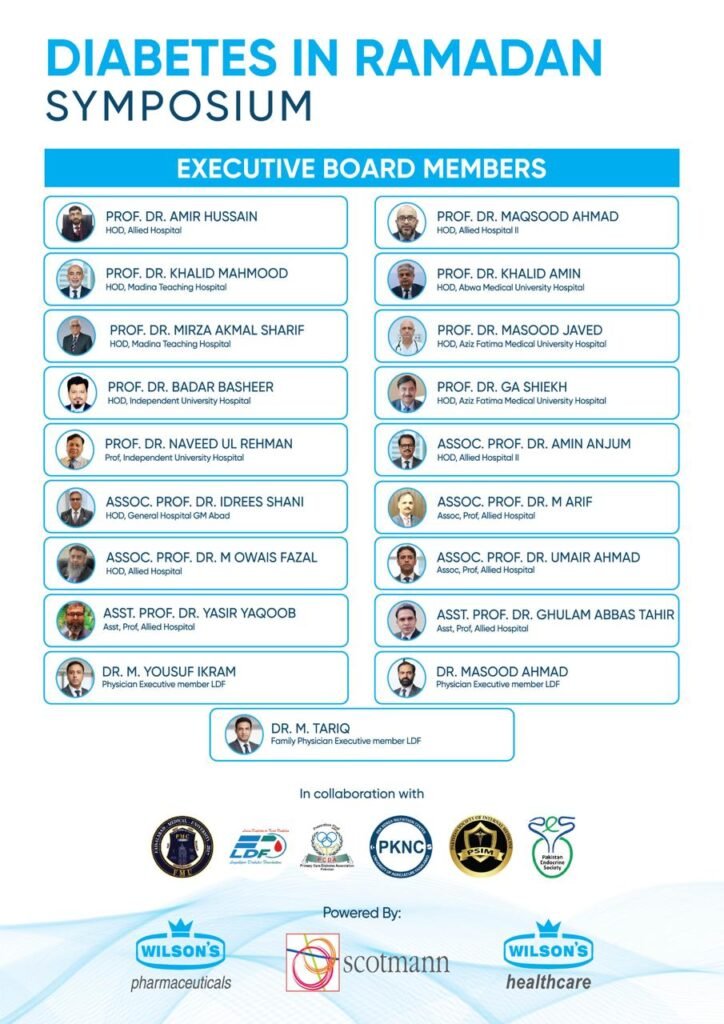
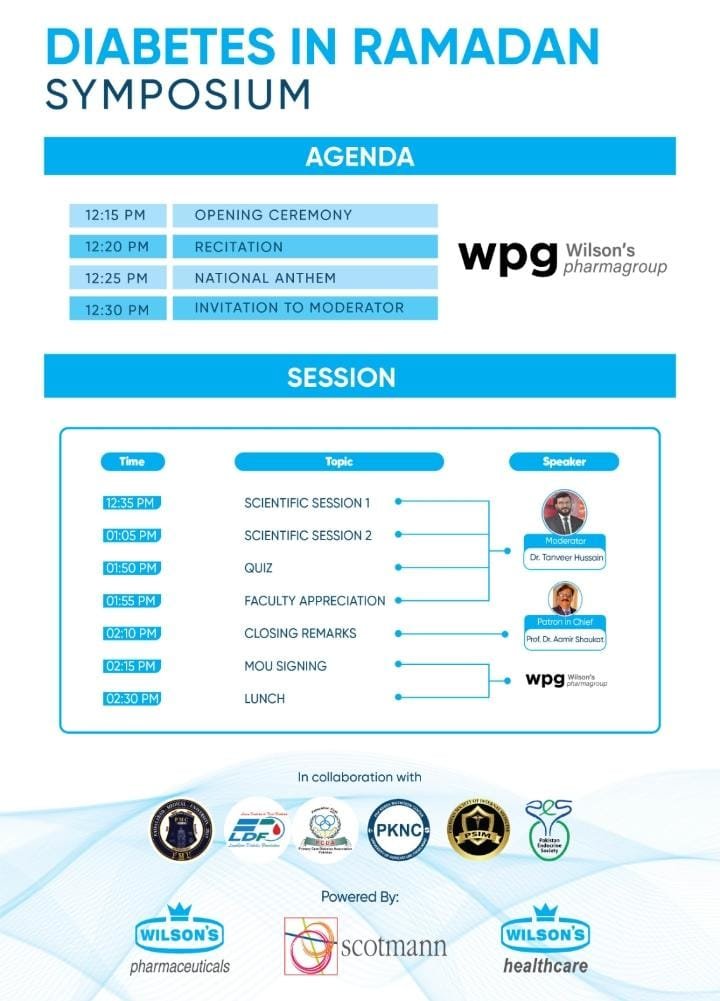
We are proud to share the successful conclusion of the Symposium on Diabetes in Ramadan, a historic and impactful event held in Faisalabad. This landmark gathering brought together distinguished healthcare leaders, clinicians, and academic experts with one shared mission: to improve diabetes care and ensure safe fasting practices during the holy month of Ramadan.

A Historic First for Pakistan

The symposium marked a groundbreaking achievement for the country — the official unveiling of the Instruction Manual for Diabetes in Ramadan. This comprehensive guide is a collaborative masterpiece developed by:

  • LDF
  • FMU
  • WPG Scotmann Pharmaceuticals

This manual is designed to provide evidence-based, practical, and locally relevant guidance for healthcare providers and patients managing diabetes during Ramadan. It addresses risk stratification, medication adjustments, insulin management, dietary planning, and lifestyle modifications — all tailored to the unique fasting practices observed in Pakistan.

The launch of this manual represents a major step forward in structured diabetes education and reflects a strong commitment to patient safety and community health.

A Vision for the Future: 5-Year Strategic MOU

To ensure sustainable impact beyond a single event, a strategic five-year Memorandum of Understanding (MOU) was signed between WPG, Scotmann, and LDF.

This long-term collaboration commits to:

  • Continuous healthcare provider (HCP) training programs
  • Patient education campaigns before Ramadan each year
  • Community awareness seminars across Pakistan
  • Research and data collection to improve diabetes care models
  • Development of updated guidelines aligned with global standards

MOU signing ceremony

This half-decade partnership sets the foundation for transforming Ramadan-focused diabetes management into a structured national initiative.

Distinguished Leadership and Academic Excellence
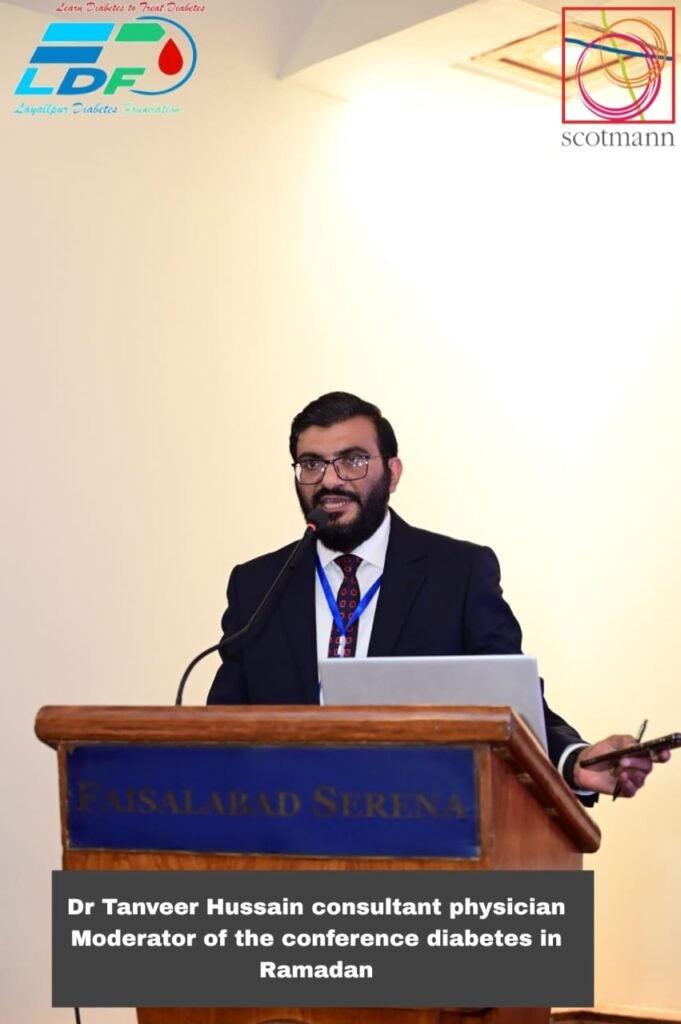
The symposium was honoured by the presence of eminent academic and medical leaders whose guidance elevated the event to a truly national milestone.

  • Chief Guest: Prof. Dr. Zafar Ali Choudhry (Vice Chancellor, FMU)
  • Patron-in-Chief: Prof. Dr. Amir Shokat
  • Guest of Honour: Prof. Dr. Zahid Yaseen Hashmi
  • Chairman: Prof. Dr. Abdul Hafeez Choudhry
  • Vice Chairman: Dr. Ahmad Shahzad (President LDF / PCDA Punjab)

Their presence reinforced the importance of institutional collaboration in addressing one of Pakistan’s most pressing public health challenges — diabetes management during fasting.

Scientific Excellence: Evidence-Based Discussions

The scientific sessions were the heart of the symposium, featuring in-depth, clinically relevant presentations delivered by leading experts in endocrinology and internal medicine.

1️⃣ Gestational Diabetes

Speaker: Dr. M. Irfan
The session highlighted the complexities of managing gestational diabetes during Ramadan and emphasized individualized risk assessment. Special attention was given to maternal and fetal safety, glucose monitoring, and when fasting should be discouraged.

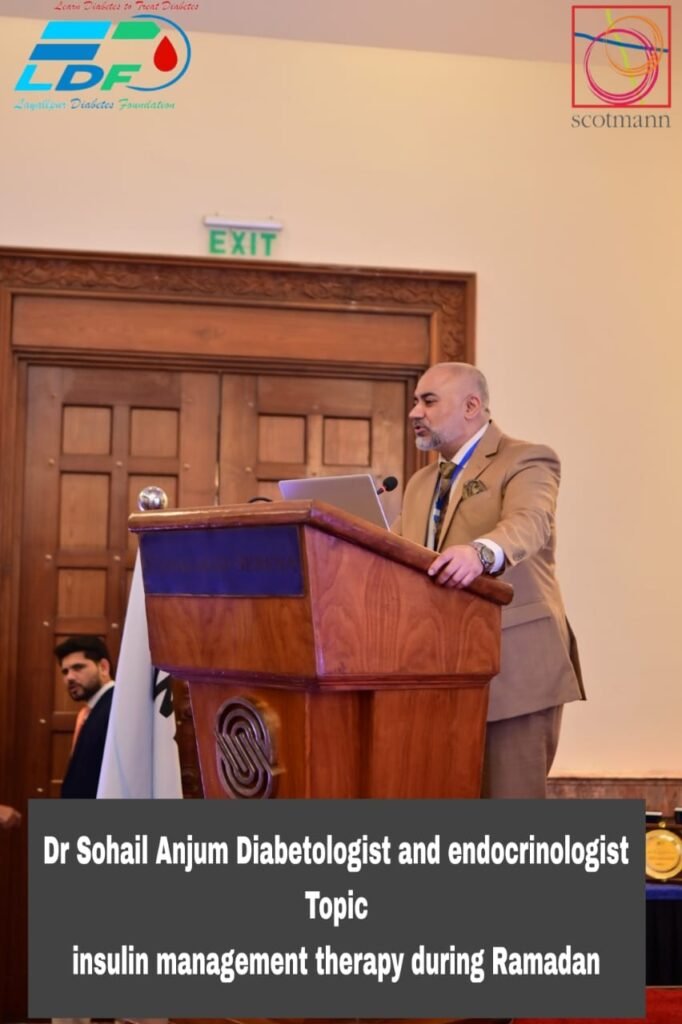
2️⃣ Insulin Management During Ramadan

Speaker: Dr. Sohail Anjum
This session focused on insulin dose adjustments, timing modifications between Suhoor and Iftar, and preventing hypoglycaemia. Practical algorithms were discussed to help physicians optimize insulin regimens safely.
3️⃣ Lifestyle Modifications

Speaker: Dr. Usman Musharraf
Dietary planning, hydration strategies, physical activity recommendations, and sleep patterns were discussed as crucial components of safe fasting. The session emphasized patient education as the cornerstone of prevention.

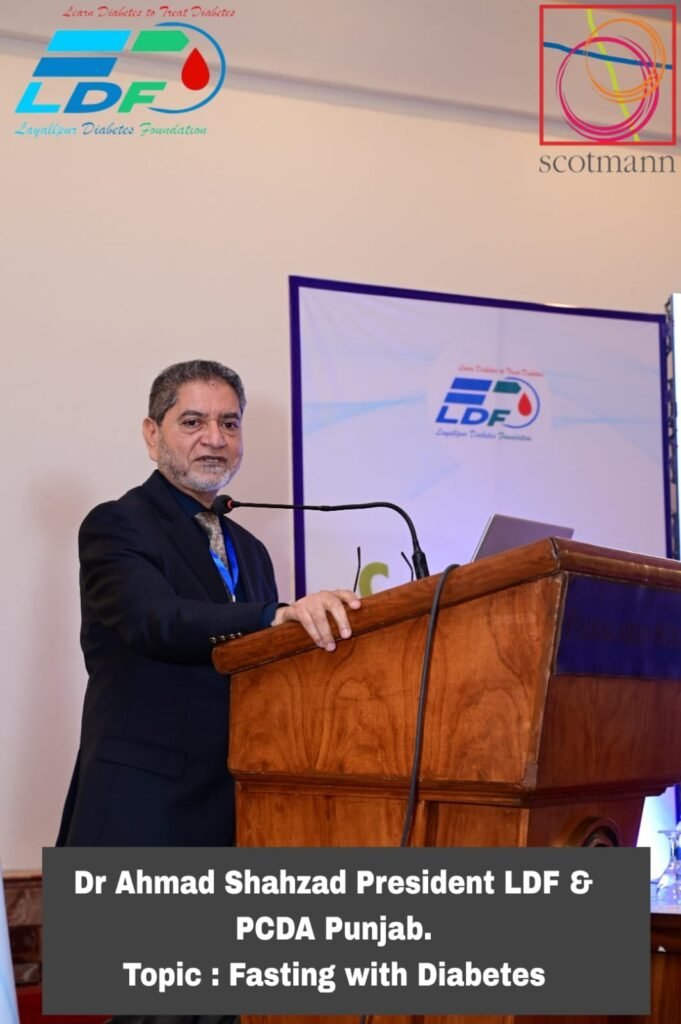
4️⃣ Fasting with Diabetes: Risk Stratification

Speaker: Dr. Ahmad Shahzad
One of the most impactful sessions outlined clear categorization of patients into low-risk, moderate-risk, and high-risk groups, based on international diabetes guidelines.
  • High-risk patients: Strongly advised not to fast due to severe hypoglycaemia risk, uncontrolled diabetes, advanced complications, or pregnancy with poor glycaemic control.
  • Moderate-risk patients: May fast with strict medical supervision, medication adjustment, and regular glucose monitoring.
  • Low-risk patients: Can fast safely with routine monitoring and pre-Ramadan medical consultation.

5️⃣ Oral Medication Adjustment

Speaker: Prof. Dr. Amir Shokat
This session detailed how to safely adjust oral hypoglycaemic agents, reduce hypoglycaemia risk, and ensure stable blood glucose levels during prolonged fasting hours.

A Collaborative Step Toward Safer Ramadan

Pakistan ranks among the countries with a high prevalence of diabetes, making structured Ramadan-focused education critically important. Many patients choose to fast despite medical advice, highlighting the urgent need for culturally sensitive and medically sound guidance.

This symposium addressed that need directly — bridging the gap between religious practice and clinical safety.

The event also fostered collaboration between academia, healthcare institutions, and the pharmaceutical sector, ensuring a multi-disciplinary approach to diabetes care.

Gratitude to Our Panel of Experts

We extend our heartfelt appreciation to our esteemed panel of experts and speakers whose dedication, research, and experience contributed to the success of this historic initiative. Their invaluable insights will help make Ramadan safer for thousands of patients living with diabetes.

We also thank all healthcare professionals, attendees, organizers, and partners who made this event possible.

Moving Forward

The unveiling of the Instruction Manual is not the conclusion — it is the beginning of a national movement toward structured, evidence-based diabetes care during Ramadan.

With a strong five-year roadmap, institutional backing, and expert leadership, this initiative promises to:

  • Reduce diabetes-related complications during Ramadan
  • Empower healthcare providers with standardized protocols
  • Educate patients about safe fasting practices
  • Promote early medical consultation before Ramadan

Together, we are shaping a future where faith and health go hand in hand — ensuring that patients can observe Ramadan safely and responsibly.

Diabetes in Ramadan: A Complete Guide for Patients and Families

Presented by Lyallpur Diabetes Foundation in Collaboration with Faisalabad Medical University

Dr. Ahmad Shahzad
Founder | Lyallpur Diabetes Foundation
Consultant Diabetologist | Educator | Advocate for Preventive Care

Ramadan is a sacred and spiritually uplifting month for Muslims around the world. Fasting from dawn (Suhoor) to sunset (Iftar) is an important act of worship. However, for individuals living with diabetes, fasting can present significant health challenges if not properly planned.

This guide is designed for patients and families to understand how to fast safely with diabetes, who can fast, who should not fast, and what precautions must be taken before and during Ramadan.

Why Is Fasting Risky for People with Diabetes?

During Ramadan, long hours without food and drink can affect blood sugar levels. A person with diabetes may experience:

  • Hypoglycemia (low blood sugar)
  • Hyperglycemia (high blood sugar)
  • Dehydration
  • Diabetic ketoacidosis (especially in Type 1 diabetes)
  • Blood clots due to dehydration

Because of these risks, fasting is not automatically safe for everyone with diabetes. Islam provides exemptions for people whose health may be harmed by fasting. Health and safety always come first.

The Importance of Pre-Ramadan Medical Evaluation (4–6 Months Before Ramadan)

One of the most important recommendations is that patients must consult their doctor 4 to 6 months before Ramadan.

Why so early?

Because doctors need time to:

  • Review blood sugar control (HbA1c levels)
  • Assess complications (kidney, heart, nerve, or eye disease)
  • Adjust medications
  • Modify insulin doses
  • Educate patients on monitoring blood glucose during fasting
  • Provide a personalized fasting plan

Early evaluation allows proper planning and reduces the risk of emergency complications during Ramadan.

Families should encourage their loved ones with diabetes to schedule this consultation well in advance.

Risk Stratification: Who Can Fast and Who Cannot?

Not all diabetic patients are the same. Doctors classify patients into low-risk, moderate-risk, and high-risk categories.

This risk assessment determines whether fasting is safe.

1. High-Risk Patients – SHOULD NOT FAST

High-risk patients are strongly advised not to fast because fasting may cause serious harm.

This group includes:

  • Patients with Type 1 diabetes with poor control
  • Patients with frequent hypoglycemia
  • Patients who had severe hypoglycemia in the last 3 months
  • Patients with diabetic ketoacidosis recently
  • Pregnant women with diabetes
  • Patients with advanced kidney disease
  • Patients with serious heart disease
  • Elderly patients with multiple health problems
  • Patients who are unable to monitor blood glucose regularly

For these individuals, fasting can be life-threatening. Islam permits them not to fast and instead offer alternative religious options such as fidya (feeding the poor).

Families must understand that choosing not to fast for medical reasons is not a lack of faith — it is a protection of life.

2. Moderate-Risk Patients – May Fast With Strict Guidelines

Moderate-risk patients can fast, but only with medical supervision and clear precautions.

This group may include:

  • Type 2 diabetes patients with moderate control
  • Patients on insulin with stable blood sugar
  • Patients taking multiple oral medications
  • Patients with mild complications

These individuals must follow strict guidelines:

A. Medical Consultation Is Mandatory

Medication and insulin doses often need adjustment. For example:

  • Long-acting insulin doses may need reduction
  • Timing of oral medications may change
  • Sulfonylureas may require caution due to hypoglycemia risk

Never change medication doses without consulting a doctor.

B. Regular Blood Glucose Monitoring

Many people think checking blood sugar breaks the fast. It does not.

Patients should check:

  • Before Suhoor
  • Midday
  • Before Iftar
  • Whenever symptoms occur

If blood sugar falls below 70 mg/dL (3.9 mmol/L), the fast must be broken immediately.

If blood sugar rises above 300 mg/dL (16.7 mmol/L), the fast should also be broken.

C. Nutrition Guidelines

At Suhoor:

  • Eat complex carbohydrates (whole grains, oats)
  • Include protein (eggs, yogurt, lentils)
  • Avoid sugary foods
  • Drink adequate water

At Iftar:

  • Break fast gently (1–2 dates maximum if blood sugar allows)
  • Avoid fried foods
  • Avoid large sugary desserts
  • Eat balanced meals
  • Do not overeat

Overeating at Iftar can cause dangerous blood sugar spikes.

D. Hydration Is Essential

Dehydration increases the risk of blood clots and kidney problems. Patients should drink sufficient fluids between Iftar and Suhoor.

Avoid:

  • Excessive caffeine
  • Sugary drinks

E. Physical Activity

Light to moderate activity is acceptable. However:

  • Avoid heavy exercise during fasting hours
  • Taraweeh prayer counts as moderate physical activity

3. Low-Risk Patients – Can Fast Safely

Low-risk patients are generally:

  • Well-controlled Type 2 diabetes patients
  • Patients on diet control only
  • Patients on metformin alone
  • Patients without complications

These individuals can usually fast without major problems, but they should still:

  • Consult a doctor before Ramadan
  • Monitor blood glucose regularly
  • Follow healthy dietary practices
  • Stay hydrated

Even low-risk patients should not assume fasting is automatically safe every year. Health status can change.

Warning Signs: When to Break the Fast Immediately

Every diabetic patient must know the danger signs.

Break the fast if you experience:

  • Sweating
  • Dizziness
  • Shaking
  • Confusion
  • Severe weakness
  • Blurred vision
  • Fainting
  • Severe headache
  • Chest pain
  • Extreme thirst

Breaking the fast for health reasons is allowed and necessary.

Special Considerations for Insulin Users

Patients using insulin must be particularly cautious.

Doctors may:

  • Reduce basal insulin dose
  • Adjust timing to Iftar
  • Modify rapid-acting insulin at meals

Skipping insulin to avoid hypoglycemia is dangerous and can lead to diabetic ketoacidosis.

Close monitoring is essential.

The Role of Family Support

Family members play a crucial role during Ramadan.

They should:

  • Encourage medical consultation months before Ramadan
  • Help prepare healthy Suhoor and Iftar meals
  • Remind patients to check blood sugar
  • Recognize warning signs of low or high blood sugar
  • Support the decision if fasting is medically discouraged

Ramadan is a time of unity and compassion. Protecting a loved one’s health is part of that compassion.

Preparing Early: A Ramadan Action Plan

Here is a simple timeline for patients:

4–6 Months Before Ramadan

  • Schedule doctor appointment
  • Perform blood tests (HbA1c, kidney function)
  • Review medications
  • Create fasting plan

1 Month Before Ramadan

  • Practice modified meal timings
  • Monitor blood sugar more frequently
  • Adjust lifestyle gradually

During Ramadan

  • Follow medical advice strictly
  • Monitor blood glucose daily
  • Break fast if needed

Final Message: Faith and Health Go Together


Ramadan is a month of spiritual renewal, discipline, and mercy. For individuals with diabetes, it must also be a month of medical awareness and preparation.

  • High-risk patients should not fast.
  • Moderate-risk patients may fast with strict supervision.
  • Low-risk patients can fast with routine precautions.
  • All patients must consult their doctor 4–6 months before Ramadan.

Protecting health is a responsibility. Fasting should strengthen faith — not endanger life.

Through education, early planning, and community collaboration, we can ensure a safer and healthier Ramadan for everyone.

For more information, attend our upcoming seminar and stay connected with Lyallpur Diabetes Foundation for updated local guidelines and patient support initiatives.

Your health is a trust. Safeguard it wisely.


Prof. Dr. Aamir Shaukat, Pro VC FMU, Receives National Recognition for Advancing Primary Care Diabetes in Pakistan

Pakistan continues to face a growing burden of diabetes, with millions of people affected across urban and rural areas. Strengthening primary care systems has become a national priority, and meaningful progress in this area requires committed leadership, innovation, and collaboration. A significant milestone in this journey has been achieved by Prof. Dr. Aamir Shaukat, Pro VC Faisalabad Medical University (FMU), who has been working closely with Lyallpur Diabetes Foundation (LDF) and has recently received a national-level award for his contributions to primary care diabetes management in Pakistan.

A Landmark Achievement in Diabetes Care

Prof. Dr. Aamir Shaukat was honored for his role in developing and supporting the first national-level primary care diabetes association model in Pakistan. This initiative represents a unique and historic combination of clinical expertise, structured education, and community-based healthcare delivery focused specifically on diabetes management at the primary care level.

Traditionally, diabetes care in Pakistan has been concentrated in tertiary hospitals and specialist clinics, making access difficult for large segments of the population. The model recognized at the national level aims to bridge this gap by empowering primary care physicians with the tools, training, and standardized protocols required to manage diabetes effectively within their communities.

The Role of Primary Care in Diabetes Management

Primary care is the foundation of any effective healthcare system. In the context of diabetes, strong primary care allows for:

  • Early diagnosis and screening
  • Continuous monitoring and follow-up
  • Patient education on lifestyle and medication adherence
  • Prevention of long-term complications

Prof. Dr. Aamir Shaukat’s work emphasizes that sustainable diabetes care cannot rely solely on specialist centers. By strengthening primary care, patients receive timely treatment closer to home, reducing healthcare costs and improving long-term outcomes.

A First-of-Its-Kind National Combination

What makes this achievement particularly significant is that it represents the first structured combination at the national level in Pakistan that brings together primary care physicians, diabetes-focused education, and coordinated clinical standards under a unified framework. This approach has set a new benchmark for how diabetes care can be scaled across the country.

The initiative reflects a shift from isolated clinical practice toward a collaborative system that supports doctors, patients, and healthcare institutions alike. Its recognition at the national level highlights its potential to serve as a model for future healthcare programs in Pakistan.

Contribution Through Lyallpur Diabetes Foundation (LDF)

Through his association with Lyallpur Diabetes Foundation, Prof. Dr. Aamir Shaukat has actively contributed to advancing diabetes awareness, professional training, and patient-centered care. LDF’s mission aligns closely with the principles recognized by this award—education, accessibility, and evidence-based management of diabetes.

The foundation continues to support initiatives that promote early intervention, community outreach, and professional development, reinforcing the importance of primary care in tackling chronic diseases.

National Recognition and Its Impact

Receiving a national award is not only a personal honor for Prof. Dr. Aamir Shaukat but also a recognition of the broader effort to improve diabetes care in Pakistan. Such acknowledgment brings visibility to primary care-driven solutions and encourages healthcare professionals, policymakers, and institutions to invest in scalable and practical models of care.

This recognition also validates years of dedication toward building systems that prioritize patient outcomes, medical education, and long-term sustainability.

Looking Ahead

The success of this nationally recognized initiative marks an important step forward, but it also signals the beginning of further work. Expanding primary care diabetes programs, training more healthcare professionals, and increasing public awareness remain essential goals.

Lyallpur Diabetes Foundation, along with dedicated professionals like Prof. Dr. Aamir Shaukat, remains committed to supporting these efforts and contributing to a healthier future for people living with diabetes across Pakistan.

Watch the Award Recognition Moment

To commemorate this achievement, we are proud to share the award-receiving video of Prof. Dr. Aamir Shaukat, highlighting this historic moment and the national recognition of a groundbreaking primary care diabetes initiative. The video reflects the dedication, vision, and impact behind this milestone in Pakistan’s healthcare journey.

Dr. Ahmed Shehzad Honored at National Level for Strengthening Primary Care Diabetes Services in Pakistan

Dr. Ahmad Shahzad
Founder | Lyallpur Diabetes Foundation
Consultant Diabetologist | Educator | Advocate for Preventive Care

The growing prevalence of diabetes in Pakistan demands innovative, practical, and scalable healthcare solutions. Addressing this challenge requires strong leadership at the primary care level, where most patients first seek medical attention. In recognition of such leadership and impact, Dr. Ahmed Shehzad has been awarded a national-level honor for his contributions to advancing primary care diabetes services in Pakistan.

This award acknowledges his collaborative work and private partnership in developing a structured approach to diabetes management that strengthens the role of primary care physicians nationwide.

Recognizing Excellence in Primary Care Diabetes

Dr. Ahmed Shehzad received national recognition for his role in supporting and implementing a first-of-its-kind primary care diabetes association model in Pakistan. This initiative focuses on integrating diabetes care into routine primary healthcare, ensuring that quality management is accessible, consistent, and patient-centered.

By emphasizing standardized care pathways, physician education, and long-term follow-up, this model addresses critical gaps that have historically limited effective diabetes management at the community level.

A Collaborative Vision for National Impact

A defining strength of this initiative is the collaboration and private partnership between Dr. Ahmed Shehzad and Dr. Amir Shaukat. Their combined efforts reflect a shared vision: to empower primary care physicians with the knowledge, structure, and confidence required to manage diabetes effectively.

This partnership has enabled the development of a unified framework that balances clinical excellence with practical implementation, making it adaptable across diverse healthcare settings in Pakistan.

Why Primary Care Matters in Diabetes Management

Diabetes is a lifelong condition that requires regular monitoring, education, and timely intervention. Primary care plays a central role in:

  • Early detection and screening
  • Continuous patient monitoring
  • Lifestyle counseling and medication management
  • Prevention of complications through routine care

Dr. Ahmed Shehzad’s contribution highlights the importance of moving diabetes care beyond specialist centers and into primary healthcare facilities, where sustained patient relationships can lead to better outcomes.

A National Milestone in Healthcare Development

The national-level award recognizes not only individual achievement but also the broader impact of a system designed to improve diabetes care across Pakistan. The initiative represents the first national combination of primary care collaboration, structured diabetes education, and coordinated clinical standards developed within the country.

Such recognition reinforces the importance of locally developed healthcare models that address Pakistan’s unique challenges and healthcare realities.

Association with Lyallpur Diabetes Foundation (LDF)

Through his professional collaboration with Lyallpur Diabetes Foundation (LDF), Dr. Ahmed Shehzad has contributed to efforts focused on diabetes awareness, professional capacity building, and community-level healthcare improvement. LDF’s commitment to education and accessibility aligns closely with the goals recognized by this award.

The foundation continues to support initiatives that promote evidence-based care and strengthen the role of primary care providers in managing chronic diseases.

Inspiring the Next Phase of Progress

This national recognition serves as an encouragement for healthcare professionals across Pakistan to invest in primary care-driven solutions. Dr. Ahmed Shehzad’s work demonstrates how collaboration, innovation, and commitment can lead to meaningful improvements in patient care.

As diabetes rates continue to rise, initiatives like this provide a sustainable roadmap for expanding quality care and improving long-term health outcomes nationwide.

Watch the Award Recognition Video

We are pleased to share the award-receiving video of Dr. Ahmed Shehzad, marking this important milestone in his professional journey and highlighting the national recognition of a collaborative effort to strengthen primary care diabetes management in Pakistan.

Free Obesity Screening Camp Held at Government College University Faisalabad

Dr. Ahmad Shahzad
Founder | Lyallpur Diabetes Foundation
Consultant Diabetologist | Educator | Advocate for Preventive Care

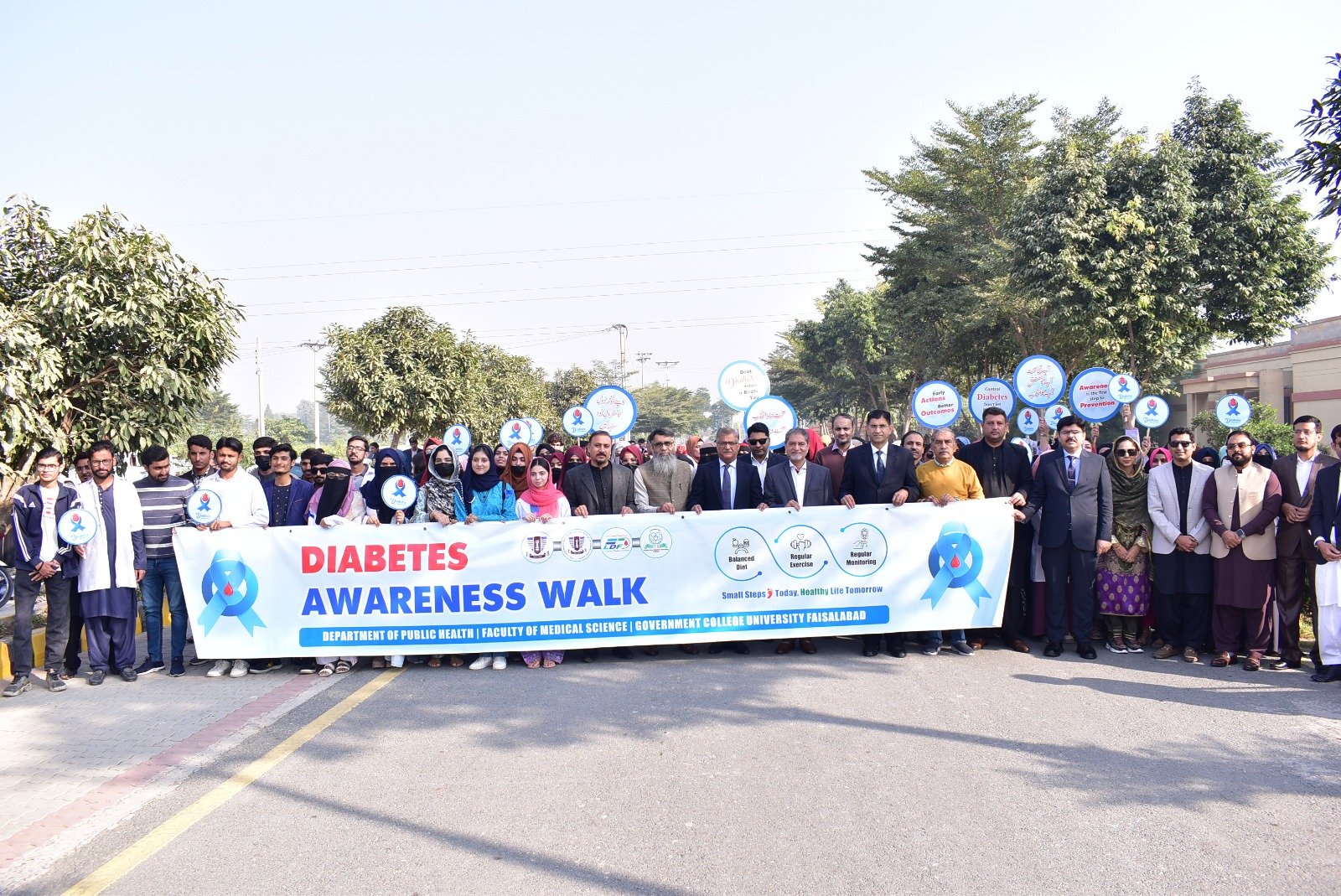
On 28 November 2025, a Free Obesity Screening Camp was successfully organized at Government College University, Faisalabad (GCUF) to mark World Diabetes Day. The initiative was a collaborative effort between Getz Pharma, the Layllpur Diabetes Foundation, the Primary Care Diabetes Association Pakistan, and the university’s Public Health Department.

A Strong Collaborative Effort

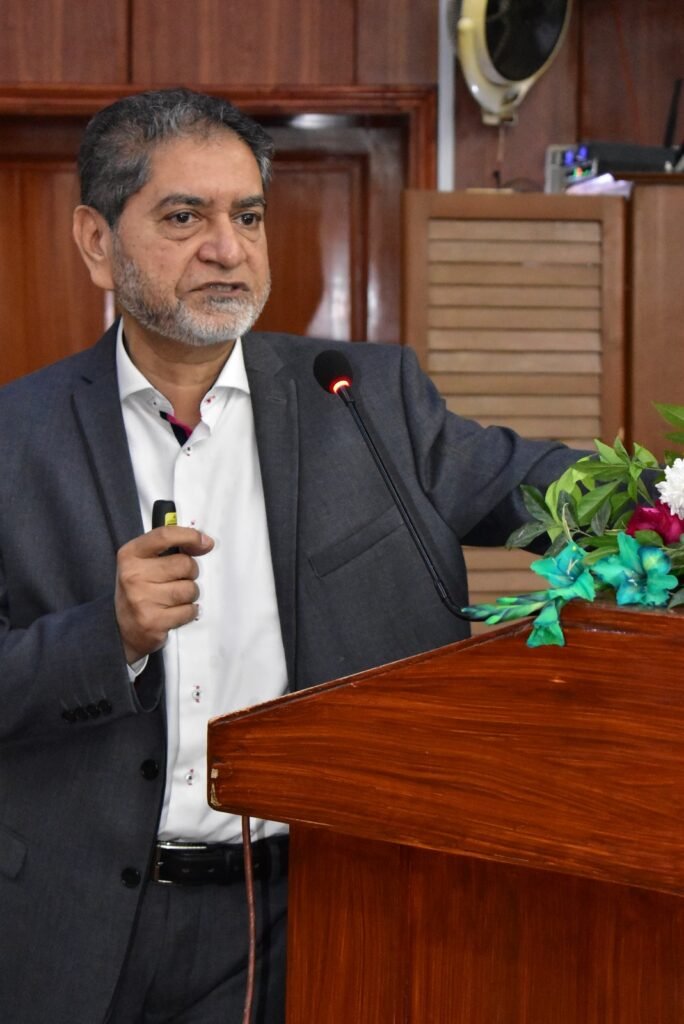
The event received exceptional support from the faculty, especially Prof. Dr. Ali Siftain, whose coordination ensured smooth execution. Distinguished speakers shared valuable insights with the attendees:

  • Dr. Ahmad Shazad – Delivered an engaging and interactive lecture on metabolic health.
  • Dr. Owais Fazal – Discussed key medical aspects of diabetes.
  • Prof. Dr. Javid Iqbal – Explained surgical treatment options for obesity and diabetes.

Other notable contributors included Prof. Dr. Aamir ShaukatDr. Ijaz AnwarDr. Masood AhmadDr. Muhammad TariqDr. Shahid Iqbal GillDr. Imran Ullah, and Dr. Yousaf Ikram for their valuable participation and support.

Event Highlights


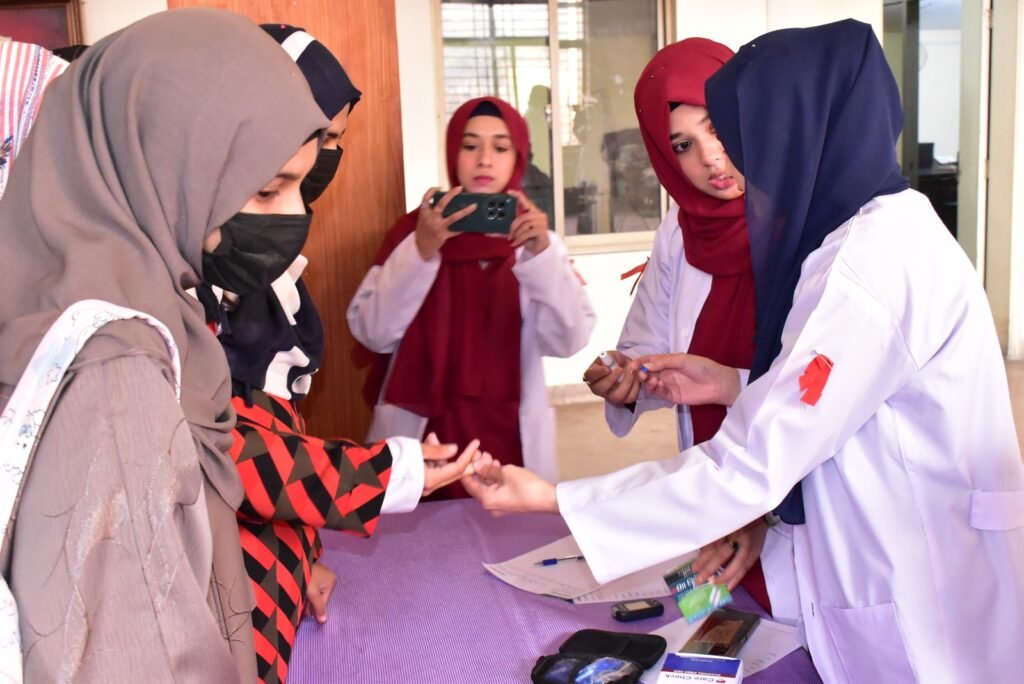
A total of 750 students and faculty members attended the seminar, which combined awareness sessions with free on-site health screenings. The screening results were as follows:

BMI Screening (138 Participants)

  • Normal weight: 90
  • Overweight: 17
  • Underweight: 31

Blood-Sugar Screening (96 Participants)

  • Normal: 90
  • High (new diagnoses): 6

Cholesterol Screening (10 Participants)

  • Normal: 7
  • High (new diagnoses): 3

A Step Toward a Healthier Campus Community

Beyond the numbers, the camp fostered awareness, conversation, and commitment to healthier living.
Students expressed appreciation for the opportunity to receive free tests and guidance—all within their university premises.

The collaboration between Getz Pharma, the Layllpur Diabetes Foundation, and the Primary Care Diabetes Association Pakistan reflects a shared vision of creating a more informed and health-conscious youth population.

Acknowledgment

We are deeply grateful to Sami Pharma for their generous donation of ₹1,000,000 (One Million Rupees) to support the treatment of patients under the joint initiative of the Lyallpur Diabetes Foundation – Faisalabad and the Primary Care Diabetes Association (PCDA).

This contribution will enable us to provide essential medicines and care to those who need them most, reinforcing our commitment to improving diabetes management and overall health in the Faisalabad community.

“Together, we are making a difference.”

Thank you, Sami Pharma, for your unwavering support and partnership.

The Future of Diabetes Research and Treatment

Dr. Ahmad Shahzad
Founder | Lyallpur Diabetes Foundation
Consultant Diabetologist | Educator | Advocate for Preventive Care

Diabetes is still one of the most common long-term health issues around. Millions carry type 1 or type 2, which keeps straining medical services more every year. Yet things might get better soon. Science, treatments, and tech are coming together in new ways – ways that could change how we manage this condition, make daily life easier, prevent problems down the road, maybe even lead to a full fix.

In this article, we look at new advances changing how diabetes is studied and treated – like better tracking tools or smarter insulin delivery methods. Some researchers are trying out cell-based fixes while others focus on calming immune responses. Personalized care plans also play a big role now.

Advances in Diabetes Monitoring Technologies

Continuous Glucose Monitoring (CGM) & Integrated Devices

In recent times, tracking blood sugar nonstop shifted from rare to common, now typical for lots of folks dealing with diabetes – particularly anyone using insulin.

Today’s glucose monitors link up with devices like insulin pumps or digital pens, so doses can be adjusted using real-time info instead of constant blood checks.

This smart system doesn’t just watch sugar numbers – it gives instant updates, helps figure insulin doses, plus pulls in daily habits such as movement or meals; that mix leads to steadier blood sugar.

Non-Invasive and Wearable Glucose Monitoring

Scientists are now exploring ways to check blood sugar without breaking the skin. New approaches – like light signals, electric sensors, or similar gadgets – might lower or even remove reliance on uncomfortable fingertip jabs.

Fewer hassles could come from these upgrades, meaning checking sugar levels might get easier – particularly where tools are limited or when constant checks feel overwhelming.

The Future of Insulin Therapy

Smart and Glucose-Responsive Insulin

One cool new thing? It’s called smart insulin – built to adjust on its own based on your sugar levels. Here’s how it works: when blood sugar drops, the insulin just sits back; but kicks in once levels rise – so lows become far less likely.

A good case is NNC2215 – this modified insulin reacts to glucose levels, adjusting delivery depending on how high or low blood sugar gets.

If it works well and gets cleared for medical use, this smart insulin might make handling diabetes way easier while also boosting safety – though only time will tell how effective it really is.

Automated Insulin Delivery & Closed-Loop Systems (Artificial Pancreas)

Folks aren’t just tweaking insulin itself – how it’s delivered is changing fast too. Devices linking continuous glucose monitors with pumps, sort of like a self-adjusting setup, are rolling out quicker than ever.

These setups tweak insulin doses instantly, no manual input needed. While some run partly on their own today, smarter versions using clever software could pop up soon.

The result? Fewer shots or hand-done dose math, smoother blood sugar at night, lower chance of crashes or spikes – also easing the mental load on people managing their condition.

Emerging Treatments Aiming for a Cure

Stem Cell–Derived β-Cell Replacement and Islet Transplantation

A big focus in diabetes science is swapping out missing insulin-making cells in the pancreas. Instead of relying on shots, people might get lab-made or donated clusters – called islets – put inside them. These new cells can kickstart natural insulin again once placed in the body.

Promising news – stem-cell-made islets are moving into key human tests, hoping to deliver lasting freedom from insulin shots.

If these tests work – while tackling problems like immune rejection – cell treatments might turn type 1 diabetes from a permanent issue into something controllable or maybe even reversible.

Immunomodulation & Immune Therapy for Autoimmunity in Type 1

Since type 1 diabetes happens when the body’s defenses destroy insulin-producing cells, swapping them out won’t help unless we also calm the immune attack. This is pushing researchers toward treatments that tweak how immunity works.

Take immune treatments that don’t shut everything down – instead, they tweak how the body reacts. These new approaches aim to shield lab-grown or transplanted cells by adjusting defenses, not blocking them entirely.

Some methods try stopping autoantibodies from forming or quieting inflammation – this might delay type 1 diabetes, block it entirely, or protect new insulin cells over time.

Gene Therapy and Genetic Engineering Approaches

Cell replacement isn’t alone – gene treatments are stepping in, like CRISPR tools shaping new options. Instead of just swapping cells, scientists might regrow β-cells using these methods. Immune balance could come from tweaking genes, not only drugs. Fixing inherited risks? That’s now within reach through precise DNA edits.

Fairly new, yet facing big safety and legal hurdles, these methods could change everything – instead of just treating signs, they might tackle what’s really causing the illness.

Innovations in Medication and Broader Drug Therapies

Innovations in Medication and Broader Drug Therapies for diabetes

New treatments for diabetes keep changing beyond just insulin or cell fixes. Besides controlling blood sugar, they tackle weight plus heart risks – key stuff for type 2. Also, these drugs help balance how your body uses energy.

Going ahead, treatments could get more personal – using your DNA, daily habits, plus online health records to shape care. Some progress has already started down this path.

Customizing treatment might improve results while reducing risks, signaling a move toward tailored approaches in managing diabetes.

Preventive Strategies and Lifestyle Technologies

Even though everyone talks about cures, stopping diabetes before it starts matters just as much. New tech like fitness trackers, mobile apps, or virtual coaches can spot warning signs early, follow food and movement as you go, then give advice that fits your habits.

Fueled by better awareness and prevention efforts, these tools could lower diabetes rates, ease its advance, or put off insulin use – particularly with type 2.

Precision nutrition might matter more in coming years – lifestyle data trends also fit into this picture while habit-focused tweaks slowly shape how we handle metabolism overall.

Holistic and Patient-Centered Care Models

Digital Health, Telemedicine, and Remote Monitoring

Folks managing diabetes now rely more on online tools, especially as medical services go digital. With telehealth, people can share glucose readings from afar, skip travel by seeing specialists through video calls, while mobile apps help track daily routines – making life easier for anyone far from clinics or stuck at home due to movement issues.

These models help keep care going, spot problems early, or manage long-term conditions well – so fewer trips to hospitals, people stick to treatment plans, plus check-ins stay regular.

Mental Health, Patient Experience, and Quality of Life Focus

Besides blood sugar levels, dealing with diabetes now includes emotional strain – worry, frustration, daily hassles, plus mood struggles. Coming approaches will mix therapy help, learning tools, habit guidance, along with group connections into regular treatment.

Focusing on the full person – beyond just illness – might help tomorrow’s diabetes treatment boost health results along with daily well-being.

Challenges and Ethical Considerations

  • Accessibility plus price: Some high-end tech – like smart insulin, cell treatments, or gene tweaks – might cost a lot at first, mostly landing in wealthier countries. Getting it everywhere still feels uncertain.
  • Staying safe, how well it works overtime, also what happens if the body fights back – for treatments using cells or genes, we’ve got to dig into risks that might show up later, whether the immune system stays calm, yet watch for any weird reactions down the road.
  • Rules plus moral questions make it tough to approve new treatments – like stem cells or gene tweaks – thanks to strict checks, tangled approval steps, also public concern.
  • Folks without solid internet might miss out on tech-driven health options – spotty networks, weak medical setups, or a shortage of skilled workers can block fair access.

You may also like to read: Benefits of Diabetes Support Apps

What the Next 10–20 Years May Look Like

Optimistic Scenario

  • Folks everywhere start using automatic insulin systems – alongside smarter meds and live glucose tracking – for both main kinds of diabetes.
  • Cell-based treatments might soon go mainstream, so folks could rely less on insulin or ditch it altogether. Gene-edited beta cells may get transplanted one day, offering lasting relief from daily shots. Some patients would need little to no insulin after such procedures. These advances are getting closer to real-world use. Instead of lifelong injections, new options could reset how diabetes is managed.
  • Custom healthcare rises – plans shaped by genes, daily habits, body chemistry. Treatment fits you, because it’s built from your own biology instead of guesswork.
  • Folks start treating body, mind, and daily habits together – care gets better that way. One thing follows another: well-being goes up when everything’s linked.

Realistic Scenario

  • Small upgrades lead the way: smarter glucose monitors, easier-to-get smart pens or pumps, while hybrid auto-insulin setups slowly become available.
  • Cell therapy plus immune system tweaks are only available in limited spots – say, for sick people or those at high risk – with wider use waiting on more proof and lower prices.
  • Digital health brings new ways to reach care, particularly where cities meet suburbs – so more folks can get help without traveling far.
  • Custom help’s still only for people who can afford it – yet word spreads slowly, while community aid grows bit by bit.

Conservative Scenario

  • New developments aim to boost current treatments – better ways to give insulin, track levels, or help daily habits.
  • No big fix yet – though handling symptoms got easier, problems happen less often, living longer became possible, plus day-to-day life feels more manageable.
  • Few steps forward with cell or gene fixes – yet real-world use is still far off because its pricey, rules get in the way, also risks feel too high.

Conclusion

The future of diabetes research feels alive – packed with motion. Smarter ways to track sugar levels or deliver insulin are popping up fast; meanwhile, new ideas like fixing cells, tuning the immune system, tweaking genes, or tailoring treatments shift how people manage the condition every day.

Even if a complete fix is still far off, progress feels closer now. Over the next few decades, dealing with diabetes might stop meaning daily shots and checks, becoming something easier to control – or possibly undo.

As studies move forward, mix hope with realism – prioritize safety, keep costs low, while making sure wide access spreads gains beyond just a handful to plenty more people.

The Benefits of Diabetes Support Apps

Dr. Ahmad Shahzad
Founder | Lyallpur Diabetes Foundation
Consultant Diabetologist | Educator | Advocate for Preventive Care

Diabetes affects tons of people around the world. Keeping it under control means always watching your glucose, pills, food choices, or staying active. Lately, tech-based helpers have started making life easier – especially phone apps made just for diabetics. These little programs help users track symptoms while taking charge of daily routines. Here’s a look at what these apps do, what functions matter most, how they improve day-to-day living, also things to keep in mind before picking one.

What Are Diabetes Support Apps?

Diabetes helper apps are phone programs made for people dealing with blood sugar issues. These tools let you write down your glucose numbers now and then. Tracking what you eat or how many carbs go into your body is easier with them. Moving around? You can keep tabs on exercise using the app too. Need to take pills at certain times – alarms remind you when it’s time. A few of these apps link up straight to gadgets like CGMs or testing meters. That way, folks get updates fast plus smart tips based on fresh info.

Some diabetes apps work one way – others do something completely different

  • Logging your blood sugar? Apps can help track that – also meals or pills. One tool does it all, minus the hassle. Try one if juggling numbers feels tough.
  • Calculator apps – they help figure insulin amounts or count carbs.
  • Apps hooked on CGMs give live updates by linking directly to sugar trackers.
  • Educational apps give tools, advice, or support to help you manage on your own.

Key Features of Diabetes Support Apps

To get why they’re useful, check out a few key things most of these apps usually have:

  • Blood sugar tracking lets people type in numbers or connect gadgets to share data – either way works just fine.
  • Track what you eat, also check carb amounts – this shows how meals shift your glucose levels.
  • Get alerts that nudge you when it’s time to take your meds – or give yourself an insulin shot.
  • Count your moves – like walking or gym time – with a device that updates you as you go. It hooks up to gadgets, so everything stays current without extra effort.
  • Info & Updates: Look at numbers to find patterns in blood sugar, eating habits, maybe daily routines – using number checks that show what’s changing over time or staying the same.
  • Get warnings when sugar’s too high or low, skip logging data, or spot odd trends.
  • Data Sharing: Options to share logs and reports with healthcare providers, caregivers, or family.

Major Benefits of Diabetes Support Apps

Improved Blood Glucose Control

Using diabetes apps can really help manage blood sugar levels. Research shows these tools often lead to lower HbA1c, which reflects how well glucose has been controlled over time.

A recent analysis of 21 random studies found HbA1c dropped around 0.49% in people with type 1 diabetes – while those with type 2 saw a drop near 0.57%. Though results varied, most trials pointed in the same direction.

This effect gets stronger – especially if the app shows input from doctors or nurses.

Enhanced Self-Management & Empowerment

Diabetes apps help people get involved in managing their own well-being. By tracking now and then, folks start noticing what pushes their blood sugar up or down.

Apps can boost how capable people feel. A small hospital test showed folks with a diabetes tool got better at handling their condition – HbA1c levels dropped while belief in their skills went up.

Folks using these apps often get helpful tips on how food, exercise, or daily routines affect their health – so they feel more in charge. Different tools mix lessons with tracking, which makes learning natural. Some explain things step by step while showing real-life changes. This way, people start seeing patterns without feeling overwhelmed. Over time, that knowledge builds confidence from actual experience.

Real-Time Monitoring & Alerts

Apps linked to glucose meters give quick updates, warning you when levels spike or drop. Because they track changes instantly, issues can be caught early – helping avoid serious problems. These alerts make it easier to act fast before things get worse.

These warnings really help folks who could overlook risky blood sugar shifts – offering backup plus calm confidence.

Personalized Insights & Feedback

Besides tracking glucose, meals, or movement, apps slowly gather info. So over time, they might spot trends – like how your sugar jumps after eating – and recommend small tweaks you could try.

Some apps take it a step ahead with smart guesswork. Take, for example, tools that pull info from old logs – like meals, insulin doses, or workouts – to suggest better dose tips based on patterns.

This kind of tailored approach guides people to better choices – ones built on their unique info instead of broad suggestions.

Improved Communication with Healthcare Providers

Some diabetes apps let you send info straight to your doctor, nurse, or coach. Because of this, health pros get a clearer picture – spotting changes over time instead of just guessing from checkups now and then.

In trials, people using apps with help from medical pros saw bigger drops in blood sugar levels than those going solo on apps – team support made a real difference there.

This team-up backs a way to keep care going all the time instead of just quick visits now and then.

Increased Motivation & User Engagement

Plenty of apps use tricks to shift habits – setting targets, sending alerts, adding game-like features, or giving updates now and then.

These tools keep people involved, build better routines, while supporting steady personal control down the road.

In a few cases, people have tried using reinforcement to tweak motivation tips that push movement – which led to better blood sugar handling.

Since people keep getting support along with updates, staying on top of their diabetes becomes easier over time.

Reduced Healthcare Costs & Hospital Visits

Diabetes apps might help cut down on doctor trips. A look at over a thousand people showed those using the apps ended up in hospitals less often – also saving money on care when compared to others who didn’t use them.

This probably happens since good control keeps sudden issues from coming up, which means fewer costly treatments are needed.

You may also like to read: Impact of Diabetes on Travel and Leisure Activities

Challenges & Limitations of Diabetes Support Apps

Though there are clear upsides, you should also keep a few hurdles in mind:

  • Data accuracy isn’t always solid – some tools miss the mark. Wrong entries or glitches when syncing might skew what you see.
  • Easy for non-tech folks? Older adults or those shaky with gadgets might struggle with apps. Yet some get the hang of it over time, though confusion pops up now and then. Clunky designs make things worse instead of helping.
  • Some alerts could get missed – like low blood sugar warnings – if phone settings block them, even when officials say it’s risky.
  • Worries about your info staying safe. Health details go into these apps. Make sure nothing leaks out there. Trust matters – check what the app says it’ll do with your stuff.
  • Putting all your trust in tech might dull your own decision-making abilities – or even basic coping tools – especially when glitches happen.

Tips for Choosing the Right Diabetes Support App

To get the most out of it, choose an app that matches what you need – something that works for how you use it

  • Clinically backed or science-tested? Go for apps checked in real medical studies – or approved by doctors.
  • Fits Your Gear: Check that the app works with your glucose meter or continuous monitor.
  • Key stuff: Pick what really matters – like tracking sugar levels or logging meals, setting alerts, checking trends. Skip the extras.
  • User Experience: The app should be user-friendly and accessible, especially if you’re not very tech-savvy.
  • Ways to give feedback: Tools that let users interact – like sending info straight to a doctor – work better than just tracking things solo.
  • Check how the app handles private info. Make sure your details are locked up tight using encryption.

Conclusion

Diabetes apps are handy tools tackling a common long-term illness. They let people check blood sugar levels while handling meds, watching habits – so sharing info with doctors becomes easier. This leads to steadier glucose numbers, more confidence in managing health, plus fewer expenses over time because care improves bit by bit.

Still, picking the right app matters if people want to get the most out of it – something grounded in research, safe, plus a good fit for how they live. Done well, tools like these can change how folks handle their health day to day, cutting stress while boosting smarts about their condition.

The Impact of Diabetes on Travel and Leisure Activities

Dr. Ahmad Shahzad
Founder | Lyallpur Diabetes Foundation
Consultant Diabetologist | Educator | Advocate for Preventive Care

Living with diabetes isn’t just about medical checkups – it shapes your everyday life. Juggling insulin, meals, and glucose levels takes effort every single day. Trips or fun outings? They often bring extra hurdles. Still, smart prep combined with knowing your body helps keep things under control while on the move.

How Diabetes Affects Travel and Leisure

Disruptions to Daily Routine

Going places messes with daily routines folks with diabetes need. Meals might happen at odd times, local food could have surprise carbs, while crossing time zones shifts when meds are taken. Because of this chaos, keeping blood sugar steady gets tougher.

Blood Sugar Fluctuations During Travel

Switching up your daily habits, feeling excited, or dealing with travel stress might change blood sugar. When you’re jet-lagged, it could mess with the timing of insulin or meds. Also, moving more – say, strolling through towns or trekking trails – can lead to low-sugar episodes that are hard to predict.

Challenges with Food & Diet While Traveling

Tasting regional dishes or street snacks usually stand out on trips – yet if you’re managing diabetes, many options packs load The way you travel might mess with your diabetes control. Hot weather could ruin insulin, meters, and testing supplies. When it’s humid or boiling, both meds and blood sugar levels may act up. Traveling somewhere freezing or high up? That can throw off glucose readings or how insulin works. Of carbs, sugar, or grease. Big servings along with sneaky sweeteners in beverages or sweets complicate blood sugar control. Picking well-rounded plates without skipping flavor means watching what you eat, then adjusting how much.

Physical Activity Considerations

Going on vacation usually means moving around more than usual – checking out places, strolling, splashing in water, trekking trails. Even though staying active helps, there’s a catch: your body might react by soaking up insulin faster, dipping blood sugar levels, or losing too much fluid. Keeping an eye on glucose numbers matters now, also carrying quick-energy snacks just in case.

Environmental & Climate Factors

The way you travel might be messy with your diabetes control. Hot weather could ruin insulin, meters, and testing supplies. When it’s humid or boiling, both meds and blood sugar levels may act up. Traveling somewhere freezing or high up? That can throw off glucose readings or how insulin works.

Common Travel Risks for People with Diabetes

Medical Emergencies

In new places, you may struggle to find medicine or diabetes tools. So, get ready ahead of time – pinpoint clinics close by, figure out which stores sell meds, while bringing a note from your doctor could end up saving your life.

Foot Care Concerns

Wandering around usually involves lots of steps. If you’ve got diabetes, that raises chances of sores, scrapes, or worse damage to your feet – possibly opening the door to infections. Checking your feet daily while skipping barefoot moments (yes, even on sand) really matters.

Insulin & Medication Storage Problems

Insulin reacts badly to extreme temps – high or low temperatures break it down, so it won’t work as well. Experts say store your insulin in a cool place when moving around, just don’t let it touch ice packs. If something goes wrong at home, like losing electricity, handling your medicine right turns extra important.

Stress and Psychological Barriers

Going somewhere new brings pressure – strange spots, not knowing the lingo, missed flights, stuff like that. That kind of strain might push your blood sugar up. Also, always checking levels or stressing over drops takes away from having fun on trips.

Practical Tips for Traveling Safely with Diabetes

Pre-Travel Planning

  • Check with your doctor first – go over changing media based on travel times and daily routines.
  • Grab your paperwork – bring a letter from the doctor, any medicine lists, plus an ID tag or wristband showing you’ve got diabetes.
  • Look up your spot to find clinics or drugstores with insulin gear.

Packing Essentials

  • Carry double the meds plus gear you think you’ll use – because running out sucks.
  • Keep your insulin safe from heat by using a chilled pouch or a padded container – never put it on ice. Instead, rely on cooling packs that don’t touch the medicine directly.
  • Grab something sweet that works quickly – like glucose pills or juice – to fix low blood sugar.
  • Stash your diabetes gear in the bag you take onboard – never pack it in bags that go below. Instead, bring it along where you can reach it easily during the trip.

Managing Blood Sugar on the Go

  • Keep checking: when you travel, your blood sugar might swing without warning.
  • Use alerts to prompt medicine intake or glucose checks.
  • Drink plenty of fluids – these matter more if you’re active or out in the heat.
  • Change your insulin or meds when you move around or cross time zones – but check with your doc first.

Foot Safety During Leisure Activities

  • Wear comfortable, well-fitting shoes appropriate for walking long distances. Podiatrists recommend shoes with a wide toe box and good cushioning.
  • Avoid going barefoot, even on beaches or in hotel rooms.
  • Inspect your feet daily for blisters, cuts, or redness.

Communicating Your Condition

  • Use a medical ID bracelet or card.
  • Inform your travel companions of your diabetes and teach them how to identify and treat low blood sugar.
  • If traveling to a non-English-speaking country, learn how to say “I have diabetes” and “I need sugar” in the local language.

Enjoying Leisure Activities with Diabetes

Outdoor Activities

Whether you’re hiking, sightseeing, or swimming, plan: carry snacks, test your glucose regularly, and adjust insulin or mealtimes to match activity levels.

Adventure Activities

If you’re tackling tougher stuff – like rock climbing or kayaking – double-check your safety gear: grab gloves, wear sturdy shoes, plus keep snacks and meds close. When out far from help, stash glucagon or glucose gel, just like health experts suggest.

Dining Out During Travel

  • Check out hometown dishes – go for light meats, loads of greens, alongside whole grains.
  • Guess about carbs if you’re eating something new.
  • Watch out for sweets or soda, particularly at buffets – have just a bit now and then.

You may also like to read: Role of Family History in Diabetes Risk

Positive Impacts of Travel on Diabetes Management

Going places isn’t only tough for folks managing diabetes – it offers perks too

  • Moving around more – like taking walks or trying new outdoor stuff – helps your body respond better to insulin while also making your heart stronger over time.
  • Mental health gets a boost when you discover fresh spots – stress fades while joy grows, since wandering brings a taste of liberty.
  • Dealing with diabetes in new places helps you grow – handling stress gets easier, you start trusting yourself more, while figuring things out along the way shapes how you react to challenges.

Conclusion

Traveling with diabetes might seem tough at first, yet it’s far from impossible. Planning early helps a lot – bring what you need, know your schedule shifts, while staying on top of your health checks. Some find trips improve how they handle daily routines, since moving around boosts energy plus encourages better choices. Even so, feeling ready means the difference between stress and smooth days out. Diabetes? Just one piece of the trip, nothing more.

The Role of Family History in Diabetes Risk

Dr. Ahmad Shahzad
Founder | Lyallpur Diabetes Foundation
Consultant Diabetologist | Educator | Advocate for Preventive Care

Diabetes is a big problem around the world, hitting millions of people across countries. Though things like bad eating habits or sitting too much matter a lot, who’s in your family tree still weighs heavily on your odds. Knowing how your parents or siblings might influence your likelihood of getting it could push you to act early – get checked, stay ahead.

How Family History Influences Diabetes Risk

Genetic Factors

A big reason is your family background can raise diabetes chances. It’s in genes. If someone like a mom, dad, or brother has it, you might get gene traits that make your body handle sugar poorly – maybe due to sluggish insulin response or weak pancreas cell activity. These glitches often run in families.

Twin research points to genes playing a big role – when one identical twin has type 2 diabetes, the other often does too, suggesting shared DNA matters more than chance. While family patterns aren’t destiny, they do raise odds noticeably compared to non-identical pairs.

Still, genes don’t seal your fate – lots of them play a tiny role in risk, while things around you make a difference too.

Shared Lifestyle & Environmental Factors

Family background often shows similar surroundings – like home routines, eating patterns, or daily choices. Because people live alike, genes might play a bigger role.

Families might eat alike or move about the same – this could strongly affect chances of getting type 2 diabetes.

Folks who have a family background linked to type 2 diabetes might face higher risks – not only because of genes but also because they grow up in similar surroundings. About one-third of this connection seems tied to lifestyle habits passed down at home, like eating patterns or daily routines.

Family History: Type 1 vs. Type 2 Diabetes

Type 1 Diabetes

Type 1 diabetes usually falls into the category of autoimmune disorders. Although genes play a role, the majority of those diagnosed don’t have a close family member who’s had it.

Genes tied to immunity – say, HLA types – usually play a role in type 1’s hereditary risk.

Yet if someone in your family has type 1, it raises chances – but not nearly as much as with type 2.

Type 2 Diabetes

Type 2 diabetes closely to your family’s health past. Research keeps showing people with a parent or brother who has it face 2 up to 6 times higher odds – especially when no relatives are affected.

The chance gets higher when multiple family members have it – like if both mom and dad deal with type 2 diabetes, your odds rise over time.

How Much Does Family History Increase the Risk?

People who’ve got relatives with type 2 diabetes might face up to six times more chance of getting it than folks whose families don’t have it, based on CDC numbers.

A big Europe-wide study (EPIC-InterAct) showed that if you’ve got one close family member with type 2 diabetes, your risk jumps to about 2.56 times; when two or three relatives have it, the number goes up more.

In a big Danish health record review with tons of folks, having two parents with diabetes led to a diabetes likelihood around 3.4 times higher – so much more than average.

Clinical research shows close family members tend to face metabolic issues – such as metabolic syndrome – more often compared to those with no inherited risk. One reason might be shared genes or lifestyle habits passed down through generations.

Importance of Knowing Your Family Health Background

Understanding your family’s medical history gives you valuable insight into your own risk profile. Here’s why it’s important:

Screening Decisions

  • If there’s a record of diabetes in your relatives, it helps doctors figure out how soon – and how regularly – you need testing for early signs or full diabetes.
  • Checking early could mean trying things such as blood sugar after not eating, HbA1c checks, or drinking a sweet liquid then testing levels.

Personalized Prevention

  • Knowing your risk can motivate you to adopt preventive behaviors earlier.
  • You might benefit more from lifestyle interventions if you have a strong family history.

Family-Based Risk Management

  • Sharing information within your family encourages collective lifestyle change.
  • It also helps relatives realize their own risk and take preventive action.

Preventive Strategies for High-Risk Individuals

Lifestyle Modifications

Just because you’re born with certain genes doesn’t mean you’re stuck – changing daily habits can really lower your chances

  • Try eating a mix of healthy foods – especially ones that help your body use insulin better.
  • Get moving often – try cardio workouts or lift weights now and then.
  • Stay at a good weight – shed pounds if you’re carrying extra.
  • Steer clear of cigarettes – or ditch them entirely – while keeping drinks to a minimum, maybe just one now and then.

Regular Screening & Monitoring

Being high risk means:

  • Talk with your doctor if you need checkups more often.
  • Check your blood sugar with a test – try fasting glucose, maybe an A1C, or go for glucose tolerance instead.
  • Keep an eye on different health numbers like blood pressure along with cholesterol and body weight.

Counseling & Professional Support

  • Team up with a nutrition expert or someone who knows diabetes well – shape a practical prevention strategy together.
  • Try programs that include family – getting loved ones involved might increase responsibility while building stronger connections between people.
  • Emotional help matters too, since being told you’re at higher risk might stress you out – talking with a counselor eases those feelings.

You may also like to read:

Can You Reduce Your Genetic Risk?

True – just because others in your family had it, that don’t lock you in the same path.

  • Studies prove your DNA isn’t everything – good habits might push back or totally block type 2 diabetes.
  • Still, when folks have several family members dealing with the issue, daily habits or surroundings play a big role in chances.
  • One big study found that even after tweaking for belly size, body weight, eating habits, and similar risks, those things only covered around 13% of the extra danger tied to family history – so much of it still comes from elsewhere.

When to Talk to a Doctor

If you’ve seen diabetes in your family, think about this:

  • Tell your doctor – this way they’ll check your risk, then suggest the right tests.
  • Checking sooner than usual helps – especially when several relatives have had it.
  • Keep an eye on signs such as constant thirst, peeing a lot, losing weight outta nowhere, or feeling drained – might mean your blood sugar’s going up.
  • Finding out what steps fit your risks – like food choices or workouts – or maybe check-ups down the line.

The Benefits of Yoga and Mind-Body Therapies for Diabetes

Dr. Ahmad Shahzad
Founder | Lyallpur Diabetes Foundation
Consultant Diabetologist | Educator | Advocate for Preventive Care

Diabetes – especially type 2 – is a lifelong condition messing with how your body handles sugar, hitting tons of folks across the globe. Dealing with it isn’t just about pills; you’ve got to look at movement, mood, habits, on top of meds. Lately, yoga and similar mind-body tricks have caught interest as useful sidekicks when handling blood sugar issues. They help keep metabolism steady while boosting mood, lowering stress, also making daily life feel better over time.

Understanding Diabetes and Its Challenges

Diabetes means your blood sugar stays too high because your body doesn’t make enough insulin or can’t use it well. Type 2, which shows up most often, happens when cells stop listening to insulin, so sugar builds up over time. Managing blood sugar isn’t the only hurdle – those dealing with this condition also wrestle with heart-related risks, constant internal inflammation, mental strain, trouble using insulin properly, and damage from free radicals. While pills, food choices, and moving more are key fixes, things like yoga might help ease several of these problems at once.

What Are Mind-Body Therapies?

Mind-body approaches mix mental attention with breath work – sometimes motion – to link inner thought and physical feeling. Key ones are:

  • Yoga: Combines physical postures (asanas), breath control (pranayama), meditation, and relaxation.
  • Meditation plus mindfulness – ways to focus on now, cut overthinking, while balancing feelings.
  • Breathing exercises – called pranayama – can shift how your body responds automatically. These methods shape the way you inhale or hold air, changing inner signals now and then.
  • Tai Chi or Qigong – soft motions that flow like water, tied closely to breathing, while staying aware inside your mind.

These treatments help calm the nerves, boost body balance – while also aiding mood and mind health.

How Yoga Supports Diabetes Management

1. Improves Blood Sugar Regulation

A bunch of research suggests yoga can boost blood sugar management. One detailed look at multiple trials showed doing yoga often lowers fasting glucose levels, along with HbA1c, in folks dealing with type 2 diabetes.

In an active trial featuring organized yoga, people with high HbA1c (≥. %) saw a notable decrease. %) over three months.

Above all, one combined yoga trial showed better results – not only for blood sugar levels before meals or after eating, but even in how the body handles insulin (measured by HOMA-IR), once days passed.

2. Reduces Oxidative Stress and Inflammation

Oxidative stress is key in diabetes problems. One review found yoga cuts levels of MDA – linked to cell damage. While doing poses, people saw this harmful marker drop. Since MDA goes down, the body may handle stress better. Though results vary, most studies point the same way. Because of these changes, yoga might help protect cells. As practice continues, benefits could grow over time.

Few studies suggest yoga can lower body markers like IL-, TNF-α, or CRP – not just through poses, but breathing drills, quiet focus; this shift may gently reshape how metabolism and immunity interact.

3. Enhances Insulin Sensitivity & Metabolism

Yoga doesn’t only cut blood sugar levels – it also boosts your body’s reaction to insulin. Studies show doing yoga regularly can lessen insulin resistance, which means improved metabolism over time.

Folks doing yoga often see lower BMI numbers – also better blood sugar after meals, along with improved cholesterol and triglyceride levels, research shows.

4. Improves Cardiovascular Risk Factors

Folks with diabetes face serious heart risks – so it’s a big deal that yoga can help balance fats in the blood. Studies combining many results reveal lower triglyceride levels, along with better overall fat markers, in those doing yoga regularly.

Yoga could help lower blood pressure while boosting circulation – thanks to less stress, healthier blood vessels, or fewer signs of inflammation.

Benefits of Mind-Body Practices Beyond Yoga

Benefits of Mind-Body Practices Beyond Yoga

Meditation & Mindfulness

Meditation or mindfulness training can ease emotional strain – key when dealing with diabetes, since stress, frustration around managing it, or eating driven by feelings often come up. The American Diabetes Association says such habits might lead to more stable glucose levels because they reduce tension while sharpening focus on body signals.

When people pay closer attention, they start noticing what sets them off – like pressure or eating from feelings – so they end up choosing better food, sleep, or daily habits.

Breathing Techniques (Pranayama)

Breathing techniques – such as switching sides between nostrils, drawing air into the belly, or letting it out slowly – trigger the body’s rest-and-recover state. That shift lowers stress hormones while boosting relaxation. When cortisol drops, blood sugar tends to stay steadier, avoiding sudden jumps caused by tension. Though research continues to expand, breath work remains a popular add-on because it’s safe, free, and easy to try alongside other treatments.

Tai Chi & Qigong

People who struggle with regular yoga – maybe because of stiff joints, limited movement, or just starting out – can really benefit from these calm, slow-moving routines. These activities mix soft movements with stability exercises while keeping attention on inner awareness. That combo helps lower stress levels, boosts blood flow, yet also supports healthier insulin response.

Scientific Evidence Supporting These Benefits

The perks of yoga along with mind-body treatments for diabetes? More studies back them up every day

  • A review of multiple trials involving large groups showed yoga helped manage blood sugar – like HbA1c, fasting, or after meals – as well as cholesterol balance, alongside better pressure readings; it also reduced body mass index while lowering stress hormone levels.
  • In people at risk for diabetes, a review found yoga can lower blood sugar when fasting – also cutting triglycerides, bad cholesterol, along with high blood pressure readings.
  • A new long-term study found yoga helped blood sugar and fats in the body – also easing cell damage from stress while shifting internal processes tied to swelling and how well insulin works, based on protein and metabolism testing.

These findings hint that mental and physical routines aren’t mere extras – instead, they play a real role in handling diabetes.

Practical Tips for Incorporating Yoga into Daily Routine

  1. Choose the Right Style
    • Gentle yoga works well if you’re just starting out – also good for folks who can’t move around much.
    • Hatha, chair yoga – or even slow flow – can help folks with diabetes stay active without pushing too hard.
  2. Start with Simple Poses
    • Start with simple poses – try Tadasana, or maybe Baddha Konasana – or ease into soft forward folds along with slow turns.
    • Try pairing it with breath work – say, slow belly breathing or switching nostril breaths – to help you relax.
  3. Establish Frequency
    • Aim for a few days each week. Even brief workouts – just a couple minutes – can work well because sticking with it beats duration. Doing something regularly counts way more than going long.
    • In certain trials, consistent day-to-day training – then sticking with it at home – led to noticeable shifts in HbAc levels within 12 weeks.
  4. Safety First
    • If you have diabetes complications (neuropathy, retinopathy, cardiovascular issues), consult your doctor before beginning.
    • Work with a qualified yoga teacher or therapist who understands diabetes-specific needs.
    • Avoid extreme or advanced poses without guidance; modify as needed.
  5. Combining With Other Mind-Body Practices
    • Add mindfulness or meditation at the beginning or end of your yoga sessions.
    • Use breathing techniques as “micro-practices” throughout the day — for example, before meals or during stressful moments.

You may also like to read: Impact of Diabetes on the Immune System

How Mind-Body Practices Improve Quality of Life

  • Chill out and stay steady: doing it often helps ease worry, sadness, or frustration tied to diabetes – so folks handle their well-being better.
  • Better rest at night comes from doing yoga or meditating – these quiet the mind. That kind of calm can lead to more balanced blood sugar levels over time because sleep plays a big role in how your body handles energy.
  • Good self-care grows when you stay present – this boosts awareness, helping you eat better, stick to meals, or feel like moving more.
  • Sustainable Lifestyle: Bit by bit, these habits build a balanced way of living – so handling diabetes becomes lighter, even meaningful.

Complementary, not a Replacement

Yoga plus things like mindfulness aren’t meant to take over from regular doctor care – it’s key to keep that clear. These practices fit well alongside usual treatments, sort of like a helpful sidekick. When used together, they can make overall health feel more balanced. Think of them teaming up rather than standing alone

  • Right diabetes drugs or insulin treatment
  • A healthy eating plan that helps manage blood sugar levels
  • Doing cardio or lifting weights now and then
  • Keep checking your blood sugar now and then, while also seeing a doctor from time to time

Before trying a fresh treatment – especially for ongoing issues such as diabetes – it’s smart to check in with your care providers. That way, you make sure it won’t clash with what you’re already doing. Staying safe matters most when mixing therapies. Talking first helps avoid surprises down the road.

Conclusion

Yoga along with body-mind techniques gives real results backed by science for those dealing with diabetes. Better glucose levels plus sharper insulin response, as well as less tension and swelling – these methods help both the body and mind side of the condition. Adding simple habits like stretching, quiet time, or paced breathing every day, while sticking to standard care, helps create a steady, grounded way of living focused on wellness. If you’re handling diabetes, maybe unroll a mat, pause for some conscious breathing, then start moving in a way that helps your body – while calming your thoughts and lifting your mood along the way.