
Diabetes Pakistan Metabolic Syndrome Date: 1st - 2nd November, 2024 Venue: Serena Hotel, Faisalabad
For Emergencies: +92 41-2694037

The Role of Healthcare Providers in Diabetes Management

Dr. Ahmad Shahzad
Founder | Lyallpur Diabetes Foundation
Consultant Diabetologist | Educator | Advocate for Preventive Care

Diabetes is a lifelong disorder that demands constant attention, lifestyle changes and medical follow-ups. Treatment of diabetes is not just about medication and requires a collaborative approach between different healthcare professionals. Healthcare professionals are instrumental in enabling people to sustain optimal blood sugar levels having prevented complications. They also enhance their overall quality of life through diagnosis and treatment, education, and emotional support.

The Multidisciplinary Team Approach

The multidisciplinary team (MDT) approach is a useful and interactive model of dealing with complex and chronic diseases such as diabetes. It unites a team of multidisciplinary experts to offer comprehensive, patient-centered care. They treat the entirety of the health of a person-medical, physical, psychological, and social. This joint approach will result in improved treatment regimens, health, and quality of life in a person with diabetes.

Key advantages of the MDT approach

  • Integrated, multidisciplinary care: An MDT goes beyond paying attention to blood glucose management, and the comorbidities, psychological, and lifestyle influences. The team disseminates the knowledge and expertise to develop a unified, stable plan that minimizes disjointed care and minimizes miscommunication.
  • Revenue cycle: insight- The following improvements may be achieved through a coordinated team approach: better glycemic control (lowering HbA1C levels), reduced hospitalization, and decreased risk of diabetes complications such as heart, kidney, and eye disease.
  • It improves patient engagement and education: The MDT trains patients and empowers them, allowing them to make better decisions and actively participate in their self-management. Having several professionals on board helps patients to remain active regarding their treatment plan and to resolve any issues.
  • Efficient resource utilization: MDT decreases duplication of tests and unnecessary procedures through an optimal use of resources, which is more efficient in terms of resource utilization and, in the long term, the price of health care. 

Members of the diabetes MDT

The patient is the key team member and must be central in all the decisions. The other members usually involve:

Primary Care Provider (PCP): This is the central figure who arranges the treatment, oversees the general state of health and refers to specialists.

Endocrinologist: A specialist in endocrine system who is essential in handling complex cases, e.g. insulin pump therapy or lack of glycemic control.

Registered Dietitian Nutritionist (RDN): A specialist, who gives medical nutrition therapy and assists patients to create and adopt a balanced, healthy meal plan.

·       Certified Diabetes Care and Education Specialist (CDCES): Educates patients on how to manage their own health by monitoring blood sugar levels and taking drugs and assists them in creating a self-care plan.

Registered Nurse: Administrates professional nursing care, organizes patient requirements, and informs patients and families on how to deal with the condition.

Pharmacist: Makes sure that patients know their drug routine and can give advice concerning possible side effects and interactions with other drugs.

Mental Health Professional: A psychologist or a counselor who assists patients to deal with the emotional and psychological weight of having a chronic condition.

Podiatrist: A foot doctor who examines and manages foot and lower limb issues, widespread diabetes complications.

Optometrist/ Ophthalmologist: This is a doctor with eye specialization that screens diabetic retinopathy and other eye conditions that are associated with diabetes.

Enhancing Patient-Provider Communication

Enhancing Patient-Provider Communication

Improvement of patient-provider communication in diabetes care is essential to enhance the outcomes of patient self-care, treatment, and patient satisfaction. The application of e-clinical technologies (smartphones, email, and text messages) to stay in constant contact, employing patient-centered communication (focus on active listening, empathy, use of simple language, and motivational interviewing), and ensuring a supportive and trusting relationship (collaborative goal setting and psychological support) are effective strategies.

You may also like to read: Importance of Diabetes Education for Patients and Families

Key Strategies for Improving Communication

  • Use of Electronic Communication: A lot of patients with type 2 diabetes are open to communication via smartphones, emails, and texts with their healthcare providers, particularly as a reminder of medication, scheduling appointments, and receiving clinical guidance. This continuous interaction aids in enhancing interaction and management of diseases.
  • Patient-Centered Communication (PCC): PCC is caring about the entire patient, who triggers their views, interests, and objectives and participates in mutual decision-making. It helps achieve openness, trust and autonomy, which contributes to improved glycemic control and self-efficacy. Adherence and motivation can be improved with such techniques as motivational interviewing using reflective questions and affirming patient statements.
  • Effective Communication Techniques: It is important to listen to active listening, watch body language, give simple and clear information with visual aids, and allow patients to speak. Restating important points and ensuring comprehension by making patients restate what they have heard is clear. Patient-centered language that acknowledges patient work and establishes relationships also promotes compliance.
  • Psyological Support: Patients are better able to adhere to treatment plans and lifestyle change, the process of which is enhanced by addressing emotional obstacles by communicating with the patient empathetically using a non-judgmental tone.

Benefits of Enhanced Communication

Enhanced patient-provider communication has been linked to improved self-management diabetes, better glycemic control, higher patient motivation, and satisfaction. Patients who perceive their providers as good communicators tend to have better adherence to medication and lifestyle recommendations, reducing complications associated with diabetes.

Bottom Line

To conclude, healthcare professionals should collaborate to provide holistic, patient-centered care to manage diabetes. All the professionals, physicians and nurses, dietitians and mental health specialists, are crucial in helping patients to achieve more control and healthier results. By working together, learning, and providing ongoing care, the health team helps them to manage their own condition and lead a healthy life with diabetes.

FAQs

Why is a team approach important in diabetes care?


Having a multidisciplinary team means that the medical, nutritional, and emotional components of diabetes are considered to achieve better and holistic care.

How do primary care physicians support diabetes patients?


Primary care doctors diagnose diabetes at an early stage, establish treatment objectives, track health indicators, and direct the patient to specialists in case of need.

What does an endocrinologist do for diabetes management?


Endocrinologists are experts in diseases that are related to hormones and may assist with complex or uncontrolled diabetes that require advanced insulin therapy.

How can diabetes educators and nurses help patients?


They teach patients how to monitor blood glucose, use insulin properly, make lifestyle changes, and stay motivated through continuous support.

The Importance of Diabetes Education for Patients and Families

Dr. Ahmad Shahzad
Founder | Lyallpur Diabetes Foundation
Consultant Diabetologist | Educator | Advocate for Preventive Care

Diabetes is a life-long disease that needs regular attention, consciousness, and lifestyle control. To patients and their families, knowledge of coping with diabetes can be the difference between complications and better quality of life. Diabetes education equips one with knowledge and skills to check blood sugar, eat healthily and stick to treatment plans. In addition, actively engaged families make crucial contributions to ensuring improved health and emotional health.

Understanding Diabetes Education

Diabetes education helps individuals with diabetes along with their families in managing the illness by informing them about the disease, blood sugar, nutrition, exercise, and medication with the result of sustaining self-management and enhancing overall well-being. It discusses the various forms of diabetes, blood sugar monitoring, eating well with healthy eating techniques such as plate method or counting carbs, physical activities, and proper medication use.

What is Diabetes Education?

Empowerment 

It will seek to enable people to know how food, exercise, and medications relate to their blood sugar levels so they can make their own choices regarding their own health. 

Personalized Care

Education can be personalized to the lifestyle, culture and type of diabetes that the individual has (e.g. Type 1, Type 2 or gestational diabetes) and educators strive to create a personalized care plan. 

Key Components of Diabetes Education

Learning about the different types of diabetes (Type 1, Type 2, gestational) and how they affect the body. 

  • Blood Glucose Monitoring:  Learn to measure blood glucose levels and manage them, including continuous glucose monitoring (CGM) technologies.
  • Nutrition Management: Education on healthy eating, such as a balanced daily consumption of protein, carbohydrates, fats and fiber.
  • Physical Activity: The importance of regular exercise in controlling the blood glucose level.
  • Medication use: Training on the safe and effective use of prescribed drug and other equipment such as smart insulin pens.
  • Modifiable: Skills: Educating against complications of diabetes and preventing complications. 

Goals of Diabetes Education

  • Behavior Change: Facilitating positive changes in eating habits and lifestyle. 
  • Self-Management: Promoting self-management skills so individuals can actively participate in their diabetes care. 
  • Improved Health Outcomes: Reducing disability and mortality by improving glycemic control and lowering cardiovascular risk. 

Role of Families and Caregivers

Unpaid support is essential and delivered by families and caregivers, who can perform activities, such as personal care, medication administration, household chores, and organization of medical care, thereby allowing individuals with illnesses, disability, or age to sustain a good quality of life. Their functions also include providing emotional support, serving as patient advocates, and communication between care recipient and healthcare professionals, whereas they are usually under immense physical, emotional, and financial pressure.

Improved Quality of Life

Their involvement can significantly enhance a care recipient’s overall quality of life. 

Enhanced Autonomy 

Support from family and caregivers help individuals maintain their independence and autonomy. 

Better Care Coordination

Families can enhance communication and coordination between the person, his caregivers, and healthcare professionals. 

Advocacy

They also represent the care recipient and make their needs and preferences heard and respected. 

How to Implement Effective Diabetes Education

How to Implement Effective Diabetes Education

To conduct effective diabetes education, there is a necessity to concentrate on patient-centered, culturally oriented, and evidence-based methods to empower individuals to self-manage their diabetes through knowledge and self-care practices. Self-management education (DSME) and adoption (DSMES) represent key elements that enhance diabetes-specific knowledge, life habits including diet and physical activity, medicine adherence, and blood glucose regulation.

Strategies for Implementation

  • Determine the level of diabetes knowledge of patients and differentiate the education.
  • Create programs to assist in lifestyle changes such as healthy diets, exercise, and frequent blood glucose levels.
  • Empower patients and apply problem-based learning in order to make them active participants of their care.
  • Grow the reach via digital and online resources, particularly in the resource-constrained or underserved environment.
  • Encourage community and family support to support education and self-management behaviors.

You may also like to read: Importance of Lipid Management in Diabetes

Final Thoughts

Effective disease management includes diabetes education which equips patients and families to manage their health. By creating comprehensive comprehension, regular care, and mutual responsibility, patients and their loved ones can collaborate in order to avoid complications and improve their overall health. Through education and awareness, healthcare providers, communities, and families can build a healthy environment that results in healthier and more assertive lives of diabetes patients.

FAQs

Why is it important to educate a diabetic patient?

Understanding nature, treatment, risk factors and complication of illness is important to diabetic patients because it offers appropriate modality to alleviate post-complication.

How does diabetes affect family members?

Adjusting to and managing diabetes in these ways can be very hard for couples and families. For example, some family members may feel resentful about having to change their own everyday diets (or lose their ability to spontaneously eat tasty foods), when they are not the one with the disease.

How do you motivate someone with diabetes?

Diet and exercise are key to managing diabetes. These habits can help control blood sugar levels and prevent other health complications. Offer to exercise together, help prepare diabetic-friendly meals or assist with household tasks to give them a mental break.

What is a positive affirmation for diabetes?

For example: “I manage my diabetes well.” “I choose healthy foods that benefit my body.” “Each day, I become more skilled at taking care of my health.”

The Importance of Lipid Management in Diabetes

Dr. Ahmad Shahzad
Founder | Lyallpur Diabetes Foundation
Consultant Diabetologist | Educator | Advocate for Preventive Care

Effective lipid management in diabetes is essential for reducing the risk of cardiovascular disease, one of the leading complications among people with diabetes. Dyslipidemia, which is also called abnormal lipid levels, is a primary cause of heart attacks and strokes. With the help of lifestyle modifications and the right medication, diabetics can significantly enhance their health outcomes in the long-term. Knowledge of lipid management is one of the major steps to complete management of diabetes.

Understanding Diabetic Dyslipidemia

Diabetic dyslipidemia is a typical and serious metabolic disorder which is hyper triglycerides, low HDL (good) cholesterol and excessive power of small, dense LDL (bad) cholesterol. This coexistence mainly because of insulin resistance poses a great risk of cardiovascular disease (CVD) in both types 1 and 2 diabetes.

Pathophysiology

The distinct lipid profile in diabetic dyslipidemia arises from insulin’s reduced effectiveness and availability. 

  • Higher Triglycerides: The resistance of insulin in fat tissue causes the greater lipolysis (fat breakdown), which results in the release of more free fatty acids into the blood. These fatty acids are then converted into triglyceride-rich very-low-density lipoproteins (VLDL) by the liver to a greater level. Also, the body cannot clear the VLDL because of the decreased activity of lipoprotein lipase in the blood.
  • Reduced HDL cholesterol: Because of the surplus triglycerides in VLDL particles, they are shifted to the HDL with the help of cholesteryl ester transfer protein (CETP). This fatty HDL is then quickly degraded by hepatic lipase resulting in reduced HDL levels in the blood.
  • Small, dense LDL: This is the same process which exchanges triglycerides in VLDL and LDL. This triglyceride-enriched LDL is broken down making it smaller and denser. Their size and density make them atherogenic especially since they can easily get their way into arterial walls, are poorly eliminated in the blood and more easily oxidized.

Symptoms and screening

Diabetic dyslipidemia is not usually symptomatic. The main mechanism of detection is lab testing and the symptoms usually manifest only in cases of complications. The screening of dyslipidemia is done by using a fasting lipid panel.

The signs and symptoms of severe dyslipidemia or its complications are:

  • Cardiovascular symptoms: Angina (pain in the chest), dyspnea, palpitations, and weakness of the body, because of constricted arteries.
  • Neurological symptoms: Slurred speech, visual disturbances and sudden weakness (transient ischemic attacks symptoms or stroke symptoms).
  • Xanthomas: Yellowish, waxy, or fatty blisters on the skin, particularly around the eyes (xanthelasma), palm, and tendons.
  • Lipemia retinalis: This is a rare disease where the extremely high levels of triglycerides make the retinal blood vessels look creamy white.

Why Lipid Management Matters in Diabetes

Why Lipid Management Matters in Diabetes

Lipid control is of central importance in the management of diabetes due to its leading role in prevention and delay of the cardiovascular catastrophes of this condition. Dyslipidemia (abnormal lipid levels) is a major predisposing factor to atherosclerosis, the pathophysiology behind heart attacks and strokes.

Diabetes drastically increases cardiovascular disease risk

Diabetics face two to four times the risk of heart diseases and stroke as compared to non-diabetics. The etiology of this augmented danger is a complicated mixture of metabolic deviations including:

  • High triglycerides: High fat levels in blood are linked to high risk of atherosclerotic cardiovascular disease (ASCVD) and pancreatitis.
  • Low good cholesterol (HDL-C): It is commonly low levels of high-density lipoprotein (HDL) that carry bad cholesterol off the arteries caused by diabetes.
  • B. big bad cholesterol (small, dense LDL-C): Due to the probable high level of total LDL cholesterol in diabetics, the particles are smaller and denser, which leaves them with more chances to harm the walls of blood vessels and create plaques. 

Aggressive lipid management reduces risk

Diabetics face two to four times the risk of heart diseases and stroke as compared to non-diabetics. The etiology of this augmented danger is a complicated mixture of metabolic deviations including:

  • High triglycerides: High fat levels in blood are linked to high risk of atherosclerotic cardiovascular disease (ASCVD) and pancreatitis.
  • Low good cholesterol (HDL-C): It is commonly low levels of high-density lipoprotein (HDL) that carry bad cholesterol off the arteries caused by diabetes.
  • B. big bad cholesterol (small, dense LDL-C): Due to the probable high level of total LDL cholesterol in diabetics, the particles are smaller and denser, which leaves them with more chances to harm the walls of blood vessels and create plaques. 

The benefits extend beyond blood sugar control

Although managing blood sugar is a primary part of diabetes management, lipid control can be even more effective in the prevention of cardiovascular complications. Indicatively, in one study, the reduction in LDL cholesterol by 35 percent and the increase in HDL by 8 percent may potentially save much more life years in diabetic patients than in non-diabetic patients with established heart disease.

What effective management looks like

Effective lipid management plan consists of lifestyle modification and in most cases, medications:

  • Modifications in lifestyle: A low saturated and trans-fat diet, exercise and weight loss can all serve to improve the lipid profile of a person.
  • Pharmacotherapy: Most individuals with diabetes should start with statins to lower the LDL-C level and decrease cardiovascular risk. In case additional reduction is required or statin cannot be tolerated, additional drugs such as PCSK9 inhibitor, ezetimibe may be used.
  • Holistic Approach: The American Diabetes Association (ADA) suggests routine screening and holistic treatment of all cardiovascular risk factors such as blood pressure and smoking cessation to supplement lipid control.

Target Lipid Levels for People with Diabetes

Based on the

American Diabetes Association (ADA) 2024 Standards of Care, target lipid levels for people with diabetes depend on their individual cardiovascular risk. The recommendations have become more aggressive in recent years to reflect the high risk of heart disease in diabetic patients. 

Target levels for people with diabetes 

Lipid TypeTarget LevelNotes
LDL-C (“bad” cholesterol)Primary prevention: <70 mg/dL is recommended for most adults aged 40–75.
For those with additional ASCVD risk factors (such as being aged 20–39), it is also reasonable to treat toward this goal.
The ADA considers people with diabetes to have a high risk of atherosclerotic cardiovascular disease (ASCVD), a condition that includes heart attack and stroke.
LDL-C (“bad” cholesterol)Secondary prevention: A target of <55 mg/dL is recommended for those with established cardiovascular disease.This more aggressive goal is based on strong evidence that lower LDL levels reduce the risk of future cardiovascular events.
Triglycerides<150 mg/dL.High triglycerides increase the risk of both heart problems and pancreatitis.
If triglycerides are very high (>500mg/dL), lowering them is the first priority.
Non-HDL-CSecondary target: The non-HDL-C goal is usually 30 mg/dL higher than the target LDL-C.For patients with triglycerides between 200–499 mg/dL, non-HDL-C is considered a key secondary target.
HDL-C (“good” cholesterol)Men: >40 mg/dL.
Women: >50 mg/dL.
Low HDL is associated with higher cardiovascular risk, but raising HDL with medication has not been shown to reduce cardiovascular events. Raising HDL is best achieved through lifestyle changes.

How these targets are achieved 

Lifestyle modification is the main approach to lipid management, then pharmacotherapy, mainly using statins.

  • Lifestyle changes: This is the initial one and involves weight management, more exercise and a balanced diet that is heart friendly.
  • Statin therapy: It is the initial medication of LDL cholesterol reduction. Statin therapy is dependent on age and ASCVD risk.
  • Combination therapy: In case of failure of the LDL target utilizing the highest dose of statin, ezetimibe or PCSK9 blockers can be introduced.
  • Targeting triglycerides: In patients with extremely high triglycerides, fibrates or high dose icosapent ethyl can be added to statins.

You may also like to read: Managing Cardiovascular Risk in Diabetes

Pharmacologic Management

Managing diabetic dyslipidemia is a critical part of diabetes care and focuses on both lifestyle modifications and medication. 

Lifestyle changes

  • Diet: Low consumption of saturated and trans fats, increased consumption of fiber, fruits, and vegetables.
  • Weight control: Reduced weight can help to dramatically change lipid profiles, lowering the triglycerides and raising the HDL.
  • Exercise: Frequent aerobic exercising is beneficial in increasing insulin sensitivity and lipid profile.
  • Glycemic control: Glycemic control is important, because inadequate glycemic control aggravates lipid abnormalities. 

Pharmacological treatment

  • Statins: These are the initial treatments of most individuals with diabetes, independent of baseline LDL concentrations, as they greatly minimize cardiovascular occasions.
  • Ezetimibe: This is a cholesterol absorption blocker which is frequently combined with statin treatment in high-risk patients that cannot maintain their LDL targets on statin only.
  • PCSK9 inhibitors: Very high-risk patients who continue to have high LDL despite statin and ezetimibe can be administered these injectable drugs.
  • Fibrates: The medications are mainly prescribed to reduce triglyceride levels that are considerably high, especially when the risk of pancreatitis is high.
  • Icosapent ethyl: An omega-3 fatty acid which is purified and can be used to reduce triglycerides in individuals with high levels of triglyceride in their blood and confirmed cardiovascular disease. 

Final Thoughts

In conclusion, lipid management in diabetes plays a crucial role in preventing cardiovascular complications and improving overall health. Monitoring, proper lifestyle, and proper medical treatment can be used to keep the good lipid level and minimize risks in the long run. Through putting lipids management at the forefront of diabetes management, one can attain improved heart health and quality of life.

FAQs

What is the primary target in lipid management for patients with diabetes?

The control of LDL-C is the primary treatment objective of dyslipidemia in diabetic patients when the LDL-C is at target level and the hypertriglyceridemia remains, or when the blood sample is not taken in a non-fasting state.

Does metformin reduce lipids?

Other studies support the fact that metformin lowers lipid profile, and have found a decrease, and the rest have provided conflicting values and results.

Can statins and metformin be taken together?

Metformin and statin used together showed favorable results in nondiabetic mellitus and dyslipidemia.

What drug cannot be taken with metformin?


Steroid tablets, e.g. prednisolone. pills that cause you to pass urine (diuretics), e.g. furosemide. heart and high blood pressure (hypertension) medicine, e.g. testosterone, estrogen or progesterone.

Managing Cardiovascular Risk in Diabetes: Strategies for a Healthier Heart

Dr. Ahmad Shahzad
Founder | Lyallpur Diabetes Foundation
Consultant Diabetologist | Educator | Advocate for Preventive Care

High blood sugar levels can damage blood vessels and lead to complications such as heart attacks, strokes, and peripheral artery disease. Managing cardiovascular risk in diabetes involves more than just controlling blood glucose — it requires a comprehensive approach that includes lifestyle changes, medication, and regular monitoring. Understanding how to protect the heart can greatly improve both the quality and longevity of life for individuals with diabetes.

Diabetes is one of the significant risk factors of cardiovascular disease (CVD), such as heart attack, stroke, and heart failure, which are independent. The connection is catalyzed by the persistent elevated blood sugar that harms blood vessels and nerves in the long run. The most common cause of death in diabetic people is cardiovascular disease.

How diabetes contributes to CVD

  • High blood sugar: The continuous high glucose level may cause illness of blood vessels and nerves that manage the heart and blood vessels. This destruction causes blood vessels to be more susceptible to fatty deposits, which may cause blockages and reduce the blood flow.
  • Atherosclerosis: High sugar plus a high level of bad cholesterol and fats known as triglycerides help to build up plaque within the arteries. It is called atherosclerosis or hardening of the arteries and constricts the vessels, limiting the blood flow.
  • High blood pressure: Most of the individuals with diabetes have high blood pressure, which imposes additional pressure on the heart and blood vessel walls. This mixture greatly leaves heart disease as a threat.
  • Diabetic cardiomyopathy: Diabetes may directly cause damage to the heart muscle, which becomes hard and weak, and may cause heart failure.
  • Diabetic neuropathy: Diabetes may destroy the nerves that regulate blood vessels and the heart. It may cause cardiovascular autonomic neuropathy (CAN), or heart rhythm problems and painless heart attacks.

Major Cardiovascular Risk Factors in Diabetic Patients

Along with high blood sugar, the following conditions and habits further increase the risk of CVD for people with diabetes: 

  • Obesity, particularly excess abdominal fat
  • High blood pressure (hypertension)
  • Abnormal cholesterol levels (dyslipidemia), including high triglycerides and low levels of “good” HDL cholesterol
  • Smoking
  • Lack of physical activity
  • Family history of premature heart disease
  • Excessive alcohol consumption 

Strategies to Manage and Reduce Cardiovascular Risk

The healthy lifestyle habits applied to control diabetes can also reduce the chances of cardiovascular complications.

  • Manage blood sugar: Maintain your average blood sugar level in two to three months, HbA1c, within your target range to avoid complications with your blood vessels.
  • Control blood pressure: Keep your blood pressure at less than 140/90 mmHg (or a level prescribed by your physician) by eating low sodium foods and engaging in exercise. Medication may be necessary.
  • Improve cholesterol: To decrease LDL levels of bad cholesterol, limit your consumption of saturated and trans fats. Statins or another medication can be prescribed to assist in controlling cholesterol.
  • Eat well: Feast on fruits, vegetables, whole grains, and lean proteins; reduce processed foods, salt and sweet beverages.
  • Be physically active: Do at least 150 minutes of moderate-intensity aerobic activities weekly. Physical exercise helps in raising insulin sensitivity and enhances blood sugar regulation.
  • Stop smoking: Smoking is a risk factor on its own both in diabetes and heart disease. Stopping assists in a drastic reduction of CVD.
  • Reduce the consumption of alcohol: High consumption of alcohol may increase blood pressure and blood sugar.
  • Maintain a healthy weight: To overweight people, even 5 kg less weight can reduce blood sugar, blood pressure and cholesterol.
  • Reduce stress: Stress may raise blood pressure and blood glucose. The practice stress-reducing activities such as deep breathing, meditation, and exercise can help. 

Role of Diet and Nutrition

Diet and nutrition play a critical role in cardiovascular risk management and reduction in diabetic patients. Certain eating habits like the Mediterranean diet and the DASH (Dietary Approaches to Stop Hypertension) diet have demonstrated great effectiveness in reducing cardiovascular disease (CVD) risk among people with diabetes. These diets focus on fruit and vegetable consumption, whole grain, legumes, nuts, fish, and healthy olive oil fats and avoidance of red meat, saturated fats, processed foods, and added sugars. These types of nutrition can be used to optimize blood pressure, lipid profiles, and glycemic control, which lower the overall risk of heart disease and stroke in all diabetic patients.

Mediterranean Diet Benefits

Mediterranean diet is a diet that has high intake of plant-based foods, moderate intake of fish and dairy, low intake of red meat, and use of olive oil as the main source of fat. Meta-analyses have found it to reduce cardiovascular risk by 10% and it is linked to reduced mortality and morbidity due to heart disease. Its advantages are probably due to its antioxidant, anti-inflammatory effects and amelioration of metabolic syndrome factors typical of diabetes.

DASH Diet Benefits

The DASH diet emphasizes fruits, vegetables, low-fat dairy, whole grains, and the lean proteins and limits sodium, red and processed meat, sweets, and sweet drinks. It has been found to lower blood pressure considerably and decrease cardiovascular risk by an estimated 20 percent, including in diabetic patients, due to better management of blood pressure and lipids.

Nutritional Strategies in Diabetes to Reduce CVD Risk

Nutritional Strategies in Diabetes to Reduce CVD Risk

Focus on those foods that contain high levels of fiber to delay the digestion process and stabilize blood sugar.

  • Prefer unsaturated to saturated fats to enhance lipid profiles.
  • Restrict the intake of sodium to manage blood pressure.
  • Take in less refined sugars and processed foods to avoid dyslipidemia.
  • Include omega-3 fatty acids sources to the heart.
  • Eat macronutrients in balance to maximize weight and metabolic health.

These healthy eating habits are a pillar of medical nutrition therapy of diabetes, which helps patients achieve improved glycemic control, better cardiovascular risk factors, and decreased cardiovascular occurrence.

Importance of Regular Physical Activity

Physical activity is key to controlling and lowering cardiovascular risk in diabetic patients by enhancing various metabolic and cardiovascular parameters. Aerobic exercise also contributes to improving insulin sensitivity, cardiovascular fitness, lipids, and blood pressure, all of which play a major role in reducing cardiovascular diseases and mortality in general. Resistance training is also a contributing factor in terms of muscle mass and strength, glycemic control, and cardiovascular health. The combination of aerobic and resistance exercises offers optimal effects in glycemic regulation and cardiovascular risk minimization.

Benefits of Physical Activity in Diabetes

  • Aerobic exercise enhances mitochondrial activity, vascularity, and cardiac output, which decrease the risk of death due to cardiovascular processes.
  • Exercise benefits systemic inflammation and obesity, which are critical cardiovascular risks factors in diabetes
  • Resistance training enhances insulin sensitivity, blood pressure, lipid profiles and increases muscle strength.
  • Exercise lowers HbA1c (average blood glucose), triglycerides and blood pressure in type 2 diabetes.

Recommendations and Guidelines

Adults with diabetes ought to maintain a minimum of 150 minutes weekly of moderate-intensity aerobic or 75 minutes of vigorous-intensity aerobic work.

  • Resistance exercises should be incorporated at least 2-3 times/week.
  • Even less intense exercise can bring quantifiable cardiovascular benefits.
  • Daily physical exercise of 60 or more minutes is advised in children and youth with type 1 diabetes to prevent risk factors by building cardiovascular fitness at an early age.

Regular exercise does not only benefit the heart but also elevates quality of life and minimizes diabetes related complications.

You may also like to read: Link between Diabetes and Heart Disease

Medical Interventions and Monitoring

Medical interventions and monitoring are essential components for managing cardiovascular risk in diabetic patients, complementing lifestyle modifications such as diet and exercise.

Key Medical Interventions

  • Anti-hyperglycemic drugs: Selective agents such as sodium-glucose cotransporter-2 (SGLT2) inhibitor and glucagon-like peptide-1 (GLP-1) receptor agonist are highly encouraged, particularly during patients with proven atherosclerotic cardiovascular disease (ASCVD), high cardiovascular risk, or chronic kidney disease. These medications have shown a decrease in all-cause and cardiovascular death.
  • Blood pressure management: It is essential that hypertension be aggressively treated with first line agents like angiotensin-converting enzyme (ACE) inhibitors and low dose diuretics. Targets of blood pressure are usually less than 130/80 mmHg, but this is due to observational findings.
  • Lipid-lowering therapy: Statins are a key to prevention of major cardiovascular events in diabetic patients, as it should be offered to all type 2 diabetic individuals older than 40 years with other cardiovascular risk factors. Stations have demonstrated 17-36 percent decrease in coronary events.
  • Anticoagulation and revascularization: Preventive anticoagulation and interventions like percutaneous coronary interventions or coronary artery bypass surgery are applied to the acute cases of coronary syndrome to enhance survival.

Monitoring and Risk Factor Management

Regular checks of blood sugar, blood pressure, and lipid are required to maximize the therapy and minimize the cardiovascular risk.

Multidisciplinary strategies assist in the management of hyperglycemia, hypertension, and dyslipidemia.

Smoking cessation and exercise: regular exercises and smoking cessation are essential interventions.

Only a small proportion of all patients can meet all treatment objectives despite these interventions, which highlights the role of continuous monitoring and compliance with treatment.

Bottom Line

Managing cardiovascular risk in diabetes is essential for preventing serious heart-related complications and ensuring long-term health. With proper blood sugar levels, living a heart-friendly lifestyle and regular doctor visits, diabetes patients can drastically reduce their risk of developing cardiovascular disease. A preventive strategy is the most effective, i.e., medication, balanced diet, and exercise, to safeguard the heart and overall health.

FAQs

What is the primary prevention of cardiovascular disease in diabetes?

Aspirin use, and blood pressure, cholesterol, and glycemia control are the key areas of CVD prevention and patient risk reduction in T2D.

How to assess cardiovascular risk in diabetes?

Age gender residence family history diabetes smoking status blood pressure total cholesterol HDL cholesterol. ‘High risk’ (score 20 or more) indicates a need for further advice or treatment to reduce risk.

When to start statins in diabetes?

Current American College of Cardiology (ACC), American Heart Association (AHA) and American Diabetic Association (ADA) guidelines recommend that diabetic patients between the age of 40 to 75 years with low-density lipoprotein – cholesterol (LDL-C) >70 mg/dl should be started on a statin.

Which drugs are given for CVD health in diabetes?

Currently, both empagliflozin and liraglutide are only approved to treat or prevent heart disease in people with diabetes. If you have diabetes, talk to your doctor about these medications to see if they’re right for you.

Diabetes and Stroke: Understanding the Risk

Dr. Ahmad Shahzad
Founder | Lyallpur Diabetes Foundation
Consultant Diabetologist | Educator | Advocate for Preventive Care

Diabetes is a chronic condition that affects how your body processes blood sugar, and while it is widely known for its impact on the heart, kidneys, and eyes, its connection to stroke is often overlooked. Yet, people with diabetes are up to four times more likely to experience a stroke compared to those without the condition. Stroke, a sudden interruption of blood flow to the brain, is a leading cause of disability and one of the top causes of death worldwide. Understanding how diabetes increases the risk of stroke — and what steps can be taken to reduce that risk — is crucial for anyone managing this condition. In this article, we explore the link between diabetes and stroke, explain why the risk is higher, and outline practical ways to protect your brain and overall health.

How Diabetes Affects the Body and Increases Stroke Risk

Diabetes damages the body by causing high blood sugar levels, which harms blood vessels and nerves throughout the body and leads to an increased risk of stroke. People with diabetes are about twice as likely to have a stroke compared to those without diabetes. 

How diabetes increases stroke risk

High blood sugar levels cause progressive damage that dramatically increases the risk of stroke in several ways: 

  • Hardening of the arteries (atherosclerosis): High glucose levels can accelerate the buildup of fatty deposits, known as plaque, on the inside of artery walls. If this occurs in the arteries supplying the brain, it can lead to an ischemic stroke, the most common type.
  • High blood pressure (hypertension): A vast majority of people with diabetes also have high blood pressure, which is a leading cause of stroke. High blood pressure further stiffens and narrows blood vessels, increasing the risk of clots.
  • Microvascular damage: Diabetes can damage the tiny blood vessels that supply oxygen to the brain, which can lead to a specific type of stroke called a lacunar infarction.
  • Poor blood circulation: Nerve and circulation issues, particularly in the legs and feet, are common in people with diabetes. This can increase the likelihood of clots forming that could travel to the brain.
  • Worse outcomes after a stroke: For those who experience a stroke, having diabetes is associated with poorer outcomes, including higher mortality rates, a greater risk of disability, and an increased risk of another stroke. 

Understanding Stroke: Types and Symptoms

A stroke is a medical emergency that occurs when blood flow to the brain is interrupted, causing brain cells to die. There are three main types: ischemic stroke, hemorrhagic stroke, and transient ischemic attack (TIA). 

Ischemic stroke

This is the most common type of stroke, making up about 87% of all cases. It occurs when a blood vessel in the brain is blocked by a clot, which can be: 

  • Thrombotic: A clot forms in an artery supplying the brain.
  • Embolic: A clot travels from another part of the body, often the heart, to the brain.

Key Warning Signs to Watch If You Have Diabetes

Key Warning Signs to Watch If You Have Diabetes

Key warning signs to watch for if you have diabetes include frequent urination, excessive thirst, increased hunger, extreme fatigue, blurry vision, slow healing of cuts or wounds, unexplained weight loss (especially in type 1 diabetes), and tingling or numbness in the hands or feet. Additional signs can be itchy, dry skin and patches of darker skin in body folds (acanthosis nigricans), as well as recurring infections such as yeast infections. These symptoms occur due to high blood sugar levels affecting various body functions and tissues, and early recognition is crucial to prevent serious complications like heart disease, kidney damage, nerve damage, and vision loss.

Common Key Warning Signs

  • Frequent urination and increased thirst due to kidneys working overtime to get rid of excess sugar.
  • Strong hunger despite eating due to glucose not entering cells for energy.
  • Fatigue from lack of energy supply to body cells.
  • Blurred vision due to changes in fluid levels affecting eye lenses.
  • Slow-healing cuts and wounds because high sugar impairs immune function.
  • Unexplained weight loss, mainly in type 1 diabetes.
  • Tingling, numbness, or pain in hands and feet from nerve damage (neuropathy).
  • Dry, itchy skin and recurring infections such as yeast infections.

Importance of Early Detection

Recognizing these signs early can lead to timely diagnosis and management, reducing the risk of severe complications including heart disease, stroke, amputations from chronic ulcers, kidney failure, and vision loss. People with risk factors like family history, obesity, or sedentary lifestyle should be especially vigilant and undergo regular screening even without obvious symptoms.

You may also like to read: Cardiometabolic Disease

Lifestyle and Medical Strategies to Reduce Stroke Risk

Medical and Lifestyle strategies to reduce stroke risk, especially for individuals with diabetes, include a combination of blood pressure control, healthy diet, regular physical activity, weight management, medication adherence, and management of other risk factors like cholesterol and blood sugar levels.

Lifestyle Strategies

  • Reduced blood pressure: Maintain systolic blood pressure of 130 mmHg or less with toleration to minimize the risk of stroke.
  • Diet: Healthy diet includes lots of fruits, vegetables, low saturated and trans-fat food, and low salt intake contribute to healthy blood pressure and cholesterol.
  • Exercise: Moderate aerobic exercises 2.5 hours per week reduce cardiovascular health and insulin sensitivity.
  • Weight loss: An excess weight, even small one, reduces risk factors such as hypertension and diabetes.
  • Stop smoking and alcohol: Cessation of smoking and alcohol cut down on stroke risk substantially.

Medical Strategies

  • Glycemic: Tight blood sugar regulation with drugs such as metformin, GLP-1 receptor agonists, or SGLT2 inhibitors decreases vascular complications.
  • Medications: It is important to take antihypertensives when they are prescribed to sustain the target.
  • Cholesterol: Statins decrease major cardiovascular events and LDL cholesterol.
  • Antiplatelet treatment: Low-dose aspirin may prevent stroke in certain high-risk patients.
  • Regular monitoring: Screen for diabetes, check cholesterol, and monitor blood pressure regularly.

Combining these strategies helps reduce inflammatory markers, improve insulin sensitivity, and lower overall cardiovascular risk, thus effectively lowering stroke risk in diabetic patients.

Final Thoughts

Diabetes and stroke go hand in hand yet the positive side is that most of the risks can be alleviated by awareness and preventive measures. With a healthy lifestyle, control of blood sugar, blood pressure, and cholesterol levels, and the close collaboration with medical professionals, people with diabetes can reduce their risk of having a stroke dramatically. Knowledge of this relationship is the initial step, what counts is action, which can save you and your long-term health.

FAQs

Can diabetes cause a stroke?

Diabetes is a risk factor that leads to stroke; stroke may destroy brain tissue and lead to disability or death. To avoid stroke, diabetics ought to control blood glucose, blood pressure, cholesterol and weight. The signs of stroke should be familiar to you and those who are close to you to access prompt medical care.

What is the survival rate for diabetic stroke victims?

Follow-up was done whereby 104 (72) patients experienced a vascular composite end point. Of these, 33 (32) had a repeat stroke, 33 (32) a hard cardiovascular event, and 76 (53) a cardiovascular or diabetes-related death, and the 1-year survival was 76 and 5-year survival was 58.

What is the most common life-threatening emergency in diabetes?

Diabetic ketoacidosis (DKA) is severe and may result in fatality. DKA occurs when there is a lack of insulin in your body to enable blood sugar into your cells to use as energy. DKA predominates in individuals with type 1 diabetes.

Antifungal Ear Drops – Uses, Benefits, and How to Choose the Right One

Dr. Ahmad Shahzad
Founder | Lyallpur Diabetes Foundation
Consultant Diabetologist | Educator | Advocate for Preventive Care

Fungal ear infections, also known as otomycosis, are a common yet often overlooked ear health issue that can cause itching, discomfort, discharge, and even temporary hearing loss if left untreated. One of the most effective ways to treat this condition is by using antifungal ear drops, which are specially formulated to eliminate fungal growth and restore ear health. These drops act at the point of infection, giving direct relief and also helping to prevent recurrence of the condition. Fungal ear infections can be triggered by excess moisture or by frequent swimming or by the poor state of the immune system, but in all cases, there is a need to treat them promptly, and knowing how antifungal ear drops work, in which cases they need to be used and how to properly administer them is the key to the quick and effective treatment of the disease.

What Causes Fungal Ear Infections (Otomycosis)?

Fungal ear infections (otomycosis) are caused by the proliferation of fungi (e.g. Aspergillus and Candida) within a warm and damp ear canal, usually as a result of exposure to water (e.g. swimming, head trauma, or excessive antibiotic consumption). Other factors such as a weakened immune system, skin diseases, and the long duration of using antibacterial ear drops, are also risk factors because they interfere with the natural defenses of the ear.  

Common Causes

  • Moisture and Warmth: Fungi thrive in warm areas, and this condition is most likely to occur in an environment with a high level of moisture, which is why swimming or showering associated with keeping water in the ear canal are considered a cause. 
  • Injury or Trauma: Ear duct damage by cotton swabs, ear picks or ill-fitting hearing aids can damage the skin, providing an opening into which fungi can enter. 
  • Antibiotic Use: Antibacterial eardrops may suppress the normal bacterial flora in the ear, which causes fungi to grow excessively. 
  • Weakened Immune System: Individuals that have a weakened immune system are likely to be infected with fungi because of health conditions such as HIV/AIDS or some cancers. 
  • Preexisting Skin Issues: Eczema or any other chronic skin issues may predispose to infection. 
  • Over-Cleaning the ears: Removal of earwax may destroy the natural protective barrier against the ear canal leaving it susceptible to fungal infections. 

Factors That Increase Risk

  • Swimming and Water Sports: Water penetration in the ear brings about humidity and causes fungi to thrive. 
  • Tropical/Subtropical Climates: High humidity and temperatures in the areas are favorable to fungi. 
  • Diabetes: This disease may impair the immune system and people are more likely to get otomycosis.

How Do Antifungal Ear Drops Work?

How Do Antifungal Ear Drops Work

Antifungal ear drops are effective because they directly eliminate fungal in the ear canal. The active constituents, including clotrimazole or fluconazole, destroy the fungal cell membrane that leaks its contents and dies. This topical therapy serves to clear the infection, lessen such symptoms as itching and pain, and avoid spread of the infection.  

How They Work

  • Destruction of the Cell Membrane: The main action of most antifungal ear drops is to interfere with the outer layers of protection of the fungal cell called the cytoplasmic or cell membrane.
  • Heightened Permeability: This is the disruption that makes the membrane permeable by opening holes or making it weak.
  • Leakage and Death: Once the integrity of the membrane is broken, the vital internal contents of the fungal cell leak out and the fungus dies.

Common Examples of Antifungal Agents

  • Clotrimazole: This is one of the widely used antifungal medications of ear infections. 
  • Fluconazole: This is another representative of the antifungal that is administered in ear drops. 
  • Nystatin: This is an antifungal drug but can also be taken to treat fungal ear infections. 

Other Treatments Used Alongside Drops

  • Ear Cleaning (Ear Toilet): The ear cavity can be cleansed by a doctor first in order to eliminate fungal components, discharge, and debris, thereby making the antifungal drops more effective. 
  • Topical Steroids: It can be applied with antifungals to assist in the alleviation of inflammation and itching. 
  • Anti-bacterial Agents: There are cases in whereby antifungals are used alongside antibiotics to treat a secondary bacterial infection. 

How to Use Antifungal Ear Drops Safely

You would have to tip your head to give the ear drops safely, straighten your ear canal by pulling on your ear lobes, pour drugs into your ear, and rub the tragus to allow the drugs to go deeper into your ear. Always administer the dose, never place anything in the ear and visit the doctor when the symptoms fail to improve and other conditions like diabetes. 

Preparation and Application

  • Warming the drops: To avoid dizziness, hold the bottle in your hand, so that it heats up to body temperature. 
  • Position: Lie on your side with the ear that is affected facing upwards. 
  • Position the ear: In adults, pull the ear up and back, straightening the ear canal; children pull it down and back. 
  • Put the drops on: Squeeze the drops as prescribed in the ear. 
  • Massaging the tragus: Pump the tragus (the little flap of cartilage before the ear canal) gently, to get the drops to move further down the ear canal. 
  • Keep still: Wait a couple of minutes so the drug can get through the eardrum and into the outer ear. 

You may also like to read: Different Types of Paralysis

Important Safety Tips

  • Cleanliness: Clean the visible discharge or earwax with a cotton swab before applying, but do not push anything further inside. 
  • Do not stick things: Do not put things such as cotton swabs or hairpins into the ear canal. 
  • Check the expiry date: Before using it, make sure that the product has not expired. 
  • Take directions: Every time, it is advisable to take directions given by your health care provider or on the package of the product. 
  • See the doctor: Use ear drops only after consulting your doctor in case of persistence of symptoms, ear tube is present, eardrum is suspected to be perforated, your immune system is weak or any other chronic health problem. 
  • When to consult help: In case of unresponsiveness of the drops or the presence of painful sensations that do not subside, consult a medical expert. 

Final Thoughts

In conclusion, antifungal ear drops play a vital role in effectively treating and preventing fungal ear infections. They offer immediate relief of the symptoms such as itch, discharge, discomfort, and enhance ear health because they disrupt the source of the infection directly. Correct use and medical consultation are, however, the major factors that contribute to the best outcomes. By taking proper ear treatment and ear care, you can have your ears in excellent condition and minimize the chances of further attacks.

FAQs

Is clotrimazole ear drops safe during pregnancy?

Topical application of clotrimazole should not result in any major systemic exposure. No evidence exists that the use of clotrimazole during pregnancy is associated with an increased risk of congenital malformation or any specific malformation.

Can I put antifungal in my ear?

Antifungal solution or powder: It can be done at home by tilting the affected ear upwards, placing approximately 3-5 drops of the solution, and pushing the cartilage at the front part of the ear canal (tragus) against the eardrum, pushing the solution into the eardrum.

How do I know if my ear infection is fungal?

The symptoms of a fungal ear infection include intense itch, earache, fullness or pressure, discharge that can be yellow, gray, or white, loss of hearing, and discoloration of the ear canal. Other symptoms may could be redness, scaling, ear bad smell, and swollen neck lymph nodes.  

Can fungal infections spread?

Yes, fungal infections can spread from person to person, animal to person, or through contact with contaminated objects, surfaces, and environments. Common examples include ringworm, which spreads through direct contact and shared items, and athlete’s foot. While many superficial fungal infections spread easily, deep or systemic fungal infections are less common but can be severe, especially in people with weakened immune systems, potentially spreading to the eyes, brain, or bloodstream. 

Well-O-Gram Obesity Screening Camp at Agriculture University, Faisalabad

Dr. Ahmad Shahzad
Founder | Lyallpur Diabetes Foundation
Consultant Diabetologist | Educator | Advocate for Preventive Care

Lyallpur Diabetes Foundation (LDF), in collaboration with Getz Pharma, PSIM, PCDA, and PKNC, successfully organized a Well-O-Gram Obesity Screening Camp at Agriculture University, Faisalabad.

This initiative reflects Getz Pharma’s continued commitment to public health, disease prevention, and community awareness. The activity was conducted to highlight the importance of early screening, lifestyle management, and preventive strategies against metabolic and obesity-related disorders.

Getz Pharma

The Faculty of Physics Department, Agriculture University, along with Associate Professor Dr. Yasir Javed, extended heartfelt gratitude to Getz Pharma and the medical experts for their active participation and valuable contribution. Special thanks were given to:

  • Dr. Ahmad Shahzad
  • Prof. Dr. Aamir Shaukat
  • Dr. Ijaz Anwar
  • Dr. Masood Ahmad
  • Dr. Muhammad Tariq
  • Dr. Shahid Iqbal Gill
  • Dr. Imran Ullah

Faculty of Physics Department, Agriculture University

A special acknowledgment goes to Dr. Ahmad Shahzad for delivering an engaging and informative lecture that enhanced the participants’ understanding of obesity and metabolic health.

BMI Screening Results

BMI Screening Results
  • Total BMI Tests Conducted: 82
  • Normal BMI: 65
  • Overweight: 13
  • Underweight: 4

This initiative serves as another milestone in our mission to reduce the burden of metabolic diseases and raise awareness about maintaining a healthy lifestyle.

Community Impact

Community Impact

The camp not only provided free BMI assessments but also offered personalized counseling sessions to help participants understand their health status. Educational materials were distributed to encourage balanced eating habits, regular exercise, and routine medical check-ups.

This activity is one of many public health initiatives led by the Lyallpur Diabetes Foundation in collaboration with healthcare and academic institutions. By empowering individuals with knowledge and practical guidance, LDF continues its mission to reduce the burden of diabetes, obesity, and related diseases across Pakistan.

Different Types of Paralysis: Causes, Symptoms, and Treatment Options

Dr. Ahmad Shahzad
Founder | Lyallpur Diabetes Foundation
Consultant Diabetologist | Educator | Advocate for Preventive Care

Paralysis refers to severe illnesses which result in loss of muscles in any or all parts of the body. It arises when the linking of the brain and the muscles are impaired by nerve damage, spinal cord injury or neurodegenerative diseases. Understanding the different types of paralysis—from monoplegia affecting a single limb to quadriplegia involving the entire body—is essential for recognizing symptoms and seeking timely treatment. This article will discuss the primary types, causes, and the existing therapies to assist in creating awareness and assistance to help those affected.

What Is Paralysis?

Paralysis is the inability of a section of your body to use its muscles due to an issue with the nerve messages that connect your brain and your muscles. It may be transient or permanent and may affect any part of the body.

Main Types of Paralysis 

The most common forms of paralysis are classified according to the affected area of the body or the effect on muscle tone. 

Types by affected body part

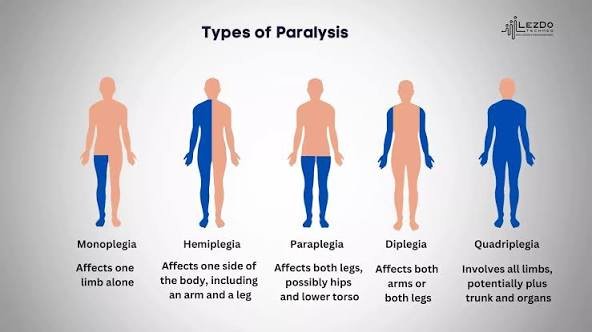
  • Monoplegia: It involves only one limb, e.g. one arm or one leg.
  • Hemiplegia: This occurs in an arm and a leg that are on the same side and can as well affect the face. Stroke often leads to hemiplegia.
  • Paraplegia: It is one that involves both legs and in some cases the torso. It is normally due to a spinal cord injury at the thoracic area, lumbar or sacral.
  • Quadriplegia (or Tetraplegia): This refers to any loss of movement in all 4 limbs (both arms and both legs) as well as in the torso. It is brought about by a high injury of the spinal cord, normally the neck.
  • Diplegia: This affects the same side of the body on both sides, like both legs or both sides of the face.
  • Locked-in syndrome: This is a very rare disorder, which an individual loses all of his or her muscles except those controlling eye movement. 

Types by muscle tone

  • Flaccid paralysis: Muscles are weak and limp as they can even slump. This occurs when nerves that trigger the muscles are killed. Flaccid paralysis was a typical symptom of polio.
  • Spastic paralysis: The involuntary jerks or spasms cause tightening and stiffness of the muscles. It is a result of the destruction of upper motor neurons which relay brain signals to spinal cord. Cerebral palsy is known to cause spastic paralysis.

Causes of Different Types of Paralysis

Different forms of paralysis are as a result of damage to the nervous system which impairs the ability to communicate between the brain, the spinal cord and the muscles. The nature and location of this damage can define the areas of the body that are impacted and the response of the muscles. 

The causes of different types of paralysis vary depending on which type is involved:

  • Monoplegia: This is usually due to cerebral palsy, brain, spinal cord, or limb injury or trauma. Others are stroke, tumor, inflammation of the nerve, neuropathy, multiple sclerosis, single-limb motor neuron disease.
  • Hemiplegia: It is typically due to brain injury or spinal cord injury (cerebrovascular accident), transient ischemic attacks, intracranial hemorrhage, brain trauma, brain tumor, cerebral palsy, encephalitis, multiple sclerosis, and other diseases of the nervous system.
  • Paraplegia: This is typically caused by either a spinal cord injury or disease of the thoracic, lumbar, or sacral portion. The causes are spinal cord trauma, tumors, infections, multiple sclerosis, lupus myelopathy, congenital malformations such as spina bifida, metabolic disorders, and cerebral palsy.
  • Quadriplegia (tetraplegia): The greatest cause is neck region spinal cord injury, trauma to the brain, nontraumatic brain damage, muscular dystrophies, stroke, cerebral palsy, and spinal cord or brain pathology.
  • Diplegia: It is frequently linked with brain damage or cerebral palsy before, during or soon after birth. Genetic predispositions, maternal infections, toxin exposure; perinatal/postnatal causes such as oxygen deprivation, meningitis, traumatic brain injuries, and vascular disorders affecting brain regions that perform motor control.

Symptoms and Diagnosis

Symptoms and Diagnosis of paralysis

The symptoms of paralysis may include the inability to move a limb to the absence of muscle control. Symptoms may be immediate, as with a stroke or spinal injury or may develop over time with such conditions as multiple sclerosis. 

Primary symptoms

  • Weakness of muscles: This is the most prevalent symptom. It may be total paralysis of the stricken part or partial paralysis, which is paresis.
  • Changes in sensation: A lot of individuals who have paralysis lose sensation in part or all of the injured part.
  • Abnormal muscle tone: This depends on the type of paralysis.
    • Flaccid paralysis: Causes muscles to become weak and limp.
    • Spastic paralysis: Causes muscles to become tight, stiff, and prone to involuntary jerks or spasms. 

Associated symptoms

  • Numbness or tingling in the limbs
  • Muscle cramps
  • Changes in sexual function
  • Loss of bowel or bladder control
  • Difficulty with balance or walking
  • Trouble breathing, speaking, or swallowing, especially with high spinal cord injuries
  • Pain or a stinging sensation caused by nerve damage

Diagnosis of paralysis

Diagnosis of paralysis is done by firstly confirming that the muscle control is lost and then finding the cause and the extent of the problem. 

Initial evaluation

  • Physical examination: A medical professional will conduct a complete neurological check-up, which involves determination of muscle strength, muscles, reflexes, tone, and sensation.
  • Medical history: The doctor will enquire as to when the symptoms started, when the injuries were suffered, or the medical conditions that might be involved. 

Diagnostic tests

  • X-ray: Utilised to detect fractured bones or any other skeletal conditions that may be leading to nerve damage.
  • Imaging scan (CT and MRI): This will give out-of-depth images of the brain, the spinal cord, and adjacent tissues. They can show symptoms of a stroke, a spinal cord injury, or other nerve damage.
  • Myelogram: Refers to a procedure where a special dye is injected into the spine column to identify the spinal cord and nerves on X-ray, CT or MRI.
  • Electromyogram (EMG) and Nerve Conduction Study (NCS): This is the test of electrical activity of nerves and muscles. They are able to assist a physician in deciding whether the problem is a muscle problem or nerve injury.
  • Spinal tap (lumbar puncture): A cerebrospinal fluid is taken and examined to avert any infection, inflammation, or ailment such as multiple sclerosis.
  • Blood tests: Could be performed to seek signs of inflammation or infections; other underlying conditions.

Treatment and Rehabilitation

The aim of treatment and rehabilitation of paralysis includes the maximum residual functioning, avoidance, and quality of life. Complete paralysis is incurable nowadays, although therapies that encourage recovery and adaptation have helped many.

Treatment Approaches

  • Physical therapy is designed to enhance muscle strength, range of motion and mobility using specific exercises. It also assists in muscle length and joint performance to avoid contractures and stiffness. Neuroplasticity or the capacity of the nervous system to rewire and adapt is promoted by task specific and repetitive exercises.
  • Occupational therapy aims at assisting one to feel independent in daily life activities like dressing, eating, grooming, and work. Therapists instruct adaptive skills, prescribe assistive aids and joint protective measures.
  • Drugs can be taken to treat either spasticity or pain, or inflammation of the muscles due to paralysis.
  • In other instances, surgery such as nerve repair, nerve transfer, or amputation can be taken into consideration depending on the cause of paralysis and its severity.
  • New treatment methods are stem cell therapy to repair the damaged nerve tissue and epidural electrical stimulation to aid recovery of voluntary motion below the level of injury. Brain-computer interfaces and robotics are also potential technologies being developed.

You may also like to read: Cardiometabolic Disease

Rehabilitation Focus

The rehabilitation programs focus on neuroplasticity with intensive training and exercise of the injured muscles and nerves, which can restore some motor control even many years post-injury.

  • Physical therapies can be enhanced by using mental practice, electrical stimulation, and other measures such as acupuncture.
  • Social and emotional support should be discussed to overcome the psychological effects and promote active involvement in recovery.

On the whole, the treatment plans are multidisciplinary and individualized, involving physical and occupational therapy, medical therapy, and the latest technologies in order to maximize the results of people with various forms of paralysis.

Bottom Line

In conclusion, paralysis can take many forms, each varying in severity, cause, and impact on daily life. By understanding the different types of paralysis, individuals and caregivers can better recognize symptoms, seek early medical help, and explore effective treatment options. Although in some cases it is permanent, technology, rehabilitation, and progress in therapy have been made to enhance mobility and quality of life giving hope and independence to the living case of paralysis.

FAQs

What is the difference between flaccid and placid?

A flaccid cell is one placed in an isotonic solution, where no net inflow or efflux of water into or out of the cell takes place. A plasmolysed cell on the other hand is a situation where a plant cell is exposed to a hypertonic solution and the cell membrane drags away the cell wall as the water is lost.

What is a placid person like?

Developed out of the Latin placidus meaning pleasing or gentle, placid is most often applied to someone not readily irritated or of water like a lake that lacks waves to cause ripples. In both senses, placid is a synonym of calm, serene and tranquil.

Can a person recover from paralysis?

A full recovery can be possible within a short period in case of mild strokes whereas the patient can be left paralyzed or die in case of the severe strokes. Location of the Stroke: This is of great significance in the process of recovery.

What is paralysis in medical terms?

(puh-RA-lih-sis) Loss of ability to move all or part of the body.

Can high BP cause paralysis?

A stroke affects your thinking, movement, and functioning since the brain takes control of these. Stroke may result in brain damage, paralysis or even death unless immediate treatment is administered. According to neurologists, the greatest risk of stroke is high blood pressure.

Cardiometabolic Disease: Causes, Risks, and How to Prevent It

Dr. Ahmad Shahzad
Founder | Lyallpur Diabetes Foundation
Consultant Diabetologist | Educator | Advocate for Preventive Care

Cardiometabolic disease is a group of related health conditions that impact the heart and metabolism (type 2 diabetes, obesity, high blood pressure, and cardiovascular disease). All of these conditions severely risk life-threatening events like heart attacks and strokes, making cardiometabolic disease one of the most significant health concerns in the world today. With the increasing number of sedentary lifestyles, poor diets, and the increasing levels of stress, the list of affected individuals is increasing. It is important to know what cardiometabolic disease is, why it develops, and how to prevent it to ensure long-term health and decrease the burden of chronic disease.

What Is Cardiometabolic Disease?

Cardiometabolic disease is a group of interconnected health conditions that elevate the risk of more severe cardiovascular problems, such as heart attack and stroke, and type 2 diabetes. Metabolic dysfunction, especially insulin resistance, tends to drive these conditions. 

What Conditions Fall Under Cardiometabolic Disease?

Cardiometabolic disease is a family of interrelated diseases occurring as a result of metabolic and cardiovascular problems. The best known conditions are: 

  • Cardiovascular disease: A wide term to denote diseases of the heart and blood vessels. They are coronary artery disease, heart attack, heart failure, and stroke.
  • Type 2 diabetes and prediabetes: High sugar levels in the body because of insulin resistance, when cells in the body do not react to insulin properly.
  • Chronic kidney disease (CKD): A disease in which the kidney performance fades slowly. It is often combined with diabetes and hypertension, and exacerbate other cardiometabolic disorders.
  • Metabolic syndrome: It is diagnosed when an individual has three or more of the following:
    • Abdominal obesity: Excess fat around the waist.
    • High triglycerides: A type of fat found in the blood.
    • Low “good” HDL cholesterol: A type of cholesterol that helps remove other forms of cholesterol from your bloodstream.
    • High blood pressure (hypertension): Persistently high force of blood against the artery walls.
    • High blood sugar: A precursor to prediabetes and type 2 diabetes.
  • Nonalcoholic fatty liver disease (NAFLD): This condition is associated with fat accumulation in the liver and is not linked to excessive alcohol consumption.
  • Obesity: Obesity (particularly central/abdominal) is regarded as a major cause of numerous other cardiometabolic disorders.
  • Dyslipidemia: Lack of balance of lipids (fats) in the blood such as high triglycerides as well as high bad (LDL) cholesterol. 

The occurrence of one or more of these conditions can elevate the risk of others and cause a more serious outcome, which is why all these risk factors should be managed.

What Causes Cardiometabolic Disease?

A complicated combination of genetic, lifestyle and environmental agents causes cardiometabolic disease, which results in metabolic dysfunction and insulin resistance is a central factor. Key contributors include: 

Genetic and biological factors

  • Genetic predisposition: A family history substantially risk of development of cardiometabolic disorders such as obesity, insulin resistance, and hypertension.
  • Insulin resistance: This is a symptom of the cardiometabolic disease; the body cells are unresponsive to insulin. Body fat, especially the abdominal fat, is a significant cause of insulin resistance.
  • Chronic inflammation: A state of inflammation in the body caused by too much fat tissue contributes to insulin resistance and damages the walls of blood vessels.
  • Hormonal changes: The synthesis of hormones involved in metabolism in the body, such as leptin and adiponectin, may also be affected, which also adds to insulin resistance.
  • Dyslipidemia: Abnormal blood lipids, like elevated triglycerides and low-density lipoprotein (HDL) cholesterol, predispose. 

Lifestyle and environmental factors

  • Poor diet: Diets rich in calories, saturated and trans fats, added sugars, and sodium, and low in fruits and vegetables, contribute to the growth of obesity and insulin resistance.
  • Physical inactivity: An inactive lifestyle is a major risk factor, because exercise can positively impact insulin sensitivity and other cardiometabolic risk factors.
  • Obesity: Excess body fat, particularly abdominal, is a significant source of cardiometabolic risk factors such as insulin resistance, hypertension, and inflammation.
  • Stress: Systemic inflammation and cardiometabolic disease can be promoted by chronic psychosocial stress and toxic environmental stress, such as air pollution.
  • Sleep patterns: Abnormal sleep duration, including less than 7 hours or over 9 hours of sleep per night, has been associated with high rate of cardiometabolic illnesses.
  • Tobacco and alcohol use: Smoking and heavy drinking can elevate blood pressure and cholesterol, thereby risking the development of cardiometabolic complications. 

Interconnections

The personal risk factors tend to interact in a compounding response that enhances the risk. As an example, obesity may cause insulin resistance, which in turn may cause high blood pressure and abnormal cholesterol, culminating in the risk of a heart attack or stroke.

Signs and Symptoms You Shouldn’t Ignore

Cardiometabolic disease is a group of metabolic diseases that predispose to heart attack and stroke. The symptoms and signs of a cardiometabolic disease are usually associated with metabolic and cardiovascular abnormalities.

Common Signs and Symptoms

  • Hypertension (usually more than 130/80 mmHg)
  • High blood sugar level (100 mg/dL and over)
  • Higher waist circumference (apple-shaped; over 40 inches in men, over 35 in women)
  • Abnormal cholesterol levels: high triglycerides (>150mg/dL), low HDL cholesterol (<40mg/dLin men, <50mg/dLin women)
  • Impaired glucose tolerance and insulin resistance can lead to thirst, frequent urination, fatigue, and blurred vision.
  • Angina or other cardiovascular disease-related chest pain or discomfort.
  • Heart dysfunction can cause shortness of breath and fatigue.
  • Narrowed blood vessels cause pain, numbness, weakness, or coldness in limbs.
  • Symptoms indicating abnormal heart rhythm, like palpitations, dizziness or fainting.
  • Alterations in urine production and inflammatory stress indicators.

Main risk factors

Several lifestyle and biological factors can increase a person’s risk for cardiometabolic disease: 

  • Unhealthy diet
  • Physical inactivity
  • Obesity
  • Excessive alcohol consumption
  • Smoking
  • Family history and genetics
  • Increasing age

Prevention and treatment

Prevention and management may include active lifestyle changes: 

  • Dietary supplementation: Emphasizing nutritious food and portions.
  • Increasing exercise: Exercising regularly may help manage weight and sugar levels.
  • Weight loss: Weight loss, even in small amounts, can be of great health benefit.
  • Drugs: Prescription medications are possible to regulate blood pressure, cholesterol, or sugar levels.
  • Avoiding alcoholism and cigarette use.
  • Managing stress. 

It is important to identify the risk factors at the initial stages to minimize the possibility of developing severe complications.

You may also like to read: Link between Diabetes and Heart Disease

Treatment and Management Options

Treatment and Management Options of Cardiometabolic Disease
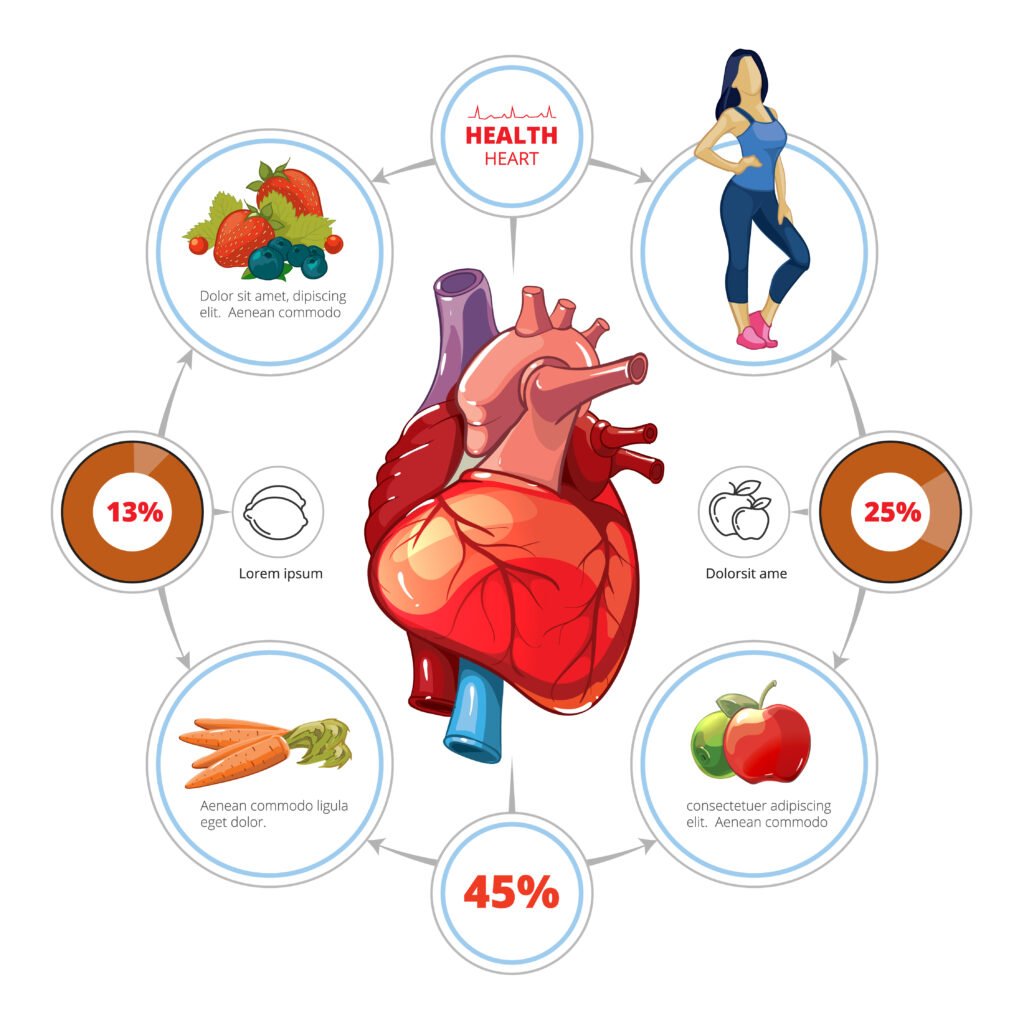
Heart medical vector infographics. Organ and nutrition for healthcare, vegetable and vitamin, fruit illustration

Cardiometabolic disease is treated and managed to decrease risk factors and stop cardiovascular events by lifestyle changes, pharmaceuticals, and occasionally surgery.

Lifestyle Interventions

  • Physical exercise: Moderate exercise taken regularly enhances insulin sensitivity, blood pressure, and lipid profiles.
  • Weight control: Dietary and physical weight loss may lower cardiometabolic risk to a great extent.
  • Diet: A heart-healthy diet eliminates saturated fats, trans fats, salt, and sugars, and includes abundant fruits, vegetables, whole grains, and lean proteins.
  • Cessation of smoking and alcohol moderation are essential in lowering general cardiovascular risk.

Pharmacological Treatments

  • Blood pressure management: ACE-inhibitor, ARB, beta-blocker and diuretic antihypertensive drugs.
  • Lipid control: Statins and other lipid-lowering medications to lower LDL cholesterol and triglycerides.
  • Glycemic regulation: Metformin, SGLT-2, and GLP-1 receptor agonist antidiabetic drugs are used to regulate blood sugar and minimize cardiovascular risks.
  • Drugs can also treat prothrombotic conditions and inflammation related to cardiometabolic disease.

Surgical and Procedural Interventions

  • In selected cases with severe obesity, bariatric surgery may be considered.
  • Revascularization procedures may be necessary for advanced coronary artery disease.

Ongoing Monitoring and Risk Factor Management

  • Periodic blood pressure, blood sugar, lipid, and waist circumference measurements.
  • Treating other conditions like sleep apnea, stress, and mental health can also enhance the results.
  • Individualized strategies that incorporate patient preferences and comorbidities promote efficacy.

Treatment involves a multidisciplinary approach that incorporates lifestyle change, medications, and occasionally surgery in order to reduce cardiovascular risk and enhance metabolic health.

Final Thoughts

In conclusion, cardiometabolic disease represents a growing global health concern, but it is largely preventable with the right approach. A balanced diet, physical activity, healthy weight, and regular health checks all help people dramatically decrease the risk. Prevention of severe complications depends on early diagnosis and proactive treatment of diseases such as diabetes, high cholesterol, and hypertension. The current understanding of cardiometabolic disease is paramount to protect the health of the heart and enhance overall well-being in the future.

FAQs

What are the top 3 metabolic diseases?

Metabolic syndrome is set of disorders that pose the risk of heart disease, stroke and type 2 diabetes. These are high blood pressure, high blood sugar, excess fat around the waist and high cholesterol or triglyceride levels.

What part of the body does cardiometabolic disease affect?

Cardiometabolic diseases refer to a range of prevalent yet frequently preventable diseases such as heart attack, stroke, diabetes, insulin resistance and non-alcoholic fatty liver disease. The number of people who experience one or more of these conditions in their lifetime is on the rise across the globe.

Is hypertension a cardiometabolic disease?

The components of the cardiometabolic syndrome include insulin resistance/hyperinsulinemia, central obesity, dyslipidemia, hypertension, microalbuminuria, increased inflammation, and oxidative stress.


The Link between Diabetes and Heart Disease

Dr. Ahmad Shahzad
Founder | Lyallpur Diabetes Foundation
Consultant Diabetologist | Educator | Advocate for Preventive Care

Two of the most prevalent issues in the world are diabetes and heart disease, and studies indicate that the two are inter-related. High blood sugar, insulin resistance, and other diseases such as high blood pressure and obesity predispose people with diabetes to cardiovascular issues. The connection between diabetes and heart disease is crucial in the prevention and early detection and management of the two diseases.

Understanding Diabetes and Heart Disease

The connection between diabetes and heart disease

Continued elevated blood sugar (glucose) with time may damage your blood vessels and nerves that operate your heart. Such damage is a contributor to several heart issues:

·       Atherosclerosis: High blood glucose enhances the deposition of fats within the artery walls a condition referred to as atherosclerosis. This constricts the arteries and decreases the circulation of oxygen-laden blood that may cause a heart attack.

·       High blood pressure: Due to the hardening of arteries by plaque, the heart must work harder, which elevates blood pressure. This additional tension also ruins the blood vessels and poses more risk of cardiovascular occurrences.

·       Bogus cholesterol: Type 2 diabetes comes with bad cholesterol, namely, high triglycerides, high LDL (bad cholesterol), and low HDL (good cholesterol). This mixture increases the rate in which arteries are blocked with plaque.

·       Heart failure: Diabetes predisposes one to heart failure, a condition in which the heart loses its ability to pump blood. This may cause the accumulation of fluids in the lungs and the swelling of the legs.

Shared Risk Factors between Diabetes and Heart Disease

Shared Risk Factors between Diabetes and Heart Disease

Diabetes and heart disease are closely linked by a set of shared risk factors, suggesting a “common soil” from which both conditions can develop. These factors accelerate the development of vascular damage and inflammation, increasing the risk of serious health problems. 

Metabolic syndrome

Metabolic syndrome is a group of disorders that are often comorbid and elevated risks of developing type 2 diabetes and cardiovascular disease. Key components include:

  • Abdominal obesity: Fat around the waist is a significant risk factor and facilitates insulin resistance through the release of inflammatory chemicals.
  • High blood pressure (Hypertension): The high blood pressure ruins the arteries and overworks the heart. The CDC reports that when the blood pressure and diabetes work together, the risks of heart disease are high.
  • Ab normal cholesterol (Dyslipidemia): High triglycerides, high LDL (bad) cholesterol, and low HDL (good) cholesterol. This profile is typical of individuals who are insulin resistant and hastens the formation of plaque in the arteries.
  • High blood sugar: Elevated blood glucose, even in prediabetes levels, can cause blood vessels and nerves damage in the long term. 

Insulin resistance

One of the key links between these conditions, in particular, type 2 diabetes and heart disease, is insulin resistance.

  • It is a condition that is caused by the body cells failing to respond to insulin normally. It results in the pancreas producing more of the hormone to keep blood glucose normal.
  • It may result in type 2 diabetes, but long before that, it may on its own cause high blood pressure, inflammation, and abnormal lipids, all of which damage the heart. 

Chronic inflammation

Hardening of the arteries that cause heart disease is now realized to have a major inflammatory factor known as atherosclerosis.

  • Diabetes is an inflammatory condition, and sustained high blood sugar and excess body fat may result in an immune reaction that harms blood vessels.
  • This grade of inflammation disrupts the ability of insulin, producing a feedback mechanism that increases both diabetes and cardiovascular risk. 

Lifestyle choices

Lifestyle behavior changes are very significant in the development and exacerbation of both conditions.

  • Physical inactivity: Sedentary lifestyle is a direct cause of obesity, insulin resistance and poor heart health.
  • Poor diet: Eating a diet rich in saturated fats, trans fats, sodium and sugar leads to obesity, hypertension and abnormal cholesterol levels.
  • Obesity: Obesity, especially in the abdomen, is a potent cause of type 2 diabetes as well as heart disease.
  • Smoking: Tobacco burns blood vessels, elevates the blood pressure, and poses a significant risk of heart disease and diabetes. 

Age, gender, and family history

Non-modifiable factors also increased risk.

  • Age: Risk of both heart disease and diabetes is more when you are older.
  • Family history: A family history of heart disease or diabetes puts you at risk.
  • Gender: Women are at a relative risk of cardiovascular disease and death than men with diabetes.

Signs and Symptoms to Watch For

For individuals with diabetes, recognizing the signs of heart disease and related complications like heart attack and stroke is critically important because the symptoms can be atypical and less obvious. This is often due to a condition called autonomic neuropathy, or nerve damage, which can mask the typical chest pain associated with heart attacks. 

Atypical heart attack symptoms for people with diabetes

Although anyone may have a silent heart attack, they are more prevalent in diabetic patients. Note the following less noticeable signs:

  • Pain of indigestion or heartburn-like: Pain in the stomach area that can be confused with a gastrointestinal condition.
  • Abnormal or inexplicable fatigue: Intense or debilitating fatigue that restricts you in carrying out everyday tasks.
  • Shortness of breath: Windedness with little to no exercise, or rest.
  • Jaw, neck, back, or arm pain: Pain that radiates to the upper body, one of the significant signs of diabetes in women.
  • Lightheadedness or dizziness: Faint or dizzy with or without a cold sweat.
  • Nausea or vomiting: Falling ill in the stomach or vomiting. 

Symptoms of heart failure

Heart failure, where the heart can’t pump blood effectively, is a serious complication of diabetes. It can lead to a buildup of fluid in the body. Look for these signs: 

  • Shortness of breath: This may occur during activity, at rest, or when lying flat.
  • Swelling (edema): Swelling of the feet, ankles, and legs caused by fluid buildup.
  • Fatigue: Feeling exhausted and run-down.
  • Persistent cough or wheezing: Caused by fluid accumulating in the lungs. 

Signs of a stroke

A stroke occurs when blood flow to the brain is blocked, and it is a major risk for people with diabetes. The National Stroke Foundation recommends the acronym F.A.S.T. to remember the warning signs: 

  • F—Face drooping: Is one side of the face numb or drooping? Is the person’s smile uneven?
  • A—Arm weakness: Is one arm weak or numb? Ask the person to raise both arms. Does one arm drift downward?
  • S—Speech difficulty: Is the person’s speech slurred? Are they unable to speak or hard to understand?
  • T—Time to get help: If you see any of these signs, even if they go away, call emergency services immediately. 

Act fast in an emergency

No matter how strong the symptoms are, when you or someone with diabetes experiences what may be signs of a heart attack or a stroke, call an ambulance. It is safer and faster to call an ambulance as first responders can be treated on their way to hospital.

Prevention and Management Strategies

These are just a few, brief, points of each prevention and management strategy:

  • Eat well: Focus on whole and plant-based food and limit processed foods, excessive sugar, and saturated fat to manage the level of blood sugar, cholesterol, and blood pressure.
  • Exercise More: Get at least 150 minutes of moderate aerobic activity per week to enhance insulin sensitivity, heart strengthening and weight control.
  • Maintain a normal weight: Even a small loss of weight helps a lot by lowering blood pressure, cholesterol and blood sugar.
  • First, stop smoking and moderate alcohol: Smoking and excessive use of alcohol harm the blood vessels and can greatly risk a heart attack, so it is essential to quit and reduce use.
  • Learn to deal with stress: Relax or apply other healthy coping skills to reduce blood pressure and prevent bad habits that stress usually leads to.
  • Focus on great sleep: 7 to 9 hours of great sleep each night can aid in normalizing blood pressure and causing inflammation.

Final Thoughts

The connection between diabetes and heart disease highlights the need for proactive care and healthier lifestyle choices. By managing blood sugar, controlling blood pressure and cholesterol, and adopting daily habits that support heart health, individuals can lower their risk of serious complications. With early intervention and consistent medical guidance, it is possible to live well with diabetes while protecting long-term heart health.

You may also like to read: Benefits of Social Support for Diabetes Management

FAQs

How is the heart affected by diabetes?

Diabetes causes high blood glucose, which can harm your blood vessels and nerves that run your heart and blood vessels. In the long run, this damage may cause heart disease.

What is a diabetes silent heart attack?

However, these are not the typical symptoms of everyone. Indeed, others suffer what is known as a silent heart attack, that is, no symptoms whatsoever, mild symptoms or some unusual symptoms (not typically related to a heart attack).

How long can you live with heart disease and diabetes?

The numbers were even more alarming among the patients of younger age. A 40-year-old man with all three cardiometabolic conditions would have on average a 23-year lower life expectancy than a 40-year-old woman with the same conditions.

How to check heart blockage at home?

Home diagnosis of heart blockage is not possible because it involves tests such as ECG or cardiac catheterization. Nevertheless, at home, you can take care of your heart by measuring blood pressure and resting heart rate, noting such symptoms as chest pain or difficulty breathing, and noting how well you can perform such activities as a stair test. In case of alarming symptoms, it is important to visit a medical worker, who could diagnose and treat you properly.