

Dr. Ahmad Shahzad
Founder | Lyallpur Diabetes Foundation
Consultant Diabetologist | Educator | Advocate for Preventive Care
Diabetes weighs heavily on health systems worldwide, hitting countless lives. But some folks – commonly labeled “special populations” – deal with tougher hurdles than others. Whether it’s kids, expectant mothers, seniors, marginalized ethnic groups, individuals with disabilities, or those struggling financially, handling diabetes means using custom approaches. Here’s a look at these communities, the real struggles they encounter, along with down-to-earth solutions that can make care more effective.
Understanding Special Populations in Diabetes
“Special populations” means people whose bodies, age, or living situations need different ways to manage diabetes. This might cover kids and teens, women who are expecting, seniors, cultural communities, or folks dealing with extra medical or life struggles. Their requirements usually aren’t fully met by regular treatment rules. Studies show young people, elderly patients, and underrepresented groups face higher risks of serious issues – so their care should be more tailored.
Social factors such as cultural background, healthcare availability, or spoken language can shape results – so fixing care alone isn’t enough.
Diabetes in Children and Adolescents
Diabetes among young people’s showing up way more these days – not just type 1, but type 2 too, which keeps rising. Kids deal with unique struggles like changing bodies, handling class and friends, also serious long-term risks when blood sugar isn’t kept in check.
Take mealtime insulin – juggling it during growth surges or puberty gets tricky. Exercise, daily routines that shift without warning pile on top of this stress. Danger of serious issues like DKA hits harder in teens and kids.
A child’s treatment works better when home and classroom stay involved. Parents plus kids need clear info, regular check-ins, while having people they can count on. Experts usually suggest adjusting aims – like aiming for slightly higher blood sugar levels in little ones – to steer clear of low crashes.
Diabetes in Pregnant Women (Gestational & Pre-existing)
Pregnancy can get trickier if diabetes shows up. When blood sugar problems start mid-pregnancy – called GDM – it doesn’t just impact mom, but the baby too.
Women dealing with gestational diabetes tend to have more health issues during pregnancy – meanwhile, their newborns often come out larger than average. These infants might struggle with low blood sugar right after birth while also facing a greater chance of becoming overweight later in life or developing type 2 diabetes down the road
Keeping levels in check means watching glucose closely, eating steady meals – maybe using insulin if things get off track. Checks usually happen between 24 to 28 weeks, but those with higher chances might face tests sooner.
Once they’ve had a baby, females who had high blood sugar during pregnancy are more likely to get adult-onset diabetes later. Pregnancy means managing diabetes more closely – keeping both mom and baby safe, adjusting goals as needed, while also checking in after birth.
Diabetes in Older Adults
The rate of diabetes goes up as people get older. Managing it in seniors often means dealing with extra issues – like long-term health conditions, trouble moving around, poor eyesight or hearing, taking several drugs at once, also a higher chance of falling or losing mental sharpness.
Goals sometimes change because low blood sugar could become more likely, yet health span, daily function or existing conditions can move priorities away from tight glucose control – focusing instead on feeling better and staying safe.
Plans involve easier pill routines, more focus on movement that fits how well someone can get around, tackling loneliness, also making sure they can see a doctor when needed. A single method doesn’t work for everyone here.
Diabetes in Ethnic and Minority Groups
Ethnic minorities and certain racial groups often face higher rates of diabetes and worse outcomes. Genetic predisposition, cultural diet patterns, socioeconomic status, and healthcare access all intersects.
Barriers include language, health literacy, cultural beliefs about disease and care, and distrust or disconnection from healthcare systems. Interventions must be culturally sensitive, linguistically appropriate, and socially attuned.
For example, identifying diet and activity patterns in a community and adapting education materials accordingly can make a big difference. So can involve community leaders, use peer-support models, and reduce structural barriers like cost and transport.
People with Disabilities, Mental Health Conditions & Socioeconomic Challenges
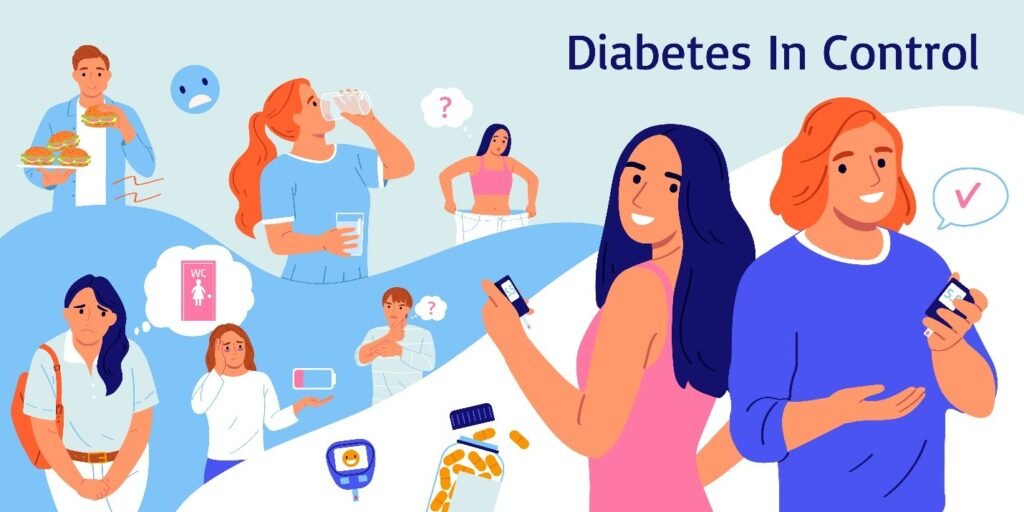
Diabetes rarely shows up alone. Those dealing with mobility issues or emotional challenges usually find it tough to stick to treatments, manage meals, or stay active – yet these things matter just as much. Trouble thinking clearly or feeling down can make it hard to notice when blood sugar spikes or drops, even though catching those changes is key.
Socioeconomic struggles – like low wages, not knowing where your next meal’s coming from, shaky living situations, or clinics that are hard to reach – pile on extra dangers. People dealing with these issues might run into constant health setbacks, get diagnosed late, or simply lack what they need to stay properly treated. Care crews shouldn’t fixate on blood sugar alone – hook patients up with community help, link them to counselors when needed, guide pill routines carefully, yet keep learning materials easy to reach.
You may also like to read: Diabetes and Aging
Technology and Tailored Care Approaches
Tools like CGMs let people manage blood sugar more easily – especially when they face travel troubles or live far from clinics. Telehealth, phone-based programs, plus online tracking give support without needing in-person visits.
Still, tech needs tweaks – seniors might do better with easier controls, while kids could use oversight from parents, whereas folks in poorer areas often miss out on steady connections or gadgets.
Personalized care plans make a difference – by building achievable targets, respecting daily life limits, bringing in loved ones or local support, while keeping track of how things go. When teaching and guidance fit the unique needs of people, they’re more likely to take part – and see real results.
Prevention and Management Strategies
Prevention and management of diabetes in special populations call for multi-layered strategies:
- Early screening and diagnosis in high-risk groups (children of diabetic parents, pregnant women, older adults)
- Education and support tailored to age, culture, language and health literacy
- Lifestyle interventions including healthy nutrition, regular activity, weight management and reducing sedentary behavior
- Medication and monitoring plans adapted to each patient’s context and comorbidities
- Addressing social determinants of health: ensuring access to care, healthy food, safe exercise opportunities and stable social support
- Coordinated care teams: involving endocrinologists, primary care, dietitians, educators, community health workers, mental-health professionals
Conclusion
Diabetes hits different groups in ways that don’t always get noticed. Kids, moms-to-be, seniors, folks from minority backgrounds, those managing disabilities or tough financial situations – each requires a distinct approach to care. When we pay attention to what they face, use custom methods, lean into digital tools, and push for fair access, results tend to get better across the board. Doctors, family helpers, individuals with the condition, neighbors – all must step outside one-size-fits-all rules, seeing every patient as someone with their own story.
