Dr. Ahmad Shahzad
Founder | Lyallpur Diabetes Foundation
Consultant Diabetologist | Educator | Advocate for Preventive Care
Smoking is not just a lung killer but a killer of metabolism in the body. Metabolic health is the ability of the body to regulate blood sugar, cholesterol, blood pressure and fat distribution which are essential to long-term wellness. Smoking has a strong effect on metabolic health by causing insulin resistance, type 2 diabetes, and cardiovascular disease. Being aware of such effects would allow noting the necessity to quit smoking and make healthier lifestyle choices.
Understanding Metabolic Health
Metabolic health is the best process of your body to transform food into energy and internal harmony. Clinically it is often considered to be within a healthy range with five key markers without medication. A healthy metabolism means you have a lower risk of developing chronic conditions like Type 2 diabetes, heart disease, and stroke.
How Smoking Affects the Body
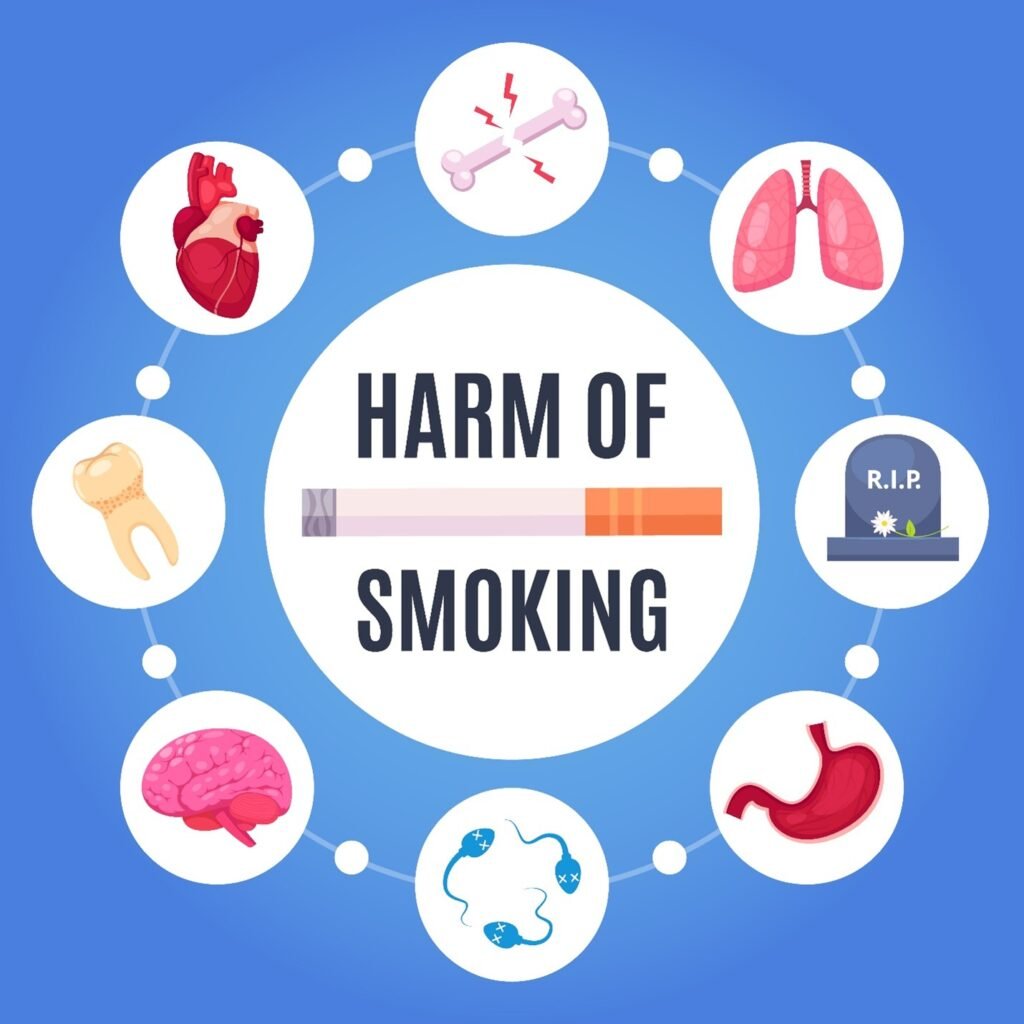
Smoking is the primary cause of preventable illness and death, damaging almost every organ in the body. Tobacco smoke has over 7,000 chemicals and at least 70 of them are known to cause cancer. The toxicity is long and short-term and affects multiple body systems.
Respiratory system
- Lung damage: Tobacco smoke is extremely harmful to the airways and the small air sacs (alveoli) in the lungs where carbon dioxide takes the place of oxygen. This destruction begins immediately after you start smoking and only gets worse.
- Mucus and cilia damage: Smoking makes the cells that produce mucus in your lungs and airways increase in size and number, resulting in excess mucus. Meanwhile, it immobilizes and destroys the cilia, the hair-like projections that sweep out mucus and foreign bodies in your lungs. The outcome is chronic cough of the smoker and a higher chance of respiratory infection.
- Chronic Obstructive Pulmonary Disease (COPD): The leading condition is Chronic Bronchitis and emphysema upon smoking. These lung diseases are progressive and block the airflow resulting in shortness of breath, coughing and fatigue.
- Lung cancer: Tobacco smoke has chemicals that damage DNA, making cells grow abnormally result in cancer. In many cases, lung cancer is associated with smoking.
Cardiovascular system
- Damaged blood vessels: Nicotine and other chemicals in cigarette smoke harm the lining of blood vessels making them thicker and narrower. This is known as atherosclerosis, and it elevates blood pressure making the heart work harder.
- Low oxygenation: Oxygen that is needed to transport oxygen to the heart, muscles, and other tissues is displaced by carbon monoxide in cigarette smoke in red blood cells. This may cause shortness of breath and a loss of physical strength.
- Blood clots: Smoking increases the stickiness of blood and its ability to clot, thereby obstructing blood flow to the brain and heart. This puts one at great risk of heart attack or stroke.
- Peripheral Artery Disease (PAD): PAD is caused by smoking, in which the arteries are narrowed, limiting the blood supply to the limbs. This may give rise to amputation in acute cases.
Nervous system and addiction
- Nicotine dependence: Nicotine is a very addictive medication, and it works via the brain reward systems. It also releases endorphins such as dopamine and adrenaline which produce short-term pleasurable, alert and relaxation effects.
- Withdrawal symptoms: When nicotine has been used, the brain will demand more, and it will result in withdrawal symptoms including anxiety, irritation, and depression.
- Cognitive effects: Although nicotine may have a short-term effect on concentration, chronic smoking is linked to deterioration of cognitive capacity and dementia.
Reproductive system
- Fertility issues: Smoking may impair the reproductive system of a woman, as well as influence her hormones, making childbearing more difficult. It can cause erectile dysfunction and lower the sperm quality in men.
- Pregnancy complications: Pregnancy smoking is associated with a higher risk of miscarriage, still birth, preterm delivery and low birth weight.
Other health effects
- Cancer: Smoking is also a significant risk factor for numerous other types of cancer, such as the mouth, throat, kidney, liver, bladder, stomach, and pancreas.
- Oral health: Tar stains the teeth and coats the mouth and throat, causing tooth decay, gum disease, and loss of taste and smell.
- Skin and appearance: Smoking may make skin age too fast leading to wrinkles and sagging. It also leaves yellow, brown-colored stains in the nails and fingers.
- Crippled immune system: The immune system is weakened by the toxic chemicals in smoke, leaving smokers prone to infection and autoimmune diseases.
- Other diseases: Smoking predisposes other diseases, such as osteoporosis, cataracts, and Type 2 diabetes.
Notable point: There is no safe amount of tobacco smoking. But these adverse effects can be reversed by quitting smoking and health can dramatically improve with time.
Benefits of Quitting Smoking for Metabolic Health

Smoking is a major cause of avoidable illness and fatality that damages almost all organs. There are over 7,000 chemicals in tobacco smoke, and at least 70 are cancer-causing chemicals. The toxic impacts are acute and chronic and affect multiple body systems.
- Enhanced Insulin Sensitivity: Quitting Smoking improves insulin sensitivity much faster, and this decreases the chances of type 2 diabetes. This is despite no major changes in body weight or fat mass at the beginning.
- Fat Distribution Changes: Transiently increased central fat may occur after cessation of smoking but fat is then redistributed to other areas such as the thighs that are more metabolically benign.
- Lessens the Risk of Metabolic Syndrome: Smokers are more prone to metabolic syndrome which is a high level of triglycerides, low levels of HDL cholesterol, and insulin resistance. The risks decrease with time as the person stops smoking.
- Improved Glucose Metabolism: Quitting results in enhanced hepatic glucose output and improved glucose uptake by muscles to aid improved carbohydrate metabolism.
- Lipid Profile Reduction: quit smoking decreases high triglycerides and raises HDL cholesterol, reducing cardiovascular risk.
You may also like to read: Role of Stress Management in Diabetes Prevention
Additional Considerations
- Quitting smoking leads to gaining weight because metabolism is slower, but the metabolic changes are more significant.
- The beneficial impact of smoking cessation on metabolism is more with the longer the period of cessation.
- Smoking elevates insulin-antagonistic hormones and fat metabolism leading to metabolic dysfunction- a process reversed by stopping.
Final Thoughts
The effect of smoking on metabolic health cannot be overlooked and is reported to be related to insulin resistance, diabetes, and increased cardiometabolic risks. Smoking cessation does not only enhance lung and heart functions but also increases metabolism. With the help of positive lifestyle changes and support, people can defend their long-term health and minimize the severe risks that smoking is causing.
FAQs
How much does smoking raise your metabolism?
Others are related to the action of nicotine on your body. Nicotine in cigarettes makes your metabolism faster. Nicotine enhances caloric burn by approximately between 7 and 15 percent at rest. Your body also can burn food slowly without cigarettes.
How does smoking affect bone metabolism?
The high concentration of glucocorticoid in smokers modulates bone metabolism and lowers bone mass directly by modifying the functions of osteoblast and osteoclast or indirectly by changing the gastrointestinal absorption and renal reabsorption of calcium.
Does smoking cause muscle loss?
These gaseous components of tobacco smoke migrate into the circulatory system and to the skeletal muscle tissues, which can impact their metabolism and protein disorders, which cause muscle damage. Long-term smoking can also lead to weight and muscle mass loss and atrophy of muscle fibers.
How many calories does smoking burn?
“You burn about 250 calories if you smoke a pack a day. So, when you quit and your metabolism slows down, your body has these extra calories it has to deal with, and many people gain weight.” Most people gain about two pounds during the first couple of weeks after quitting, Purcell says.