Dr. Ahmad Shahzad
Founder | Lyallpur Diabetes Foundation
Consultant Diabetologist | Educator | Advocate for Preventive Care
Diabetes is a disease with a long-term course that millions of people in the world live with -everyday exercises, change of lifestyle, and in most cases daily pills or insulin are needed. Although this is manageable, people tend to pose this question: is diabetes a disability? This greatly affects the daily activities, work duties and quality of life to many individuals. The question most have would be, is diabetes a disability in law? The response might amaze you. This article will address that issue in terms of the legal perspective of diabetes, entitlement and safeguard of people with diabetes in the workplace and their educational experience, as well as whether there is a disability status assigned to diabetes. Being aware of them can enable people with diabetes to make more effort in taking control of their health and legal rights.
Is Diabetes a Disability Under the Law?
Truly, in many nations, diabetes type 1 and type 2 are acknowledged by law as disability. Since diabetes greatly affects endocrine function, a vital bodily function, the Americans with Disabilities Act (ADA) in the US. Similar rights are also included in federally financed programs under the Rehabilitation Act. Although people may have to provide proof of how their disabilities limit their everyday activities to be entitled to.
Both Type 1 and Type 2 diabetes that are managed with insulin are frequently covered by the Equality Act 2010 in the UK. If diabetes has a crucial, long-term impact on everyday life, it can be considered a handicap based on a reasonable individual assessment.
Diabetes is usually recognized as a disability in Canada and other jurisdictions, which offer appropriate legal protections and accommodations.
Can You Get Disability Benefits for Diabetes?
Not every person with diabetes is eligible for Supplemental Security Income (SSI) or Socia Security Disability Insurance (SSDI). The disease must be serious enough to keep you from working full-time for at least a year, or it must be expected to cause death, in case for you to be considered payments.
What the SSA Looks For
The Blue Book listings, specifically the parts on endocrine abnormalities and related problems, are used by the Social Security Administration. To be admissible, you had to:
- Enduring and completely recorded medical evidence (lab results, notes from specialists, hospitalization records).
- A history of disease that includes recurrent hospital admissions or medical treatments, as well as clinical evidence that your symptoms prevent you from working full-time.
When Diabetes Becomes Disabling
Diabetes can become incapacitating when its symptoms severely interfere with day-to-day functioning. Key circumstances are as follows:
Repeated Hypoglycemia or Hyperglycemia
Disorientation, convulsions, and even unconsciousness are brought on by frequent low or high blood sugar. According to studies, mild hypoglycemia can cause blurred vision and make driving dangerous, even in the absence of warning symptoms, presenting considerable risks in day-to-day activities.
Cognitive Fatigue or Depression
Many diabetics report feeling extremely exhausted:
“The exhaustion is simply unbearable… It is like having the flu.”
Clinical depression is reported by 20-30% of people, illustrating the prevalence of mood disorders. This emotional stress could worsen blood sugar regulation and further impede productivity and creative thinking.
Limitations on Physical Activity or Driving
Walking, exercising, and doing housework can be restricted by neuropathy, balance issues, and vision problems. Hypoglycemia-related cognitive and coordination problems might result in license suspension or auto accidents.
When Quality of Life Suffers
When diabetes is debilitating, symptoms generally affect mental health, physical health, mobility, and safety, making it impossible or difficult to retain full-time employment. It’s a abrupt shift from sporadic management to a continuous battle to carry out everyday tasks.
You may also like to read: Is diabetes reversible?
Managing Diabetes and Maintaining Independence
Many people with diabetes live full, independent lives- thanks to a combination of good practices, modern innovations, and strong community support.
Modern Diabetes Technology
Smart insulin pumps and Continuous Glucose Monitors (CGMs) are two examples of devices that have revolutionized healthcare. Research indicates that both Type 1 and Type CGM users have better blood sugar management (lower A1C), fewer hypoglycemia episodes, and an enhanced quality of life. By providing trend data and real-time notifications, these solutions enable users to stay within range and prevent emergency situations.
Lifestyle & Self-Management
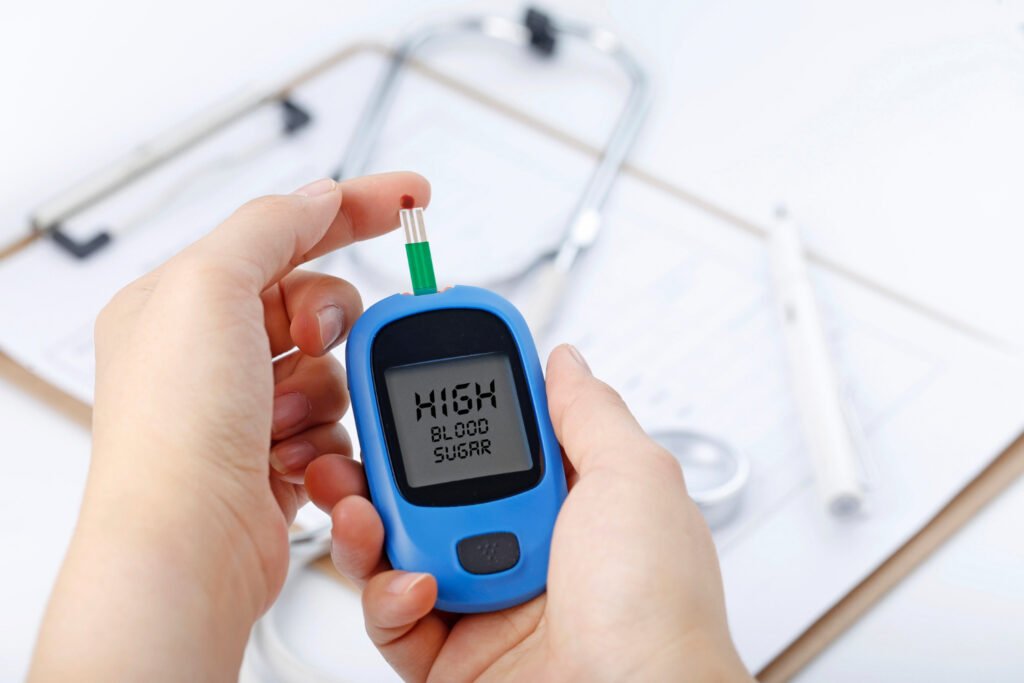
Beyond technology, regular exercise, medication adherence, balanced diet, and frequent checkups with the doctor are all common components of good diabetes treatment. Maintaining independence is aided by tried-and-true self-care techniques including fingerstick monitoring, dental and foot maintenance, and sick day preparation.
Community & Peer Support
Support networks, such online forums like TuDiabetes, bring together individuals dealing with comparable issues and provide direction, emotional support, and motivation. Furthermore, peer-driven education initiatives and organizations contribute to stigma reductions and resilience building.
Disability as Strength, Not Stigma
It is not a sign of weakness to accept diabetes as a limitation; rather, it is an admission of the need for assistance. Requesting appropriate accommodation, such as breaks or flexible work schedules, is a proactive way to preserve your health and freedom.