
Dr. Ahmad Shahzad
Founder | Lyallpur Diabetes Foundation
Consultant Diabetologist | Educator | Advocate for Preventive Care
Pneumonia is a serious lung infection that affects millions of people worldwide each year. One of the most common questions people ask is, is pneumonia contagious? This would be determined by the cause of the infection since some are person to person contagious and some are not. The primary way to reduce the risk and be healthy is to understand how pneumonia transmits, symptoms, and how to protect yourself.
What Is Pneumonia?
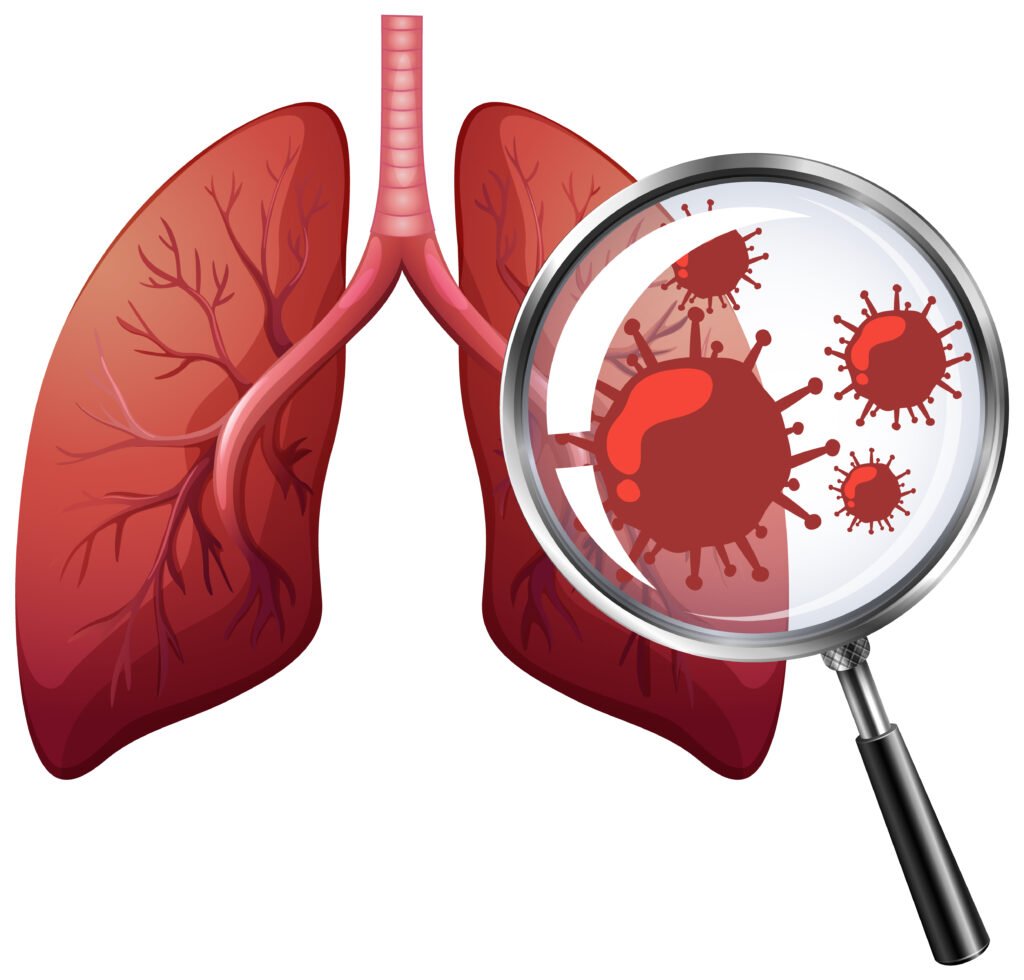
Pneumonia is a lung infection and inflammation, mostly of the small air sacs known as alveoli. These air sacs may be filled with fluid or pus, and breathing becomes problematic, which leads to such symptoms as cough, fever, chills, chest pain, and dyspnea. Pneumonia may be mild or life threatening and may involve one or both lungs. It is brought about by different infertile agents such as bacteria, viruses, and fungi. It is often caused by streptococcus bacteria and viruses such as the flu or COVID-19. People of all ages may have pneumonia, but it is more severe in young children, the elderly, and those with weaker immunity or with chronic illnesses. It depends on the cause, bacterial pneumonia is normally treated using antibiotics, and viral pneumonia can either cure itself or need antiviral drugs. Pneumonia is infectious in case of bacteria or viruses and can be prevented partially with vaccines and proper hygiene habits.
Is Pneumonia Contagious?
Pneumonia in itself is not transmitted but the bacteria and viruses causing pneumonia are contagious. Respiratory droplets can transmit the infectious agents, Streptococcus pneumoniae (the most frequent bacterial cause), Mycoplasma pneumoniae (walking pneumonia), and different viruses like influenza or cold viruses, during coughing, sneezing, or speaking of an infected individual. The droplets will be inhaled by nearby people or can at times be transmitted through contact with contaminated surfaces and then the face. All people who come in contact with these germs may not get pneumonia, though people with weakened immunity or other potential risk factors will be more vulnerable.
The duration of time of contagion differs according to the cause:
- Viral pneumonia: transmittable until the symptoms disappear, and fever passes.
- Bacterial pneumonia: infectious up to approximately 48 hours of treatment with antibiotics and with fever.
- Walking pneumonia: infectious many weeks before and with symptoms.
- Fungal pneumonia is contagious.
So, pathogenic bacteria and viruses that cause pneumonia are contagious but not pneumonia as a lung infection itself.
Types of Pneumonia and Their Contagious Nature

The types of pneumonia are often divided according to the place or mode of infection, the causative agent, and clinical features. Contagious potential varies by type, based on the infectious agents involved.
Types of Pneumonia by Acquisition Setting and Contagious Nature
- Community-Acquired Pneumonia (CAP): Contracted outside of health care facilities, typically by bacteria such as Streptococcus pneumoniae, viruses, or unusual bacteria such as Mycoplasma pneumoniae. It can be transmitted among individuals through respiratory droplets and thereby be contagious. Mycoplasma pneumoniae causes walking pneumonia, which is contagious, though mild.
- Hospital-Acquired pneumonia (HAP): This occurs at least 48 hours after hospital admission and is caused by such bacteria as Staphylococcus aureus, Pseudomonas aeruginosa and others which are usually resistant to various drugs. Infection control in hospitals is useful in limiting the spread of contagiousness due to its dependence on the pathogen.
- Healthcare-Associated Pneumonia (HCAP): It is seen in patients that have had recent healthcare exposure (nursing homes, outpatient clinics). Pathogens overlap with HAP and may be multidrug-resistant; contagiousness is organism-specific.
- Ventilator-Associated Pneumonia (VAP): It occurs following 48 hours or longer of mechanical ventilation. Usually hospital pathogens; there is a risk of transmission but it is confined to health care facilities.
Types by Causative Organism and Contagiousness
- Bacterial Pneumonia: Typically contagious, particularly community-acquired, since bacteria such as Streptococcus pneumoniae are spread. Strains in hospitals can be stronger and still transmittable but with precautions.
- Viral Pneumonia: It is transmitted by respiratory droplets and contact; caused by flu, RSV, COVID-19, etc.
- Atypical Pneumonia: This is caused by such bacteria as Mycoplasma pneumoniae and Chlamydia pneumoniae. Infectious and mildly acute (walking pneumonia).
- Fungal Pneumonia: This is typically not transmittable; it is contracted in the environment and it targets immunocompromised people.
Clinical Types by Lung Involvement (non-contagious classification)
- Lobar pneumonia: Involves an entire lung lobe.
- Bronchopneumonia: Patchy inflammation involving multiple lobes.
- Interstitial pneumonia: Inflammation mainly between alveoli.
How Pneumonia Spreads
Transmission of pneumonia occurs mostly by coughs, sneezes, or speech of an infected individual that results in respiratory droplets. They carry bacteria or viruses, and their size is approximately 3-6 feet in length, which are inhaled by other people and results in new infections.
Besides respiratory droplets, pneumonia spreads through:
- Surface contamination: Droplets may contact surfaces, and contacting contaminated surfaces and then contacting the mouth, nose or eyes can also transmit the infection, but this is much less frequently reported than direct droplet spread.
- Close contact: Family, schools, and workplaces where individuals are in close contact spread through both droplets and surfaces.
Indoor environmental conditions like congestion, poor ventilation, and overcrowding augment the risk of transmission. Early symptoms are the most contagious when the bacterial or viral load is the highest. Some of the preventive strategies are distance, mask usage in high-risk areas, hand hygiene, good ventilation, and vaccinations.
How Long Is Pneumonia Contagious?
The contagious period of pneumonia depends on its cause:
- Bacterial pneumonia: Typically transmissible between 24 and 48 hours of effective antibiotic therapy, assuming that such symptoms as fever are positively changing. The contagious period may be extended without treatment.
- Viral pneumonia: May be infectious for a few days or even more than a week until symptoms, particularly fever, are gone. Symptoms may improve and people can still transmit the virus.
- Walking pneumonia (caused by Mycoplasma pneumoniae): This is very contagious and may last 2 to 4 weeks before symptoms occur and then disappears.
- Fungal pneumonia: Not infectious.
Individuals are advised to adhere to isolation and hygiene precautions until discharged by a medical practitioner to avoid contagion. Coughing can continue beyond the contagious period, but does not imply that the person remains contagious. Contagion risk is less involved with early treatment and symptom improvement.
You may also like to read: Seborrheic Dermatitis
Prevention Tips
Pneumonia prevention includes a combination of vaccination, hygiene, lifestyle, and managing health conditions:
Vaccination
- Vaccines help prevent pneumonia caused by common bacteria and viruses, including:
- Pneumococcal vaccines are advised in all children under 5, adults older than 50, and individuals with some chronic conditions.
- Flu shot (influenza) annually in all persons age 6 months and older.
- Pertussis (whooping cough), Haemophilus influenzae type B (Hib), COVID-19, and respiratory syncytial virus (RSV) vaccines.
- Immunizing healthcare workers also reduces spread.
Hygiene and Behavior
- Frequent hand washing with soap and water or alcohol-containing hand sanitizers.
- Covering mouth and nose during coughing/ sneezing (e.g., into sleeve/ elbow).
- Cleaning up of commonly used surfaces.
- Keep distance with people who are ill.
- Using masks in risky places or time of an epidemic.
Lifestyle and Environmental Measures
- Quitting smoking and avoiding exposure to secondhand smoke, as smoking increases pneumonia risk.
- Reducing indoor air pollution, such as from cooking smoke.
- Maintaining good overall health with a balanced diet, regular exercise, and sufficient sleep to strengthen immunity.
Managing Health Conditions
- Managing chronic diseases such as asthma, COPD, diabetes and heart disease.
- Infant breastfeeding, especially up to 6 months lowers the risk of pneumonia.
- Immediate cure of respiratory symptoms and other infections.
- Preventive antibiotics can be advised in immunocompromised individuals (e.g., HIV/AIDS).
All of these measures will help to minimize the risk of pneumonia and its complications.
Bottom Line
Conclusively, pneumonia is contagious based on the cause of the issue, but bacterial and viral types are the most dangerous in spreading the disease. Early identification of symptoms, proper hygiene, and recommended vaccines are key aspects that can help ensure the safety of you and others. When you suspect pneumonia, prompt medical attention will help you to treat it properly and diminish the chances of complications.
