
Dr. Ahmad Shahzad
Founder | Lyallpur Diabetes Foundation
Consultant Diabetologist | Educator | Advocate for Preventive Care
Two of the most prevalent issues in the world are diabetes and heart disease, and studies indicate that the two are inter-related. High blood sugar, insulin resistance, and other diseases such as high blood pressure and obesity predispose people with diabetes to cardiovascular issues. The connection between diabetes and heart disease is crucial in the prevention and early detection and management of the two diseases.
Understanding Diabetes and Heart Disease
The connection between diabetes and heart disease
Continued elevated blood sugar (glucose) with time may damage your blood vessels and nerves that operate your heart. Such damage is a contributor to several heart issues:
· Atherosclerosis: High blood glucose enhances the deposition of fats within the artery walls a condition referred to as atherosclerosis. This constricts the arteries and decreases the circulation of oxygen-laden blood that may cause a heart attack.
· High blood pressure: Due to the hardening of arteries by plaque, the heart must work harder, which elevates blood pressure. This additional tension also ruins the blood vessels and poses more risk of cardiovascular occurrences.
· Bogus cholesterol: Type 2 diabetes comes with bad cholesterol, namely, high triglycerides, high LDL (bad cholesterol), and low HDL (good cholesterol). This mixture increases the rate in which arteries are blocked with plaque.
· Heart failure: Diabetes predisposes one to heart failure, a condition in which the heart loses its ability to pump blood. This may cause the accumulation of fluids in the lungs and the swelling of the legs.
Shared Risk Factors between Diabetes and Heart Disease
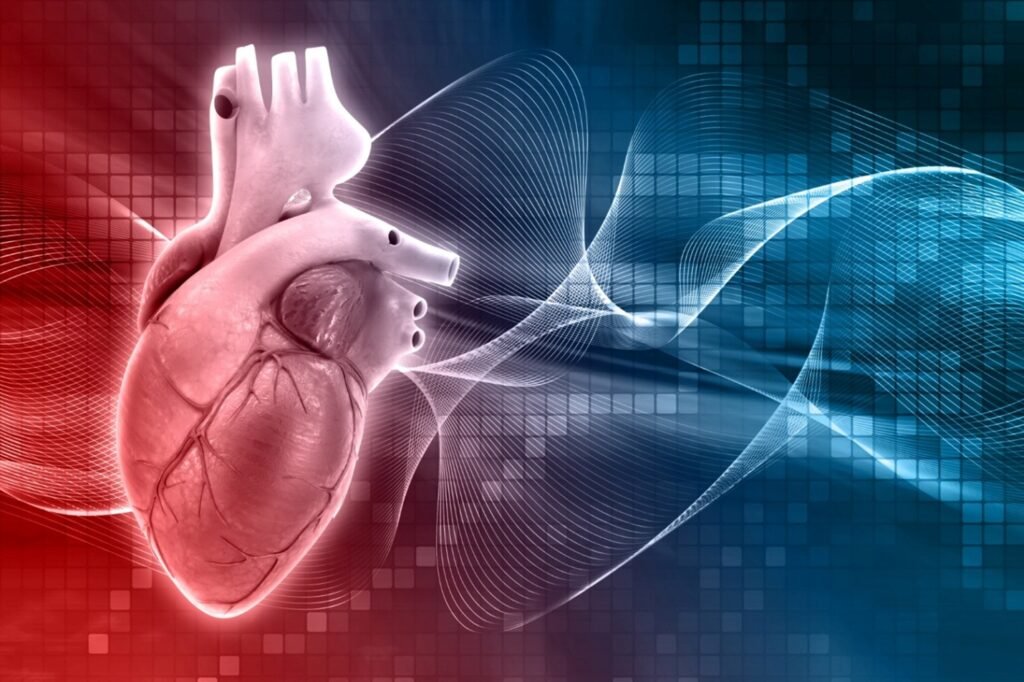
Diabetes and heart disease are closely linked by a set of shared risk factors, suggesting a “common soil” from which both conditions can develop. These factors accelerate the development of vascular damage and inflammation, increasing the risk of serious health problems.
Metabolic syndrome
Metabolic syndrome is a group of disorders that are often comorbid and elevated risks of developing type 2 diabetes and cardiovascular disease. Key components include:
- Abdominal obesity: Fat around the waist is a significant risk factor and facilitates insulin resistance through the release of inflammatory chemicals.
- High blood pressure (Hypertension): The high blood pressure ruins the arteries and overworks the heart. The CDC reports that when the blood pressure and diabetes work together, the risks of heart disease are high.
- Ab normal cholesterol (Dyslipidemia): High triglycerides, high LDL (bad) cholesterol, and low HDL (good) cholesterol. This profile is typical of individuals who are insulin resistant and hastens the formation of plaque in the arteries.
- High blood sugar: Elevated blood glucose, even in prediabetes levels, can cause blood vessels and nerves damage in the long term.
Insulin resistance
One of the key links between these conditions, in particular, type 2 diabetes and heart disease, is insulin resistance.
- It is a condition that is caused by the body cells failing to respond to insulin normally. It results in the pancreas producing more of the hormone to keep blood glucose normal.
- It may result in type 2 diabetes, but long before that, it may on its own cause high blood pressure, inflammation, and abnormal lipids, all of which damage the heart.
Chronic inflammation
Hardening of the arteries that cause heart disease is now realized to have a major inflammatory factor known as atherosclerosis.
- Diabetes is an inflammatory condition, and sustained high blood sugar and excess body fat may result in an immune reaction that harms blood vessels.
- This grade of inflammation disrupts the ability of insulin, producing a feedback mechanism that increases both diabetes and cardiovascular risk.
Lifestyle choices
Lifestyle behavior changes are very significant in the development and exacerbation of both conditions.
- Physical inactivity: Sedentary lifestyle is a direct cause of obesity, insulin resistance and poor heart health.
- Poor diet: Eating a diet rich in saturated fats, trans fats, sodium and sugar leads to obesity, hypertension and abnormal cholesterol levels.
- Obesity: Obesity, especially in the abdomen, is a potent cause of type 2 diabetes as well as heart disease.
- Smoking: Tobacco burns blood vessels, elevates the blood pressure, and poses a significant risk of heart disease and diabetes.
Age, gender, and family history
Non-modifiable factors also increased risk.
- Age: Risk of both heart disease and diabetes is more when you are older.
- Family history: A family history of heart disease or diabetes puts you at risk.
- Gender: Women are at a relative risk of cardiovascular disease and death than men with diabetes.
Signs and Symptoms to Watch For
For individuals with diabetes, recognizing the signs of heart disease and related complications like heart attack and stroke is critically important because the symptoms can be atypical and less obvious. This is often due to a condition called autonomic neuropathy, or nerve damage, which can mask the typical chest pain associated with heart attacks.
Atypical heart attack symptoms for people with diabetes
Although anyone may have a silent heart attack, they are more prevalent in diabetic patients. Note the following less noticeable signs:
- Pain of indigestion or heartburn-like: Pain in the stomach area that can be confused with a gastrointestinal condition.
- Abnormal or inexplicable fatigue: Intense or debilitating fatigue that restricts you in carrying out everyday tasks.
- Shortness of breath: Windedness with little to no exercise, or rest.
- Jaw, neck, back, or arm pain: Pain that radiates to the upper body, one of the significant signs of diabetes in women.
- Lightheadedness or dizziness: Faint or dizzy with or without a cold sweat.
- Nausea or vomiting: Falling ill in the stomach or vomiting.
Symptoms of heart failure
Heart failure, where the heart can’t pump blood effectively, is a serious complication of diabetes. It can lead to a buildup of fluid in the body. Look for these signs:
- Shortness of breath: This may occur during activity, at rest, or when lying flat.
- Swelling (edema): Swelling of the feet, ankles, and legs caused by fluid buildup.
- Fatigue: Feeling exhausted and run-down.
- Persistent cough or wheezing: Caused by fluid accumulating in the lungs.
Signs of a stroke
A stroke occurs when blood flow to the brain is blocked, and it is a major risk for people with diabetes. The National Stroke Foundation recommends the acronym F.A.S.T. to remember the warning signs:
- F—Face drooping: Is one side of the face numb or drooping? Is the person’s smile uneven?
- A—Arm weakness: Is one arm weak or numb? Ask the person to raise both arms. Does one arm drift downward?
- S—Speech difficulty: Is the person’s speech slurred? Are they unable to speak or hard to understand?
- T—Time to get help: If you see any of these signs, even if they go away, call emergency services immediately.
Act fast in an emergency
No matter how strong the symptoms are, when you or someone with diabetes experiences what may be signs of a heart attack or a stroke, call an ambulance. It is safer and faster to call an ambulance as first responders can be treated on their way to hospital.
Prevention and Management Strategies
These are just a few, brief, points of each prevention and management strategy:
- Eat well: Focus on whole and plant-based food and limit processed foods, excessive sugar, and saturated fat to manage the level of blood sugar, cholesterol, and blood pressure.
- Exercise More: Get at least 150 minutes of moderate aerobic activity per week to enhance insulin sensitivity, heart strengthening and weight control.
- Maintain a normal weight: Even a small loss of weight helps a lot by lowering blood pressure, cholesterol and blood sugar.
- First, stop smoking and moderate alcohol: Smoking and excessive use of alcohol harm the blood vessels and can greatly risk a heart attack, so it is essential to quit and reduce use.
- Learn to deal with stress: Relax or apply other healthy coping skills to reduce blood pressure and prevent bad habits that stress usually leads to.
- Focus on great sleep: 7 to 9 hours of great sleep each night can aid in normalizing blood pressure and causing inflammation.
Final Thoughts
The connection between diabetes and heart disease highlights the need for proactive care and healthier lifestyle choices. By managing blood sugar, controlling blood pressure and cholesterol, and adopting daily habits that support heart health, individuals can lower their risk of serious complications. With early intervention and consistent medical guidance, it is possible to live well with diabetes while protecting long-term heart health.
You may also like to read: Benefits of Social Support for Diabetes Management
FAQs
How is the heart affected by diabetes?
Diabetes causes high blood glucose, which can harm your blood vessels and nerves that run your heart and blood vessels. In the long run, this damage may cause heart disease.
What is a diabetes silent heart attack?
However, these are not the typical symptoms of everyone. Indeed, others suffer what is known as a silent heart attack, that is, no symptoms whatsoever, mild symptoms or some unusual symptoms (not typically related to a heart attack).
How long can you live with heart disease and diabetes?
The numbers were even more alarming among the patients of younger age. A 40-year-old man with all three cardiometabolic conditions would have on average a 23-year lower life expectancy than a 40-year-old woman with the same conditions.
How to check heart blockage at home?
Home diagnosis of heart blockage is not possible because it involves tests such as ECG or cardiac catheterization. Nevertheless, at home, you can take care of your heart by measuring blood pressure and resting heart rate, noting such symptoms as chest pain or difficulty breathing, and noting how well you can perform such activities as a stair test. In case of alarming symptoms, it is important to visit a medical worker, who could diagnose and treat you properly.
