Dr. Ahmad Shahzad
Founder | Lyallpur Diabetes Foundation
Consultant Diabetologist | Educator | Advocate for Preventive Care
Munchausen syndrome is a mental health disorder that is not common but severe, where individuals intentionally fake or induce signs of illness in themselves. It is also called a factitious disorder imposed on self, and it frequently results in frequent hospitalization, unnecessary treatment, and patient and caregiver emotional distress. It is imperative to know the causes, warning signs, and treatment of Munchausen syndrome to early recognize and support it.
What Is Munchausen Syndrome?
Munchausen syndrome is a psychiatric disorder where an individual feigns to be sick or brings illness in self. The primary aim of this act is to play the so-called sick role and enjoy the care, attention, and sympathy of others, and not to get any tangible benefit such as financial profit. Individuals with Munchausen syndrome can feign physical or mental illness, mutilate themselves to create illness or abuse medical examinations. It is regarded as a severe mental health condition that is usually linked to multifaceted emotional problems and in some cases a trauma or personality disorder history.
It may result in a lot of medical research and even unnecessary tests or surgeries since the people with the syndrome are highly persuasive in their trickery. Others can be moved between hospitals pretending to be sick and when it is uncovered, they might suddenly run off to some other place. Munchausen syndrome is not akin to malingering, where an individual aims at gaining external rewards like money. Other associated variants are the Munchausen syndrome by proxy in which a caregiver feigns or causes a person, typically a child, to become ill to attract attention.
Common Signs and Symptoms
Some of the common signs and symptoms of Munchausen syndrome include feigning illness or self mutilation to induce or intensify illness. Individuals who have this disorder can:
- Lie about symptoms that are hard to disprove, such as severe headaches, seizures, or fainting.
- Tamper with medical tests, like heating a thermometer to fake a fever or contaminating urine samples.
- Cause self-injury, such as cutting, burning, poisoning, or contaminating wounds.
- Aggravate existing conditions by reopening wounds or infecting them deliberately.
Other signs that indicate Munchausen syndrome are frequent hospitalization in various places, random symptoms not consistent with medical examination, progressive symptoms without apparent causes, detailed accounts of their medical background or previous, and a high degree of medical expertise. They can be willing to undergo painful or risky procedures and tend to lead a lonely lifestyle with few visitors when in hospital.
Patients can also have indistinct, intermittent symptoms or show patterns that are textbook examples of some diseases. These behaviors notwithstanding, they usually want attention and caring, and not material rewards. They can simply abandon a hospital after being found and proceed to another.
Causes and Risk Factors
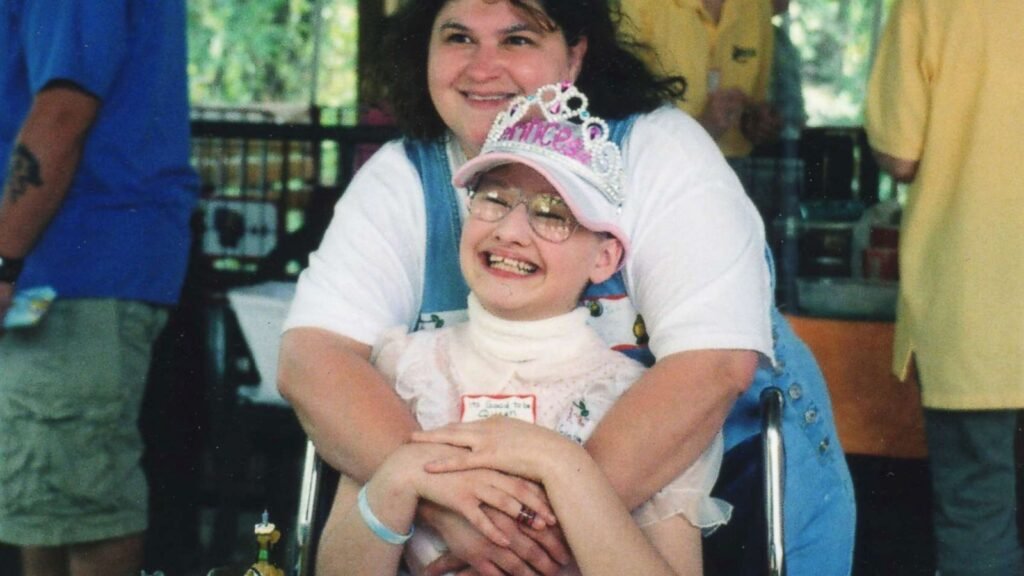
Munchausen syndrome is thought to be the result of a complex interaction of psychological, social, and perhaps biological factors. Its precise cause is not well known, but various causes and risk factors have been established:
Causes:
- Mental trauma or sickness in childhood and especially when the individual had received much medical care as a child.
- Parental neglect, abandonment, or other unresolved childhood problems.
- Borderline, antisocial, or narcissistic personality disorder. Such disorders can include manipulation, unstable self-identity, and the inability to build meaningful relationships.
- A drive to self-punish or the desire to be significant and loved by others.
- A grievance or feud with the authorities, such as medical practitioners.
Risk Factors:
- Emotional, physical, or sexual abuse as a child.
- Experiencing a severe disease or long-term health conditions as a child or a teenager.
- Death, sickness or desertion of a loved one.
- Low self-esteem, identity issues or psychological such as depression.
- Interested in being associated with healthcare workers or hospitals.
- Profession in the medical sector or with wide medical expertise.
- Relational crises and inability to separate reality and fantasy.
A history of extensive medical treatment and identification with the sick role to receive attention and support are common in people with Munchausen syndrome. The syndrome is uncommon, and the diagnosis is complicated as the symptoms are fabricated or induced, and it may take several hospitals and physicians to catch it.
Complications
The syndrome of Munchausen has severe complications and risks, mainly related to the destructive nature of its behaviors and the results of medically unjustified procedures:
- Medical complications of self-harm or intentional induction of the symptoms, e.g., infections, poisoning, tissue damage, or injury caused by cutting, burning, or the consumption of poisonous substances.
- Side effects and overdose of prescription medicine or multiple medical procedures that are not essential or needless.
- Medical complications or self-injury could result in serious bodily injury or fatality.
- Psychological risks are substance abuse, depression, and risk of suicide attempt.
- Patients tend to experience repeated hospitalization, which subjects them to more risks and emotional pain.
- Repeated medical procedures may cause long-lasting scarring and irreversible physical injuries to the syndrome.
- Isolation, mistrust of healthcare providers, and problems with the creation of stable relationships are all social impacts that are prevalent.
In Munchausen syndrome by proxy (a situation whereby a caregiver causes another, usually a child, to become ill), the victim may develop vision loss, brain damage, deafness, organ removal, scarring, abnormal gait, and even death.
You may also like to read: Keratosis pilaris
Treatment and Management
Treatment and management of Munchausen syndrome focus on managing symptoms, reducing harm, and improving quality of life since there is no definitive cure and patients often deny or resist treatment.
Key approaches include:
- Psychotherapy: Cognitive behavioral therapy (CBT) is usually applied to deal with thought and behavior patterns. Psychotherapy is intended to make patients identify unhealthy behaviors and establish better coping strategies. Family and group therapy can also offer help and alleviate isolation.
- Medications: These are mostly used to treat other mental illnesses along with depression or anxiety. This is done with caution as patients are likely to abuse drugs.
- Medical Care Management: It is important to limit unnecessary medical tests and interventions to minimize the harm of invasive procedure and side effects. The latter is enabled by the presence of one trusted primary care provider (medical gatekeeper) to monitor and organize care.
- Nonjudgmental Approach: Healthcare providers do not want to confront or accuse patients because it might make them exit care in a rush and find other caregivers. Rather, therapeutic communication aims at symptom and stress management.
- Hospitalization: When there are safety issues (e.g., self-harm) and a serious disease, inpatient psychiatric treatment can be required to stabilize the patient and develop the treatment plan.
- Patient Engagement: Long-term management may be facilitated by encouraging treatment plan adherence, avoidance of temptations to find another doctor, and supportive relationships.
- In Munchausen syndrome by proxy, it is necessary to get the victim out of the care of the perpetrator and provide medical and psychological assistance.
Successful treatment is challenging because many patients do not admit to falsifying symptoms and may refuse psychiatric help. The main goal is to reduce harm, minimize unnecessary medical use, and improve functioning.
Munchausen Syndrome by Proxy (Optional Section)
Munchausen Syndrome by Proxy (MSP), also abbreviated as Factitious Disorder Imposed on Another (FDIA), is a mental disorder and a type of child abuse, in which a caregiver, most commonly a mother, intentionally fakes or induces actual signs of illness in a person under their care, who is typically a child, to receive attention or sympathy.
Key Characteristics:
- The caregiver overstates or falsifies the symptoms of the child, and at times, inflicts real harm by poisoning the child, withholding food, or causing infections.
- Caregivers tend to possess a lot of medical knowledge and can be employed in health care.
- They are also usually highly engaged and seem loving and loyal, and hence hard to detect.
- The child is prone to frequent hospitalizations, invasive tests, and a treatment without obvious diagnosis.
- When the child is in hospital, the symptoms often improve, and at home, the child often deteriorates.
- Discrepancies that may be presented in laboratory tests include mismatched blood samples with the child or the presence of drugs or chemicals not prescribed.
Causes:
- The exact cause is unknown but may relate to psychological factors such as a history of abuse or neglect, major stress, or the caregiver having Munchausen syndrome themselves.
Risks:
- This is regarded as a type of extreme child abuse, which leaves the victim physically and psychologically injured.
- This may cause life-threatening conditions to the child due to unwarranted medical attention and induced diseases.
Treatment:
- The child must be removed from the caregiver’s care to protect them.
- The caregiver often requires long-term psychiatric treatment.
- Legal actions may be necessary due to the abuse.
MSP is a complex disorder that requires a multidisciplinary approach for diagnosis, protection of the victim, and treatment of the abuser.
Final Thoughts
Munchausen syndrome is a multifaceted disorder that demands patience, sympathy, and treatment. By identifying its symptoms early, along with regular psychological support, it is possible to minimize damage and even improve the results. We can be aware and help the affected to get qualified help as a way of creating a route towards healthier coping and recovery.
