
Dr. Ahmad Shahzad
Founder | Lyallpur Diabetes Foundation
Consultant Diabetologist | Educator | Advocate for Preventive Care
Diabetes remains a serious worldwide issue, hitting those with type 1 just as hard as type 2, while weighing down patients and medical services at the same time. Managing these issues means constant focus on blood sugar checks, drugs, eating habits, physical activity or daily routine changes. Right now, tech is making big shifts – supporting diabetics take charge, avoiding problems yet feel better day to day. Here’s a look at how new gadgets boost results, which devices are being used, what proof exists behind them but also what hurdles still stand.
Understanding Diabetes and Its Management Challenges
Dealing with diabetes isn’t easy. Folks must check their blood sugar often, figure out when to take insulin or meds, keep an eye on what they eat and how much they move – all while dodging low blood sugar or future health issues such as heart problems, nerve trouble, or harm to the kidneys. Old-school ways – doctor trips every now and then, poking fingers to test levels – tend to feel like a hassle, chew up time, and miss chunks of info. Because of that, plenty of people find it tough to stick to routines, get slow responses, can’t tweak things fast enough, and feel worn down by always watching themselves. That’s exactly were tech steps in with real potential.
The Evolution of Diabetes Technology
Through time, gadgets for handling diabetes moved on from basic blood sugar testers to high-tech setups. At first, people used fingertip-prick devices along with insulin injectors – now there’s gear like live-tracking glucose sensors, clever insulin dispensers, phone-based health helpers, online doctor visits, even brainy software that guides treatment choices. Stuff now links up better, shoots back instant updates, ties into digital logs while slowly enabling hands-off insulin dosing. Because of this, care’s less about fixing problems after they pop up, more focused on staying ahead through constant tracking plus personal control.
Key Technologies Transforming Diabetes Care
Continuous Glucose Monitoring (CGM) Systems
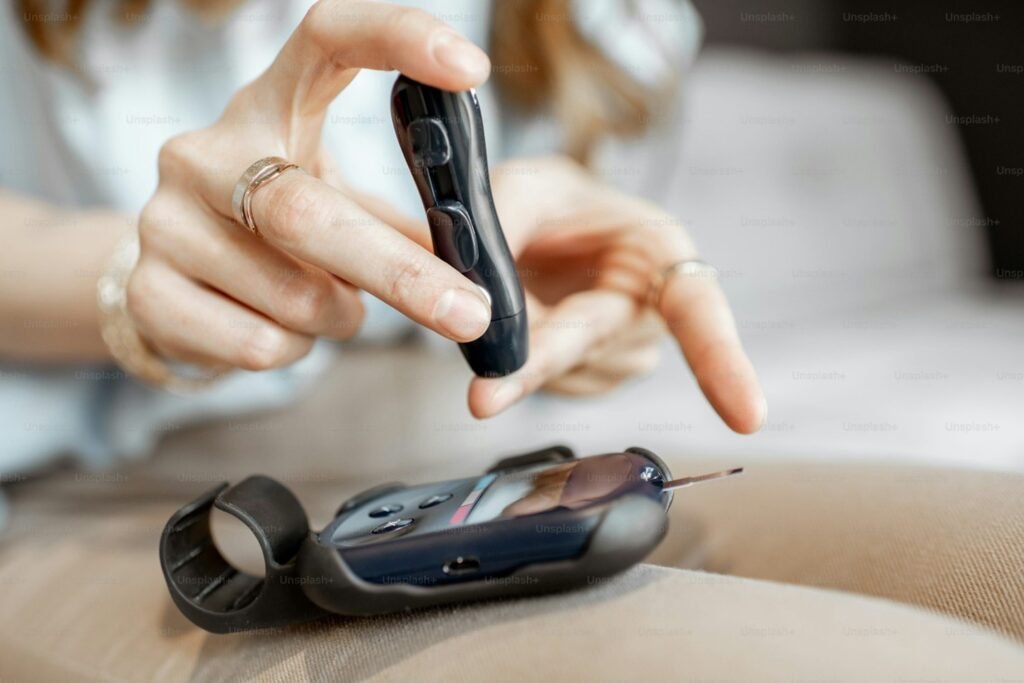
CGMs keep tabs on sugar levels in body fluid nonstop, giving live updates, direction clues, plus warnings now and then. Patients along with healthcare workers use this info to catch spikes, drops, or odd swings regular checks tend to overlook. Studies pulling together results reveal combo setups – CGM paired with pumps – lower HbA1c better than shots every day; one summary spotted around 0.96% dip using semi-auto systems versus injectable methods. A separate roundup focusing on auto-insulin tools showed slight yet notable drop of 0.37% in blood markers, besides roughly 10.9% boost in ideal glucose window across 12–96 weeks for those with type 1.
These numbers show CGMs help manage blood sugar more effectively – less risk of low levels, smoother performance within healthy zones – not just average improvements but real shifts in daily outcomes.
Insulin Delivery Devices and Smart Pumps
Beyond just tracking, tech’s reshaping the way insulin gets into the body. Devices like smart pumps – along with automated setups linking continuous glucose monitors, algorithms, and delivery tools – handle certain choices without user input, lightening daily strain. They adjust doses more precisely, cut down on mistakes made by hand, and lead to better results overall. Progress here is fast, backed up by real-world proof showing tighter blood sugar management and less hassle for users.
Mobile Apps and Digital Health Platforms
Mobile health apps let people log blood sugar numbers, meds, food intake or physical activity – while also getting alerts, tips, or guidance plus a way to stay in touch with medical staff. Studies pulling together multiple sources suggest these digital aids really help users take charge, feel more confident, boost healthy habits, and lower HbA1c results. One broad analysis showed tech-based support raised patient involvement while cutting HbA1c values. Instead of being limited to doctor visits, treatment now follows individuals around – at home or during regular routines.
Telemedicine and Remote Monitoring
Patients can reach their doctors through telehealth while being watched from afar, so they get quick replies – also backing when face-to-face trips aren’t needed. One fresh mix of online and office check-ins for people with type 2 diabetes showed those using an app a lot along with remote checks and clinic visits dropped HbA1c by –2.19%, beating the less active group after three months; more screen contact meant better results. That means tech used together with regular doctor care works out well.
Artificial Intelligence and Predictive Analytics
New tech such as artificial intelligence plus algorithms studies heaps of health details from patients – like blood sugar levels, workouts, meals, and insulin use – to guess future glucose shifts, tweak treatments just for you, or spot danger signs before trouble hits. Though they’re still growing, these systems might one day make diabetes management way more tailored to each person.
Benefits of Technology in Improving Diabetes Outcomes
- Better blood sugar management: Tools like CGMs or insulin pumps can lower HbA1c while boosting time spent in target range.
- Fewer problems plus less chance of low blood sugar: Keeping track nonstop while dosing automatically cuts down how often glucose drops happen – also might slow future health issues.
- Patient control gets a lift – live updates, tracking, alerts, along with easy access keep people involved, giving them more say in their care.
- Better info for doctors: fuller records help them adjust care, spot patterns – so action happens sooner.
- Fewer finger pricks mean less hassle, smoother blood sugar levels bring more balance, while increased independence boosts mood – leading to lower stress around managing diabetes.
- Getting help from a distance: With online visits plus tracking health remotely, more people can get treatment – particularly those living far out or where services are hard to find.
Challenges and Limitations
- Price and availability: High-end gear like CGMs, insulin pumps, or smart apps often cost a lot – insurance might skip coverage, especially where money or resources run thin.
- Patient know-how with tech matters – without it, tools don’t help much. Poor understanding, disinterest, or feeling worn out by gadgets can block progress.
One look shows tech can boost results – but doesn’t help everyone the same way. Access gaps play a role, plus pricing issues tilt the balancbalance. How doctors hand out tools matter too, on top of wider life challenges people face. Source: PubMed
Data doesn’t flow smoothly between devices – plugged into daily routines or medical records, it still hits roadblocks because systems don’t talk well together.
Data privacy and security: More connected devices mean more risk of data breaches and software vulnerabilities – especially with automated insulin delivery systems.
Proof plus lasting effects: Though a bunch of research points to quick gains, solid proof over time – particularly across varied groups – is still sparse. A few upsides might be small, needing ongoing effort to maintain.
Patient strain: Oddly enough, keeping tabs all the time – or getting frequent pings – can stress certain people out, sparking worry or just weariness from too much tech.
The Future of Technology in Diabetes Management
We’re moving into a time when checking blood sugar without pricking fingers becomes normal, alongside smoother insulin devices that work on their own. Instead of just connecting parts, these systems will use smart algorithms to tailor treatment to each person. Wearable gadgets will link up easily with medical records, allowing constant updates across clinics and apps. What helps this spread? Rules that let everyone get access – not just those who can afford it. Money setups in healthcare need to change so cost doesn’t block care. On top of managing levels, digital aids will shift focus to stopping type 2 before it starts – spotting danger signs sooner. Simple habit changes could kick in early, thanks to alerts and coaching built into daily life. Beyond numbers, new tech will weave mental well-being into routine check-ins. Support for stress, anxiety, or burnout won’t be an afterthought – it’ll fit right into the plan. As real-world proof piles up and devices improve, the hope is wider reach: city or rural, rich or low-income, more folks gain control.
Practical Tips for Patients and Providers
- Patients ought to pick tools matching how they live, what they can spend, plus actual medical requirements – like a CGM, phone app or insulin device – while also making sure they receive solid instruction along with help.
- Think of tech as a helper, not a substitute for solid care. It shines most when paired with learning, backed by providers, while patients stay involved.
- Looking at your numbers – like blood sugar patterns or insulin doses – now and then with a pro can really boost results. Checking food notes or activity records together from time to time makes a difference too.
- Clinics plus providers need to add remote tracking into treatment plans – while using info-based choices – so processes fit well with new tools. Workflows must line up without hassle when tech rolls out.
- Zero in on fairness and reach – spot folks who get left out, give hands-on help with using gadgets, or tackle price hurdles head-on.
- Puts safety first – patients got to know how info’s handled while staying protected through clear steps.
- Keep up – tech changes fast, so better options might pop up; that’s why medical groups need to check the proof and think through how to use them.
Conclusion
In short, tech’s becoming way more key in helping folks manage diabetes well. Thanks to tools like real-time sugar tracking, clever insulin devices – alongside phone apps, remote check-ins with doctors, and smart algorithms – people now have fresh ways to balance blood sugar, take charge of their health, dodge serious issues and feel better day-to-day. Still, gadgets alone won’t fix everything; they really click when combined with learning, help from medical teams, active involvement and reliable access. Stuff like price tags, fairness gaps, how smoothly things work together, user know-how, and whether solutions last keep getting in the way. When tech aims to change how we handle diabetes across large groups, everyone involved – like those living with it, doctors, insurers, or lawmakers – needs to work together so new tools are easy to get, help people, and treat all fairly. If rolled out carefully, digital solutions might close the distance between today’s treatment limits and real improvements in managing blood sugar issues.
