

Dr. Ahmad Shahzad
Founder | Lyallpur Diabetes Foundation
Consultant Diabetologist | Educator | Advocate for Preventive Care
Diabetes is a widespread health condition that affects millions of people worldwide, but its impact can differ significantly between men and women. Recognizing the early signs of diabetes in women is crucial, as timely detection helps prevent serious complications and improves long-term well-being. Though frequent thirst or weakness are manifestations typical of both genders, women exhibit other signs specific to hormonal activity or reproductive condition, and greater susceptibility to infection. Being aware of these peculiar warning signs is the first step toward better management and a healthier life.
Understanding Diabetes in Women
Diabetes in females is a set of metabolic disorders that results in excessive blood sugar levels because of impairment in insulin production or usage. Women can share the same symptoms of diabetes, like increased thirst, frequency of urination, and fatigue, but have some other symptoms, i.e., having recurrent yeast infections, urinary tract infections (UTIs), and vaginal dryness. Diabetes is primarily three-fold, including type 1 ( autoimmune, insulin deficiency), type 2 (insulin resistance or insufficient insulin), and gestational diabetes ( which occurs during pregnancy). In Diabetes, Women also have increased risks of some complications, including heart disease and depression, as opposed to men with diabetes. Women who have polycystic ovary syndrome (PCOS), are known to be insulin-resistant and are prone to type 2 diabetes. Signs, which can be early detectable and treated, are often associated with feelings of excessive thirst, frequent urination, and/or unexplained weight loss.
Types of Diabetes in Women
- Type 1 Diabetes: Destruction of Insulin-producing cells through autoimmune reactions usually occurs at an early age.
- Type 2 Diabetes: Resistance to insulin or insufficient insulin manufactured; the most widespread.
- Gestational Diabetes: Diabetes during pregnancy, which usually goes away after childbirth, but increases the risk of diabetes in the future.
Common Signs of Diabetes in Women
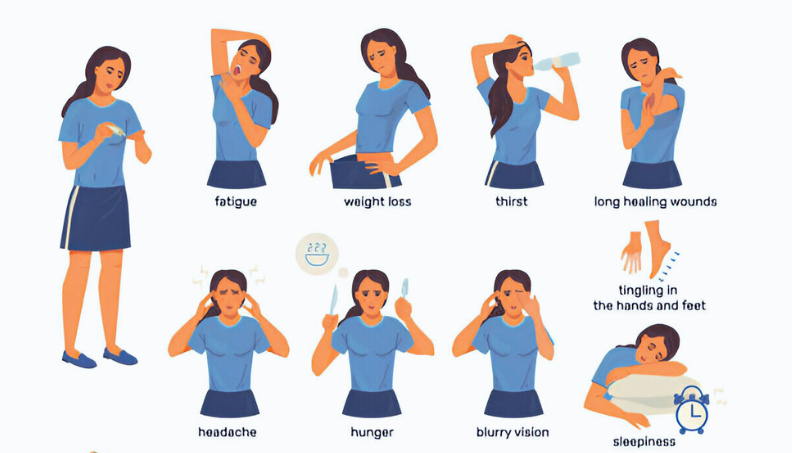
The most common symptoms of diabetes in women are: frequent urination, thirst, unexplained weight loss or gain, fatigue, blurred vision, and poor wound healing. The distinctive aspects in women include frequent yeast infection (vaginal or oral), frequent UTIs, vaginal dryness, and irregular menstruation. These symptoms occur due to the interference of high blood sugar with the usage of glucose as the source of energy, and since it also deteriorates the nerves and the immune system.
Common Diabetes Symptoms in Women
- Increased thirst and hunger
- Frequent urination
- Unexplained weight changes
- Fatigue and weakness
- Blurred vision
- Slow healing of cuts and infections
- Frequent infections like gum, skin, and vaginal infections
Symptoms Specific to Women
- Chronic vaginal yeast infections and oral thrush
- Recurrent UTIs cause painful or burning urination
- Vaginal dryness due to diabetic nerve damage
- Heavier menstrual periods and menstrual irregularities
- Decreased sex drive is linked to the above symptoms
It is good to be diagnosed and treated early based on these symptoms.
Emotional and Hormonal Indicators
Emotional and hormonal signs of diabetes in females are all interconnected and influence the psyche and the control of sugar in the blood.
Emotional Indicators
- Women with diabetes are more likely to suffer anxiety, depression, and diabetes distress (emotional exhaustion with coping with the disease), which may negatively affect quality of life and diabetes self-care.
- Swinging blood sugar levels result in mood swings, irritability, confusion, nervousness, and fatigue.
- The stress in psychological aspects is magnified in women because of societal expectations, caregiving nature, and hormonal changes.
- Depression in women is said to be twice that of men and often puts additional strain on diabetes and exposes them to risks of heart disease.
- Emotions such as anger and frustration towards dealing with diabetes are also common among women with type 2 diabetes.
Hormonal Indicators
- Menstrual changes in hormones, during the menopause and pregnancy states, affect insulin sensitivity significantly.
- Diabetic postmenopausal women have lower estrogen levels, which are associated with insulin resistance and diabetes risk.
- Progesterone influences insulin secretion, although its effect is less definite.
- Hormonal disorders such as polycystic ovary syndrome (PCOS) put a person at risk of having type 2 diabetes as they have unbalanced hormones and insulin insensitivity.
- The estrogen drop caused by menopause worsens glucose metabolism, which makes management of diabetes more difficult at this life stage.
These emotional and hormonal considerations are core to the management of diabetes in females, beyond the management of blood sugar levels.
You may also like to read: Morbid Obesity
Managing and Preventing Diabetes in Women
Lifestyle changes, medical treatment, and routine health checks to manage and prevent diabetes in women are a part of a holistic approach.
Key Management Strategies
- Diabetes Type: It is vital to find out which type, type 1, type 2, or gestational diabetes, to implement appropriate strategies.
- Balanced Diet: Pay more attention to whole foods: fruits, vegetables, legumes, whole grains, lean proteins, and healthy fats. Avoid refined, fatty, and sweet food. Control of carbohydrate consumption is critical to blood sugar levels.
- Regular Physical Activity: At least attempt 150 minutes of moderate-intensity aerobic exercise each week. The exercise enhances insulin sensitivity and prevents weight gain.
- Blood Sugar Monitoring: Regularly monitor blood glucose levels to make informed choices about food, exercise, and drugs.
- Medication adherence: Strictly adhere to medication plans, whether it is oral medication or insulin.
- Stress Management: Stress is a known cause of elevated blood sugar levels; therefore, stress management is an important skill.
- Regular Health Check-ups: This is essential to detect and manage complications on time.
- Foot Care: Routine check-ups and attendance to ensure infections and ulcers do not occur.
- Education and Support: Getting into a diabetes education program and support groups can help both emotionally and pragmatically.
Preventive Measures for Women
- Keep to a healthy weight by following a balanced diet and physical activity.
- Excessive tobacco and alcohol.
- Treat other risk factors like hypertension and cholesterol.
- In gestational diabetes, after delivery, control postpartum glucose testing and lifestyle modification are recommended to help prevent a future risk of type 2 diabetes.
Special Considerations During Pregnancy and Menopause
- For pregnant women with diabetes, tighter glycemic control using physical activity and medical nutrition therapy is warranted.
- Postpartum care involves insulin modifications, supporting breastfeeding, and continued work-ups of diabetes.
- The changes in hormones at the time of menopause need to be handled differently because insulin resistance may aggravate them.
These strategies give women with diabetes the ability to live a quality life and prevent disease progression and complications.
Final Thoughts
Recognizing the early signs of diabetes in women can make a significant difference in overall health and quality of life. Ranging in severity, such minor symptoms as fatigue and constant thirst to severe ones such as frequent infections or delayed menstruation, education is the key to early identification. When these red flags occur, it is important to see a doctor as soon as possible to avoid complications and enable effective management. Early detection and through lifestyle changes and the right medical attention, women can manage to improve their health and prevent the long-term effects of diabetes.
