
Obesity, Metabolism & Diabetes Date: 30 - 31 October, 2026 Venue: Serena Hotel, Faisalabad.
For Emergencies: +92 41-2694037

Treating Diabetic Retinopathy: Options and Outcomes

Dr. Ahmad Shahzad
Founder | Lyallpur Diabetes Foundation
Consultant Diabetologist | Educator | Advocate for Preventive Care

One of the eye complications that are commonly associated with diabetes and a major cause of vision loss throughout the world is diabetic retinopathy. Unattended, it may silently develop and destroy the sensitive blood vessels in the retina causing blurred vision or even blindness. Luckily, there are some useful means to treat and cope with this disorder using modern medicine. We shall briefly examine the various treatment opportunities that exist with diabetic retinopathy in this article and how patients can hope to achieve once care is obtained in time.

What is Diabetic Retinopathy?

Diabetic retinopathy is the most frequent diabetic complication that impairs blood vessels of the retina, the light sensitive tissue at the back of the eye, which is the main cause of vision loss and blindness.

Treatment Options for Diabetic Retinopathy

Diabetic retinopathy treatment depends on stage and severity of the disease but includes management of blood sugar to highly complex surgical interventions. It is aimed to stop the development of the disease and avoiding further loss of vision because in many cases, previously damaged parts of the eye are irreversible.

Medical management

In the case of early-stage diabetic retinopathy, an ophthalmologist can only prescribe routine follow-up and rigid control of your general condition.

  • Diabetes management: This is through strict regulation of your blood sugar level, which will prevent or at least delay the disease.
  • Blood pressure and cholesterol: High blood pressure and high cholesterol can be treated and help to lessen the risk of the worsening of retinopathy.
  • Fenofibrate: In individuals with non-proliferative diabetic retinopathy (NPDR), a cholesterol-lowering drug known as fenofibrate has been proven to decrease the chances of the condition progressing even those with normal lipid levels. 
Treatment Options for Diabetic Retinopathy

Eye injections

The swelling of the macula (central part of the retina) and growth of new, fragile blood vessels is treated with injections of medication directly into the eye to prevent the disease.

  • Anti-VEGF drugs: These encompassed Avastin, Eylea, Lucentis, and Vabysmo, which are anti-vegetable endothelial growth factor (VEGF) drugs, which enlarges and permeabilizes blood vessels. One of their uses is as a first-line therapy of diabetic macular edema (DME) and proliferative diabetic retinopathy (PDR).
  • Corticosteroid implants – In cases where there is no response to anti-VEGF therapy, steroid drug could be injected or implanted into the eye and the drug would be slowly released over a few months.
  • Refillable eye implants: Newly approved models, including Susvimo, are provided with a refillable implant that pumps a specific level of a customized formulation of ranibizumab to the eye. 

Laser treatments

Laser treatments can seal leaking blood vessels and shrink abnormal new ones. 

  • Focal or grid laser: This is done in the treatment of DME. It uses laser burns that are directed at ruptured blood vessels in the macula.
  • Scatter (panretinal) photocoagulation: It is applied to cases of diabetic retinopathy which is advanced and proliferative. The laser produces small, scattered burns to the peripheral retina which shrink and disappear into the abnormal new blood vessels.

Eye surgery (Vitrectomy)

Surgery is typically reserved for advanced cases where other treatments are not sufficient. 

  • When is it needed? A vitrectomy can be used in case of severe bleeding in the vitreous gel which fails to clear, the presence of a lot of scar tissue pulling the retina, or a detached retina.
  • What happens during surgery? The surgeon takes out the hazy vitreous gel and a scar tissue and puts in a clear saline solution or a gas or oil bubble to cushion the retina. 

Emerging therapies

Ongoing research is exploring new and more effective treatments for diabetic retinopathy, including: 

  • New anti-angiogenic drugs
  • Oral medications
  • Stem-cell therapy
  • Gene therapy

Although the damage cannot be reversed, treatment can help prevent or delay additional damage to the vision. Having an integrated approach and a high level of diabetes control is usually the best course of action.

You may also like to read: Preventing Vision Loss from Diabetic Retinopathy

Expected Outcomes by Treatment Type

Treatment of diabetic retinopathy aims at preventing or halting the disease progression and to avoid severe loss of vision. The level and form of your condition, the method of treatment, and your health, in general, blood sugar control, are among the factors that define the exact outcome you can expect. Although it can be improved, particularly when the disease is diagnosed in the early stages, in most cases, it is impossible to undo all the harm.

Expected outcomes by treatment type

  • Often improve vision significantly in diabetic macular edema.
  • Results are best with consistent and ongoing treatment.
  • Reduces the risk of severe vision loss by more than 50%.
  • May cause side effects like reduced night or peripheral vision.

Factors influencing long-term outcomes

The long-term prognosis is heavily influenced by several factors, many of which you can actively manage.

  • Treatment adherence: It is important to adhere to your treatment program because under-treatment is one of the leading causes of a poor outcome in the real world.
  • Management of diabetes: Glycemic control (HbA1C), blood pressure control and cholesterol control divert renal injury disease progression and enhance treatment results.
  • The severity of the disease at diagnosis: the later the diabetic retinopathy is diagnosed and treated, the better the outcome is. Delaying action after the vision has been seriously affected may cause permanent structural harm.
  • The basic retinal damage: The treatment can correct fluid and bleeding; however, the visual prognosis is constrained by the level of irreparable harm to the photoreceptors and retinal nerve cells that might have taken place.

Final Thoughts

Therapy of diabetic retinopathy is aimed at reducing the course of the disease, preserving the vision, and enhancing the quality of life. Although the results are not identical at each phase of the condition and different types of treatments are applied, early diagnosis and regular treatment can significantly help in saving vision. Medical therapy together with proper management of diabetes can help patients deliver positive long-term outcomes and minimize chances of losing their sight severely.

FAQs

Q: What is the 4 2 1 rule for diabetic retinopathy?

The diagnosis is based on the 4-2-1 rule. Diagnosis is made when the patient has, in 4 quadrants, diffuse intraretinal hemorrhages and microaneurysms, in 4 quadrants, venous beading, and in 1 quadrant, IRMA.

Q: Can mild diabetic retinopathy be reversed?

Treatment may delay or prevent the progression of diabetic retinopathy, but it is not a cure. Diabetes is a long-term health condition and as a result, future retinal injury and vision impairment can still occur. Regular eye exams will be required even after diabetic retinopathy is treated. There may be a time you require supplementary treatment.

Q: What is the new treatment for retinopathy?

Basel, 22 May 2025 – Roche (SIX: RO, ROG; OTCQX: RHHBY) has announced that Susvimo® (ranibizumab injection) 100 mg/mL is now approved by the US Food and Drug Administration (FDA) in the treatment of diabetic retinopathy (DR), a potentially blinding disorder, which is present in nearly 10 million individuals in the USA.


Preventing Vision Loss from Diabetic Retinopathy

Dr. Ahmad Shahzad
Founder | Lyallpur Diabetes Foundation
Consultant Diabetologist | Educator | Advocate for Preventive Care

One of the most prevalent complications of diabetes and the major cause of vision loss in the globe is diabetic retinopathy. It arises when excess sugar harms the tiny blood vessels in the retina and it slowly impairs the vision. The fact that sight impairment in diabetic retinopathy may be averted in most cases through management of diabetes, eye checkups, and healthy lifestyle is good news. In this article, we’ll explore effective strategies for preventing vision loss from diabetic retinopathy and protecting long-term eye health.

Understanding Diabetic Retinopathy

Diabetic retinopathy is a disease of the eye that is caused by diabetes and is caused by the destruction of blood vessels in the retina. It is a major cause of blindness in adults and may occur in all those with Type 1, Type 2 or gestational diabetes.

Why Prevention is Crucial

Disease is important in preventing diabetic retinopathy, which is asymptomatic at its onset and causes permanent loss of vision when not treated. Protect your sight by detecting diabetes early and managing its risk factors proactively.

Benefits of prevention

  • Avoids permanent vision loss: Treatments could delay the development of advanced diabetic retinopathy, but not permanent damage already inflicted. The early case of identification can be treated before it is too late to cause serious damage to your eyes. As a matter of fact, 90 percent of eye diabetes can be avoided at an early age with proper treatment.
  • Improves treatment outcomes: In the case of eye problems, early diagnosis can be treated with less aggressive methods, which can eventually help to avoid more radical treatment of eye surgery in the future.
  • Reduces healthcare costs: Early prevention of diabetic eye complications is much cheaper and easier than treating mature disease.
  • Enhances quality of life: Good vision enables one to stay independent and well in general. By avoiding vision loss, you are capable of living your day to day life without restrictions.

Key Strategies for Preventing Vision Loss

  • Regulate blood sugar: Maintaining blood sugar at a target level is the best thing you can do to prevent or delay diabetic retinopathy.
  • Manage blood pressure and cholesterol: High blood pressure and high cholesterol may speed up the damage of your eyes. Having them checked keeps the fine blood vessels of your retina safe.
  • Regular eye checkouts: Annual comprehensive and dilated eye tests are necessary since in most cases diabetic retinopathy at an early stage no symptoms are visible. Your eye doctor would be able to notice the change and act before vision is impaired.
  • Live a healthy lifestyle: A healthy eating pattern and physical activity are some of the ways to manage your blood sugar levels and enhance your health condition, including vision.
  • Stop smoking: Smoking exposes one to complications of diabetes and eye problems. By giving up, you can have better health and decrease your risk.

Treatment Options if Retinopathy Develops

In the event of diabetic retinopathy, a few methods of treatment are possible, based on the severity and type of complications involved. Treatments can halt or delay the disease in most instances and can even prevent degraded vision.

Injections (Intravitreal)

Diabetic macular edema (DME) is a common complication of retinopathy whose most common and usual treatment is injections of medicine directly into the eye (intravitreal injections).

  • Anti-VEGF drugs: The medications inhibit a protein known as vascular endothelial growth factor (VEGF), which stimulates the unnatural development and permeability of blood vessels. Injections of anti-VEGF diminish the swelling and allow new vulnerable vessels to develop. They are Aflibercept (Eylea) and Ranibizumab (Lucentis).
  • Corticosteroids: Steroid injections are also applicable to alleviate inflammation and macular swelling. They are commonly used when the anti-VEGF injections fail.

Laser treatments

Laser treatments are used to target specific problems in the retina caused by diabetic retinopathy. 

  • Focal/Grid Laser Photocoagulation: This is a laser therapy to treat DME by closing leaking blood vessels in a localized area. It is used to swell and stabilize vision.
  • Panretinal Photocoagulation (PRP): PRP is applied in more severe, proliferative diabetic retinopathy (PDR) to shrink and destroy the new, abnormal blood vessels. Laser is used on the outerretina, not the macula, to prevent VEGF production.

Surgery (Vitrectomy)

For the most advanced cases of diabetic retinopathy, surgery may be necessary. 

  • Vitrectomy: A surgeon in this process removes the vitreous gel in the middle of the eye. This is required when the bleeding in the vitreous is severe (vitreous hemorrhage) or when the scar tissue of abnormal new blood vessels is pulling the retina (tractional retinal detachment). 

Underlying diabetes management

The management of the underlying diabetes is important in the slowing down of diabetic retinopathy despite the treatments. This involves close control of blood sugar, blood pressure and cholesterol and may be in partnership with your primary care physician and other specialists.

Should you have special questions regarding the treatment of diabetic retinopathy or desire to learn what may be advised at your current phase of the disease, it is always best to have a specialist in the field of retina consult you. To assist, I can locate information on the preparation of a visit to an ophthalmologist or research local specialists on the retina.

You may also like to read: Importance of Eye Exams in Diabetes Management

Final Thoughts

The prevention of diabetic retinopathy vision loss begins with prophylactic care and proper management of diabetes. The risk of severe eye damage can be minimized by maintaining a normal level of blood sugar, blood pressure and cholesterol, frequent eye check-ups, and healthy lifestyle patterns. The most important thing is to act at the earliest stage and be treated in time not only to save your sight, but your life.

FAQs

Q: Can diabetic retinopathy go away?

A: While treatment can slow or stop the worsening of diabetic retinopathy, it’s not a cure. Because diabetes is a lifelong health problem, future retinal damage and vision loss are still possible. Even after treatment for diabetic retinopathy, you’ll need regular eye exams.

Q: Can you drive with diabetic retinopathy?

A: Dark or shadowy spots in your vision: when Diabetic Retinopathy makes the field of vision blurred or dark, the number of points lost in your vision is high. In case you have over three adjacent points missing and your retinopathy is not stable yet, then it is possible that you should not drive.

Q: What worsens diabetic retinopathy?

A: Inadequate diabetes management, which fails to keep blood sugar levels within a healthy range, can increase the rate of progression. Obesity can also be a risk factor for diabetic retinopathy progression.

Q: How do you stop diabetic retinopathy from progressing?

A: Lifestyle changes are also important in the management of the condition in both cases. Diet, exercise, and medication can help maintain blood sugar levels within the target range and avoid additional harm to the eyes and delay the evolution of diabetic retinopathy.

The Importance of Eye Exams in Diabetes Management

Dr. Ahmad Shahzad
Founder | Lyallpur Diabetes Foundation
Consultant Diabetologist | Educator | Advocate for Preventive Care

Having diabetes does not only mean checking the blood sugar levels but also being attentive to your health and particularly the eyes. Unconsciously, high blood sugar levels can destroy small blood vessels in the eyes, causing such diseases as diabetic retinopathy, macular edema, cataracts, and glaucoma. Eye check-ups are essential to measure diabetes, as it is important to identify these problems at an early stage, and to avoid vision impairment and improved long-term health results.

Why Are Eye Exams Essential for People with Diabetes?

Diabetics should get eye tests because diabetes may severely damage the eyes, particularly the tiny blood vessels in their retinas, resulting in diabetic retinopathy- the most common reason behind diabetic patients losing their vision. The early signs of this and other eye diseases caused by diabetes including macular edema, cataracts, glaucoma and dry eye can be detected by regular diabetic eye tests. Timely diagnosis through thorough examinations with retina dilation can either avoid or at least postpone loss of sight by laser treatment or injection. Diabetics are highly advised to undergo annual ocular check-ups despite possibly having normal eyesight since monitoring eye health is the best way to address risks.

Why Eye Exams Matter in Diabetes

  • Diabetes may lead to leakage, bleeding, and loss of vision in the retinal blood vessels.
  • The retinopathy of diabetes occurs in approximately 1 of 3 individuals with diabetes and typically does not have any symptoms at an early stage.
  • Annual eye test with pupil dilation makes sure that the retina is well inspected to identify any changes at an early stage.

Preventive Role of Eye Exams

  • Early diagnosis results in intervention that could prevent blindness.
  • Eye tests also identify other eye problems that are related to diabetes such as cataracts and glaucoma.
  • Normal blood sugar level and frequent check-ups help to avoid eye complications.

Common Eye Conditions Linked to Diabetes

Common eye conditions linked to diabetes include:

·       Diabetic Retinopathy: It is the most prevalent disease that is caused by diabetes which involves a high sugar level damaging the blood vessels of the retina, resulting in leaking, swelling, and new abnormal blood vessels growing. It may result in blindness and loss of vision.

·       Diabetic Macular Edema: This is a form of diabetic retinopathy in which the patient experiences fluid accumulation in the macula (central part of the retina that provides the ability to see finer details) resulting in swelling and distortion of vision. It causes moderate to severe vision loss in diabetes.

Glaucoma: Diabetics are at a higher risk of having glaucoma, a disorder of high pressure that destroys the optic nerve and may cause loss of sight.

Blurred vision: High blood sugar may lead to the swelling of the lens, which will temporarily blur vision until the levels of sugar come to normal.

Cataracts: Diabetes makes the lens inside the eye cloud because in diabetes; cataract develops at an earlier age than non-diabetic people do.

The eye conditions usually have no symptoms in their early stages, so regular eye examination is essential in detecting and treating them to avoid loss of eyesight.

What Happens During a Diabetic Eye Exam?

During a diabetic eye exam, several key steps are performed to thoroughly assess the health of the eyes and detect any diabetes-related damage:

  • Visual Acuity Test: During the test, the eye chart begins by testing the acuity of the eye on both short-range and long-range vision (Snellen chart).
  • The Special eye drops are applied to enlarge the pupils (widen the eye) so that the eye doctor can have a clearer look at the retina and optic nerve at the back of the eye. Such dilation can lead to blurred vision and sensitivity to light in a few hours.
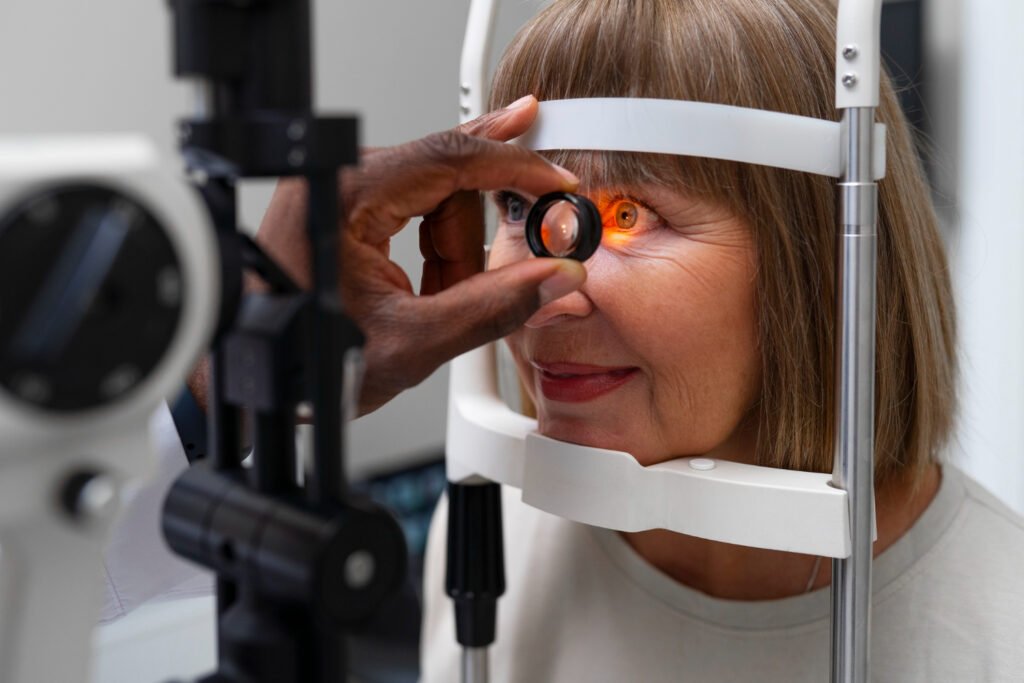
  • Retina and Optic Nerve Examination: The doctor examines the retina, blood vessels and optic nerve, and other internal organs in the eye using a magnifying lens and a bright light or special imaging cameras to detect diabetic retinopathy, macular edema, and other complications.
  • Tonometry: this is a test used to measure the pressure in the eye to rule out glaucoma that is more prevalent in diabetic patients.
  • Advanced Imaging (when necessary): An imaging method such as Optical Coherence Tomography (OCT) and retinal photography is used to give detailed cross-sectional and photographic images of the retina to detect minor changes or problems in blood vessels.
  • Slit Lamp Examination: Slit lamp Microscope is used to observe the internal structures and the surface of the eye carefully.

The doctor then talks about the results of the exam and can prescribe treatments or care. It is recommended that patients come with someone to drive them back home because of temporary blurred vision, dilation causes, and bring glasses or contact lenses, sunglasses and questions about their vision and diabetes.

You may also like to read: Diabetic Retinopathy

How Often Should People with Diabetes Get Eye Exams?

How Often Should People with Diabetes Get Eye Exams?

People with diabetes should get eye exams regularly to monitor and prevent diabetes-related eye complications. The general recommended frequency is:

  • For Type 1 Diabetes: The first comprehensive eye exam should be within five years after diagnosis, then annually thereafter.
  • For Type 2 Diabetes: The first comprehensive eye exam should be done immediately upon diagnosis, with yearly follow-ups.
  • Pregnant women with diabetes should have an eye exam as soon as possible after pregnancy is confirmed and may require more frequent exams during pregnancy.
  • If diabetic eye disease is detected, more frequent exams will be recommended as needed.

Annual dilated eye exams are crucial because diabetes-related eye conditions often have no early symptoms but can progress silently to serious vision loss. Consistent yearly screening helps in early detection and timely treatment, which can prevent up to 95% of diabetes-related vision loss. Sometimes, based on individual risk and exam results, doctors may extend the exam interval to every 1-2 years, but annual exams remain the standard guideline.

Final Thoughts

In conclusion, regular eye exams are an essential part of diabetes management, helping to detect complications early and protect long-term vision. By combining routine checkups with healthy lifestyle choices and proper diabetes control, individuals can significantly reduce their risk of vision loss. Prioritizing eye care not only safeguards sight but also supports overall well-being in the journey of living with diabetes.

FAQs

Q: Why are eye exams important for diabetics?

A: As a person with diabetes, your annual eye exam is the best way to determine if your blood glucose (blood sugar) levels are affecting the health of your eyes. Even if your vision is completely normal and your eyes feel fine, you could be experiencing the earlier stages of a diabetes-related eye condition.

Q: What are the objectives of diabetic eye screening?

A: The NHS Diabetic Eye Screening Program aims to reduce the risk of sight loss among people with diabetes by the prompt identification and effective treatment of sight-threatening diabetic retinopathy, at the appropriate stage of the disease process.

Q: How to protect eyes from diabetes?

Ways you can help prevent eye problems caused by diabetes include:

  1. Control your blood sugar. Your doctor can provide directions on how to keep your blood sugar normal and avoid fluctuations that can lead to diabetic eye diseases.
  2. Lower your blood pressure and cholesterol.
  3. Stop smoking.
  4. Avoid harmful rays.

Q: What’s the best vitamin for diabetic eyes?

A: Various studies have indicated that vitamins C, D, E, B1, folate, B12, lipoic acid, lutein, n-acetyl cysteine, and betaine may help to improve endothelial functioning, prevent neuronal damage, reduce blood pressure, and enhance visual acuity.

Diabetic Retinopathy: Causes, Symptoms, and Treatment

Dr. Ahmad Shahzad
Founder | Lyallpur Diabetes Foundation
Consultant Diabetologist | Educator | Advocate for Preventive Care

One of the most frequent and severe effects of diabetes is diabetic retinopathy, which targets the minute blood vessels of the retina of the eye. When unattended, it may result in eye defects and even blindness. Knowing the causes, early symptoms, and the treatment options available are very crucial measures for safeguarding the eye health of any diabetic person.

What is Diabetic Retinopathy?

Diabetic retinopathy is a diabetes complication affecting the eyes. It is brought about by the injury of blood vessels in the sensitive tissue in the back of the eye known as the retina. The damage is because of the high blood sugar, which damages the small blood vessels in the retina, resulting in leakage, swelling, or irregular growth of blood vessels.

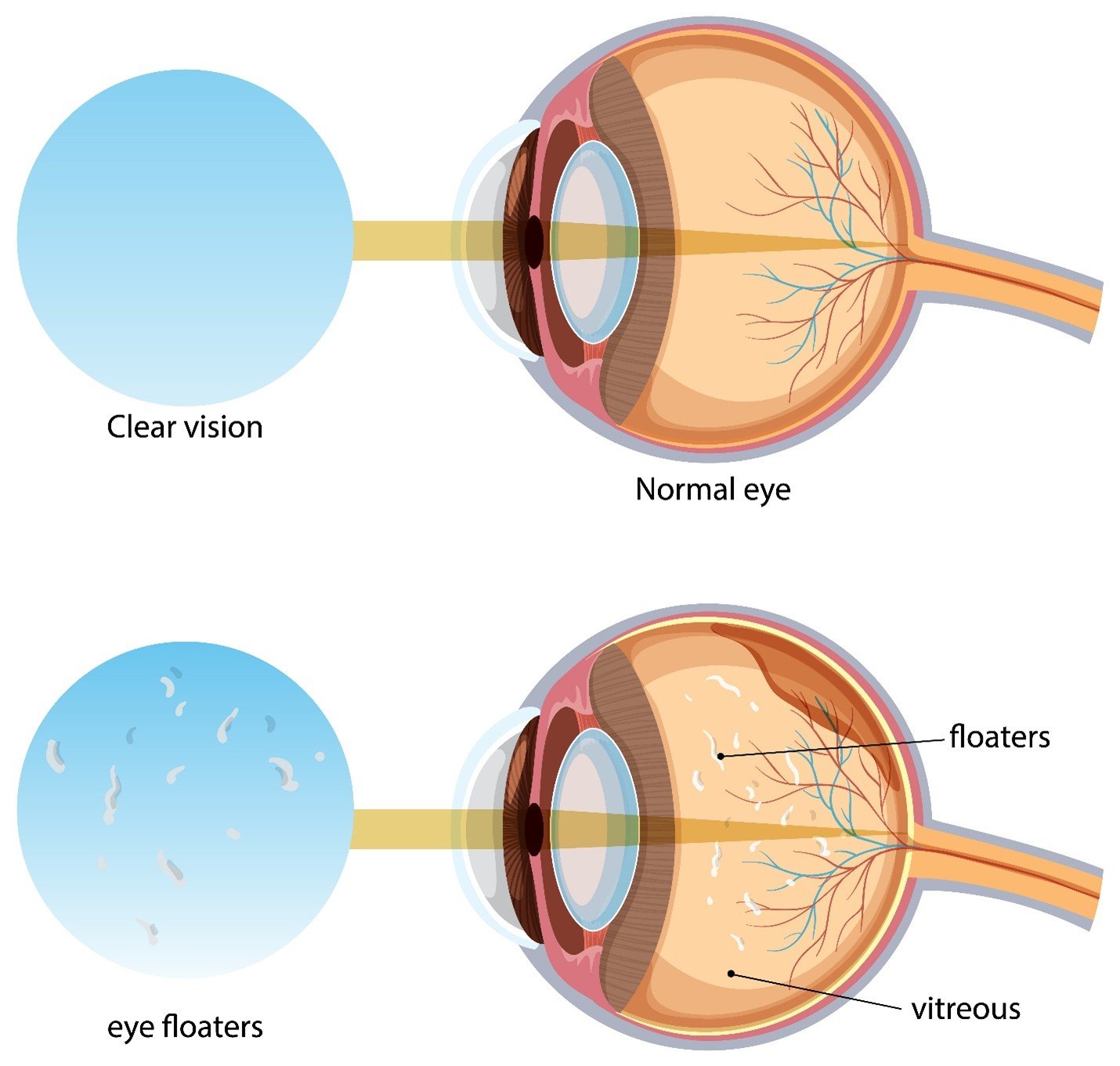
At its initial phases, diabetic retinopathy can have no symptoms or mild vision issues, which include floaters, blurred vision, or dark spots. When not treated, it may advance blindness or extreme loss of sight. The risk is augmented by the period of diabetes and the absence of control of blood sugar.

Causes

High blood sugar (glucose) levels, which are caused by diabetes, are the main cause of diabetic retinopathy. In the long run, this surplus sugar destroys the tiny blood vessels that supply the retina causing them to weaken, block and leak.

The major mechanisms and causes are:

  • Damage and weakening of blood vessels in the retina resulting in small dots (microaneurysms) that can leak fluid or blood into the retina.
  • Obstruction of blood vessels in the retina resulting in ischemia in the retina.
  • In reaction to obstructed vessels, new abnormal blood vessels develop (proliferative diabetic retinopathy). These are the new vessels which are weak and liable to leakage and bleeding.
  • Macula edema (fluid in the macula) leads to swelling and vision loss.
  • Chronic high glycemia activates processes leading to oxidative stress, inflammation, and vascular impairment in retinal tissue.

Other risk factors that lead to the development and progression of diabetic retinopathy are poor glycemic control, high blood pressure, obesity, elevated cholesterol, smoking, nephropathy, hormonal effects, and genetic factors.

Symptoms

The symptoms of diabetic retinopathy often do not appear in the early stages. When symptoms develop, they can include:

  • Spots or dark strings floating in the field of vision, called floaters.
  • Blurred or distorted vision.
  • Changes in vision quality, including difficulty seeing in low light or darkness.
  • Dark or empty areas in vision.
  • Impaired color vision, including colors appearing faded or washed out.
  • Poor peripheral (side) vision.
  • Nearsightedness or farsightedness and fluctuating vision.
  • Gradual worsening of eyesight, which can eventually lead to vision loss.

It can affect one eye or both eyes and the symptoms are likely to exacerbate as the disease advances. Blurry or spotty vision, sudden changes in vision are symptoms to be taken to the doctor. Early detection through frequent eye tests is crucial because the symptoms at early stages could either be absent or mild.

Diagnosis of Diabetic Retinopathy

Diagnosis of Diabetic Retinopathy

Diabetic retinopathy is mostly diagnosed by thorough dilated eye examination where eye care specialists apply drops to dilate the eyes to aid in further inspection of the retina to assess any signs of damage.

Common diagnostic methods include:

  • Dilated Eye Exam: Drops are used to enlarge the pupils to enable a closer look at the retina and blood vessels detecting abnormalities such as microaneurysms, hemorrhages and leakage.
  • Optical Coherence Tomography (OCT): This is a non-invasive test of the retina, which forms cross-sectional images of the retina, visualizing its thickness and fluid accumulation or swelling (macular edema).
  • Fluorescein Angiography: A dye is given into an arm into a vein, and images are made as the dye passes through the blood vessels in the retina indicating blocked, broken or leaking vessels.
  • Visual Acuity Testing: Tests the clearness and sharpness of the vision.
  • Slit Lamp Examination and Ophthalmoscopy: To take a closer look at the various aspects of the eye such as the retina and the existence of unwanted blood vessels.

Further examinations can determine systemic variables such as HbA1c results to check blood sugar regulation and retinopathy developmental risk factors.

You may also like to read: Role of Artificial Intelligence in Diabetes Management

Treatment Options

Diabetic retinopathy can be treated based on severity and presentation. Common treatments include:

·       Laser Photocoagulation: Diabetic retinopathy (PDR)- Proliferative-type-only; diabetic macular edema (DME). Panretinal photocoagulation (PRP) uses laser spots on the peripheral retina to inhibit the abnormal growth of vessels whereas focal/grid laser uses laser on leaking blood vessels in the macula to reduce swelling. This cure allows one to avoid serious vision loss.

·       Intravitreal Injections: VEGF-inhibitory drugs (anti-VEGF) (e.g., ranibizumab, aflibercept, bevacizumab) are injected into the eye to prevent VEGF, which stimulates abnormal vessel development and leakage. To inhibit inflammation and macular edema, corticosteroid injections could also be applied. These injections are frequently repeated.

·       Vitrectomy Surgery: It is done in severe cases when there is vitreous bleeding or detachment of the retina. The doctor removes blood/scar tissue out of the vitreous cavity and fixes the retina. This is normally used in cases of serious diseases where other medicine proves to be ineffective.

·       Medications: Oral medications such as fenofibrate can reduce the risk of progression, particularly in non-proliferative diabetic retinopathy.

Systemic treatment of blood sugar, blood pressure, and cholesterol is also essential in the management of these eye treatments to reduce the rate of disease progression.

Bottom Line

Diabetic retinopathy is a gradual eye disease that may be very severe unless treated in its early stages. With proper control of the blood sugar levels, regular eye check-ups, and prompt treatment, diabetes patients can significantly lower the chances of losing their sight. Concern and active care are the best instruments in maintaining healthy eyesight.

Walking Pneumonia: Symptoms, Causes, Treatment, and Prevention

Dr. Ahmad Shahzad
Founder | Lyallpur Diabetes Foundation
Consultant Diabetologist | Educator | Advocate for Preventive Care

Walking pneumonia is a very minor but tenacious form of lung infection that, at times, is more of a bad cold and flu than pneumonia. Contrary to normal pneumonia, it does not necessarily demand bed rest or hospital admission, so most individuals are not conscious of the fact that they are poorly. In this paper, we are going to discuss what walking pneumonia is, its symptoms, causes, treatment, and easy preventive measures.

What is Walking Pneumonia?

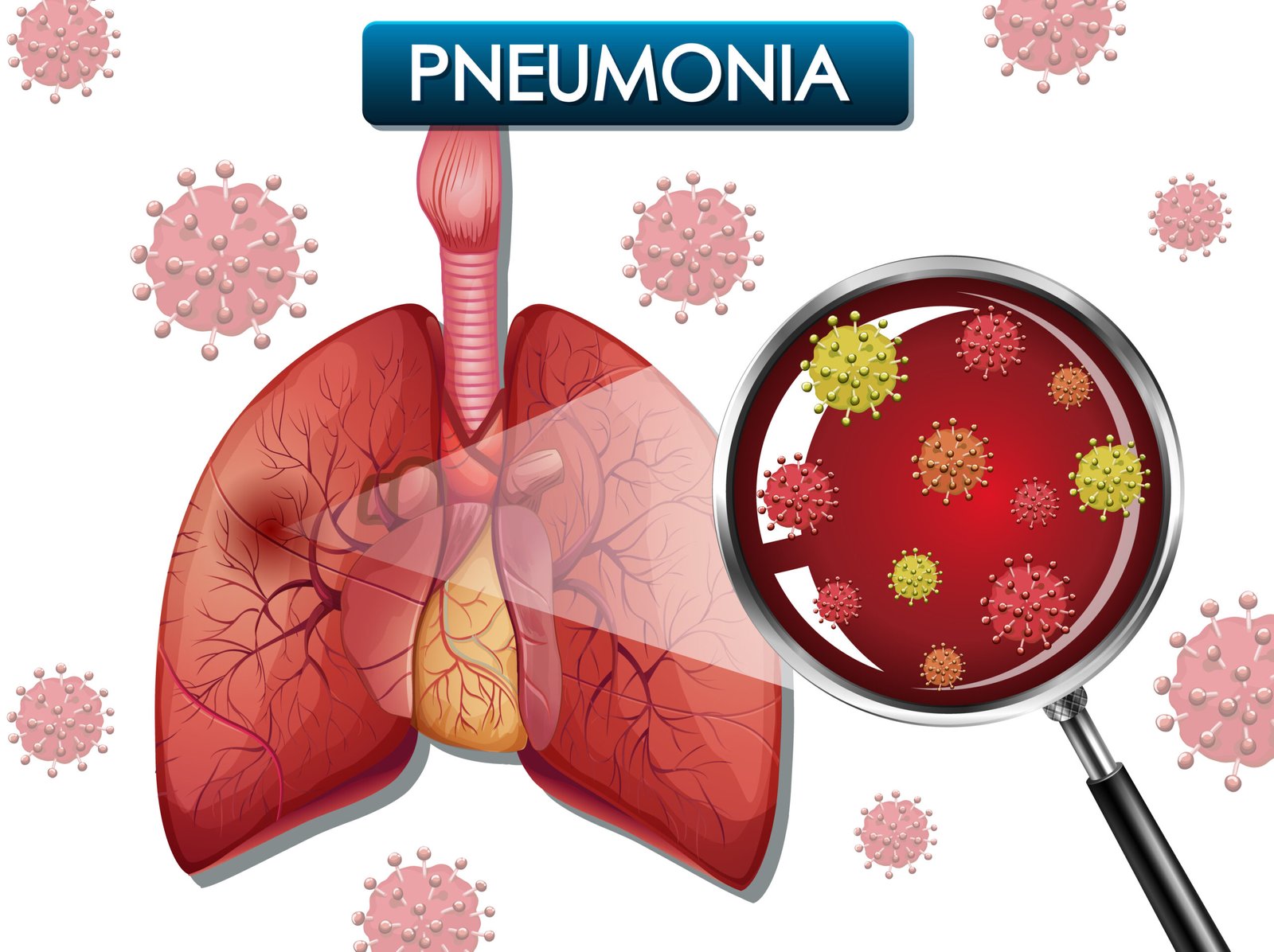
Atypical pneumonia or walking pneumonia is a mild type of lung infection that is not accompanied by bed rest and the need to be hospitalized. It is named so because the symptoms are not such that individuals cannot go about their daily lives, although the disease may be unwelcome. 

Causes

Walking pneumonia is most commonly caused by the bacterium Mycoplasma pneumoniae. It can also be caused by other bacteria, viruses, or molds. The infection is contagious and spreads through respiratory droplets from coughing or sneezing. It is most common in children and young adults, particularly in crowded environments like schools or dorms.

Symptoms

The onset of symptoms for walking pneumonia is typically gradual and may mimic a prolonged cold or bronchitis.

Common symptoms include: 

  • Persistent, dry cough that can last for weeks or months
  • Low-grade fever
  • Fatigue and a general feeling of being unwell
  • Sore throat
  • Headache
  • Mild chest pain or discomfort 

How is Walking Pneumonia Diagnosed?

How is Walking Pneumonia Diagnosed?

A physical examination is usually used to diagnose walking pneumonia, along with an examination of your symptoms and diagnostic tests. Symptoms may be similar to other respiratory diseases, such as the common cold, and so, the following are needed in order to be correctly diagnosed. 

The diagnostic process

  1. Medical history and physical exam: Your doctor will start with inquiries about your symptoms, how long they have lasted, and whether you have been exposed to ill people. They will also listen to your lungs with a stethoscope during the physical exam. Rales or crackles. Fine, crackling noises, wheezing, or rhonchi may be heard by a doctor when there is walking pneumonia.
  2. X-ray of the chest: This is usually the most conclusive diagnostic tool. A chest X-ray may reveal how deep into the lung the infection is. The X-ray may reveal a focal, larger foci of infection in one section of the lung in normal pneumonia. Conversely, walking pneumonia can manifest as patchy or diffuse infiltrates distributed throughout the lungs in both cases.
  3. Laboratory tests: To assist in the confirmation of the type of pathogen that causes the infection, your doctor may also order:
    1. Nucleic acid amplification tests (NAATs): Amount to a favorite approach to determining the presence of Mycoplasma pneumoniae DNA, the most frequent cause of walking pneumonia.
    2. Sputum culture: A deep cough may be analyzed as a sample of mucus, which may reveal the particular germ causing the infection. This is not common with walking pneumonia because the cough is usually dry.
    3. Blood Tests: A complete blood count (CBC) may reveal whether or not you are fighting an infection. A Mycoplasma pneumoniae infection may also be confirmed by blood tests of specific antibodies, but the results may take longer to be returned.
  4. Pulse oximetry: A pulse oximeter attached to a finger reads the level of oxygen in your blood. This will assist in establishing whether the infection is affecting how you breathe sufficient oxygen. 

Why diagnosis can be tricky

The insidious development of symptoms and their resemblance to the common cold can complicate clinical diagnosis of walking pneumonia in the absence of tests. The physical examination may not present itself dramatically, particularly in the initial stages, even in case of infection. This is why a healthcare provider will combine all these methods to make sure that there is an accurate diagnosis and treatment plan. 

In case you want, I can find out more about the treatment options for walking pneumonia or what you should expect in the process of healing.

Treatment

When a physician suspects that it is a bacterial infection, he/she can prescribe antibiotics like macrolides (e.g., azithromycin). In case of a viral cause, antibiotics will not help, and the disease will have to run its course. 

Physicians can prescribe: 

  • Over-the-counter medications for fever and aches, such as acetaminophen or ibuprofen
  • Rest and plenty of fluids
  • A humidifier or warm bath to help soothe airways

You may also like to read: Prenatal Vitamins

Prevention Tips

Although a vaccine against walking pneumonia does not exist, you can mitigate it and prevent it to a large extent by taking basic hygiene and immune-enhancing measures. Mycoplasma pneumoniae, the most widespread pathogen that causes it, is transmitted via respiratory droplets in the case of coughing and sneezing. 

Preventative measures

  • Wash your hands frequently: use soap and water for at least 20 seconds, particularly after visiting any public areas or sick individuals.
  • Sneeze and cough: use a tissue or an inside elbow rather than your hands.
  • Keep off sick persons: Keep a safe distance between sneezing and coughing people.
  • Remain at home with illness: When you experience any respiratory symptoms, it is better to remain at home so that you can avoid contaminating other people.
  • Maintain a strong immune system: eating, physical activity, and sleep allow your body to prevent infections.
  • Keep up with other vaccinations: have your annual flu shot and COVID-19 booster to prevent other respiratory illnesses that will expose you to pneumonia. Other vaccines can lower the risk of severe respiratory infection, including the pneumococcal vaccine.
  • Wear a mask: Wearing a mask may be considered in high-risk or crowded places, particularly when you have a chronic respiratory issue.
  • Quit smoking: Smoking is bad as it destroys your lungs and exposes them to infections.

Final Thoughts

Walking pneumonia is not as serious as regular pneumonia, yet it should be taken care of and treated. The early recognition of the symptoms, adherence to treatment instructions, and good hygiene may facilitate a faster recovery and avoid infection transmission to others. Through effective medication and preventive care, the majority of individuals will be able to heal and resume their usual activities without any long-term complications.

FAQs

Q: How do you know if you have walking pneumonia?

A: Walking pneumonia may still be miserable, accompanied by cough, fever, chest pains, slight chills, headache, etc. It is more like a bad cold, and although the name walking suggests, the best thing to do is to take care of oneself.

Q: How long are you contagious with walking pneumonia?

A: When you are having walking pneumonia, two to four weeks before you begin to show any symptoms (incubation period,) you are contagious. Incubation period: You are not likely to notice that you are spreading walking pneumonia. You are contagious until the symptoms go away.

Q: How do I check myself for pneumonia?

A: Pneumonia is not a self-diagnostic condition. Even though your signs and symptoms may be an indication of pneumonia, only the doctor can confirm that.

Q: What is the survival rate of walking pneumonia?

A: Approximately 15% of all pneumonia cases contracted outside of hospitals and healthcare facilities are bacterial atypical pneumonia. Though in most cases these infections are not very severe, the mortality of walking pneumonia in the aged is 8.0, and in young healthy people it is 0.5-2.0.

Prenatal Vitamins: Essential Nutrients for a Healthy Pregnancy

Dr. Ahmad Shahzad
Founder | Lyallpur Diabetes Foundation
Consultant Diabetologist | Educator | Advocate for Preventive Care

Prenatal remedies are very crucial in helping the mother and the baby during pregnancy. These are specially designed supplements that contain such important nutrients as folic acid, iron, calcium and vitamin D, which are sometimes hard to obtain in adequate amounts by diet alone. The use of prenatal vitamins can help women minimize health risks, aid fetal development, and help them have a healthier pathway to motherhood.

Why Prenatal Vitamins Are Important?

The significance of prenatal vitamins is that they supply pertinent nutrients that nourish a healthy pregnancy and fetus that cannot be acquired in adequate levels in the diet at times. Prenatal vitamin like folic acid is necessary to prevent severe birth defects of the brain and the spinal cord (neural tube defects), iron is required to facilitate the development of blood and oxygen supply to the fetus and calcium and vitamin D aid in the development of the bones and teeth of the baby. Prenatal vitamins can also prevent pregnancy complications such as anemia, low birth weight, and preterm birth, as well as benefit the immune system and overall health of the pregnant mother.

Why Prenatal Vitamins Matter

  • Folic acid prevents neural tube defects, severe defects of the fetal brain and spinal cord. It is best initiated at least 3 months before conception and continued during early pregnancy.
  • To provide oxygen to the baby and prevent anemia in the mother, iron is essential in blood formation.
  • The growing bones and teeth of the baby are aided by calcium and vitamin D.
  • Vitamins A, C, B6, zinc, iodine, and DHA (an omega-3 fatty acid) are beneficial to the immune system, brain development, and healthy growth of the baby.

Key Nutrients Found in Prenatal Vitamins

Key nutrients found in prenatal vitamins include:

  • Folic Acid (Folate): This is an essential acid that helps prevent the baby brain and spine from developing defects. It aids in general fetal growth and development as well as prevents maternal anemia.
  • Iron: Aids in the production of red blood cells to deliver oxygen in the fetus and to avoid maternal anemia. It helps in developing the placenta and fetus.
  • Calcium: Helps in building up of the baby’s bones and teeth and prevents loss of bone in the mother.
  • Vitamin D: aids in the absorption of calcium to have healthy bones, and also helps the immune system of the mother and baby.
  • Iodine: This is necessary to the development of the brain in the fetus and healthy thyroid activity.
  • Vitamin A: This vitamin is essential to the skin, eyesight, and the growth of the bones, but it must be taken in moderation.
  • Vitamin C: This vitamin helps in maintaining healthy gums, teeth, and bones and helps in the functioning of the immune system.
  • B Vitamins (B6, B12): Maintain red blood cells, energy metabolism and health of the nervous system.
  • Choline: Essential to the development of the fetus’s brain and spinal cord.
  • DHA ( Docosahexaenoic Acid): An omega-3 fatty acid essential in helping the brain and eyes to develop.

These nutrients are often contained in prenatal vitamins in forms and doses that best accommodate pregnancy to contribute to effective maternal health and fetal development.

When to Start Taking Prenatal Vitamins

Prenatal vitamins are best commenced before conception ideally 3-6 months before conception. This is a good beginning so that the body can accumulate nutrients such as folate (folic acid) to facilitate important early fetal growth particularly the development of the neural tube (brain and spinal cord) during the first 3-4 week of pregnancy, which is usually only known after pregnancy. Early initiation of prenatal vitamins decreases the chances of neural tube defects and other complications and helps the mother to stock the body with sufficient levels of essential vitamins and minerals to carry a healthy pregnancy. In case of late start, prenatal vitamins must be started immediately that it is known that the pregnancy has taken place in order to support the continued growth of the fetus and the health of the mother.

Choosing the Right Prenatal Vitamins

Choosing the right prenatal vitamins involves considering several key factors to ensure they meet individual health needs and provide the essential nutrients to support pregnancy.

Key Considerations 

  • Start Early: Before conception, start to take prenatal vitamins and accumulate nutrient stores, particularly folic acid.
  • Essential Nutrients: Prenatal vitamins that include the minimum required of folic acid (400 micrograms), iron, calcium, and vitamin D. These play a vital role in the growth of the fetus and the well-being of a mother. There are other important nutrients, iodine, DHA (an omega-3 fatty acid), choline, vitamin B6, vitamin B12, vitamin C, and vitamin A in safe amounts.
  • Personal Preferences & Health Conditions: Allergies, dietary limitations (vegetarian, kosher), medical history (e.g., anemia, bariatric surgery), or certain genetic conditions (e.g., MTHFR mutation) may mandate special formulations or extra supplementation.
  • Dosage and Safety: It is best to avoid prenatal vitamins that contain high doses of vitamins, especially vitamin A, which is toxic in high levels during pregnancy. Discuss appropriate dosing with a healthcare provider, especially of vitamin D and iron, depending on needs.
  • Quality and Bioavailability: Select trusted brands that offer high-quality, bioavailable nutrient forms (e.g., methylated folate to improve absorption where necessary).
  • Other Nutrients: Other prenatal vitamins may be deficient in certain nutrients such as choline or DHA, thus supplementation may be required to make sure all the nutritional requirements are addressed.

You may also like to read: Pink Eye

Possible Side Effects and Precautions

Prenatal vitamins may cause some side effects and precautions should be taken to manage them.

Common Side Effects

  • Digestive problems: These encompass nausea, constipation, stomach cramps, bloat, gas, and upset stomach, mostly as a result of iron and calcium content.
  • Skin and hair changes: Vitamin A and E may result in hair loss, skin drying, rash, or easy bruising.
  • Other symptoms: A few women might have a headache, feel dizzy, sore, or abnormally fatigued, which might be worsened by the prenatal vitamins.

Serious Side Effects (Rare)

  • Allergic reactions: Such symptoms as swelling of the face or throat, difficulty breathing, a rash, hives, and severe dizziness are to be addressed immediately.
  • There is a likelihood of stomach bleeding or cramps that require immediate assessment.

Precautions and Tips

  • Prenatal vitamins can be taken in the evening or with food to lessen nausea.
  • Dividing of doses, taking of chewable/liquid forms can help enhance digestibility and tolerability.
  • Excess vitamin A should be avoided in order to avoid fetal damage.
  • See a doctor in case of severe or persistent side effects.
  • Absorption of iron should also be monitored because the lack of absorption may exacerbate gastrointestinal symptoms; both vitamin C and the use of bioavailable forms of iron can be used.

Final Thoughts

Prenatal vitamins are another component of a healthy pregnancy that contain essential nutrients that are beneficial to both the mother and child. Although a balanced diet is necessary, these supplements are used to seal nutritional gaps and aid excessive growth and development. Women ought to take prenatal vitamins early on to achieve the best results and to consult their healthcare provider on what option is most appropriate to their needs.

FAQs

Q: Is it okay to take prenatal vitamins when you are not pregnant?

A: If you are not attempting to conceive and are not pregnant, there is no necessity to take prenatal dietary supplements. Due to unverified claims that they provide stronger nails and thicker hair, some pregnant women choose to take prenatal vitamins.

Q: How many prenatal vitamins should a pregnant woman take a day?

A: Your prenatal vitamin should only be taken once daily. To find out how many tablets are in a daily serving, read the bottle. Your obstetrician-gynecologist (ob-gyn) may suggest a vitamin or mineral supplement if they believe you require a higher dosage.

Q: What is usually in a prenatal vitamin?

A: Look for a prenatal vitamin that contains calcium and vitamin D in addition to folic acid and iron. They support the growth of the infant’s bones and teeth. Searching for a prenatal vitamin that has zinc, iodine, vitamin C, vitamin A, vitamin E, and B vitamins may also be helpful.

Q: What is the best time of day to take prenatal vitamins?

A: Consume the vitamin with food. Half of the vitamin should be taken in the morning, and the other half later. Suck on hard candy or chew gum after taking your prenatal vitamin.

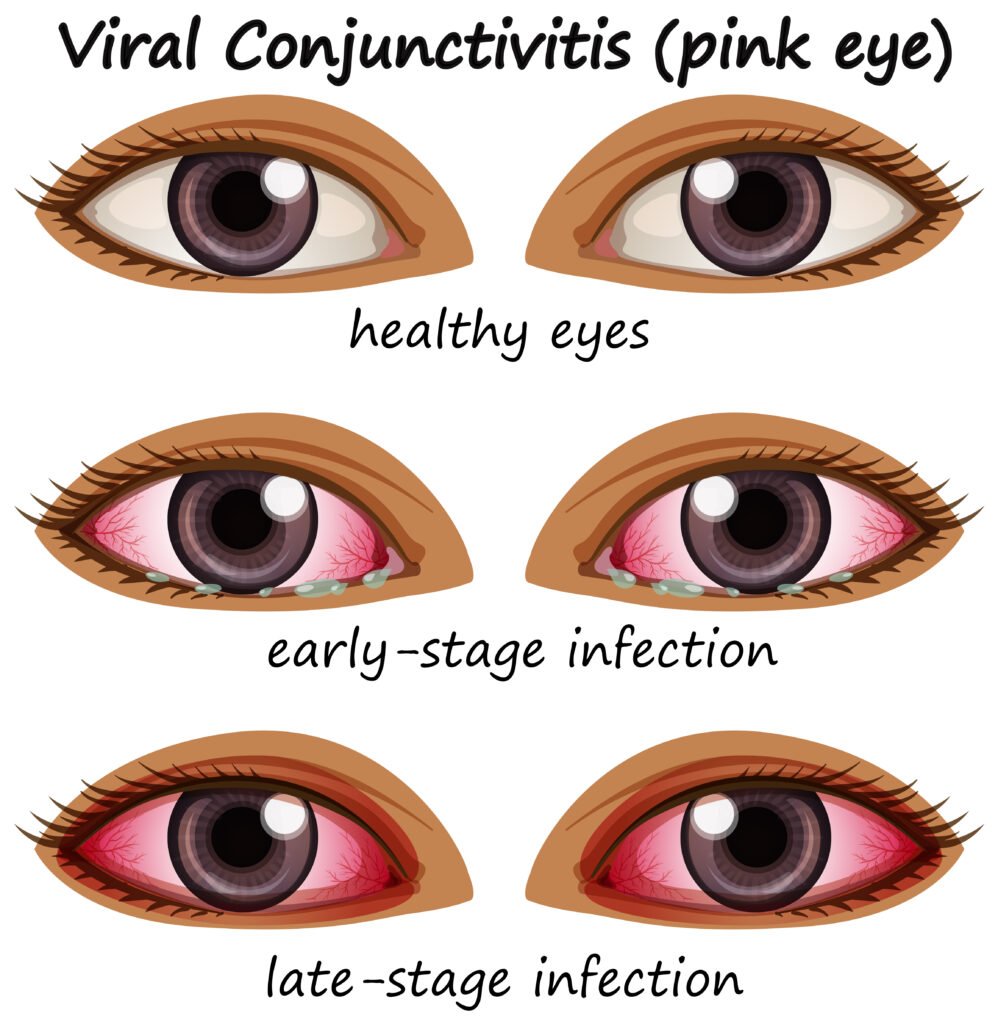
Pink Eye: Causes, Symptoms, Treatment, and Prevention Tips

Dr. Ahmad Shahzad
Founder | Lyallpur Diabetes Foundation
Consultant Diabetologist | Educator | Advocate for Preventive Care

Pink eye, also known as conjunctivitis, is a common eye condition that causes redness, irritation, and discomfort in one or both eyes. It may be caused by viruses, bacteria, allergies, or irritants, and it is significant to learn its causes and symptoms. It is not just about taking care of yourself, but assisting a child with pink eye to learn how to recognize it, treat it and prevent it is the most important thing to keep your eyes healthy and to prevent the transmission of pink eye.

What Is Pink Eye?

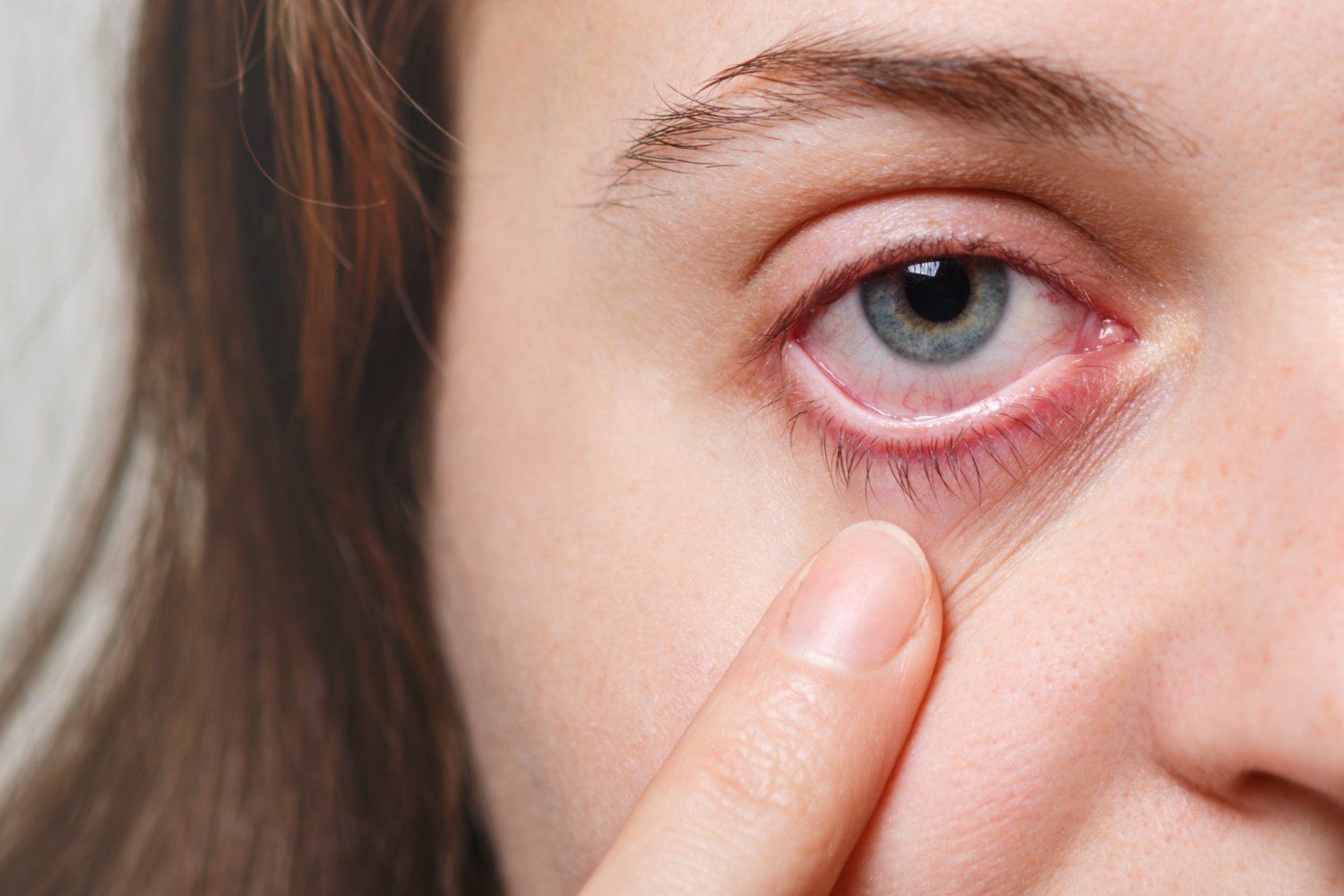
Pink eye or conjunctivitis is the inflammation or infection of the conjunctiva which is the transparent membrane that covers the eyeball white part and lines the eyelid. With this inflammation, the conjunctiva swollen and inflamed, making the whites of the eyes reddish or pink.

Common Causes 

Common causes of pink eye (conjunctivitis) include:

  • Viruses: The most prevalent, particularly adenoviruses. Viral pink eye is very contagious, and it is commonly found together with respiratory diseases such as the common cold. There are also other causes; these include herpes simplex and varicella-zoster viruses.
  • Bacteria: Bacterial conjunctivitis is contagious too, and bacteria like staphylococcal or streptococcal cause it. It is more prevalent among children and may co-exist with ear infections.
  • Allergens: Allergic conjunctivitis is an immune reaction to allergens like pollen, dust mites, mould, pet dander, or cosmetics. It is not transmissible and is common in individuals having other allergic disorders.
  • Irritants: Chemicals, smoke, dust, fumes, shampoo or chlorinated pool water may be irritating and result in conjunctivitis. It is non-contagious.
  • Other uncommon causes are amoebas, fungi, parasites, foreign bodies in the eye or misuse of contact lenses.

In infants, severe conjunctivitis may result due to blocked tear ducts or contracting chlamydia or gonorrhea in the newborn..

Signs and Symptoms 

The common signs and symptoms of pink eye (conjunctivitis) include:

  • Redness in one or both eyes due to inflamed blood vessels.
  • Itchy or burning sensation in the eyes.
  • A gritty feeling, as if something is stuck in the eye.
  • Watery eyes or excessive tearing.
  • Discharge from the eye, which can be clear, white, yellow, or green; this discharge can cause eyelids to stick together, especially after sleep.
  • Swollen eyelids and inflammation around the eyes.
  • Crusting on the eyelids or lashes, particularly noticeable in the morning.
  • Sensitivity to bright light (photophobia).
  • Blurred vision or discomfort wearing contact lenses.
  • Feeling of irritation or an urge to rub the eyes.

The symptoms can be different concerning the cause: viral conjunctivitis is typically accompanied by watery discharge, and the conjunctiva tends to be involved in respiratory infections; bacterial conjunctivitis is typically accompanied by the thick pus-like discharge, allergic conjunctivitis involves both eyes, is characterized by acute itching, swelling, and tears.

Treatment Options

Treatment options for pink eye (conjunctivitis) vary depending on the cause:

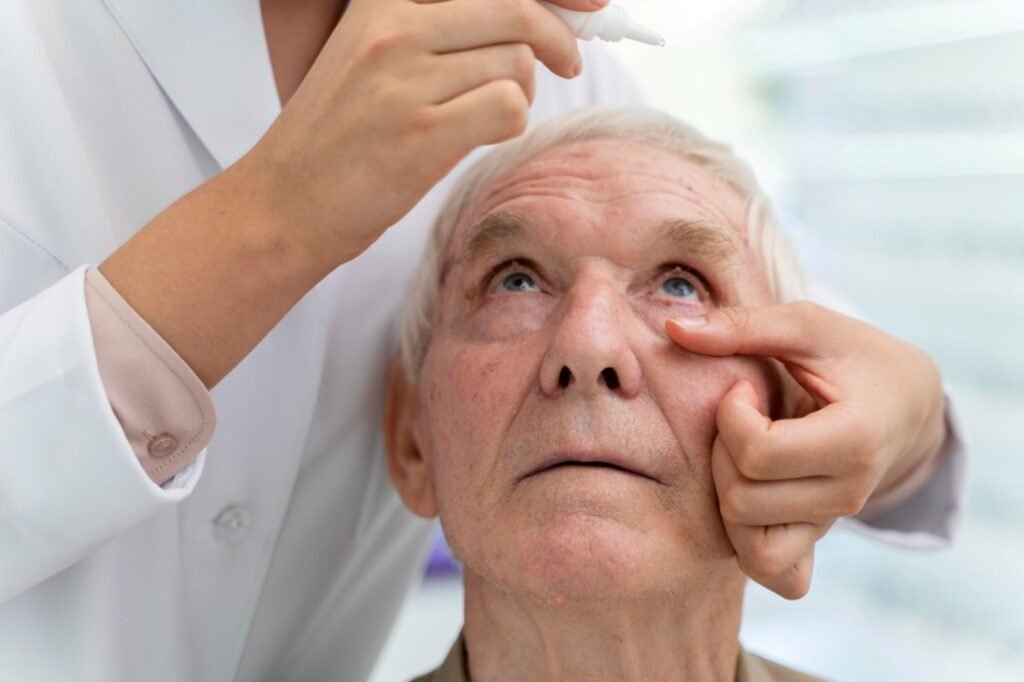
  • Viral conjunctivitis: It is typically mild and resolves itself without treatment in 1 to 2 weeks. Artificial tears, cold compresss and good hygiene can supplement the process of symptom relief. Antiviral drugs can be used with herpes simplex or other severe viruses.
  • Bacterial conjunctivitis: Antibiotic eye drops or ointments applied a few times a day (5-7 days). Sexually transmitted or stubborn infections can require oral antibiotics. Mild cases of bacteria can pass on their own, although antibiotics can help them heal faster and spread less.
  • Allergic conjunctivitis: The condition can be treated by avoiding allergens, using antihistamine or anti-inflammatory eye drops, some of which are prescription-only. There are also nonprescription alternatives. The therapy is aimed at managing allergies and inflammation.
  • Irritant induced conjunctivitis: as soon as possible water should be sprayed over the eyes to clear the irritant. In case due to chemicals such as acids or alkalis, immediate medical attention is recommended.

Some other general guidelines would be to clean eyelids with a damp cloth, to avoid using the contact lens until the infection clears, to dispose the infected contacts and makeup, and to keep clean hygiene to avoid transmission. Medical assessment is advised in case of aggravation of symptoms, alteration in vision, intense pain or redness.

You may also like to read: Connection between Diabetes and Cancer

How to Prevent Pink Eye

How to Prevent Pink Eye

To prevent pink eye (conjunctivitis), the following measures are effective:

  • Wash hands regularly with soap and water at least 20 seconds, and more so, prior to touching the face/eyes with the hands.
  • Touch/Rub the eyes by putting unwashed hands.
  • Do not share personal possession that touches the eyes e.g., towels, wash cloths, pillow cases, eye makeup, contact lenses, eyeglasses.
  • Wash and use clean towels and wash cloths every day and wash pillow cases, sheet,s and towels in lots of hot water and detergent.
  • Wash eyeglasses and sunglasses.
  • wash, store, and replace contact lenses following eye care instructions, and do not put contact lenses in when infected or symptomatic.
  • Do not share eye drops with an infected and uninfected eye.
  • Keep eyes free of irritants and allergens that cause allergic conjunctivitis.
  • In children, eye ointment is used soon after birth to avoid severe infection by bacteria in the birth canal.

The steps can be used to contain the transmission of bacterial and viral pink eye and also decrease the chances of allergic and irritant conjunctivitis. In case of symptoms, do not be in close contact with other people until the infection is over.

Final Thoughts

Pink eye is not severe but may spread at a rapid rate and bring some discomfort in case unattended. Early detection of its causes and symptoms, good hygiene, and professional consultation upon need would help you to protect your eyes and avoid transmission. Learning how to deal with pink eye will ensure that you maintain good vision and keep your eyes healthy.

The Connection between Diabetes and Cancer

Dr. Ahmad Shahzad
Founder | Lyallpur Diabetes Foundation
Consultant Diabetologist | Educator | Advocate for Preventive Care

Two of the most common issues impacting millions of people annually in the world are diabetes and cancer. As much as they appear to be different conditions, studies have revealed that the two are strongly related. Research recommends that diabetics are prone to some cancers more than healthy people because of overlapping risk factors, hormonal alterations, and metabolic disproportions. This interconnection is also essential in preventing early diagnosis, and management of the two diseases.

The association of cancer and diabetes is multifactorial. Diabetics particularly type 2 diabetes are susceptible to many forms of cancer compared to non-diabetics. This is a risk that is thought to be affected by metabolic dysregulation such as hyperglycemia (high blood sugar), hyperinsulinemia (high insulin levels), chronic inflammation, and obesity. Such conditions may favor tumor growth, cancer development, and metastasis. Moreover, certain methods of treating cancer can precipitate an increase in blood sugar or diabetes in themselves. Diabetes also leads to increased cancer deaths. This relationship is caused by common risk factors like genetics, obesity, and inflammation. Knowledge of these mechanisms helps prevent, detect, and manage cancer among diabetic patients.

Key Points

  • Diabetes predisposes some cancers such as liver, pancreas, colorectal, breast, and bladder cancer.
  • Hyperglycemia and hyperinsulinemia provide an environment that favors the growth of cancer cells.
  • Chronic inflammation and obesity, typical of diabetes, enhance cancer.
  • Some treatments of cancer may cause diabetes or a rise in blood sugar levels.
  • There is a correlation between diabetes and cancer mortality.
  • The common factors are genetics, oxidative stress, and metabolic disturbances.
  • As well, there is a two-way relationship between diabetes and cancer: each can have an impact on the other.

How Does Diabetes Increase Cancer Risk?

Diabetes increases cancer risk through several intertwined mechanisms:

  1. Hyperinsulinemia, Insulin Resistance: With type 2 diabetes, there is hyperinsulinemia due to insulin resistance. Insulin and insulin-like growth factor 1 (IGF-1) increase cell proliferation and prevents apoptosis, stimulating cancer cell proliferation. Insulin and IGF-1 receptors tend to be more active on cancer cells and are, therefore, more sensitive to these growth factors.
  2. Hyperglycemia: A high blood glucose level offers a lot of energy to fast-dividing cancerous cells (Warburg effect). Hyperglycemia also induces advanced glycation end products (AGEs) that amplify oxidative stress and inflammation, which, in turn, causes damage of DNA and tumorigenesis.
  3. Chronic Inflammation: Diabetes-related chronic low-grade inflammation involves generation of pro inflammatory cytokines which favor cancer proliferation and progression. This inflammatory condition may favor tumors and metastasis.
  4. Obesity and Metabolic Syndrome: This is typical of type 2 diabetes because obesity leads to disturbances in hormones, such as estrogen and adipokines, which may cause some types of cancers such as breast cancer and liver.
  5. Oxidative Stress and DNA Damage: Hyperglycemia and inflammatory oxidative stress damages DNA thereby triggering carcinogenesis.
  6. Effects of Cancer Therapy: There are cancer treatments that cause diabetes or aggravate glucose metabolism, which is a two-way relationship.

Types of Cancer More Common in People with Diabetes

Types of Cancer More Common in People with Diabetes

The types of cancer that are more common in people with diabetes include:

  • Liver cancer
  • Pancreatic cancer
  • Kidney cancer
  • Colorectal cancer (colon and rectum)
  • Breast cancer (especially in type 2 diabetes)
  • Bladder cancer
  • Endometrial (uterine) cancer
  • Gallbladder and bile duct cancers
  • Lung cancer
  • Ovarian cancer
  • Stomach (gastric) cancer
  • Thyroid cancer
  • Esophageal cancer
  • Leukemia and lymphomas (e.g., Non-Hodgkin lymphoma)
  • Oral cavity cancers
  • Gliomas (brain tumors)
  • Melanoma (skin cancer)

Differences in risk occur between type 1 and type 2 diabetes:

·       Type 1 diabetes predisposes people to liver, pancreatic, kidney, esophageal, stomach, lung, thyroid, squamous cell, and leukemia cancers. Surprisingly, type 1 diabetes decreases the prevalence of breast cancer over the general population.

·       People with diabetes type 2 have a higher risk of liver, pancreatic, kidney, lung cancer, leukemia, and more often develop bile duct, gallbladder, gastrointestinal, bladder, ovarian, endometrial, oral cavity, gliomas, and melanoma.

The Role of Medications and Treatment

Diabetes medications and therapies may affect the risks of cancer positively and negatively. The following is a summary of how diabetes drugs are involved in cancer risk and management:

Metformin

  • Metformin is known to be less likely to cause several cancers such as pancreatic, breast, colorectal and prostate cancer.
  • Its anticancer effects can be due to the ability to activate AMP-activated protein kinase (AMPK) that suppresses cell growth and protein synthesis and reduces insulin levels and inflammation.
  • Clinical studies indicate that metformin can enhance the survival of diabetic patients with cancer.

Thiazolidinediones (TZDs)

  • TZDs have moderate effects on reduction of risk to breast, lung, and liver cancer.
  • They can have actions through the regulation of cellular metabolism, the decrease of oxidative stress, and alteration of inflammation pathways.

Insulin and Insulin Secretagogues

  • Insulin and insulin secretion increasing agents may also be linked to liver and pancreatic cancer risks.
  • Insulin use is known to cause increased cancer risk in certain locations and reduced risk in others, e.g., breast and prostate cancers, and this may be attributed to complex biologic mechanisms.

GLP-1 Receptor Agonists (GLP-1RAs)

  • GLP-1RAs, including liraglutide and semaglutide, have been demonstrated to decrease risk of obesity cancers including esophagus, colon, endometrium, gallbladder, kidney, liver, ovary, and pancreas compared to insulin.
  • They help to control glucose and to lose weight, which probably also helps to reduce the risk of cancer.
  • Their potential protective value is an issue that needs to be investigated in the long run.

Other Considerations

  • Extensive lifestyle and metabolic-bariatric interventions on diabetes and obesity also lower cancer risk.
  • The effects of some cancer therapies are that they can lead to the deterioration of glucose metabolism or even the onset of diabetes, and they have to be handled with care.

You may also like to read: Impact of Environmental Toxins on Metabolic Health

Can Cancer Treatment Affect Diabetes?

Cancer treatment can significantly affect diabetes management and blood sugar control in several ways:

Effects of Cancer Treatment on Diabetes

  • Immune Checkpoint Inhibitors (ICI): Can induce the onset of autoimmune diabetes in approximately 1-2 percent of patients, with permanent insulin dependence. Close monitoring is also required because ICI may deteriorate blood sugar levels in known diabetics.
  • Corticosteroids: Steroids are commonly administered in cancer therapy to decrease inflammation and nausea, but steroids may result in insulin resistance, which results in hyperglycemia or aggravated diabetes. This necessitates the modification of insulin among other diabetes medications.
  • Chemotherapy: Hypoglycemia: Side effects like nausea, vomiting, mouth sores, and loss of appetite cause changes in the blood sugar level, including low blood sugar level because of decreased food intake. Certain chemotherapy medications have a direct effect on glucose metabolism.
  • Radiation Therapy: Radiation may cause systemic stress that results in high blood sugar and fatigue and that may interfere with diabetes management.
  • Hormone Therapy: Hormonal therapies are applied in prostate and breast cancer that is particularly associated with nausea, fatigue, and metabolic side effects such as appetite and glucose regulation.
  • Targeted Therapies and Immunosuppressants: medicines such as tyrosine kinase inhibitors (TKIs), mTOR inhibitors, and calcineurin inhibitors can disrupt the metabolism of glucose and aggravating diabetes.

Management Considerations

To prevent hyperglycemia or hypoglycemia, close monitoring of blood glucose should be done in cancer treatment.

·       Serial insulin regimens must be changed frequently. As an example, Type 1 diabetics might require extra insulin forms (e.g. NPH) when steroids are used since they have overlapping effects.

·       Continuous glucose monitoring and automated insulin delivery systems should be used in Type 1 diabetes to have the most optimal control in cancer therapy.

·       Multidisciplinary management: The challenges of cancer and diabetes are dual and therefore require the involvement of oncologists and endocrinologists.

Final Thoughts

The fact that diabetes and cancer are interrelated indicates the relevance of proactive health. People can reduce the risk of developing complications of either condition by acknowledging common risk factors, making healthier lifestyle changes, and remain consistent with regular screenings. This complicated association will be explained further by research, but in the meantime, the best weapon in the defense of long-term health is awareness and prevention.

The Impact of Environmental Toxins on Metabolic Health

Dr. Ahmad Shahzad
Founder | Lyallpur Diabetes Foundation
Consultant Diabetologist | Educator | Advocate for Preventive Care

Environmental toxins are everywhere, the food we consume, in the air we breathe, and in the products, we interact with day in day out. There is increasing evidence that these invisible pollutants have the potential to disrupt hormones, metabolism, and energy regulation increasing the risk of obesity, diabetes, and other metabolic conditions. Knowledge of how toxins affect metabolic health is the key to preventing disease and building a safer and healthier future.

Major Categories of Environmental Toxins

Significant groups of environmental toxins sometimes referred to as pollutants can be broadly categorized according to their nature, source, persistence and the medium in which they are contaminating. Key categories include:

Nature and Source

  • Primary Pollutants: Direct emitters, e.g., smoke, dust, sulfur dioxide (SO2), nitrogen oxides (NOx).
  • Secondary Pollutants: The products of the chemical reaction of the primary ones in the environment, e.g., ozone layer, and smog.

Persistence

  • Degradable Pollutants: Degraded very fast by natural processes, e.g. domestic sewage.
  • Slowly Degradable (Persistent) Pollutants: Remain in the environment, e.g. pesticides, such as DDT, plastics, heavy metals.

Environmental Medium

  • Air Pollutants: They are gases (CO2, SO2, NOx), PM, volatile organic compounds (VOCs), and toxic industrial chemicals.
  • Water Pollutants: Include heavy metals, detergents, fertilizers, pesticides, industrial waste and oil spillage.
  • Soil Pollutants: Hydrocarbons, heavy metals, pesticides and herbicides that interfere with the quality of soil.
  • Noise Pollution: Unwanted or undesirable sound that interferes with ecosystems and the health of humankind.
  • Radioactive Pollution: The release of radioactive materials (nuclear activities).
  • Thermal Pollution: Change in temperature on the natural water bodies due to industrial activities.
  • Plastic Pollution: Buildup of plastic waste that affects wildlife and ecosystems.

Special Categories

  • Endocrine Disrupting Chemicals: BPA and phthalates are some of the chemicals that disrupt hormonal activity.
  • Heavy Metals: Toxic metals like lead, cadmium, mercury among other organs and metabolism.

This classification assists in figuring out their sources, environmental routes, and impact on human and ecological health.

How Toxins Affect Metabolic Health: Key Mechanisms

How Toxins Affect Metabolic Health: Key Mechanisms

Metabolic health is impacted by environmental toxins in several important ways that disorientate normal metabolism:

Inflammation and Oxidative Stress

Toxins cause chronic low-grade inflammation and produce reactive oxygen species (ROS), causing oxidative stress. This dismays cellular structures like lipids, proteins and DNA, which disrupts insulin signaling and leads to insulin resistance, which is a feature of metabolic disorders.

Endocrine Disruption

Several environmental chemicals including bisphenol A (BPA) and phthalates are endocrine disruptors. They imitate or obstruct hormones and hormone receptors, change the metabolism of glucose, fat storage and 0-cell activity of the pancreas thereby inducing obesity, insulin resistance and type 2 diabetes.

Epigenetic Modifications

Epigenetic modification may be caused by toxins, such as DNA methylation and histone modification, which alters the gene expression related to metabolic control, inflammation, and immune response. The effects of these changes can be long-term on metabolic health and even intergenerational.

Mitochondrial Dysfunction

Environmental pollutants also damage mitochondrial activity, which decreases the generation of energy and elevates oxidative stress. This impairment inhibits fat and glucose metabolism that favors the development of metabolic syndrome, such as obesity and diabetes.

Gut Microbiota Alteration

The toxins interfere with the structure and activity of the intestinal microbiota, which is crucial in metabolism. Pollutant-induced dysbiosis may decrease beneficial metabolites (short-chain fatty acids), facilitate systemic inflammation, and alter metabolic homeostasis.

Disruption of Metabolic Enzymes and Pathways

Heavy metals and other wastes disrupt action of enzymes used in carbohydrate and lipid metabolism, and this further encourages metabolic abnormalities.

The combination of these processes leads to the formation and evolution of metabolic diseases, including insulin resistance, type 2 diabetes, obesity, and metabolic syndrome.

Evidence from Research

Research evidence robustly supports the idea that environmental toxins play a significant role in metabolic health disruption:

  • Population, animal, and cell studies have established the associations of diverse classes of metabolic-disrupting chemicals (MDCs) with obesity, diabetes, and non-alcoholic fatty liver disease (NAFLD).
  • Clinical intervention research reports that behavior modification that minimizes exposure to MDCs (e.g., the use of fewer personal care products, no plastic food wrappings and poor hand hygiene) reduce body burdens of these chemicals and their metabolic impact.
  • The exposure to air pollution is associated with heightened insulin resistance and impaired vascularity in people with metabolic syndrome or diabetes, and particulate matter (PM2.5) particularly.
  • Experimental research leads to highlighting disruptions of endocrine, oxidative stress, mitochondrial disturbance, and gut microbiota changes occasioned by pesticides, heavy metals, and synthetic chemicals, which lead to metabolic dysfunction.
  • Heavy metals such as cadmium and lead have been linked to hypertension, renal dysfunction, and metabolic abnormalities and there is also evidence that the metals have been linked to the alteration in the composition of gut microbiota that is applicable to metabolic diseases.
  • Research can go further in bioenergetics to understand the effects of these toxicants on cellular energy production and metabolism that can serve biomarkers to monitor exposure and subsequent disease development.
  • A growing body of reviews and meta-analyses highlights the necessity of combining exposure data with toxicity profiles to focus on chemicals with significant metabolic health hazards and devise specific interventions.

All this evidence together calls to add environmental toxin mitigation as part of the global metabolic disease pandemic approach.

You may also like to read: Benefits and Challenges of Precision Medicine in Diabetes

Factors That Influence Risk

Several factors influence the risk of metabolic health disruption from environmental toxins:

Exposure Level and Duration

·       Higher intensity and long-term exposure to toxins such as pesticides, heavy metals and air pollutants predisposes metabolic disease including obesity, insulin resistance, and diabetes.

Chemical Type and Mixtures

  • Endocrine-disrupting chemicals (EDCs) like bisphenol A (BPA) and phthalates are highly hormonal.
  • The joint effect of various chemicals or pollutants could be additive or synergistic and enhance metabolic outcomes.

Genetic and Epigenetic Susceptibility

·       Individual genetic background has a role; epigenetic changes (e.g. changes in DNA methylation in response to toxins) can mediate long-term metabolic dysfunction and may be inheritable.

Age and Developmental Stage

·       Exposure at critical developmental stages like prenatal, childhood or puberty heightens the risk of having lifelong metabolic disorders due to interference with organ development and metabolic programming.

Socioeconomic and Lifestyle Factors

  • Poor nutrition, inactivity, and poor socioeconomic status tend to augment toxin exposure and metabolic illness.
  • Disadvantaged populations: The poorer ones might not access clean environments, which increases risk.

Microbiome Status

·       The gut and environmental microbiomes mediate toxin metabolism, dysbiosis can increase metabolic impairment.

Co-existing Health Conditions

  • Pre-existing metabolic abnormalities or inflammatory conditions heighten susceptibility to pollutants’ harmful effects.

Together, these factors shape individual differences in how environmental toxins impact metabolic health, emphasizing the need for personalized risk assessment and targeted preventive strategies.

Strategies to Reduce Exposure and Support Metabolic Health

Strategies to reduce exposure to environmental toxins and support metabolic health include a combination of personal lifestyle changes, home environment adjustments, and broader community or policy-level actions:

Personal and Lifestyle Strategies

  • Select organic or well washed fruit and vegetables to eliminate pesticide residues.
  • Have non-toxic, fragrance-free household and personal care products, to reduce exposure to chemicals.
  • Minimize plastic consumption, replacing it with glass or stainless-steel containers and do not heat food using plastic, which enhances chemical leaching.
  • Raise the consumption of nutrient enriched and fiber heavy foods that promote the processes of detoxification (ex: fruits, vegetables, whole grains).
  • Keep hydrated and do exercises to stimulate the removal of toxins through sweat and urine.
  • You can use such supplements as glutathione, N-acetyl cysteine (NAC), milk thistle, and chlorella to aid in the process of liver detoxification and the removal of heavy metals.

Home Environment Adjustments

Enhance indoor air quality by ventilating, employing HEPA air purifiers, and indoor plants that aid in filtering the toxins.

Wipe surfaces frequently with wet cloths and vacuums with HEPA filters to minimize dust-borne toxicants.

Avoid products with dangerous chemicals like phthalates and parabens and watch out for unfortunate replacements with potentially dangerous ones.

Community and Policy Measures

  • Support and advocate for clean air and water regulations that limit industrial emissions and toxic chemical releases.
  • Participate in community education programs and environmental clean-up initiatives.
  • Encourage implementation of exposure-informed care models that integrate preventive health strategies for vulnerable populations.

Collectively, these approaches reduce toxin burden, support the body’s natural detoxification, and help protect metabolic health over time.

Final Thoughts

Finally, another issue that is underestimated as a cause of poor metabolic health is environmental toxins. Air pollutants as well as heavy metals, endocrine-disrupting chemicals, and others can disrupt hormones, contribute to inflammation and worsen the balance of energy, leading to obesity, diabetes, and other metabolic diseases. Limiting exposure- by making informed lifestyle choices, better regulations, and cleaner environments can aid in preserving long-term well-being in addition to the aid of healthier communities.

The Benefits and Challenges of Precision Medicine in Diabetes

Dr. Ahmad Shahzad
Founder | Lyallpur Diabetes Foundation
Consultant Diabetologist | Educator | Advocate for Preventive Care

The means of treating diabetes and its diagnosis is changing with precision medicine. This type of personalized approach will modify care to the needs of everyone through genetic, environmental, and lifestyle data analysis. Precision medicine can provide an opportunity to diagnose diabetes at earlier stages, tailor treatment, and achieve improved long-term results. Nonetheless, its use is not without its difficulties, both in terms of cost and accessibility and in terms of ethics. Appreciating the advantages and challenges are the keys to unleashing its full potential to people with diabetes.

Understanding Precision Medicine in Diabetes

In diabetes, precision medicine is a novel intervention, which tailors the diagnosis, prediction, prevention, and treatment to the unique genetic, environmental, and lifestyle factors of a person. As opposed to conventional methods of treating diabetes as general categories (type 1, type 2 and so on), precision medicine seeks to classify patients in a more precise way so that therapeutic can be maximized and side effects minimized. It combines multidimensional data, such as genomics, clinical, wearable, and biochemical data and customizes care based on the individual disease profile and risk factors of the individual patient.

Key Concepts in Precision Medicine for Diabetes

  • Genetic-Testing-Based Diagnosis: Diagnosing diabetes subtypes with more precision by genetic testing and clinical manifestation (particularly in monogenic diabetes, due to single gene mutation), and increased precision in type 1 diabetes and type 2 diabetes.
  • Personalized Treatment: Choosing the most effective medications and interventions according to genetic markers and individual response predictions to enhance efficacy and reduce side effects.
  • Prevention and Prognosis: To determine those individuals at high risk due to genetic and environmental influences to use specific preventive care and predict disease progression.
  • Technological Integration: Use of continuous glucose monitoring, insulin pumps and other tools to control and apply insulin treatment as needed.
  • Multi-Factorial Data application: The integration of genetic profiles, lifestyle, environment, metabolomics, and clinical data, to obtain the complete picture of the disease in an individual.

Benefits and Focus Areas

  • Precision medicine can be used to identify diagnosis and provide specific therapy choices with almost certainty in monogenic diabetes.
  • In the case of type 1 diabetes (T1D), it combines the autoimmune indicators and genetics to classify subgroups and tailor preventive and treatments.
  • Precision medicine, when applied to type 2 diabetes (T2D), aims to establish patient subsets that are most responsive to a particular intervention, such as metformin, SGLT2 inhibitors, and GLP-1 receptor agonists, based on genetic variation in response to drugs.
  • It is also an effort to outgrow a glossocentric one-size-fits-all model by incorporating a wide range of factors that affect diabetes biology and lifestyle of patients.

Precision medicine in diabetes is a transition to more personalized, data-driven care, which enhances patient outcomes and quality of life by comprehending patient heterogeneity in the pathology and response to treatment in diabetes.

Challenges of Precision Medicine in Diabetes

Challenges of Precision Medicine in Diabetes

The challenges of precision medicine in diabetes span several critical areas:

  1. Complex Disease Biology: Diabetes, particularly type 2 is polygenic and heterogeneous, with several environmental factors and genes affecting the disease. This complicates the process of finding single genetic markers or pathways of interest to treat efficiently as monogenic or simpler diseases.
  2. Data Interpretation and Integration: The massive biological data need the intervention of experts to prevent false classification and false diagnosis. The combination of genetic, clinical, lifestyle, and environmental data into practical clinical outcomes is an extremely complicated task.
  3. Healthcare System Readiness: Healthcare systems should evolve, such as training of clinicians in genomics, data science and development of decision-support systems to take precision-based diagnostics and treatments into clinical practice.
  4. Regulatory and Payment Matters: Regulatory bodies and payers experience difficulties in establishing guidelines concerning evidence and approvals and paying policies on accurate diagnostics and treatments. This makes it difficult to make wider use outside research markets.
  5. Equity and Population Diversity: The research is largest in the populations of European ancestry, and therefore it is not generalizable. There should be inclusion of different ethnic and geographical populations to prevent the increased health inequalities.
  6. Cost-effectiveness and Evidence Base: More pragmatic trials and cost-benefit studies are required to show actual utility and economic worth of precision diabetes care especially outside the monogenic forms.
  7. Patient and Provider Engagement: Patients and clinicians should communicate effectively on risk and benefit, consider health literacy, and socioeconomic factors using shared decision-making tools.

You may also like to read: Role of Artificial Intelligence in Diabetes Management

Future Prospects

Precision medicine in diabetes has a transformative future on diabetes care because it can be used to approach diabetes diagnosis, treatment, and prevention in a highly personalized manner. Genetic testing, artificial intelligence, and analytics of big data are likely to enable clinicians to customize a treatment according to the personal genetic composition, metabolism, and lifestyle of the patient and achieve better treatment outcomes and fewer side effects. Subtype classification and individual predictive therapeutic responses Precision approaches are more practical as better diagnostic algorithms can classify diabetes subtypes more accurately and predict unique therapeutic responses.

Machine learning can be integrated with diabetes management, which will increase its effectiveness, real-time monitoring, and personalized care programs. Although precision medicine has already firmly established itself in the diagnosis of monogenic diabetes, its future development and use is to broaden it to the more common type 1 and type 2 diabetes. Further uptake will require overcoming issues like cost, integration of health care systems and equitable access. Finally, precision medicine is set to transform how diabetes is treated by no longer using standard guidelines but rather tailored therapy which helps to maximize health and quality of life in patients across the globe.

Bottom Line

Precision medicine presents enormous potential in transforming the treatment of diabetes to provide personalized treatment, early warning, and better patient outcomes. However, it is contingent on its ability to overcome price, availability, and information security. The potential of precision medicine can be realized by having healthcare systems encourage research, educating, and providing equitable access, which will be used to develop further, more effective, and personalized solutions to managing and preventing diabetes.